
Introduction
- Independent Boards Reduce Risk of Securities Litigation: An ndependent board is an integral components of corporate governance and investor protection. The concept of Board Independence refers to the presence of directors on a company’s board who are free from any material relationship with the company, ensuring impartial decision-making. Independent directors play a crucial role in overseeing management actions, protecting shareholder interests, and enhancing corporate accountability.
- Securities Litigation: Often arises when there are allegations of misrepresentation or omission of critical information by a corporation, leading to financial losses for investors. As such, implementing strong governance frameworks is paramount in preempting these legal challenges and safeguarding the interests of shareholders.
- Internal Controls: Public companies are expected to maintain robust internal control over financial reporting (ICFR), effective disclosure controls and procedures (DCP), and corporate governance mechanisms that identify and escalate risk before it becomes a public crisis. When those expectations are not met, securities litigation often follows, anchored in the argument that investors were misled because the company’s control environment did not support reliable reporting or timely disclosure.
- False and Misleading Financial Statements: Because the company’s financial statements include maniplated data, they are materially false and misleading yet unsuspecting shareholders purchase the stock at this artificially inflated prices.
- Investor Protections: Investors who believe they have been wronged can file securities class actions under this Exhchange Act to claim compensation for their losses. The judicial system, through securities litigation, enforces compliance with disclosure requirements and penalizes those who attempt to defraud investors.
- Investor Best Practices: Individual investors can protect themselves by doing their own research and learning to recognize common warning signs.
If you suffered substantial losses and wish to serve as lead plaintiff in a securities class action, or just general questions about your rights as a shareholder, please contact attorney TimothyL. Miles of the Law Offices of Timothy L. Miles, at no cost, by calling 855/846-6529 or via e-mail at [email protected].(24/7/365).
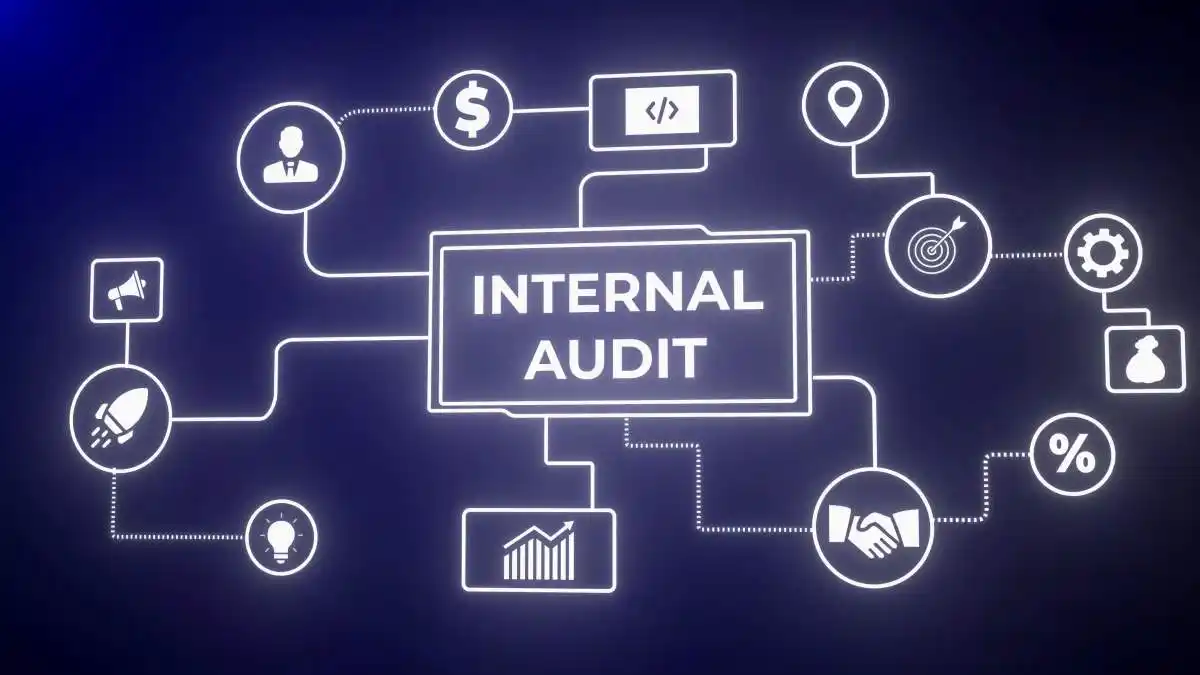
Causes of Inaccurate Financial Reporting
- Insufficient Staff Training: Employees who lack proper training or expertise may inadvertently introduce errors into financial records. For instance, mistakes by warehouse staff in inventory counts or errors in expense reporting by sales personnel can directly impact the accuracy of accounting data.
- Outdated Knowledge of Accounting Standards: If accounting team members are not current with evolving standards and regulations—such as changes to GAAP, SEC rules, or recent updates like ASC 842 for lease accounting and the Tax Cuts and Jobs Act (TCJA)—they can unintentionally apply outdated methods, leading to inaccuracies.
- Manual Data Entry and Processes: Human error is more likely when financial information is entered manually. Mistakes such as transposed numbers, misplaced decimal points, duplicate entries, or missing transactions frequently occur without automated controls.
- Breakdowns in Communication: Misunderstandings between policy makers and those executing accounting procedures can result in errors. For example, a lack of clarity on how to estimate allowances for doubtful accounts may cause inconsistent application across teams.
- Disjointed Financial Systems: Poor integration between various financial platforms can create mismatches and require manual corrections, increasing the risk of mistakes due to improper data mapping or workflow disruptions.
- Weak Review and Oversight Processes: Without thorough review mechanisms, errors like intercompany imbalances may go unnoticed. These lapses often stem from time constraints, limited resources, or competing priorities within the organization.
- Inconsistent Accounting Practices:Variations in accounting methodologies across departments or subsidiaries—such as differences in inventory valuation techniques or revenue recognition—can result in conflicting figures on consolidated financial statements.
- Improper Use of Chart of Accounts: Errors such as miscoding invoices or misclassifying expenses as revenue can distort the true picture of a company’s financial health and obscure critical information from stakeholders.
- Deliberate Fraud: While rare compared to unintentional mistakes, intentional acts of fraud—where employees falsify or omit important details from financial reports—represent the most financially damaging type of reporting issue an organization can face.
Impact of Inaccurate Financial Reporting
- Wasted Time and Resources: Organizations often expend significant effort tracking down and correcting financial reporting mistakes. This process can be frustrating for staff, strain professional relationships, and lead to decreased job satisfaction.
- Poor Decision-Making: When internal reports contain inaccuracies, leaders risk making misguided business decisions—such as setting inappropriate product prices or making flawed hiring and firing choices—because they are relying on faulty data.
- Cash Flow Issues: Overstating cash flow may leave a company unable to cover bills or payroll when actual funds fall short. Conversely, understating available cash could mean missing valuable investment or interest-earning opportunities.
- Regulatory Fines and Penalties:Inaccurate or late financial reports can trigger fines from the IRS or other authorities. If an audit reveals underpaid taxes due to errors, companies must pay both penalties and accrued interest in addition to their outstanding tax liability.
- Reputational Damage and Loss of Credibility: Even unintentional reporting errors can erode trust among lenders, investors, and other stakeholders. Companies with a history of inaccuracies may face higher borrowing costs or have difficulty securing financing, as well as increased scrutiny from potential investors.
- Negative Impact on Stock Prices: The market tends to react swiftly when companies revise or restate financial reports. Share prices often drop—sometimes dramatically—when reporting errors come to light or deadlines are missed due to the need for corrections.
- Bankruptcy Risk Due to Fraud: Intentional misrepresentation of financial results can have catastrophic consequences. Regulatory investigations may result in hefty fines, criminal prosecution of executives, loss of investor confidence, plummeting stock prices, and—ultimately—bankruptcy. Notably, in high-profile fraud cases like that of a major energy company, executives faced imprisonment while employees lost substantial portions of their pension savings.
Board Independence Is a Significant Governance Mechanism
- Board Independence: An independent director is a non-executive board member with no material or financial ties to the company or its executives. Their primary role is to provide objective oversight, protect shareholder interests, ensure transparent corporate governance, and prevent conflicts of interest.
- Reduce Excessive Risk-Taking: Executive are expected to act in the best interest of the shareholders and only take risks that maximize shareholde value. However, they rmay adopt inadequate internal and other controls that allows for too much risk due to their human and monetary nvestment in the compant. They may take risk that would benefits themselves rather than that maximize shareholder, and even take risk that could bankrupt the company.
- Board’s Duty Is to Make Sure Risk Level Is in the Best Interest of Shareholders: A truely indepensent Board is far more objective than directors who are also insiders. Indeed, the Sarbanes-Oxley Act of 2002 (SOX) requires boards to have a majority of independent directors. An independent board is far more likely to align the degree of risk-taking that maximizes shareholder wealth.
The Importance of independent directors
- Role of Independent Directors: Independent directors play a vital role in modern corporate governance by bringing objectivity and impartial oversight to the boardroom.
- Unbiased Decision-Making: Because they are not involved in day-to-day operations or tied by significant relationships within the company, independent directors can make decisions without personal bias or conflicts of interest.
- Oversight and Monitoring: They serve as neutral monitors of management activities and financial reporting, helping to identify issues early and hold executives accountable.
- Promoting Transparency and Ethics: Their presence encourages transparency, ethical behavior, and adherence to best practices—core elements that foster trust among stakeholders.
- Boosting Investor Confidence: By ensuring fair oversight and strong governance, independent directors enhance the company’s credibility and reassure investors about the integrity of its leadership and reporting.
Key Responsibilities
- Unbiased Oversight: Because they do not work for the company and have no vested interest, independent directors impartially review strategies, audit processes, and executive performance.
- Committee Leadership: They typically chair or form the majority on critical board committees—such as the Audit, Compensation, and Nominating Committees—to ensure fairness and objectivity.
- Challenging Management: They serve as a vital check and balance, asking tough questions, stress-testing projections, and evaluating executive succession planning.
- Stakeholder Protection: They ensure that the company’s actions and financial reports are transparent, ethical, and aligned with the best interests of all stakeholders, not just insiders.

Contributions of an Independent Board
- Objective Board Deliberations: Independent directors are central to maintaining objectivity during board discussions. Their detached stance enables them to assess strategic proposals without bias and to question management when necessary.
- Conflict Mitigation: By remaining impartial, independent directors are effective at identifying and managing conflicts of interest. This helps ensure that decisions benefit all stakeholders, not just a select few.
- Risk Management and Compliance Oversight: They actively monitor risk management processes and verify that the company remains in compliance with relevant laws and regulations, reducing exposure to legal or ethical violations.
- Protecting Stakeholder Interests: Independent directors act as guardians of shareholder and stakeholder interests. They help guarantee that board decisions adhere to both ethical guidelines and legal standards.
- Committee Involvement: Frequently serving on key committees—such as audit, nomination, and remuneration committees—independent directors oversee critical areas like executive compensation and transactions involving related parties, ensuring fairness and transparency.
- Strategic Guidance: Beyond their monitoring role, independent directors contribute valuable input to strategy formulation. They challenge entrenched viewpoints, rigorously evaluate new proposals, and help align decisions with the company’s long-term vision.
- External Perspective: Bringing experience from outside the organization, they can identify overlooked risks or opportunities (“blind spots”) and offer a fresh perspective that enhances board effectiveness.
The Challenges of Implementing Board Governance
1. Resistance to Change
Why it happens: Boards often have entrenched traditions and relationships (hello, interlocking directorates) that feel comfortable but aren’t always effective. What to do:
- Communicate the ‘why’: Clearly explain the benefits of new governance practices—not just for compliance, but for better decision-making and long-term success.
1. Resistance to Change
Why it happens: Boards often have entrenched traditions and relationships (hello, interlocking directorates) that feel comfortable but aren’t always effective. What to do:
- Communicate the ‘why’: Clearly explain the benefits of new governance practices—not just for compliance, but for better decision-making and long-term success.
-
- Start small: Pilot new practices with a committee or in phases rather than overhauling everything at once.
-
- Involve influencers: Enlist respected directors to champion change and model new behaviors.
2. Lack of Clarity on Roles and Responsibilities
Why it happens: As governance structures evolve, boundaries can blur, leaving directors unsure of what’s expected. What to do:
- Document everything: Create clear role descriptions, charters for committees, and accountability frameworks.
- Onboard thoroughly: Use orientation sessions (and refreshers) to clarify expectations for both new and existing directors.
- Check in regularly: Periodically review roles as strategy or structure shifts.
3. Balancing the Board
Why it happens: Achieving true diversity—in skills, backgrounds, and perspectives—requires intentionality and sometimes tough conversations. What to do:
- Audit current composition: Identify gaps in expertise or representation.
- Set goals: Establish diversity targets (but avoid tokenism).
- Broaden recruitment: Look beyond traditional networks; consider search firms specializing in diverse candidates.
4. Limited Stakeholder Engagement
Why it happens: Boards may focus inwardly, missing valuable insights from those impacted by their decisions. What to do:
- Solicit feedback: Regularly engage employees, investors, and community members through surveys or town halls.
- Appoint liaisons: Assign directors to act as points of contact for major stakeholder groups.
- Report back: Share how stakeholder input shaped board decisions.
5. Short-Term Thinking
Why it happens: Pressure for immediate results can overshadow long-term planning—especially when governance changes disrupt the status quo. What to do:
- Balance agendas: Dedicate meeting time equally to short-term performance and long-term strategy/risk.
- Use metrics wisely: Track both financial KPIs and sustainability/risk indicators.
- Champion stewardship: Remind the board their duty is not just today’s profits but tomorrow’s legacy.
Final Thought:
Yes, implementing good governance can feel like herding cats at first—but stick with it! The payoff is a board that’s more effective, accountable, diverse, and connected to its stakeholders… which is pretty much everyone’s dream boardroom scenario.
Would you like more actionable tools or templates for any of these challenges?
Start small: Pilot new practices with a committee or in phases rather than overhauling everything at once.
- Involve influencers: Enlist respected directors to champion change and model new behaviors.
2. Lack of Clarity on Roles and Responsibilities
Why it happens: As governance structures evolve, boundaries can blur, leaving directors unsure of what’s expected. What to do:
- Document everything: Create clear role descriptions, charters for committees, and accountability frameworks.
- Onboard thoroughly: Use orientation sessions (and refreshers) to clarify expectations for both new and existing directors.
- Check in regularly: Periodically review roles as strategy or structure shifts.
3. Balancing the Board
Why it happens: Achieving true diversity—in skills, backgrounds, and perspectives—requires intentionality and sometimes tough conversations. What to do:
- Audit current composition: Identify gaps in expertise or representation.
- Set goals: Establish diversity targets (but avoid tokenism).
- Broaden recruitment: Look beyond traditional networks; consider search firms specializing in diverse candidates.
4. Limited Stakeholder Engagement
Why it happens: Boards may focus inwardly, missing valuable insights from those impacted by their decisions. What to do:
- Solicit feedback: Regularly engage employees, investors, and community members through surveys or town halls.
- Appoint liaisons: Assign directors to act as points of contact for major stakeholder groups.
- Report back: Share how stakeholder input shaped board decisions.
5. Short-Term Thinking
Why it happens: Pressure for immediate results can overshadow long-term planning—especially when governance changes disrupt the status quo. What to do:
- Balance agendas: Dedicate meeting time equally to short-term performance and long-term strategy/risk.
- Use metrics wisely: Track both financial KPIs and sustainability/risk indicators.
- Champion stewardship: Remind the board their duty is not just today’s profits but tomorrow’s legacy.
Final Thought:
Yes, implementing good governance can feel like herding cats at first—but stick with it! The payoff is a board that’s more effective, accountable, diverse, and connected to its stakeholders… which is pretty much everyone’s dream boardroom scenario.
Would you like more actionable tools or templates for any of these challenges?
Key Practices for Effective Board Governance
On its own, board governance gives corporations a critical structure to aid their path forward. Best practices put those governance principles into action, setting the board up to steer the corporation toward success.
Some important best practices include:
- Aligning strategy with goals Ensure that the board’s strategic direction is closely tied to the company’s overarching objectives for cohesive growth and performance.
- Creating accountability Establish clear roles, responsibilities, and performance measures for directors and committees to maintain transparency and responsibility.
- Prioritizing ethics and integrity Foster a culture where ethical behavior and integrity are at the forefront of every decision, helping build trust with stakeholders.
- Recruiting a diverse board Seek out directors from varied backgrounds, industries, and skill sets to encourage well-rounded perspectives and better decision-making.
Warning Signs and Red Flags for Financial Fraud
- Warning Signs and Red Flags for Financial Fraud: Detecting financial statement fraud begins with spotting accounting anomalies. As fraud techniques evolve alongside technology, it’s crucial to look deeper than surface-level figures. Recognizing these red flags is the strongest defense against deception.
- Weak Internal Controls: Companies lacking proper checks and balances or exhibiting poor governance are at greater risk for fraud. Strong internal controls help prevent opportunities for fraudulent activities.
- Inconsistent Sales Growth: Unusually steady or rapid sales growth—especially during industry slumps or economic downturns—should be compared to industry benchmarks. If results don’t align with broader trends, further scrutiny is warranted.
- Delayed Financial Reporting: Unexplained delays in releasing financial statements may signal problems within an organization. Resistance to audits or transparency adds to suspicions of possible fraud.
- Sudden Changes in Financial Ratios: Abrupt fluctuations in key ratios like debt-to-equity or profit margins can indicate manipulation or irregularities. Comparing historical data helps uncover inconsistencies.
- Unusual or Related Party Transactions: Large, complex, or poorly disclosed transactions involving related parties require careful examination as they may be used to conceal fraudulent activity.
- Overreliance on One-Time Gains: If a company’s strong results stem mainly from non-recurring events—such as asset sales or tax windfalls—it could be masking underlying weaknesses.
- Suspicious Business Practices: Watch out for last-minute revenue spikes, excessive inventory, or vague disclosures in financial footnotes, all of which are classic signs of potential fraud.
Financial Statement Fraud Detection Tools and Techniques:
- Benford’s Law: This mathematical principle helps identify unusual patterns in numerical data that may suggest manipulation.
- Forensic Accounting and Internal Audits: Regular, detailed reviews by forensic accountants can uncover hidden issues and reduce the risk of undetected fraud.
- Financial Ratio Analysis: Comparing a company’s ratios (like gross margin, inventory turnover) to industry averages can highlight discrepancies that warrant further investigation.
- Formal Fraud Reporting Systems and Whistleblower Policies: Encouraging employees to report suspicious activity through hotlines or anonymous systems helps detect fraud early.
- Horizontal and Vertical Analysis: Examining percentage relationships (vertical) within statements and tracking trends over time (horizontal) reveals unusual shifts that could signal trouble.
- AI and Data Analytics: Automated tools can flag abnormal patterns and duplicate transactions quickly. Using ERP software enhances internal controls by separating duties and restricting unauthorized access.
Laws Against Corporate Fraud:
Regulations such as the Sarbanes-Oxley Act mandate strict corporate governance, robust internal controls, executive accountability, and severe penalties for those who commit financial statement fraud. These laws are designed to protect investors and maintain trust in financial markets.
Understanding Securities Litigation: An Overview
Foundational role in market regulation: Securities litigation serves as a crucial enforcement mechanism that:
The Benefits of Securities Class Action Lawsuits
Cost efficiency and collective action
- Reduced litigation costs: Securities class actionS allows large groups of investors with similar, smaller claims to combine their resources into a single lawsuit. By sharing the costs for attorneys, expert witnesses, and court fees, the process becomes economically feasible for individuals who could not afford to sue alone.
- Contingency fees: Attorneys representing the class often work on a contingency fee basis. This means they are only paid if they successfully obtain a settlement or judgment, which is then taken as a percentage of the recovery. This eliminates upfront financial risk for class members.
- Judicial efficiency: Consolidating many small, similar claims into one class action saves time and resources for the court system. This streamlined process benefits all parties involved by leading to a more efficient resolution.
Understanding Securities Fraud and Its Implications
- Securities Fraud: Represents a significant threat to the integrity of financial markets. As an investor, understanding the nuances of securities fraud is crucial not only to protect your investments but also to maintain confidence in the financial system. These fraudulent activities can take many forms, including insider trading, false information dissemination, and Ponzi schemes, each designed to manipulate financial markets and deceive investors.
- Implications: The implications of securities fraud extend beyond individual losses. Companies found guilty of such practices often face severe penalties, including fines and legal repercussions, which can cripple their financial stability. Furthermore, the reputational damage incurred can be far more devastating, leading to a loss of shareholder trust and a decline in stock value. For investors, the financial losses can be substantial, eroding retirement savings and personal wealth.
- Broader Economy: Understanding securities fraud also involves recognizing its ripple effects on the broader economy. When fraudulent activities go unchecked, they undermine the efficiency of financial markets, leading to distorted pricing of securities and inefficient allocation of resources. This erosion of trust can have long-term consequences, affecting everything from interest rates to foreign investment levels.
THE SECURITIES CLASS ACTIONS PROCESS
|
Filing the Complaint |
A lead plaintiff files a lawsuit on behalf of similarly affected shareholders, detailing the allegations against the company. |
| Motion to Dismiss | Defendants typically file a motion to dismiss, arguing that the complaint lacks sufficient claims. |
| Discovery | If the motion to dismiss is denied, both parties gather evidence, documents, emails, and witness testimonies. This phase can be extensive. |
| Motion for Class Certification | Plaintiffs request that the court to certify the lawsuit as a class action. The court assesses factors like the number of plaintiffs, commonality of claims, typicality of claims, and the adequacy of the proposed class representation. |
| Summary Judgment and Trial | Once the class is certified, the parties may file motions for summary judgment. If the case is not settled, it proceeds to trial, which is rare for securities class actions. |
| Settlement Negotiations and Approval | Most cases are resolved through settlements, negotiated between the parties, often with the help of a mediator. The court must review and grant preliminary approval to ensure the settlement is fair, adequate, and reasonable. |
| Class Notice | If the court grants preliminary approval, notice of the settlement is sent to all class members, often by mail, informing them about the terms and how to file a claim. |
| Final Approval Hearing | The court conducts a final hearing to review any objections and grant final approval of the settlement. |
| Claims Administration and Distribution | A court-appointed claims administrator manages the process of sending notices, processing claims from eligible class members, and distributing the settlement funds. The distribution is typically on a pro-rata basis based on recognized losses. |
How to Keep Financial Reporting Accurate
- Internal Accounting Controls:Internal controls are company policies and procedures designed to minimize the risk of errors or misstatements in financial reporting. While not foolproof—particularly against collusion or intentional fraud—these measures provide reasonable assurance that the company’s financial records are reliable. The Sarbanes-Oxley Act underscores their importance by requiring public companies to issue an Internal Controls Report that demonstrates the existence and effectiveness of these safeguards.
- Types of Controls:
-
- Preventive Controls:
These are proactive measures intended to stop mistakes before they happen. Typical examples include separating job duties among employees, restricting access to accounting systems, physically protecting assets, implementing multi-level approval processes for purchases and payments, and conducting thorough employee training and background checks.
- Preventive Controls:
-
- Detective Controls:
These controls operate after transactions have occurred, aiming to uncover errors or irregularities so they can be investigated and resolved promptly. Common detective controls include account reconciliations (e.g., matching internal ledgers to external bank statements), comparing actual results to budgets or forecasts, performing inventory counts, ongoing internal audits, and scheduled external audits.
- Detective Controls:
- Timeliness of Detect Controls: Since detective controls identify issues after the fact, it is crucial these reviews are performed regularly and without delay to catch problems before they escalate.
- External Audits: Engaging independent auditors is a widely recognized best practice for verifying the accuracy of financial statements—and is mandatory for public companies. However, an audit does not guarantee flawless reporting; instead, auditors issue a written opinion based on Generally Accepted Auditing Standards (GAAS). The most favorable outcome is an “unqualified” or “clean” opinion, confirming that the reports are free from material misstatement. If there are unresolved concerns, auditors may issue a “qualified” or “modified” opinion. In rare cases where significant issues persist, a “disclaimed” or “adverse” opinion may be rendered—signaling serious problems with the company’s financial reporting.
- Responsibility for Financial Statements:Ultimately, management—not the auditors—is responsible for preparing accurate financial statements and maintaining robust internal controls.
The Importance of Internal Controls in Preventing Securities Fraud
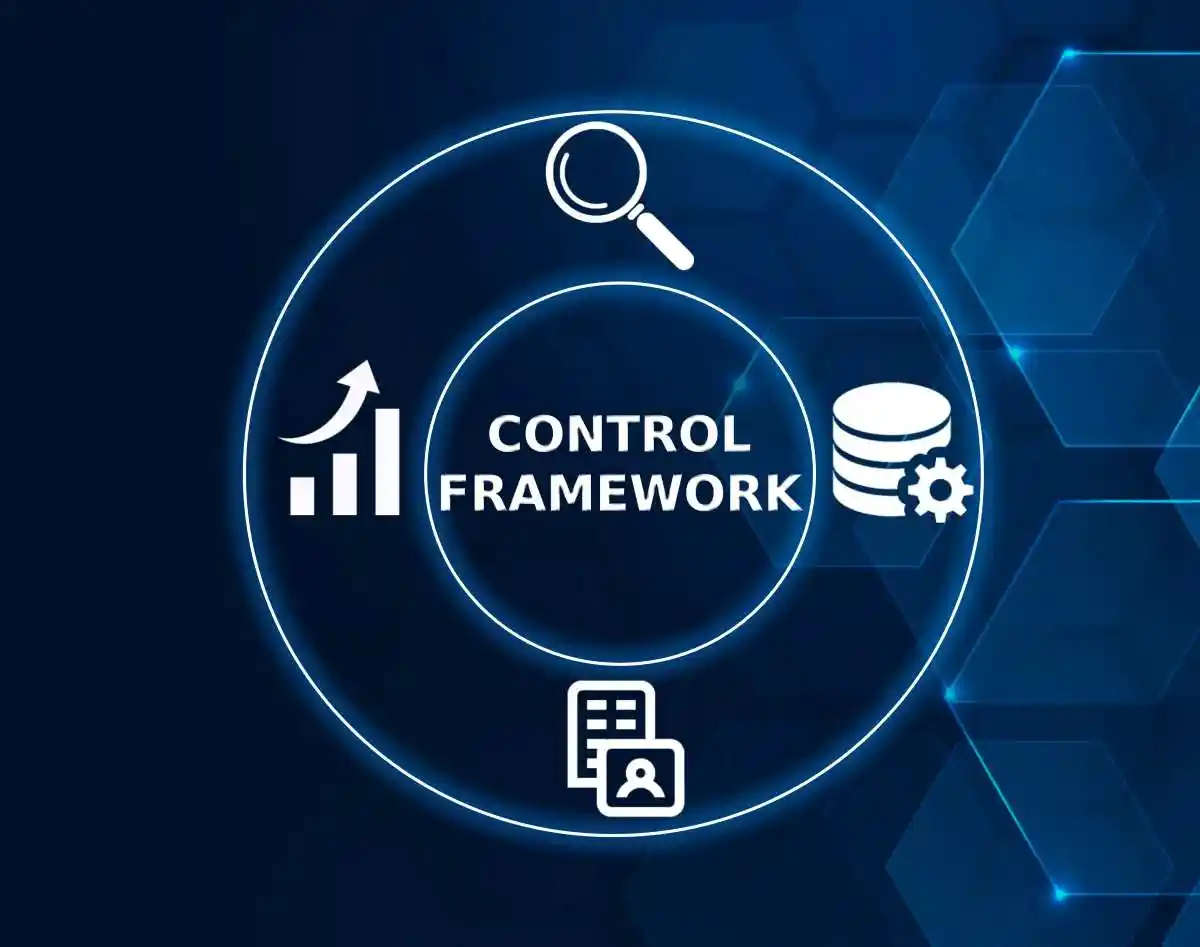
- Internal Controls: Are the mechanisms, rules, and procedures implemented by a company to ensure the integrity of financial and accounting information, promote accountability, and prevent fraud. As an organization, implementing strong internal controls is your first line of defense against securities fraud. These controls help in mitigating risks and ensuring compliance with laws and regulations.
- Defect Fraud: By establishing robust internal controls, you can protect your company from potential fraud. These systems are designed to detect irregularities and prevent unauthorized transactions, thereby safeguarding assets and financial data. They play a critical role in maintaining the integrity of financial reporting, which is essential for investor confidence and market stability.
- Proactive Approach: Moreover, internal controls are not just about prevention; they are also about detection. Effective controls provide timely alerts to management about irregularities, allowing for quick corrective actions. This proactive approach is vital for maintaining a fraud-resistant environment, ensuring that you can address potential issues before they escalate into significant problems.
SARBANEX-OXLEY AUDITOR CHECKLIST
| Breaches | Systems should be able to detect unusual activity, respond quickly, and defend against threats like ransomware and phishing attacks. Software and systems should be updated with security patches. DLP systems should be in place to prevent sensitive financial data from being leaked, shared, or stolen. |
| Checklist | Systems should be able to detect unusual activity, respond quickly, and defend against threats like ransomware and phishing attacks. Software and systems should be updated with security patches. DLP systems should be in place to prevent sensitive financial data from being leaked, shared, or stolen. |
| Storage | Sensitive data must be stored securely. It should be encrypted and organized so it can be indexed, searchable, and easily retrieved. This applies to on-premise as well as cloud environments. SOX compliance also requires companies to retain data for specific periods, so data retention should not be taken easy. |
| Access | Each user should have unique credentials, with session tracking and role-based permissions to prevent unauthorized activity. Companies should regularly review the list of users who have access to critical systems, and readily remove access for employees who leave or change roles. |
| Logs | Split up responsibilities so that no one person manages a process from start to finish. Strengthen it with system checks and employee training. |
| Segregation of Duties | Split up responsibilities so that no one person manages a process from start to finish. Strengthen it with system checks and employee training. |
| Audit Trail | Keep records of every transaction or system change with timestamps. |
| Backup Systems | Backup procedures should be documented, and data restore procedures should be tested as per compliance standards. |
| Third-Party Vendors | Verify that service providers, such as cloud platforms, follow proper security and compliance practices, since their inadequacies can negatively impact your controls. |
The Role of Corporate Governance in Fraud Prevention
- Corporate Governance: Is the system by which companies are directed and controlled. It plays a vital role in fraud prevention by establishing a framework of practices and rules to ensure accountability and transparency in a company’s operations.
- Strong Board of Directors: Effective corporate governance involves the establishment of a strong board of directors that oversees the management of the organization. The board should include independent members who can provide unbiased oversight and hold the management accountable for their actions. This oversight is crucial in preventing fraudulent activities and ensuring that management operates in the best interest of shareholders.
- Policies and Procedure: Additionally, corporate governance requires clear policies and procedures that guide decision-making and risk management. This includes setting ethical standards and codes of conduct for employees, which are essential in fostering a corporate culture that prioritizes integrity and honesty. By promoting ethical behavior and accountability, corporate governance acts as a deterrent to fraudulent activities.
- Essential for Preventing Securities Fraud: In conclusion, strong corporate governance structures are essential for preventing securities fraud. By ensuring transparency, accountability, and ethical behavior, you can create an environment that minimizes the risk of fraud and protects the interests of all stakeholders.
Consequences of Accounting Fraud in Financial Statements
- Consequences: The consequences of accounting fraud are far-reaching, affecting not only the investors but also the broader financial market.
- Erodes Investor Trust: When fraudulent activities are uncovered, they can lead to drastic declines in stock prices, erode investor confidence, and trigger regulatory investigations.
- Severe Penalties: Companies implicated in accounting fraud may face severe penalties, including fines, sanctions, and reputational damage, which can have long-term impacts on their operations and market standing.
- Securities Litigation: Therefore, addressing accounting fraud is a critical component of securities litigation, with legal proceedings often focusing on uncovering and rectifying these deceptive practices.
- Securities Litigation and Accounting Fraud: To combat accounting fraud, regulatory bodies have implemented stringent reporting standards and compliance requirements.
Best Practices for Investor Protections
- Conduct Thorough Due Diligence:
- Verify sources: Do not rely on unsolicited tips or social media hype for investment advice.
- Research fundamentals: Before investing, research a company’s financial health, recent news, and filings from reputable sources, its corporate governance structure, investor protections and more..
- Assess management: Evaluate key executives and their track records to identify potential ethical or legal risks.
- Diversify Your Investments:
- Mitigate risk :Spread investments across different asset classes (stocks, bonds, etc.), sectors, and geographic regions to reduce exposure to a single stock or market.
- Minimize volatility: Diversification helps cushion against portfolio volatility caused by targeted manipulation.
- Be Aware and Skeptical:
- Recognize red flags: Be wary of promises that seem “too good to be true,” pressure to invest immediately, or “risk-free” investment opportunities.
- Monitor your account: Regularly review your account activity and report any suspicious transactions.
- Avoid certain stocks: Exercise extreme caution with low-volume stocks, microcap stocks, and penny stocks, as they are easier to manipulate.
- Use Defensive Trading Strategies:
- Limit orders: Use limit orders instead of market orders to control the maximum execution price you are willing to pay.
- Use stop-loss orders: Implement stop-loss orders to limit potential downside.
- Avoid emotional investing: Stick to a long-term strategy, as most market manipulation is short-term and disproportionately impacts day traders.
- Leverage Professional Guidance:
- Consult advisors: Work with reputable and registered financial professionals to navigate complex markets.
- Report suspicions: If you suspect manipulation, contact an experienced securities litigation attorney to discuss your options.
- Continuously Educate Yourself:
- Stay informed: Keep abreast of market trends, regulatory changes from regulatory bodies, and new manipulative tactics.
- Participate in education: Utilize investor education programs to improve your understanding of market mechanisms.
Key changes introduced by the Private Securities Litigation Feform Act
- Heightened pleading standards: Plaintiffs must state their claims with much more specificity, detailing which statements were misleading and why, and alleging that the defendants acted with the requisite state of mind (scienter).
- “Lead Plaintiff” provision: Instead of the first person to file a complaint controlling the litigation, courts now appoint a “lead plaintiff”—the investor or group with the largest financial stake—to represent the class. This was intended to empower institutional investors and ensure the class’s interests are vigorously represented.
- Stay of discovery: The PSLRA mandates an automatic stay on discovery—the gathering of evidence—while a motion to dismiss is pending. This prevents plaintiffs from using the expensive discovery process to pressure companies into a quick settlement.
- Limitations on damages: The Act caps damages in many fraud-on-the-market cases to account for stock price drops that may be unrelated to the alleged fraud.
Conclusion
- In conclusion, building a fraud-resistant organization requires a holistic approach that combines strong internal controls, effective corporate governance, and the latest tools and technologies
- By understanding the nuances of securities fraud and implementing best practices for prevention, you can protect your organization from the financial and reputational damage associated with fraudulent activities.
- As you work towards strengthening your internal controls, remember the importance of fostering a culture of transparency and accountability within your organization.
- Encourage open communication and empower employees to report suspicious activities without fear of retaliation. By promoting ethical behavior and integrity, you can create an environment where fraud is less likely to occur.
- Finally, staying informed about the latest trends in securities litigation and fraud prevention is crucial. By keeping up-to-date with regulatory changes and emerging technologies, you can ensure that your organization remains resilient in the face of evolving threats.
- Take proactive steps today to enhance your internal controls and protect your organization from securities fraud. By doing so, you can build a stronger, more resilient organization that inspires confidence and trust among stakeholders.
