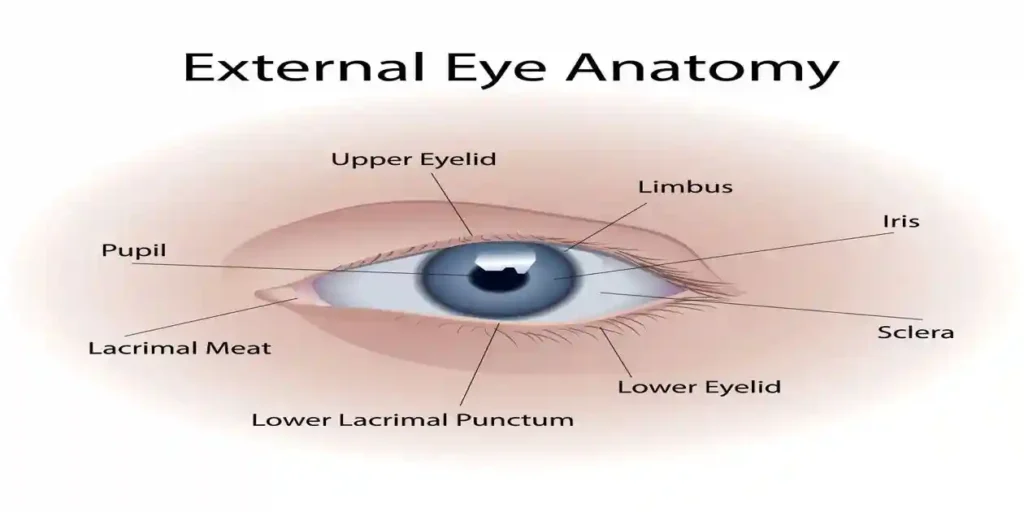
Introduction to the Link Between Saxenda and Vision Loss
- Link Between Saxenda and Vision Loss: Recent medical literature has raised substantive concerns regarding the link between Saxenda and vision loss. Emerging evidence suggests a correlation between liraglutide administration and the development of Non-Arteritic Anterior Ischemic Optic Neuropathy (NAION), a serious optic nerve condition that can result in permanent vision loss. This connection between Saxenda and vision loss has prompted heightened scrutiny from medical professionals, regulatory bodies, and legal practitioners.
- Saxenda: Represents a significant advancement in pharmaceutical interventions for weight management, having secured U.S. Federal and Drug Administration (FDA) approval as a prescription medication containing liraglutide, a GLP-1 receptor agonist. This FDA-approved weight loss medication has provided patients struggling with obesity a clinically validated treatment option when combined with diet and exercise modifications. The medication functions by mimicking natural hormones that regulate appetite and food intake, thereby facilitating sustained weight reduction in eligible candidates.
- Comprehensive Patient Guide: This comprehensive analysis examines the established link between Saxenda and vision loss, evaluating clinical evidence that documents the relationship between this GLP-1 receptor agonist and ocular complications. The discussion encompasses the biological mechanisms underlying these adverse effects, statistical risk assessments derived from peer-reviewed studies, and the evolving legal framework surrounding pharmaceutical liability claims.
- Saxenda Vision Loss Lawsuit: Patients who have experienced Saxenda eye problems following treatment will find essential information regarding eligibility criteria for a potential Saxenda Vision Loss Lawsuit and the procedural considerations involved in pursuing legal recourse against manufacturers. For instance, individuals facing similar issues due to other medications like Mounjaro may benefit from consulting an experienced Mounjaro Vision Loss Lawyer. Such legal experts can provide crucial assistance for those considering filing a lawsuit related to Mounjaro’s potential vision loss side effects.
Understanding Saxenda: Mechanism, Uses, and Vision Risks
- Manufacturer: Saxenda is a medication created and sold by Novo Nordisk, a Danish pharmaceutical company known for its expertise in treating metabolic diseases.
- FDA Approved for Weight Loss: It has been approved by the FDA specifically for long-term weight management in adults who meet certain medical criteria.
Who Can Use Saxenda?
Saxenda is approved for individuals who fall into the following categories:
- Those with a body mass index (BMI) of 30 kg/m² or higher, classified as obese.
- Individuals with a BMI of 27 kg/m² or higher who also have at least one weight-related health condition such as hypertension, type 2 diabetes, or dyslipidemia.
How Does Saxenda Work?
The active ingredient in Saxenda is liraglutide, which belongs to a class of medications known as GLP-1 receptor agonists. These drugs mimic the effects of a natural hormone called GLP-1 that helps regulate blood sugar levels and control appetite.
Liraglutide works through several mechanisms:
- It stimulates the release of insulin when blood sugar levels are high.
- It inhibits the secretion of glucagon, a hormone that increases liver glucose production.
- It slows down the emptying of the stomach, leading to increased feelings of fullness.
- It directly affects certain areas in the brain responsible for appetite control, reducing overall calorie intake.
Potential Vision Risks Associated with Saxenda
One potential concern associated with Saxenda use is its possible link to vision problems, specifically Non-Arteritic Anterior Ischemic Optic Neuropathy (NAION). NAION is a condition characterized by sudden loss of vision due to insufficient blood flow to the optic nerve.
The exact relationship between Saxenda and NAION is not fully understood, but there are theories suggesting that the cardiovascular effects of GLP-1 receptor agonists like liraglutide could impact blood supply to the optic nerve in susceptible individuals. This may result in ischemic events within the small blood vessels supplying the optic nerve.
Reports of Vision Issues with Saxenda
- Saxenda Vision Problems: Some patients using Saxenda have reported experiencing blurry vision or other visual disturbances. In certain cases, these complaints have progressed to more severe complications such as macular edema—a condition involving swelling in an area of the retina responsible for central vision.
- Saxenda Vision Loss Lawsuit: These serious side effects raise concerns about potential legal actions against Novo Nordisk related to these adverse reactions. If users have experienced significant eyesight problems while taking Saxenda similar to those reported by Zepbound users who developed vision issues after using that drug, it may be advisable to consult with a lawyer practicing in Zepbound vision loss cases.
Importance of Legal Representation
- Saxenda Vision Loss Lawyer: Furthermore, these instances underscore the significance of having legal representation for whistleblowers who may come forward with critical information regarding side effects associated with these medications or any corporate wrongdoing tied to their marketing and distribution practices. A whistleblower lawyer can offer valuable guidance in such situations.
- Saxenda Eye Side Effects: While Saxenda provides an effective option for managing weight, it is crucial for potential users to be aware of its associated risks and remain vigilant for any adverse effects—particularly Saxenda vision problems—that may occur during its usage.
Clinical Evidence and Common Vision Side Effects Associated with Saxenda Use
- Clinical Research: The scientific community has conducted rigorous investigations into the Link Between Saxenda and Vision Loss, with landmark research published in JAMA Ophthalmology establishing critical connections between liraglutide use and ophthalmic complications. A pivotal 2024 study examined electronic health records from multiple healthcare systems, analyzing data from thousands of patients prescribed GLP-1 receptor agonists for weight management and diabetes control.
- Research Saxenda and Vision Loss: Confirms The research revealed compelling statistical evidence: patients using liraglutide demonstrated an approximately 179% increased risk of developing NAION compared to those not taking the medication. The magnitude of this association prompted immediate attention from regulatory agencies and healthcare providers worldwide.
Timeline of Symptom Onset
- Onset of Vision Problems: Clinical data indicates that Saxenda vision problems typically manifest after extended medication use rather than immediately following treatment initiation. The median onset period for vision-related complications stands at approximately three years from the commencement of liraglutide therapy. This delayed presentation creates diagnostic challenges, as patients and physicians may not immediately attribute visual disturbances to medication use initiated years earlier.
- Prolonged Exposure: The temporal pattern observed in clinical studies suggests a cumulative effect, where prolonged exposure to the medication’s mechanism of action gradually influences ocular vascular health and optic nerve function. This timeline underscores the necessity for continuous ophthalmologic monitoring throughout the duration of Saxenda treatment.
Spectrum of Reported Visual Disturbances
Beyond NAION, medical literature documents a range of Saxenda Eye Side Effects that patients have experienced:
- Blurred vision: Characterized by reduced visual clarity and difficulty focusing on objects at various distances
- Double vision (diplopia): The perception of two images of a single object, indicating potential disruption in ocular muscle coordination or nerve function
- Tunnel vision: Progressive narrowing of the peripheral visual field, suggesting optic nerve compromise
- Visual field defects: Specific areas of vision loss that may present as blind spots or reduced sensitivity to light in particular regions
These Saxenda vision side effects vary in severity and duration among affected individuals. Some patients report transient visual disturbances that resolve spontaneously, while others experience persistent or progressive deterioration requiring immediate medical intervention. The heterogeneity of presentations reflects the complex interaction between liraglutide’s systemic effects and individual patient susceptibility factors.
It’s worth noting that similar vision side effects have been reported with other GLP-1 receptor agonists like Trulicity and Zepbound, which also include conditions leading to vision loss. Furthermore, there’s ongoing litigation related to these medications due to their severe side effects, including cases such as the MoonLake class action lawsuit and Baxter class action lawsuit.
Saxenda and Blurry Vision and Visual Disturbances
Saxenda blurry vision represents a significant concern among patients, with reports indicating episodes of reduced visual acuity that can occur at various points during treatment. These Saxenda vision side effects manifest as:
- Intermittent loss of visual clarity affecting near or distance vision
- Difficulty focusing on objects, particularly during reading or computer work
- Fluctuating vision quality throughout the day, often correlating with medication timing
- Temporary inability to distinguish fine details or read small print
The impact of Saxenda and blurry vision on daily life extends beyond mere inconvenience. Patients have reported challenges with essential activities such as driving, particularly during nighttime conditions, and performing work-related tasks requiring visual precision. The unpredictable nature of these episodes creates additional concern, as individuals cannot anticipate when visual clarity may diminish. Some patients describe the sensation as viewing objects through a fog or experiencing a film-like obstruction across their visual field.
The mechanism underlying these Saxenda vision side effects may relate to alterations in blood glucose levels, fluid retention patterns, or direct effects on ocular tissues. Clinical observations suggest that some patients experience these symptoms during dose escalation phases, while others report persistent issues throughout their treatment duration.
Saxenda and Eye Floaters
Saxenda and eye floaters represent another dimension of Saxenda vision side effects associated with this medication. Eye floaters appear as small, dark shapes that drift across the visual field, manifesting as:
- Spots or specks that move when attempting to focus on them
- Thread-like strands or cobweb patterns
- Shadow-like formations in peripheral vision
- Increased visibility against bright backgrounds
The significance of these Saxenda eye problems extends beyond typical age-related floaters. Emerging evidence suggests a potential connection between Saxenda use and retinal fluid accumulation, a condition that may precipitate or exacerbate floater development. Retinal swelling, medically termed macular edema, can alter the vitreous humor composition, leading to increased floater formation. This retinal fluid accumulation requires immediate medical evaluation, as it may indicate more serious underlying pathology affecting the posterior segment of the eye.
Other Eye Problems Potentially Linked to Saxenda: Exploring Patient Experiences and Clinical Observations
Beyond NAION, patient reports and clinical observations have identified additional ocular complications associated with Saxenda use.
1. Dry Eye Syndrome
Saxenda dry eye syndrome: Represents one of the more frequently documented complaints, with patients describing persistent sensations of grittiness, burning, and inadequate tear production. This condition manifests through symptoms that interfere with daily visual tasks and may require therapeutic intervention with artificial tears or prescription medications.
2. Eye Twitching
Saxenda and eye twitching has emerged as another reported phenomenon, characterized by involuntary spasms of the eyelid muscles. These myokymia episodes, while typically benign, can cause significant distress and visual disruption for affected individuals. Clinical documentation suggests these spasms may persist for weeks or months during active treatment.
3. Eye Pain
- Saxenda eye pain: Presents in various forms, ranging from mild discomfort to severe orbital pain requiring medical evaluation. Patients have described sharp, stabbing sensations or dull, persistent aching around the eye region. The pain may occur independently or accompany other visual symptoms, necessitating careful differential diagnosis to exclude serious underlying pathology.
- Effects on Vascular Function: The biological mechanisms underlying these Saxenda eye problems remain under investigation. GLP-1 receptor agonists may influence ocular surface homeostasis through alterations in metabolic processes affecting tear film stability. Changes in autonomic nervous system regulation could contribute to both dry eye syndrome and eyelid twitching. The medication’s effects on vascular function and inflammatory pathways may explain pain manifestations and vitreous changes associated with floaters.
- Saxenda and Eye Floaters: In addition to these issues, there are also concerns about Saxenda and eye floaters, with patients reporting sudden increases in these visual disturbances during treatment. Floaters appear as dark spots, threads, or cobweb-like structures drifting across the visual field. While floaters commonly occur with aging, their acute onset or significant increase during Saxenda treatment warrants ophthalmologic assessment to rule out retinal complications.
- Rigorous Clinical Research: These hypotheses require rigorous clinical research to establish definitive causal relationships between liraglutide administration and diverse ocular manifestations.
Understanding the Risk Factors for Vision Loss from Saxenda
- Preexisting Medical Conditions: Certain existing medical conditions significantly increase the risk of developing NAION (non-arteritic anterior ischemic optic neuropathy) and other Saxenda vision problems.
- Making and Informed Decision: Understanding these risk factors helps healthcare providers make informed decisions about the potential benefits and risks of using liraglutide-based medications.
1. Cardiovascular and Circulatory Conditions
Hypertension (high blood pressure) is a major risk factor for optic nerve ischemia. When blood pressure is elevated, it can affect the circulation of small blood vessels throughout the body, including those that supply the optic nerve. Patients with poorly controlled hypertension who start Saxenda treatment may face additional risks because the medication can also impact blood vessel function. This combination makes it harder to ensure proper blood flow to the optic nerve, which could lead to ischemic events.
2. Respiratory and Sleep Disorders
Sleep apnea is another important risk factor that needs careful consideration. This condition causes repeated episodes of oxygen deprivation during sleep, which directly affects the health of the optic nerve by causing chronic lack of oxygen. Over time, this intermittent decrease in oxygen levels damages the cells in the optic nerve. When combined with Saxenda use, patients with sleep apnea face a double threat to their vision health because both the underlying sleep disorder and the potential effects of the medication on blood vessels work together to increase susceptibility to NAION.
3. Additional Factors that Increase Risk
- Crowded Disc: Structural abnormalities of the optic nerve, such as a “crowded disc” configuration where the cup-to-disc ratio is smaller than average, make individuals more likely to develop ischemic optic neuropathy. Conditions like diabetes mellitus, atherosclerosis (hardening of arteries), and high cholesterol levels further weaken blood vessel integrity.
- Multiple Risk Factors: Patients with multiple risk factors need closer monitoring, including eye examinations before starting Saxenda treatment and regular follow-up assessments to catch early signs of optic nerve problems.
- Other GLP-1 Drugs: It’s also important to note that other medications in the same class as Saxenda can pose similar risks. For example, Trulicity, another GLP-1 medication like Saxenda, has been linked to an increased risk of macular edema when used alongside insulin. This highlights why it’s crucial to understand potential side effects of all prescribed medications.
Saxenda and Vision Loss: Understanding NAION and Its Clinical Presentation
NAION manifests through distinct symptoms that require immediate medical attention:
- Sudden, painless vision loss in one eye, typically noticed upon waking
- Presence of visual field defects, particularly affecting the lower or upper portions of vision
- Altered color perception and reduced visual acuity
- Swelling of the optic disc observable during ophthalmologic examination
The condition develops when blood supply to the optic nerve head becomes compromised, leading to ischemic damage that cannot be reversed through conventional treatment approaches. Patients experiencing these symptoms require urgent evaluation by ophthalmology specialists to confirm diagnosis and implement appropriate management strategies.
Evidence Linking Saxenda to Increased NAION Risk
- Recent Pharmacovigilance Data and Clinical Studies: Have identified a potential association between Saxenda and vision loss, specifically regarding NAION incidence. Research examining the risk of NAION with Saxenda use suggests that individuals prescribed GLP-1 receptor agonists may face elevated susceptibility compared to the general population. The mechanisms underlying this association remain under investigation, with hypotheses focusing on vascular effects, metabolic alterations, and inflammatory processes potentially contributing to optic nerve vulnerability.
- Saxenda Vision Loss Lawsuit: The emergence of these findings has prompted increased scrutiny from regulatory bodies and healthcare providers. Multiple Saxenda vision loss lawsuits have been filed by patients who developed NAION during treatment, with legal proceedings consolidated through multidistrict litigation frameworks. Patients experiencing sudden Saxenda eye problems should consult both medical professionals and, when appropriate, a Saxenda vision loss lawyer to understand their rights and available recourse options.
Understanding the Legal Landscape of Saxenda Vision Loss Claims: What Affected Patients Need to Know
- Saxenda Vision Loss Lawsuit: The emergence of vision-related complications associated with Saxenda has led to a surge of lawsuits against Novo Nordisk, the pharmaceutical company responsible for creating and distributing the medication.
- Failure to Warn: Plaintiffs in these cases claim that the company failed to adequately warn about the potential for serious eye damage, particularly the risk of developing NAION and other vision-threatening conditions.
- Litigation Landscape: The Saxenda Vision Loss Lawsuit landscape is constantly changing as more patients come forward with documented cases of vision impairment after using liraglutide-based medications.
Types of Legal Claims Against Novo Nordisk
Legal claims filed against Novo Nordisk involve several different theories of liability, each addressing various aspects of the manufacturer’s responsibility to consumers. The main categories of legal action include:
- Failure to Warn: These claims argue that Novo Nordisk knew or should have known about the vision-related risks associated with Saxenda but failed to properly communicate these dangers to healthcare providers and patients through product labeling, prescribing information, or direct consumer warnings.
- Breach of Warranty: Plaintiffs contend that the manufacturer violated implied warranties of merchantability and fitness for a particular purpose by marketing Saxenda without disclosing important risks that would influence a reasonable consumer’s decision to use the medication.
- Design Defect: Some lawsuits claim that the formulation of Saxenda itself poses unreasonable dangers that outweigh its therapeutic benefits, especially when safer alternative weight management options are available in the pharmaceutical market.
- Negligence: Claims assert that Novo Nordisk did not exercise reasonable care in testing, monitoring, and reporting adverse events related to vision loss, thereby failing its duty to protect consumers from foreseeable harm.
Recent Developments in Legal Proceedings
The legal proceedings have gained momentum following the publication of peer-reviewed studies establishing statistical correlations between liraglutide use and increased NAION incidence. These scientific findings provide plaintiffs with substantial evidence to support their claims that Novo Nordisk should have recognized and disclosed these risks earlier in the medication’s commercial availability.
Similar Legal Challenges with Other Medications
Interestingly, similar legal challenges have arisen concerning other medications such as Dupixent and Trulicity which also reportedly have serious vision-related side effects. The Dupixent lawsuit reflects similar allegations against Sanofi and Regeneron regarding insufficient warnings about potential side effects. Meanwhile, Trulicity, another medication linked with vision loss, has led to patients seeking legal counsel from specialized lawyers known as Trulicity Vision Loss Lawyers.
Who May Qualify for a Saxenda Vision Loss Lawsuit? Understanding Eligibility Criteria
Determining eligibility for legal claim requires careful evaluation of specific medical and circumstantial factors. Individuals who developed serious ocular complications following Saxenda use may qualify for lawsuit Saxenda vision loss if their circumstances align with established legal criteria.
Primary Eligibility Requirements to be eligible for a Saxenda Vision Loss Lawsuit:
- Confirmed NAION Diagnosis: Medical documentation from a qualified ophthalmologist establishing non-arteritic anterior ischemic optic neuropathy as the diagnosis represents a fundamental requirement for those seeking to qualify for a Saxenda Vision Loss Lawsuit
- Temporal Relationship: Evidence demonstrating the vision impairment occurred during active Saxenda treatment or within a reasonable timeframe following medication use
- Documented Vision Loss: Medical records substantiating the severity and permanence of Saxenda and vision loss, including visual field tests, optical coherence tomography results, and clinical examination findings
- Prescription History: Verifiable records confirming Saxenda was prescribed and used as directed for weight management purposes
Additional Qualifying Factors:
Individuals who experienced other serious Saxenda vision problems beyond NAION may also be eligible for a Saxenda Vision Loss Lawsuit. These conditions include sudden vision deterioration, optic nerve damage, or permanent visual field deficits requiring ongoing medical intervention.
The absence of pre-existing conditions that could independently explain the vision loss strengthens eligibility. Medical histories demonstrating no prior optic nerve disorders, uncontrolled diabetes, or vascular diseases affecting ocular blood flow support causation arguments linking Saxenda use to subsequent vision impairment.
Documentation requirements extend beyond medical records to include pharmacy records, insurance claims, and correspondence with healthcare providers regarding the medication. Comprehensive record-keeping significantly impacts the viability of pursuing legal remedies through a Saxenda Vision Loss Lawsuit.
In addition to Saxenda, other weight management medications like Zepbound and Mounjaro have also been linked to serious vision complications. For instance, individuals who took Zepbound and developed vision problems may want to consult with a Zepbound vision loss lawyer about a potential Zepbound vision loss lawsuit. Similarly, those affected by Mounjaro could explore legal options related to their specific circumstances.
Safety Precautions and Monitoring Recommendations for Patients on Saxenda
Saxenda safety warnings encompass multiple critical areas that patients must understand before starting treatment. The FDA has issued comprehensive guidance regarding the medication’s risk profile, requiring healthcare providers to inform patients of potential adverse events that extend beyond vision-related complications.
FDA Black Box Warnings and Primary Safety Concerns
The medication carries a black box warning regarding thyroid C-cell tumors, including medullary thyroid carcinoma (MTC). Clinical studies in rodents demonstrated dose-dependent and treatment-duration-dependent increases in thyroid C-cell tumors at clinically relevant exposures. Patients with a personal or family history of MTC or Multiple Endocrine Neoplasia syndrome type 2 (MEN 2) should not use Saxenda under any circumstances.
Acute pancreatitis represents another significant safety concern explicitly addressed in Saxenda safety warnings. Patients must recognize symptoms including:
- Persistent severe abdominal pain, often radiating to the back
- Nausea and vomiting accompanying abdominal discomfort
- Elevated pancreatic enzyme levels upon laboratory evaluation
Discontinuation of Saxenda becomes necessary if pancreatitis is suspected, with no resumption of treatment if pancreatitis is confirmed.
What to Do If You Experience Vision Problems While Taking Saxenda
If you experience any Saxenda vision problems, it’s important to take immediate action to protect your eye health. Here are the steps you should follow:
1. Document your symptoms accurately
Keep a record of the specific Saxenda vision problems you’re experiencing, including when they started, how long they last, and any particular characteristics such as blurred vision, blind spots, or eye pain.
2. Contact your healthcare provider right away
Reach out to the healthcare professional who prescribed Saxenda or an ophthalmologist within 24 hours of noticing your Saxenda vision problems. It’s crucial to inform them about your vision issues so they can provide appropriate guidance.
3. Temporarily stop taking Saxenda
Until you have a chance to see a doctor and get their advice, it’s best to discontinue using Saxenda. Continuing the medication without medical evaluation could potentially worsen any underlying eye conditions.
4. Seek emergency care for severe symptoms
If you experience sudden Saxenda and vision loss, intense Saxenda eye pain, or complete loss of peripheral vision, don’t wait for an appointment with your regular doctor. Instead, go directly to the nearest emergency department for immediate medical attention.
By following these steps and promptly reporting any Saxenda vision problems you encounter while on Saxenda, you enable healthcare professionals to conduct thorough eye examinations and assessments. This may involve evaluating the optic nerve and measuring blood flow to ensure there are no serious complications such as non-arteritic anterior ischemic optic neuropathy (NAION) or other conditions that require intervention.
It’s also important for healthcare providers to have access to your complete medication history, including information about dosages, how long you’ve been on treatment, and any pre-existing eye conditions you may have had. This background knowledge will help them make accurate diagnoses and develop appropriate treatment plans tailored specifically for you.
Remember: Your eyesight is valuable! Don’t hesitate to seek medical help if something doesn’t feel right during your course of Saxenda therapy.
Conclusion
- Emerging Evidence: The emerging evidence linking Saxenda and vision loss necessitates heightened vigilance among patients currently using this medication for weight management. Individuals prescribed liraglutide must recognize the importance of proactive monitoring and informed decision-making throughout their treatment course.
- Seek Immediate Medical Help: Patients experiencing any visual disturbances while taking Saxenda should immediately schedule comprehensive ophthalmologic examinations. Early detection of conditions such as NAION or other vision-related complications significantly improves the potential for intervention and preservation of visual function. Regular eye examinations serve as a critical component of risk mitigation, enabling healthcare providers to identify subtle changes in optic nerve health before permanent damage occurs.
- The following approach represents best practices for patients concerned about vision-related risks:
- Schedule baseline ophthalmologic assessments prior to initiating Saxenda therapy to establish reference points for future comparison
- Maintain regular monitoring intervals with qualified eye care specialists throughout the duration of treatment
- Document all visual symptoms including onset, duration, and severity to facilitate accurate clinical evaluation
- Report changes promptly to both prescribing physicians and ophthalmologists without delay
- Talk to Your Doctor Before Stopping: Patients must understand the significant risks associated with abruptly discontinuing prescribed medication without professional guidance. The decision to stop Saxenda requires careful medical evaluation, as sudden cessation may trigger adverse metabolic effects or exacerbate underlying conditions for which the medication was prescribed. Weight management medications interact with complex physiological systems, and withdrawal must occur under supervised conditions to ensure patient safety.
- Expertisee to Weigh Risk: The imperative to consult doctor before stopping medication extends beyond general medical prudence. Healthcare providers possess the expertise necessary to weigh the comparative risks of continuing therapy against the potential benefits of discontinuation. This assessment must account for individual patient factors, including the severity of any vision-related symptoms, the presence of risk factors for NAION, and the therapeutic necessity of continued liraglutide treatment.
- Seek Immediate Medical Attention: However, if a patient has developed severe side effects such as vision loss while using Saxenda or has been prescribed medications like Dupixent that have led to serious health issues including cancer, it’s crucial to seek immediate medical attention and legal consultation to understand their rights. The intersection of medical treatment and legal recourse requires coordination between healthcare providers and qualified attorneysin pharmaceutical litigation. Documentation of medical history, treatment timelines, and diagnostic findings establishes the foundation for both optimal clinical management and potential legal action against manufacturers who may have failed to provide adequate warnings regarding serious adverse effects.
- Dupixent: For instance, those affected by Dupixent, which has been linked with severe side effects including cancer, should consider seeking legal advice from a competent lawyer who specializes in such cases. It’s important to hire the right Dupixent cancer lawyer as pharmaceutical litigation requires experienced legal knowledge.
Frequently Asked Questions About Saxenda Vision Side Effects
How common are Saxenda Vision Problems?
Saxenda Vision Problems are considered rare with Saxenda use, but recent studies have linked it to an increased risk of a serious condition called NAION which can cause sudden and permanent vision loss. Other potential Saxenda eye issues include short-term vision changes, and for those with diabetes, a possible increased risk of developing or worsening diabetic eye conditions like macular degeneration or retinopathy.
What should I do if I experience any Saxenda Vision Side Effects?
If you notice any changes in your vision—such as Saxenda and blurry vision, double vision, seeing spots or flashes, eye pain, or sudden loss of sight—stop using Saxenda immediately and contact your healthcare provider without delay. Vision problems can signal underlying conditions like increased intraocular pressure, retinal issues, or even stroke-like events that require urgent assessment.
Your doctor will likely perform a complete eye examination and may refer you to an ophthalmologist for further evaluation. They will also review your medication history and may conduct blood tests to rule out other causes such as uncontrolled blood sugar levels or hypertension.
Do not resume Saxenda until your doctor has determined it is safe to do so. Early intervention greatly improves the chance of recovery if the problem is drug-related.
Can a lawyer help with a Saxenda Vision Loss Lawsuit?
Yes—a lawyer experienced in pharmaceutical litigation can assess your case and help determine if you are eligible for a Saxenda Vision Loss Lawsuit due to alleged harm from Saxenda. Contact Saxenda Vision Loss Lawyer Timothy L. Miles for a free case evaluation. (855) 846–6529 or [email protected].
How soon can vision problems appear after starting Saxenda?
Saxenda Vision problems could theoretically occur at any time during treatment but are most likely within the first few weeks if they are related to the medication.
Is there evidence linking Saxenda vison problems?
While research is ongoing, there have been reports and clinical studies suggesting a possible association between GLP-1 drugs like Saxenda and certain Saxenda vision problems.
Who qualifies for a Saxenda Vision Loss Lawsuit?
Generally, individuals who developed significant eye problems or suffered vision loss after using Saxenda—and who believe the drug contributed to their condition—may qualify for a Saxenda Vision Loss Lawsuit.
Are there serious risks associated with Saxenda?
Yes. In addition to common side effects, some users have reported more serious complications such as pancreatitis, kidney problems, severe allergic reactions, and possible thyroid tumors and Saxenda eye problems.