
Introduction
- How Falsified Expenses Trigger Securities Litigation: When expenses are falsified, it causes a company to appear more robust and finallly healthy than it actually is resulting in stock price increases based on false and misleading statements to shareholders.
- The Truth Emerges: Shareholder who purchase the stock at articiallly inflated prices suffer losses when the truth emerges through a corrective disclosure, causing a steep drop in the priceof the stock, and investors who suffered lossses seek recourse for their lossses by filing securities class action lawsuits.
- Falsified Expenses: Entails the deliberate manipulation or misrepresentation of financial records to present a false image of a company’s financial health, pose significant risks to investors.
- Investor Deception: These deceptive practices can lead to substantial financial losses and undermine investor confidence.
- Red Flags: It is imperative for investors to be well-versed in identifying red flags and understanding the legal recourses available through securities litigation.
- Securities Litigation: serves as a crucialr investors seeking to recover losses incurred due to fraudulent activities.
- Stay Informed: Investors must stay informed about recent case laws, regulatory changes, and best practices in forensic accounting to effectively safeguard their interests.
- Technology: The evolution of technology has also played a pivotal role in enhancing the detection and prevention of falsified expenses.
- Transparency: Collaboration between financial institutions, and technology providers is essential in creating a robust corporate governance framework that supports transparency and accountability in financial reporting.
By staying informed about legal developments, leveraging technological innovations, and fostering collaborative efforts, investors can enhance their ability to protect their investments and contribute to a more transparent and trustworthy financial market.
If you suffered substantial losses and wish to serve as lead plaintiff in a securities class action, or have questions about securities class action settlements, or just general questions about your rights as a shareholder, please contact attorney Timothy L. Miles of the Law Offices of Timothy L. Miles, at no cost, by calling 855/846-6529 or via e-mail at [email protected].(24/7/365).

Understanding Securites Class Action Lawsuits
Securities class action lawsuits are a legal mechanism that allows investors to collectively pursue claims against a corporation for securities fraud or other financial misconduct.
- Mislead: Securities litigation typically arise when shareholders believe they have been misled by a company’s management, resulting in significant financial losses.
- Efficiency: Securities class action lawsuits are designed to improve efficiency and reduce legal costs by consolidating numerous individual claims into a single action.
- Level Playing Field: This collective approach also helps level the playing field for smaller investors who might otherwise lack the resources to challenge large corporations independently.
- Investror Confidence: Understanding securities class action lawsuits involves recognizing their critical role in maintaining market integrity and investor confidence.
- Deterrent: By holding companies accountable for fraudulent activities, these lawsuits deter future misconduct and promote transparency in corporate governance.
- Misleading Statments: Key elements of securities class action lawsuits include proving that the company made false or misleading statements, demonstrating that these statements were material, and showing a direct connection between the misrepresentation and the investors’ losses.
- Process: The litigation process typically begins with the filing of a complaint, followed by class certification, discovery, and potentially settlement or trial.
- Complexity: Effective management of securities class action lawsuits necessitates a deep comprehension of both legal principles and financial intricacies.
Overall, securities class action lawsuits play a pivotal role in safeguarding investor interests and ensuring ethical conduct within the financial markets.
THE SECURITIES LITIGATION PROCESS
| Filing the Complaint | A designated lead plaintiff initiates legal proceedings by filing a detailed lawsuit on behalf of similarly affected shareholders. The complaint must comprehensively outline specific allegations regarding accounting fraud and securities law violations, supported by substantial evidence of wrongdoing. This critical first step establishes the foundation for the entire securities litigation process. |
| Motion to Dismiss | Defense counsel typically responds by filing a motion to dismiss the securities class action lawsuits, arguing that the complaint lacks sufficient legal merit or fails to meet stringent pleading requirements. This defensive strategy aims to terminate the litigation before discovery begins, testing the strength of the plaintiff’s initial claims. |
| Discovery | When motions to dismiss fail, both parties engage in extensive evidence gathering, including document collection, email reviews, and witness depositions. This comprehensive phase of securities litigation often reveals critical details about potential financial statement fraud and control weaknesses, frequently spanning many months or even years. |
| Motion for Class Certification | Plaintiffs’ attorneys petition the court to formally certify the securities litigation as a class action, requiring detailed analysis of various factors including: the size of the affected investor group, commonality of legal claims, typical nature of allegations, and adequacy of proposed class representation. This certification dramatically expands the scope and impact of the litigation. |
| Summary Judgment and Trial | After class certification, parties may seek summary judgment to resolve the case without trial. If unsuccessful, the securities litigation proceeds to trial – though this outcome remains relatively rare, as most cases settle before reaching this stage. Trials involve extensive presentation of evidence and expert testimony regarding alleged fraudulent activities. |
| Settlement Negotiations and Approval | The vast majority of securities litigation cases conclude through negotiated settlements, often facilitated by experienced mediators. These agreements typically involve substantial monetary payments and corporate governance reforms. Courts must carefully review and grant preliminary approval to ensure settlements fairly and adequately compensate affected investors. |
| Class Notice | Following preliminary settlement approval, detailed notices are distributed to all potential class members, typically through mail and electronic communications. These notices explain settlement terms, claim filing procedures, and critical deadlines, ensuring affected investors can participate in recovery. |
| Final Approval Hearing | Courts conduct comprehensive final hearings to review potential objections and assess overall settlement fairness. This crucial step ensures proper protection of all class members’ interests before granting final approval of the securities litigation resolution. |
| Claims Administration and Distribution | Court-appointed administrators manage the complex process of notice distribution, claim processing, and fund allocation. Settlement funds are typically distributed proportionally based on recognized losses, with sophisticated calculations determining individual investor recoveries. This final phase ensures proper compensation reaches affected shareholders. |
Common Types of Falsified Expenses
- Personal Purchases: The most common types of falsified expenses include mischaracterizing personal purchases as business costs, inflating the amount of legitimate expenses, submitting claims for expenses that never occurred, and duplicating expense reports.
- Intentional Fraud: These fraudulent acts can be intentional or unintentional, though intentional fraud is more serious and harmful to a company’s finances and integrity.

Fabricated or fictitious expenses
- Fake or altered receipts: Employees may use online tools or software to create counterfeit receipts for phantom expenses.
- Unused travel: Claiming reimbursement for canceled airline tickets, hotel reservations, or conference registration fees is another form of fictitious expense.
- False mileage logs: An employee may create a false log of business mileage for travel that did not occur.
Mischaracterized expenses
- Personal Expense Reimbursement: In this type of fraud, employees submit personal expenses for reimbursement by labeling them as business costs.
- Deliberate Act: This can happen accidentally, but it is often a deliberate act.
- Personal purchases: Common examples include claiming groceries, personal grooming products, or non-business entertainment as work-related expenses.
- Dining and entertainment: Submitting a personal dinner with friends or family as a “business dinner” is a frequent example. In some cases, employees may also bring unauthorized guests to a business meal and expense their portion of the bill.
- Extravagant purchases: Some employees will expense inappropriate or extravagant purchases, such as an unnecessary upgrade to airfare or a hotel room, and misrepresent them as legitimate.
- Most Common Types of Falsified Expenses: Include mischaracterizing personal purchases as business costs, inflating the amount of legitimate expenses, submitting claims for expenses that never occurred, and duplicating expense reports.
- Creates Serious Lack of Trasnsparancy: These fraudulent acts can be intentional or unintentional, though intentional fraud is more serious and harmful to a company’s finances and integrity.
Inflated or overstated expenses
- Altered receipts: A common tactic is to manually alter a receipt to increase the total amount or tip.
- Overstated mileage: Employees may overstate the distance traveled on a business trip to increase their reimbursement.
- Over-purchasing: An employee might buy a large quantity of a product, expense it, and then return a portion for a personal refund.
Duplicate expenses
- Different reporting methods: Submitting the same receipt both physically and digitally, or claiming the expense on a company credit card and a reimbursement form.
- Multiple reports: Submitting the same expense in different reporting periods, hoping it won’t be caught by a manual reviewer.
- Collusion: Two or more employees who were on a business trip or at a meal together may each submit the full amount of a shared expense for reimbursement.
Other forms of fraud
- Misuse of company funds: Using a company credit card for unauthorized or personal purchases.
- Vendor kickbacks and fraud: Colluding with a third-party vendor to submit false or inflated invoices, with the vendor giving a portion of the payment to the employee.
- Submitting out-of-policy expenses: Claiming reimbursement for purchases that are outside the company’s established expense policy.
Implications for employees and businesses
- Disciplinary action: Violating company policy can lead to serious disciplinary measures, such as warnings, demotion, or suspension.
- Termination of employment: For significant fraud or repeated offenses, the result is often immediate termination, which is typically justified as gross misconduct.
- Legal penalties: If the fraud is large-scale, an employee could face criminal charges like theft or fraud, potentially leading to fines or even prison time.
- Reputational damage: Discovery of fraud can permanently damage an employee’s professional reputation and hinder future career opportunities.
- Tax implications: If falsified expenses affect the company’s tax filings, the employee could be held liable for tax fraud.
- Financial losses: Expense fraud can significantly impact a company’s bottom line. The Association of Certified Fraud Examiners (ACFE) estimates that organizations lose about 5% of their annual revenue to fraud, with expense fraud being a common type.
- Undermined trust: The practice can erode trust among all employees and create a toxic, dishonest work culture. This can lead to low morale and higher employee turnover.
- Reputational damage: Public exposure of internal fraud can harm a company’s reputation, affecting relationships with customers, partners, and investors.
- Legal and regulatory issues: Businesses can face legal consequences, such as fines and audits, if they are found to have inadequate controls that enabled fraud.
- Increased operational costs: The resources needed to investigate fraud, strengthen internal controls, and resolve legal issues add to a company’s operational costs and distract from core business objectives.
How to detect and prevent falsified expenses
- Establish a clear expense policy: A well-defined policy that outlines what expenses are reimbursable and what documentation is required is the first step. The policy should also clearly state the consequences for violations.
- Implement automated expense management: Modern software can automatically flag suspicious activity by detecting duplicate claims, checking for altered receipts, and identifying spending patterns that violate company policy.
- Conduct regular audits and spot checks: Even with automated systems, manual review is important for catching more subtle or emerging fraudulent schemes. Managers should look for red flags like rounded amounts or frequent small claims just under approval thresholds.
- Train employees: Regular training on proper expense procedures and ethical conduct can reduce both intentional fraud and honest mistakes.
- Encourage reporting: Creating a safe and confidential way for employees to report suspected fraud helps hold unethical behavior accountable.

Failure to Disclose Falsified Expensed Leads to Secuities Litigation
Here is how these two concepts connect
1. The fraud impacts financial reporting leading to securities litigation
- Inflated financial performance: Falsified expenses, particularly when committed on a large scale by management, create inaccurate financial statements. By mischaracterizing or overstating legitimate expenses, a company can present a false picture of higher earnings and profitability.
- Violating GAAP: This manipulation of financial data often constitutes a violation of Generally Accepted Accounting Principles (GAAP).
- The company reports incorrect revenue, earnings, or operational costs, which misrepresents its true financial health
2. Failure to disclose material information
- Definition of “material”: In securities class actions, a plaintiff must show rhat a fact is “material,” meaning there is a ssubstantial likelihood that a reasonable investor would consider it important in making an investment decision.
- The half-truth problem: While companies do not have a general duty to disclose every detail, they cannot make a truthful statement that becomes misleading because of a material omission. If a company falsely reports strong financial results, it has a duty to disclose the expense fraud that made those results possible.
- Concealment and cover-up: Companies and executives often conceal the expense fraud to avoid negative consequences, such as investigations, fines, and market disapproval and ultimately, securities litigation.. This concealment is the failure to disclose the material information. This is a result of having weak corporate governance and no internal controls over financial reporting.
3. Artificial inflation of stock price
- Market misinformation: Because of the inaccurate financial statements and concealed fraud, the investing public is misled about the company’s true value. This causes investors to purchase the company’s stock at an artificially inflated price.
- Ultinatley, the company will no longer be able to hide this fact and be forced to make a corrective disclosure, the artificial inflations evaporates, stock crashes, angrey sharehoders file securities class action lawsuits.
- Investor reliance: In securities litigation, under the Supreme Cour’s fraud-on-the-market theory, investors are presumed to have relied on the integrity of the market price, which they believed to be an accurate reflection of all material information.
4. Corrective disclosure and stock price drop
- Truth revealed: The fraud is eventually exposed through a financial restatement, a government investigation (e.g., from the SEC), a whistleblower report, or a negative news story.
- Market correction: When the truth becomes public, the market corrects the company’s valuation, and the stock price plummets.
- Investor losses: Investors who bought the stock at the inflated price during the fraud period suffer significant financial losses, and file securiity class action lawsuits.
5. Filing a securities class-action lawsuit
- Investor aggregation: The Securities Exchange Act of 1934 and other federal securities laws allow groups of investors to sue the company and its executives. The securities class action mechanism allows individual claimants to join together to recover their losses.
- Recoverable damages: The plaintiffs can recover damages equal to the difference between the price they paid for the stock during the fraud and the deflated price after the corrective disclosure.
Examples:
- Walmart executive scandal (2006): When a former executive was found guilty of extensive expense fraud, Walmart’s shares dropped following the disclosure.
- Enron and WorldCom: These infamous cases involved widespread accounting and expense fraud that led to financial restatements and significant securities litigation
The Role of Securities Litigation in Protecting Investors
- Investor protection: securities litigation serves as a critical mechanism in the financial ecosystem designed to protect investors from fraudulent practices.
- Accountability mechanism: this legal avenue allows investors to seek redress and hold corporations accountable for violating securities laws and failing to have robust corporate governance framework in place and lack of internal controls over financial reporting..
- Market integrity: Securities litigation plays an essential role in maintaining the integrity of financial markets and ensuring adherence to ethical standards.
- Legal approaches: Securities litigation encompasses class action lawsuits, derivative lawsuits, and enforcement actions by regulatory bodies like the SEC.
- Deterrent function: the threat of legal consequences compels corporations to maintain robust internal controls and adhere to stringent reporting standards.
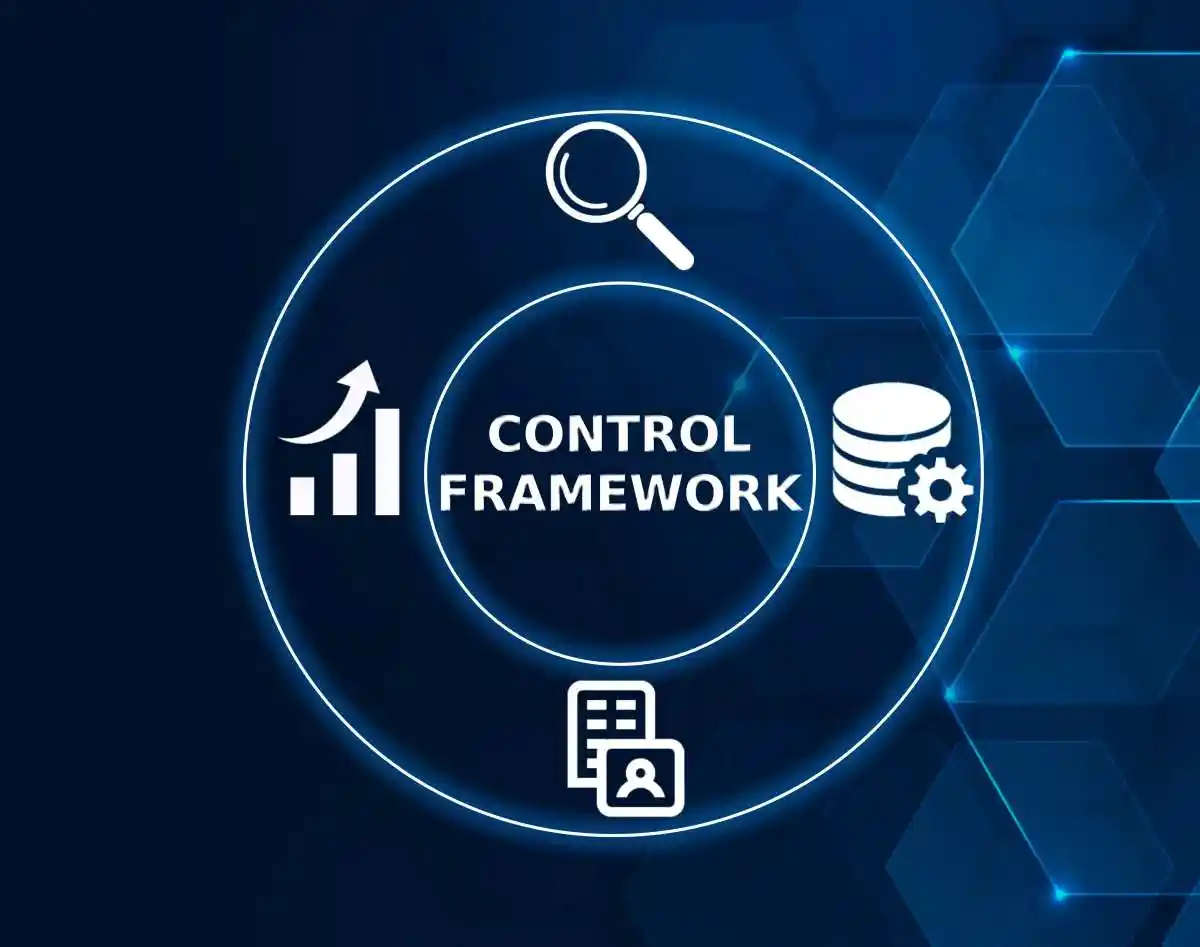
Common Types of Falsified Expenses in Corporate Reporting
- Operational expense manipulation: overstatement or understatement of operational expenses to inflate profits or mask financial distress.
- Capital expenditure misclassification: improperly classifying ordinary expenses as capital investments to reduce reported expenses and boost short-term profits.
- Fictitious transactions: creating false documentation or inflating invoices to artificially manipulate expenses and deceive auditors and regulators.
- Detection challenges: the complexity and sophistication of such schemes highlight the need for robust auditing practices and vigilant oversight.
Signs of Falsified Expenses: How to Identify Red Flags
- Unusual fluctuations: significant and unexplained changes in expense categories that deviate from industry norms or historical trends.
- Narrative inconsistencies: discrepancies between management’s public statements and reported financial results.
- Frequent restatements: companies that regularly restate their financial results may be indicating previous inaccuracies or ongoing manipulation. It is also highly indicative of a company with weak corporate governane and inadequate internal controls over financial reporting.
- Disclosure quality: vague or minimal explanations for changes in expenses or failure to disclose related-party transactions may obscure fraudulent practices.
Corporate Governance and Securities Litigation Framework
|
Preventive Measures |
Response Mechanisms | |
| Corporate Governance Systems |
Prevention Mechanisms: |
Detection Systems: |
| Securities Litigation Aspects |
Red Flags: Falsified Expenses: |
Impact on Companies: |
| Stakeholder Actions |
Securities Litigation Process: |
Investor Protection Steps: |
Legal Framework Surrounding Securities Litigation
- Statutory foundation: the Securities Act of 1933 and the Securities Exchange Act of 1934 lay the groundwork for securities regulation and provide remedies for defrauded investors.
- Regulatory oversight: the SEC plays a pivotal role in enforcing securities laws and investigating allegations of fraud, including falsified expenses.
- Accounting standards: the Public Company Accounting Oversight Board oversees audits of public companies, ensuring compliance with accounting standards.
- Judicial precedents: landmark cases have established important legal principles, such as requirements for proving reliance and intent to deceive.
The Impact of Falsified Expenses on Stock Prices and Investor Trust
- Initial Inflation, Subsequent Crash: Companies that falsify expenses typically do so to inflate profits, which can artificially boost stock prices in the short term. However, once the fraud is revealed, the stock price often crashes dramatically, as seen with companies like WorldCom.
- Negative Abnormal Returns: Studies show that companies forced to restate financial reports due to fraud suffer negative abnormal stock returns.
- Contagion Effect: Accounting frauds in one firm or country can lead to negative stock price reactions in unrelated firms, even across different countries, especially those with similar perceived accounting practices or high accruals. This suggests a broader investor apprehension about potential earnings overstatements.
- Corrective Disclosure: When fraud is revealed, a corrective disclosure can cause a downward adjustment in stock price, reflecting a more realistic valuation of the company, but causing shareholder who bought while price was artifically inflated to suffer losses and file securities class action lawsuits.
Impact on Investor Trust
- Erosion of Confidence: Falsified expenses and other forms of financial statement manipulation fundamentally undermine investor trust in the accuracy and transparency of a company’s financial reporting due to weak corporate governance and lack of internal contols.
- Market-Wide Effects: Such fraudulent acts do nott just harm direct investors; they shake the foundations of public trust in the entire financial system.
- Heightened Skepticism: Investors become more skeptical, leading to increased due diligence, reduced market participation, and a general aversion to investment.
- Negative Perception of Management: Investor perception is negatively affected by perceived lack of integrity in financial statements, trust in management’s transparency, and the company’s reputation.
- Heightened Skepticism: When trust collapses, investors may panic, sell off stock early, or withdraw capital, leading to increased volatility and reduced liquidity in the market. This can weaken market stability and slow capital movement and innovation.
Key Consequences
- Companies suffer significant financial losses, potentially leading to bankruptcy (e.g., Enron, WorldCom).
- Companies may lose access to capital or loans.
- Executives face legal penalties, including fines and imprisonment.
- There is a loss of stock value and potentially delisting from exchanges.
- The company’s reputation and brand are severely damaged.
- Employees may face terminations and leadership turnover.
Consequences with customers and partners
- Loss of customer trust and loyalty: When financial misconduct is revealed, it erodes customer trust in the company and its products. The perception of dishonesty can drive customers away permanently, leading to a loss of market share and a decline in sales. Plus, it exposes corporate governance flaws and lack of internal contrals.
- Difficulty attracting new business: A tarnished reputation makes it difficult to attract new customers, as many will actively avoid a business with a known history of unethical behavior. Online reviews and negative media coverage can quickly amplify this effect.
- Weakened supply chain relationships: Third-party partners like suppliers and contractors may sever ties with the company. They worry that the compromised business is vulnerable to further security breaches or unable to honor its financial obligations, which could endanger their own operations.
Consequences with investors and the market
- Irreparable brand damage: The company’s brand can become a permanent symbol of corporate misconduct, as Enron’s name has become synonymous with corporate fraud. This kind of brand damage is often more extensive and takes longer to repair than financial losses.
- Difficulty securing financing: Lenders and investors may lose confidence in the company’s leadership and reporting. This can lead to increased costs of capital, more restrictive loan terms, or the complete loss of access to capital and financing needed for growth.
- Heightened scrutiny: The company will likely face ongoing scrutiny from regulators, auditors, and the media long after the initial scandal. This increased oversight can be distracting and costly.
Consequences with employees
- Erosion of employee morale and trust: The discovery of internal fraud can breed a toxic culture of suspicion and mistrust among honest employees. This can lead to disengagement, lower productivity, and increased employee turnover.
- Hiring difficulties: A company with a poor public image will struggle to attract top talent. Skilled and ethical job candidates will be reluctant to work for an organization known for its dishonest practices.
- Departure of key leadership: A scandal often necessitates the removal of the executives involved, and sometimes the board of directors, to help signal a new direction for the company.
How to address and mitigate reputational damage
- Take responsibility: Offer a sincere public apology and openly accept responsibility for the misconduct.
- Demonstrate commitment to change: Publicly outline the concrete steps the company is taking to address the problem, make amends, and prevent recurrence. This includes overhauling internal controls and corporate governance.
- Bring in new leadership: If appropriate, hire new leaders who share the company’s stated values and mission.
- Invest in new training: Implement robust ethics training and reporting procedures for all employees to help prevent future misconduct, including a strong corporate governance frame work and internal controls over fiinancial reporting.
- Demonstrate transparency: Engage stakeholders, such as customers and investors, in the rebuilding process through clear and consistent communication.
Case Studies: Notable Securities Litigation Involving Falsified Expenses
- Enron Corporation: executives engaged in complex schemes to hide debt and inflate profits, leading to one of the largest bankruptcies in history.
- WorldCom scandal: the company overstated earnings by billions through improper accounting of expenses, resulting in numerous lawsuits and criminal charges.
- Valeant Pharmaceuticals: allegations of inflating drug prices and manipulating financial statements highlighted risks of aggressive accounting practices.
- Cautionary lessons: these high-profile cases serve as warnings for investors and companies about the severe consequences of financial misrepresentation.
Steps Investors Can Take If They Suspect Falsified Expenses
- Thorough due diligence: review financial statements, analyst reports, and news articles for discrepancies or red flags.
- Professional consultation: engage financial advisors or forensic accountants to provide insights into potential irregularities.
- Regulatory reporting: contact the SEC to report concerns, potentially through whistleblower programs that offer protections and incentives.
- Collective action: collaborate with other affected shareholders to form a class-action lawsuit, pooling resources to pursue legal action.
- Portfolio diversification: spread investments across different sectors and asset classes to reduce exposure to any single company’s potential misconduct.
Best Practices for Companies to Prevent Falsified Expenses
- Robust corporate governance and internal controls: implement robust corporate governance framwork ans strong internal contrals over financial reporting that include regular internal and external audit.
- Ethical culture: foster organizational values that prioritize transparent financial reporting and accountability.
- Strong governance: establish an independent board of directors with diverse expertise to provide oversight of financial reporting.
- Zero-tolerance policy: adopt strict standards against fraudulent activities, encouraging employees to report unethical behavior without fear.
- Anonymous reporting: establish hotlines or online platforms to facilitate identification of potential issues and reinforce commitment to ethical conduct.