Introduction to Preventing Securities Fraud by Strengthening Internal Controls
Preventing Securities Fraud: Preventing securities fraud requires vigilance from investors, strong internal controls from companies, and robust enforcement from regulators. No single action can eliminate fraud, but a multi-layered approach significantly reduces the risk for all parties.
Research Investments and Professionals
- Check Credentials: Before investing, verify that the broker or investment adviser is licensed and has a clean disciplinary history. You can use free online databases such as the SEC’s investor.gov and FINRA’s BrokerCheck.finra.org.
- Understand the Investment: Be wary of investment opportunities you don’t fully understand. Fraudsters often use complex or confusing strategies to mask their schemes.
- Review all Documentation: Always get information in writing. A legitimate investment will have a prospectus or offering materials that disclose the risks and mechanics of the investment.
Recognize Red Flags
- Guaranteed returns: All investments carry some risk. Be extremely skeptical of anyone who promises guaranteed returns or “risk-free” opportunities.
- High-pressure sales tactics: Con artists often pressure you to “act now” or claim it’s a “once-in-a-lifetime” opportunity. Legitimate professionals will give you time to make a decision.
- Unsolicited offers: Exercise caution with unsolicited pitches via phone, email, or social media. Be aware of “affinity fraud,” where fraudsters use group affiliations (like a religious or ethnic community) to build trust.
- Suspicious payment requests: Never pay for an investment using unconventional methods like wire transfers to an individual, gift cards, or cryptocurrency.
Protect Your Accounts and Information
- Monitor your finances: Regularly review your financial and investment account statements for any unusual or unauthorized activity and report discrepancies immediately.
- Secure your accounts: Use strong, unique passwords for online accounts, enable multi-factor authentication, and avoid clicking links in suspicious emails.

Corporate Best Practices
- Implement checks and balances: No single person should have control over all aspects of a financial transaction. Segregating duties for purchasing, record-keeping, and authorizing payments is a fundamental control.
- Encourage whistleblowing: Establish anonymous and confidential reporting systems to make it safe for employees to report suspicious activity. Whistleblower tips are a primary way that fraud is uncovered.
- Conduct regular audits: Regular internal and external audits of financial transactions and controls can deter and detect fraudulent activity.
- Formalize hiring: Use a formal hiring process that includes background checks, especially for employees in high-risk roles. This reduces the chance of hiring individuals with a history of fraud.
- Establish a culture of integrity: Strong leadership that prioritizes ethical conduct and transparency is a critical deterrent to fraud.
Regulator Actions
- Providing investor education: Regulators publish materials and host websites like investor.gov to help educate the public about investment scams and red flags.
- Enforcing securities laws: The SEC enforces federal securities laws, requiring companies to register and provide accurate financial disclosures to the public.
- Investigating and prosecuting fraud: The SEC, FINRA, and the FBI’s Internet Crime Complaint Center (IC3) investigate reports of securities fraud and take action against perpetrators.
- Maintaining databases: Regulator-maintained databases, such as FINRA’s BrokerCheck, allow investors to easily verify the registration and disciplinary history of investment professionals.
VARIOUS FRAUD SCHEMES BY TYPE
| Scheme Type | Description | Example |
| Fictitious Revenue | Recording non-existent sales through false documentation and phantom customers | Creating counterfeit sales contracts or engaging in fraudulent bill-and-hold arrangements that lack economic substance |
| Premature Revenue Recognition | Recognizing revenue before satisfying essential accounting criteria | Accelerating revenue recognition before completing contracted service obligations or product delivery requirements |
| Channel Stuffing | Forcing excessive inventory into distribution channels to artificially inflate sales | Providing unusual incentives to distributors to accept unnecessary inventory levels that exceed reasonable demand |
| Asset Overstatement | Deliberately inflating reported asset values through accounting manipulation | Recording phantom inventory or applying inadequate depreciation to overstate asset carrying values |
| Liability Concealment | Hiding financial obligations through improper accounting treatments | Deliberately understating debt levels or warranty obligations through accounting manipulation |
| Material Omissions | Withholding critical information required for informed investment decisions | Failing to disclose significant related party transactions or contingent liabilities |
| Journal Entry Manipulation | Falsifying accounting records through improper manual adjustments | Making unsupported last-minute entries near reporting deadlines to manipulate results |
Understanding Securities Fraud and Its Implications
- Securities Fraud: Represents a significant threat to the integrity of financial markets. As an investor, understanding the nuances of securities fraud is crucial not only to protect your investments but also to maintain confidence in the financial system. These fraudulent activities can take many forms, including insider trading, false information dissemination, and Ponzi schemes, each designed to manipulate financial markets and deceive investors.
- Implications: The implications of securities fraud extend beyond individual losses. Companies found guilty of such practices often face severe penalties, including fines and legal repercussions, which can cripple their financial stability. Furthermore, the reputational damage incurred can be far more devastating, leading to a loss of shareholder trust and a decline in stock value. For investors, the financial losses can be substantial, eroding retirement savings and personal wealth.
- Broader Economy: Understanding securities fraud also involves recognizing its ripple effects on the broader economy. When fraudulent activities go unchecked, they undermine the efficiency of financial markets, leading to distorted pricing of securities and inefficient allocation of resources. This erosion of trust can have long-term consequences, affecting everything from interest rates to foreign investment levels.

The Importance of Internal Controls in Preventing Securities Fraud
- Internal Controls: Are the mechanisms, rules, and procedures implemented by a company to ensure the integrity of financial and accounting information, promote accountability, and prevent fraud. As an organization, implementing strong internal controls is your first line of defense against securities fraud. These controls help in mitigating risks and ensuring compliance with laws and regulations.
- By establishing robust internal controls, you can protect your company from potential fraud. These systems are designed to detect irregularities and prevent unauthorized transactions, thereby safeguarding assets and financial data. They play a critical role in maintaining the integrity of financial reporting, which is essential for investor confidence and market stability.
- Moreover, internal controls are not just about prevention; they are also about detection. Effective controls provide timely alerts to management about irregularities, allowing for quick corrective actions. This proactive approach is vital for maintaining a fraud-resistant environment, ensuring that you can address potential issues before they escalate into significant problems.
Key Components of Effective Internal Controls
- To effectively prevent securities fraud, your internal controls should encompass several key components. These include:
-
- Segregation of Duties: This involves dividing responsibilities among different people to reduce the risk of error or inappropriate actions. For instance, the person responsible for recording transactions should not be the same person who authorizes payments.
- Access Controls: Limiting access to financial systems and data is crucial. By ensuring that only authorized personnel have access to sensitive information, you can significantly reduce the risk of fraud.
- Regular Audits and Reviews: Conducting regular internal and external audits helps in identifying weaknesses in your control systems. These audits should be comprehensive and designed to detect unusual transactions and patterns.
- Documentation and Record Keeping: Maintaining thorough documentation of financial transactions is essential. This not only aids in compliance but also ensures transparency and accountability.
- Employee Training and Awareness: Employees should be regularly trained on the importance of internal controls and how to detect and report suspicious activities. This creates a culture of vigilance and integrity.
- By implementing these components, you create a robust framework that deters fraudsters and ensures the accuracy and reliability of financial reporting.
Key Internal Control Frameworks and Best Practices
To effectively prevent accounting fraud, companies often adopt established internal control frameworks and best practices. These frameworks provide a structured approach to designing and implementing internal controls that address specific business risks. As an investor, understanding these frameworks can help you assess a company’s commitment to fraud prevention and financial integrity.
- COSO Framework: The Committee of Sponsoring Organizations of the Treadway Commission (COSO) framework is widely recognized for its comprehensive approach to internal controls. It emphasizes the importance of a strong control environment, risk assessment, control activities, information and communication, and monitoring.
- COBIT: Control Objectives for Information and Related Technologies (COBIT) is another widely used framework, particularly for IT governance and control. It helps companies manage and mitigate IT-related risks, which are increasingly relevant in today’s digital age.
- ISO 31000: This international standard focuses on risk management principles and guidelines. It provides a framework for identifying, assessing, and managing risks, including those related to fraud and financial reporting.
By evaluating a company’s adherence to these frameworks and best practices, you can gain insight into its commitment to internal control and fraud prevention. This knowledge can guide your investment decisions and help you identify companies with strong risk management practices.

Common Types of Securities Fraud and How They Occur
- Securities fraud can take many forms, each with its own methods and implications. Understanding these common types can help you better recognize and prevent them.
- 1. Insider Trading
-
- Insider trading involves trading a public company’s stock by someone who has non-public, material information about that stock. This is illegal and unethical as it gives an unfair advantage and violates the principle of a level playing field for all investors.
- 2. Pump and Dump Schemes
-
- In pump and dump schemes, fraudsters artificially inflate the price of a stock through false and misleading statements, often spread via email or social media. Once the price is inflated, they sell their shares at a profit, leaving other investors with overvalued stocks.
- 3. Ponzi Schemes
-
- Ponzi schemes promise high returns with little risk to investors. In reality, they pay returns to earlier investors using the capital of newer investors, rather than from profit earned. These schemes require a constant influx of new investments to remain viable and often collapse when it becomes difficult to recruit new investors.
-
- By educating yourself and your team about these types of securities fraud, you can better identify red flags and take preventative actions against potential fraudulent activities.
The Role of Corporate Governance in Fraud Prevention
- Corporate Governance: Is the system by which companies are directed and controlled. It plays a vital role in fraud prevention by establishing a framework of practices and rules to ensure accountability and transparency in a company’s operations.
- Strong Board of Directors: Effective corporate governance involves the establishment of a strong board of directors that oversees the management of the organization. The board should include independent members who can provide unbiased oversight and hold the management accountable for their actions. This oversight is crucial in preventing fraudulent activities and ensuring that management operates in the best interest of shareholders.
- Policies and Procedure: Additionally, corporate governance requires clear policies and procedures that guide decision-making and risk management. This includes setting ethical standards and codes of conduct for employees, which are essential in fostering a corporate culture that prioritizes integrity and honesty. By promoting ethical behavior and accountability, corporate governance acts as a deterrent to fraudulent activities.
- Essential for Preventing Securities Fraud: In conclusion, strong corporate governance structures are essential for preventing securities fraud. By ensuring transparency, accountability, and ethical behavior, you can create an environment that minimizes the risk of fraud and protects the interests of all stakeholders.

Best Practices for Strengthening Internal Controls
- Implementing best practices for strengthening internal controls is crucial in your fight against securities fraud. Here are some strategies to consider:
-
- Regular Risk Assessments: Conducting regular risk assessments helps you identify and evaluate potential vulnerabilities within your organization. This proactive approach allows you to implement necessary controls to mitigate identified risks.
- Continuous Monitoring and Reporting: Establish a system for continuous monitoring of financial transactions and reporting. This enables you to detect unusual activities in real-time and take immediate corrective actions.
- Whistleblower Policies: Encourage a culture of transparency by implementing a robust whistleblower policy. This ensures that employees feel safe to report suspicious activities without fear of retaliation.
- Advanced Data Analytics: Leverage advanced data analytics tools to enhance your organization’s ability to detect and prevent fraud. These tools can analyze large volumes of data to identify patterns and anomalies indicative of fraudulent activities.
- Regular Training Programs: Conduct regular training programs for employees at all levels to keep them informed about the latest fraud trends and prevention techniques. This helps in building a knowledgeable workforce that is vigilant and capable of identifying potential fraud.
- By adopting these best practices, you can significantly enhance your internal controls, making your organization more resilient to securities fraud.
The Impact of Accounting Fraud on Businesses and Stakeholders
- Accounting Fraud: Involves the deliberate manipulation of financial statements to create a false impression of a company’s financial health. The impact of such fraud can be devastating for businesses and their stakeholders.
- For businesses, accounting fraud can lead to significant financial losses, legal penalties, and reputational damage. Companies found guilty of fraud often face lawsuits, fines, and a loss of investor confidence, which can result in a decline in stock prices and difficulty in raising capital. Additionally, the time and resources required to address the fallout from fraud can divert attention away from core business activities.
- Stakeholders, including investors, employees, and customers, are also adversely affected by accounting fraud. Investors may suffer financial losses due to the depreciation of stock value, while employees may face uncertainty regarding their job security. Customers may lose trust in the company, leading to a decline in sales and market share.
- In essence, accounting fraud undermines the trust and confidence that stakeholders have in a company. By prioritizing transparency and integrity in financial reporting, you can protect your business and its stakeholders from the adverse effects of fraud.
Current Trends in Securities Litigation Related to Fraud
- Securities litigation related to fraud has evolved significantly in recent years, with several key trends emerging. Understanding these trends can help you better navigate the legal landscape and protect your organization from potential litigation.
-
- Increased Regulatory Scrutiny: Regulatory bodies like the Securities and Exchange Commission (SEC) have intensified their scrutiny of financial practices, leading to more frequent and rigorous investigations. This trend underscores the importance of maintaining compliance with all relevant laws and regulations.
- Rise of Class Action Lawsuits: There has been a notable increase in the number of class action lawsuits related to securities fraud. These lawsuits often involve large groups of investors seeking compensation for losses incurred due to fraudulent activities. Ensuring transparency and accuracy in financial reporting can help you avoid such legal challenges.
- Focus on Cybersecurity and Fraud Prevention: With the rise of digital financial transactions, there is a growing emphasis on cybersecurity as a critical component of fraud prevention. Companies are expected to implement robust cybersecurity measures to protect sensitive financial data and prevent unauthorized access.
- By staying informed about these trends, you can proactively address potential legal challenges and enhance your organization’s resilience to securities fraud.
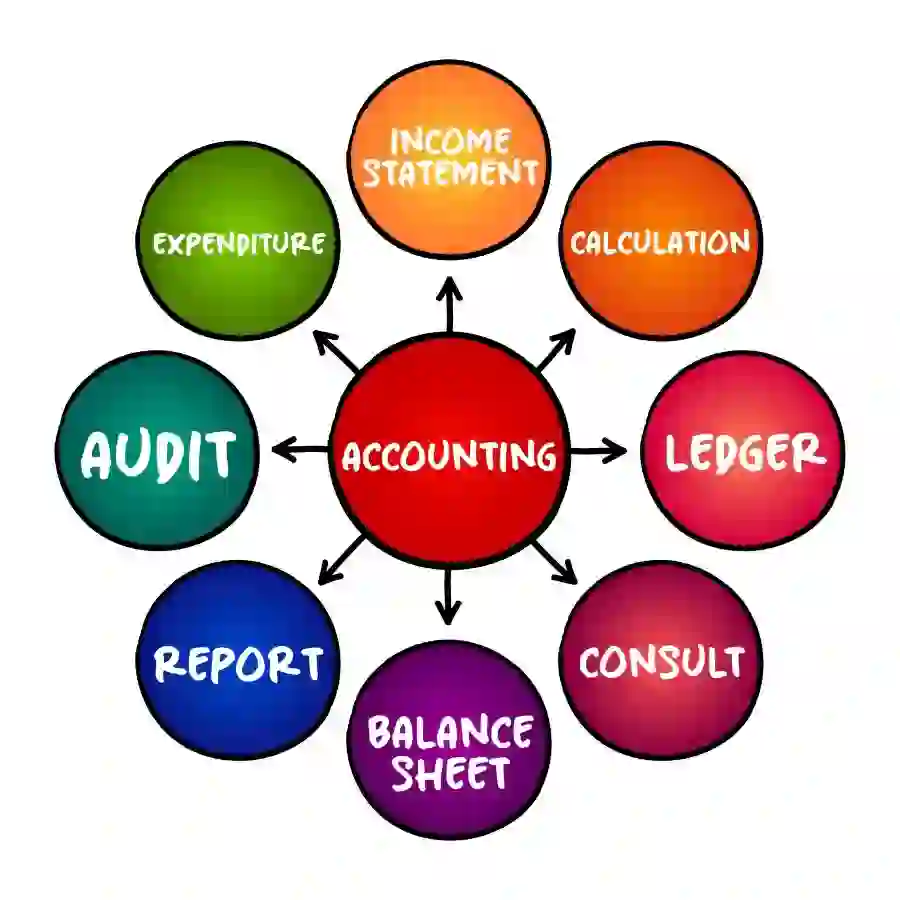
Tools and Technologies for Enhancing Internal Controls
- In today’s digital age, leveraging technology is essential for enhancing internal controls and preventing securities fraud. Here are some tools and technologies that can help you strengthen your internal controls:
-
- Automated Monitoring Systems: Implement automated systems that continuously monitor financial transactions for irregularities. These systems can quickly identify suspicious activities and alert management, allowing for timely intervention.
- Blockchain Technology: Blockchain offers a secure and transparent way to record transactions, making it difficult for fraudsters to manipulate financial data. By adopting blockchain, you can enhance the integrity of your financial reporting.
- AI and Machine Learning: Artificial intelligence and machine learning algorithms can analyze large volumes of data to detect patterns indicative of fraud. These technologies can help you identify potential threats before they materialize, allowing for proactive fraud prevention.
- Data Encryption and Security: Ensure that sensitive financial data is encrypted and protected with advanced security measures. This reduces the risk of unauthorized access and data breaches that could lead to fraud.
- Fraud Detection Software: Utilize specialized fraud detection software that can identify anomalies and potential fraud in real-time. These tools can be integrated into your existing systems to provide a comprehensive fraud prevention solution.
- By integrating these tools and technologies into your internal controls framework, you can significantly enhance your organization’s ability to detect and prevent securities fraud.
Conclusion: Building a Fraud-Resistant Organization
- In conclusion, building a fraud-resistant organization requires a holistic approach that combines strong internal controls, effective corporate governance, and the latest tools and technologies. By understanding the nuances of securities fraud and implementing best practices for prevention, you can protect your organization from the financial and reputational damage associated with fraudulent activities.
- As you work towards strengthening your internal controls, remember the importance of fostering a culture of transparency and accountability within your organization. Encourage open communication and empower employees to report suspicious activities without fear of retaliation. By promoting ethical behavior and integrity, you can create an environment where fraud is less likely to occur.
- Finally, staying informed about the latest trends in securities litigation and fraud prevention is crucial. By keeping up-to-date with regulatory changes and emerging technologies, you can ensure that your organization remains resilient in the face of evolving threats.
- Take proactive steps today to enhance your internal controls and protect your organization from securities fraud. By doing so, you can build a stronger, more resilient organization that inspires confidence and trust among stakeholders.
Contact Timothy L. Miles Today for a Free Case Evaluation
