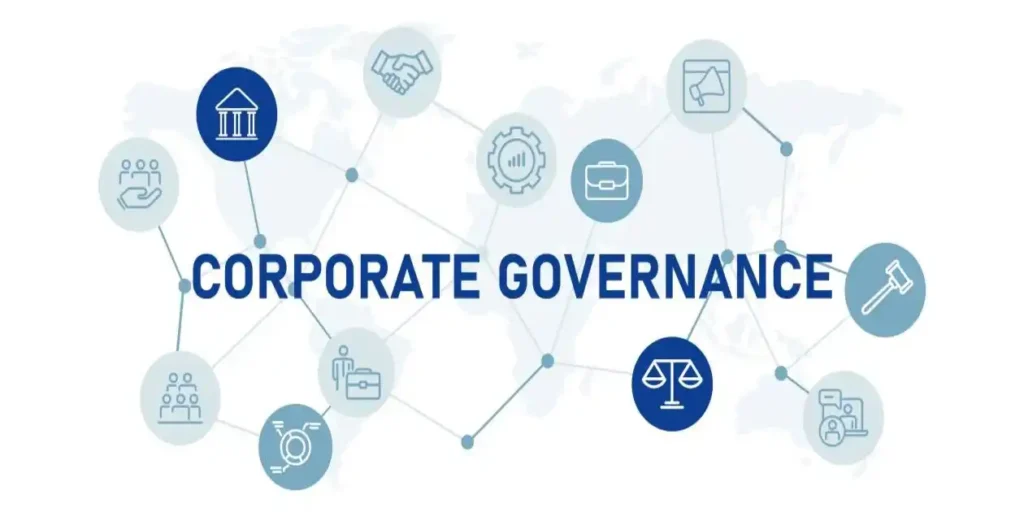
Understanding the Importance of a Robust Corporate Governance Framework
- Robust Corporate Governance Framework: In today’s rapidly changing business environment, understanding and implementing a Robust Corporate Governance Framework is more crucial than ever. This framework is not just a set of rules; it is the backbone of your organization, ensuring that all operations align with both ethical standards and business objectives. By establishing strong corporate governance, you safeguard your company against risks and enhance overall performance.
- Fostering Trust: A sound governance framework helps build a transparent organizational culture, fostering trust among stakeholders. It provides a clear structure for decision-making, outlining responsibilities and accountability across various levels of management. As a result, you can mitigate potential conflicts of interest and enhance the long-term sustainability of your enterprise.
- Reputational Damage: Moreover, adhering to a robust framework is vital for maintaining your company’s reputation. In this age of social media and digital scrutiny, any lapses in governance can quickly lead to reputational damage and loss of stakeholder confidence. Therefore, investing in a strong corporate governance framework is not just a compliance requirement but a strategic priority that can yield substantial dividends.
- Securities Litigation Defense: In today’s complex financial landscape, the intersection of corporate governance and securities litigation is a critical area for businesses to navigate. As a professional involved in corporate decision-making, understanding this intersection empowers you to mitigate risks and enhance compliance. Corporate governance encompasses the systems and processes by which companies are directed and controlled, while securities fraud litigation involves legal proceedings related to the trading of securities. Together, they form a framework that can either protect or expose a company to significant legal challenges.

Key Components of a Robust Corporate Governance Framework
Creating an effective corporate governance framework involves several critical components. To ensure that your framework is comprehensive and efficient, consider the following elements:
- Board Structure and Responsibilities: Your board should have a balanced mix of skills, experience, and independence. Establish clear roles and responsibilities to ensure effective oversight and strategic guidance.
- Risk Management: Implement a robust risk management process to identify, assess, and manage potential threats to your organization’s objectives. This includes financial, operational, and reputational risks.
- Stakeholder Engagement: Regularly engage with stakeholders to understand their expectations and concerns. This interaction can help you align your business strategies with stakeholder interests and build trust.
- Transparency and Accountability: Maintain transparency in all operations by providing regular and accurate disclosures. This openness fosters trust and accountability within and outside your organization.
- Compliance and Ethics: Ensure that your governance practices align with legal requirements and ethical standards. Establish a code of conduct and provide training to reinforce ethical behavior across your organization.
By focusing on these components, you can create a governance framework that supports strategic objectives while safeguarding against potential pitfalls.

The Role of Internal Controls in Preventing Accounting Fraud
- Internal controls are a cornerstone of any Robust Corporate Governance Framework, playing a pivotal role in preventing accounting fraud. These controls serve as checks and balances within your organization, ensuring the accuracy and reliability of financial reporting. They help detect anomalies early, thereby preventing significant financial losses and reputational damage.
- Effective internal controls include a variety of mechanisms, such as segregation of duties, regular audits, and real-time monitoring of transactions. By implementing these controls, you can ensure that no single individual has excessive control over financial processes, thereby reducing the risk of fraudulent activities.
- Moreover, internal controls are not static; they need to be regularly reviewed and updated to address new risks and changes in the business environment. Regular training sessions for your employees can further enhance their understanding of internal controls, empowering them to detect and report any suspicious activities promptly.

Common Types of Accounting Fraud to Watch Out For
Accounting fraud can take many forms, each posing a unique threat to your organization. By understanding these common types, you can better prepare and protect your business:
- Financial Statement Fraud: This involves the intentional misrepresentation of financial information to present a false picture of the company’s financial health. It can include inflating revenues, understating expenses, or concealing liabilities.
- Asset Misappropriation: This type of fraud occurs when employees steal or misuse the organization’s resources. Common examples include theft of inventory, cash skimming, and payroll fraud.
- Corruption: Involves the abuse of power for personal gain, such as bribery, kickbacks, or conflicts of interest. This type of fraud can severely damage your organization’s reputation and relationships with stakeholders.
To combat these types of fraud, your organization should implement robust internal controls, conduct regular audits, and foster a culture of integrity and transparency.
Legal Implications of Poor Corporate Governance and Securities Litigation
- Navigating the legal framework surrounding corporate governance and securities fraud litigation requires a thorough understanding of the relevant regulations and laws. Key legislation, such as the Sarbanes-Oxley Act, plays a pivotal role in shaping corporate governance practices. This act establishes stringent requirements for financial reporting and internal controls, aimed at preventing accounting fraud and protecting investors.
- Poor corporate governance can lead to a host of legal challenges, including securities litigation. When governance standards are not met, stakeholders may take legal action, which can result in costly penalties, settlements, or even criminal charges for company executives.
- Securities litigation often arises from allegations of misleading financial statements, insider trading, or breaches of fiduciary duty. These legal battles can be lengthy and costly, diverting valuable resources away from strategic initiatives and damaging your company’s reputation in the market.
- To avoid such legal implications, it is essential to maintain a strong governance framework that prioritizes compliance, transparency, and accountability. Regular training on legal requirements and ethical behavior can help your team understand the importance of adhering to governance standards, thus reducing the risk of litigation.
- As a leader, staying informed about changes in the legal environment is essential for compliance. Engaging with legal and compliance experts can provide valuable insights into regulatory developments, helping you adapt your governance practices accordingly. By aligning your corporate governance framework with these legal requirements, you can effectively reduce the risk of securities fraud litigation.

Best Practices for Implementing a Robust Corporate Governance Framework
Implementing a robust corporate governance framework requires a strategic approach and commitment from all levels of the organization. Here are some best practices to guide you:
- Board Independence: Ensure that the board of directors includes independent members who can provide objective oversight. This helps prevent conflicts of interest and promotes accountability.
- Establish Clear Governance Policies: Develop and document governance policies that align with your organization’s objectives and regulatory requirements. These policies should be regularly reviewed and updated to reflect changes in the business environment.
- Promote a Culture of Integrity: Foster a corporate culture that values integrity, transparency, and accountability. Encourage open communication and provide channels for employees to report unethical behavior without fear of retaliation.
- Leverage Technology: Utilize technology to enhance governance processes, such as implementing software for real-time monitoring, data analytics for risk assessment, and digital platforms for stakeholder engagement.
- Whistleblower Policies: Establish a robust whistleblower policy that encourages employees to report unethical behavior without fear of retaliation.
- Conduct Regular Training: Ensure that your employees, particularly those in key governance roles, receive regular training on governance standards, internal controls, and ethical practices. This training should be tailored to their specific roles and responsibilities.
By following these best practices, you can build a governance framework that not only meets regulatory requirements but also drives organizational success.
The Impact of Corporate Governance on Stakeholder Trust
- Strong corporate governance is instrumental in building and maintaining stakeholder trust, which is essential for the long-term success of your organization. Stakeholders, including investors, customers, and employees, are more likely to engage with and support companies that demonstrate transparency, accountability, and ethical behavior.
- When stakeholders trust your organization, they are more inclined to invest, recommend your products or services, and remain loyal to your brand. This trust can also lead to more favorable terms with suppliers and partners, enhancing your competitive edge in the market.
- Conversely, weak governance can erode stakeholder trust, leading to a loss of business opportunities, increased regulatory scrutiny, and reputational damage. Therefore, it is crucial to prioritize governance as a strategic element of your business plan, ensuring that all stakeholders feel confident in your organization’s leadership and direction.
- One of the primary ways corporate governance prevents securities fraud litigation is through the establishment of clear policies and procedures. These guidelines ensure that everyone in the organization understands their responsibilities, reducing the likelihood of misconduct. Moreover, strong governance promotes ethical behavior, which is crucial in maintaining investor trust and avoiding legal pitfalls.
- Investors are increasingly scrutinizing corporate governance practices, making it essential for you to adopt a proactive approach. By implementing best practices, you not only minimize the risk of litigation but also enhance your company’s reputation. This, in turn, attracts more investment and supports sustainable growth in an ever-evolving market
Tools and Technologies to Enhance Corporate Governance
Advancements in technology offer new opportunities to enhance your corporate governance framework. By leveraging these tools, you can streamline processes, improve data accuracy, and increase transparency:
- Governance, Risk, and Compliance Software (GRC): These platforms help you manage compliance requirements, assess risks, and implement controls. They provide a centralized view of governance activities, enabling more effective decision-making.
- Data Analytics: Utilize data analytics to identify trends, anomalies, and potential risks early. This proactive approach allows you to address issues before they escalate into major problems.
- Blockchain Technology: Blockchain offers a secure, transparent way to record transactions, enhancing the accuracy and reliability of financial reporting.
- Artificial Intelligence (AI): AI can automate routine tasks, such as audit processes and compliance checks, freeing up resources for more strategic initiatives.
By adopting these technologies, you can strengthen your governance framework and improve your organization’s overall efficiency and effectiveness.
Training and Resources for Corporate Governance Professionals
- Investing in training and resources for corporate governance professionals is essential to maintaining a robust governance framework. By providing your team with the knowledge and skills they need, you can ensure that governance standards are upheld across your organization.
- Consider offering the following training and resources:
-
- Certification Programs: Encourage your team to pursue certifications from recognized bodies, such as the Institute of Internal Auditors or the Governance Institute. These programs provide comprehensive knowledge of governance principles and best practices.
- Workshops and Seminars: Organize regular workshops and seminars on topics related to governance, risk management, and compliance. These events can provide valuable insights and networking opportunities for your team.
- Online Courses and Webinars: Take advantage of online courses and webinars that offer flexibility and convenience for your employees. These resources can cover a wide range of topics, from internal controls to ethical leadership.
- By prioritizing training and development, you can cultivate a team of governance professionals who are equipped to navigate the complexities of today’s business environment.

Preparing for 2025: Future Challenges in Accounting Fraud Prevention
- New Challenges: As we look toward 2026, the landscape of accounting fraud prevention will continue to evolve, presenting new challenges and opportunities for corporate governance. One of the primary challenges will be adapting to technological advancements, such as artificial intelligence and blockchain, which can both aid and complicate fraud detection efforts. Staying abreast of these developments will be crucial for maintaining effective governance.
- Global Complexity: Another significant challenge will be the increasing complexity of global regulations, as companies operate across multiple jurisdictions with varying compliance requirements. This complexity necessitates a proactive approach to governance, where organizations must continuously monitor and adapt to changing regulations to avoid potential pitfalls. By fostering a culture of compliance, you can ensure your organization remains resilient in the face of these challenges.
- ESG Emergence: Finally, the growing emphasis on environmental, social, and governance (ESG) factors will require companies to integrate these considerations into their governance frameworks. As stakeholders demand greater transparency and accountability in these areas, companies will need to develop comprehensive strategies to address ESG-related risks and opportunities. By preparing for these future challenges, your organization can enhance its governance practices and maintain a competitive edge.
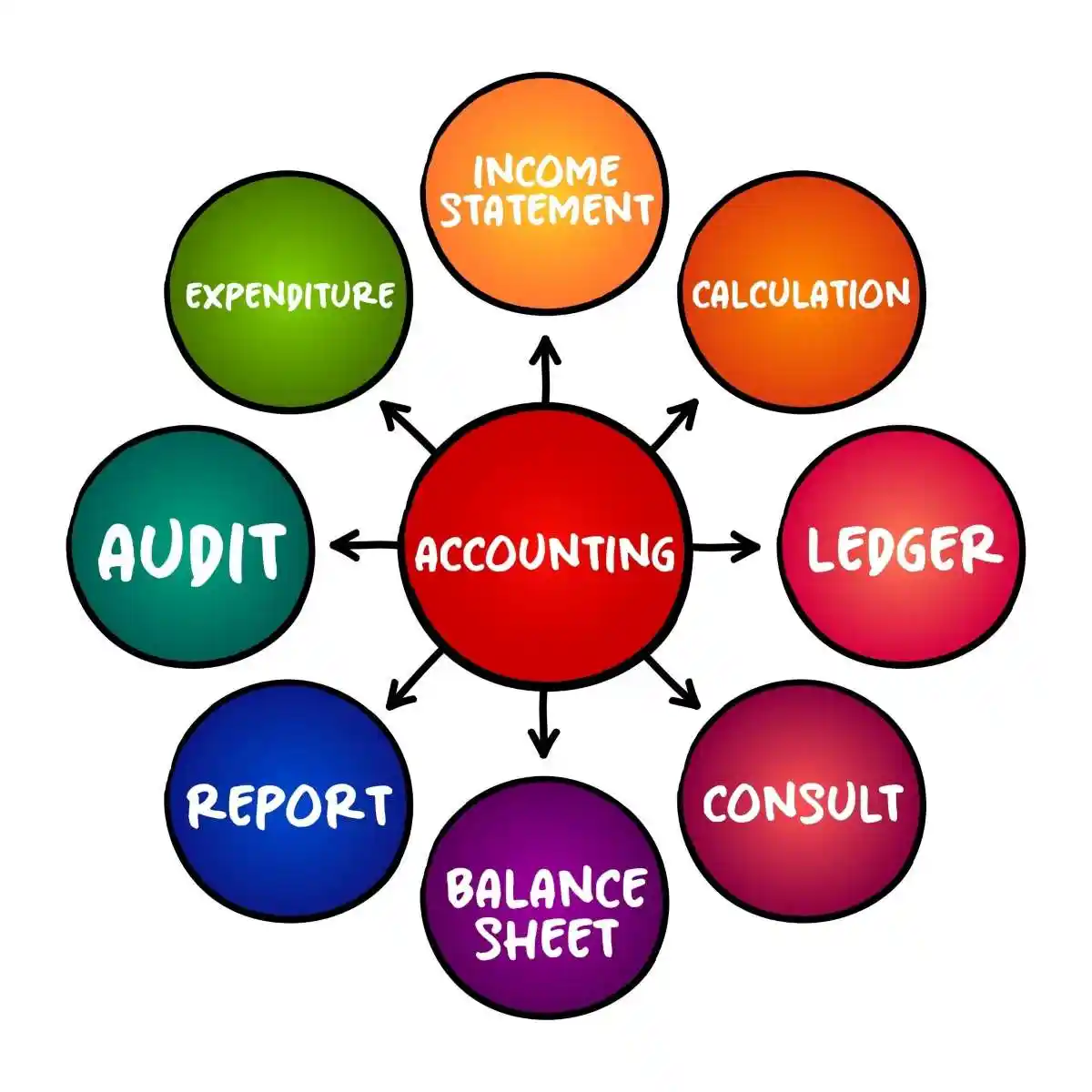 Conclusion: Strengthening Your Defense Against Corporate Governance Failures
- In conclusion, mastering a Robust Corporate Governance Framework is essential for safeguarding your organization against potential failures. By understanding the importance of governance, implementing effective internal controls, and staying vigilant against accounting fraud, you can protect your business from legal and reputational risks.
- Embrace best practices, leverage technology, and invest in training to build a governance framework that inspires stakeholder trust and drives long-term success. As you strengthen your governance framework, remember that it is an ongoing process that requires commitment and adaptability.
- The future of corporate governance lies in embracing innovation and adopting a forward-thinking approach. By leveraging technology, such as data analytics and artificial intelligence, you can enhance your compliance efforts and identify potential risks more effectively. Additionally, fostering a culture of transparency and ethical conduct will remain critical in building stakeholder trust and avoiding legal disputes.
- Now is the time to evaluate your current governance practices and make necessary improvements. By doing so, you can ensure that your organization is well-prepared to face the challenges of 2025 and beyond.
