
Introduction to Detecting Revenue Recognition Fraud
- Detecting Revenue Recognition Fraud: Includes physical, documentation, data analytics, employee behavior, change in life style, among others.
- Revenue Recognition Fraud: Involves intentionally and improperly recording revenue in a company’s financial statements to mislead users, such as investors and regulators, about its financial performance.
- Form of Financial Statement Fraud: It is a form of financial statement fraud and typically involves exaggerating earnings to meet targets or create a misleadingly positive outlook.
- Financial Statement Fraud: The intentional misrepresentation or omission of information in a company’s financial reports to mislead stakeholders.
Common Revenue Recognition Fraud Schemes
- Premature revenue recognition: Booking revenue before it has been earned or before products are delivered or services are rendered. This can include “bill-and-hold” schemes, where a company bills a customer but holds the goods until a later date.
- Fictitious sales: Recording sales that did not occur to phantom customers. This can involve creating false invoices or shipping merchandise to undisclosed warehouses and booking it as a sale.
- “Channel stuffing”: Sending excessive inventory to distributors and recognizing it as revenue, even though the distributors are not likely to sell the products quickly.
- “Round-tripping”: Exchanging services with a partner company to artificially inflate both companies’ revenues.
- Manipulating the percentage-of-copletion method: Overstating the completion percentage of a long-term project to recognize more revenue in the current period.
- Improper use of side agreements: Using secret side agreements with customers to change the terms of a sale and justify improper revenue recognition.
- Impaired Assets: Failing to record asset impairments.
- Falsely Inflating Net Income: In a period by improperly eliminating or deferring current period expenses, or by allocating more costs to inventory than cost of goods sold.
- Creating Excess Reserves: Initially over-accruing a liability in one periodby initially over-accruing a liability in one period Creating Excess Reserves:by initially over-accruing a liability in one periodby initially over-accruing a liability in one period
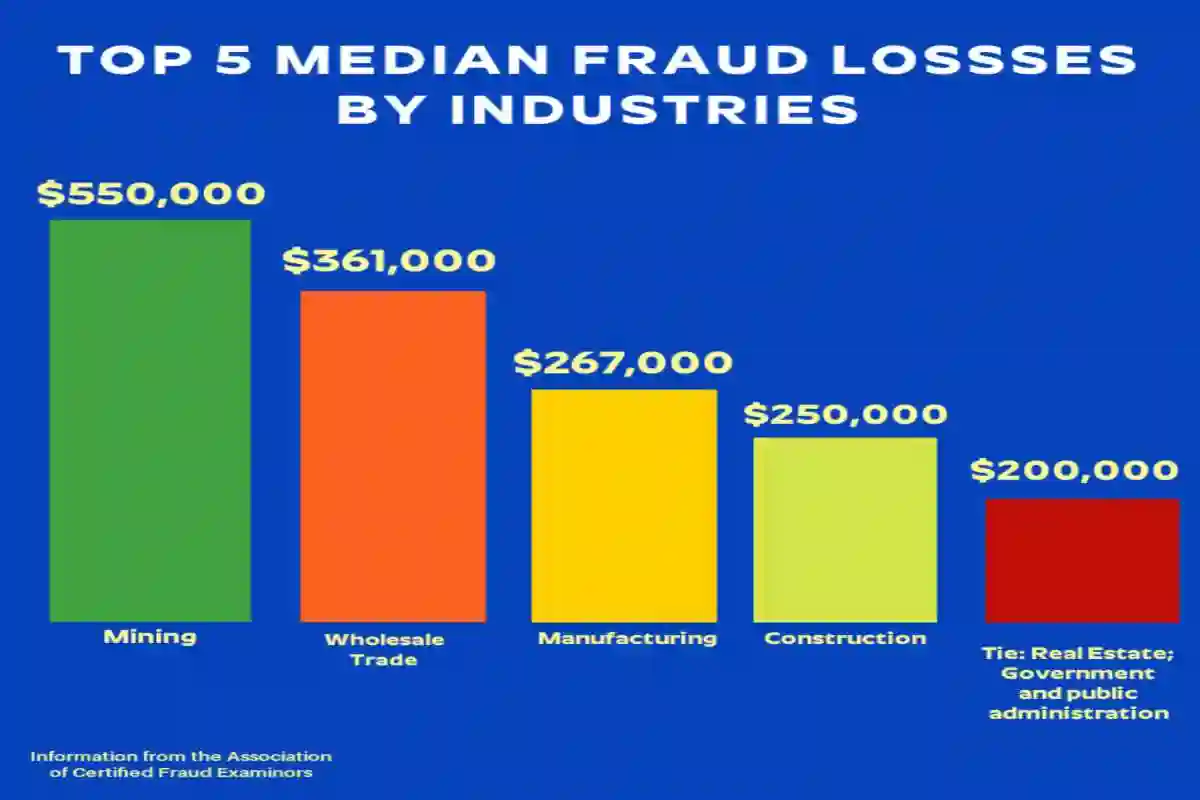
Common Motivators that Can Lead to Fraud
- Pressure to meet targets: Executives may feel intense pressure to meet sales, earnings, or budget projections set by investors or analysts.
- Bonuses and incentives: High management bonuses or compensation tied to short-term financial performance can incentivize fraudulent behavior.
- Personal greed: In some cases, individuals commit fraud for personal financial gain, such as inflating the company’s value to secure a higher bonus.
- Hiding poor performance: Companies may commit fraud to conceal poor management, operating weaknesses, or financial difficulties from investors.
- Weak internal controls: The absence of robust internal controls, such as separation of duties and independent oversight, creates opportunities for fraud to occur undetected.

Red Flags for Detecting Revenue Fraud
- Rapid revenue growth inconsistent with cash flow: This is one of the most common red flags. If profits are rising but cash flow is not, it may indicate fraudulent sales or fictitious receivables.
- Unusual surge in sales at the end of a reporting period: A company recording a significant portion of its sales in the last few days or weeks of a quarter may be improperly booking revenue to meet targets.
- Discrepancies in shipping and billing: For premature or phantom sales, there may be inconsistencies between the quantity of goods billed versus the quantity shipped, or unusual increases in shipping costs.
- Sudden changes in accounting methods: A shift in accounting practices can be used to hide manipulation and make period-to-period comparisons more difficult.
- Complex or unusual related-party transactions: Transactions with related parties that lack a logical business purpose can be used to generate fictitious revenue.
- High turnover of senior management or auditors: Frequent changes in key personnel, especially in accounting roles, can signal internal conflicts or attempts to conceal fraud.
Advanced analytical techniques
- Anomaly detection: Machine learning algorithms can automatically identify transactions that deviate significantly from a baseline of normal behavior.
- Benford’s Law analysis: This statistical test flags unnatural patterns in the first digits of numerical data, such as invoices, which is often a sign of manufactured or falsified numbers.
- Link analysis: Using graph technology, analysts can visualize relationships between different entities (employees, vendors, transactions) to uncover hidden fraud rings or connections.
- Predictive modeling: By analyzing historical fraud cases, machine learning models can be trained to predict the likelihood of a transaction being fraudulent in real time, preventing loss before it happens

Weaknesses in Internal Controls
A strong internal control environment i the first line of defense against fraud, so vulnerabilities in these systems are often exploited by employees seeking to commit theft or misuse company assets.
Segregation of duties
- Incompatible duties involve having responsibility for two or more of the following key functions:
-
- Authorization: Approving a transaction
-
- Custody: Handling the physical asset (cash, inventory)
-
- Record-keeping: Entering the transaction into the accounting system
-
- Reconciliation: Comparing records to physical assets or bank statements
-
- Example: If one employee is responsible for receiving cash payments, recording the payment in the accounting system, and reconciling the bank statement, they could easily take cash and cover it up by altering the records.
Management and oversight
- Inadequate supervision: Weak monitoring of employees and business processes, especially in remote locations, allows fraudulent activity to go unnoticed.
- Ineffective management review: If managers do not regularly review and approve transactions, it creates an opportunity for employees to hide fraudulent activity.
- Management override of controls: Senior leaders can bypass established internal control policies to achieve business goals or for personal gain, sending a message that controls can be ignored.
- Poor hiring practices: Inadequate background checks or screening for employees with access to assets can allow individuals with financial or behavioral red flags to be hired.
Physical and information safeguards
- Inadequate physical controls: Not locking up cash or valuable assets, using poorly guarded storage areas, or failing to restrict access to secure areas allows employees to easily steal inventory, equipment, or cash.
- Weak access controls: Insufficient or poorly monitored access to sensitive computer systems, data, and electronic records can lead to information theft or the creation of fraudulent transactions.
Recording and documentation
- Poor record keeping: Missing or inaccurate documentation, such as invoices, receipts, or shipping records, makes it difficult to trace transactions and compromises the audit trail.
- Lack of independent checks: Not performing regular, independent reconciliations of assets and accounts, such as bank statements, can allow discrepancies to go undetected.
- Failure to enforce mandatory vacations: Fraudulent schemes are often discovered when the perpetrator is on vacation and another employee takes over their duties. Without mandatory time off, fraudsters can maintain their schemes for longer periods.
Technology and automation
- Insufficient use of automation: Relying heavily on manual processes creates more opportunities for human error and intentional fraud.
- Failure to update technology: Outdated systems can lack the security features and automated controls needed to protect against modern threats.
- Poorly integrated systems: Disjointed or non-integrated software systems can create gaps that allow fraudulent transactions to slip through undetected
A poor “tone at the top” is a key driver of asset misappropriation because it erodes the ethical foundation of an organization and undermines the control environment. The attitude and actions of senior management and the board of directors set the standard for employee behavior. When that tone is weak, it creates opportunities for fraud through several mechanisms.
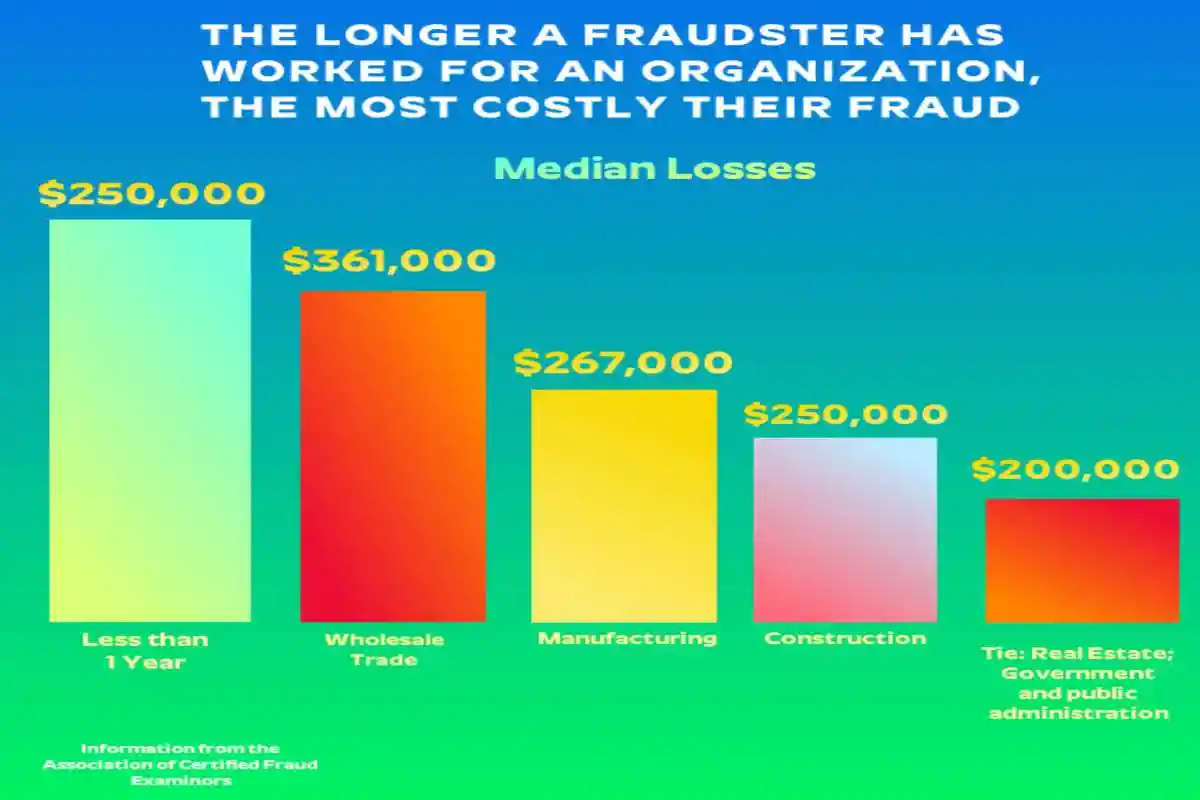
Management override of controls
- Rationalizing shortcuts: Managers who feel pressure to meet unrealistic financial targets may override controls under the guise of efficiency or speed. Employees observe this behavior and may interpret it as permission to do the same.
- Influencing accounting staff: High-level managers can coerce accounting staff into making questionable journal entries or transactions to hide theft. Staff may comply out of loyalty, fear of losing their job, or the belief that the manager is more trustworthy than the official policy.
- Hiding theft through authority: Management can use its authority to write off receivables or inflate revenue, which can be a way of concealing asset misappropriation. These overrides are hard to detect because they are performed by individuals with high levels of system access and authority.
Normalization of unethical behavior
- “They’re doing it too”: Employees often take behavioral cues from their superiors. If employees see managers exaggerating expenses, taking company property for personal use, or tolerating minor infractions, they are more likely to justify their own dishonest actions with the rationalization, “upper management is doing it as well”.
- Rewarding results over ethics: If the company culture focuses exclusively on meeting aggressive targets, employees may feel intense pressure to cut corners. A manager’s focus on profits at all costs, with no regard for the process, can motivate employees to manipulate data or engage in fraud to avoid negative consequences.
Erosion of trust and control
- Weakened whistleblower protections: A management team that ignores or retaliates against employees who report misconduct will destroy a company’s ethics hotline and encourage employees to remain silent. Since tips are the most common way fraud is detected, a poor tone effectively disables a key defense.
- Reduced morale and loyalty: Employees in an environment with low morale and a toxic culture feel less loyalty to the company and its goals. This reduces the rationalization barrier to committing fraud, as employees feel less guilt about hurting an organization that they feel has wronged them.
- Disregard for monitoring: When management does not take internal controls seriously, they are less likely to enforce monitoring activities, such as regular reconciliations or surprise audits. This increases the opportunity for fraud to occur and remain undetected.
The Consequences of Revenue Recognition Fraud
- Financial standing
-
- Asset misappropriation may not be the most expensive, but it can still significantly impact an organization’s financial standing in a significant way if you are not careful. One study from the ACFF found median loss for businesses that experience asset misappropriation is $120,000 per incident.
- Legal penalties
-
- Companies and the individuals involved can face substantial fines, regulatory sanctions from bodies like the SEC, and criminal charges, including imprisonment.
- Loss of investor confidence
-
- Fraudulent activity erodes trust in the company and the broader market. This can cause stock prices to plummet, leading to significant losses for investors.
- Reputational damage
-
- A fraud scandal can irreparably harm a company’s reputation, damaging its brand and making it difficult to attract customers, partners, and talent.
- Corporate collapse
- The exposure of sustained fraud can lead to financial instability, bankruptcy, and devastating losses for employees and shareholders. The collapse of Enron and WorldCom are two famous examples.
The Role of Securities Litigation in Addressing Fake Revenue
- Securities Litigation: Serves as a critical mechanism for addressing cases of fake revenue inflation.
- Legal Avenue: Securities litigation provides a legal avenue for investors and other stakeholders to seek redress when they have been misled by fraudulent financial reporting.
- Securities litigation and Enforcement: Can take various forms, including class-action lawsuits, enforcement actions by regulatory bodies, and arbitration proceedings.
The Primary Objective of Securities Litigation
- Primary Objective: The primary objective of securities litigation is to hold companies and their executives accountable for fraudulent activities.
- Accountability: Securities litigation causers accountability can deter future misconduct by signaling to other market participants that unethical behavior will be met with legal consequences.
- Compensation: Additionally, securities litigation can result in financial compensation for affected investors, helping to restore some of the losses incurred due to misleading information.
Understanding the Role of Securities Litigation
- Securities Ligation Objective: Understanding the role of securities litigation is vital for both companies and investors.
- Companies: For companies, it underscores the importance of maintaining transparency and compliance with financial regulations.
- Investors For investors, it highlights the need for vigilance and due diligence in assessing the financial health of potential investments. By leveraging securities litigation, stakeholders can help uphold the integrity of financial markets.
THE SECURITIES LITIGATION PROCESS
|
Filing the Complaint |
A lead plaintiff files a lawsuit on behalf of similarly affected shareholders, detailing the allegations against the company. |
|
Motion to Dismiss |
Defendants typically file a motion to dismiss the securities class action lawsuits, arguing that the complaint lacks sufficient claims. |
|
Discovery |
If the motion to dismiss is denied, both parties gather evidence, documents, emails, and witness testimonies. This phase of securities litigation can be extensive. |
| Motion for Class Certification |
Plaintiffs request that the court to certify the securities litigation as a class action. The court assesses factors like the number of plaintiffs, commonality of claims, typicality of claims, and the adequacy of the proposed class representation. |
|
Summary Judgment and Trial |
Once the class is certified, the parties may file motions for summary judgment. If the securities litigation is not settled, it proceeds to trial, which is rare for securities class actions. |
|
Settlement Negotiations and Approval |
Most securities litigation cases are resolved through settlements, negotiated between the parties, often with the help of a mediator. The court must review and grant preliminary approval to ensure the settlement is fair, adequate, and reasonable. |
|
Class Notice |
If the court grants preliminary approval, notice of the settlement in the securities litigation is sent to all class members in the securities litigation, often by mail, informing them about the terms and how to file a claim. |
| Final Approval Hearing | The court conducts a final hearing to review any objections and grant final approval of the settlement of the securities litigation. |
|
Claims Administration and Distribution |
A court-appointed claims administrator manages the process of sending notices, processing claims from eligible class members, and distributing the settlement funds. The distribution is typically on a pro-rata basis based on recognized losses. |
Prevention strategies
To protect against financial statement fraud, companies can implement a range of internal controls and foster an ethical corporate culture.
- Implement strong internal controls: Enforce a strict segregation of duties, so that no single person controls all aspects of a financial transaction, and protect accounting systems with strong access controls.
- Set an ethical “tone at the top”: Management should lead by example, demonstrating ethical behavior and a commitment to integrity and transparency.
- Perform regular audits: Conduct both independent external and internal audits to regularly test financial statements for accuracy and uncover weaknesses in internal controls.
- Establish a whistleblower program: Create a formal, anonymous reporting system for employees to safely report suspicious activities without fear of retaliation.
- Limit performance-based bonuses: Be cautious about tying executive compensation too closely to short-term financial targets, which can incentivize reckless or fraudulent behavior.
Maintaining Financial Integrity
Robust Internal Controls: Requires a robust framework of internal controls and corporate governance practices.
- Ensures Compliance: Companies must ensure that their financial statements are accurate, complete, and compliant with relevant accounting standards.
- Motivation: This involves regular audits, both internal and external, to identify and rectify any discrepancies or irregularities in financial reporting.
Common Financial Statement Fraud Schemes
| Scheme Type | Description | Example |
|---|---|---|
| Fictitious Revenue | Recording non-existent sales | Counterfeit sales transactions, Bill and hold arrangements |
| Premature Revenue Recognition | Recording revenue before earned | Accelerating revenue before service delivery |
| Channel Stuffing | Forcing excess inventory to distributors | Shipping excessive product to boost quarterly sales |
| Asset Overstatement | Inflating asset values | Phantom inventory, inadequate depreciation |
| Liability Concealment | Hiding financial obligations | Unrecorded debt, understated warranty liabilities |
| Material Omissions | Withholding critical information | Undisclosed related party transactions |
| Journal Entry Manipulation | Falsifying accounting records | Last-minute entries near reporting deadlines |
Financial Integrity: Is not just a legal obligation but also a strategic advantage.
- Transparent and honest financial practices can enhance a company’s reputation, attract investment, and foster long-term growth.
- By prioritizing integrity, companies can mitigate risks associated with fraudulent activities and build a resilient foundation for future success built on ethics and transparency.
REPUTATIONAL AND FINANCIAL CONSEQUENCES OF FRAUD
Impact Assessment of Financial Statement Fraud
| Impact Category | Measurement | Severity |
|---|---|---|
| Stock Value Loss | 12.3-20.6% average decline | High |
| Reputational Damage | Up to 100x direct financial loss | Severe |
| Employee Impact | 50% loss in cumulative wages | Severe |
| Legal Penalties | $750M+ in major cases | High |
| Bankruptcy Risk | 3x higher than non-fraud firms | High |
| Market Recovery | Years to decades, if ever | Variable |
| Customer Trust | Immediate and often permanent loss | Severe |
| Investment Access | Permanently impaired in many cases | High |
