
Introduction
- Robust Corporate Governance Through Securities Litigation: Robust corporate governance is integral to the proper functioning and transparency of modern corporations, ensuring that the interests of shareholders, management, and other stakeholders are aligned and protected.
- Promoting Ethics: In the context of securities class actions, corporate governance plays a crucial role in mitigating risks and promoting ethical conduct within organizations.
- Securities Class Actions: Arise when a group of investors collectively brings a lawsuit against a corporation for violations of securities laws, often due to misleading statements or fraudulent activities that result in financial losses.
- Effective Corporate Governance Frameworks: Help prevent such scenarios by establishing clear policies, oversight mechanisms, and accountability structures that promote transparency and integrity.
- Legal Landscape: As we look ahead to 2027, the landscape of corporate governance and securities litigation continues to evolve, influenced by regulatory updates, market dynamics, and technological advancements.
- Foster Long-Term Sustainability: Companies are increasingly recognizing the importance of adopting robust governance practices to not only comply with legal requirements but also to build investor confidence and foster long-term sustainability.
- Comlex Litigation: This guide aims to provide a comprehensive understanding of the principles and practices that underpin strong corporate governance, as well as insights into navigating the complexities of securities class actions.
- Key components: Of robust corporate governance include a well-defined board structure, effective risk management practices, transparent financial reporting, and proactive stakeholder engagement.
- Prioritizing Transparency:, Companies can better safeguard against potential legal challenges and enhance their resilience in the face of market uncertainties.
- Directore and Audit Indepensence: Additionally, the role of independent directors and audit committees cannot be overstated, as they provide critical oversight and ensure that management’s actions align with shareholder interests.
If you need reprentation in securities class action lawsuits, or just have questions about robust corporate governance and securities litigation, call Timothy L. Milles today for a free case evaluation.855-846-6529 or [email protected] (24/7/365).
- Regulatory Changes: In the arena of securities litigation, staying informed about evolving legal precedents and regulatory changes is essential for both corporations and investors.
- ImpLement Strong Controls: Understanding the triggers and implications of securities class actions enables companies to implement preventive measures and respond effectively when faced with such lawsuits.
- Culture of Complaince: Moreover, fostering a culture of compliance and ethical behavior within organizations can significantly reduce the likelihood of securities violations and associated litigations.
- Robust Corporate Goverance: This guide aims to serve as an instructive resource for corporate leaders, legal professionals, and investors alike, offering practical advice on strengthening corporate governance frameworks and navigating the intricacies of securities class actions.
- Investor Protection: As we move forward into 2027 and beyond, a commitment to robust corporate governance will remain a cornerstone of organizational success and investor protection in an increasingly complex and dynamic business environment.

What Is Robust Corporate Governance?
- Promoting Transparency and Accountability: Robust corporate governance is a system of rules, practices, and processes that ensures a company is directed and controlled with integrity, transparency, and accountability.
- Legal Complaince: It is a durable and resilient framework that allows a company to not only adhere to regulations but also adapt flexibly to changing market conditions and unexpected events.
- Long=Term Sustainability: The concept extends beyond mere compliance to a culture of ethical behavior and long-term sustainability that aligns the interests of a wide range of stakeholders, including shareholders, management, employees, and the community.
Key principles of robust corporate governance
- Accountability: Leaders must be answerable for their decisions and actions to both the board and shareholders. This involves having clear metrics to assess performance against company goals.
- Transparency: A company must provide timely, accurate, and transparent disclosure of its financial performance, operations, and risks to stakeholders. This builds trust and gives investors a clear idea of the company’s direction.
- Fairness: All shareholders, including minority shareholders, must be treated equitably, and the board should operate without conflicts of interest. This also extends to the fair treatment of all stakeholders, such as employees and customers.
- Responsibility: The board and management have a fiduciary duty to act in the best interests of the company and its stakeholders. This includes respecting legal and ethical standards for sustainable growth.
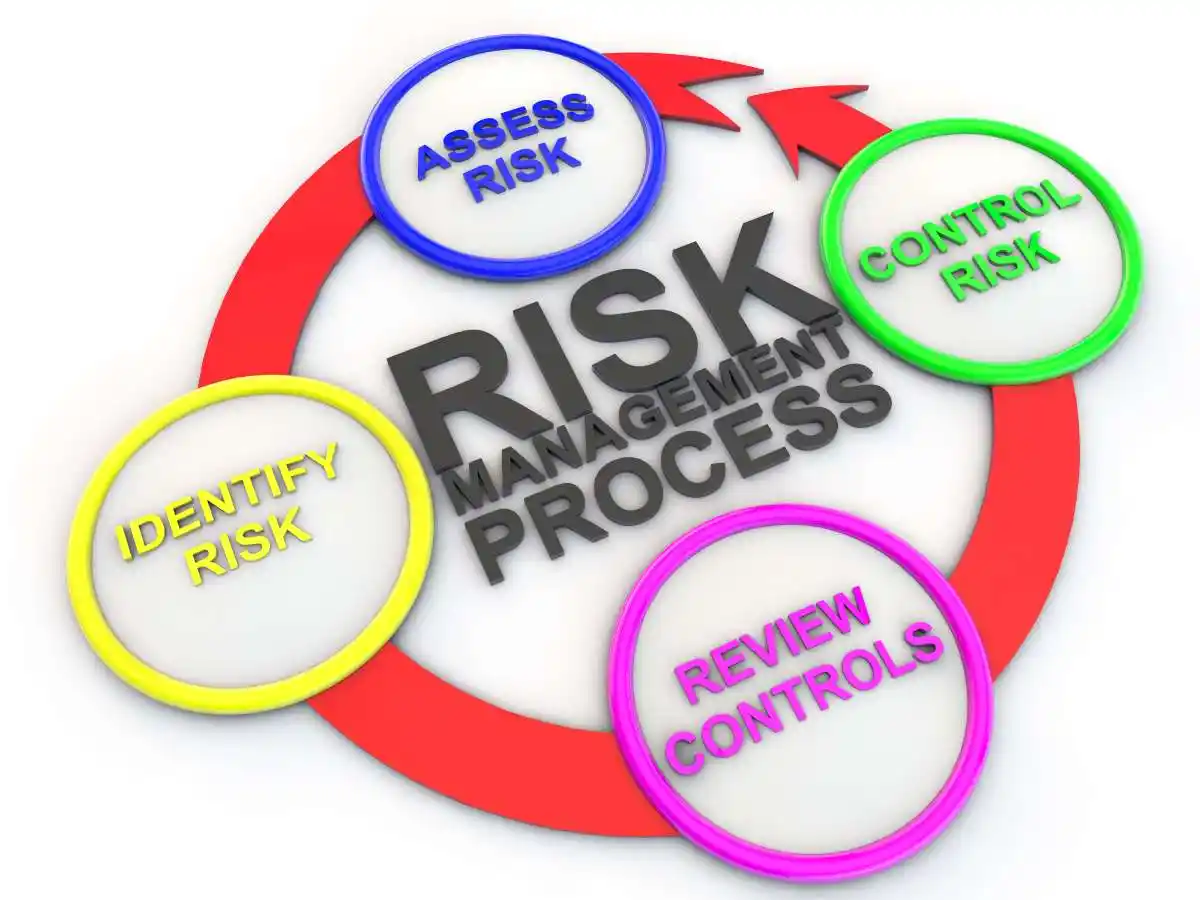
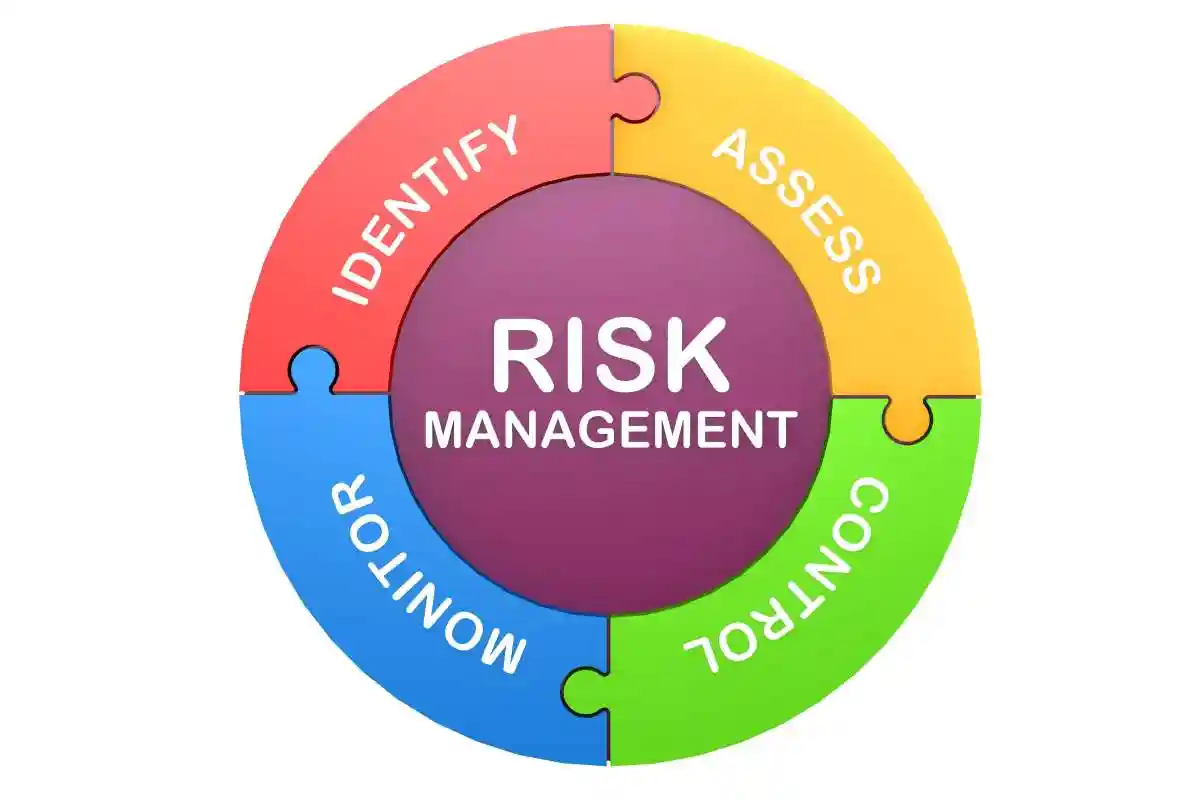
- Risk management: A robust corporate governance framework includes processes for identifying, assessing, and mitigating internal and external risks, ensuring resilience against financial losses, legal issues, and reputational damage.
- Independence: The board of directors, particularly non-executive members, should be free from undue influence by management and major shareholders. This ensures impartial and objective decision-making.
Examples of robust corporate governance practices
- A strong, diverse, and independent board: A board composed of individuals with varied skills, backgrounds, and perspectives ensures more effective decision-making. Boards should also regularly evaluate their own performance.
- Clear definition of roles and responsibilities: Clearly delineating the duties of the board, its committees, and management prevents confusion, ensures accountability, and improves efficiency.
- Robust corporate governance and internal controls and audit processes: Companies must have systems in place to prevent fraud and ensure the integrity of financial reporting. This includes internal audits and independent external auditors.
- Effective risk management framework: This includes ongoing risk assessment, monitoring, and updating of mitigation strategies to address evolving threats.
- Strong ethical culture and code of conduct: A company’s values and ethical standards should be promoted and embedded throughout the organization, starting from the leadership.
- Active shareholder and stakeholder engagement: Regular and transparent communication with investors, employees, customers, and the community builds trust and ensures their interests are considered in decision-making.
Benefits of robust corporate governance
- Increased investor confidence: Strong governance practices signal stability and responsible management, making the company more attractive to investors.
- Enhanced reputation: Companies known for high ethical standards enjoy a better reputation with customers and the wider public.
- Improved decision-making: A clear framework, combined with a diverse and independent board, leads to more informed and effective strategic decisions.
- Better risk management: Proactively identifying and managing risks protects the company from costly legal issues and financial losses.
- Long-term sustainability: By aligning strategy with stakeholder interests and ethical standards, robust governance supports sustainable growth and long-term success.
The Long-Term Effects of Strong Corporate Governance
- Strong Corporate Governance: Creates long-term benefits that extend well beyond regulatory compliance, shaping a company’s financial performance, market reputation, and ability to attract and retain talent.
- Accoutability and Ethical Culture: Establishes a foundation of transparency, accountability, and ethical behavior that contributes to sustainable growth and resilience.
Enhanced financial performance from strong corporate governance
- Reduced cost of capital: Companies with transparent governance practices are often seen as less risky by investors, leading to lower borrowing costs for equity and debt.
- Higher investor confidence: Strong governance practices, including board independence, accountability, and ethical conduct, build trust among investors, which helps a company attract and retain capital.
- Improved financial outcomes: Companies with strong governance tend to perform better financially, with studies showing they often exhibit higher profitability and better stock performance.
- Increased access to capital: By demonstrating a commitment to responsible management and ethical practices, well-governed companies become more attractive to a wider range of investors, including institutional investors.
Enhanced Reputation and Stakeholder Relations
- Stronger brand value: Transparent and ethical internal policies enhance a company’s public image and brand reputation, building trust with consumers, suppliers, and the broader community.
- Stronger stakeholder engagement: Good governance practices ensure a company considers the interests of a wide range of stakeholders, fostering a positive corporate culture and stronger relationships.
- Alignment with ESG factors: The push for better governance often includes integrating environmental, social, and governance (ESG) factors into corporate strategy, which can enhance a company’s reputation and long-term value creation.
Better talent attraction and retention
- Higher employee morale: A transparent and accountable corporate culture, reinforced by good governance, contributes to higher levels of employee satisfaction, loyalty, and productivity.
- Attracting top talent: Companies known for their strong governance, ethics, and commitment to employees are often more appealing to skilled and conscientious workers.
- Reduced turnover: Fair compensation practices, a positive company culture, and opportunities for development and growth—all linked to good governance—help companies retain top talent.
Long-term sustainability
- Focus on the long-term: Good corporate governance prioritizes sustainable growth over short-term financial pressures, aligning the company’s strategy with long-term goals.
- Supports economic growth: By fostering capital market development and reducing the cost of capital, strong cororate governance can help drive innovation, productivity, and entrepreneurship in the broader economy.
- Builds patient capital: Trust, transparency, and accountability created through good governance can attract patient capital, providing a company with the stability and security to invest in long-term projects.
Investor Protection and Shareholder Rights
- Investor protection and shareholder rights are central to the integrity of the U.S. financial markets.
- They ensure fair and transparent treatment for those who invest their capital in a company.
- These protections involve a mix of regulations, legal remedies, and corporate governance practices that give shareholders a voice and hold corporate officers accountable.
Fundamental shareholder rights
- Voting power: Shareholders have the right to vote on significant corporate matters, including electing the board of directors, approving mergers and acquisitions, and amending company bylaws.
- Right to information: Publicly traded companies are legally required to provide shareholders with timely and accurate information about their financial performance, operations, and management.
- Right to dividends: If a company’s board of directors declares a dividend, shareholders are entitled to receive a portion of the company’s profits.
- Right to sue: Shareholders can sue for wrongful acts, such as fraud or mismanagement, committed by a company or its executives. This right ensures accountability and can be enforced through a direct lawsuit or a derivative lawsuit on behalf of the corporation.
- Transferability of shares: Investors have the right to freely sell or transfer their ownership shares in the market, providing liquidity and flexibility.
The role of the SEC
- The Securities and Exchange Commission (SEC) plays a pivotal role in enforcing investor protection laws and promoting market integrity.
- Combating fraud: The SEC actively investigates and prosecutes individuals and companies for fraudulent activities, including insider trading, misrepresentation, and accounting fraud.
- Promoting disclosure: It enforces rules that require companies to disclose material financial and other information, which helps investors make informed decisions.
- Regulating market participants: The SEC oversees key market participants—including securities exchanges, brokers, and investment advisors—to ensure they treat investors fairly.
- Investor education: The agency provides eeducational resources to help investors understand the basics of investing and recognize potential scams.
Legislation and shareholder rights
- Private Securities Litigation Reform Act (PSLRA) of 1995: The PSLRA introduced stricter requirements for securities class action lawsuits. While critics worried it would hinder legitimate fraud claims, the law was intended to curb frivolous lawsuits and deter “professional plaintiffs”. It also empowered large institutional investors by giving them preference as lead plaintiffs.
- Securities Litigation Uniform Standards Act (SLUSA) of 1998: SLUSA was passed to close a loophole in the PSLRA. It required that most large-scale securities fraud class actions be filed in federal court under the more restrictive PSLRA standards, preventing plaintiffs from seeking friendlier state court venues.
- Post-PSLRA developments: The Supreme Court’s 2018 ruling in Cyan, Inc. v. Beaver County Employees Retirement Fund limited SLUSA’s scope, clarifying that certain class actions filed under the Securities Act of 1933 can still be heard in state court.
Robust Corporate governance and shareholder rights
- Independent board: An independent and diverse board of directors provides objective oversight and helps prevent conflicts of interest.
- Majority vote for directors: Many large companies have adopted a majority vote standard for electing directors in uncontested elections, increasing board accountability.
- Shareholder proposals: Investors can submit proposals to be voted on by shareholders, allowing them to express views on corporate governance and other issues.
- Protection for minority shareholders: Laws and corporate agreements often include provisions to protect minority shareholders from oppressive actions by controlling shareholders.

How The SEC Enforces These Laws
- Protecting Investors: The SEC uses a multi-faceted approach to enforce securities litigation, encompassing civil actions in federal court, administrative proceedings, and collaboration with criminal authorities.
- Regulatry Compliance: The SEC also relies on market surveillance, tips from whistleblowers, and regular compliance inspections.
Enforcement mechanisms
Investigations
- Sources of information: The SEC gathers evidence from a variety of sources, including tips, complaints, and referrals from the public, whistleblowers, other regulatory bodies, and news reports.
- Investigation types:
-
- Informal inquiry: The SEC may initially conduct an informal inquiry and request voluntary information
-
- Formal investigation: If violations are suspected, the SEC can issue a formal order of investigation, which grants it the power to subpoena witnesses and compel the production of documents.
Civil lawsuits in federal court
- Remedies sought:
-
- Injunctions: Court orders prohibiting future violations.
-
- Monetary penalties: Civil fines that can range from thousands to millions of dollars.
-
- Disgorgement: The repayment of illegal profits to prevent wrongdoers from benefiting from misconduct.
-
- Officer and director bars: The SEC can seek a court order to bar or suspend individuals from serving as a corporate officer or director.
Administrative proceedings
- Recent limitation: The Supreme Court’s 2024 decision in SEC v. Jarkesy limited the SEC’s ability to impose civil penalties for securities fraud through administrative enforcement actions proceedings.
- As a result, the SEC must now pursue such penalties in federal court.
- Administrative remedies: The SEC can still issue administrative sanctions in enforcement actions, such as cease-and-desist orders, and bar individuals from working in the securities industry.
Criminal prosecution
- While the SEC only has civil enforcement authority, it works closely with the U.S. Department of Justice (DOJ) and other law enforcement agencies to refer cases for criminal prosecution when warranted
- . This can result in additional fines and imprisonment for severe misconduct.
Compliance and oversight programset surveillance
Disclosure review
- Scrutinizing filings: This review helps ensure that companies are providing timely, accurate, and transparent information to investors in registration statements, annual and quarterly reports, and other filings.
- Enforcing compliance: If a company fails to make a required report or its disclosures are misleading, the SEC can take enforcement action and impose penalties.
The Whistleblower Program
- Award criteria: The SEC can award whistleblowers between 10% and 30% of the monetary sanctions collected if their information leads to a successful enforcement action with sanctions over $1 million.
- Protections: The program also provides confidentiality and job protection from retaliation for whistleblowers.
Compliance inspections
The SEC’s Office of Compliance Inspections and Examinations (OCIE) conducts examinations of market participants—including brokers, dealers, and investment advisors—to foster compliance with securities laws. Serious violations discovered during these inspections are referred to the Division of Enforcement.
Robust Corporate Governance and Securities Class Action Lawsuits
- Compelling Stronger Governance: Robust corporate governance and securities class action lawsuits have a reciprocal relationship: robust governance can prevent securities class action lawsuits, and securities class actions can be used to compel stronger governance.
- Liability and Accountability: A robust corporate governance framework protects a company from legal action, while securities class action lawsuits can be a mechanism for shareholders to hold a company accountable when that framework fails.
How robust governance prevents securities class action lawsuits
- Discourages fraud and misconduct: The bedrock of robust governance includes transparency, accountability, and strong internal controls that make it harder to commit fraud or misrepresent financial information.
- Ensures timely disclosure: Companies with robust governance are more likely to provide timely and accurate information to investors. This transparency can prevent the kinds of material omissions or misstatements that often lead to class action litigation.
- Strengthens compliance: A strong compliance program that regularly reviews and monitors adherence to regulations helps a company avoid violations that could trigger lawsuits.
- Creates a culture of ethics: When leadership sets an ethical “tone at the top,” it reduces the likelihood of misconduct at all levels of the organization and strengthens the company’s defense if an issue does arise.
How lawsuits compel better governance
- Provide a corrective mechanism: When internal controls and governance fail, securities class actions serve as a corrective tool. By seeking redress for harm caused by corporate misconduct, shareholders can force necessary changes.
- Empower institutional investors: The Private Securities Litigation Reform Act of 1995 (PSLRA) gives the role of “lead plaintiff” to the investor with the largest financial interest. This often empowers institutional investors, who have the resources and incentive to push for long-term governance reforms in addition to monetary settlements.
- Push for non-monetary relief: Settlements in securities class actions, particularly those led by institutional investors, often include non-monetary provisions that mandate specific governance changes. These can include:
-
- Increasing the number of independent board members
-
- Adopting or strengthening executive compensation clawback policies
- Address root causes: A class action lawsuit can force a company to address the underlying systemic flaws that led to fraud, rather than simply paying a fine. This can compel lasting structural and cultural changes.
- Provide industry-wide deterrence: High-profile settlements involving governance reforms can have a “spillover” effect, encouraging competitors to proactively review and strengthen their own practices to avoid similar litigation.
The symbiotic relationship
- Investor Protection: Ultimately, robust corporate governance and securities class action lawsuits operate in a symbiotic relationship that aims to protect investors and maintain market integrity.
- Proactive and Preventative: Strong governance works to prevent the very misconduct that fuels lawsuits, while securities class actions can act as a powerful backstop to enforce good governance when it fails.
- Shareholder Rights: This interplay contributes to a financial ecosystem where investors feel more secure that their rights will be protected and that corporate behavior will be held to a high standard.

Examples of Improved Corporate Governance or Compliance After a Securities Class Action Lawsuit Actions
- A securities class action lawsuit can force companies to significantly reform their corporate governance and compliance programs.
- Settlement agreements often include non-monetary provisions that mandate specific, structural changes to prevent similar misconduct.
Case study examples
Enron Corporation (2001)
- Following its collapse due to accounting fraud, Enron’s $7.2 billion settlement, resulting from a securities class action, mandated significant governance reforms.
- These included increasing independent directors on the board, reforming the audit committee’s composition and oversight, and implementing new mechanisms for board oversight of senior management and conflict of interest prevention.
WorldCom, Inc. (2002)
- WorldCom’s $6.1 billion settlement after an accounting scandal led to corporate governance reforms aimed at improving oversight and accountability.
- The company agreed to implement stricter internal financial controls and revise its code of ethics and other internal policies.
Alphabet Inc. (Google)
- A securities class action settlement required Alphabet to make significant changes to its compliance operations.
- This included restructuring its compliance operations with a dedicated board committee for risk and compliance oversight and forming a senior vice president-level committee reporting to the CEO on regulatory compliance.
- These reforms were mandated for a 10-year period.
Compass Minerals International Inc. (2025)
- In a derivative lawsuit settlement, Compass Minerals agreed to implement governance reforms instead of a large cash payment.
- These reforms included appointing a new chief accounting officer and committing to improving financial disclosures.
Common governance and compliance improvements
- Force Complaince Changes: Securities class actions often lead to broader governance and compliance changes.
- Reforming Ethics: These can include separating the roles of CEO and board chairman, increasing the number of independent directors, establishing or reforming ethics and compliance committees.improving financial controls
- Enhancing Shareholder rights: Such as limiting anti-takeover defenses or requiring “say on pay” votes), and implementing more rigorous training for directors and employees.
Other Non-Monetary Relief Included in Settlement Agreements
- Investor Protection: In securities class action settlements, non-monetary relief extends beyond just corporate governance changes to include a range of other measures that protect investors.
- Deterring Future Conduct: These provisions often focus on improving a company’s internal procedures, increasing transparency, and preventing future misconduct.
Internal program and policy improvements
- Compliance monitoring: To ensure that companies are fulfilling their obligations, settlement agreements may require compliance monitoring and enhanced governance. This can involve third-party audits or self-reporting mechanisms for a specified period to demonstrate adherence to new policies.
- Enhanced compliance programs: Companies may be required to revise and improve internal compliance programs and governance. This can involve implementing new training for employees and executives on securities laws, ethics, and proper disclosure practices.
- Specialized personnel: In cases involving specific areas of misconduct, such as cybersecurity, a company might agree to hire or create a dedicated cybersecurity director or committee. This commitment can carry a significant, ongoing financial cost to the company.
- Restructuring: Settlements can include mandates for restructuring operations to prevent future issues. For instance, in an Alphabet Inc. settlement, the company agreed to create a new board committee specifically for risk and compliance oversight.
Changes to shareholder rights and disclosures
- Enhanced shareholder rights: In some cases, class action settlements have mandated that companies increase shareholder power. Examples include allowing lead plaintiff’s counsel to solicit and submit candidates for the board of directors.
- Disclosure enhancements:Beyond standard periodic reporting,settlements can require companies to disclose additional information. For example, a company might have to disclose more detail on its controls or how it handles risk.
- Restrictions on insider trading: To prevent insider trading that led to the lawsuit, a settlement could restrict when company insiders are allowed to sell stock, especially when the company is repurchasing its own shares.
Future conduct undertakings and oversight
- Conduct-based injunctions: Courts can issue injunctions that prohibit a defendant from engaging in conduct that, while not inherently illegal, could still pose a risk of future harm to investors.
- Independent monitors: A settlement may include the appointment of an independent monitor to oversee the company’s operations and compliance with the settlement terms. The company must bear the cost of this oversight.
- Third-party assessments: In areas like cybersecurity, a company might agree to implement more robust testing and risk assessments conducted by independent experts.

Robust Corporate Governance Reforms that Are Common in Securities Class Action Settlements
- Robust corporate governance reforms in securities class action settlements are non-monetary provisions often negotiated by institutional investors serving as lead plaintiffs.
- These “therapeutic” reforms are aimed at preventing future misconduct by correcting systemic flaws that led to the lawsuit.
Board structure and oversight
- Settlements often require a higher proportion of independent directors, particularly on key committees, to reduce conflicts of interest.
- Separating the roles of CEO and Board Chairman is frequently mandated, granting an independent chairman oversight authority.
- New or revised board committees, such as audit or compensation committees, can be established to enhance compliance and risk oversight.
- Some settlements introduce term limits for directors to encourage fresh perspectives.
Financial reporting and internal controls
- Following accounting fraud allegations, settlements commonly require reviews and strengthening of internal financial reporting systems.
- Some settlements require the CEO and CFO to personally certify the accuracy of financial reports.
- External auditor rotation may be required in some cases.
Executive compensation and ethics
- Settlement agreements often include or enhance policies allowing companies to reclaim executive compensation if fraud is discovered (clawback policies).
- Changes to stock option granting and administration methods have been mandated in some settlements following options backdating scandals.
- Stricter rules to prevent insider trading by executives can be established.
Transparency and disclosure
- Settlements may mandate more thorough disclosure to investors, particularly regarding internal investigations and risk factors.
- Stronger protections for whistleblowers are often included to encourage reporting of wrongdoing.
Enforceability and effectiveness
- The effectiveness of these reforms depends significantly on the lead plaintiff, often institutional investors with long-term investment goals.
- Courts also play a vital role by ensuring that these non-monetary provisions are fair and adequate for the class.
Robust Corporate Governance and Institutional Investors
- Robust corporate governance and institutional investors are deeply interconnected.
- As major shareholders, institutional investors have the clout and incentive to demand higher governance standards, making them a powerful force for corporate accountability.
- Their influence stems from their significant ownership stakes and their fiduciary duty to protect the assets of their clients and beneficiaries.
Monitoring and engagement
- Institutional investors, especially long-term investors like pension funds, actively monitor the companies in which they invest.
- Instead of simply selling their shares (“voting with their feet”), many engage directly with management and boards.
- Enhancing strategic decisions: They can encourage management to focus on long-term value creation rather than short-term gains.
- Promoting transparency: Engagement and monitoring incentivize companies to provide clearer financial reporting and disclosures, which builds investor trust and confidence.
Voting on shareholder proposals
- Board composition and independence: Advocating for the appointment of independent directors and challenging ineffective board members.
- Executive compensation: Opposing excessive compensation packages and pushing for clawback policies that allow for the recovery of executive pay in cases of financial misstatements.
- Environmental, social, and governance (ESG) factors: Promoting sustainable business practices, addressing climate risk, and pushing for more inclusive diversity policies.
Shareholder activism
- Force governance reforms: In settlements of securities class action lawsuits, institutional investors have successfully negotiated non-monetary provisions that compel specific changes to a company’s governance practices.
- Rally support for change: Cases like the activist hedge fund Engine No. 1’s campaign against ExxonMobil demonstrate that even smaller players can drive significant change when backed by larger institutional investors.
Challenges and complexities
- Short-term vs. long-term focus: A conflict can arise between maximizing short-term returns for beneficiaries and promoting long-term corporate sustainability.
- Passive funds’ dilemma: Passive index funds, which are long-term holders, have a strong incentive to engage in governance. However, they are not rewarded for “beating the index” and may face pressure to keep fees low, potentially weakening incentives for deep monitoring.
- Influence of advisory firms: The recommendations of powerful proxy advisory firms can have an outsized influence on institutional votes, potentially standardizing rather than customizing governance practices
- Oversight gaps: Large-cap firms often receive disproportionate scrutiny, leading to concerns about less oversight for smaller companies.
Case Where Institutional Investors Have Achieved Robust Corporate Governance Reforms
- Successful instances of institutional investor engagement leading to robust corporate governance reforms often involve a combination of shareholder activism and legal action.
- These cases demonstrate how institutional investors can leverage their influence to demand better accountability and transparency, ultimately reshaping a company’s leadership and strategic direction.
Engine No. 1 and ExxonMobil (2021)
- Background: The hedge fund Engine No. 1, which owned only a tiny fraction of ExxonMobil’s shares, launched a campaign criticizing the oil giant’s long-term strategy, arguing its resistance to a low-carbon future would be detrimental to its value.
- Institutional investor support: Engine No. 1 rallied support from major institutional investors, including BlackRock and Vanguard, by framing the climate transition as a long-term profitability issue.
- Outcome: Despite fierce opposition from management, Engine No. 1 succeeded in electing three independent directors with renewable energy expertise to ExxonMobil’s board.
- Governance reform: The victory demonstrated how institutional investors can successfully challenge and reshape a company’s board and strategy, even in a hostile environment.
Enron Corp. (2001)
- Following the Enron accounting scandal, institutional investors acted as lead plaintiffs in a securities class action that resulted in extensive governance reforms.
- The lawsuit against Enron and third parties led to a $7.2 billion settlement, which included provisions for increased independent directors, strengthened audit committee oversight, and enhanced board oversight of management.
WorldCom, Inc. (2002)
- Another significant accounting scandal involving WorldCom also saw institutional investors achieve governance reforms through a class action lawsuit.
- As lead plaintiffs, institutional investors secured a settlement of over $6.1 billion for affected shareholders.
- The settlement also mandated robust corporate governance changes, such as implementing stricter internal controls, revising corporate policies, and included payments from former directors’ personal assets to highlight accountability.
Westinghouse (1992)
- This case illustrates how institutional investors can achieve governance improvements through direct engagement.
- Several institutional investors, concerned about issues at Westinghouse’s credit subsidiary, met with management to advocate for changes.
- This engagement led to Westinghouse dismantling its poison pill and eliminating its staggered board, making management more responsive to shareholder interests by facilitating the election of new directors.
Current Examples of Institutional Investors Driving Corporate Governance Changes
- Institutional investors have increasingly become powerful drivers of corporate governance changes, particularly regarding environmental, social, and governance (ESG) factors.
- They utilize shareholder proposals, proxy voting, and direct engagement to influence companies on climate risk, executive compensation, board composition, and more.
Climate change and ESG oversight
- ExxonMobil (2021) and Engine No. 1: In a landmark case, the small hedge fund Engine No. 1, backed by major institutional investors like BlackRock, Vanguard, and State Street, successfully elected three climate-focused directors to ExxonMobil’s board. The activist argument hinged on the financial risks of ignoring the energy transition, demonstrating how large institutions can align with a push for long-term strategic shifts.
- Climate transition plans: As seen in 2024, institutional investors have used shareholder proposals to demand that financial services companies like Goldman Sachs and Wells Fargo put forth detailed climate risk transition plans. A significant percentage of votes supported these resolutions, sometimes against management’s recommendation.
- California climate disclosure laws (2023): As the federal government has faced legal challenges to its climate disclosure rules, major investors are already operating under stricter state-level regulations. California’s laws, influenced by investor demands for more information, will require large companies to disclose greenhouse gas emissions (including Scope 3). This has a broad impact, as many institutional investors hold stakes in companies that operate in California.
Shareholder activism and strategic direction
- Southwest Airlines (2024): Following a campaign by activist investor Elliott Investment Management, Southwest Airlines agreed to add five of Elliott’s director candidates to its board. This move came after a period of poor performance and is a clear example of investors forcing board changes to address strategic and operational issues.
- M&A opposition: In 2024, institutional investors opposed several proposed mergers and acquisitions (M&A). In one instance, significant investor opposition, along with recommendations from proxy advisory firms, created enough risk and uncertainty in Frontier Communications’ acquisition by Verizon that it became a more difficult transaction.
- Boardroom battles: Activists have continued to press for board representation. In 2024, institutional investors sided with an activist group to replace the entire board of Gildan Activewear, and with another to appoint new directors at Spectral AI.
Executive compensation
- “Say on pay” votes: Institutional investors have been at the forefront of pushing for and enforcing “say on pay” measures, which give shareholders an advisory vote on executive compensation. By voting against compensation packages they deem excessive, institutions can influence a company’s pay practices.
- Clawback policies: Investors have pushed for more robust compensation clawback policies that allow for the recovery of executive pay in the event of accounting fraud or material financial misstatements.
SEC enforcement actions
- Enforcing reporting requirements: In 2024, the SEC charged 11 institutional investment managers with failing to file mandatory reports on their securities holdings. This shows that regulatory bodies hold institutional investors accountable for their own governance, which is vital for maintaining market integrity and a fair marketplace.
- Whistleblower protection: The SEC’s whistleblower program, backed by institutional investors, has led to numerous enforcement actions by incentivizing individuals to report credible information about securities law violations.
Institutional Investors Securing Robust Internal Controls from Activism
Direct engagement and monitoring
- Active dialogue: They regularly meet with management and board members to discuss financial performance, risk management, and internal controls. During these discussions, they can identify weaknesses and pressure the company to adopt better practices.
- Field research: Some institutional investors conduct “field research” to assess a company’s operations, especially in relation to ESG factors. This informal external monitoring can motivate managers to improve internal controls, particularly in firms with weaker governance, to protect their reputation.
- Third-party validation: Settlements often include provisions for an independent third-party monitor or auditor to oversee changes to internal controls. Institutional investors leverage their position in class actions to secure these provisions, ensuring rigorous, external validation of control improvements.
Public pressure and proxy fights securing robust internal controls
- Credibility of analysis: Activists often present their demands in detailed white papers and public presentations that showcase extensive research and strategic analysis. This builds credibility and sways other investors, heightening the pressure on management to address their concerns, which frequently include flawed internal controls.
- Public accountability: Activism campaigns can draw significant media and public scrutiny, which threatens the professional reputation of managers and directors. The fear of reputational damage provides a powerful incentive for companies to address internal control weaknesses.
- Proxy contests: In a proxy fight, activists can nominate alternative board candidates, increasing the risk of a board change for the company. Board oversight is crucial for internal controls, and the threat of new, activist-backed directors can force companies to address the underlying issues.

Leveraging legal and regulatory frameworks
- Leading securities class actions: Large institutional investors often serve as lead plaintiffs in securities class actions, a role facilitated by the PSLRA. During settlement negotiations, they can secure non-monetary relief that includes mandatory upgrades to a company’s internal controls.
- Influencing governance rules: These investors push for governance reforms that strengthen internal controls and board oversight more broadly. For example, some have successfully campaigned for majority voting in director elections, making boards more responsive to investor concerns.
- Acting as “informal regulators“: For companies with weak internal controls, activist institutional investors can serve as informal regulators. Their engagement incentivizes managers to prioritize long-term strategy over short-term opportunism, which is a key goal of robust internal controls.
Examples of success in securing robust internal controls
- Enron and WorldCom: Following these scandals, institutional investors acted as lead plaintiffs in securities class actions that resulted in extensive governance reforms, including increased independent directors and stronger internal control oversight, secured via settlement agreements.
- ExxonMobil and Engine No. 1: Engine No. 1’s successful proxy fight installed new independent directors with climate expertise. While the focus was on climate, board composition is fundamental to internal control oversight, demonstrating how activists can use ESG arguments to effect fundamental governance change.
- Monsanto (2016): While not a direct activist campaign, the SEC enforcement action against Monsanto over inadequate internal controls was likely aided by scrutiny from institutional investors. This case resulted in an $80 million penalty and mandatory hiring of an independent compliance consultant, outcomes frequently demanded by activists.
Robust Corporate Governance Reforms Activists Push to Achieve
- Activist investors push for robust corporate governance reforms that increase transparency, accountability, and board effectiveness to unlock shareholder value.
- These reforms target core issues like board composition and oversight, executive compensation, and shareholder rights.
- While specific demands vary by campaign, the overall goal is to address structural weaknesses that activists argue are responsible for a company’s underperformance.
Board composition and oversight
- Independent directors: Activists often push for a higher percentage of independent directors to reduce conflicts of interest and ensure objective oversight of management.
- Board expertise: Activists demand that board members have relevant industry experience or financial expertise. For example, during their campaign at ExxonMobil, Engine No. 1 secured board seats for directors with renewable energy expertise.
- Separation of CEO and Chairman roles: Activists argue that combining these roles gives a single person too much power, creating a conflict of interest that hinders effective board oversight. Splitting the roles ensures the board can properly monitor and, if necessary, replace the CEO.
- Board diversity: Activists and large institutional investors push for greater board diversity in terms of skills, race, and gender. Diversity can strengthen decision-making and preempt activist arguments for change.
Executive compensation and accountability
- Pay-for-performance: Campaigns frequently highlight a misalignment between executive compensation and company performance. Activists push for compensation to be more directly tied to long-term shareholder value and performance metrics.
- Accountability for underperformance: Activists often push for CEO turnover when companies consistently underperform relative to peers. A high rate of CEO turnover has been observed at activist-targeted firms, demonstrating their influence on leadership accountability.
Shareholder rights and voting power
- Majority voting: Activists campaign for majority-vote standards in director elections, which can give “withhold” votes more power. Under plurality voting, directors can be elected even with significant opposition. Majority voting requires a board to address a lack of shareholder support.
- Elimination of staggered boards: Activists push for the elimination of staggered boards, where only a portion of the board is up for election each year. By making all directors eligible for election annually, shareholders gain more control over board composition and strategy.
- Ending “poison pills”: Activists advocate for the removal of anti-takeover defenses, like poison pills, that can stifle shareholder oversight and depress share value.
Corporate strategy and capital allocation
- Focus on core business: Activists may push for companies to divest underperforming or non-core assets to refocus on more profitable operations.
- Capital reallocation: Demands often include returning excess cash to shareholders through buybacks or dividends instead of perceived wasteful capital investment.
- Increased M&A activity: Activists may push for mergers and acquisitions (M&A) or divestitures, especially when they see a valuation gap between a company’s current and potential value.
Other Mechanisms Besides Settlements Institutional Investors Use to Foster Robust Corporate Governance
Direct engagement
- Active stewardship: This involves ongoing, behind-the-scenes communication to share perspectives, request information, and advocate for specific changes to improve company performance.
- Proactive approach: Some investors meet with management on a regular basis to build relationships and raise governance concerns before they escalate into public issues.
- Written correspondence: A shareholder can vote “no” or withhold a vote on an issue and send a letter to the company’s CEO or directors to explain their position. This is often a cheap and effective form of activism.
Leveraging voting power
- Establishing voting guidelines: Large institutional investors, such as Vanguard and BlackRock, publish detailed proxy voting guidelines that outline their expectations on everything from board independence to executive compensation.
- Voting against management: When engagement fails, institutional investors can vote against a company’s management on key issues. Voting against director nominees, for instance, sends a strong message about accountability.
- Supporting shareholder proposals: Institutional investors can support shareholder proposals, which can cover a wide range of issues, such as ESG risks, executive compensation, or political spending transparency.
Promoting transparency through proposals
- Catalyzing dialogue: Institutional investors may introduce a proposal not expecting it to pass but to pressure the company to engage in constructive dialogue and reach a compromise.
- Encouraging disclosure: Many proposals are not about specific actions but about demanding more information. For example, a proposal might call for a company to issue a report on its climate strategy or workforce diversity.
- Drawing media attention: A public proposal, especially on a controversial topic, can attract significant media coverage, increasing public scrutiny and incentivizing a company to address the issue.
Forming coalitions and collective action
- Collaborating on campaigns: For engagement that requires a stronger push, investors may collaborate with like-minded peers through organizations like the Council of Institutional Investors (CII).
- Adopting stewardship codes: In many countries, institutional investors operate under stewardship codes, which promote active engagement and oversight of their investee companies. These codes encourage long-term value creation.
- Using proxy advisory firms: Institutional investors, especially those with large portfolios, rely on proxy advisory firms like Institutional Shareholder Services (ISS) and Glass Lewis to provide research and voting recommendations.
“Wall Street Walk” or divestment
- Putting pressure on share price: Substantial selling can put downward pressure on a company’s stock price, which often serves as a wake-up call to management and the board.
- Influencing passive investors: While a “walk” is an option for active investors, passive investors who cannot sell their stakes must use other stewardship tools to influence company behavior. This has led to a rise in engagement from traditionally “silent” investors.
Examples of Successful Institutional Investor Collaborations
Examples of successful collaborations
Climate Action 100+
- Participants: A global collaboration involving over 700 institutional investors representing more than $68 trillion in assets.
- Action: Investors engaged with more than 160 of the largest corporate emitters to improve their climate-related disclosures and implement robust climate transition plans.
- Outcome: Through collective engagement, the initiative has driven significant progress in corporate climate disclosures and commitments to emissions reduction, influencing companies to align with the Paris Agreement.
UN Principles for Responsible Investment (PRI)
- Participants: An international network of investors, including large asset owners and managers, committed to incorporating ESG factors into their investment and ownership decisions.
- Action: The PRI facilitates numerous collaborative engagements on topics such as human rights and social issues (e.g., the Advance initiative).
- Outcome: These collaborations, involving hundreds of investors, push companies to improve their social impact and human rights practices, particularly in high-risk sectors like metals, mining, and renewable energy.
Council of Institutional Investors (CII)
- Participants: Primarily U.S. institutional investors, including employee benefit funds, endowments, and foundations.
- Action: The CII engages in policy advocacy, including communicating with the SEC and other regulators to demand changes that protect investor interests. For example, the CII has pressed the SEC to close loopholes related to non-GAAP measures in executive compensation.
- Outcome: Through collective research and advocacy, the CII has influenced best practices and helped to shape corporate governance policies in the U.S..
Why these collaborations succeed
- Shared resources: Collaborations allow investors to pool resources and expertise, which is particularly beneficial when engaging on complex or technical topics.
- Amplified influence: A unified voice from a group of major investors is much more difficult for a company to ignore than a single investor’s concern.
- Legitimacy and scale: Collaborative efforts, particularly those involving large pension funds or asset managers, can give smaller investors access to significant influence and resources.
Conclusion
In conclusion, robust corporate governance and securities litigation serve as fundamental pillars in protecting shareholder rights and maintaining the integrity of financial markets. \
This guide is instrumental in understanding the intricacies of securities class actions, offering valuable insights into the legal frameworks and procedural aspects that govern these complex litigations.
By emphasizing the importance of proactive governance practices and stringent regulatory compliance, the guide underscores the critical role these elements play in mitigating risks, preventing fraudulent activities, and safeguarding investor interests.
Moreover, the guide address the evolving landscape of shareholder rights, elucidating how contemporary legal precedents and regulatory reforms are reshaping the dynamics between corporate entities and their stakeholders.
It highlights best practices for corporate boards and executives to adhere to fiduciary duties, ensuring that decision-making processes align with the long-term interests of shareholders.
In an era where corporate malfeasance can lead to significant long-term interests of shareholders., this instructive guide serves as a vital resource for legal practitioners, corporate leaders, and investors alike.
By fostering a deeper understanding of securities class actions and reinforcing the principles of robust corporate governance, it aims to cultivate a more resilient and trustworthy financial ecosystem.