Introduction
- Embezzling Receipts to Securities Litigation: Is misappropriating money for personal gain with the end result with be a security class action lawsuit after the truth emerges and investors suffer staggering losses.
- Embezzling with Receipts: Typically involves an employee who has been entrusted with company funds misappropriating money for personal gain by using fraudulent receipt schemes. Since the embezzler already has legal access to the assets, they must create false documentation to hide their crime.
- Securities Litigation: An essential tool for rectifying these breaches. They not only provide a pathway for compensation for those who have been wronged but also act as a deterrent against future misconduct. The threat of such lawsuits encourages companies to maintain transparency and uphold robust governance practices, thereby fostering a healthier investment environment.
- Internal Controls: Public companies are expected to maintain robust internal control over financial reporting (ICFR), effective disclosure controls and procedures (DCP), and corporate governance mechanisms that identify and escalate risk before it becomes a public crisis. When those expectations are not met, securities litigation often follows, anchored in the argument that investors were misled because the company’s control environment did not support reliable reporting or timely disclosure.
- Securities Litigation: An essential tool for rectifying these breaches. They not only provide a pathway for compensation for those who have been wronged but also act as a deterrent against future misconduct. The threat of such lawsuits encourages companies to maintain transparency and uphold robust governance practices, thereby fostering a healthier investment environment.
- Investor Protection: The foundation of shareholder rights lies in the principle that investors should be able to rely on accurate and honest information when making investment decisions. When companies fail to meet these standards, either through deliberate deception or negligent behavior, they violate the trust placed in them by their investors.
- Low Tech to Sophisticated: Receipt-based embezzlement can take many forms, from low-tech forgery to sophisticated digital deception.
- Investor Best Practices: Individual investors can protect themselves by doing their own research and learning to recognize common warning signs.

Methods Of Embezzling with Receipts
- Fictitious expenses: An employee submits fake receipts for reimbursement for expenses that never occurred. A former executive in Nashville, for example, embezzled over $760,000 by submitting falsified receipts for travel and supplies he never purchased.
- Altered receipts: A legitimate receipt is modified to inflate the total amount. For example, an employee might submit a receipt for a $30 business lunch that has been digitally altered to appear as $130, and then pocket the difference.
- Mischaracterized expenses: Personal expenses are disguised as business-related costs. An employee might submit a receipt for a personal dinner as a client meeting or claim a tank of gas for their private vehicle as a business expense.
- Duplicate submissions: The same receipt is submitted multiple times for reimbursement over a period of time. This is designed to exploit gaps in an expense tracking system that lacks proper checks for duplicate entries.
- Skimming cash receipts: For businesses that handle a lot of cash, an employee may pocket cash payments and then use a receipt book to document a portion of the transactions or fail to record them entirely.
- Inflated invoices: Employees may use their access to accounting software like QuickBooks to manipulate invoices, inflating the amount a customer owes. They then take a kickback from the excess funds before the customer is notified of the true amount owed.
Red flags and prevention
- Businesses can protect themselves by implementing internal controls and monitoring for suspicious activity. Watch for these signs:
-
- Rounded total amounts on reimbursement requests.
-
- Customers claiming they already paid a bill when company records show an overdue balance.
-
- An employee’s reluctance to take vacation, as they fear their fraud will be uncovered by a substitute.
-
- An employee insisting on working alone on certain financial tasks.
-
- Using AI-generated fake receipts, which can be identified by inconsistent fonts, illogical math, or outdated logos.
Understanding Embezzlement: Definitions and Types
- Embezzlement: Is a form of financial fraud that involves the unauthorized taking or misappropriation of funds or property entrusted to one’s care but owned by another. It typically occurs in corporate settings where employees handle large sums of money or valuable assets.
- Deceipt and Breach: The act of embezzling is often characterized by deceit and breach of trust, where individuals manipulate records, falsify documents, or exploit their positions for personal gain.
- Violation of Trust: Unlike theft, embezzlement involves a violation of trust since the perpetrator is usually in a position of responsibility or authority within the organization.
Types of Embezzlement
- There are several types of embezzlement, each with varying degrees of complexity and method.
-
- Diverting Cash Receipts: Cash skimming is a common form where an individual diverts cash receipts before they are rrecorded in the company’s accounting system.
-
- Payroll Fraud: Another prevalent type is payroll fraud, where an employee manipulates payroll systems to increase their salary, create fictitious employees, or claim unauthorized overtime.
-
- Inventory Theft: Involves removing physical goods from a company’s inventory without authorization, often disguised through manipulated inventory records or falsified documentation.
-
- Ponzi Schemes: Sophisticated forms of embezzlement can involve complex schemes like Ponzi schemes, where funds from new investors are used to pay returns to earlier investors, creating the illusion of a profitable venture.
- Understanding these various types is crucial for businesses and individuals to identify potential vulnerabilities in their financial systems and implement effective preventive measures.
The Legal Framework Surrounding Embezzlement

- The legal landscape surrounding embezzlement is multifaceted, with laws varying significantly across jurisdictions. Generally, embezzlement is prosecuted under criminal law, and its definition and penalties are outlined in statutes specific to each jurisdiction.
- These laws typically categorize embezzlement as a felony or misdemeanor depending on the amount embezzled and the perpetrator’s intent. Penalties can range from fines and restitution to imprisonment, and the severity is often proportional to the amount embezzled and the breach of trust involved.
Embezzling Receipts and Securities Litigation Implications
- Embezzling Receipts: Represents one of the most sophisticated yet devastating forms of accounting fraud that continues to plague modern financial markets, serving as a catalyst for numerous securities class actions and regulatory enforcement actions.
- Deceptive Practice: This deceptive practice involves the systematic manipulation of cash receipts, revenue recognition, and financial reporting to present a misleading picture of a company’s true financial health.
- Inflative Revenue: When companies engage in embezzling receipts, they typically employ various schemes designed to inflate reported revenues while concealing the actual diversion of funds.
- Fictitious Transactions: These schemes often involve creating fictitious sales transactions, manipulating the timing of revenue recognition, or establishing complex networks of shell companies to disguise the flow of embezzled funds.
- Pressure to Beath-the-Street: The pressure to meet earnings expectations and maintain stock prices creates powerful incentives for management to engage in these fraudulent practices.
Understanding Securities Litigation: An Overview
Foundational role in market regulation: Securities litigation serves as a crucial enforcement mechanism that:
The Benefits of Securities Class Action Lawsuits
Securities fraud class actions offer numerous advantages, including cost efficiency, deterrence of fraud, and improved corporate governance, all of which contribute to investor protection and corporate accountability.
Cost efficiency and collective action
- Reduced litigation costs: Securities class actionS allows large groups of investors with similar, smaller claims to combine their resources into a single lawsuit. By sharing the costs for attorneys, expert witnesses, and court fees, the process becomes economically feasible for individuals who could not afford to sue alone.
- Contingency fees: Attorneys representing the class often work on a contingency fee basis. This means they are only paid if they successfully obtain a settlement or judgment, which is then taken as a percentage of the recovery. This eliminates upfront financial risk for class members.
- Judicial efficiency: Consolidating many small, similar claims into one class action saves time and resources for the court system. This streamlined process benefits all parties involved by leading to a more efficient resolution.

Understanding Securities Fraud and Its Implications
- Securities Fraud: Represents a significant threat to the integrity of financial markets. As an investor, understanding the nuances of securities fraud is crucial not only to protect your investments but also to maintain confidence in the financial system. These fraudulent activities can take many forms, including insider trading, false information dissemination, and Ponzi schemes, each designed to manipulate financial markets and deceive investors.
- Implications: The implications of securities fraud extend beyond individual losses. Companies found guilty of such practices often face severe penalties, including fines and legal repercussions, which can cripple their financial stability. Furthermore, the reputational damage incurred can be far more devastating, leading to a loss of shareholder trust and a decline in stock value. For investors, the financial losses can be substantial, eroding retirement savings and personal wealth.
- Broader Economy: Understanding securities fraud also involves recognizing its ripple effects on the broader economy. When fraudulent activities go unchecked, they undermine the efficiency of financial markets, leading to distorted pricing of securities and inefficient allocation of resources. This erosion of trust can have long-term consequences, affecting everything from interest rates to foreign investment levels.
THE SECURITIES CLASS ACTIONS PROCESS
|
Filing the Complaint |
A lead plaintiff files a lawsuit on behalf of similarly affected shareholders, detailing the allegations against the company. |
| Motion to Dismiss | Defendants typically file a motion to dismiss, arguing that the complaint lacks sufficient claims. |
| Discovery | If the motion to dismiss is denied, both parties gather evidence, documents, emails, and witness testimonies. This phase can be extensive. |
| Motion for Class Certification | Plaintiffs request that the court to certify the lawsuit as a class action. The court assesses factors like the number of plaintiffs, commonality of claims, typicality of claims, and the adequacy of the proposed class representation. |
| Summary Judgment and Trial | Once the class is certified, the parties may file motions for summary judgment. If the case is not settled, it proceeds to trial, which is rare for securities class actions. |
| Settlement Negotiations and Approval | Most cases are resolved through settlements, negotiated between the parties, often with the help of a mediator. The court must review and grant preliminary approval to ensure the settlement is fair, adequate, and reasonable. |
| Class Notice | If the court grants preliminary approval, notice of the settlement is sent to all class members, often by mail, informing them about the terms and how to file a claim. |
| Final Approval Hearing | The court conducts a final hearing to review any objections and grant final approval of the settlement. |
| Claims Administration and Distribution | A court-appointed claims administrator manages the process of sending notices, processing claims from eligible class members, and distributing the settlement funds. The distribution is typically on a pro-rata basis based on recognized losses. |
The Importance of Internal Controls in Preventing Securities Fraud
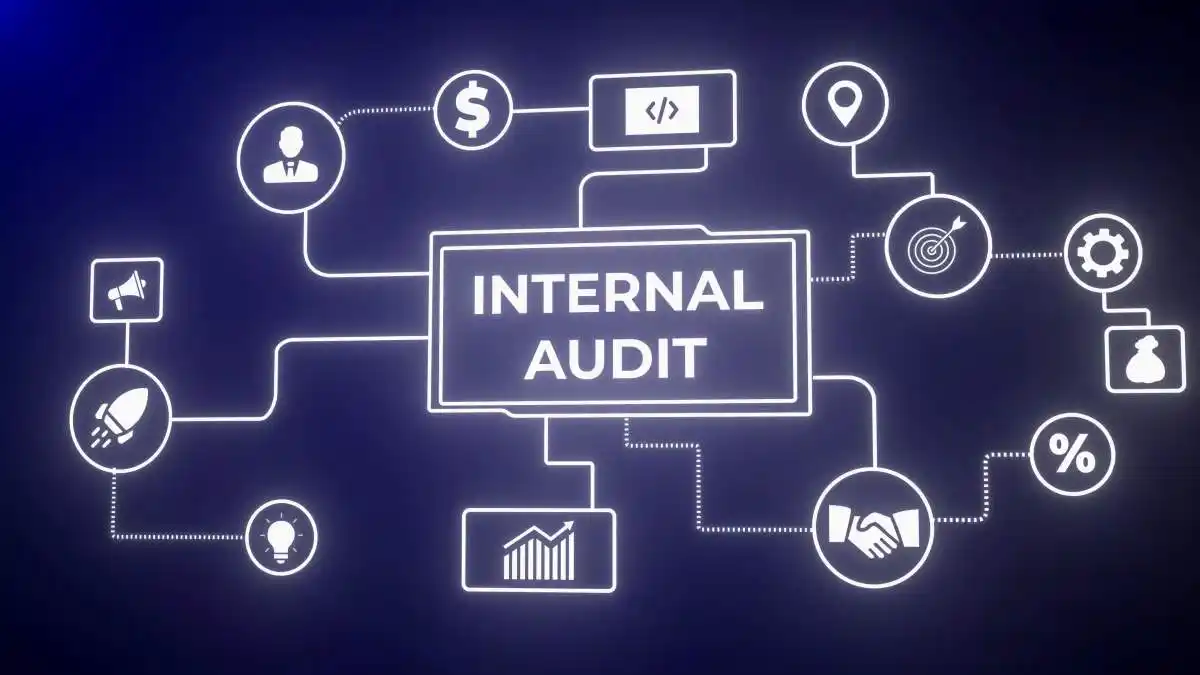
- Internal Controls: Are the mechanisms, rules, and procedures implemented by a company to ensure the integrity of financial and accounting information, promote accountability, and prevent fraud. As an organization, implementing strong internal controls is your first line of defense against securities fraud. These controls help in mitigating risks and ensuring compliance with laws and regulations.
- Defect Fraud: By establishing robust internal controls, you can protect your company from potential fraud. These systems are designed to detect irregularities and prevent unauthorized transactions, thereby safeguarding assets and financial data. They play a critical role in maintaining the integrity of financial reporting, which is essential for investor confidence and market stability.
- Proactive Approach: Moreover, internal controls are not just about prevention; they are also about detection. Effective controls provide timely alerts to management about irregularities, allowing for quick corrective actions. This proactive approach is vital for maintaining a fraud-resistant environment, ensuring that you can address potential issues before they escalate into significant problems.
Best Practices for Investor Protections
- Conduct Thorough Due Diligence:
- Verify sources: Do not rely on unsolicited tips or social media hype for investment advice.
- Research fundamentals: Before investing, research a company’s financial health, recent news, and filings from reputable sources, its corporate governance structure, investor protections and more..
- Assess management: Evaluate key executives and their track records to identify potential ethical or legal risks.
- Diversify Your Investments:
- Mitigate risk :Spread investments across different asset classes (stocks, bonds, etc.), sectors, and geographic regions to reduce exposure to a single stock or market.
- Minimize volatility: Diversification helps cushion against portfolio volatility caused by targeted manipulation.
- Be Aware and Skeptical:
- Recognize red flags: Be wary of promises that seem “too good to be true,” pressure to invest immediately, or “risk-free” investment opportunities.
- Monitor your account: Regularly review your account activity and report any suspicious transactions.
- Avoid certain stocks: Exercise extreme caution with low-volume stocks, microcap stocks, and penny stocks, as they are easier to manipulate.
- Use Defensive Trading Strategies:
- Limit orders: Use limit orders instead of market orders to control the maximum execution price you are willing to pay.
- Use stop-loss orders: Implement stop-loss orders to limit potential downside.
- Avoid emotional investing: Stick to a long-term strategy, as most market manipulation is short-term and disproportionately impacts day traders.
- Leverage Professional Guidance:
- Consult advisors: Work with reputable and registered financial professionals to navigate complex markets.
- Report suspicions: If you suspect manipulation, contact an experienced securities litigation attorney to discuss your options.
- Continuously Educate Yourself:
- Stay informed: Keep abreast of market trends, regulatory changes from regulatory bodies, and new manipulative tactics.
- Participate in education: Utilize investor education programs to improve your understanding of market mechanisms.
Connection to Securities Litigation
High Profile Case: The connection between embezzling receipts and securities litigation becomes particularly evident when examining recent high-profile cases.
High-Profile Cases
- FTE Networks, Inc.: The former CEO, Michael Palleschi, was sentenced to 12 years in prison for leading a scheme that inflated revenue, concealed liabilities, and embezzled company funds.
- ArciTerra Companies LLC: The SEC charged the company and its CEO, Jonathan M. Larmore, for allegedly misappropriating over $35 million from real estate investment funds since 2017.
- Genesys: A CFO was sentenced for embezzling at least $3.1 million by writing company checks for personal expenses over eight years.
- Resort Homes: A former bookkeeper pleaded guilty to embezzling at least $1.79 million over eight years through fraudulently authorized checks and false entries in accounting records.
-
ABS Seafood: A former CFO was convicted of embezzling over $9 million through misuse of company credit cards and funds.
- Americanas SA.: In 2023, a major retail corporation faced devastating consequences when investigators discovered that senior executives had systematically diverted customer payments while simultaneously inflating reported sales figures.
-
- The fraud: An accounting scandal involving the misuse of “supplier finance,” a common but complex financial practice, led to the discovery of a $4 billion imbalance in the company’s books. Management had manipulated records for years to inflate the company’s financial health.
-
- The outcome: The fraud was revealed in January 2023, and the company filed for bankruptcy shortly after.
Several other significant cases of fraud and accounting issues with related elements surfaced in or around 2023:
- FTX collapse (2022–2023): Though a cryptocurrency exchange rather than a traditional retail corporation, the scandal led to the 2023 conviction of founder Sam Bankman-Fried. He was found guilty of diverting nearly $10 billion in customer funds for personal gain and other ventures.
- Macy’s accounting error (2024): The company announced in November 2024 that a single employee intentionally concealed $132 million to $154 million in delivery expenses since late 2021. This caused the company to delay its earnings report and restate its 2023 net income down by 57%
- Newell Brands (2023): The Securities and Exchange Commission (SEC) fined the consumer products company in 2023. It charged the company and its former CEO with misleading investors by using fraudulent practices to misrepresent its “core sales growth,” a non-GAAP financial metric.
- The Kraft Heinz Company: In September 2021, the SEC charged Kraft Heinz Company with engaging in an expense management scheme that resulted in the restatement of several years’ worth of financial reporting. The firm’s former Chief Operating Officer and Chief Procurement Officer were both charged with misconduct related to this long-running scheme. Kraft Heinz Company neither admitted to nor denied the SEC’s findings and agreed to pay a penalty of $62m.
- Granite Construction: In August 2022, civil engineering and infrastructure firm Granite Construction reported misconduct carried out by their former senior vice president and group manager, Dale Swanberg. The misconduct involved Swanberg’s manipulation of a particular project’s profit margins and not recording the costs. The SEC fined the company $12m for this financial misconduct.
- Saytam: In 2009, Indian IT services and back-office accounting firm Saytam admitted to falsifying revenues, margins and cash balances to the tune of 50 billion rupees. Although founder and Chairman Ramalinga Raju and his brother were charged with breach of trust, conspiracy, cheating and falsification of records, they were released after the Central Bureau of Investigation failed to file charges on time.
- Treaty of Utrecht: In the UK, we can go back to the 18th century to find one of the earliest known accounting fraud cases. In 1720, the UK signed the Treaty of Utrecht 1713 with Spain, allowing it to trade in the seas near South America.
-
- In actual fact, barely any trade occurred as Spain renounced the Treaty, but this was concealed on the UK stock market. A Parliamentary inquiry revealed fraud among government members, including the Tory Chancellor of the Exchequer, John Aislabie, who was sent to prison.
- Wirecard: Wirecard: Once seen as a promising German fintech company, was exposed in 2020 for engaging in extensive accounting fraud over several years. The company had falsely inflated its revenue and profits, leading to a significant scandal that ultimately forced it to file for insolvency.
-
- Despite journalist investigations and growing scrutiny, Germany’s financial regulator, BaFin, largely backed Wirecard, even barring investors from short-selling as questions mounted. However, in 2020, Wirecard admitted that €1.9 billion it claimed in accounts likely never existed.
- Patisserie Valerie: Auditors came under the spotlight after the Serious Fraud Office (SFO) and the FRC opened up investigations into accounting fraud by Patisserie Valerie. Finance director Chris Marsh was arrested after suspension, and former auditor Grant Thornton was also under investigation.
-
- The scandal became bigger than originally thought, with the popular bakery chain admitting to “thousands of false entries into the company’s ledgers”. The fraud has pushed the bakery chain into administration, with a statement revealing that the company “has been unable to review its bank facilities, and therefore regrettably the business does not have sufficient funding to meet its liabilities as they fall due.”
Conclusion
- In conclusion, building a fraud-resistant organization requires a holistic approach that combines strong internal controls, effective corporate governance, and the latest tools and technologies
- By understanding the nuances of securities fraud and implementing best practices for prevention, you can protect your organization from the financial and reputational damage associated with fraudulent activities.
- As you work towards strengthening your internal controls, remember the importance of fostering a culture of transparency and accountability within your organization.
- Encourage open communication and empower employees to report suspicious activities without fear of retaliation. By promoting ethical behavior and integrity, you can create an environment where fraud is less likely to occur.
- Finally, staying informed about the latest trends in securities litigation and fraud prevention is crucial. By keeping up-to-date with regulatory changes and emerging technologies, you can ensure that your organization remains resilient in the face of evolving threats.
- Take proactive steps today to enhance your internal controls and protect your organization from securities fraud. By doing so, you can build a stronger, more resilient organization that inspires confidence and trust among stakeholders.
