
Introduction to Understanding Accounting Fraud in 2025
- Understanding Accounting Fraud: Accounting fraud is the intentional manipulation of financial records to mislead stakeholders about a company’s financial status. It can involve overstating revenues, understating expenses, or misappropriating assets. The primary goal is to attract investment or secure loans by disguising underlying financial difficulties.
- Fraudulent Practices: These fraudulent practices can lead to severe legal consequences and undermine trust in financial reporting. Understanding the key legal elements is crucial for addressing potential fraud cases.
- Accounting Fraud: The deliberate alteration of financial records to create a misleading picture of a company’s financial status. This can involve overstating revenues, understating expenses, or misrepresenting assets and liabilities. Such actions are illegal and can lead to criminal prosecution for those involved, including managers and accountants.
- Complex Environment: Businesses navigate an increasingly complex regulatory landscape, understanding these frameworks becomes crucial for investors seeking to protect their interests and foster sustainable growth.
The Importance of Implementing Strong Internal Controls
- Implementing Strong Internal Controls: Encompasses the implementation of the processes, policies and regulations that will ensure your organization is run efficiently, ethically and responds to its stakeholders.
- Major Risk Assessment: Moreover, accounting fraud can create a false sense of financial stability. By manipulating financial statements, companies may hide underlying issues such as excessive debt, poor cash flow, or declining sales. These hidden problems can eventually surface via a corrective disclosure, leading to financial distress or even bankruptcy.
- Regulatory Enforcement: Refers to the processes and actions taken by government agencies to ensure that individuals and organizations comply with established laws and regulations. This enforcement is crucial for maintaining order, protecting consumers, and ensuring fair practices across various industries. Regulatory agencies are empowered to create rules, conduct inspections, and impose penalties for non-compliance which can run into the tens-of-millions if not much more.
- Transparency through Financial Reporting: Openly, accurately, and understandably disclosing a company’s financial performance, risks, and activities to stakeholders. This process builds trust, enhances accountability, and helps prevent fraud by providing a clear picture of a company’s financial health through complete, accurate, and timely reports.
- Securities Litigation: Usually the result of weak internal controls that allows shareholders to rely on false and misleading financial disclosures and when the truth comes out in a corrective disclosure they lose money and file securities litigation as a collective way of recouping the money they lost.
- Pressure to-Beat-the-Street: In today’s business environment, the pressure to meet financial targets is immense. Companies are tempted to engage in creative accounting to enhance their financial image to investors, regulators, and the public. Understanding creative accounting is essential for anyone involved in financial analysis, reporting, or auditing. It empowers you to identify potential red flags and ensure transparency in financial reporting.
Common Types of Accounting Fraud
- Overstating Revenues: This can occur when a company records sales before they are finalized or fails to account for returns. For example, keeping books open past month-end to record additional sales can inflate revenue figure.
- Understating Expenses: Companies may neglect to record expenses incurred during a period, which can artificially inflate profits. This includes failing to accrue expenses for services received but not yet billed.Misrepresentation of Assets: This involves inflating the value of assets or failing to record depreciation, leading to an inaccurate portrayal of a company’s worth.
- Asset Misappropriation: This includes theft or misuse of company resources, such as creating fictitious vendors to divert funds.
Overstating Revenues
- Overstating Revenue: A common form of financial statement fraud where a company reports higher sales figures than actually occurred. This can create a false impression of financial health, misleading investors, regulators, and other stakeholders about the company’s performance.
- Common Methods of Overstating Revenue:
-
- Premature Revenue Recognition: Companies may record revenue before it is actually earned, such as recognizing sales at the point of order rather than upon delivery of goods or services. This practice violates accounting principles like GAAP and IFRS.
-
- Channel Stuffing: This involves sending excessive inventory to distributors or retailers to inflate sales figures temporarily. While it may boost short-term revenue, it often leads to future returns or discounts, harming the company’s financial position.Fictitious Sales: Some companies may create fake transactions or customer accounts to inflate revenue figures. This constitutes fraud and can lead to severe legal repercussions.
Understating Expenses
- Understating Expenses: Expense understatement is a deceptive accounting practice that involves reporting lower than actual expenses during an accounting period, which results in higher net income on paper. This tactic can be employed for various reasons, such as to meet earnings targets, enhance the appearance of profitability, or influence stock prices. However, it is important to note that this practice is unethical and can have serious legal repercussions.
Types of expenses
-
Operating Expenses:
Costs directly related to a company’s core business operations.
- Cost of Goods Sold (COGS):Direct costs of producing goods or services.
- Marketing, Advertising, and Promotion:Costs to market and sell products.
- Salaries, Benefits, and Wages:Employee compensation.
- Selling, General, and Administrative (SG&A):Other administrative costs.
- Rent and Insurance:Costs for facilities and protection.
- Cost of Goods Sold (COGS):Direct costs of producing goods or services.
-
Variable Expenses:
Costs that change in proportion to the level of business activity.
- Examples include utility bills, raw materials, and some office supplies.
- Examples include utility bills, raw materials, and some office supplies.
-
Fixed Expenses:Costs that remain constant over a specific period, regardless of business activity.
- Examples include rent, insurance premiums, and long-term equipment leases.
- Examples include rent, insurance premiums, and long-term equipment leases.
-
Prepaid Expenses:
Costs paid in advance for services or goods that will be used in the future, such as prepaid rent. These are initially considered assets and become expenses over time.
-
Depreciation:
An accounting method of spreading the cost of a tangible asset, like machinery or a building, over its useful life.
-
Accrued Expenses:
Expenses that have been incurred but not yet paid.
-
Non-Operating Expenses:
Costs not related to the company’s primary business activities, such as interest paid on debt.
Why understanding expenses is important
-
Financial Health:
Tracking expenses helps a business understand its financial position and profitability.
-
Profitability:
Subtracting total expenses from total revenue shows a company’s net income (profit or loss).
-
Decision-Making:
Knowledge of expenses allows for better budgeting, cost control, and strategic planning.
Asset Misappropriation: The theft or misuse of an organization’s resources for personal gain, a form of insider fraud that includes both cash and non-cash assets. Examples range from stealing cash or inventory to more complex schemes like falsifying expense reports, creating fake vendors, or using company equipment for personal projects. This fraud is committed by individuals who have been entrusted with the organization’s assets and involves an act of theft, a method of concealment, and the conversion of the asset to the perpetrator’s own use. -
Tax Compliance:Proper recording of deductible business expenses is necessary for accurate tax filing.
Asset Misappropriation
- Asset Misappropriation: Is the theft or misuse of an organization’s resources for personal gain, a form of insider fraud that includes both cash and non-cash assets. Examples range from stealing cash or inventory to more complex schemes like falsifying expense reports, creating fake vendors, or using company equipment for personal projects.
- This fraud is committed by individuals who have been entrusted with the organization’s assets and involves an act of theft, a method of concealment, and the conversion of the asset to the perpetrator’s
Types and examples of asset misappropriation
-
Cash misappropriation:
Stealing money through methods like skimming (taking cash before it’s recorded), larceny (stealing recorded cash), check tampering, or payroll fraud (e.g., creating “ghost” employees).
-
Non-cash misappropriation:
Using physical or digital assets for personal gain, such as stealing inventory, supplies, or equipment, or misusing company vehicles.
-
Fraudulent disbursements:
Schemes to cause the organization to issue payments for improper purposes. Examples include false billing, inflated expense reports, and fictitious vendor schemes.
-
Intellectual property theft:Stealing confidential information, trade secrets, or customer data.
How to prevent asset misappropriation
-
Implement strong internal controls:Segregate duties, limit access to sensitive areas and financial systems, and conduct regular audits of financial transactions and asset usage.
-
Use technology:Employ asset tracking systems and secure digital storage for financial data.
-
Promote an ethical culture:Train employees on the risks and consequences of asset misappropriation and foster an environment where employees feel accountable.
-
Monitor for red flags:Be aware of warning signs like unexplained shortages, unauthorized transactions, altered records, and employees living beyond their means.
Common Financial Statement Fraud Schemes
| Scheme Type | Description | Example |
|---|---|---|
| Fictitious Revenue | Recording non-existent sales | Counterfeit sales transactions, Bill and hold arrangements |
| Premature Revenue Recognition | Recording revenue before earned | Accelerating revenue before service delivery |
| Channel Stuffing | Forcing excess inventory to distributors | Shipping excessive product to boost quarterly sales |
| Asset Overstatement | Inflating asset values | Phantom inventory, inadequate depreciation |
| Liability Concealment | Hiding financial obligations | Unrecorded debt, understated warranty liabilities |
| Material Omissions | Withholding critical information | Undisclosed related party transactions |
| Journal Entry Manipulation | Falsifying accounting records | Last-minute entries near reporting deadlines |
Key Findings from the Association of Certified Fraud Examiners: A Report to the Nations
- Association of Certified Fraud Examiners: Released a report recently documenting occupational fraud entitled: A Report to the Nations. This annual examination of global fraud contained some eye-opening statistics.
-
- 43% of occupational frauds were detected by a tip, which is more than 3x as many cases as the next common method.
-
- Organizations lose 5% revenue to fraud each year.
- Global losses to fraud exceeded $3.1 trillion.
-
- 43% of frauds were detected by tips which is three times more than the next method of discovery.
-
- The most common mechanism used to report a case was over the internet at 40%, compared to email at 37% and telephone at 30%
-
- While financial statement fraud was by far the least occurring it had highest median average loss at $766,000 per occurrence.
-
- Nearly half of all case, 48%, involved corruption.
-
- 82% of victim organizations strengthened their internal controls following the fraud.
-
- 84% of fraudsters displayed at least one behavioral red flag.
-
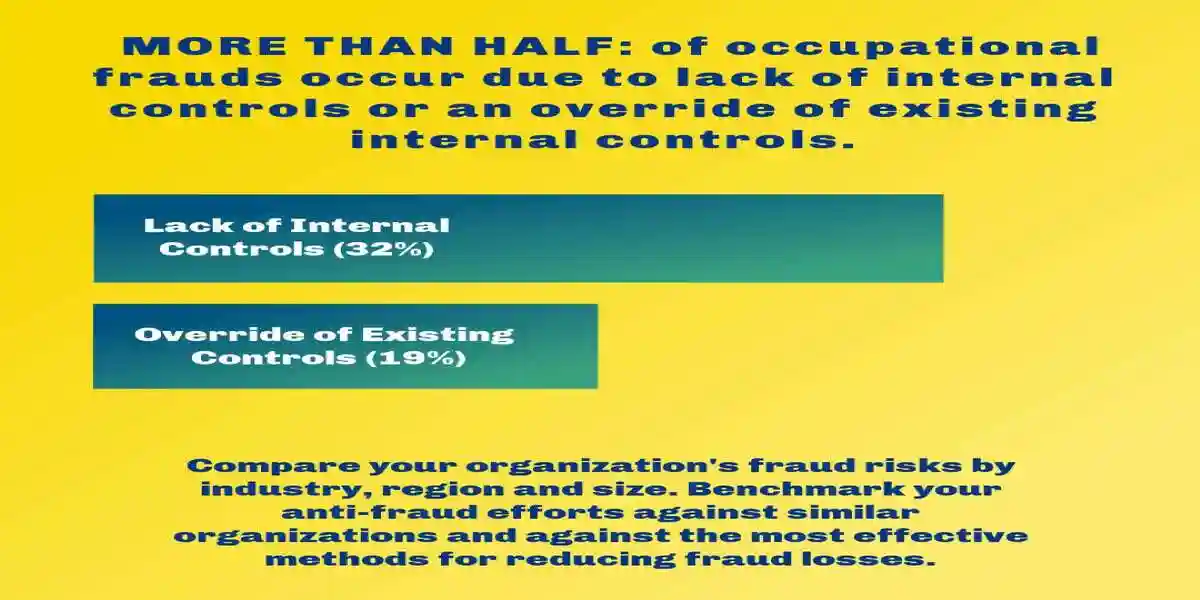
- More than half of occupational frauds occur due to a lack of internal controls or an override of existing internal controls.
Red Flags for Detecting Revenue Fraud
- Rapid revenue growth inconsistent with cash flow: This is one of the most common red flags. If profits are rising but cash flow is not, it may indicate fraudulent sales or fictitious receivables.
- Unusual surge in sales at the end of a reporting period: A company recording a significant portion of its sales in the last few days or weeks of a quarter may be improperly booking revenue to meet targets.
- Discrepancies in shipping and billing: For premature or phantom sales, there may be inconsistencies between the quantity of goods billed versus the quantity shipped, or unusual increases in shipping costs.
- Sudden changes in accounting methods: A shift in accounting practices can be used to hide manipulation and make period-to-period comparisons more difficult.
- Complex or unusual related-party transactions: Transactions with related parties that lack a logical business purpose can be used to generate fictitious revenue.
- High turnover of senior management or auditors: Frequent changes in key personnel, especially in accounting roles, can signal internal conflicts or attempts to conceal fraud.
Advanced analytical techniques
- Anomaly detection: Machine learning algorithms can automatically identify transactions that deviate significantly from a baseline of normal behavior.
- Benford’s Law analysis: This statistical test flags unnatural patterns in the first digits of numerical data, such as invoices, which is often a sign of manufactured or falsified numbers.
- Link analysis: Using graph technology, analysts can visualize relationships between different entities (employees, vendors, transactions) to uncover hidden fraud rings or connections.
- Predictive modeling: By analyzing historical fraud cases, machine learning models can be trained to predict the likelihood of a transaction being fraudulent in real time, preventing loss before it happens.
Implementing Strong Internal Controls Is Your Best Line of Defense
Internal controls are mechanisms put in place to ensure the reliability and integrity of financial and operational information. They help safeguard assets, ensure the accuracy of financial records, and promote operational efficiency. Implementing strong internal controls is essential to prevent fraud, errors, and inefficiencies within your organization.
These controls can be classified into preventive, detective, and corrective controls.
- Preventive controls aim to deter errors or irregularities from occurring.
- Detective controls are designed to identify errors that have already occurred, while corrective controls focus on rectifying identified anomalies.
- By understanding these categories, you can develop a comprehensive internal control framework tailored to your organization’s needs.
Moreover, internal controls are integral to achieving strategic goals. They provide a structured approach to risk management, allowing you to anticipate potential challenges and respond proactively. By embedding these controls into your operations, you create a resilient framework that adapts to changing business environments.
The Role of Internal Controls in Corporate Governance
Corporate governance refers to the system by which companies are directed and controlled.
- Internal controls are a fundamental component of this system, ensuring that the interests of stakeholders are protected.
- They provide a mechanism for accountability and oversight, crucial for maintaining investor confidence and safeguarding your organization’s reputation.
- Internal controls support corporate governance by promoting transparency and accountability.
- They ensure that management’s actions are consistent with the company’s policies and objectives.
- By doing so, they enhance the board’s ability to monitor performance and make informed decisions, thereby aligning management’s actions with shareholder interests.
Furthermore, internal controls play a critical role in mitigating risks associated with financial reporting.
- They ensure the reliability of financial statements, providing assurance to investors and regulators.
- In an era where corporate scandals can lead to significant financial and reputational damage, robust internal controls are indispensable to maintaining trust and credibility.
Key Components of Strong Internal Controls
Building effective internal controls involves several key components. These components form the backbone of a strong internal control system, ensuring that your organization operates efficiently and ethically.
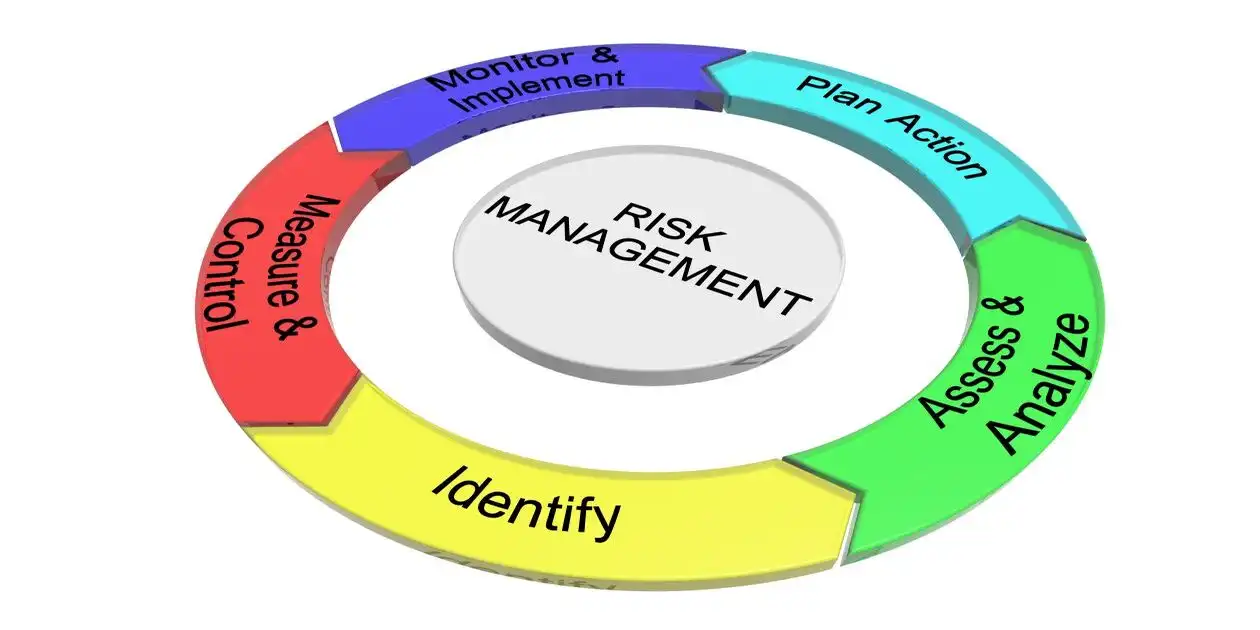
- Control Environment: This is the foundation of any internal control system. It includes the organization’s values, integrity, and ethical standards. A strong control environment sets the tone for the entire organization, emphasizing the importance of internal controls.
- Risk Assessment: Identifying and assessing risks is crucial to implementing effective internal controls. By understanding potential threats, you can develop strategies to mitigate them, ensuring that your organization is well-prepared to face challenges.
- Control Activities: These are the policies and procedures put in place to address identified risks. Control activities ensure that management directives are carried out effectively, preventing errors and irregularities
- Information and Communication: Effective internal controls rely on timely and accurate information. Ensuring that relevant information is communicated to the right people is vital for decision-making and accountability.
- Monitoring: Continuous monitoring of internal controls is essential to ensure their effectiveness. Regular assessments help identify areas for improvement, ensuring that your internal control system remains relevant and robust.
By focusing on these components, you can implement a comprehensive internal control framework that supports your organizational objectives.
Steps to Implement Strong Internal Controls in Your Organization
Implementing strong internal controls requires a strategic and systematic approach. Here are some steps to guide you in developing an effective internal control framework:
- Conduct a Risk Assessment: Identify potential risks that could impact your organization. Assess the likelihood and impact of these risks, prioritizing them based on their significance.
- Develop Control Activities: Establish policies and procedures to address identified risks. Ensure that these controls are aligned with your organization’s objectives and are communicated effectively to all relevant stakeholders.
- Enhance the Control Environment: Foster a culture of integrity and accountability by promoting ethical behavior and setting clear expectations. Encourage management and employees to prioritize internal controls as part of their daily operations.
- Implement Monitoring Mechanisms: Regularly assess the effectiveness of your internal controls. Conduct audits and reviews to identify areas for improvement and ensure that controls remain relevant and effective.
- Facilitate Information and Communication: Ensure that accurate and timely information is communicated to the right stakeholders. Encourage open communication to support decision-making and accountability.
Comprehensive Controls: By following these steps, you can implement a comprehensive internal control framework that supports your organization’s strategic goals.
Best Practices for Maintaining Internal Controls
Ongoing Vigilance: Maintaining effective internal controls requires ongoing commitment and vigilance. Here are some best practices to ensure the sustainability of your internal control framework:
- Regularly Review and Update Controls: Continuously assess the effectiveness of your internal controls and make necessary adjustments to address emerging risks and challenges.
- Provide Training and Awareness: Educate employees about the importance of internal controls and their role in maintaining organizational integrity. Regular training sessions can help reinforce the significance of internal controls and ensure compliance.
- Foster a Culture of Accountability: Encourage employees to take ownership of their responsibilities and hold them accountable for their actions. A culture of accountability promotes ethical behavior and supports the effectiveness of internal controls.
- Leverage Technology: Utilize technology to automate control processes and enhance efficiency. Implementing advanced data analytics can help identify anomalies and support decision-making.
- Engage Stakeholders: Involve stakeholders in the development and implementation of internal controls. Their input can provide valuable insights and enhance the effectiveness of your control framework.
Best Practices: By adhering to these best practices, you can maintain a robust internal control system that supports your organization’s objectives and mitigates risks.
The Impact of Accounting Fraud on Financial Statements
- Misleading Company Health: Accounting fraud can significantly distort the true financial performance and position of a company. When financial statements are manipulated, they provide a misleading view of a company’s health, which can have far-reaching consequences for stakeholders.
- Investor Reliance on Accounting Fraud: For investors, distorted financial statements can lead to poor investment decisions. If a company’s earnings are artificially inflated, investors may believe the company is more profitable than it truly is, leading to overvaluation and potential financial loss. Similarly, creditors may underestimate the risk of lending to a company with manipulated financial statements, leading to increased exposure to default.
- Entire Section Effected: Another impact of accounting fraud is its potential to skew industry benchmarks and ratios. When companies engage in accounting fraud it can affect industry averages and distort comparisons between companies. This can make it challenging for analysts and investors to assess a company’s performance relative to its peers accurately.
- The Impact of Accounting Fraud: Ultimately, the integrity of financial statements is crucial for maintaining market confidence. By understanding the impact of accounting fraud on financial statements, you can better navigate the financial landscape and make informed decisions that align with your financial goals.
Market Impact After Major Corporate Scandals
Stock Price Impact After Fraud Disclosure
| Time Period | Average Stock Price Decline |
|---|---|
| Immediate Impact (1 Day) | 5-10% |
| Short-Term Impact (20 Days) | 12.3% |
| Companies with Settlements | 14.6-20.6% |
| Companies Later Cleared | 7.2% |
| Extreme Cases (e.g., Luckin Coffee) | 80%+ |
The Consequences of Accounting Fraud
- Financial standing
-
- Asset misappropriation may not be the most expensive, but it can still significantly impact an organization’s financial standing in a significant way if you are not careful. One study from the ACFF found median loss for businesses that experience asset misappropriation is $120,000 per incident.
- Legal penalties
-
- Companies and the individuals involved can face substantial fines, regulatory sanctions from bodies like the SEC, and criminal charges, including imprisonment.
- Loss of investor confidence
-
- Fraudulent activity erodes trust in the company and the broader market. This can cause stock prices to plummet, leading to significant losses for investors
- Reputational damage
-
- A fraud scandal can irreparably harm a company’s reputation, damaging its brand and making it difficult to attract customers, partners, and talent.
- Corporate collapse
The Link Between Controls and Securities Litigation
- Internal controls play a critical role in mitigating the risk of securities class action litigation. Securities litigation typically arises from allegations of financial misrepresentation or fraud, often due to weak internal controls. By implementing strong internal controls, you can reduce the likelihood of such litigation and protect your organization from legal liabilities.
- Robust Controls: Effective controls ensure the accuracy and reliability of financial reporting, providing assurance to investors and regulators. They help prevent fraudulent activities and financial misstatements, reducing the risk of regulatory scrutiny and legal action. By prioritizing internal controls, you can enhance investor confidence and safeguard your organization’s reputation.
- Addresses Legal Requirements: Moreover, a robust control framework supports compliance with securities laws and regulations. It ensures that your organization adheres to legal requirements, minimizing the risk of penalties and sanctions. By linking internal controls with litigation, you can proactively address potential risks and protect your organization’s interests.
The Role of Securities Litigation in Addressing Accounting Fraud
- Securities Litigation: Serves as a critical mechanism for addressing cases of accounting fraud.
- Legal Avenue: Securities litigation provides a legal avenue for investors and other stakeholders to seek redress when they have been misled by fraudulent financial reporting.
- Securities litigation and Enforcement: Can take various forms, including class-action lawsuits, enforcement actions by regulatory bodies, and arbitration proceedings.
The Primary Objective of Securities Litigation
-
- Primary Objective: The primary objective of securities litigation is to hold companies and their executives accountable for fraudulent activities.
-
- Accountability: Securities litigation causers accountability can deter future misconduct by signaling to other market participants that unethical behavior will be met with legal consequences.
-
- Compensation: Additionally, securities litigation can result in financial compensation for affected investors, helping to restore some of the losses incurred due to misleading information.
Sarbanes-Oxley Act: Transforming Executive Accountability
- Fundamental Transformation: The Sarbanes-Oxley Act of 2002 (SOX) fundamentally transformed corporate accountability and financial reporting requirements following major scandals. SOX established stringent regulations specifically designed to prevent accounting fraud and protect investors from deceptive financial practices.
- Section 302: Executive Certification Requirements
- Personal Accountability: Section 302 mandates that Chief Executive Officers and Chief Financial Officers personally certify the accuracy of financial statements, creating direct executive responsibility for:
- Comprehensive Review: All financial reports for accuracy and completeness
- Material Misstatement Confirmation: Ensuring reports contain no fraudulent or misleading informatiFair
- Presentation: Verifying financial statements accurately represent company condition
- Control Effectiveness: Establishing and maintaining effective internal controls over financial reporting
