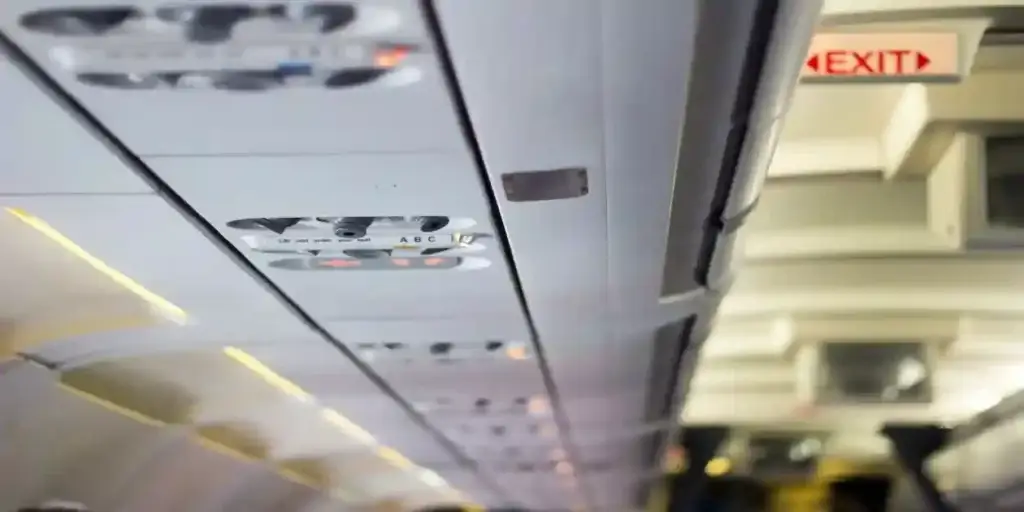
Introduction to Contaminated Cabin Air Cover-Up: Who Fumed it Up
If you have been wondering if there could have been a contaminated cabin air-cover up, you have come to the right place. Commercial aviation is built on repetition and reliability. Standard operating procedures, layered engineering controls, and regulatory oversight exist for one reason: to keep risk low, known, and managed.
Yet “fume events,” episodes in which contaminated cabin air by engine oil fumes, hydraulic fluid vapors, or other chemicals, remain one of the industry’s most persistently disputed safety issues. The dispute is not only technical. It is institutional. It is about incentives, definitions, data, and disclosure.
A “cover-up” does not always look like a single memo stamped CONFIDENTIAL. In modern safety systems, a cover-up often looks like ambiguity. It looks like undercounting. It looks like “inconclusive” reports, minimal sampling, and the quiet normalization of crew illness as a personal medical matter rather than an occupational exposure problem.
The question “Who fumed it up?” therefore has two layers: who is responsible for the contamination, and who is responsible for the conditions that allow contamination risk to persist without transparent accountability.
If you believe you have been affected by toxic airplane fumes, contact Aerotoxic Syndrome lawyer Timothy L. Miles as you may be eligible for an Aerotoxic Syndrome Lawsuit and potentially entitled to substantial compensation. (855) 846–6529 or [email protected].

The Core Issue: How Cabin Air Becomes Contaminated
Most passengers assume cabin air is “fresh air” piped in from outside. However, in many commercial aircraft, the air supply is created via the bleed air system. In simple terms, air is tapped from the compressor stage of the engines, cooled, conditioned, and delivered to the cabin and cockpit. This architecture is efficient, lightweight, and historically widespread.
The controversy begins at the interface between engine internals and that compressed air stream. Jet engines and auxiliary power units (APUs) contain lubricating oil systems and seals. Under certain conditions, oil can migrate past seals and enter the bleed air flow. Hydraulic fluids can also enter cabin air indirectly, particularly in certain failure modes or maintenance conditions. When those substances are heated and aerosolized, they can create an odor and a complex chemical mixture that is difficult to characterize after the fact.
This situation raises serious concerns about contaminated cabin air, which passengers often unknowingly breathe in during flights. Aviation safety management typically treats this as a low-probability, high-concern hazard. The disputed point is whether it is rare and benign or underreported and harmful. That disagreement shapes everything: reporting practices, sampling standards, medical support, and the willingness of organizations to invest in engineering change.
In fact, many reports suggest that these toxic airplane cabin fumes are more common than acknowledged by industry standards. These fume events can lead to serious health implications for both crew members and frequent flyers alike. The reality of toxic cabin air should prompt a reevaluation of current safety protocols within the aviation industry to prioritize transparency and accountability over ambiguity and underreporting.
Definitions Matter: “Fume Event,” “Odor,” “Smoke,” and “Air Quality”
If there is one governance lesson in this issue, it is that definitions are policy.
Some operators classify an episode as a “fume event” only when visible smoke is present. Others classify it when odor is reported. Some treat it as “odor” unless flight crew declare an emergency. If reporting thresholds are high, the statistics will show a reassuringly low incidence. If reporting thresholds are low, the system will reveal a persistent pattern that demands mitigation.
This is not a semantic argument. It is a data integrity argument. When the same real-world event is recorded differently across airlines, fleets, and jurisdictions, trend analysis becomes unreliable. Unreliable trend analysis becomes a permission structure for inaction.
The Chemistry: What Might Be in the Air
Cabin contamination events are not single-chemical exposures. They are mixtures that can include:
- Ultrafine particles
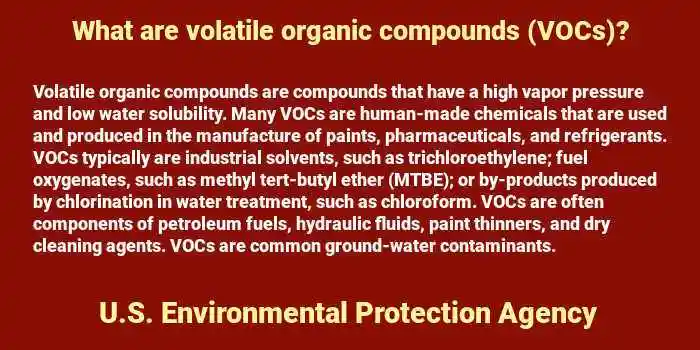
- Volatile organic compounds (VOCs) produced by thermal decomposition
- Organophosphates and other additives associated with certain lubricants
- Carbon monoxide (CO) in some combustion-related scenarios
- Irritants that can trigger respiratory, neurological, and cognitive symptoms
The practical problem is that many investigations rely on post-event inspection and narrative reports rather than real-time sampling. If sampling equipment is not on board, is not activated in time, or is not designed to capture relevant compounds, the event is frequently concluded as “no fault found” or “source not identified.” In governance terms, this is a known evidentiary gap that biases conclusions toward the status quo.
Why “Cover-Up” Allegations Persist
“Cover-up” is a strong word. It implies intent. In this domain, intent is difficult to prove and often unnecessary to explain outcomes. Systemic under-recognition can occur through three mechanisms that are common in complex industries:
- Operational normalization
- If events are frequent enough to be familiar, they become tolerated. “Smells happen” is not a safety argument, yet it can become a cultural one.
- Measurement avoidance
- If you do not measure, you cannot quantify. If you cannot quantify, you can call the risk theoretical.
- Liability and reputational incentives
- Acknowledging an exposure pathway invites questions about occupational disease, compensation, aircraft design, maintenance practices, and passenger reassurance. The incentive is to narrow the problem definition, not expand it.
This is why allegations persist even where there is no single conspiratorial actor. The system can “cover up” by default through governance friction, fragmented responsibility, and cautious language.
If you believe you have been affected by toxic airplane fumes, contact Aerotoxic Syndrome lawyer Timothy L. Miles as you may be eligible for an Aerotoxic Syndrome Lawsuit and potentially entitled to substantial compensation. (855) 846–6529 or [email protected].
Who Owns the Risk? A Responsibility Map
A credible analysis must separate actors and accountabilities. Responsibility in aviation is distributed by design. That distribution protects safety, but it can also diffuse ownership.
Aircraft Manufacturers
Manufacturers define the architecture: bleed air systems, filtration design, sensor availability, and the ease with which sampling can be conducted. They also define maintenance manuals and fault isolation procedures that guide what airlines can practically diagnose.
A governance concern arises when design assumptions and certification testing do not align with real-world exposure questions. If certification does not require robust cabin air contaminant monitoring, then the aircraft can be certified as compliant while still leaving the exposure debate unresolved.

Engine Manufacturers and Component Suppliers
Oil seals, bearing chambers, and APU interfaces are engineering domains with known failure modes and tolerances. Even when systems meet design standards, seal “leakage” can be considered acceptable within limits. The industry question is whether “acceptable” is defined in mechanical terms, in odor terms, or in health terms.
When acceptable leakage is framed only as a maintenance or performance issue, occupational exposure risk can become an externality rather than a design constraint.
Airlines and Operators
Operators manage day-to-day reporting culture, maintenance prioritization, and crew support. They decide whether to treat crew reports as safety signals or as service disruptions. They decide whether to invest in upgraded filtration, procedural changes, or event tracking systems.
This is where governance becomes visible. A strong safety culture encourages reporting without stigma. A weak culture discourages reporting through informal pressure, bureaucratic burden, or the perception that nothing will change.
Regulators and Aviation Authorities
Regulators define mandatory reporting thresholds, airworthiness directives, and occupational health expectations. They also influence the evidence standard required to trigger rulemaking. If regulators require high certainty before action, and the system does not collect the data needed to reach high certainty, the outcome is predictable: prolonged stalemate.
Occupational Health Systems and Medical Gatekeepers
Crew members often report acute symptoms: headache, nausea, dizziness, disorientation, respiratory irritation, cognitive slowing, and fatigue. Some report longer-term effects. Whether those reports are treated as exposure-related depends on clinical awareness, access to specialized testing, and the willingness of systems to link workplace conditions to health outcomes.
When occupational medicine is separated from operational safety reporting, signals fragment. Fragmentation reduces institutional learning.
The Reporting Problem: Data That Cannot Defend Itself
Aviation is proud of its data discipline. Yet fume events often sit outside the strongest parts of that discipline because they are:
- Intermittent
- Difficult to reproduce
- Hard to sample after the fact
- Subject to sensory interpretation (odor intensity is not an instrument)
- Politically and financially sensitive
As a result, the system relies heavily on narratives: “dirty sock smell,” “burnt oil,” “chemical odor,” “haze,” “smoke.” Narrative data is valuable, but it is not sufficient for causal attribution, and it is rarely decisive for regulatory change.
This becomes a governance loop:
- Limited measurement leads to limited proof.
- Limited proof leads to limited action.
- Limited action reduces incentive to measure.
Breaking that loop requires proactive monitoring, standardized reporting, and transparent aggregation of event data across fleets and jurisdictions.
What Filtration Can and Cannot Do
Many modern aircraft use HEPA filtration on recirculated air. That is beneficial for particulates and biological aerosols. However, the air supply in bleed systems includes a fresh bleed component that is not always treated with chemical adsorption media designed for VOCs and semi-volatile compounds.
This matters because fume events are often chemical mixtures. HEPA is not a comprehensive solution for chemical exposure. It is one layer, not a complete control.
A mature risk strategy therefore uses parallelism and repetition for emphasis:
- Detect early.
- Report consistently.
- Investigate rigorously.
- Mitigate systematically.
Why Sensors Are Not Standard Everywhere
If a risk is disputed, sensors become political. Installing sensors changes the conversation from “we believe” to “we know.” It also raises questions about alarm thresholds, false positives, maintenance burden, and operational disruptions.
Yet the absence of sensors is itself a decision. In governance terms, not monitoring a known hazard pathway is a form of risk acceptance. If an industry accepts the risk, it should be explicit about that acceptance and justify it with evidence, not assumption.
The Human Impact: Crew as the Canary, Passengers as the Silent Variable
Crew are exposed repeatedly. Passengers are exposed occasionally. That distinction shapes visibility. A passenger may experience an odor once and move on. A crew member may experience multiple events across years, making pattern recognition and health concern more likely.
This is why the issue has been driven so strongly by flight crew communities. Their perspective is not anecdotal noise. It is longitudinal exposure data, even if it is imperfectly recorded.
A forward-thinking industry treats longitudinal exposure as a leading indicator. It does not wait for the worst-case outcome to validate the risk.
The Governance Question: What Would Transparent Accountability Look Like?
If the goal is integrity, not blame, then “Who fumed it up?” becomes a governance design problem with clear deliverables.
1) Standardized Event Taxonomy
Create an internationally aligned classification system that distinguishes:
- Odor-only events
- Irritation/symptom-linked events
- Visible haze or smoke events
- Confirmed contamination events (sample-based)
- Mechanical-confirmed source events (seal failure, APU fault, etc.)
Standardization enables comparability. Comparability enables trend detection. Trend detection enables prevention.
2) Mandatory, Triggered Sampling Protocols
Define operational triggers for sampling deployment, such as:
- Specific odor descriptors linked to known contaminants
- Crew symptom reports
- Environmental changes such as rapid onset during power changes
Sampling must be fast, validated, and chain-of-custody controlled. Without that, “inconclusive” will remain the default conclusion.
3) Independent Data Stewardship
If airlines investigate themselves with proprietary methods, credibility suffers. Establish independent stewardship of aggregated fume-event data, similar in spirit to confidential safety reporting systems, but structured for environmental exposures.
Independence reduces perceived conflict of interest. Perception matters because trust is part of safety.
4) Occupational Health Integration
Integrate operational event reports with occupational health follow-up using privacy-preserving methods. The objective is not to medicalize every odor. The objective is to detect patterns and protect people.
5) Engineering Mitigation Roadmaps
If bleed air architecture remains widespread, then mitigation must be designed as a roadmap:
- Improved seal technology and maintenance diagnostics
- Enhanced filtration, including chemical adsorption where appropriate
- Sensor suites calibrated to relevant compounds
- Fault isolation procedures that do not default to “no fault found”
- Training that emphasizes early recognition and decisive action
Proactive measures should be evaluated not only on cost, but on lifecycle risk reduction, workforce retention, and institutional trust.
Who “Fumed It Up”? The Best Answer Is a System Answer
The uncomfortable conclusion is that no single entity “fumed it up” in isolation. Contaminated cabin air events arise at the intersection of design, maintenance, operations, and oversight. The persistence of the controversy arises at the intersection of incentives, evidence, and governance.
If you demand a plain-English assignment of responsibility, it looks like this:
- The contamination source is typically mechanical, involving oil or fluid pathways interacting with air supply systems.
- The persistence of uncertainty is institutional, driven by weak measurement, inconsistent reporting, and fragmented accountability.
- The perception of cover-up is cultural, created when organizations minimize reports, restrict data, or treat exposure as unproven by default.
Aviation does not need a public relations solution. It needs a governance solution. It needs clarity, then measurement, then accountability, then engineering change. It needs repetition for emphasis: detect, report, investigate, mitigate.
If you believe you have been affected by toxic airplane fumes, contact Aerotoxic Syndrome lawyer Timothy L. Miles as you may be eligible for an Aerotoxic Syndrome Lawsuit and potentially entitled to substantial compensation. (855) 846–6529 or [email protected].
What Passengers and Crew Can Reasonably Ask For
This topic often generates anxiety because it sits between technical complexity and personal vulnerability. The most constructive path is to translate concern into specific governance demands:
- Transparent reporting statistics and definitions
- Clear guidance on what happens when an event is reported
- Access to post-event medical protocols for crew
- Investment in monitoring and independent analysis
- Evidence-based communication that avoids both denial and alarmism
A future-ready aviation system is one that treats cabin air integrity as part of safety management, not as a reputational risk to be managed away.
Closing: Integrity Is a Safety Control
Contaminated Cabin Air controversies will not be resolved by arguing over whether events are “rare.” They will be resolved by building systems that can measure what matters, compare what is measured, and act on what is known. Integrity is not a moral accessory to safety. Integrity is a safety control.
“Who fumed it up?” is therefore the wrong final question. The right final question is: who will modernize the governance of cabin air so that uncertainty no longer protects the hazard?
When the industry answers that question with action, the argument about cover-up will fade. Not because people stopped asking, but because the system started proving.
Frequently Asked Questions about Contaminated Cabin Air
What causes Contaminated Cabin Air in commercial aircraft?
Contaminated cabin air primarily occurs through the aircraft’s bleed air system, where air is taken from the engine’s compressor stage. Engine oil fumes, hydraulic fluid vapors, and other chemicals can migrate past engine seals into this compressed air stream, especially under certain failure or maintenance conditions and produce toxic fumes. When heated and aerosolized, these substances create complex chemical mixtures and Contaminated Cabin Air .
Why are ‘fume events’ a disputed safety issue in aviation?
‘Fume events’ involve episodes where contaminated cabin air from engine oil fumes or other chemicals. The dispute arises not only from technical uncertainties but also institutional factors such as incentives, definitions, data collection, and disclosure practicesby Ambiguity in reporting thresholds and undercounting contribute to contaminated cabin air by ongoing disagreements about their frequency and health impact.
How do different definitions of ‘fume event,’ ‘odor,’ and ‘smoke’ affect safety reporting?
Definitions shape policy and data integrity. Some operators classify fume vents only when visible smoke appears; others include any reported odor or only emergencies declared by flight crew. High reporting thresholds for fume events lead to low incidence statistics, while lower thresholds reveal persistent patterns needing mitigation. Inconsistent definitions across airlines impair trend analysis and hinder effective safety responses to Toxic Fumes in an Airplane.
What harmful substances might be present during a contaminated cabin air event?
Contaminated cabin air can contain ultrafine particles from heated oils and fluids, volatile organic compounds (VOCs) from thermal decomposition, organophosphates linked to lubricants, carbon monoxide in combustion scenarios, and various irritants that may cause respiratory, neurological, and cognitive symptoms after exposure to toxic plane fumes.
Why is it challenging to conclusively identify sources of contaminated cabin air?
Many investigations rely on post-event inspections and narrative reports rather than real-time chemical sampling aftere a contaminated cabin air event. Without onboard sampling equipment activated promptly or designed to detect relevant compounds, events often conclude with ‘no fault found’ or unidentified sources to toxic airplane fumes. This evidentiary gap biases outcomes toward maintaining the status quo.
What contributes to allegations of a ‘cover-up’ regarding toxic contaminated cabin air?
Allegations stem from systemic under-recognition via mechanisms like operational normalization—where frequent fume events become tolerated as routine—and ambiguous reporting practices that minimize incident counts. Such ambiguity and underreporting foster perceptions of intentional concealment despite lacking direct proof of intent of toxic fume in an airplane
Call Aerotoxic Syndrome Lawyer Timothy L. Miles Today for a Free Case Evaluation
If you believe you have been affected by toxic airplane fumes, contact Aerotoxic Syndrome lawyer Timothy L. Miles as you may be eligible for an Aerotoxic Syndrome Lawsuit and potentially entitled to substantial compensation. (855) 846–6529 or [email protected].
Timothy L. Miles, Esq.
Law Offices of Timothy L. Miles
Tapestry at Brentwood Town Center
300 Centerview Dr. #247
Mailbox #1091
Brentwood,TN 37027
Phone: (855) Tim-MLaw (855-846-6529)
Email: [email protected]
Website: www.classactionlawyertn.com
FacebookLinkedinPinterestyoutube
