
Introduction to the Airbus Toxic Air and Fune Events
Airbus Toxic Air and Fune Events continue to esculate the growing concerns with crew and passenges experiencing Toxic airplane fumes. Commercial aviation has long promoted a simple assurance: cabin air is safe. Yet, for a growing number of pilots, cabin crew, engineers, and frequent flyers, that assurance remains contested. The debate centres on so-called “fume events”, which refer to occurrences where aircraft occupants report unusual odours or visible haze linked to chemical contaminants in the cabin air, and “toxic air” allegations. These allegations include claims that certain Airbus aircraft may expose occupants to contaminated air originating from engine oils, hydraulic fluids, or other chemicals entering the cabin through the bleed air system.
Airbus, airlines, regulators, and many industry scientists maintain that cabin air quality is high, that fume events are rare, and that existing procedures manage risk effectively. On the other side, crew representatives, some clinicians, and affected individuals argue that under reporting, inconsistent monitoring, and limited medical recognition have left a meaningful occupational health issue unresolved.
The controversy persists because the topic sits at the intersection of engineering, toxicology, incident reporting, and corporate governance. It is also a debate shaped by uncertainty. Acute symptoms can be transient and non-specific—such as those experienced during fume events, potential exposures can be difficult to measure after the fact, and long-term outcomes can be challenging to attribute to a single cause. What remains clear is that trust depends on transparency, and transparency depends on data.
If you believe you have been affected by toxic airplane fumes, or jet fuel exposure, contact Aerotoxic Syndrome lawyer Timothy L. Miles today for a free case evaluation as you may be eligible for an Aerotoxic Syndrome Lawsuit and potentially entitled to substantial compensation. .(855) 846–6529 or [email protected].

What Is a “Fume Event” and Why Does It Matter?
A “fume event” is generally used to describe an occurrence in which aircraft occupants report unusual odours or irritation symptoms thought to be linked to chemical contaminants in the cabin air. In practice, reports range from mild smells to severe episodes that prompt pilots to don oxygen masks or declare an emergency.
The core concern is exposure. Even if fume events occur infrequently, aviation safety is built on proactive risk management—not only on frequency. The industry has historically treated air quality events largely as maintenance or operational anomalies. Critics argue that the human health dimension has been under-weighted—especially when symptoms recur across multiple flights or when individuals report chronic effects—which are part of the broader issue surrounding toxic airplane fumes.
From a governance perspective, the issue matters because it tests how aviation organisations handle low frequency, potentially high impact risks with contested evidence. It also tests whether reporting systems, medical follow up—for instance regarding fume event symptoms—and independent oversight are sufficiently robust to protect workers and passengers.
How Airbus Cabin Air Is Typically Supplied
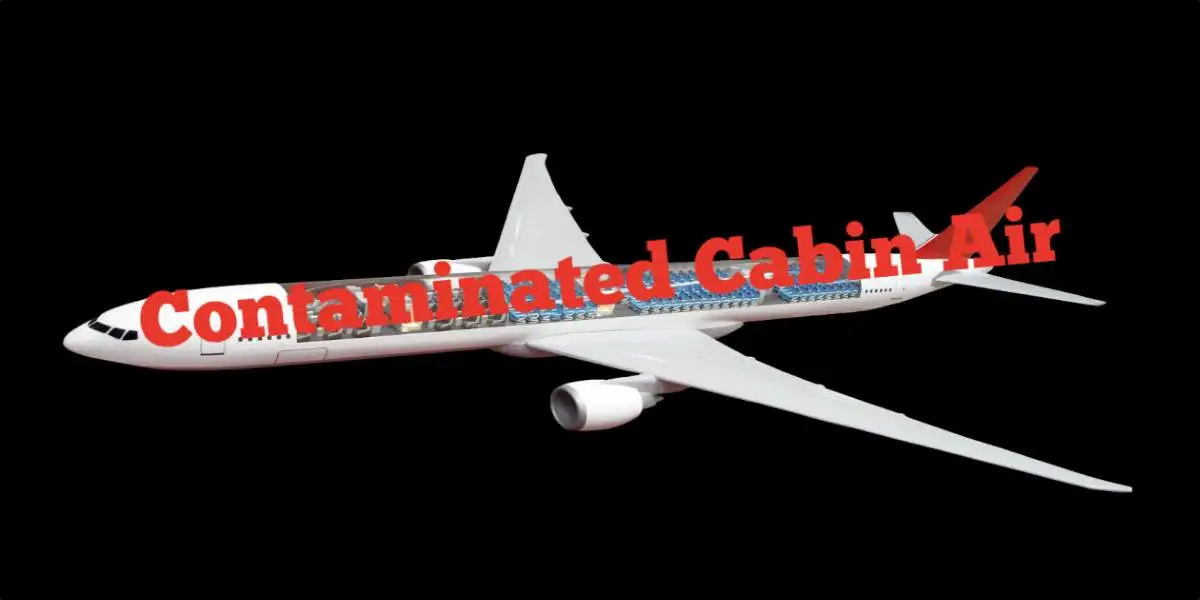
Most Airbus commercial jets, like most large transport aircraft, have historically used “bleed air” taken from the compressor stages of the engines. This air is cooled, conditioned, and mixed before entering the cabin. The system is designed to provide clean, pressurised air at altitude, and it has operated for decades across the industry.
The concern raised by advocates of toxic air is not that bleed air is inherently unsafe. The concern is that if engine seals degrade, if certain failures occur, or if maintenance conditions align unfavourably, then small amounts of engine oil or other fluids can enter the bleed air stream. When those fluids are heated, they can produce a complex mixture of chemicals, including ultrafine particles and volatile organic compounds.
A key point is that not all Airbus models have identical architectures. Some aircraft in the broader market use non-bleed systems for cabin air supply, while many Airbus families continue to use bleed-based designs. In the public debate, Airbus is often mentioned because of the prevalence of Airbus fleets globally, and because incidents reported on Airbus types feed into a wider controversy about system design, monitoring, and accountability.
The Health Claims: Acute Symptoms and Longer Term Concerns
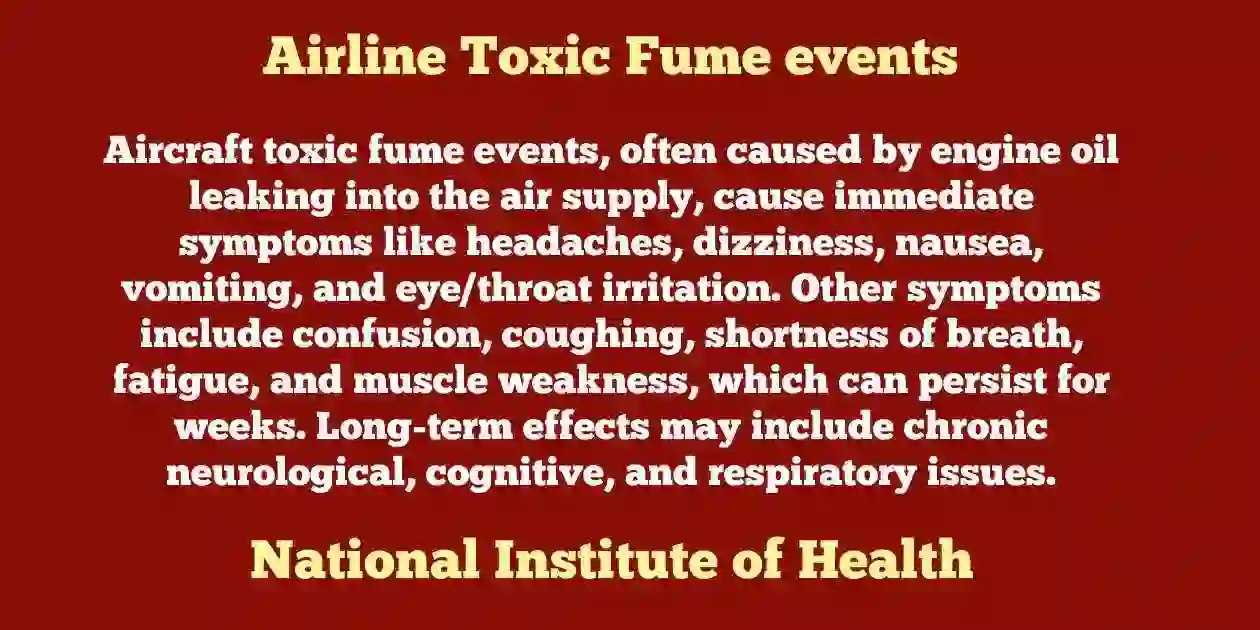
Reports associated with fume events commonly describe acute symptoms such as:
- Hadache, dizziness, nausea, and disorientation
- Eye, nose, and throat irritation
- Coughing or chest tightness
- Fatigue, tremor, and difficulty concentrating
- Unusual taste or smell sensations
In more serious cases, crew members have described episodes of confusion, impaired motor coordination, and prolonged after effects that interfere with fitness to fly.
The longer-term claims related to contaminated cabin air are more contentious. Some individuals report chronic neurological or respiratory issues, cognitive impairment, and persistent fatigue following repeated exposures. Advocacy groups and some clinicians refer to “aerotoxic syndrome,” a term used to describe a cluster of symptoms allegedly linked to exposure to contaminated cabin air. However, the term is not universally accepted as a formal medical diagnosis, and scientific debate continues regarding causation, exposure levels, and the consistency of clinical findings.
This disagreement is one reason the debate has not resolved. Aviation medicine often requires high evidentiary thresholds to define occupational syndromes, particularly when exposures are intermittent and not routinely measured in real time.
Furthermore, there are serious concerns about toxic fumes in an airplane. These fumes can potentially lead to severe health issues due to their hazardous nature. Such situations highlight the urgent need for improved monitoring and accountability in aircraft design and maintenance practices.
Moreover, incidents involving aircraft toxic fumes leaking into the cabin underscore the importance of addressing these safety concerns promptly to protect both passengers and crew members from potential harm associated with exposure to toxic airplane fumes.
What Airbus and Industry Stakeholders Commonly Argue
Airbus and many industry stakeholders generally emphasise several points:
- Cabin air is regulated and routinely monitored indirectly through system performance standards.
- Aircraft are certified to stringent environmental control requirements, and the air conditioning systems are designed to minimise contamination.
- Fume events are rare and often linked to identifiable mechanical issues.
- When events occur, they may be traced to maintenance conditions, seal wear, oil servicing errors, or other technical causes that can be corrected.
- Measured contaminant levels, where studied, are typically below occupational exposure limits.
- Critics respond that occupational limits may not be tailored to heated oil mixtures at altitude, or to sensitive individuals, or to repeated low dose exposures.
- Symptoms can be non specific and may have multiple causes.
- Dehydration, fatigue, pressure changes, and other operational factors can mimic some reported effects, which complicates clinical interpretation.
These positions are not inherently contradictory to the concerns raised by affected crew. Both can be true at the same time: the average cabin environment can be safe, while a subset of events may still present a preventable risk that merits stronger monitoring, reporting discipline, and medical protocols.
The Evidence Challenge: Why the Debate Is So Hard to Settle
1. Exposure measurement is often retrospective
Many fume events are reported after the fact. Without real time sensors or immediate sampling, it is difficult to characterise what occupants actually inhaled, for how long, and at what concentration. The absence of data does not prove the absence of exposure, but it does constrain scientific certainty.
In fact, toxic airplane fumes can pose serious health risks that are often overlooked in these discussions.
2. Chemical mixtures are complex
Heated engine oils and hydraulic fluids can produce a mixture of compounds that may include organophosphates, aldehydes, ketones, and ultrafine particles. Toxicology is more straightforward when a single compound is measured against a defined limit. It is more complex when the suspected agent is a variable mixture with changing composition depending on temperature, airflow, and the source fluid.
3. Health outcomes can be multi factorial
Pilots and cabin crew operate in an environment characterised by irregular sleep, circadian disruption, and operational stressors. Disentangling these factors from possible chemical exposures is challenging. The need, therefore, is not only more research but better designed research with consistent case definitions and objective exposure metrics.
4. Under reporting and inconsistent classification are plausible
A recurring criticism is that fume events are under reported due to operational pressures, ambiguity about what qualifies as reportable, or normalisation of odours. Airlines and regulators have reporting frameworks, but critics argue that thresholds for reporting and follow up are not consistently applied across jurisdictions and operators.
Airbus Toxic Air Allegations: What Is Typically Being Alleged?
In public discourse, “Airbus toxic air” claims typically refer to one or more of the following allegations:
- Bleed air contamination from engine oil or hydraulic fluids entering the environmental control system.
- Insufficient detection because aircraft do not universally carry dedicated sensors for key contaminants or particulates in the cabin supply air.
- Inconsistent operational response where crews report odours but do not always receive standardised medical assessment or incident documentation.
- Long term health impacts for a subset of crew members who report repeated exposure and chronic symptoms.
- Governance concerns including whether manufacturers and airlines have been sufficiently transparent, whether regulators have required enough independent testing, and whether occupational health protections have kept pace with modern expectations.
It is important to define terms carefully. Not every odour is a toxic exposure. Not every reported symptom establishes causation. Yet, from a risk management viewpoint, repeated allegations across fleets and years create a legitimate demand for better instrumentation, better data, and better clinical pathways.
Those affected by these toxic fume incidents may consider exploring the possibility of pursuing legal action through a toxic fumes exposure lawsuit. Such lawsuits can help victims recover damages for health issues resulting from exposure to toxic airplane fumes. Moreover, if you believe you have been exposed to toxic airplane fumes, seeking legal counsel could provide guidance on potential next steps.
If you believe you have been affected by toxic airplane fumes, or jet fuel exposure, contact Aerotoxic Syndrome lawyer Timothy L. Miles today for a free case evaluation as you may be eligible for an Aerotoxic Syndrome Lawsuit and potentially entitled to substantial compensation. .(855) 846–6529 or [email protected].
Operational Reality: How Fume Events Are Handled Today
Procedures vary by airline, but common operational controls include:
- Crew reporting of odours, haze, or symptoms to the flight deck
- Checklist actions such as adjusting packs, switching bleed sources, or recirculation settings
- Use of oxygen masks for flight crew if symptoms suggest impairment risk
- Maintenance inspection after landing, which may include checking seals, filters, oil servicing, and air conditioning components
- Documentation through safety reporting systems
The gap often identified by crew advocates is not the existence of procedures, but the consistency of execution and the medical follow up. A robust governance framework would treat a suspected exposure event as both a safety occurrence and an occupational health incident, with parallel documentation, medical assessment, and trend analysis.
Regulation, Certification, and the Limits of “Compliance”
Aviation is a compliance driven industry, but compliance is not always synonymous with assurance. Cabin air systems can meet certification requirements while still allowing rare contamination events. That reality is not unique to Airbus. It is an industry wide design and operational challenge.
The forward looking question is whether existing certification and oversight frameworks should evolve from a primarily design and performance model to a more data rich operational monitoring model. In other words, rather than relying mainly on engineering safeguards and procedural responses, the industry could strengthen real time detection, standardised reporting, and independent analysis.
This is where corporate governance becomes central. Proactive governance means investing in risk controls before outcomes become widespread liabilities. It also means acknowledging uncertainty without allowing uncertainty to become inertia.
Sensors, Filtration, and Engineering Controls: What Could Change
Several mitigation strategies are frequently discussed:
Real time air quality sensing
Dedicated sensors for particulates, volatile organic compounds, and specific target compounds could help transform anecdote into evidence. The challenge is technical and regulatory: sensors must be reliable, maintainable, resistant to false positives, and meaningfully calibrated for the aviation environment.
Improved filtration and airflow management
Most modern aircraft already use HEPA filtration on recirculated air, which is highly effective for particulates. However, bleed supplied “fresh” air may bypass recirculation filters depending on system architecture. Additional filtration strategies focused on supply air or on specific chemical classes may be proposed, but they must be validated for pressure drop, maintenance burden, and actual contaminant capture performance.
Maintenance and seal management
If seal leakage is a key contributor in certain events, then predictive maintenance, improved inspection intervals, and enhanced oil servicing controls could reduce risk. These measures are often the most immediately actionable because they build on existing maintenance governance and reliability programmes.
Standardised incident response and medical pathways
Engineering controls reduce probability. Medical controls reduce harm. A standardised pathway might include on arrival medical assessment, exposure documentation, follow up testing where appropriate, and occupational health support. Consistency is essential, particularly for crew members who may face stigma, career risk, or uncertainty about fitness determinations.
The Human Factor: Why Trust Is Central
For crew members, the debate is not abstract. It is personal and operational. Pilots must remain cognitively sharp. Cabin crew must manage safety duties and passenger care. If a crew member believes the cabin environment is affecting their health, confidence in the system erodes. That erosion can itself become a risk factor, influencing reporting behaviour, retention, and safety culture.
For airlines and manufacturers, the challenge is reputational as well as technical. Dismissing concerns can appear complacent. Overstating risks can create unnecessary alarm. The governance objective should be to replace polarisation with verifiable information.
Trust is built through repetition and through evidence. Repetition of clear reporting standards. Repetition of consistent medical follow up. Repetition of transparent communication when events occur. Evidence generated by monitoring, independent review, and published findings that can be scrutinised and improved.
Corporate Governance and Accountability: What “Good” Looks Like
A mature governance response to fume events—whether on Airbus aircraft or across fleets—should have several characteristics.
Clear definitions and thresholds
Ambiguity is the enemy of reporting. Define what constitutes a reportable fume event, define what data must be captured, and define who is accountable for closure.
Independent oversight and auditability
When issues involve both health and product design, independent review strengthens credibility. This can include third party scientific panels, regulator led working groups, or joint safety committees with meaningful authority.
Data transparency and trend analysis
Collect data across aircraft type, route, maintenance history, weather conditions, and operational variables. Analyse trends. Publish summaries. Use lessons learned to adjust maintenance programmes and operational checklists.
Worker protection and non punitive reporting
If crew members fear career consequences, reports will decline and risk visibility will shrink. Strong governance protects reporting and prioritises medical support over blame.
Continuous improvement, not one time reassurance
Cabin air risk management should resemble other safety domains: identify hazards, measure exposure, implement controls, verify effectiveness, and repeat. This repetition is not bureaucracy. It is resilience.
Where the Debate Goes Next
The health debate around Airbus toxic air and fume events continues because the evidence base is still fragmented. The path forward is not ideological. It is methodological.
- Measure exposure in real time where feasible.
- Standardise reporting and medical evaluation.
- Investigate events with independence and technical depth.
- Treat crew concerns as operational safety inputs, not public relations problems.
- Update oversight frameworks to reflect modern expectations of occupational health governance.
Aviation has repeatedly shown that it can evolve. It evolves through data, through transparency, and through proactive investment in prevention. The question is not whether cabin air is “safe” in general terms. The question is whether the industry can prove, with repeatable evidence, that rare but serious air contamination events—such as those involving toxic airplane cabin fumes, toxic fumes in an airplane, or airplane toxic exposure—are being detected, documented, and reduced.
Until that proof is routine, the debate will remain active, and the demand for stronger accountability will remain justified.
Frequently Asked Questions About Airbus Toxic Air and Fune Events
What is a “fume event” in commercial aviation, and why is it significant?
A “fume event” refers to occurrences where aircraft occupants report unusual odours or irritation symptoms linked to chemical contaminants in cabin air. These events range from mild smells to severe episodes prompting pilots to use oxygen masks or declare emergencies. The significance lies in potential exposure risks; even if infrequent, aviation safety prioritizes proactive risk management, emphasizing the need for robust reporting, medical follow-up, and oversight to protect passengers and crew.
How is cabin air typically supplied in Airbus aircraft, and what concerns exist about this system?
Most Airbus commercial jets use a bleed air system that takes compressed air from engine compressor stages, cools and conditions it before entering the cabin. While bleed air itself isn’t inherently unsafe, concerns arise if engine seals degrade or failures occur, allowing engine oils or fluids to contaminate the air stream. Heated fluids can release volatile organic compounds and ultrafine particles, raising health concerns among some crew members and passengers.
What acute symptoms are commonly reported during fume events on aircraft?
Common acute symptoms linked to fume events include headache, dizziness, nausea, disorientation, eye, nose, and throat irritation, coughing or chest tightness, fatigueDefective GM Transmission: The Rights and Remedies of Consumers [2026], tremors, difficulty concentrating, and unusual taste or smell sensations. In severe cases, crew members have experienced confusion and impaired motor coordination with prolonged after-effects impacting their fitness to fly.
Are there long-term health effects associated with exposure to contaminated cabin air?
Long-term health claims are more contentious but include reports of chronic neurological issues, respiratory problems, cognitive impairment, and persistent fatigue following repeated exposures. Some advocacy groups and clinicians refer to these symptoms collectively as “aerotoxic syndrome,” though scientific consensus on this condition remains debated due to challenges in measurement and attribution.
Why does controversy persist around cabin air quality despite industry assurances of safety?
Controversy endures because the topic intersects engineering complexities, toxicology uncertainties, incident under-reporting, inconsistent monitoring practices, limited medical recognition of symptoms, and corporate governance issues. Acute symptoms can be transient and nonspecific; measuring exposures after events is difficult; long-term effects are hard to attribute definitively—all contributing to ongoing debate over transparency and trust.
What measures exist within the aviation industry to manage risks related to cabin air quality?
The aviation industry employs proactive risk management strategies emphasizing safety over frequency of incidents. Procedures include maintenance protocols for bleed air systems, incident reporting frameworks, medical follow-ups for affected individuals, and regulatory oversight by authorities like ICAO and Federal Aviation Association. However, critics argue that existing measures may undervalue human health impacts due to under-reporting and lack of standardized monitong.

Call Aerotoxic Syndrome Lawyer Timothy L. Miles Today for a Free Case Evaluation About a Aerotoxic Syndrome Lawsuit
If you believe you have been affected by toxic airplane fumes, or jet fuel exposure, contact Aerotoxic Syndrome lawyer Timothy L. Miles today for a free case evaluation as you may be eligible for an Aerotoxic Syndrome Lawsuit and potentially entitled to substantial compensation. .(855) 846–6529 or [email protected].
Timothy L. Miles, Esq.
Law Offices of Timothy L. Miles
Tapestry at Brentwood Town Center
300 Centerview Dr. #247
Mailbox #1091
Brentwood,TN 37027
Phone: (855) Tim-MLaw (855-846-6529)
Email: [email protected]
Website: www.classactionlawyertn.com
Facebook Linkedin Pinterest youtube