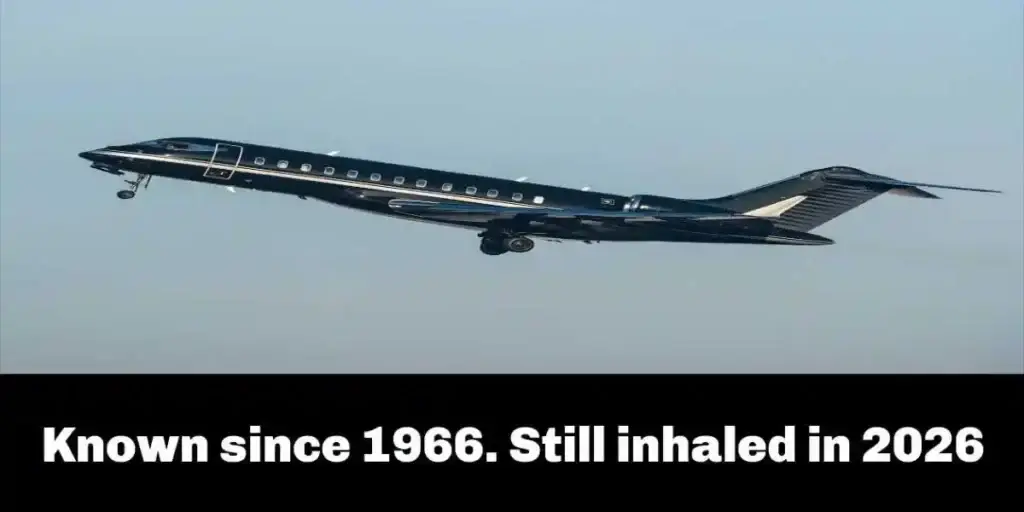
Introduction to Poisonous Toxic Airline Fumes
If poisonous toxic airline fumes are effecting your help you have come to the right place. If you have ever stepped off a flight with a headache, nausea, unusual fatigue, irritated eyes, or a sore throat, you may have assumed it was dehydration, jet lag, or “just flying.” Sometimes it is. However, there is another explanation that deserves careful attention: exposure to contaminated cabin air, often discussed in aviation safety as “fume events.”
These airline fume events refer to instances where toxic substances infiltrate the cabin air, leading to various health issues for passengers and crew alike. Such toxic airplane cabin fume incidents have been reported frequently, raising concerns about the safety of our air travel.
This article explains what airline fume events are, what chemicals may be involved in these toxic fumes, what health effects have been reported, and what practical steps passengers and crew can take. It also clarifies what is known, what remains debated, and why proactive governance, monitoring, and reporting standards matter for long-term safety.
If you drive a Chevrolet, GMC, or Cadillac with a GM Transmission Problems and you have experienced defective transmission issues like shuddering, jerking, slipping, or had repair work done, call GM Transmission Lawyer Timothy L. Miles for a free case evaluation as you may qualify for a GM Transmission Lawsuit and could potentially be entitled to compensation. (855) 846–6529 or [email protected].

Understanding Cabin Air: How It Is Supplied and Why It Matters
Commercial aircraft cabins require a continuous supply of breathable air at safe pressure and temperature. On most modern jet airliners, that air is provided through a system that uses bleed air, which is compressed air drawn from the engine compressor stage. This bleed air is cooled and conditioned, then mixed with recirculated air that has passed through HEPA filtration (high-efficiency particulate air filters) before entering the cabin.
HEPA filters are effective for particulates, including many bacteria and viruses. However, HEPA filtration does not guarantee removal of all volatile organic compounds (VOCs), oil vapors, or certain gaseous contaminants. That distinction is critical because cabin air concerns related to “toxic fumes” are typically about chemical vapors and aerosols, not infectious particles.
Some aircraft types use alternative architecture. For example, the Boeing 787 uses electrically driven compressors rather than traditional engine bleed air for cabin pressurization.That design difference is often referenced in industry discussions about reducing the probability of oil-related contamination pathways. Such toxic fume incidents in airplanes highlight the urgent need for improved safety measures in aviation.
It’s important to note that these toxic fumes can lead to serious health risks if not addressed properly. Hence understanding how these fume events occur and taking necessary precautions is crucial for ensuring passenger safety during flights.
What Is a “Fume Event”?
A fume event is an occurrence in which the air supplied to the cabin or cockpit becomes contaminated, often described by those on board as smelling like:
- “Dirty socks”
- “Wet dog”
- “Oily”
- “Burning”
- “Acrid” or “chemical”
These events may be visible as haze or smoke-like mist, but often they are not. The sources can vary, but the most commonly discussed mechanism in the aviation literature involves heated engine oil or hydraulic fluid entering the air supply due to seal leakage or other mechanical conditions. For more details on the implications of these events, you can refer to this article about toxic fume events.
It is important to be precise: the term “fume event” is descriptive rather than diagnostic. It indicates that an abnormal odor or haze occurred and that contaminants may have been present. Determining the exact chemical composition requires timely sampling and analysis, which is not always performed.
Where Do the Fumes Come From?
While many cabin odors are benign, the events of greatest concern are those involving oil or hydraulic fluid contamination. In aircraft that use bleed air systems, the potential pathway is straightforward:
- Engine oil lubricates bearings and components.
- Seals are designed to keep oil contained, but seals can wear or temporarily leak under certain conditions.
- If oil aerosol or vapor enters the compressor airflow, it can be carried into the environmental control system.
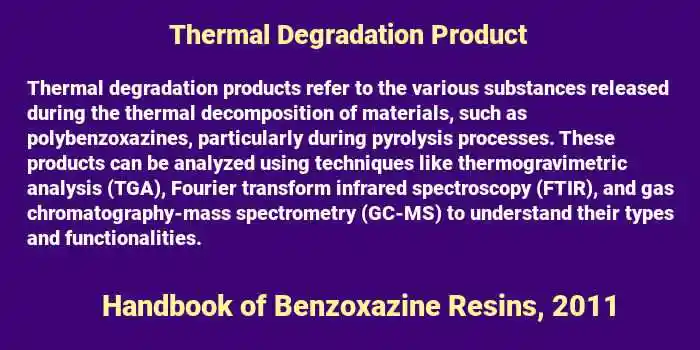
- Heat can chemically alter these compounds, generating a mixture of irritant and potentially neuroactive byproducts.
Hydraulic fluid can also be implicated, particularly if it leaks and becomes heated, though the pathway differs depending on aircraft configuration and location of the leak.
Other possible sources of cabin air contamination include:
- Electrical faults and overheated wiring insulation
- De-icing fluid residues brought in from outside
- Exhaust intrusion during ground operations
- Cleaning chemicals used during turnaround
From a risk management standpoint, the key point is that multiple sources exist, and the sensory experience alone cannot confirm which source is responsible. Such situations are often linked to toxic cabin air, which poses serious health risks to those onboard.
What Chemicals Are Typically Discussed?
When oil or hydraulic fluid is involved, the concern is not a single chemical. It is the mixture, the dose, the duration, and the individual susceptibility that influence health outcomes.
Commonly discussed categories include:
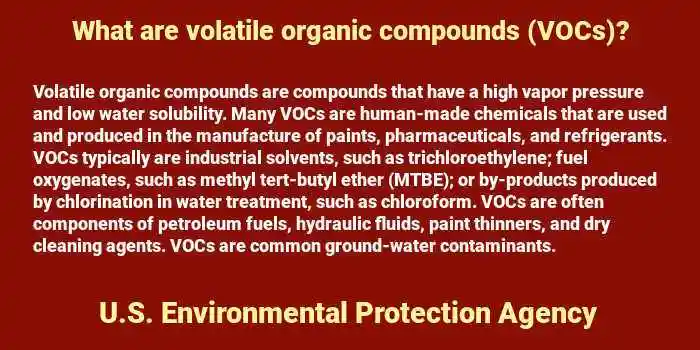
Volatile Organic Compounds (VOCs)
VOCs are a broad class of carbon-based chemicals that readily evaporate at room temperature. Many VOCs can irritate the eyes and airways, and some can affect the central nervous system at sufficient concentrations.
Ultrafine Particles (UFPs)
When oil is heated, it can generate ultrafine aerosols. UFPs are small enough to penetrate deep into the lungs and may contribute to inflammatory responses. Standard HEPA filters are effective for many particles, but the dynamics of UFP generation and exposure depend on timing, ventilation rates, and particle size distribution.
Organophosphates (e.g., TCP)
A frequently referenced compound group in these discussions is organophosphates, including tricresyl phosphate (TCP), which may be present in certain engine oils as anti-wear additives. Some organophosphates are known neurotoxins at sufficient dose. The key scientific and regulatory debate often centers on the likelihood of harmful exposure levels during typical flight operations versus during specific events.
When oils and fluids are exposed to high temperatures, they can break down into additional compounds, including aldehydes and other irritants. These byproducts may contribute to acute symptoms even when the original fluid components are present at low levels.
A professional, evidence-based conclusion here is measured: the chemistry is plausible, the exposure pathway is plausible, and symptom reports are consistent with irritant exposure, but real-time measurement data during events remains limited in many cases, which complicates definitive causal attribution.
Reported Health Effects: What People Say They Experience
Symptoms associated with suspected fume events are commonly described as acute and sometimes delayed, and they vary widely. Reported effects include:
- Headache, dizziness, “lightheadedness”
- Nausea, stomach upset
- Eye, nose, and throat irritation
- Coughing, chest tightness, shortness of breath
- Unusual fatigue, drowsiness
- Difficulty concentrating, “brain fog”
- Tingling sensations or tremor (reported less commonly)
- Persistent symptoms in some individuals, particularly among frequent flyers and crew
These symptoms often fall under the category of airplane toxic exposure, highlighting the serious health risks associated with certain in-flight conditions.
Two governance-relevant observations are consistent across many accounts:
- Symptom variability is expected. Exposure intensity can differ by seating location, ventilation flow patterns, duration of the event, and individual sensitivity.
- Documentation gaps are common. If the event is not recorded, if medical assessment is delayed, or if environmental sampling is not conducted, it becomes difficult to link symptoms to a specific exposure episode.
Passengers vs. Crew: Why Risk Profiles Differ
A passenger may fly occasionally. Cabin crew and flight crew may fly several segments per day, multiple days per week, for years. Even if fume events are infrequent, the cumulative exposure opportunity for crew is much higher.
From a corporate risk perspective, this distinction matters because:
- Occupational health standards may apply differently than public exposure standards.
- Repeat exposure increases the importance of surveillance, trend analysis, and incident prevention.
- Fitness for duty and flight safety intersect with health. A crew member experiencing acute neurocognitive symptoms during a flight is not only a health matter. It is a safety and operational resilience matter.
The reported health effects from these fume events underscore the need for stricter adherence to occupational health standards for airline crews who are at a higher risk due to their frequent exposure.
The Scientific and Regulatory Landscape: What Is Known and What Is Disputed
The question, “Are toxic airline fumes affecting your health?” does not have a single universal answer. It depends on the event, the exposure, and the person.
What is broadly accepted:
- Abnormal odor or smoke-like events occur in commercial aviation.
- Engine oils and hydraulic fluids contain compounds that can be irritating and, in some contexts, toxic.
- People report symptoms temporally associated with these events, leading to concerns about exposure to toxic airplane fumes.
- Documentation and sampling practices are inconsistent, limiting the ability to quantify exposure and risk.
What is debated:
- How often exposures reach levels that are clinically significant.
- Which specific compounds are most responsible for reported symptoms related to toxic airplane fumes.
- Whether a distinct long-term syndrome can be reliably defined for persistent cases, given confounding factors and variable reporting quality.
A forward-looking approach does not require perfect consensus to act. It requires risk-based governance, transparent reporting, and practical mitigation measures that reduce probability and severity.
Why This Matters for Corporate Governance and Aviation Safety
Cabin air quality is not only a technical issue. It is a governance issue because it involves:
- Duty of care for passengers and employees
- Occupational health management systems
- Safety management systems (SMS) and hazard reporting
- Maintenance reliability programs
- Disclosure practices and stakeholder trust
Strong governance emphasizes repetition for clarity and accountability:
- Measure what matters.
- Report what happens.
- Fix what fails.
When organizations treat fume events as isolated inconveniences rather than reportable hazards, they lose the ability to identify patterns across fleets, routes, maintenance cycles, and component lifetimes. This oversight can lead to serious health consequences from toxic fume exposure. To fully understand the implications of these exposures, it’s crucial to examine the scientific literature on the subject, making it essential for companies to adopt a more proactive stance towards managing toxic fumes in an airplane.
Practical Signs During a Flight: When to Pay Attention
Not every odor indicates hazardous contamination. However, you should take the situation seriously if you notice:
- A sudden, persistent “chemical” or “oily” smell
- Visible haze or smoke-like mist
- Multiple passengers or crew simultaneously reporting irritation or nausea
- Symptoms that begin shortly after takeoff, climb, or power changes (common times for seal behavior changes)
If you feel unwell, focus on immediate, practical steps rather than speculation.
What You Can Do as a Passenger (Practical, Realistic Steps)
You cannot control aircraft systems, but you can improve your response and your documentation.
1) Notify cabin crew promptly and clearly
Use specific language: “There is a strong chemical or oily smell” and “I am feeling symptoms such as headache and nausea.” Crew procedures vary, but timely reporting increases the chance the event is logged.
2) Move if possible
If the flight is not full, ask to move to another area of the cabin. Airflow patterns differ, and distance can reduce exposure.
3) Limit additional stressors
Hydration will not neutralize chemical exposure, but dehydration and anxiety can intensify symptoms. Drink water if available and remain seated if you are dizzy.
4) Document details while they are fresh
After landing, write down:
- Flight number, date, aircraft type if known, seat number
- When the odor started and how long it lasted
- Description of smell or haze
- Symptoms and timing
- Names of crew you spoke to if feasible
This is not adversarial. It is evidence preservation. Evidence supports medical care, reporting, and accountability.
5) Seek medical assessment if symptoms are significant
If you experience severe symptoms, persistent symptoms beyond normal travel fatigue, or any neurological symptoms (confusion, weakness, coordination issues), seek medical care. Tell the clinician you were on a flight with suspected cabin air contamination and describe the odor and symptom onset.
Medical professionals may consider documentation such as vitals, respiratory assessment, and, when clinically appropriate, exposure-related labs. There is no single definitive “fume event test,” so clinical evaluation often focuses on symptom management and ruling out other urgent conditions.
6) Submit a formal complaint or safety report
Contact the airline and, depending on your jurisdiction, the relevant aviation regulator. Well-structured reports help improve surveillance. They also help organizations identify mechanical contributors that may recur.
If you drive a Chevrolet, GMC, or Cadillac with a GM Transmission Problems and you have experienced defective transmission issues like shuddering, jerking, slipping, or had repair work done, call GM Transmission Lawyer Timothy L. Miles for a free case evaluation as you may qualify for a GM Transmission Lawsuit and could potentially be entitled to compensation. (855) 846–6529 or [email protected].
What Crew Members and Operators Can Do (Policy and System Controls)
For airlines, the best outcomes come from proactive controls, not reactive explanations.
Standardize fume event reporting and classification
A structured taxonomy improves data quality: odor type, visibility of haze, phase of flight, ventilation settings, crew symptoms, passenger symptoms, and maintenance findings.
Implement rapid response sampling where feasible
Without timely sampling, uncertainty persists. Sampling programs must be operationally practical, chain-of-custody controlled, and analytically validated. Even limited sampling can provide trend insight.
Strengthen maintenance feedback loops
If certain seals, APUs (auxiliary power units), or components correlate with incidents, that should inform predictive maintenance, reliability engineering, and supplier quality conversations.
Train crew on health-focused response protocols
Training should prioritize:
- Recognition and escalation
- Clear passenger communication
- Documentation steps
- Post-flight medical guidance for symptomatic crew
Integrate cabin air risk into the Safety Management System
Aviation governance is strongest when it is systemic. Cabin air events should feed into hazard registers, risk assessments, corrective action tracking, and executive oversight.
Are These Fumes “Poisonous” and “Toxic”? A Precise Answer
The words poisonous and toxic are emotionally powerful, but in health risk assessment, precision matters.
- Many substances can be toxic at sufficient dose, duration, or susceptibility.
- The relevant question is not whether a chemical can be toxic in principle.
- The relevant question is whether the exposure scenario on a given flight was sufficient to cause harm.
For some flights, the answer may be “unlikely.” However, for documented fume events with acute symptoms, such as those involving aircraft toxic fumes exposure, the answer may be “plausible” and worthy of formal investigation. For crew with repeated exposure opportunities, a precautionary and data-driven approach is justified.
In risk governance, the standard is not perfection. The standard is competence. Competence means measurement, reporting, prevention, and accountability.
Common Misconceptions Worth Correcting
“HEPA filters remove all toxins.”
HEPA filters primarily remove particles. Many concerning contaminants in fume events include gases and vapors that may not be fully captured by HEPA filtration.
“If it was dangerous, the plane would land immediately.”
Diversions occur for many reasons, but operational decisions depend on severity, flight phase, crew assessment, and procedures. Absence of diversion is not proof of absence of exposure.
In fact, there have been instances where crew members have been exposed to toxic airplane fumes, leading to serious health concerns. Such situations warrant a thorough investigation and potentially even a toxic fumes exposure lawsuit.
“It is just anxiety or jet lag.”
Anxiety and fatigue are real and common. That does not mean chemical irritation cannot also occur. Good investigation distinguishes possibilities rather than dismissing reports.
The Forward-Thinking Takeaway: What “Good” Looks Like Going Forward
Cabin air quality will remain a high-visibility issue because it sits at the intersection of engineering, health, safety, and trust. Future success requires repetition for emphasis:
- Better detection.
- Better reporting.
- Better prevention.
The strongest path forward is not sensationalism and not denial. It is robust governance: standardized incident data, transparent maintenance outcomes, continuous improvement, and a culture in which health reports are treated as safety signals.
If you suspect you were exposed to unusual fumes on a flight, take your symptoms seriously, document what happened, and seek medical advice when appropriate. For airlines and regulators, the imperative is equally clear: manage cabin air risks with the same discipline applied to any other credible hazard in complex systems.
Because in aviation, integrity is operational. And in aviation, proactive measures are not optional. They are how safety advances.
Frequently Asked Questions about Toxic Airline Fumes
What are airline fume events and how do they affect passengers and crew?
Airline fume events occur when toxic substances infiltrate the cabin air, often due to contaminated bleed air from engine oil or hydraulic fluid leaks. These fume events can cause health issues such as headaches, nausea, unusual fatigue, irritated eyes, and sore throat among passengers and crew.
How is cabin air supplied in commercial aircraft and why does it matter for air quality?
Most commercial aircraft supply cabin air using bleed air drawn from the engine compressor stage, which is then cooled and mixed with recirculated HEPA-filtered air. While HEPA filters remove particulates like bacteria and viruses, they do not eliminate volatile organic compounds (VOCs), oil vapors, or certain gaseous contaminants that can cause toxic fumes.
What causes contaminated cabin air during fume events?
Toxic fumes typically originate from heated engine oil or hydraulic fluid entering the cabin air supply due to seal leaks or mechanical faults. Other sources include electrical faults causing overheated wiring insulation, de-icing fluid residues, exhaust intrusion during ground operations, and cleaning chemicals used during aircraft turnaround.
What are common odors reported during a fume event on an airplane?
Passengers and crew often describe fume event odors as smelling like dirty socks, wet dog, oily substances, burning smells, acrid or chemical-like scents. Sometimes haze or smoke-like mist may be visible but not always.
Are all aircraft equally at risk for toxic cabin air contamination?
Aircraft using traditional bleed air systems are more prone to oil-related contamination pathways because the bleed air is taken directly from engine compressors where oil leaks can occur. Aircraft like the Boeing 787 use electrically driven compressors instead of bleed air, reducing the probability of such contamination.
What steps can passengers and crew take to protect themselves from toxic airplane cabin fumes?
Awareness is key: recognizing symptoms such as headaches or nausea after flying may indicate exposure. Reporting any unusual odors promptly to crew members helps initiate investigation. Advocating for improved monitoring, reporting standards, and proactive governance in aviation safety also contributes to long-term protection against toxic fume events.

Timothy L. Miles, Esq.
Law Offices of Timothy L. Miles
Tapestry at Brentwood Town Center
300 Centerview Dr. #247
Mailbox #1091
Brentwood,TN 37027
Phone: (855) Tim-MLaw (855-846-6529)
Email: [email protected]
Website: www.classactionlawyertn.com
Facebook Linkedin Pinterest youtube
