
Introduction to Toxic Plane Fumes
Toxic plane fumes is probably the last thing on a passenger’s mind before bording an commerical flight. Indeed,commercial aviation is widely regarded as a controlled and highly regulated environment. Cabin environmental control systems are engineered to maintain breathable pressure, stable temperature, and acceptable air quality at cruising altitude.
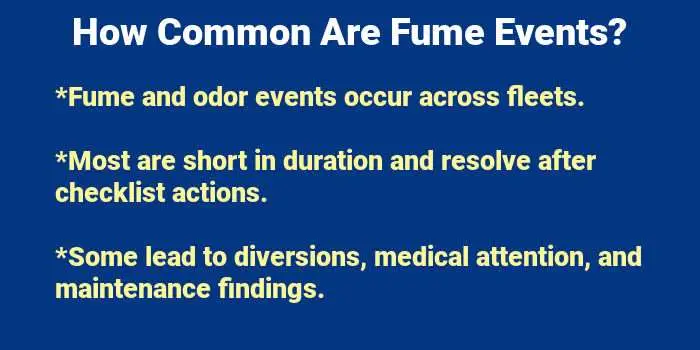
However, there is a well-documented operational risk that sits outside routine “stale air” complaints and outside normal expectations: toxic plane fumes, sometimes called contaminated cabin air or “fume events.” These incidents can introduce heated oil fumes, hydraulic fluid vapors, and other thermal decomposition byproducts into the cabin and cockpit. The exposures are typically short in duration, but reports include acute symptoms, flight diversions, and, in some cases, claims of longer term health impacts due to exposure to toxic plane fumes.
Read for answers to the twenty most frequently asked questions from consumers about toxic plain fumes.
1. What are toxic plane fumes on airplanes and how do they occur?
Toxic plane fumes, also known as contaminated cabin air or “fume events,” occur when chemical substances such as heated engine oil fumes, hydraulic fluid vapors, or thermal decomposition byproducts enter the aircraft cabin or flight deck air supply. These contaminants typically enter through leaks or seal failures in the bleed air system, which draws compressed air from the engines to supply the cabin. Such events can cause acute symptoms and potentially longer-term health impacts for passengers and crew.
2. How is cabin air supplied in commercial aircraft and what role does the bleed air system play?
Most commercial jetliners use an Environmental Control System (ECS) that supplies cabin air via bleed air—compressed air taken from the engines’ compressor stages. This hot, pressurized air is cooled and conditioned before entering the cabin. Bleed air systems can be vulnerable to contamination if engine oil leaks past seals into the airflow. Some modern aircraft like the Boeing 787 use bleedless systems with electrically driven compressors, reducing but not eliminating contamination risks.
3. What substances are commonly found in toxic plane fumes?
Toxic lane fumes may contain a complex mixture of aerosolized droplets and gases originating from engine oils, hydraulic fluids, smoke from electrical components, de-icing chemicals, and other overheated materials. Engine oils are synthetic lubricants with additive packages that can break down under high temperature and pressure to form various volatile compounds responsible for odors and irritation symptoms during fume events.
4. What symptoms might passengers and crew experience during toxic fume events?
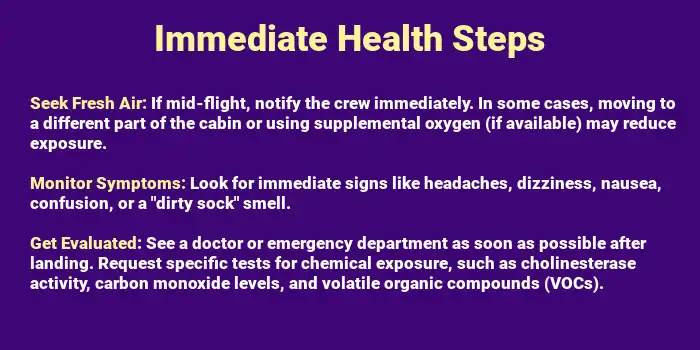
Exposure to toxic plane fumes can cause acute symptoms such as irritation of the eyes, nose, throat, headaches, dizziness, nausea, and respiratory issues. Some individuals report distinctive odors described as “dirty socks,” “wet dog,” or burning smells. In severe cases or repeated exposures, longer-term health effects have been claimed by affected passengers and crew members.
5. Can toxic plane fumes be detected before boarding or during ground operations?
Yes. The Auxiliary Power Unit (APU), which powers systems while the aircraft is on the ground, can leak oil into its air supply causing noticeable fumes during boarding or taxiing phases. Passengers and crew might detect unusual odors or haze even before takeoff. Awareness of these signs is important for early identification of potential contamination.
6. What steps can airlines, crew, and passengers take to reduce risks associated with toxic plane fumes?
Airlines should maintain rigorous engine seal inspections and promptly address any maintenance issues to prevent oil leaks into bleed air systems. Crew members should be trained to recognize fume events and respond appropriately by notifying pilots and seeking medical evaluation if necessary. Passengers experiencing symptoms should inform crew immediately. Additionally, regulatory bodies continue to investigate these incidents to improve safety standards.
7. Why are crew members at greatest long-term risk?
Flight crews face the highest risk of chronic exposure because they spend hundreds or thousands of hours on aircraft each year. Every fume event—no matter how minor—adds to their cumulative toxic load. Over time, this can result in debilitating illnesses that permanently affect their ability to work.
8. What are organophosphates and where they come from?
Organophosphates are a class of chemicals commonly used in pesticides, flame retardants, and lubricants. In aviation, they are found in the engine oils and hydraulic fluids that help keep jet engines and mechanical systems operating smoothly. These compounds are designed for performance under extreme heat and pressure, but when seals degrade, systems overheat, or maintenance fails, minute amounts can leak into the aircraft’s air supply system. Even at low levels, organophosphates are neurotoxic and can interfere with how nerves send signals throughout the body.
Over time or after acute exposure, this interference can cause a range of symptoms from mild headaches and dizziness to severe neurological impairment. Despite this, most aircraft still rely on a system that allows “bleed air,” air compressed by the engines, to flow directly into the cabin, without passing through independent filtration.
9. How do these compounds enter bleed-air systems?
.Commercial jetliners don not carry oxygen tanks for every passenger. Instead, cabin air is “bled” off the compressor stage of the jet engine. This system, known as bleed-air pressurization, is efficient but vulnerable: if the engine seals that separate the oil chambers from the airflow begin to fail, toxic particles and vapors can hitch a ride into the air ducts.
These contaminants can include:
- Tricresyl phosphate (TCP) — a potent neurotoxin and the most notorious organophosphate found in engine oils.
- Carbon monoxide — produced during oil or fluid combustion.
- Volatile organic compounds (VOCs) — which can irritate lungs and mucous membranes.
During a “fume event,” or “contaminated air cabin event” these chemicals enter the cabin in trace amounts, often producing a distinct smell of “dirty socks,” oil, or burning plastic. The exposure may last minutes or persist throughout the flight, depending on how the leak interacts with the air system.
10. What is the neurological impact of long-term exposure to toxic plane fumes?
The danger of organophosphates lies in their ability to inhibit acetylcholinesterase, an enzyme crucial for nerve function. When this enzyme is blocked, nerve cells become overstimulated, leading to muscle twitching, memory problems, mood changes, and fatigue.
For crew members who spend thousands of hours in the air, this exposure is cumulative. Research has linked long-term organophosphate exposure to:
- Cognitive impairment (difficulty concentrating, confusion, brain fog)
- Peripheral neuropathy (numbness or tingling in extremities)
- Muscle weakness and tremors
- Mood and behavioral changes, such as anxiety or depression
Over time, these symptoms can worsen, especially when exposure continues undetected or untreated. In many reported cases, pilots and flight attendants have been forced to leave their careers because of chronic illnesses they believe stemmed from repeated fume events.
11. Why are chronic fatigue and cognitive decline red flags?
For many who have been exposed to toxic plane fumes, the most troubling effects are neurological and cognitive. Crew members have reported “brain fog,” memory lapses, and slowed processing speed, sometimes months or years after suspected exposure events.
Medical researchers now recognize these patterns as potential signs of Aerotoxic Syndrome, a term coined to describe chronic illness caused by repeated exposure to contaminated cabin air. Although not yet a formally recognized medical diagnosis, the condition has been documented in dozens of peer-reviewed studies and continues to gain recognition as data mounts.
For passengers, even a single significant fume event can trigger long-term fatigue or respiratory sensitivity, especially for those with pre-existing conditions like asthma or autoimmune disorders. These symptoms are warning signs that nerve and organ systems may have been damaged by toxic exposure.
12. What are airline fume events and how do they affect passengers and crew?
Airline fume events occur when toxic substances infiltrate the cabin air, often due to contaminated bleed air from engine oil or hydraulic fluid leaks. These fume events can cause health issues such as headaches, nausea, unusual fatigue, irritated eyes, and sore throat among passengers and crew.
13. What should i do immediately after landing if i suspect exposure to toxic plane fumes?
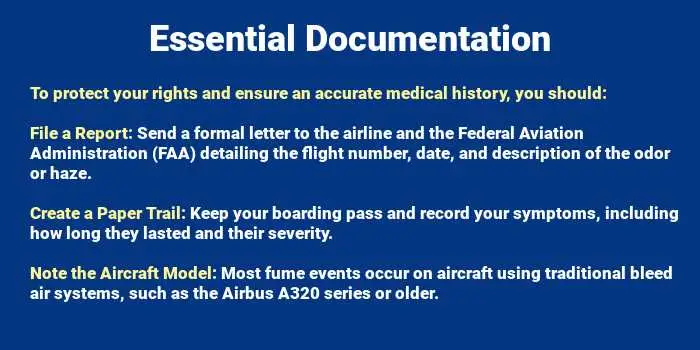
Many people delay care because symptoms feel “non-emergency,” or because they assume it was just travel fatigue. However, if you suspect a fume event, a timely medical record is important for both health management and accurate attribution.
1) Get Medical Evaluation Promptly
If symptoms are significant, go to urgent care or an emergency department. If symptoms are moderate but persistent, schedule a same-week appointment with a clinician.
Be prepared to describe:
- The timing of symptom onset in relation to the odor
- The nature of the smell and whether others noticed it
- The duration of exposure
- Any pre-existing conditions
- Whether symptoms improved after moving seats or after landing
2) Document Your Symptoms Like a Clinician Would
Write a short, factual timeline:
- Flight number, date, route, seat number
- When the odor began (approximate time)
- When symptoms began
- Symptom list with severity (0 to 10 scale)
- When symptoms improved or worsened
- Any medications taken and response
This reduces ambiguity and helps clinicians differentiate exposure-related irritation from unrelated illness.
3) Request Records, Not Assumptions
Ask for objective documentation:
- Vital signs
- Lung exam findings
- Neurological exam findings if relevant
- Any testing performed
- Diagnoses and clinical impressions
Avoid pressuring clinicians to label it “toxic plane fumes exposure” if they cannot confirm it. Instead, ensure the record accurately captures what you experienced: “reported exposure to unusual fumes in aircraft cabin with immediate onset of symptoms.”
In cases where symptoms align with those of toxic plane fumes, it is crucial to document everything meticulously. This can significantly aid in any potential legal proceedings related to airplane toxic exposure.
4) Report the Incident to the Airline
Submit a written complaint through the airline’s customer relations or safety channel. Keep it factual:
- What happened
- What you smelled or observed
- What symptoms occurred
- What assistance was provided
- Whether you sought medical care
Ask for confirmation that your report has been logged and request any available incident reference number.
14. What documentation matters if you are crew or a frequent flyer?
For airline crew members, documentation is not only medical, it is also occupational. Consistency and specificity matter.
Consider maintaining:
- A log of flights with odor events, including aircraft type if known
- Symptom onset and duration
- Co-worker corroboration where available
- Copies of safety reports filed internally
- Medical records tied to specific dates of exposure
This approach supports clinical continuity and aligns with robust governance practices: standardized reporting, traceable records, and early intervention.
15. What are the long-term symptoms of exposure to toxic plane fumes?
Some individuals report symptoms that last weeks or months, such as:
- Chronic headaches
- Persistent brain fog
- Increased sensitivity to smells
- Ongoing cough or reactive airway symptoms
- Sleep disturbance and fatigue
Persistent symptoms require a disciplined approach:
- Rule out alternative diagnoses
- Treat the symptoms that are treatable
- Track functional impact (work capacity, exercise tolerance)
- Avoid vague documentation that obscures the clinical picture
The objective is integrity in the medical narrative: clear symptom definitions, clear timeframes, and clear clinical reasoning.

Call Toxic Plane Fumes Lawyer Timothy L. Miles Today for a Free Case Evaluation About a Toxic Plane Fumes Lawsuit
If you believe you have been affected by toxic plane fumes, or jet fuel exposure, contact Toxic Plane Fumes Lawyer Timothy L. Miles today for a free case evaluation as you may be eligible for a Toxic Plane Fumes Lawsuit Lawsuit and potentially entitled to substantial compensation. .(855) 846–6529 or [email protected].
Timothy L. Miles, Esq.
Law Offices of Timothy L. Miles
Tapestry at Brentwood Town Center
300 Centerview Dr. #247
Mailbox #1091
Brentwood,TN 37027
Phone: (855) Tim-MLaw (855-846-6529)
Email: [email protected]
Website: www.classactionlawyertn.com
Facebook Linkedin Pinterest youtube