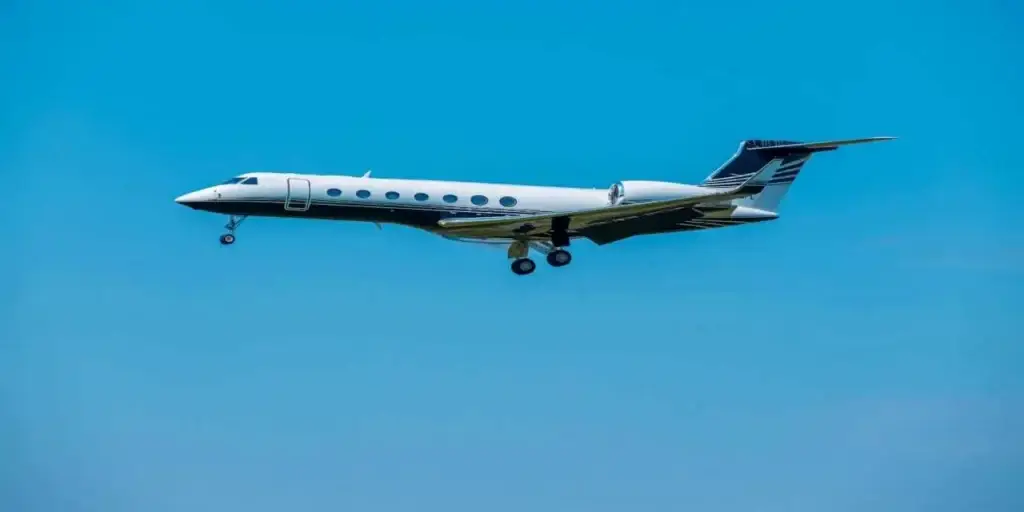
Being exposed to toxic airplane fumes is the last thing on most passengers’ minds before boarding a flight. In fact, most passengers board an aircraft thinking about seat comfort, turbulence, and arrival times. Few consider a less visible risk that aviation professionals have discussed for decades: exposure to toxic airplane fumes, sometimes called “fume events.” The concern is not ordinary cabin odor. The concern is the potential for contaminated air to enter the cabin and flight deck, and for repeated exposure to create acute symptoms, operational safety issues, and long-term health questions that remain intensely debated.
In 2026, this topic matters more, not less. Aircraft fleets are aging in some regions, utilization rates remain high, and the industry is simultaneously pushing for operational efficiency and safety modernization. A forward-looking safety culture requires the same discipline for air quality risk that aviation already applies to fatigue risk management, runway incursion prevention, and safety management systems.
This article explains what toxic airplane fumes are, how they can occur, what the science and regulatory landscape currently suggest, and what practical steps passengers, crew, and operators can take to reduce risk.
If you believe you have been affected by toxic airplane fumes, contact Aerotoxic Syndrome lawyer Timothy L. Miles as you may be eligible for an Aerotoxic Syndrome Lawsuit and potentially entitled to substantial compensation. Call today for a free case evaluation to see if you qualify for an Aerotoxic Syndrome Lawsuit. (855) 846–6529 or tmiles@timmileslaw.com.

What “Toxic Airplane Fumes” Typically Means
In commercial aviation, the phrase usually refers to contaminated cabin air associated with the bleed air system on many jet aircraft.
Key definitions (used consistently in safety and engineering discussions)
- Bleed air: Compressed air taken (“bled”) from the compressor stage of a jet engine (or from an auxiliary power unit, APU) and routed for cabin pressurization and air conditioning on many aircraft designs.
- Fume event: A reported occurrence where the cabin or flight deck experiences unusual odors, smoke-like haze, or irritant effects, sometimes linked to contamination of the air supply.
- Oil seal leakage: A condition in which engine lubricating oil can pass a seal and enter the compressor airflow, potentially producing an aerosol or vapor when exposed to high temperatures.
- Hydraulic fluid contamination: Less common, but possible in certain failure modes, with irritant characteristics.
- Triaryl phosphates (TAPs): A family of compounds that can be present in some engine oils, including tricresyl phosphate (TCP) isomers. Some isomers have higher neurotoxicity concerns than others.
- Ultrafine particles (UFPs): Extremely small airborne particles that can penetrate deep into the lungs; increasingly measured in cabin air quality investigations.
A crucial nuance is that not every unusual smell is a toxic exposure, and not every reported fume event is confirmed by subsequent measurements. However, the safety issue persists because some events involve acute impairment, and because the exposure pathway is plausible in bleed-air architectures when system integrity is compromised.
How Cabin Air Is Supplied (And Where Contamination Can Enter)
Most modern airliners use a mix of fresh outside air and recirculated air. The recirculated portion typically passes through HEPA filters, which are highly effective at capturing many particulates and microbes. The part that creates debate is the “fresh” supply on bleed-air aircraft.
Bleed-air aircraft (common across many fleets)
- Air is drawn from the engine compressor or APU.
- It is cooled and conditioned by the environmental control system (ECS).
- It enters the mix manifold and is distributed to the cabin and flight deck.
If a seal failure or abnormal condition allows oil or other substances to enter the compressor airstream, that contamination may travel into the ECS. Temperature, pressure, and residence time can influence whether compounds remain as aerosols, form vapors, or thermally degrade into other byproducts.
Bleedless aircraft (a major counterexample)
The Boeing 787 uses electrically driven compressors rather than engine bleed air for cabin pressurization. This design is often referenced because it directly reduces the primary contamination pathway that concerns critics of bleed air.
That does not make the 787 immune to air quality issues, but it changes the risk profile and is frequently cited in discussions about future aircraft architecture.

What a “Fume Event” Looks Like in Real Life
Fume events are typically described through operational observations and symptom reports. Common indicators include:
- “Dirty socks” or “wet dog” odors (often used colloquially by crew)
- Acrid or chemical smells
- Visible haze, mist, or smoke-like appearance
- Eye, nose, or throat irritation
- Coughing, chest tightness, or shortness of breath
- Headache, dizziness, nausea
- Cognitive effects such as confusion, slowed thinking, or difficulty concentrating
From a safety perspective, the most critical scenario is flight deck impairment, because aviation safety assumes pilots maintain reliable cognitive performance under workload. Even mild neurocognitive effects can become consequential during high-demand phases such as takeoff, approach, or abnormal procedures.
Why This Is Not Just a Comfort Issue: Safety, Health, and Governance
Aviation manages risk through systems, not through reassurance. The governance question is simple: if a hazard can plausibly occur, and if consequences can be severe, what controls are in place, and are they adequate?
1) Operational safety risk
- Crew may need to don oxygen masks and run smoke or fumes checklists.
- A diversion may be required.
- Cabin crew may manage passenger distress, medical events, and communication challenges simultaneously.
2) Occupational exposure risk
Passengers are occasional occupants. Pilots and cabin crew are chronic occupants. Even if events are relatively infrequent, cumulative exposure is a legitimate concern in occupational health terms, particularly when reporting systems are inconsistent or when medical follow-up lacks standardization.
3) Corporate governance risk
This topic increasingly intersects with robust corporate governance, because it involves:
- Duty of care to employees and passengers
- Transparent hazard reporting and data integrity
- Maintenance quality assurance
- Proactive investment decisions (sensoring, filtration, design changes)
- Litigation and reputational exposure
- Regulator and union engagement
Good governance is not reactive. Good governance anticipates foreseeable risk, documents decisions, and funds controls before harm becomes headline news.
What We Know Scientifically (And What Remains Disputed)
The science of contaminated cabin air has improved, but the debate persists because fume events are episodic, variable, and difficult to capture with standard measurements.
What is broadly accepted
- Oil and hydraulic fluids contain chemicals that can irritate airways and mucous membranes if aerosolized or vaporized.
- Ultrafine particles can be present in aircraft cabins, and may spike during certain operating conditions.
- HEPA filters help with recirculated air particulates, but they do not guarantee removal of all volatile organic compounds (VOCs) from the fresh supply.
- Acute symptoms are reported by crew and passengers during suspected fume events, and some events lead to operational disruptions consistent with a real hazard.
What is contested
- The frequency of events and the degree of underreporting.
- Whether typical exposure levels in most events meet thresholds expected to cause long-term neurological harm.
- The causal chain between specific chemical markers (including TCP isomers) and chronic health outcomes across heterogeneous populations.
A responsible 2026 stance is to avoid absolutism. The hazard pathway is real, symptom reports are real, and measurement challenges are real. That combination supports a precautionary, evidence-building approach rather than denial or panic.

Who Is Most at Risk?
Risk is a function of exposure intensity, exposure duration, and susceptibility.
Higher exposure likelihood
- Flight crew and cabin crew (repeated duty cycles)
- Maintenance and ground staff working around APU exhaust or during engine runs (context-dependent)
- Frequent flyers on specific routes or aircraft types, if recurring maintenance issues exist
Higher susceptibility (not exhaustive)
- Asthma or reactive airway disease
- Migraine disorders
- Chemical sensitivity conditions
- Pre-existing neurological conditions
- Pregnancy, due to cautious occupational health considerations
This does not mean susceptible individuals will be harmed by routine flight. It means they may experience stronger symptoms during an event, and they may need a clearer plan for response and documentation.
The Practical Reality: Why Detection Is So Difficult
A central challenge is that many aircraft do not have continuous, standardized onboard detection for the relevant chemical signatures.
Barriers to definitive confirmation
- Events can be brief and dissipate quickly.
- Sampling equipment is rarely available at the moment of exposure.
- The contaminant mix can include aerosols, VOCs, and thermal degradation products, which are not captured by a single simple sensor.
- Post-event testing may show normal values even if a short spike occurred.
From a safety management viewpoint, this is a classic problem: absence of recorded evidence is not evidence of absence when instrumentation is limited. If you cannot measure it reliably, you must manage it through layered controls, reporting discipline, and preventive maintenance.
What Passengers Should Do If They Suspect Toxic Fumes
Passengers do not need technical certainty to take reasonable steps. If you smell something unusual and you feel symptoms, treat it as a potential exposure and act promptly.
In-flight actions (practical and low-friction)
- Alert a flight attendant immediately. Use clear language: “There is a strong chemical odor in this row and I feel unwell.”
- Move seats if instructed and if feasible. Distance can reduce exposure if the contamination is localized.
- Minimize exertion and prioritize breathing comfort. Slow breathing and rest can reduce perceived distress.
- Request medical assistance if symptoms escalate. Dizziness, breathing difficulty, chest pain, or confusion warrants urgent attention.
- Document basics discreetly. Note time, seat number, odor description, symptoms, and any announcements.
After landing (where documentation becomes valuable)
- Seek medical evaluation if symptoms persist beyond a short period, worsen, or include neurological effects. You can refer to this medical evaluation guide for more information.
- Request an incident reference from the airline if available.
- Write a factual statement while memory is fresh, avoiding speculation. Facts matter: what you smelled, what you felt, what you observed.
This is not about confrontation. It is about preserving accurate information in case you need clinical follow-up or if the airline investigates.
If you believe you have been affected by toxic airplane fumes, contact Aerotoxic Syndrome lawyer Timothy L. Miles as you may be eligible for an Aerotoxic Syndrome Lawsuit and potentially entitled to substantial compensation. Call today for a free case evaluation to see if you qualify for an Aerotoxic Syndrome Lawsuit. (855) 846–6529 or tmiles@timmileslaw.com.
What Crew Members Typically Do (And Why Procedures Matter)
Pilots and cabin crew operate under checklists for smoke, fire, and fumes. While specific procedures vary by aircraft type and operator, the structure is consistent: recognize, protect, communicate, and control.
- Recognition: identify odor, haze, symptoms, source clues
- Protection: oxygen masks on the flight deck if needed; isolate affected zones if possible
- Communication: coordinate between cabin and flight deck; notify ATC and company
- Control: configure packs, recirculation, and airflow; consider diversion; prioritize safe landing
The governance takeaway is repetition for emphasis: procedures matter, training matters, and reporting matters. If a crew member does not report an event because it seems “normal,” the system loses data. If the system loses data, preventive action becomes guesswork
Prevention and Mitigation: What Airlines and Manufacturers Can Do in 2026
If you want a forward-looking view, focus on controls that reduce probability, reduce exposure, and improve evidence quality.
1) Engineering controls
- Improved seal design and maintenance tolerances
- Enhanced filtration or adsorption for certain contaminant classes (beyond particle filtration)
- Targeted sensing for VOCs, carbon monoxide, and particle counts, integrated with ECS diagnostics
- Design migration toward architectures that reduce contamination pathways, including bleedless approaches where feasible
2) Maintenance and quality systems
- Trend monitoring of oil consumption anomalies
- Rapid investigation protocols after odor complaints
- Component life tracking with conservative thresholds
- Post-maintenance functional checks focused on ECS integrity
3) Safety management and reporting discipline
- Standardized fume event reporting categories
- Non-punitive reporting to prevent underreporting
- Centralized data analysis to detect patterns by tail number, engine type, route, and phase of flight
- Closed-loop corrective actions with documented verification
4) Occupational health governance
- Clear medical pathways for crew reporting symptoms
- Exposure documentation processes that respect privacy but preserve safety data
- Fit-for-duty protocols that prioritize safety without stigmatizing symptom reports
This is where corporate governance becomes visible. Proactive organizations invest in controls before regulators force them, before unions escalate the issue, and before litigation defines the narrative.
Common Misconceptions That Keep This Problem Unmanaged
“Cabin air is fully filtered, so fumes cannot be a problem.”
HEPA filtration is valuable, but it primarily addresses particles in recirculated air. A contamination event can involve fresh supply air and volatile compounds that are not reliably captured by HEPA alone.
“If it was serious, it would happen all the time.”
Low frequency does not equal low risk. Aviation is built on managing low-probability, high-consequence hazards with layered controls.
“Odors are subjective, so reports are unreliable.”
Odor perception varies, but clusters of symptoms, crew concurrence, and operational responses are meaningful signals. Good systems convert subjective reports into structured data rather than dismissing them.
Legal and Reputational Considerations (Why Transparency Wins)
Airlines and manufacturers operate in an environment where:
- Worker safety frameworks continue to evolve.
- Passenger expectations for transparency are rising.
- Social media can amplify individual experiences into systemic allegations.
- Regulators and investigators increasingly expect data-driven risk controls.
A defensive posture often fails because it looks like avoidance. A transparent posture, backed by measurable controls and credible reporting, tends to protect both safety and reputation.
Repetition for emphasis applies here too: transparency builds trust, transparency builds resilience, transparency supports safety.
A Forward-Thinking Checklist for Travelers (2026)
If you are a frequent flyer and want a practical, non-alarmist approach:
- Choose airlines with strong safety culture signals: clear reporting channels, responsive customer care, professional incident handling.
- If you have respiratory sensitivity, consider carrying clinician-approved essentials (for example, rescue inhaler if prescribed).
- Avoid self-diagnosis based on online anecdotes. Focus on symptoms and medical guidance.
- Keep simple records for flights where unusual odors and symptoms occur. Patterns matter.

The Bottom Line
Exposure to toxic airplane fumes is not a myth, and it is not a certainty on every flight. It is a credible safety and occupational health hazard that requires disciplined management: engineering controls, maintenance rigor, standardized reporting, and transparent governance.
In 2026, the most responsible position is proactive and practical. Measure what you can. Report what you see. Investigate what you find. Improve what you control.
Because when air quality is treated as a governance issue, not a public relations issue, the industry moves from debate to prevention.
FAQs (Frequently Asked Questions)
What are toxic airplane fumes and why are they a concern in commercial aviation?
Toxic airplane fumes typically refer to contaminated cabin air associated with the bleed air system on many jet aircraft. The concern arises when oil seal leakage or hydraulic fluid contamination allows harmful substances like triaryl phosphates (TAPs) and ultrafine particles (UFPs) to enter the cabin air, potentially causing acute symptoms, operational safety issues, and long-term health questions.
How is cabin air supplied on modern aircraft and where can contamination occur?
Most modern airliners use a mix of fresh outside air and recirculated air filtered through HEPA filters. On bleed-air aircraft, fresh air is drawn from the engine compressor or auxiliary power unit (APU), cooled, and distributed to the cabin. Contamination can occur if oil or other substances leak past seals into the compressor airstream, entering the environmental control system and thus the cabin.
What is a fume event and what are its typical signs during a flight?
A fume event is an occurrence where unusual odors, smoke-like haze, or irritant effects are experienced in the cabin or flight deck, sometimes linked to contaminated air supply. Typical signs include odors described as ‘dirty socks’ or ‘wet dog,’ acrid chemical smells, visible haze, eye or throat irritation, coughing, headache, dizziness, nausea, and cognitive effects such as confusion or slowed thinking.
How do bleedless aircraft like the Boeing 787 differ in terms of air quality risk?
Bleedless aircraft like the Boeing 787 use electrically driven compressors instead of engine bleed air for cabin pressurization. This design reduces the primary contamination pathway that concerns critics of bleed air systems. While it does not eliminate all air quality issues, it changes the risk profile by minimizing potential exposure to engine oil contaminants in cabin air.
Why are toxic airplane fumes more than just a comfort issue for passengers and crew?
Toxic airplane fumes pose operational safety risks such as flight deck impairment that can affect pilot cognitive performance during critical flight phases. They also present occupational exposure risks for crew members who may be repeatedly exposed. Aviation governance requires managing these hazards rigorously through safety management systems to ensure adequate controls are in place.
What practical steps can passengers, crew, and operators take to reduce the risks associated with toxic airplane fumes?
Practical steps include prompt reporting of any unusual odors or symptoms during flights, adherence to smoke or fume checklists by crew including donning oxygen masks if necessary, regular maintenance to prevent seal failures in engines, utilizing aircraft designs that minimize bleed air contamination pathways like bleedless systems, and continued research and regulation development focused on cabin air quality management.
Call Aerotoxic Syndrome Lawyer Timothy L. Miles Today for a Free Case Evaluation
If you believe you have been affected by toxic airplane fumes, contact Aerotoxic Syndrome lawyer Timothy L. Miles as you may be eligible for an Aerotoxic Syndrome Lawsuit and potentially entitled to substantial compensation. Call today for a free case evaluation to see if you qualify for an Aerotoxic Syndrome Lawsuit. (855) 846–6529 or tmiles@timmileslaw.com.
Timothy L. Miles, Esq.
Law Offices of Timothy L. Miles
Tapestry at Brentwood Town Center
300 Centerview Dr. #247
Mailbox #1091
Brentwood,TN 37027
Phone: (855) Tim-MLaw (855-846-6529)
Email: tmiles@timmileslaw.com
Website: www.classactionlawyertn.com
Facebook Linkedin Pinterest youtube
