
Introduction
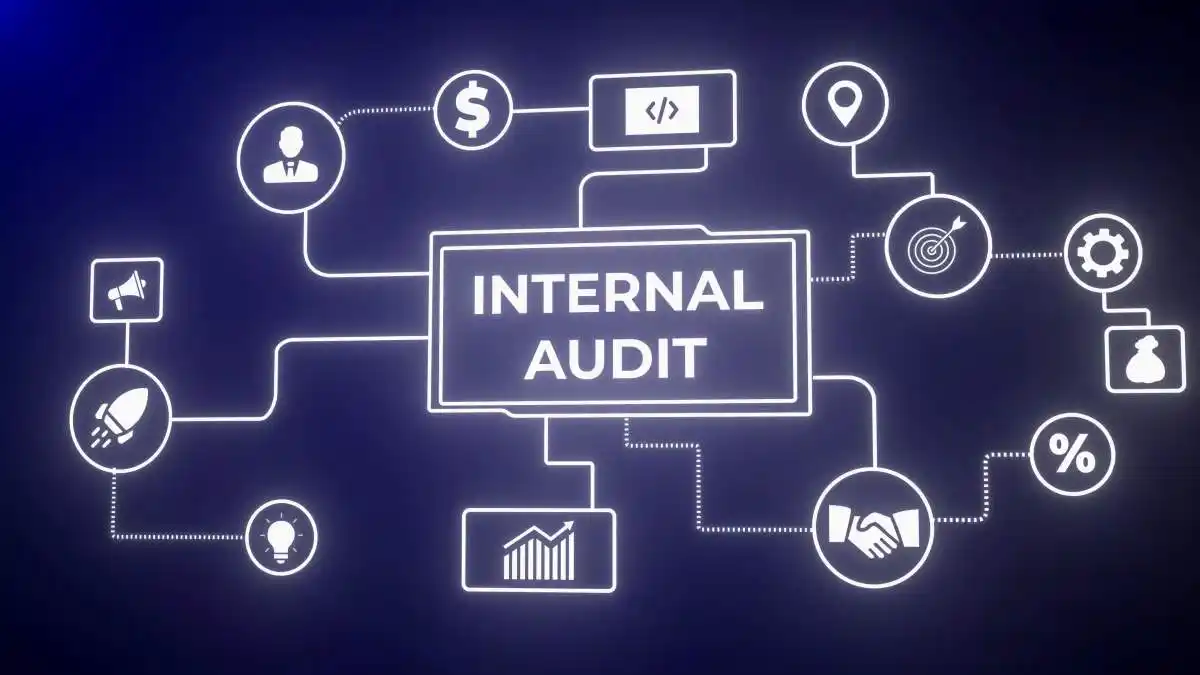
- Internal Controls Minimize Securities Litigation: Strong internal controls serve as the first line of defense against potential accounting fraud, and they form the foundation of reliable financial statements. Implementing and maintaining strong internal controls can preempt any accounting or other fraud before it leads to a securities class action lawsuit.
- Securities Litigation: Often arises when there are allegations of misrepresentation or omission of critical information by a corporation, leading to financial losses for investors. As such, implementing strong governance frameworks is paramount in preempting these legal challenges and safeguarding the interests of shareholders.
- Investor Best Practices: Individual investors can protect themselves by doing their own research and learning to recognize common warning signs.
- Effective Corporate Governance Frameworks: Help prevent such scenarios by establishing clear policies, oversight mechanisms, and accountability structures that promote transparency and integrity.
- Investor Protections: Investors who believe they have been wronged can file securities class actions under this Exhchange Act to claim compensation for their losses. The judicial system, through securities litigation, enforces compliance with disclosure requirements and penalizes those who attempt to defraud investors.
- Securities and Exchange Commission (SEC): Plays a pivotal role in enforcing these laws, investigating potential violations, and taking action against offending parties. Additionally, private litigants can also bring securities lawsuits, often in the form of class actions, to seek redress for financial losses caused by fraudulent or deceptive practices.
If you suffered substantial losses and wish to serve as lead plaintiff in a securities class action, or just general questions about your rights as a shareholder, please contact attorney Timothy L. Miles of the Law Offices of Timothy L. Miles, at no cost, by calling 855/846-6529 or via e-mail at [email protected].(24/7/365).
The Benefits of Securities Class Action Lawsuits
Cost efficiency and collective action
- Reduced litigation costs: Securities class actionS allows large groups of investors with similar, smaller claims to combine their resources into a single lawsuit. By sharing the costs for attorneys, expert witnesses, and court fees, the process becomes economically feasible for individuals who could not afford to sue alone.
- Contingency fees: Attorneys representing the class often work on a contingency fee basis. This means they are only paid if they successfully obtain a settlement or judgment, which is then taken as a percentage of the recovery. This eliminates upfront financial risk for class members.
- Judicial efficiency: Consolidating many small, similar claims into one class action saves time and resources for the court system. This streamlined process benefits all parties involved by leading to a more efficient resolution.
Investor Protection
Implications for long-term value
| Feature | Description |
|---|---|
| Reduced risk and cost | Effective corporate governance reduces financial, legal, and operational risks. For a company emerging from a lawsuit, these reforms signal to investors that future misconduct is less likely, lowering the perceived risk. This can lead to a lower cost of capital, making it less expensive to raise money in the future. |
| Better investor confidence | Transparent and ethical governance attracts investment. Investors are more willing to support a company that demonstrates sound management and a commitment to protecting shareholder interests. This can lead to higher valuations and a more stable, long-term investor base. |
| More profits | Studies show that securities litigation can reduce profitability and increase operational expenses for a company. By addressing the underlying issues through governance reform, a company can increase its operational efficiency and focus on a more sustainable, long-term business strategy, potentially leading to improved financial performance. |
| Deterrence of future securities litigation | Proactively implementing governance reforms can help prevent future legal challenges and regulatory scrutiny. By addressing the root causes of prior issues, a company reduces its exposure to future securities litigation, protecting both its financial resources and its reputation. |
Consequences of Accounting Fraud
- Consequences: The consequences of accounting fraud are far-reaching, affecting not only the investors but also the broader financial market.
- Erodes Investor Trust: When fraudulent activities are uncovered, they can lead to drastic declines in stock prices, erode investor confidence, and trigger regulatory investigations.
- Severe Penalties: Companies implicated in accounting fraud may face severe penalties, including fines, sanctions, and reputational damage, which can have long-term impacts on their operations and market standing.
- Securities Litigation: Therefore, addressing accounting fraud is a critical component of securities litigation, with legal proceedings often focusing on uncovering and rectifying these deceptive practices.
- Securities Litigation and Accounting Fraud: To combat accounting fraud, regulatory bodies have implemented stringent reporting standards and compliance requirements.
Inadequate Internal Controls Exposes a Company to Massive Liability
Poor internal controls have become a bigger trigger for securities litigation since the Sarbanes-Oxley Act of 20022 came into effect:
- Executive certification requirements: CEOs and CFOs must sign off on financial statements. They need to verify they have reviewed reports and confirm these documents tell the truth. Executives who knowingly approve incorrect financial reports face USD 1.00 million fines and possible 10-year prison terms.
- Prevalence in litigation: Internal control claims and restateement cases made up 14% of securities class action cases in 2025, leading to accounting violations which accounted for another 16% of federal securities class actions in 2025,
- Common control deficiencies: Problems often stem from poor staffing and technical expertise, weak review processes, bad account reconciliation, loose controls over quarterly provisions, and simply not having robust corporate governance controls.
Regulatory Actions Resulting from Weak Internal Controls
- Providing investor education: Regulators publish materials and host websites like investor.gov to help educate the public about investment scams and red flags.
- Enforcing securities laws: The SEC enforces federal securities laws, requiring companies to register and provide accurate financial disclosures to the public.
- Investigating and prosecuting fraud: The SEC, FINRA, and the FBI’s Internet Crime Complaint Center (IC3) investigate reports of securities fraud and take action against perpetrators.
- Maintaining databases: Regulator-maintained databases, such as FINRA’s BrokerCheck, allow investors to easily verify the registration and disciplinary history of investment professionals.
Crucial Signs of Fraud to Contantly Monitor
- Inconsistencies in Revenue Recognition: Unexplained revenue spikes without corresponding cash flow increases or customer base expansion often signal premature or fictitious revenue recognition. Financial analysts and shareholders must carefully examine revenue timing, particularly during quarter-end or year-end periods.
- Strong internal controls: Over revenue recognition processes help prevent manipulation and ensure compliance with accounting standards. Companies should implement automated controls to flag unusual revenue patterns and require multiple levels of review for significant transactions.
- Unusual Financial Ratios: Dramatic changes in key financial metrics, including current ratio, debt-to-equity ratio, or gross margin percentages, may indicate deliberate manipulation of financial statements. When these ratios deviate significantly from industry benchmarks or historical patterns, it often suggests overvalued inventory, inflated receivables, or understated liabilities. Robust internal controls should include regular ratio analysis and investigation of significant variances.
- Complex Financial Instruments: The utilization of sophisticated financial products, including derivatives, special purpose vehicles, or off-balance-sheet arrangements, can mask a company’s true financial condition. Comprehensive disclosure and transparent reporting become crucial for stakeholder understanding. Companies must establish rigorous internal controls specifically designed to monitor and validate these complex transactions.
- Red Flags in Financial Statements: Common warning signs include aggressive asset valuations, undisclosed related party transactions, and frequent changes in accounting methodologies. Forensic audits play a vital role in uncovering these issues through detailed examination of financial relationships and comparative analysis against historical trends and industry standards. Effective internal controls should incorporate automated monitoring systems to detect these red flags early.
Identifying the Red Flags of Fraud
Association of Certified Fraud Examiner: In the Association of Certified Fraud Examiner’s (ACFE) Occupational Fraud 2024: A Report to the Nations, data illustrated that individuals committing occupational fraud schemes often exhibit specific red flags before their actions are discovered.
Common Red Flags of Fraud: These six behavioral red flags have been the most common in every one of ACFE’s studies dating back to 2008, with an extraordinarily consistent distribution:
- Living beyond one’s means: Perpetrators often display signs of affluence that are inconsistent with their known income.
- Financial difficulties: Personal financial problems can drive individuals to commit fraud.
- Unusually close association with a vendor or customer: This can indicate a conflict of interest or collusion.
- Excessive control issues or unwillingness to share duties: A lack of transparency and reluctance to delegate can be red flags for fraudulent activity.
- Irritability, suspiciousness or defensiveness: Behavioral changes such as increased aggression or defensiveness can be a sign of underlying fraudulent behavior.
- A general “wheeler-dealer” attitude involving shrewd or unscrupulous behavior: Individuals who exhibit a consistently cunning or unethical approach to business dealings may be more likely to engage in fraud.
Vital Warning Patterns that Indicate Manipulation
- Revenue-Expense Disconnections: Manifest through systematic patterns that careful analysis can detect before they escalate into major fraud cases:
-
- Timing Discrepancies: Revenue rises while cash flow remains stagnant or decreases, typically indicating fabricated sales or inappropriate revenue recognition practices. Companies may recognize expenses in different periods than their related revenues, creating artificial profit improvements that violate basic accounting standards.
-
- Unexplained Financial Fluctuations: Sudden changes in revenues or expenses occurring without corresponding operational activities often signal deliberate manipulation. These patterns become particularly suspicious when certain expense categories decrease unusually despite revenue growth.
-
- External Verification Contradictions: Companies whose quarterly change in Google Trends search volume ranks in the bottom quartile while reported revenue growth ranks in the top quartile demonstrate 165% higher odds of subsequently restating their initial reported revenue. This external metric provides crucial verification because it remains outside management control.
-
- Suspicious Documentation Patterns: Round expense figures ($100.00, $250.00) appearing frequently across financial reports may indicate estimation or fabrication rather than actual documented costs. Excessive use of “miscellaneous” expense categories often conceals inappropriate purchases requiring investigation.
Consistent Changes in Accounting Methods: Manipulation Through Policy Shifts
- Consistent Application: Consistent application of accounting principles forms the cornerstone of reliable financial reporting and market transparency. Frequent changes in accounting methods represent a sophisticated form of financial statement fraud that enables management to manipulate reported results while maintaining an appearance of regulatory compliance.
- Pattern Recognition: Financial analysts and auditors identify frequent accounting policy alterations as critical indicators demanding immediate investigation and enhanced scrutiny.
Why These Mismatches Create Substantial Legal Exposure
- Fundamental Accounting Violations: Expense and revenue mismatches directly contravene the matching principle, which mandates that expenses be recognized during the same period as their related revenues. This violation transforms financial statements from reliable business indicators into misleading documents that can trigger securities litigation.
- Earnings Management Opportunities: These mismatches provide management with powerful tools for manipulating reported performance. Decision-makers can deliberately shift expenses between reporting periods to smooth earnings, meet analyst expectations, or trigger executive compensation bonuses—all practices that distort actual operational efficiency.
- Systemic Governance Failures: Research demonstrates that firms engaging in expense manipulation typically exhibit broader control weaknesses, including disproportionate accounts receivable growth and insufficient bad debt allowances. These companies frequently employ “common channels for upward earnings management” across multiple financial statement areas, creating comprehensive deception schemes.
- Subjective Judgment Vulnerabilities: Expense recognition offers particularly attractive manipulation opportunities because many expense-related items depend on management estimates for warranty provisions, doubtful accounts, and depreciation schedules. These subjective areas provide extensive room for inappropriate adjustments while appearing legitimate to casual observers.
Exposing the Company to Substantial Legal Exposure Including Securities Litigation
- Fundamental Accounting Violations: Expense and revenue mismatches directly contravene the matching principle, which mandates that expenses be recognized during the same period as their related revenues. This violation transforms financial statements from reliable business indicators into misleading documents that can trigger securities litigation.
- Earnings Management Opportunities: These mismatches provide management with powerful tools for manipulating reported performance. Decision-makers can deliberately shift expenses between reporting periods to smooth earnings, meet analyst expectations, or trigger executive compensation bonuses—all practices that distort actual operational efficiency.
- Systemic Governance Failures: Research demonstrates that firms engaging in expense manipulation typically exhibit broader control weaknesses, including disproportionate accounts receivable growth and insufficient bad debt allowances. These companies frequently employ “common channels for upward earnings management” across multiple financial statement areas, creating comprehensive deception schemes.
- Subjective Judgment Vulnerabilities: Expense recognition offers particularly attractive manipulation opportunities because many expense-related items depend on management estimates for warranty provisions, doubtful accounts, and depreciation schedules. These subjective areas provide extensive room for inappropriate adjustments while appearing legitimate to casual observers.
VARIOUS FRAUD SCHEMES BY TYPE
| Scheme Type | Description | Example |
| Fictitious Revenue | Recording non-existent sales through false documentation and phantom customers | Creating counterfeit sales contracts or engaging in fraudulent bill-and-hold arrangements that lack economic substance |
| Premature Revenue Recognition | Recognizing revenue before satisfying essential accounting criteria | Accelerating revenue recognition before completing contracted service obligations or product delivery requirements |
| Channel Stuffing | Forcing excessive inventory into distribution channels to artificially inflate sales | Providing unusual incentives to distributors to accept unnecessary inventory levels that exceed reasonable demand |
| Asset Overstatement | Deliberately inflating reported asset values through accounting manipulation | Recording phantom inventory or applying inadequate depreciation to overstate asset carrying values |
| Liability Concealment | Hiding financial obligations through improper accounting treatments | Deliberately understating debt levels or warranty obligations through accounting manipulation |
| Material Omissions | Withholding critical information required for informed investment decisions | Failing to disclose significant related party transactions or contingent liabilities |
| Journal Entry Manipulation | Falsifying accounting records through improper manual adjustments | Making unsupported last-minute entries near reporting deadlines to manipulate results |
The Long-Term Financial Consequences from Reputational Damages from Securities Law Violations
Violating securities laws does not just bring regulatory fines and settlements—it sets off a domino effect of long-term financial repercussions that can stunt a company’s growth for years after the legal dust settles.
1. Higher Cost of Capital
- Investor and Lender Distrust: After a securities fraud scandal, both investors and lenders see the company as riskier.
- Cost of Equity: Share prices drop, reflecting doubts about leadership and future cash flows—resulting in a higher cost of equity capital.
-
- Cost of Debt: Credit ratings may take a hit, loan terms become stricter, and borrowing becomes more expensive or limited.
- Reduced Capital Investment: Legal risks force companies to divert resources from innovation and expansion to legal defenses—shrinking R&D budgets and halting growth initiatives.
2. Impaired Stock Performance
- Immediate & Lasting Price Drops: The initial stock plunge following misconduct revelations is often followed by prolonged underperformance—even if lawsuits are dismissed or settled.
- Investor Skepticism: Market participants may permanently downgrade their view of the company’s value due to shaken confidence in management.
- Liquidity Issues & Volatility: Investor panic can lead to widespread sell-offs, reducing liquidity and increasing price swings.
- Increased Short Interest: Scandal attracts short sellers betting on further declines, compounding negative pressure on the stock.
3. Reduced Operational Cash Flow
- Revenue Decline: Bad press drives customers away; studies show up to 90% of consumers avoid firms with poor reputations.
- Higher Customer Acquisition Costs: Companies must spend more on marketing to win back trust or attract new customers.
- Lost Partnerships: Suppliers and business partners may sever ties, hurting operational efficiency and future revenue streams.
4. Talent Acquisition & Retention Challenges
- Employee Morale Tanks: Scandals can demoralize staff, leading to increased turnover as employees distance themselves from controversy.
- Recruitment Struggles: Top talent is less likely to join a tarnished brand, driving up hiring costs and weakening competitiveness.
- Leadership Instability: High-profile departures among executives during or after litigation create uncertainty and can further erode investor confidence.

Key Ingredients for a Rock-Solid Internal Control System
- Control Activities: These are your front-line defenders—policies, procedures, and routines designed to prevent and detect errors or fraud. Think approvals, reconciliations, audits, and double-checks that keep everything in line.
- Risk Assessment: Regularly scanning the horizon for potential threats or losses is a must. By identifying where things could go sideways, companies can dial up controls where needed and stay ahead of trouble.
- Separation of Duties: Don not put all your eggs—or responsibilities—in one basket. By dividing tasks like authorization, record-keeping, and asset custody among different people, you slash the chances of mistakes or mischief.
- Physical Controls: Lock it down! Secure storage, restricted access, surveillance cameras—these measures keep cash, inventory, and equipment safe from theft or tampering.
- Information & Communication: Clear communication is the glue that holds internal controls together. Everyone needs to know their roles and responsibilities—and why they matter—to ensure smooth operations and shared commitment.
- Monitoring: Internal controls are not “set it and forget it.” Ongoing reviews—whether through system checks, employee training, or process tweaks—ensure controls stay sharp and effective as the business evolves.
- Compliance with Laws & Regulations: Staying current with legal requirements is not optional. Companies must vigilantly track regulatory changes and adapt processes to ensure every financial activity meets the latest standards.
- Control Environment: It all starts at the top. Leadership sets the tone by championing integrity and ethical behavior. When management leads by example—and supports strong systems—the whole organization follows suit.
The Importance of Internal Controls
- Upholding Integrity and Accurate Reporting: Internal controls are essential frameworks of policies, procedures, and mechanisms designed to uphold the integrity and accuracy of a company’s financial and accounting information.
- Accountability and Transparancy: They play a pivotal role in promoting accountability throughout the organization and serve as a critical safeguard against fraud, misappropriation of assets, and financial misstatements.
- Compliance with Regulations and Laws: Effective internal controls not only ensure compliance with applicable laws and regulations but also enhance operational efficiency by supporting accurate and timely financial reporting.
- Sarbanes-Oxley Act of 2002: In response to high-profile corporate frauds, the Sarbanes-Oxley Act of 2002 was enacted to strengthen internal control requirements, thereby increasing the reliability of corporate disclosures and protecting investor interests.
The Significance of Internal Controls for Businesses
- Internal controls are fundamental to effective corporate governance, providing a structured approach to evaluating and improving a company’s accounting processes and compliance with laws and regulations.
- Through internal audits, organizations can proactively identify and address weaknesses, ensuring the accuracy and timeliness of financial reporting while mitigating risks before external audits occur.
- Robust internal control systems not only prevent fraud and misappropriation of assets but also enhance operational efficiency by streamlining processes and promoting accountability at all levels.
- The Sarbanes-Oxley Act underscores the importance of internal controls by holding management legally responsible for the integrity of financial disclosures.
- While implementing comprehensive internal controls may require significant investment, their long-term benefits—such as improved efficiency, reduced risk, and strengthened financial integrity—make them an indispensable part of sound business management.
Consequences of Accounting Fraud
- Consequences: The consequences of accounting fraud are far-reaching, affecting not only the investors but also the broader financial market.
- Erodes Investor Trust: When fraudulent activities are uncovered, they can lead to drastic declines in stock prices, erode investor confidence, and trigger regulatory investigations.
- Severe Penalties: Companies implicated in accounting fraud may face severe penalties, including fines, sanctions, and reputational damage, which can have long-term impacts on their operations and market standing.
- Securities Litigation: Therefore, addressing accounting fraud is a critical component of securities litigation, with legal proceedings often focusing on uncovering and rectifying these deceptive practices.
- Securities Litigation and Accounting Fraud: To combat accounting fraud, regulatory bodies have implemented stringent reporting standards and compliance requirements.
Conclusion
- In conclusion, building a fraud-resistant organization requires a holistic approach that combines strong internal controls, effective corporate governance, and the latest tools and technologies
- By understanding the nuances of securities fraud and implementing best practices for prevention, you can protect your organization from the financial and reputational damage associated with fraudulent activities.
- As you work towards strengthening your internal controls, remember the importance of fostering a culture of transparency and accountability within your organization.
- Encourage open communication and empower employees to report suspicious activities without fear of retaliation. By promoting ethical behavior and integrity, you can create an environment where fraud is less likely to occur.
- Finally, staying informed about the latest trends in securities litigation and fraud prevention is crucial. By keeping up-to-date with regulatory changes and emerging technologies, you can ensure that your organization remains resilient in the face of evolving threats.
- Take proactive steps today to enhance your internal controls and protect your organization from securities fraud. By doing so, you can build a stronger, more resilient organization that inspires confidence and trust among stakeholders.
