
Introduction
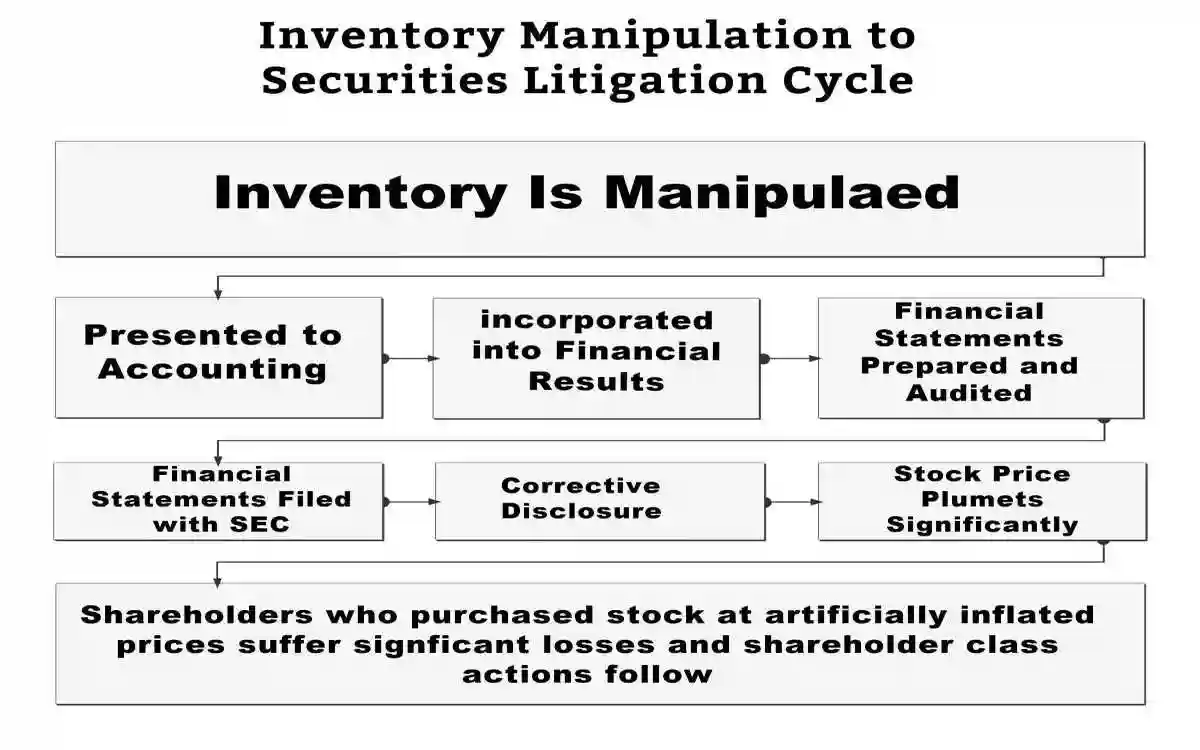
- Manipulating inventory leads to securities litigation: Manipulated inventory, when incorporated into the company’s financial statements, makes the company look more financially healthier thus causing rise in the company’s stock price.
- False and Misleading Financial Statements: Because the company’s financial statements include maniplated data, they are materially false and misleading yet unsuspecting shareholders purchase the stock at this artificially inflated prices.
- Various Schemes: Companies engaging in manipulating inventory typically employ various schemes, including phantom inventory creation, where non-existent goods are recorded as assets, or the deliberate overvaluation of existing stock through inflated cost calculations or obsolete inventory that should have been written down.
- Difficult to Detect: The sophistication of these schemes often makes them difficult to detect initially, as perpetrators may create elaborate documentation trails and coordinate across multiple departments to maintain the illusion of legitimacy.
- Corrective Disclosure: When the truth is finally revealed through a corrective disclosure, the artifical inflation of the stock implodes along with the stock’s price causing shareholdes to suffer massive damages who then hit back with a securities class acto lawsuit to recoup their losses.
- Securities Litigation: When the scheme falls apart and the truth emerges, the stock plummets and investors suffer massive losses and investors file Securities litigation over accounting fraud.
This article explains how inventory manipulation typically occurs, why it triggers securities fraud claims, what plaintiffs must prove, how companies get caught, and how boards and executives can reduce exposure through proactive governance and controls.

Motivations Behind Manipulating Inventory
- Motivation: The motivations behind inventory manipulation are deeply rooted in corporate governance failures and the intense pressure to meet Wall Street expectations, analyst forecasts, and debt covenant requirements.
- Fraudulent Practices: When companies face declining sales, increased competition, or economic downturns, management may resort to these fraudulent practices to avoid reporting losses that could trigger securities litigation or damage their market reputation.
- Pressure to Beat the Street: Manipulating investory typically occurs during critical reporting periods, such as quarter-end or year-end closings, when companies scramble to meet previously announced guidance or maintain their stock prices.
- Accounting Fraud: This fraudulent activity directly violates fundamental accounting principles and securities regulations, creating substantial liability for securities class actions filed by investors who suffered financial losses due to the misleading financial statements alleging accounting fraud.
Defecting and Manipulating Inventory
|
Detection and Prevention |
Manipulating inventory requires robust internal controls and comprehensive risk assessments that specifically address inventory-related fraud risks |
| Effective Prevention Strategies |
Include implementing segregation of duties in manipulating inventory, conducting surprise physical inventory counts, utilizing advanced data analytics to identify unusual patterns or transactions, and maintaining detailed documentation of all inventory movements and valuations. |
|
Regular audits |
By independent external auditors, combined with strong internal audit functions, serve as critical safeguards against these fraudulent schemes, though auditors must remain vigilant given the increasingly sophisticated nature of modern inventory manipulation techniques. |
|
Corporate governance |
Plays a pivotal role in preventing inventory manipulation, as strong oversight by independent board members and audit committees can identify red flags before they escalate into full-blown fraud schemes. |
|
Implement Clear Policies: |
Companies must establish clear policies regarding inventory valuation, implement whistleblower programs that encourage employees to report suspicious activities, and maintain a culture of transparency and ethical behavior throughout the organization. |
| Regulatory compliance |
Programs implemented should specifically address inventory-related risks and ensure that all personnel understand the severe legal and financial consequences of engaging in fraudulent activities through accounting fraud. |
The Consequencess of Inventory Manipulation
- Consequences: The consequences of manipulating inventory extend far beyond simple accounting errors, often resulting in catastrophic financial restatements, regulatory investigations, and extensive securities class action litigation that can span years and cost companies hundreds of millions in settlements and legal fees defending itself against accounting fraud allegations.
- Corrective Disclosure: When these schemes inevitably unravel, the corrective disclosures typically trigger significant stock price declines, leading to substantial investor losses and creating the foundation for securities class action lawsuits alleging violations of federal securities laws.
- Regulatory enforcement: Regulatory agencies, including the Securities and Exchange Commission (SEC), aggressively pursue these cases, often imposing substantial civil penalties and requiring comprehensive remediation measures that can fundamentally reshape a company’s operations and governance structure.
Red Flags of Manipulating Inventory
- Warning Signs: For investors and stakeholders, understanding the warning signs of potential inventory manipulation is essential for making informed investment decisions and protecting their financial interests.
- Key Indicators: Include unusual fluctuations in inventory levels relative to sales, declining inventory turnover ratios, significant differences between reported inventory and industry norms, and management’s reluctance to provide detailed explanations of inventory accounting policies.
- Red Flags: When these red flags appear, investors should exercise heightened scrutiny and consider the potential for securities class action participation if material misstatements are subsequently revealed.
- Technology: The landscape of inventory manipulation continues to evolve as companies adopt new technologies and accounting methodologies, requiring constant vigilance from regulators, auditors, and investors alike.
- Regulatory Enforcement: Continues to become increasingly sophisticated and penalties more severe, companies must recognize that the short-term benefits of inventory manipulation are vastly outweighed by the catastrophic long-term consequences, including ccriminal liability for executives, massive financial settlements, and permanent damage to corporate reputation and stakeholder trust.
Manipulating Inventory in Accounting: A Critical Threat to Market Integrity
- Manipulating Inventory: Represents one of the most insidious pathways to securities fraud, creating a dangerous web of deception that can devastate investor confidence and trigger costly securities class action lawsuits.
- Artificially Inflate Inventory: When companies artificially inflate their inventory values through fraudulent accounting practices, they fundamentally distort their financial statements, misleading investors about their true operational performance and financial health and commit accounting fraud.
- Overstating Inventory: This manipulation typically involves overstating inventory quantities, inflating unit costs, or failing to properly account for obsolete or damaged goods, all of which directly impact critical financial metrics such as cost of goods sold, gross margins, and net income.
- Consequences: The ripple effects extend far beyond mere accounting fraud—they create a false narrative of corporate success that can artificially inflate stock prices and attract unwarranted investor confidence.
Manipulating Inventory and Securties Litigation: The Connection
- Disclosure Violations: The connection between inventory manipulation and securities litigation becomes particularly evident when examining how these practices violate fundamental disclosure requirements under federal securities laws.
- Lack of Internal Controls: Companies engaging in such manipulation often fail to maintain adequate internal controls and regulatory compliance frameworks, making them vulnerable to regulatory enforcement actions and private litigation.
- Corrective Disclosure and Litigation: When the truth eventually emerges—often through whistleblower reports, audit discoveries, or regulatory enforcement investigations—the resulting corrective disclosures can trigger dramatic stock price declines, leading to substantial investor losses and the inevitable wave of securities class actions alleging accounting fraud.
The Legal Ramifications of Inventory Manipulation
- Consequences: The legal ramifications of inventory manipulation extend well beyond immediate financial penalties, creating long-term reputational damage that can persist for years after resolution.
- Litigation: Securities class action plaintiffs typically allege that inventory manipulation constitutes material misrepresentation under Rule 10b-5, arguing that investors relied on false financial statements when making investment decisions.
- Substantial Setttlements: These cases often result in substantial settlements, with companies facing not only direct financial losses but also increased insurance premiums, regulatory scrutiny, and diminished access to capital markets.
- Substantial Setttlements: The corporate governance implications are equally severe, as boards of directors may face personal liability for failing to implement adequate oversight mechanisms.
Regulatory Scrutiny
- Evolving Regulatory Landscape: The evolving regulatory landscape demands that companies remain vigilant about emerging risks and continuously update their prevention strategies.
- Regulatory compliance: Requirements are becoming increasingly stringent, with enforcement agencies employing sophisticated analytical tools to detect potential manipulation patterns across entire industries.
- Evolving Regulatory Landscape Companies that fail to adapt to these changing requirements face not only immediate legal consequences but also long-term competitive disadvantages as investors increasingly prioritize transparency and accountability when making investment decisions.
Common Methods of Inventory Manipulation
- Forms on Inventor Manipulation: Inventory manipulation can manifest in various forms, each designed to achieve the same end: presenting a more favorable financial position than what truly exists.
- Overstating Inventory Quantities: One common method is the overstatement of inventory quantities. Companies may report higher inventory levels than they physically possess, thereby inflating asset values on their balance sheets.
- Exaggered Profits: This artificial boost in inventory can lead to a decrease in the cost of goods sold, resulting in exaggerated gross profits.
- Manipulating Inventory Valuations: Another prevalent method of inventory manipulation is the manipulation of inventory valuation.
- Accounting Fraud: Companies may employ inappropriate accounting methods to value their inventory, such as using outdated cost figures or failing to account for inventory obsolescence.

Misrepresentation of Company’s True Financial Health
- Misrepresentation: By inflating the value of inventory, firms can misrepresent their financial health, enticing investors to make decisions based on faulty data.
- Obsolete Inventory: This practice is particularly concerning in industries with rapidly changing product lifecycles, where inventory obsolescence is a significant risk.
- False Fincial Statements: Additionally, companies may engage in the timing of inventory transactions to manipulate financial results.
- Pressure to Meet Short Term: By delaying the recording of inventory oburchases or accelerating sales, firms can alter their financial statements to meet short-term targets. This manipulation not only distorts reported earnings but also undermines the integrity of financial reporting.
- False Fincancial Reporting: As stakeholders become more aware of these tactics, the challenge lies in developing robust detection and prevention strategies to combat such fraudulent activities
Securities Litigation Involving Inventory Accounding Fraud
- Real Inventory Manipulation Cases: To truly grasp the impact of inventory manipulation, it is essential to examine real-world examples where such practices have led to significant securities litigation.
- Inflating Investory Levels: One of the most notable cases is that of a well-known retail giant that faced accusations of inflating its inventory levels to enhance its financial appearance.
- Intentional Mistatements: The subsequent investigation revealed a pattern of deliberate misstatements, resulting in a substantial legal battle and a multi-million dollar settlement.
Manipulating Inventor Valuations to Hide Declining Sales and Profits
- Manipulating Invetory Valuations: In another high-profile case, a technology firm was found to have manipulated its inventory valuations to mask declining sales and profitability.
- Corrective Disclosure and Lawsuits: The discrepancies were uncovered during an external audit, leading to a sharp decline in the company’s stock price and a wave of shareholder lawsuits.
- Auditors Did Not Catch: This case underscored the critical role of auditors in identifying and addressing inventory manipulation, as well as the severe legal consequences that can ensue.
- Pervasive Nature of Investor Manipulaton: These case studies highlight the pervasive nature of manipulating inventory and its potential to trigger significant legal and financial repercussions.
- Non-Transparency: They serve as cautionary tales for companies tempted to engage in such practices, emphasizing the importance of transparency and ethical conduct in financial reporting.
- Corporate Governance Frameworks: As we continue to explore the broader implications of inventory manipulation, it becomes clear that the lessons learned from these cases are invaluable in shaping future regulatory and corporate governance and internal controls frameworks.
The Financial Impact of Inventory Manipulation
- Financial Inpact: The financial impact of inventory manipulation extends far beyond the immediate accounting adjustments. When the retail giant’s scheme unraveled, shareholders lost approximately $2.8 billion in market capitalization within the first week following the disclosure
- Stock Crashes: The company’s stock price plummeted from $47 per share to $18 per share, representing a devastating 62% decline that wiped out retirement savings and institutional investments alike.
- Huge Fraud: The technology firm’s case proved equally catastrophic from a financial perspective. The company’s name – TechFlow Industries – became synonymous with corporate deception when investigators discovered the firm had overstated inventory values by $450 million over three years.
- Mass Class Action: The revelation triggered a cascade of securities class action lawsuits, with investors seekingdamages totaling over $1.2 billion.
- Key Financial Consequences Include:
-
- Immediate stock price volatility and long-term value destruction
-
- Massive legal settlements ranging from $50 million to $500 million
-
- Regulatory fines imposed by the SEC, often exceeding $25 million
-
- Credit rating downgrades affecting borrowing capacity and interest rates
New requirements for disaggregated expenses
- FASB’s Accounting Standards Update (ASU) 2024-03, issued in November 2024, adds new expense disaggregation disclosures for public companies.
-
- Inventory purchases: Public companies must disclose the amount of inventory purchases included in each relevant expense caption in the income statement, for both annual and interim periods.
-
- Effective date: The new rules are effective for annual reporting periods beginning after December 15, 2026.
Existing requirements for inventory valuation and accounting policies in securities litigation
- Valuation methodologies: Companies must disclose the cost flow assumptions used, such as First-In, First-Out (FIFO) or Weighted-Average.
- LIFO disclosures: If a company uses Last-In, First-Out (LIFO), it must disclose the difference between the LIFO inventory amount and the FIFO amount.
- Accounting policy changes: Any changes in accounting policies, such as a change in the cost flow assumption, require disclosure.
Auditing standards for physical counts and controls
- Third-party warehouses: The PCAOB is evaluating whether additional guidance is needed for auditors who rely on third-party custodians or external firms for inventory counts.
- Technology integration: The potential for using drones, radio frequency identification (RFID), and real-time tracking systems to conduct physical inventory counts is also being reviewed.
- Internal controls: Under the Sarbanes-Oxley Act (SOX), management is already required to publicly report on the adequacy of its internal controls over financial reporting, which includes controls over inventory.
Requirements for inventory write-downs
- Write-down policy: If the net realizable value falls below cost, the inventory must be written down. Public companies must disclose their policy for making these write-downs for obsolete, damaged, or slow-moving inventory.
- Reversal of write-downs: If the net realizable value later increases, previous write-downs can be reversed, but only up to the original cost.
General requirements for third-party arrangements
- Related-party transactions: Consignment inventory arrangements must be disclosed if they involve related parties.
- Financial statement impact: Companies must disclose the effects of inventory stored in third-party locations and how they ensure its proper reporting, especially when auditors rely on third-party assurances.
Corporate Governance and Internal Controls: Building Fortress-Like Defenses
- Effective corporate governance serves as the first line of defense against inventory manipulation. Companies that have successfully avoided inventory-related securities litigation share common characteristics in their governance structures and internal controls.
Detecting Inventory Manipulation: The Role of Auditors in
- Pivotal Role: Auditors play a pivotal role in the detection and prevention of inventory manipulation.
- Accuracy of Financisl Statements: As external evaluators of a company’s financial statements, auditors are tasked with ensuring the accuracy and integrity of reported figures.
- Crucial in Identifying Discrepancies: Their objective and independent assessments are crucial in identifying discrepancies that may indicate potential manipulation.
- Rigorous Testing: Through rigorous testing and analysis, auditors can uncover irregularities that might otherwise go unnoticed.
- Myrid of Procedures for Inventory: The detection of inventory manipulation requires auditors to employ a combination of analytical procedures and substantive testing.
- Trends and Ratios: By analyzing trends and ratios, auditors can identify anomalies in inventory levels and valuations.
- Further Testing: Substantive testing, such as physical inventory counts and verification of inventory valuation methods, further strengthens the audit process.
- Cross-Check Reported Numbers: These techniques enable auditors to cross-check reported figures against actual data, reducing the risk of manipulation.
- Due Dilligence: However, the effectiveness of auditors in detecting inventory manipulation is contingent upon their diligence and skepticism.
- Critical Line of Defense: While the responsibility for accurate reporting ultimately lies with the company, auditors serve as a critical line of defense in safeguarding against fraudulent practices.
- Indispensible Role: Their role is indispensable in promoting transparency and accountability within the financial reporting process.

Key Provisions of Sarbanes-Oxley
The Sarbanes-Oxley Act of 2002 addresses many of the governance weaknesses that contributed to corporate scandals through several key provisions:
Section 302: Requires CEOs and CFOs to personally certify the accuracy of financial statements and the effectiveness of internal controls
Section 404: Mandates management assessment and auditor attestation of internal control effectiveness
Section 906: Establishes criminal penalties for executives who knowingly certify false financial statements Whistleblower protections: Provides safeguards for employees who report potential violations
These requirements create a framework that makes it more difficult for governance failures to go undetected and increases accountability for senior executives.
Implementation Challenges and Benefits
- While the Sarbanes-Oxley has significantly improved corporate governance practices, implementation has not been without challenges. Companies have invested substantial resources in compliance efforts, including:
-
- Enhanced documentation: Detailed policies and procedures must be documented and regularly updated
- Testing and monitoring:: Internal controls must be regularly tested to ensure they are operating effectively
-
- Third-party assessments: External auditors must evaluate and report on the effectiveness of internal controls
-
- Management oversight: Senior executives must take active roles in overseeing compliance efforts
- Despite these costs, the benefits of Sarbanes-Oxley compliance are substantial.
- Companies with strong internal controls are better positioned to prevent fraud, ensure accurate financial reporting, and maintain investor confidence.
The Cascade Effect
- When one aspect of corporate governance fails, it often triggers a cascade of additional problems.
- For example, weak board oversight may lead to inadequate internal controls, which in turn increases the risk of accounting fraud.
- Once fraud occurs, the company becomes vulnerable to securities litigation and regulatory sanctions, further weakening its governance structure.
- This cascade effect explains why governance failures can be so devastating.
- What begins as a relatively minor control deficiency can quickly escalate into crisis that threatens the organization’s survival.
SARBANEX-OXLEY AUDITOR CHECKLIST
| Breaches | Systems should be able to detect unusual activity, respond quickly, and defend against threats like ransomware and phishing attacks. Software and systems should be updated with security patches. DLP systems should be in place to prevent sensitive financial data from being leaked, shared, or stolen. |
| Checklist | Systems should be able to detect unusual activity, respond quickly, and defend against threats like ransomware and phishing attacks. Software and systems should be updated with security patches. DLP systems should be in place to prevent sensitive financial data from being leaked, shared, or stolen. |
| Storage | Sensitive data must be stored securely. It should be encrypted and organized so it can be indexed, searchable, and easily retrieved. This applies to on-premise as well as cloud environments. SOX compliance also requires companies to retain data for specific periods, so data retention should not be taken easy. |
| Access | Each user should have unique credentials, with session tracking and role-based permissions to prevent unauthorized activity. Companies should regularly review the list of users who have access to critical systems, and readily remove access for employees who leave or change roles. |
| Logs | Split up responsibilities so that no one person manages a process from start to finish. Strengthen it with system checks and employee training. |
| Segregation of Duties | Split up responsibilities so that no one person manages a process from start to finish. Strengthen it with system checks and employee training. |
| Audit Trail | Keep records of every transaction or system change with timestamps. |
| Backup Systems | Backup procedures should be documented, and data restore procedures should be tested as per compliance standards. |
| Third-Party Vendors | Verify that service providers, such as cloud platforms, follow proper security and compliance practices, since their inadequacies can negatively impact your controls. |
Preventive Inventory Manipulation: Implementing Robust Corporate Governance
- Preventing manipuling inventory requires a multi-faceted approach that involves robust internal controls, corporate governance, and a culture of ethical conduct. Companies must establish comprehensive internal control systems that include checks and balances to ensure accurate inventory reporting or become a defendant in a securities class action.
- These controls should encompass inventory management, valuation, and reporting processes, minimizing the opportunity for manipulation. Corporate governance and internal controls plays a crucial role in preventing inventory manipulation.
- Boards of directors and audit committees must actively oversee financial reporting processes, holding management accountable for the accuracy of inventory data. By fostering a culture of transparency and accountability, companies can reduce the manipulating investory.Regular training and ethical guidelines can further reinforce the importance of accurate reporting and deter unethical behavior.
- Additionally, whistleblower programs can serve as an effective tool in preventing inventory manipulation.
- By providing employees with a safe and confidential means to report suspected misconduct, companies can identify and address potential issues before they escalate.
- Whistleblower protections encourage employees to come forward without fear of retaliation, promoting a culture of integrity and transparency. As these preventive measures become more widespread, the incidence of inventory manipulation is likely to decline, fostering greater trust in financial reporting.

Key Mechanisms Within Corporate Governance
- Board of Directors: An independent and diverse board provides objective oversight of management, reducing conflicts of interest and ensuring that the company’s strategy serves all shareholders.
- Shareholder Rights: These include voting power (such as “one share, one vote” rules), the right to elect and remove directors, and the ability to submit shareholder proposals. Strong shareholder rights prevent management entrenchment and ensure accountability.
- Transparent Financial Reporting: This practice involves timely and accurate disclosure of financial results, executive compensation, and other material information. This allows investors to properly assess the company’s health and performance.
- Internal Audits and Controls: These processes ensure compliance, detect and deter fraud, and provide another layer of monitoring over the company’s operations and financial reporting.
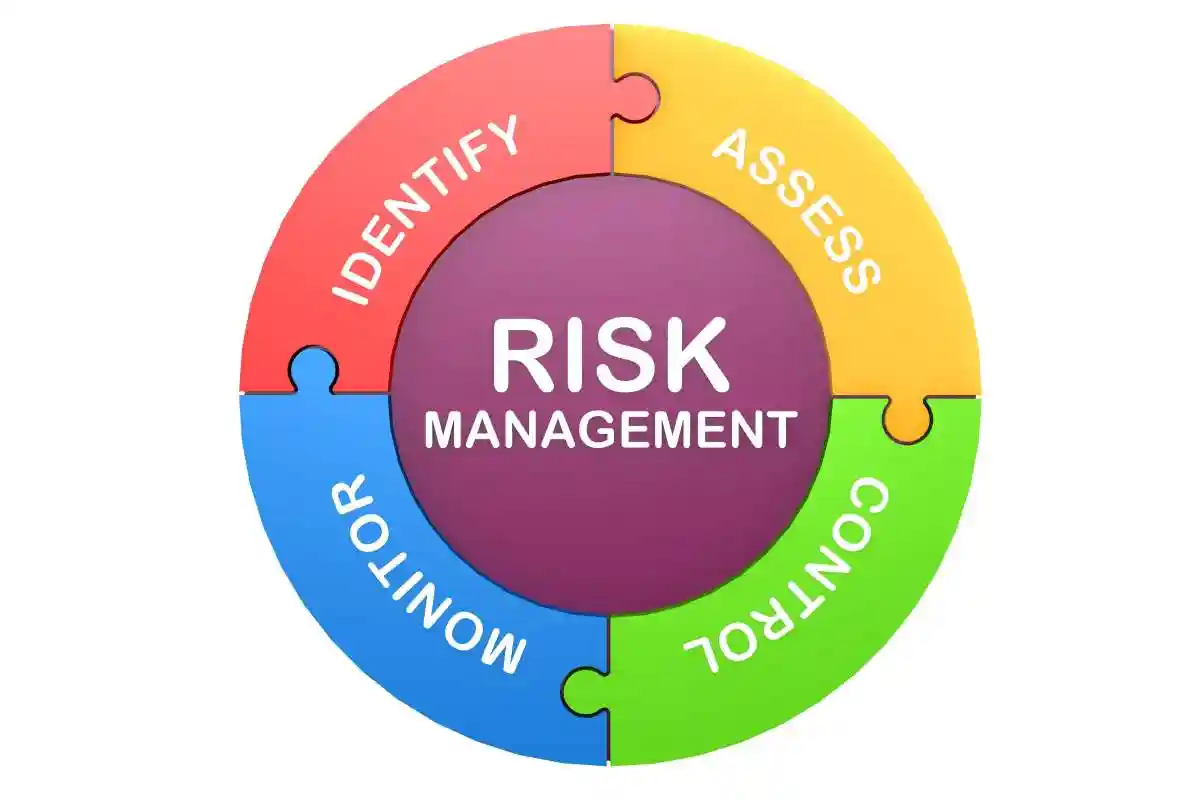
- Risk Management Frameworks: Good governance involves identifying, assessing, and mitigating operational and financial risks, thereby protecting shareholder value.
Key Principles of Robust Corporate Governance
- Accountability: Leaders must be answerable for their decisions and actions to both the board and shareholders. This involves having clear metrics to assess performance against company goals..
- Transparency: A company must provide timely, accurate, and transparent disclosure of its financial performance, operations, and risks to stakeholders. This builds trust and gives investors a clear idea of the company’s direction.
- Fairness: All shareholders, including minority shareholders, must be treated equitably, and the board should operate without conflicts of interest. This also extends to the fair treatment of all stakeholders, such as employees and customers.
- Responsibility: The board and management have a fiduciary duty to act in the best interests of the company and its stakeholders. This includes respecting legal and ethical standards for sustainable growth.
- Risk management: A robust corporate governance framework includes processes for identifying, assessing, and mitigating internal and external risks, ensuring resilience against financial losses, legal issues, and reputational damage.
- Independence: The board of directors, particularly non-executive members, should be free from undue influence by management and major shareholders. This ensures impartial and objective decision-making.
Effectivness of Investor Protection
- Strong investor protection: Is the backbone of healthy financial markets. It gives everyday buyers the confidence to put their money into businesses. In the United States, watchdog agencies like the U.S. Securities and Exchange Commission (SEC) use laws to stop company insiders from stealing or misusing shareholder funds.
-
Less Risk Means More Money: When rules protect minority shareholders from controlling executives, people feel safer investing their money. This confidence lets companies raise the money they need to grow.
- Higher Growth: Studies show that places with strong legal protections for investors have bigger, healthier stock markets. Investors avoid putting their money into companies with weak internal controls.
- Weak Corporate Governance: There is now growing evidence that investors avoid investing in companies or countries that display weak corporate governance.
Common Financial Statement Fraud Schemes
| Scheme Type | Description | Example |
| Fictitious Revenue | Recording fabricated sales transactions that lack economic substance | Creating false customer orders, backdating contracts, recording sales to shell entities |
| Premature Revenue Recognition | Accelerating revenue recognition before completion of performance obligations | Recording multi-year contract revenue upfront, shipping incomplete products |
| Channel Stuffing | Artificially inflating sales by forcing excess inventory to distributors | Offering extreme discounts or extended payment terms to encourage excess orders |
| Asset Overstatement | Deliberately inflating asset values to improve balance sheet appearance | Recording non-existent inventory, understating depreciation, capitalizing normal operating expenses |
| Liability Concealment | Intentionally hiding or understating financial obligations | Classifying debt as equity, understating warranty reserves, omitting lease obligations |
| Material Omissions | Withholding information crucial for investor decision-making | Concealing related party dealings, pending litigation, regulatory investigations |
| Journal Entry Manipulation | Making unauthorized or unsupported accounting entries | Creating last-minute adjustments to meet targets, reversing legitimate expense accruals |
The Role of the U.S. Securities and Exchange Commission
- Enforcing Securities Laws: By enforcing federal securities laws, the SEC serves as a critical watchdog that protects investors from fraudulent activities, market manipulation, and misleading corporate disclosures.
- Regulatory Oversight: Through its expansive regulatory oversight, the Commission mandates rigorous disclosure requirements that ensure corporations provide timely, accurate, and comprehensive information to the public.
- Promotes Transparancy: These mandates force companies to be transparent about their financial health, business operations, and risk factors, thereby empowering investors to make informed decisions based on reliable data.
- Monitoring Conduct: The SEC actively monitors corporate conduct to ensure that internal governance structures—such as board oversight, audit committees, and executive compensation policies—align with the best interests of shareholders.
- Enforcement Actions: When corporations fail to adhere to these standards, the SEC utilizes its enforcement authority to investigate potential violations, impose significant penalties, and seek corrective actions that hold management accountable.
- Indispensible Role: By continuously evolving its rules to reflect the complexities of modern financial markets, the SEC plays an indispensable role in upholding the integrity of the capital markets and fostering a climate of accountability that discourages misconduct and promotes long-term corporate health.
Conclusion
-
- The world of inventory management and legal compliance is on the brink of a tech-fueled revolution.Past scandals have hammered home one lesson: transparency and accountability in financial reporting aren’t just buzzwords—they’re non-negotiable.
-
- Companies must get ahead of the curve by strengthening internal controls and building a rock-solid culture of ethics.Technology will be the game-changer—think real-time tracking, AI-powered analytics, and smarter fraud detection that make manipulation nearly impossible.
-
- As digital tools evolve, their power to transform financial reporting and compliance will only grow, ushering in an era of unprecedented market security and clarity.The future belongs to those who champion ethical conduct and open books.
-
- It’s not just up to companies; regulators and stakeholders must join forces to ensure financial reports are accurate, reliable, and trustworthy.By putting integrity front and center, the business world can lock down risks, boost investor confidence, and build markets that everyone can trust.

Contact Timothy L. Miles Today for a Free Case Evaluation