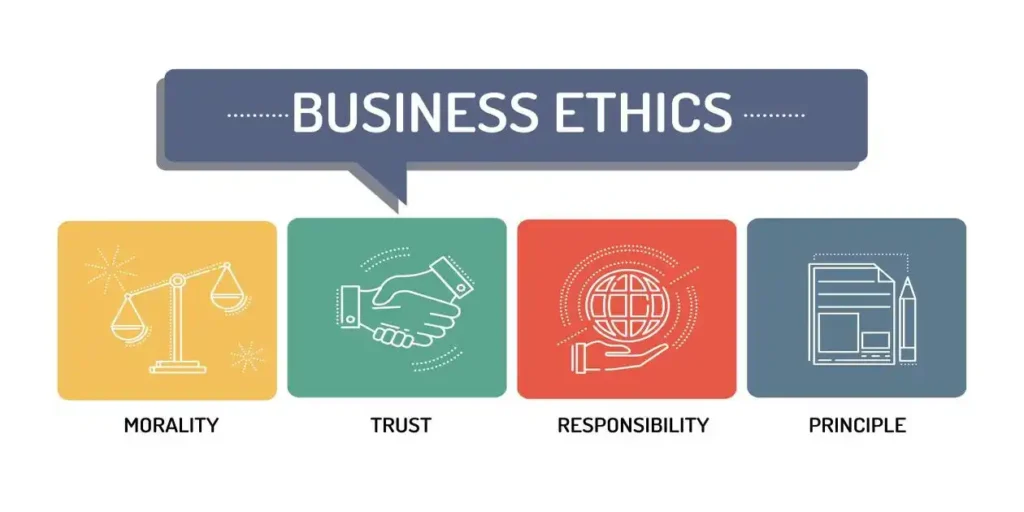
Introduction to Strong Internal Controls:
- Strong Internal Controls: Are the basic structure that organizations use to protect their assets, ensure accurate financial reporting, and maintain smooth operations. These systematic procedures and protocols are crucial defense mechanisms in corporate governance, setting clear rules for authorization, documentation, and accountability at all levels of the organization.
- Implementing Controls: The implementation of robust internal control systems directly addresses three interconnected imperatives: preventing accounting fraud, reducing the risk of securities litigation, and establishing transparent governance structures that protect shareholder interests. Organizations without comprehensive control frameworks are more likely to face material misstatements, regulatory violations, and legal challenges from investors who suffer financial harm due to inaccurate disclosures or fraudulent activities.
- Robust Framework: This guide looks at the key parts of effective internal control systems and how they work in real-world corporate settings. Readers will gain practical knowledge about:
-
- The specific ways in which controls stop fraudulent financial activities
-
- Technology-based solutions that improve control effectiveness and monitoring abilities
- Using Internal Controls Strategically: Is a proactive way to strengthen an organization’s ability to withstand challenges, reduce the risk of operational failures and legal problems, and build trust among stakeholders in the accuracy of financial reporting.

Understanding Strong Internal Controls
- Internal Control Systems: Are the set of policies, procedures, and practices that organizations put in place to protect their assets, ensure accurate financial reporting, and comply with laws and regulations.
- Foundation: These systems serve as the foundation for accountability, transparency, and integrity in all business operations.
Key Components of Effective Internal Controls
The effectiveness of internal control systems relies on several key elements:
- Segregation of duties: This principle requires dividing important tasks among different individuals to prevent any one person from having complete control over a financial transaction. By separating responsibilities, there are built-in checks where one employee’s work verifies another’s, greatly reducing the chances of unauthorized actions or mistakes going unnoticed.
- Authorization policies: Formal approval requirements establish clear hierarchies for transaction approvals, ensuring that financial commitments receive appropriate scrutiny based on their significance and level of risk. These policies outline who has the authority to initiate, approve, and carry out specific types of transactions.
- Monitoring mechanisms: Continuous oversight activities such as management reviews, reconciliations, and exception reporting provide ongoing assurance that controls are functioning as intended. These mechanisms identify deviations from established procedures and prompt corrective actions when necessary.
The Impact of Internal Controls on Financial Reporting
- The accuracy of financial reporting is directly influenced by the effectiveness of internal control systems. Organizations with strong controls are able to produce reliable financial statements that accurately represent their economic position. This allows stakeholders to make informed decisions based on trustworthy data.
- On the other hand, weaknesses in internal controls can lead to inaccurate reporting. This can result in regulatory penalties, lawsuits from investors, and damage to the organization’s reputation.
The Benefits of Internal Controls for Operational Efficiency
- Well-designed internal controls also bring about operational efficiency. When processes are standardized, redundancies are reduced, errors requiring correction are minimized, and transaction processing times are shortened. Controls that incorporate quality assurance into daily operations help prevent costly mistakes before they happen, saving resources that would otherwise be spent fixing avoidable problems.
- The discipline imposed by structured control environments creates predictable workflows that enhance productivity while ensuring compliance with established standards.
![Strong Internal Controls: An Exhaustive Guide to Avoiding Securities Litigation [2025] timothy l miles ad](https://classactionlawyertn.com/wp-content/uploads/2025/11/strong-internal-controls-add-timothy-l-miles.webp "Strong internal controls: an exhaustive guide to avoiding securities litigation [2025] 2")
The Role of Internal Controls in Preventing Accounting Fraud
- Accounting fraud is a serious threat to any organization, damaging its reputation and reducing shareholder value. To combat this issue, strong internal controls are essential.
- Best Defense: These controls act as a barrier against fraudulent financial reporting, making it difficult for individuals to manipulate financial records without detection.
Common Fraud Schemes Addressed by Internal Controls
Internal controls are designed to address various types of fraud that can occur within an organization. Here are some common schemes that these controls target:
1. Fictitious Revenue Recognition
- This scheme involves recording sales transactions that never actually happened or recognizing revenue before it is earned. Internal controls combat this by requiring thorough documentation for each sale, having independent verification of sales contracts, and regularly reconciling accounts receivable with customer confirmations.
- Additionally, authorization policies ensure that revenue entries must be approved by multiple levels of management, especially for large or unusual transactions.
2. Revenue Overstatement
- In this case, legitimate sales figures are inflated in order to present a more favorable financial picture. Controls address this risk by separating duties between sales personnel, accounting staff, and those responsible for shipping or delivering services.
- This separation ensures that no single person has the power to both initiate and record revenue transactions without independent verification.
3. Liability Concealment
- Here, obligations are deliberately omitted or understated in order to present a better financial position than reality.
- Strong monitoring mechanisms such as periodic account reconciliations and mandatory disclosure checklists create opportunities for hidden liabilities to be uncovered during routine control procedures.
Journal Entry Manipulation and Control Safeguards
- One particularly challenging form of accounting fraud involves manipulating journal entries. Fraudsters may exploit manual entries to adjust financial records without any legitimate business reason. To mitigate this risk, effective internal controls should include:
-
- Limiting access privileges so that only certain individuals can post entries to sensitive accounts
-
- Implementing automated systems that flag unusual entries based on amount, timing, or account combinations
-
- Regularly reviewing journal entry reports with special attention given to entries made outside normal business hours
- By having these safeguards in place, organizations can better protect themselves against potential fraud and ensure the integrity of their financial statements.
Enhancing Internal Controls with Technology
Modern technology solutions give organizations the ability to strengthen their internal control systems and reduce the risk of fraud like never before.
By integrating advanced systems, traditional manual processes are transformed into efficient automated operations that improve both accuracy and oversight.
ERP Systems as Control Foundations
- Enterprise Resource Planning (ERP) systems are comprehensive platforms that centralize financial data and standardize processes across different parts of an organization. These integrated systems enforce predefined authorization hierarchies, ensuring that transactions receive appropriate approvals before execution.
- The embedded workflow mechanisms within ERP platforms eliminate manual handoffs that historically created opportunities for unauthorized modifications or circumvention of established protocols. Real-time data synchronization across modules prevents discrepancies between operational and financial records, maintaining the integrity of reported information.
Automation Tools for Finance
- Automation tools for finance eliminate repetitive manual tasks that introduce human error and create control gaps. Automated approval workflows route transactions through predetermined authorization chains, creating immutable audit trails that document each decision point.
- These systems flag exceptions automatically when transactions deviate from established parameters, requiring additional scrutiny before processing. The reduction of manual intervention in routine processes allows personnel to focus on analytical activities that identify emerging risks rather than executing repetitive tasks.
Data Analytics in Accounting
- Advanced data analytics in accounting capabilities enable organizations to detect anomalies that traditional sampling methods might overlook. Continuous monitoring algorithms analyze complete transaction populations rather than statistical samples, identifying patterns inconsistent with normal business operations.
- Machine learning models recognize subtle indicators of manipulation, such as unusual journal entry timing, irregular vendor payment patterns, or revenue recognition anomalies. These analytical tools process vast datasets instantaneously, providing real-time alerts when suspicious activities occur.
- Strong Internal Controls enhanced through technology create multiple layers of verification that substantially reduce opportunities for fraudulent manipulation. The combination of automated enforcement mechanisms and sophisticated analytical capabilities establishes robust defenses against both intentional misconduct and inadvertent errors that could trigger regulatory scrutiny or shareholder litigation.
Corporate Governance and Internal Controls: A Symbiotic Relationship
- Corporate governance frameworks are the basic structures that organizations use to ensure accountability, fairness, and transparency in their relationships with stakeholders.
- These frameworks work best when combined with comprehensive internal control systems, creating a system that protects shareholder value and organizational integrity.
The Role of Board Oversight Responsibilities
Board oversight responsibilities are the main way governance principles become operational. Directors have a legal duty to make sure management puts in place proper control structures that protect assets, verify financial information accuracy, and maintain compliance with applicable regulations.
The board’s audit committee specifically takes on the task of monitoring how well internal controls work, reviewing financial statements, and overseeing external audit relationships. This oversight function requires directors to:
- Challenge management assertions regarding control adequacy
- Evaluate the independence and competence of internal audit functions
- Assess whether identified control deficiencies receive timely remediation
- Ensure whistleblower mechanisms operate without impediment
The Influence of Governance on Organizational Culture
The relationship between governance and controls goes beyond just oversight. Strong governance cultures set expectations from the top that spread throughout the organization, reinforcing the importance of control awareness among employees at all levels.
When boards show genuine commitment to ethical behavior and control compliance, management teams prioritize these values in their decision-making processes.
The Connection Between Governance and Financial Disclosures
- Transparent financial disclosures are a crucial point where governance responsibilities and internal controls come together. Accurate, timely, and complete financial reporting relies on strong control systems that precisely capture, process, and summarize transaction data.
- Governance structures require management to certify the reliability of financial statements and the effectiveness of underlying controls—certifications that have significant legal implications under securities regulations such as the Sarbanes-Oxley Act of 2002.
The Risks of Weak Governance Oversight and Internal Control Systems
Weaknesses in either governance oversight or internal control systems create weaknesses that plaintiffs’ attorneys can take advantage of in securities litigation. Inadequate board supervision of financial reporting processes, combined with weak controls, creates patterns of negligence that support claims of breach of fiduciary duty and securities fraud.
Avoiding Securities Litigation Through Strong Internal Controls
- Securities litigation prevention requires organizations to recognize and address the fundamental weaknesses that expose them to legal action from shareholders, regulators, and other stakeholders.
- Control failures represent one of the most significant litigation triggers, creating vulnerabilities that plaintiffs routinely exploit in securities fraud claims.
Common Causes of Securities Litigation Linked to Control Failures
- Inaccurate Financial Disclosures emerge as the primary catalyst for securities litigation when internal controls fail to detect or prevent material misstatements. Organizations face substantial legal exposure when:
-
- Revenue recognition policies lack adequate oversight mechanisms, resulting in premature or inflated revenue reporting
-
- Expense accruals bypass proper authorization channels, concealing true operational costs
-
- Asset valuations proceed without independent verification, overstating financial position
-
- Related-party transactions escape disclosure requirements, hiding conflicts of interest
- Inadequate Documentation Systems create evidentiary gaps that complicate defense strategies during litigation. The absence of clear audit trails, approval hierarchies, and control testing records undermines an organization’s ability to demonstrate good-faith compliance efforts.
- Delayed Problem Detection occurs when monitoring mechanisms fail to identify control deficiencies promptly. The extended timeframe between control breakdown and discovery amplifies both financial damage and legal liability, as material misstatements persist across multiple reporting periods.
Reducing Risk Exposure Through Regulatory Compliance
- Robust control frameworks serve as the foundation for regulatory compliance, directly reducing securities litigation risk. Organizations achieve this protection through:
-
- Proactive Control Testing that identifies weaknesses before they manifest as material misstatements. Regular assessments of control effectiveness enable timely remediation, preventing the accumulation of deficiencies that attract regulatory scrutiny and shareholder claims.
-
- Comprehensive Documentation Protocols that establish clear evidence of control operation and management oversight. Detailed records of control design, implementation, and testing demonstrate organizational commitment to accurate financial reporting.
-
- Real-Time Monitoring Systems that detect anomalies as they occur, enabling immediate corrective action. Continuous control monitoring reduces the window of exposure during which material misstatements can impact investor decisions.
Best Practices for Implementing Strong Internal Controls
To establish strong internal controls, organizations must take a systematic approach that addresses both the structural and cultural aspects of risk management.
1. Document Authorization Procedures
- The foundation of effective internal controls begins with comprehensive documentation of authorization procedures. This includes clearly defining specific approval hierarchies for financial transactions, expenditure limits, and access permissions to sensitive systems.
- Each documented procedure should specify the individuals authorized to initiate, approve, and record transactions, creating clear accountability chains that prevent unauthorized activities.
2. Conduct Regular Audits
Regular audits are an essential component of effective internal control policies. Organizations should implement both scheduled and surprise audits to evaluate compliance with established procedures, assess the adequacy of existing controls, and identify potential vulnerabilities before they turn into significant risks. These audits must extend beyond financial statements to include operational processes, information technology systems, and compliance with regulatory requirements.
3. Establish Continuous Assessment Strategies
Continuous assessment strategies require organizations to establish formal review cycles that evaluate control effectiveness at predetermined intervals. These assessments should incorporate:
- Risk-based testing methodologies that prioritize high-risk areas requiring frequent evaluation
- Performance metrics measuring control efficiency and identifying process bottlenecks
- Remediation protocols addressing identified deficiencies within specified timeframes
- Documentation standards ensuring all control activities maintain audit trails
4. Prioritize Employee Training Programs
- The human element is critical to control effectiveness. Employee training programs must educate personnel on their specific responsibilities within the control framework, the rationale underlying control procedures, and the consequences of non-compliance. Training initiatives should address fraud awareness, ethical decision-making, and reporting mechanisms for suspected irregularities.
- Organizations achieve optimal results when they cultivate an ethical culture where employees understand that controls serve protective rather than punitive purposes. Leadership must demonstrate commitment to control integrity through consistent enforcement, transparent communication regarding control objectives, and recognition of employees who exemplify adherence to established procedures.
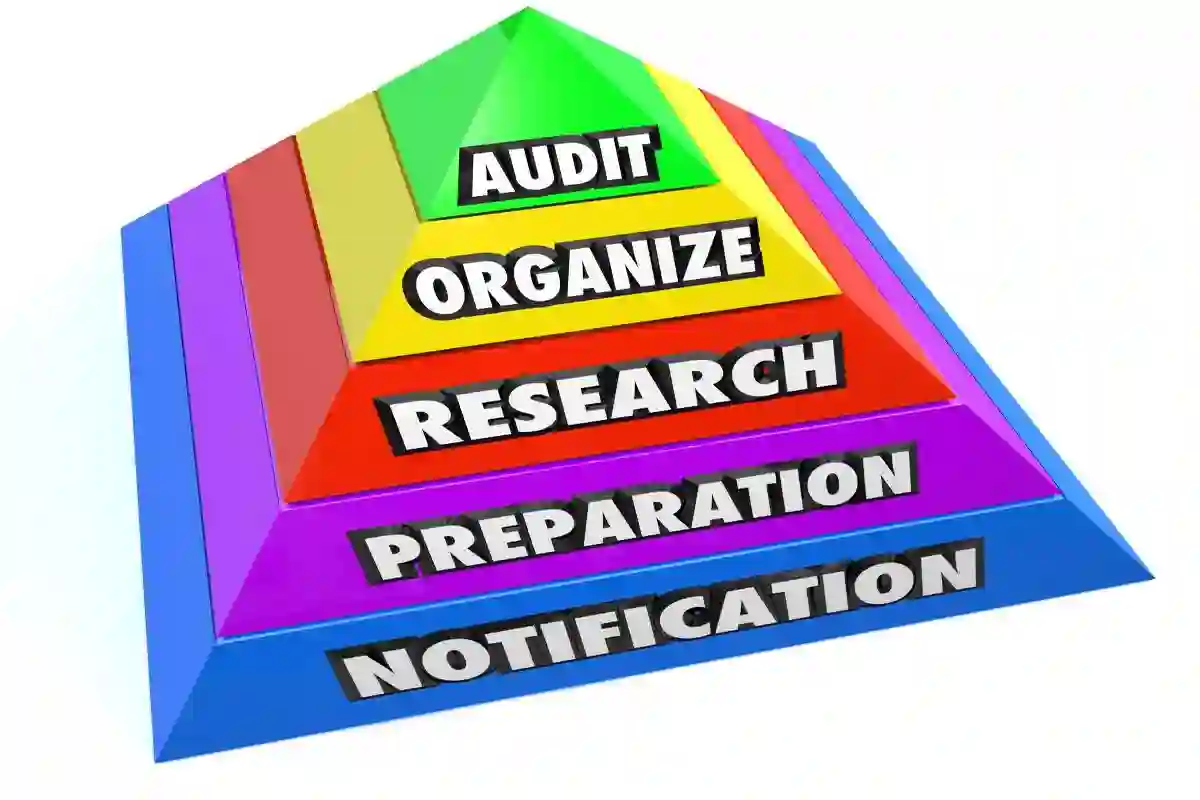
Addressing Challenges During Mergers & Acquisitions (M&A)
M&A due diligence is a crucial stage where organizations need to carefully examine the internal control systems of target companies before finalizing deals. The acquisition process puts acquiring companies at risk of inheriting control weaknesses that may have gone unnoticed or poorly addressed in the target organization. These vulnerabilities can show up as significant flaws in financial reporting, inadequate separation of responsibilities, or insufficient documentation of approval processes—all of which can lead to legal action if not resolved.
Key integration challenges
The integration of internal controls after a merger requires careful attention to aligning different systems, policies, and operational procedures between merging entities. Organizations often face pushback when trying to bring together control environments influenced by fundamentally different corporate cultures. The acquiring company must decide whether to adopt the target’s existing controls, impose its own framework, or create a hybrid approach that meets the specific needs of the combined entity.
Some common challenges faced during integration include:
- Incompatible technology platforms: When merging companies use different technology systems that cannot communicate with each other, it becomes difficult to share data seamlessly and monitor operations in real-time.
- Divergent approval hierarchies: Each company may have its own way of approving decisions and authorizing actions. This can lead to confusion and delays if these approval processes are not aligned.
- Redundant or conflicting policies: Merging organizations may have overlapping policies or policies that contradict each other. This can create confusion among employees and result in inconsistent practices.
- Knowledge gaps among personnel: If employees are not trained on new control procedures introduced after the merger, there may be gaps in knowledge and understanding that could lead to non-compliance or errors.
Expanding due diligence efforts
The due diligence phase should go beyond just analyzing financial statements. It should also involve a comprehensive review of control documentation, testing procedures, and past audit findings. By identifying control weaknesses during this stage, organizations can negotiate adjustments to the purchase price, set timelines for remediation efforts, or implement stronger monitoring mechanisms to reduce the risk of legal issues during the integration period.

Conclusion
Organizations are under increasing pressure to show accountability and transparency in their financial operations. Strong Internal Controls are a key defense against accounting irregularities and the legal challenges that come from control weaknesses. These frameworks have two main purposes: stopping fraud before it happens and protecting companies from expensive lawsuits filed by shareholders or regulatory bodies.
To reduce the risks of securities litigation, companies need strong leadership commitment, ongoing assessment of control effectiveness, and flexibility in meeting changing regulatory requirements. By investing in effective authorization processes, separating duties among employees, and implementing strict monitoring systems, businesses can identify issues before they lead to significant errors or compliance breaches.
Using technology solutions alongside traditional controls makes them even more powerful. This allows for immediate detection of suspicious activities and automatic enforcement of approval processes. It’s crucial for boards of directors to ensure that management sees control measures as an important strategy rather than just a box-ticking exercise.
Organizations that prioritize control awareness within their corporate culture are better protected against both intentional wrongdoing and accidental mistakes. By proactively implementing Strong Internal Controls, companies can expect tangible benefits such as lower litigation risks, increased trust from stakeholders, and preservation of their reputation in an era where businesses face greater scrutiny.
FAQs (Frequently Asked Questions)
What are strong internal controls and why are they important in corporate risk management?
Strong internal controls are structured policies and procedures such as segregation of duties, authorization protocols, and monitoring mechanisms designed to ensure accurate financial reporting and operational efficiency. They play a crucial role in corporate risk management by preventing accounting fraud, reducing the risk of securities litigation, and promoting effective corporate governance.
How do internal controls help prevent accounting fraud within organizations?
Internal controls help prevent accounting fraud by mitigating risks associated with fraudulent activities like fictitious revenue recognition, journal entry manipulation, and liability concealment. Through mechanisms such as segregation of duties and regular monitoring, these controls detect and deter fraudulent financial reporting practices.
In what ways can technology enhance internal control systems?
Technology enhances internal control systems by leveraging ERP systems, automation tools for finance approvals, and advanced data analytics. These technologies improve accuracy, operational efficiency, provide real-time oversight, and help identify suspicious transactions or trends indicative of potential fraud.
What is the relationship between corporate governance and strong internal controls?
Strong corporate governance frameworks complement effective internal control systems by emphasizing board oversight responsibilities and ensuring transparent financial disclosures. This symbiotic relationship helps maintain organizational accountability and reduces the likelihood of litigation triggered by control failures.
How can organizations avoid securities litigation through robust internal controls?
Organizations can avoid securities litigation by establishing robust internal control frameworks that ensure regulatory compliance and accurate financial disclosures. Strong controls reduce risk exposure linked to inaccurate reporting or disclosure failures that often lead to securities litigation.
What are best practices for implementing robust internal control policies within an organization?
Best practices include documenting authorization procedures, conducting regular audits, fostering an ethical culture through continuous employee training on control awareness, and performing ongoing assessments to adapt controls effectively. These steps ensure the establishment of strong internal control systems that mitigate risks related to accounting fraud and legal repercussions.
Additionally, organizations should consider implementing segregation of duties, as this helps prevent one individual from having complete control over a process, reducing the risk of fraud. Regularly reviewing and updating controls is also crucial to ensure they remain effective as the business evolves. Ultimately, a comprehensive and proactive approach to internal controls can safeguard an organization’s financial integrity and reputation.
Organizations should also invest in robust whistleblower mechanisms to encourage employees to report any suspicious activities without fear of retaliation. An anonymous reporting system can provide an additional layer of security, ensuring that potential fraud is brought to light and addressed promptly. Adequate training and awareness programs should be implemented to educate employees about the importance of ethical behavior and the consequences of fraudulent actions. By adopting these measures, organizations can create a culture of integrity and minimize the risk of accounting fraud.
Timothy L. Miles, Esq.
Law Offices of Timothy L. Miles
Tapestry at Brentwood Town Center
300 Centerview Dr. #247
Mailbox #1091
Brentwood,TN 37027
Phone: (855) Tim-MLaw (855-846-6529)
Email: tmiles@timmileslaw.com
Website: www.classactionlawyertn.com
Facebook Linkedin Pinterest youtube
‘
Visit Our Extensive Investor Hub: Learning for Informed Investors
