Introduction to a Consumer Update on Aircraft Toxic Fume Exposure
Welcome to this consumer update on Aircraft Toxic Fume Exposure. Aircraft cabins are engineered to be safe, pressurised environments. Yet a persistent concern remains unresolved across commercial aviation: exposure to contaminated cabin air associated with so-called “fume events.” For consumers, the topic can be confusing because it sits at the intersection of engineering design, occupational health, and regulatory policy. For regulators and airlines, it is challenging because events are intermittent, measurements are inconsistent, and symptoms can be non-specific.
This 2026 update explains, in clear terms, what passengers should know about toxic fume exposure, what is known with reasonable confidence, what remains uncertain, and what practical steps can reduce risk and improve documentation if a suspected exposure occurs.
If you believe you have been affected by toxic airplane fumes, contact Toxic Fume Exposure Lawyer Timothy L. Miles as you may be eligible for an toxic fumes exposure lawsuit and potentially entitled to substantial compensation. (855) 846–6529 or tmiles@timmileslaw.com.

What “Toxic Fumes” Means in the Aviation Context
In public discussion, “toxic fumes” is often used as a catch-all phrase for any unusual odour or visible haze in the cabin. In technical and safety contexts, the concern is narrower:
- A fume event generally refers to the presence of smoke, haze, mist or odours believed to originate from aircraft systems, most notably the air supply pathway.
- Contaminated cabin air refers to air containing substances not expected during normal operation, which may include thermal decomposition products (pyrolysis products) from oils or hydraulic fluids.
- Bleed air is compressed air taken from an aircraft engine or auxiliary power unit (APU) and used for cabin pressurisation and ventilation on many aircraft types.
Not every odour indicates hazardous exposure. At the same time, dismissing all odours as harmless is not evidence-based. The consumer question is reasonable: If something smells like dirty socks, oil, or burning, what is it, and what should I do?
For those who have experienced such exposures and believe they may have been harmed as a result of toxic fume leaking, there are legal avenues available. Filing a toxic fumes exposure lawsuit could be an option worth considering.
How Cabin Air Is Supplied, and Where Contamination Can Occur
Most large commercial jets in service still use a bleed air architecture. In simple terms, air is compressed in the engine, bled off, cooled, conditioned, and then supplied to the cabin.
Potential contamination pathways include:
- Engine oil seal leakage into the compressor airflow
- Jet engines use oil to lubricate bearings. Oil seals are designed to limit oil migration, but seals can allow small leakage, particularly under certain operating conditions. If oil enters the compressor flow and is heated, it can generate odorous and potentially irritant compounds.
- Hydraulic fluid leakage into hot air streams
- Hydraulic fluid has distinct chemical properties and, when heated, can also produce strong odours and irritants.
- APU related contamination
- The APU can supply bleed air, particularly on the ground. Some reported events involve APU operation.
- External sources entering the air intakes
- De-icing fluids, exhaust from ground equipment, fuel vapours (which could relate to jet fuel exposure), and airport pollution can contribute to cabin odours. These are often transient and may differ from oil or hydraulic associated smells.
A key consumer point is that the cabin ventilation system generally provides high air exchange rates, and most aircraft use HEPA filtration for recirculated air. However, HEPA filters are designed to capture particulates, not necessarily volatile organic compounds (VOCs), and they do not “solve” a contamination problem if the source air is itself contaminated.
Moreover, there have been increasing concerns about toxic cabin air and toxic airplane cabin fumes which could arise from these contamination pathways. Such issues highlight the need for awareness regarding toxic airplane cabin fumes, as they pose significant health risks to passengers and crew alike.
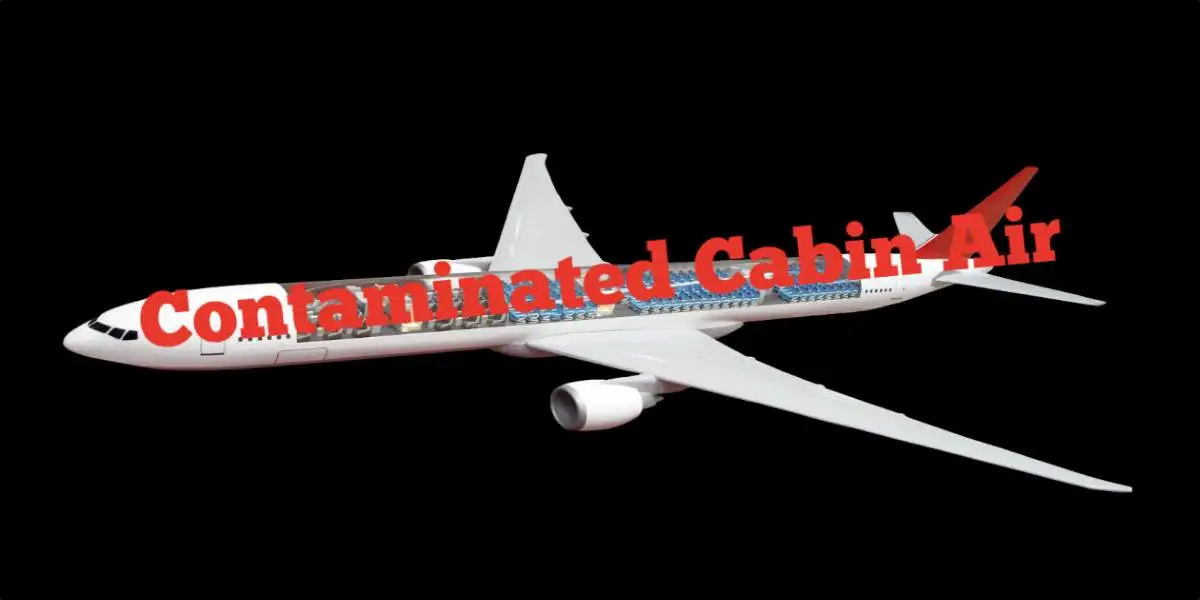
Aircraft Types and Design Differences That Matter
From a consumer perspective, it is useful to understand one design distinction:
- Bleed air aircraft (common across many fleets): cabin air comes, in part, from engine or APU compressor stages.
- Non bleed air aircraft (notably the Boeing 787 family): cabin pressurisation and conditioning is primarily provided by electrically driven compressors rather than direct engine bleed.
This does not mean one design is perfect or that all problems disappear, but it does change the most discussed contamination pathway. If you are a frequent flyer making long haul choices, aircraft type can be one factor to consider, alongside route, airline, and schedule reliability.
What People Report During Suspected Fume Events
Reports vary, but recurring descriptions include:
- Odours described as dirty socks, wet dog, oily, burning, chemical, or musty
- Haze or visible mist in the cabin in some cases
- Acute symptoms reported by some passengers and crew
Commonly Reported Symptoms
- Eye, nose, or throat irritation
- Coughing, chest tightness, or shortness of breath
- Headache, dizziness, nausea
- Fatigue, “brain fog,” difficulty concentrating
Most passengers on most flights do not experience these problems. The concern is concentrated around episodic events, and, importantly, around a subset of individuals who report significant or prolonged health effects after certain exposures.
Health Effects: What Is Known, and What Remains Disputed
A careful consumer update must be precise. The public debate often polarises into two extremes: “it is harmless” versus “it is poisoning.” The reality is more complex.
What is reasonably well established
- Irritation and acute symptoms can occur during events involving smoke, fumes, or strong odours. This is consistent with general environmental exposure principles.
- Thermal decomposition of oils and hydraulic fluids can produce complex mixtures, including irritant compounds. Odour is not a reliable measure of toxicity, but it can indicate that unusual compounds are present.
- Susceptibility varies. Pre existing asthma, migraine disorders, chemical sensitivity, and anxiety can influence symptom severity and duration, without implying symptoms are “imaginary.”
What remains uncertain or contested
- Dose and composition during real world events are often not well characterised because measurement is rarely captured at the time of exposure.
- Causality for long term neurological or systemic outcomes remains debated in scientific and regulatory circles, in part due to inconsistent exposure documentation, variable clinical presentations, and limited controlled studies in actual flight conditions.
- The role of specific compounds, including organophosphates sometimes discussed in this context, remains a point of ongoing research, partly because levels, biomarkers, and exposure timing are difficult to align.
A practical consumer takeaway is this: if you experience a suspected event involving toxic airplane fumes, the most valuable action is high quality documentation and timely medical evaluation, because uncertainty grows when there is no record of what happened. It’s crucial to understand that exposure to toxic plane fumes could lead to serious health issues. Therefore, if you find yourself exposed to toxic airplane fumes, ensure that you document the incident thoroughly and seek medical help promptly.
Why Measurement and Evidence Are Still Difficult in 2026
Despite years of attention, several structural obstacles persist.
- Events are intermittent
- You cannot measure what you do not capture. If monitoring is not continuous, many events will have no objective exposure record.
- Sampling conditions are challenging
- Cabin airflow is dynamic. Contaminants can be localised, transient, and diluted quickly.
- Odour reports are subjective
- Different individuals perceive odours differently, and some compounds have low odour thresholds.
- Incident reporting is inconsistent
- The decision to record an event, how it is categorised, and whether maintenance actions are linked to a health record varies by operator and jurisdiction.
From a governance standpoint, this is a classic risk management problem: low frequency, potentially high impact, limited measurement, and weak standardisation. These conditions demand proactive controls, not reactive reassurance.
What Regulators and Industry Have Generally Focused On
Across jurisdictions, aviation regulators tend to prioritise:
- Fire and smoke as immediate safety hazards
- Standardised procedures for smoke or fumes in the cockpit and cabin
- Maintenance actions and component reliability
Public health style monitoring of chemical exposures has progressed more slowly. In general, regulators require safe operation, but there is no universally implemented, mandatory, real-time contaminant monitoring standard across commercial fleets.
For consumers, the implication is straightforward: you should not assume that a reported odour will automatically trigger a robust exposure investigation, even when crew take it seriously.
The Reality of Toxic Fumes in Aircraft
The issue of toxic fumes in an airplane is a serious concern that has not been adequately addressed. Many passengers may find themselves exposed to toxic airplane fumes, which can lead to various health issues.
These toxic airplane fumes often result from faulty air filtration systems or other technical malfunctions within the aircraft. Such circumstances further complicate the already challenging process of measuring and evidencing exposure to these harmful substances.
Passengers should be aware that their safety may be compromised due to insufficient monitoring and reporting mechanisms regarding toxic airplane fume exposure. Moreover, the inconsistency in incident reporting can lead to underreporting of such incidents, thereby exacerbating the problem.
Additionally, it’s important to note that the air quality inside an aircraft can significantly affect passenger health. Exposure to air pollution during flights can lead to long-term health complications. Therefore, addressing these issues requires immediate attention from both regulators and the aviation industry.
If you believe you have been affected by toxic airplane fumes, contact Toxic Fume Exposure Lawyer Timothy L. Miles as you may be eligible for an toxic fumes exposure lawsuit and potentially entitled to substantial compensation. (855) 846–6529 or tmiles@timmileslaw.com.
Practical Guidance for Passengers Before You Fly
You cannot eliminate all risk in aviation, but you can reduce avoidable exposure and increase preparedness.
1. Choose flights and seats strategically when feasible
- If you are highly sensitive or have respiratory conditions, consider selecting aircraft types with design features you prefer, where practical.
- Seat location is not a guaranteed control, but some people prefer seats with strong airflow from overhead vents, allowing more direct ventilation to the breathing zone.
2. Pack a small “respiratory comfort” kit if you are concerned
For most passengers this is unnecessary. For those who want a prudent option:
- A well fitting respirator can reduce inhalation of certain aerosols and some vapours depending on cartridge type. Basic cloth or surgical masks are primarily for droplets and do not address most vapours.
- If you choose to carry respiratory protection, ensure it is fit tested or at least fit checked and that you understand its limitations.
This is not medical advice. It is a consumer preparedness point: do not rely on products that are not designed for the exposure category you are trying to mitigate.
3. If you have asthma or migraine, travel with your plan
- Carry prescribed rescue inhalers and migraine medications in your personal item.
- Avoid checking essential medication.
What to Do During a Suspected Fume Event
If you notice a strong unusual odour, haze, or irritation, focus on actions that are low risk and high value.
- Direct fresh airflow to your face
- Turn on the overhead vent fully and aim it toward your breathing zone. This can improve local dilution even when the cabin air as a whole is shared.
- Minimise exertion and stay seated if safe
- Hyperventilation can worsen symptoms and anxiety can amplify discomfort. Controlled breathing helps.
- Inform cabin crew promptly and specifically
- Use clear language: describe the odour, whether there is haze, your seat number, and any acute symptoms. Ask if other reports have been made.
- If you feel unwell, request assessment
- If symptoms are significant, ask for first aid support and request that your condition be documented.
- Do not self diagnose in the moment
- Focus on symptom management, ventilation, and documentation. Medical interpretation comes later.
Documentation: The Single Most Important Consumer Step
If you want the event taken seriously later, you need a contemporaneous record. Aim to document facts, not conclusions.
What to record
- Flight number, date, route, aircraft type if known, and seat number
- Time window of odour or haze onset and duration
- Description of odour using concrete terms
- Visible haze or residues, if any
- Symptoms and onset timing
- Actions taken by crew, including any announcements
- Names of crew if offered, or at least role and description
- Names and seat numbers of other passengers willing to corroborate
- Photos or video only if it is safe, discreet, and compliant with crew instructions
Ask for written confirmation where possible
If you report symptoms to crew, politely ask whether an incident report is being filed and how you can reference it later. Airline processes vary, but asking the question signals that you expect traceability.
In governance terms, traceability is accountability. Accountability is improvement.
Medical Follow Up After Landing
If you have persistent symptoms after a suspected exposure to fume event:
- Seek medical care promptly
- Acute respiratory symptoms, chest pain, fainting, or neurological deficits require urgent evaluation.
- Explain the exposure context neutrally
- Tell the clinician you were on a flight with a strong chemical or oil like odour and you developed symptoms during the flight. Provide your timeline and documentation.
- Request objective evaluation appropriate to symptoms
- Clinicians may consider respiratory assessment, neurological screening, oxygen saturation, and other tests depending on presentation. There is no single universal “fume event test,” which is precisely why early, symptom focused evaluation is important.
- Keep records
- Save discharge notes, clinician summaries, and any test results. If symptoms persist following a fume event, a well organised record supports continuity of care.
How to Report the Event as a Consumer
If you want the issue tracked beyond customer service, consider a layered approach:
- Airline report: file through the airline’s formal complaint or safety channel, not only social media.
- Aviation regulator report: many jurisdictions provide consumer reporting portals. Provide facts and attach documentation.
- Health and workplace authorities (if you are travelling for work): if the exposure occurred during employment travel, your employer may have reporting obligations.
- Travel insurer notification: if you require medical care, notify your insurer early and keep receipts and medical records.
The goal is repetition for emphasis: report to the operator, report to the regulator, report to the insurer. A single report can be ignored. Multiple documented reports create institutional pressure.
What Airlines Can Do, and What Consumers Should Expect
Consumers often ask: Why can this not be solved decisively? Some mitigations exist, but implementation varies.
Controls that tend to matter
- Rigorous maintenance of seals, filters, and ventilation components
- Clear operational procedures for smoke or fume diagnosis and response
- Standardised event reporting and engineering follow up
- Training for crew to recognise and document events consistently
- Better measurement, including real time monitoring where feasible
What consumers should reasonably expect in 2026
- Professional crew response to smoke or fume reports
- Basic incident documentation when a safety relevant odour or haze occurs
- A post flight customer response process
What many consumers still do not reliably receive is a transparent summary of findings, including whether maintenance identified a source. That gap is not simply a communications problem. It is a governance problem. Without feedback loops, systems do not improve at the rate passengers and crew deserve.
Common Misconceptions to Avoid
“If there is a HEPA filter, there is no chemical exposure.”
HEPA filtration is valuable, but it is not a universal control for gases and vapours. It captures particulates, not necessarily volatile compounds.
“If you can smell it, it must be dangerous.”
Odour indicates presence, not dose. Some dangerous compounds have little odour; some strong odours are present at low concentrations.
“If the airline did not divert, it was not serious.”
Diversion decisions balance many factors. A non diversion does not prove a non event, and diversion does not prove toxicity. It only indicates operational judgement under uncertainty.
“Only crew are affected.”
Crew have higher cumulative exposure risk due to flight hours, but passengers can be affected during a significant event, particularly those with vulnerabilities.
A Forward Looking Consumer View for 2026 and Beyond
Cabin air quality is moving toward a more data driven future, but progress depends on governance: measurement, standardisation, and accountability.
A credible path forward includes:
- Standardised definitions of fume events and reporting categories
- Improved sensor strategies to capture transient contamination episodes
- Independent data handling to reduce perceived conflicts of interest
- Longitudinal health tracking for occupational cohorts, with robust privacy safeguards
- Transparent maintenance feedback loops so event reports inform engineering fixes
For consumers, the most practical stance is neither panic nor complacency. It is preparedness, documentation, and insistence on integrity in reporting.
Key Takeaways
- Aircraft cabin odours are common, but a subset may reflect genuine contamination events.
- Real world measurement is still inconsistent in 2026, which keeps the debate unresolved.
- If a suspected fume event occurs, your best tools are ventilation, prompt reporting, and detailed documentation.
- If symptoms persist, seek timely medical evaluation and keep records.
- Proactive governance, consistent reporting, and improved monitoring are the long term solutions that will protect passengers and crew while strengthening trust in aviation safety.
If you want this article adapted into a one page printable checklist for frequent flyers, including a documentation template you can keep on your phone, I can format that as a companion resource.
Frequently Asked Questions about
Aircraft Toxic Fume Exposure
What are ‘toxic fumes’ in the context of aircraft cabins?
In aviation, ‘toxic fumes‘ refer to smoke, haze, mist, or odours believed to originate from aircraft systems, especially the air supply pathway. These contaminated cabin air substances often include thermal decomposition products from oils or hydraulic fluids used in the aircraft.
How is cabin air supplied and what are the common contamination sources?
Most large commercial jets use bleed air architecture where compressed air from engines or auxiliary power units (APUs) is cooled and supplied to the cabin. Contamination can occur via engine oil seal leakage into compressor airflow, hydraulic fluid leaks into hot air streams, APU-related contamination, and external sources like de-icing fluids or airport pollution entering air intakes.
Do all unusual odours in an aircraft cabin indicate toxic fume exposure?
Not every odour signals hazardous exposure. While some smells like dirty socks, oil, or burning may indicate contamination, dismissing all odours as harmless is not evidence-based. Passengers noticing unusual smells should be aware of potential risks and consider practical steps to reduce toxic fume exposure and improve documentation if symptoms arise.
What differences exist between bleed air and non-bleed air aircraft regarding contaminated cabin air?
Bleed air aircraft supply cabin air partially from engine or APU compressor stages, which can introduce contaminants if leaks occur. Non-bleed air aircraft, such as the Boeing 787 family, use electrically driven compressors for cabin pressurisation, reducing reliance on engine bleed air and potentially lowering contaminated cabin air risks associated with bleed pathways.
What symptoms or reports do passengers commonly associate with suspected fume events?
Passengers often describe odours during suspected fume events as resembling dirty socks, wet dog, oily, burning, chemical, or musty smells. These sensory reports are important for recognizing potential exposure incidents even though symptoms can be non-specific.
Are there legal options available for passengers harmed by toxic fume exposure on flights?
Yes. Passengers who believe they have been harmed due to toxic fume leaking on aircraft may consider filing a toxic fumes exposure lawsuit. Legal avenues exist to address health impacts related to contaminated cabin air exposures during commercial flights.
Call Toxic Fume Exposure Lawyer Timothy L. Miles Today for a Free Case Evaluation