- Aerotoxic syndrome lawsuits are advancing with high-profile product-liability cases and significant legal precedents. Plaintiffs, primarily pilots and flight attendants, are suing aircraft manufacturers and airlines, alleging that inhaling toxic fumes (like engine oil and hydraulic fluids) causes permanent neurological and respiratory illnesses.
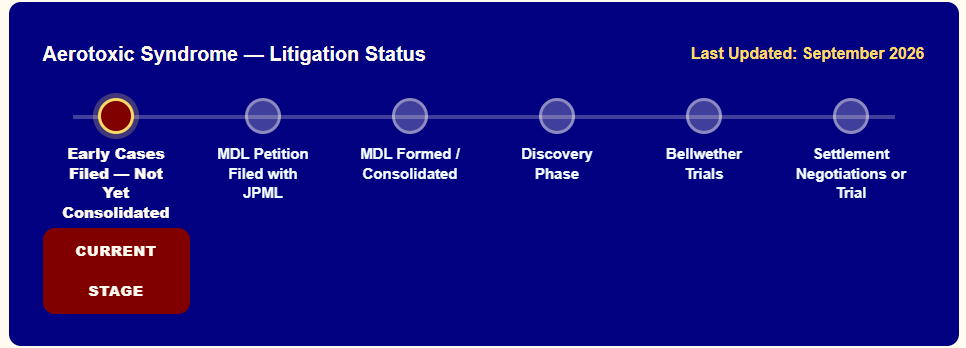
Recent updates highlight this growing litigation:
- Major Product-Liability Lawsuits: A veteran American Airlines flight attendant filed a $30 million lawsuit against Airbus in a New York federal court. The complaint stems from a massive influx of vaporized organophosphates (chemicals found in jet oils) that left her permanently ill and unable to work.
- Historic Judicial Ruling in France: The Toulon Judicial Court in France formally recognized a pilot’s central and peripheral autoimmune neuropathy as an occupational disease. This is a major global breakthrough, as it formally recognizes Aerotoxic Syndrome caused by chronic exposure to fumes, even in the absence of a single, sudden “fume event”.
- The “Dirty Sock” Smell Claims: Lawsuits typically center on “fume events” (often described as a “dirty sock” smell in the cabin), which push hazardous synthetic chemicals directly through the aircraft’s bleed-air system and into the breathing air.
- Manufacturer and Airline Defense: In U.S. courtrooms, manufacturers like Boeing and Airbus heavily rely on “federal preemption” defenses. This legal argument states that state-level lawsuits are completely blocked by the Federal Aviation Act. However, internal documents revealed through recent legal discovery have kept these cases moving forward.
- Damages and Compensation: Successful claims or settlements—which rely heavily on flight records, maintenance logs, and medical testimony linking chemical exposure to diagnosed brain or respiratory injuries—seek compensation for medical expenses (which can exceed $200,000), lost career wages, and lifelong pain and suffering.
Because cases often involve complex federal aviation laws and medical documentation, victims typically consult experienced environmental or aviation attorneys to evaluate their legal rights
As of August 2026, lawsuits regarding Aerotoxic Syndrome are rising significantly, with hundreds of pilots and cabin crew suing manufacturers like Boeing and Airbus over alleged chronic neurological and respiratory injuries from toxic “fume events”. Recent high-value litigation includes a 2025 $40M suit against Boeing and a $30M suit against Airbus.
Key lawsuits and investigations highlight ongoing dangers for flight crews and passengers. Those affected may be entitled to compensation for medical bills and lost wages and for pain and suffering and possiby punitive damages. With public awareness shifting, defense strategies downplaying these events face severe skepticism from modern juries.
- Fume events are more common than most travelers realize. Contaminated cabin air can occur when engine oil or hydraulic fluid leaks into the ventilation system, exposing passengers and crew to dangerous chemicals mid-flight.
- Exposure to toxic fumes can cause dizziness, disorientation, headaches, and long-term neurological or respiratory problems that often go misdiagnosed.
- When mechanical defects, poor maintenance, or ignored safety protocols cause a fume event, victims may have grounds for a personal injury or product liability claim.The two main causes of Aerotoxic syndrome: bleed air & fume events
- The individuals most at risk are those who are repeatedly exposed in airplanes such as piolets, flight attendants, frequets flyers and others
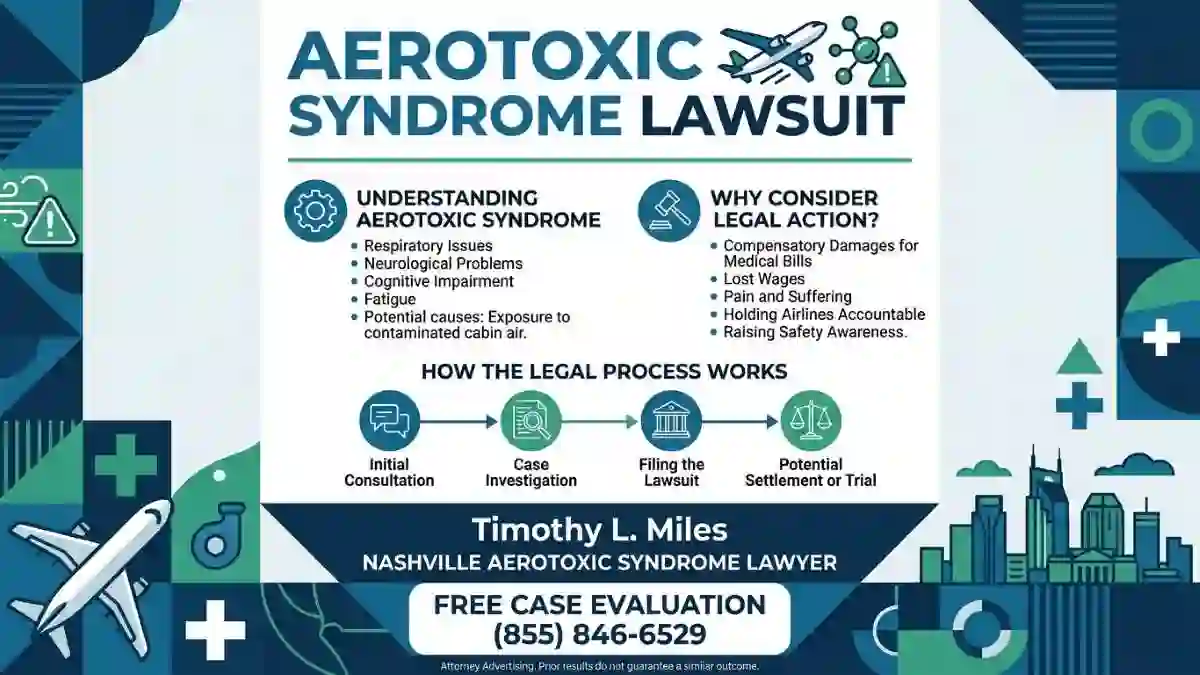
- Aerotoxic syndrome is an illness caused by inhaling contaminated air inside the cabin of an airplane. It can involve serious, long-term or permanent neurological and respiratory symptoms.
- Both bleed air contamination and fume events represent serious threats to in-flight health due to their ability to introduce neurotoxic chemicals into aircraft cabins.
- Compensation in a Nashville Aerotoxic Syndrome Lawsuit included both economical, including lost wages, hospital billes and non-economicall inlcluding pain and suffering and loss of enjoyment of life.
The Two Main Causes of Aerotoxic Syndrome: Bleed Air & Fume Events
Aerotoxic syndrome is primarily linked to two sources in modern aircraft: bleed air and fume events. Both mechanisms can introduce harmful chemicals into the cabin, putting passengers and crew at risk.
Bleed Air: The Unseen Gateway
“Bleed air” is the term for air that enters an airplane’s cabin via its bleed air system—a network of regulators, valves, and ducts that channels air directly from the engines. This system pulls hot, pressurized air from the engine, cools it through the aircraft’s air conditioning unit, and then mixes it with recirculated (and filtered) cabin air before distributing it throughout the plane resulting in toxic cabin air exposure.
While recirculated air is filtered, bleed air itself typically undergoes little or no filtration during this cooling process. Because jet engines operate at extremely high temperatures, any filtration that does occur is often inadequate to remove all toxic fumes in an airplane.
This poses a serious problem: toxic engine oil, which may contain neurotoxic chemicals like tricresyl phosphates (TCPs), can leak into the bleed air. TCPs are known nerve agents that specifically target the central nervous system.
Additionally, bleed air is used to pre-pressurize an airplane’s hydraulic systems. These systems operate under high pressure and are prone to ruptures or leaks—referred to as “sweats”—which can further contaminate cabin air with hydraulic fluid fumes.
Concerns over these risks have led to individuals filing an Aerotoxic Syndrome Lawsuit alleging that airlines and manufacturers have long been aware of toxic oil fume dangers but failed to adequately monitor or prevent toxic fumes in an airplane.
Fume Events: When Toxic Vapors Invade
A “fume event” occurs when noxious vapors, smoke, or gases enter the airplane cabin—sometimes accompanied by strong odors described as oily, chemical-like, or reminiscent of “dirty socks.”During these events, a mix of airborne toxins contaminates cabin air resulting in toxic cabin air exposure. These include:‘
- Carbon monoxide (CO)from engine exhaust
- Carbon dioxide (CO₂) due to incomplete combustion
- Volatile organic compounds (VOCs)
- Semi-volatile organic compounds (SVOCs), such as TCPs and N-Phenyl-1-naphthylamine
The health risks are significant. CO poisoning can be fatal; chronic exposure may cause flu-like symptoms, numbness, sleep disturbances, vision issues, and cognitive impairment. Repeated exposure to chemicals like N-Phenyl-1-naphthylamine has been shown to damage organs over time.
Passengers and crew exposed during fume events may inhale these toxic airplane fumes—leading not only to acute symptoms but also potentially contributing to chronic illness.
Similar to issues around bleed air contamination, lawsuits have emerged claiming airlines have failed both to warn customers about fume event risks and to take appropriate preventative measures.
In Summary:
Both bleed air contamination and fume events represent serious threats to in-flight health due to their ability to introduce neurotoxic chemicals into aircraft cabins. Despite growing awareness—and mounting legal action—adequate monitoring and filtration remain pressing concerns for aviation safety advocates.
If you believe you have been affected by toxic fumes, contact Nashville Aerotoxic Syndrome lawyer Timothy L. Miles for a free case evaluation as you may be eligible for a Nashville Aerotoxic Syndrome Lawsuit and potentially entitled to substantial compensation in a Nashville Aerotoxic Syndrome Lawsuit. (855) 846–6529 or [email protected].
Who Can Be Sued in Aerotoxic Syndrome Lawsuits?
If you or a loved one has been affected by aerotoxic syndrome, you may be eligible for various forms of compensation, including:
- Medical Expenses: Recover the cost of current and future medical bills related to your diagnosis and treatment.
- Lost Wages: Get compensation for income lost due to missed work from illness or medical appointments.
- Loss of Earning Capacity: If aerotoxic syndrome has impacted your ability to work—such as losing a job as a pilot or crew member—you may be entitled to damages for reduced earning potential.
- Pain and Suffering: Seek financial recovery for the physical pain, emotional distress, and mental anguish caused by your condition.
- Diminished Quality of Life: If your daily life and activities have suffered, you can pursue compensation for this loss.
- Wrongful Death: If a loved one has passed away due to aerotoxic syndrome, we can help your family obtain compensation to ease financial hardships during this difficult time.
Call Nashville Aerotoxic Syndrome lawyer Timothy L. Miles today to see if you qualify for a Nashville Aerotoxic Syndrome Lawsuit and are potentially entitled to substantial compensation. (855) 846–6529 or [email protected].