Introduction to Exposed to Toxic Airplane Fumes
If you were exposed to toxic airplane fumes you have come to the right place. Most passengers assume the air inside an aircraft cabin is tightly controlled, continuously filtered, and inherently safe. In many respects, that assumption is justified. Commercial aviation is heavily regulated, and modern aircraft environmental control systems are engineered for reliability.
However, there is a specific, well-documented failure mode that can introduce contaminated air into the cabin and cockpit: a “fume event.” This is sometimes associated with engine oil or hydraulic fluid leaks that enter the bleed air supply. For some individuals, the question is not theoretical. It is practical and urgent.
If you have ever smelled a “dirty socks,” “wet dog,” “burning oil,” or “chemical” odor on a flight, experienced sudden irritation, dizziness, or neurological symptoms, or later struggled to explain persistent health changes after air travel, it is reasonable to ask a direct question: were you exposed to toxic airplane fumes?
This article explains what fume events are, how aircraft cabin air is supplied, what symptoms are reported, what is known and not known scientifically, and what steps you can take to document and respond proactively.
If you believe you have been affected by toxic airplane fumes, or jet fuel exposure, contact Aerotoxic Syndrome lawyer Timothy L. Miles today for a free case evaluation as you may be eligible for an Aerotoxic Syndrome Lawsuit and potentially entitled to substantial compensation. .(855) 846–6529 or [email protected].

What People Mean by “Toxic Airplane Fumes”
In aviation, “toxic fumes” is not a formal engineering category. It is a public facing phrase that typically refers to the presence of unwanted chemical contaminants in the air supplied to the cabin or cockpit.
The most commonly discussed scenario involves the unintended introduction of:
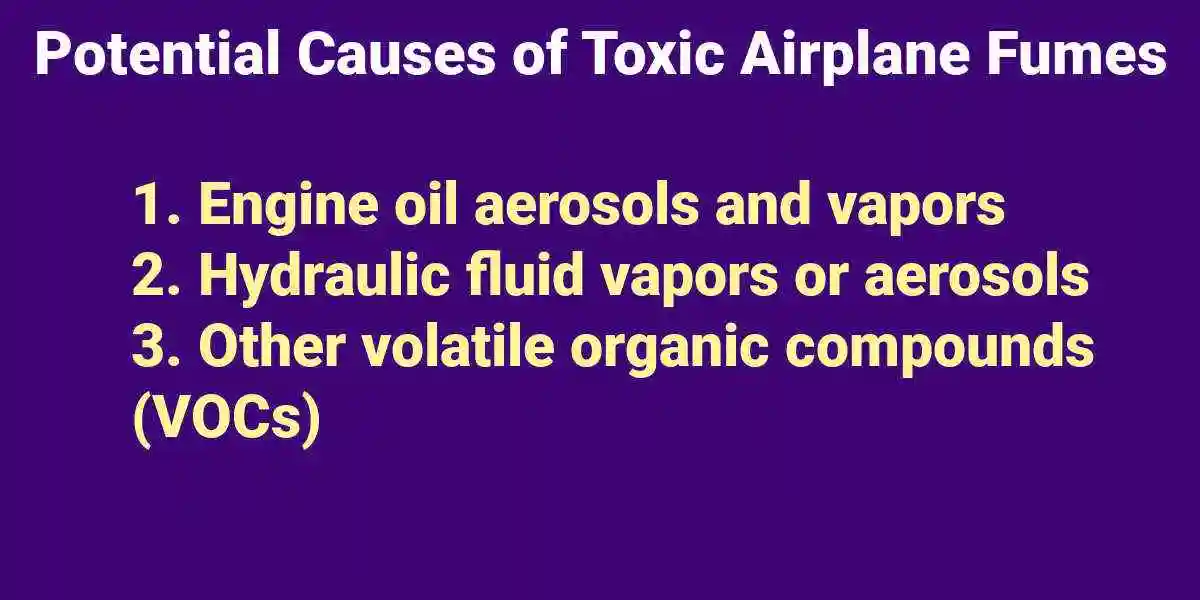
- Engine oil aerosols and vapors, including decomposition products formed under high temperatures.
- Hydraulic fluid vapors or aerosols, particularly when leaks occur near hot surfaces.
- Other volatile organic compounds (VOCs) and ultrafine particles generated during thermal breakdown.
Some of the chemicals of concern may include organophosphates (associated with certain anti-wear additives in some engine oils), VOCs, and ultrafine particulate matter. The specific composition can vary by aircraft type, system design, leak source, temperature, and duration.
Critically, fume events range from mild and brief odor episodes to smoke in the cabin. Not every unusual smell indicates a hazardous exposure. Yet not every odor is harmless either. The key is understanding the mechanism and the context.
For those who suspect they have been exposed to toxic airplane fumes, it is important to seek medical advice promptly. Symptoms can be severe and long-lasting. If you find yourself facing such circumstances after a flight, documenting your experience thoroughly can be beneficial for any potential legal proceedings or claims against airlines.
It’s essential to remember that while not every fume event results in serious health issues, there are documented cases of long-term health effects following exposure to these toxic fumes. Therefore, understanding your rights and options in such situations can provide some measure of relief amidst the uncertainty.
How Cabin Air Works: Bleed Air, Recirculation, and Filtration
To evaluate exposure risk, it helps to understand where cabin air comes from.
Bleed air systems on many jetliners
On many commercial jets, cabin air is supplied by bleed air tapped from the compressor stage of the engines (or from the auxiliary power unit, the APU). This air is hot and pressurized and then cooled, conditioned, and distributed through the environmental control system.
If a seal or component fails, small quantities of oil can leak into the compressor airflow. Under heat, oil can “pyrolyze,” forming a mixture of decomposition products. If that contaminated air is routed into the cabin, occupants may notice odors, visible haze, or acute symptoms. Such scenarios are part of a larger issue concerning aircraft toxic fumes exposure, which can pose serious health risks.
Recirculated air and HEPA filters
Most cabins also use recirculated air, typically passed through HEPA filters. These filters are effective for many particulate contaminants and biological aerosols. However, HEPA filtration does not eliminate all gaseous contaminants. Many VOCs require different mitigation methods, such as activated carbon filtration, which is not standard across all aircraft environmental systems.
The result is a nuanced reality:
- Aircraft cabin air can be clean and well managed most of the time.
- Certain failure modes can introduce contaminants that are not fully removed by standard filtration. For instance, toxic cabin air resulting from such failures can have detrimental effects on passengers’ health.
A notable design exception: “bleedless” aircraft
Some aircraft designs, most notably the Boeing 787, use electrically driven compressors rather than traditional engine bleed air for cabin pressurization. This design is often discussed in relation to fume event risk, although no system is immune to all contamination scenarios. The risk of toxic fumes leaking into the cabin remains a concern that needs to be addressed in future aircraft designs.
What Is a “Fume Event”?
A fume event generally refers to an incident where the cabin or cockpit air is contaminated in a way that is noticeable through:
- Unusual odors, often described as oily, musty, or chemical
- Visible haze or smoke
- Crew reports of air quality concerns
- Passenger complaints and, in some cases, medical assistance
Fume events may be associated with maintenance issues, oil seal leakage, APU problems, hydraulic leaks, or other mechanical faults. These toxic fume events can have serious health implications.
Notably, fume events can be:
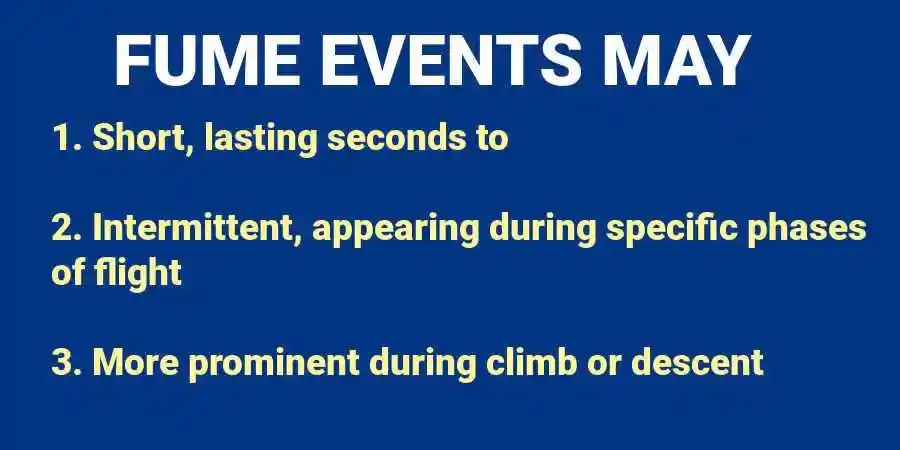
- Short, lasting seconds to minutes
- Intermittent, appearing during specific phases of flight
- More prominent during climb or descent, when system pressures and configurations change
This is one reason documentation matters. The timing of symptoms relative to flight phase can provide clues to what occurred.
Commonly Reported Signs You May Have Been Exposed
Exposure does not look identical for everyone. Susceptibility varies based on pre-existing health conditions, duration of exposure, concentration of contaminants, and individual sensitivity.
Still, there are patterns repeatedly described by passengers and crew following suspected fume events.
Sensory clues (what you notice in the cabin)
- “Dirty socks,” “old gym bag,” or “wet dog” smell
- Oily, metallic, or burning odor
- Chemical or sweet solvent-like smell
- Smoke, haze, or visible mist
- Sudden onset of eye or throat irritation across multiple people
Acute symptoms reported during or shortly after the flight
- Headache, pressure sensation, or migraine-like symptoms
- Dizziness, lightheadedness, imbalance
- Nausea, stomach upset
- Coughing, throat irritation, chest tightness
- Eye irritation, tearing, burning sensation
- Shortness of breath or wheezing
- Unusual fatigue, confusion, difficulty concentrating
Symptoms that some people report persisting
Some individuals, particularly frequent flyers and aircrew, report prolonged or recurring symptoms after fume events. These may include:
- Persistent headaches
- Brain fog, memory difficulties, slowed cognition
- Tingling sensations, tremor, or neuropathic complaints
- Sleep disruption
- Mood changes such as anxiety or irritability
- Sensitivity to odors or chemicals
It is important to state this carefully. Persistent symptoms are reported, but the strength of evidence linking long-term outcomes to specific measured exposure levels is a contested scientific and regulatory topic. That does not mean symptoms are not real. It means the exposure assessment is often inadequate and the event is rarely monitored in a way that resolves the question cleanly.
If you believe you have been affected by toxic airplane fumes, or jet fuel exposure, contact Aerotoxic Syndrome lawyer Timothy L. Miles today for a free case evaluation as you may be eligible for an Aerotoxic Syndrome Lawsuit and potentially entitled to substantial compensation. .(855) 846–6529 or [email protected].
Why It Can Be Difficult to Prove Exposure After the Fact
From a governance and risk management perspective, fume events present a familiar problem: high stakes, low frequency, limited measurement, and inconsistent documentation.
There are several reasons establishing exposure is difficult:
- Cabin air is rarely sampled in real time during routine flights.
- Events may be transient, and by the time a complaint is raised, conditions have changed.
- Maintenance logs and operational records may not be easily accessible to passengers.
- Medical testing for specific compounds is not standardized for this context, and some biomarkers have narrow windows.
- Odor perception is subjective, yet odors are often the earliest warning sign.
This is why proactive documentation is essential. When measurement is absent, high-quality contemporaneous records become more valuable.
For those who have experienced health issues due to airplane toxic exposure, it becomes even more critical to document these incidents thoroughly.
What Science and Regulation Say (and What They Still Debate)
A responsible discussion must separate three issues that are often conflated:
- Do fume events occur?
- Yes. They are recognized in aviation operations and maintenance contexts, and they are reported by crews and passengers.
- Can aircraft oils and hydraulic fluids produce irritant and neuroactive compounds when heated?
- Yes. Thermal degradation can create complex mixtures, including VOCs and ultrafine particles.
- Does typical exposure during fume events cause long term health effects?
- This is where debate is most active. The answer depends on exposure magnitude, duration, compound mix, and individual susceptibility, and the data is limited by inconsistent monitoring.
From a forward looking safety perspective, the key issue is not whether every reported symptom can be conclusively attributed to a single compound. The key issue is that an engineered system can fail in a way that plausibly introduces contaminants, and the industry has not uniformly implemented comprehensive monitoring, standardized reporting, and transparent follow up.
In corporate governance terms, this is a systems assurance problem: when risk is episodic and evidence is perishable, controls and documentation protocols must be stronger, not weaker.
Phases of Flight When Fume Events Are Often Noticed
People frequently report odors and symptoms during:
- Engine start and pushback
- Taxi
- Takeoff and initial climb
- Descent and landing
- APU use at the gate
These are times when bleed configurations change, power settings shift, and the APU may be supplying air. If your symptoms or odor observations align with these phases, note it precisely.
What To Do If You Suspect a Fume Event While You Are Still on the Plane
If you are currently in flight and suspect toxic airplane fumes, prioritize health and immediate documentation.
- Notify a flight attendant promptly and calmly.
- Use concrete language: “There is a strong chemical or burning oil smell in row X,” and describe symptoms if present.
- Move seats if possible.
- Contaminant levels can vary by zone. If relocation is available, it can reduce exposure.
- Minimize additional inhalation if you can.
- If you have a well fitting respirator in your carry on, you may choose to use it. Many passengers do not travel with one, and airlines may have policies affecting use, so use judgment.
- Document the basics in real time.
- Note the time, flight phase, seat number, odor description, and any visible haze. If multiple passengers are reacting, note that too.
- Request that the crew log the event.
- Ask, politely and clearly, that it be recorded as an air quality or fume concern.
What To Do Immediately After the Flight
The hours after a suspected exposure to toxic fumes, are where documentation and medical evaluation are most effective.
1) Write a detailed incident record the same day
Include:
- Airline, flight number, date, departure and arrival airports
- Aircraft type if known (often on boarding pass or flight details)
- Seat number, cabin section
- Time the odor began and ended, and what phase of flight
- Exact odor description
- Whether you saw haze or smoke
- Symptoms experienced and their onset timing
- Names of crew if known and any statements made
- Whether medical personnel met the flight
- Names and contacts of other passengers who observed the same issue
Keep the tone factual. Precision matters.
If you experience severe symptoms or long-term health issues following this incident, consider seeking legal advice regarding a toxic fumes exposure lawsuit.
Checklist for Air Quality Concerns
After documenting your experience, refer to this air quality checklist provided by AFA Alaska for further steps to take regarding air quality concerns during your flight.
Understanding Onboard Fume Events
For more insight into onboard fume events, including their causes and effects, consider reviewing resources available from CUPE which specialize in such issues.
2) Seek medical assessment if symptoms are significant
If you experience severe symptoms such as chest pain, shortness of breath, or worsening confusion, it’s crucial to seek urgent care. These could be signs of serious conditions that require immediate attention.
For non-emergent but concerning symptoms, a clinician can document:
- Respiratory irritation findings
- Neurological exam notes
- Vital signs and oxygen saturation
- Differential diagnosis and recommended follow up
It’s advisable to bring a written timeline of events. Many clinicians may not be familiar with aviation fume events, so providing structured information can help them understand your situation better.
3) Preserve supporting evidence
Collect and preserve any relevant evidence that may support your case. This includes:
- Boarding pass, itinerary, receipts
- Photos or videos if you captured haze or emergency response
- Any written communication with the airline
- Notes about odors on clothing or personal items (some people report lingering smells)
4) File a formal complaint with the airline
When filing a complaint, request:
- Confirmation that your report is attached to the flight record
- Any reference number
- Information on whether maintenance inspected the aircraft after arrival
Remain professional and specific in your communication. Your objective is to ensure traceability and accountability.
Longer Term: Monitoring Symptoms and Establishing a Clear Baseline
If symptoms persist beyond 24 to 72 hours, treat the situation like any other potential exposure event: track, measure, and reassess. It’s important to monitor your health closely during this period.
You might want to consider keeping a symptom diary where you can note down dates, severity of symptoms, triggers, and their functional impact. This diary should also include observations about sensitivity to odors, exercise tolerance, sleep quality, and cognition.
If you fly again and notice symptom exacerbation during or after flights, make sure to record these instances as well. This process is not about assuming a diagnosis; rather it’s about building a high integrity record that enables clinicians to evaluate patterns effectively. Furthermore, having such detailed records can empower you to make informed decisions about future travel.
In addition to physical symptoms, it’s also essential to keep an eye on any psychological impacts following such incidents. The stress of dealing with health issues post-flight can sometimes lead to anxiety or other mental health concerns. Therefore, monitoring your mental well-being is just as important as tracking physical symptoms.
Lastly, remember that understanding the potential health risks associated with aviation fume exposure is crucial. It’s beneficial to familiarize yourself with the possible long-term effects of such exposures on your health. This knowledge can assist in making informed decisions regarding future flights and health management strategies.
Who Is at Higher Risk?
Risk is not distributed evenly.
- Flight crew face repeated exposures over years, and many reports of persistent symptoms come from aircrew populations.
- Frequent flyers may have higher cumulative exposure probability.
- People with asthma or reactive airway disease may experience stronger acute respiratory effects.
- Individuals with migraine disorders may be more susceptible to neurologic triggers.
- Those with chemical sensitivities may react at lower perceived thresholds.
A proactive approach is appropriate if you fall into any of these groups, especially if you have experienced repeated odor events.
Practical Steps for Future Flights (Risk Reduction Without Panic)
You cannot control aircraft maintenance or system design as a passenger. You can control preparation and response.
- Choose flights on newer fleets when feasible, particularly aircraft families associated with different air supply architectures, if that matters to you.
- Carry a high quality respirator if you have known sensitivity and tolerate it well.
- Select seats with flexibility in mind, such as aisles, to enable quicker relocation.
- Avoid flying when acutely ill with respiratory inflammation, when possible.
- Pay attention during engine start, taxi, and climb, because early detection is valuable.
The goal is not fear. The goal is readiness.
A Governance Lens: Why This Topic Keeps Coming Up
Aviation safety is built on structured reporting, transparent investigation, and continuous improvement. When cabin air concerns are not consistently measured, recorded, and communicated, trust erodes and disputes intensify.
A forward thinking approach is straightforward:
- Standardize fume event reporting across operators.
- Implement improved real time air quality monitoring where feasible.
- Strengthen maintenance feedback loops so recurrent faults are detected early.
- Establish clearer passenger communication protocols after confirmed incidents.
This is not only a health issue. It is a corporate governance issue. Strong governance reduces operational risk, reduces reputational risk, and reinforces integrity through transparency and traceability.
If you believe you have been affected by toxic airplane fumes, or jet fuel exposure, contact Aerotoxic Syndrome lawyer Timothy L. Miles today for a free case evaluation as you may be eligible for an Aerotoxic Syndrome Lawsuit and potentially entitled to substantial compensation. .(855) 846–6529 or [email protected].
When to Seek Specialized Help
If you experience persistent neurological symptoms, respiratory issues, or functional decline after a suspected fume event, consider consulting clinicians experienced in:
- Occupational and environmental medicine
- Pulmonology (for respiratory symptoms)
- Neurology (for cognitive or neuropathic symptoms)
Ask for evaluations that rule out other causes while documenting your exposure timeline. Precision and neutrality are assets.

Closing Perspective
If you suspect you were exposed to toxic airplane fumes, the most effective response is structured and evidence based: document what happened, seek appropriate medical evaluation, and insist on proper reporting.
Cabin air systems are engineered for safety, and most flights are uneventful. Yet fume events can occur, and when they do, the burden often falls on individuals to prove what they experienced. Proactive documentation, medical follow up, and transparent reporting are the best tools available today.
If you want, share what you remember about the flight (date, airline, flight number, aircraft type if known, odor description, and symptoms), and I can help you turn it into a clear incident record you can send to the airline and your clinician.
FAQs (Frequently Asked Questions)
What are ‘fume events’ in aircraft cabins and how do they occur?
Fume events are specific failure modes in aircraft environmental control systems where contaminated air, often containing engine oil aerosols or hydraulic fluid vapors, enters the cabin or cockpit air supply. These typically result from leaks near hot surfaces allowing toxic substances to mix with bleed air supplied from the engines or auxiliary power unit.
What types of contaminants are involved in toxic airplane fumes during fume events?
Toxic airplane fumes commonly involve engine oil aerosols and vapors, hydraulic fluid vapors, volatile organic compounds (VOCs), ultrafine particulate matter, and decomposition products formed under high temperatures. Chemicals of concern may include organophosphates associated with anti-wear additives in engine oils, contributing to potential health risks.
How is cabin air supplied and filtered on commercial aircraft?
On many commercial jets, cabin air is supplied via bleed air taken from the compressor stage of engines or the auxiliary power unit. This hot, pressurized air is cooled and conditioned before distribution. Cabins also use recirculated air passed through HEPA filters that effectively remove particulates but do not eliminate all gaseous contaminants like VOCs. Some aircraft, such as the Boeing 787, use electrically driven compressors instead of bleed air.
What symptoms might indicate Exposure To a Fume Event, during a flight?
Symptoms reported after exposure to toxic airplane fumes can include sudden irritation, dizziness, neurological symptoms, and persistent health changes post-flight. Passengers may also notice unusual odors described as ‘dirty socks,’ ‘wet dog,’ ‘burning oil,’ or chemical smells during fume events.
Are all unusual odors on flights indicative of hazardous exposure to toxic fumes?
Not every unusual odor indicates a hazardous exposure; some may be mild and brief without serious health impact. However, certain odors linked to fume events can represent potentially harmful contamination. Understanding the context and mechanism behind these odors is important for assessing risk and seeking medical advice if symptoms develop.
What steps should passengers take if they suspect they have been exposed to toxic airplane fumes?
Passengers who suspect exposure should seek prompt medical evaluation due to possible severe or long-lasting symptoms. Documenting the experience thoroughly—including details about odors, symptoms, flight information, and any communications with airline staff—can be beneficial for medical treatment and potential legal claims against airlines related to toxic airplane fumes exposure.
Call Aerotoxic Syndrome Lawyer Timothy L. Miles Today for a Free Case Evaluation About a Aerotoxic Syndrome Lawsuit
If you believe you have been affected by toxic airplane fumes, or jet fuel exposure, contact Aerotoxic Syndrome lawyer Timothy L. Miles today for a free case evaluation as you may be eligible for an Aerotoxic Syndrome Lawsuit and potentially entitled to substantial compensation. .(855) 846–6529 or [email protected].
Timothy L. Miles, Esq.
Law Offices of Timothy L. Miles
Tapestry at Brentwood Town Center
300 Centerview Dr. #247
Mailbox #1091
Brentwood,TN 37027
Phone: (855) Tim-MLaw (855-846-6529)
Email: [email protected]
Website: www.classactionlawyertn.com
Facebook Linkedin Pinterest youtube