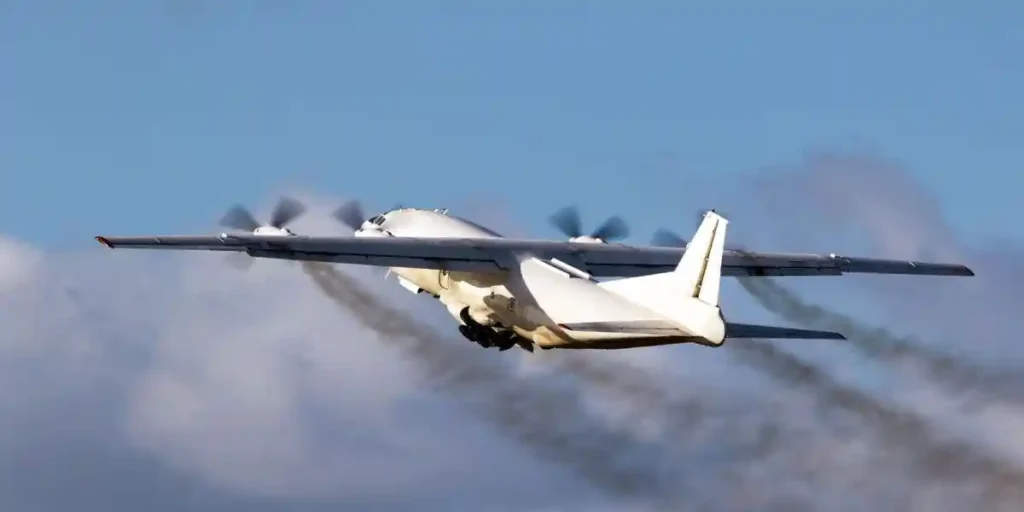
As of May 2026, lawsuits regarding Aerotoxic Syndrome are rising significantly, with hundreds of pilots and cabin crew suing manufacturers like Boeing and Airbus over alleged chronic neurological and respiratory injuries from toxic “fume events”. Recent high-value litigation includes a 2025 $40M suit against Boeing and a $30M suit against Airbus.
.Key lawsuits and investigations highlight ongoing dangers for flight crews and passengers. Those affected may be entitled to compensation for medical bills and lost wages.
If you believe you have been affected by toxic fume exposure, or suffered common symptoms reported by crew members contact Aerotoxic Syndrome lawyer Timothy L. Miles as you may be eligible for an Aerotoxic Syndrome Lawsuit and potentially entitled to substantial compensation. (855) 846–6529 or tmiles@timmileslaw.com.

Common Allegations and Symptoms
- Source of Contamination: Claims allege that engine oil lubricants containing organophosphates (specifically tricresyl phosphate – TCP) heat up and enter the cabin, often during “fume events”.
- Symptoms: Reported symptoms are both acute and chronic, including “brain fog,” cognitive impairment, dizziness, severe headaches, and chronic fatigue.
- Controversy: While passenger/crew reports are widespread, the syndrome is not officially recognized in the International Classification of Diseases, making it a highly contentious subject in aviation law.
- Rising Litigation: Legal actions have surged, with cases increasing from 51 in 2019 to over 220 by 2021, and continuing to grow in 2026.
- Major 2025 Lawsuits: A $40 million lawsuit was filed against Boeing in 2025 following a 2024 incident, and a $30 million suit was filed against Airbus in 2025.
- Previous Legal Victories: In 2020, a pilot won a lawsuit for compensation, and in 2022, a JetBlue pilot filed a lawsuit against Airbus for permanent neurological damage.
- First US Settlement: In 2011, Boeing paid the first settlement for a lawsuit in the U.S. to a former flight attendant.
- Key Manufacturers Involved: Major lawsuits often target Boeing and Airbus regarding engine oil leaking into the air supply.
Introduction to Respiratory Issues While In-Flight from a Fume Event
Respiratory symptoms during flight are often attributed to routine stressors such as dry cabin air, reduced barometric pressure, viral exposure, and pre-existing asthma or allergic rhinitis. However, a distinct subset of in-flight events involves the sudden onset of irritation, cough, chest tightness, shortness of breath, or throat burning in temporal association with unusual odors or visible haze. These episodes are commonly described as fume events.
This article provides a structured, safety-focused, and evidence-informed overview of respiratory issues that may occur during or after a suspected fume event. It clarifies what a fume event is, outlines plausible exposure pathways, explains why respiratory symptoms can be immediate or delayed, and recommends practical steps for passengers and crew.
The aim is not to diagnose individual cases but to support proactive decision-making, thorough documentation, and appropriate medical evaluation.
What Is a “Fume Event” in Commercial Aviation?
- A fume event is an operational term used to describe an unusual presence of fumes, smoke-like haze, or strong odors in the aircraft cabin or flight deck.
- Reports commonly mention smells characterized as “dirty socks,” “oil,” “burning,” “chemical,” or “acrid.” Some events are brief and resolve quickly while others persist and prompt operational responses such as diversion, emergency services, or maintenance inspection.
From an exposure science perspective, a fume event is not a single chemical scenario. It is a suspected mixed-exposure incident in a confined environment with variable ventilation patterns, source intensity, and duration. The respiratory effects depend on:
- The source (for example, thermal degradation products from heated oils, electrical overheating, de-icing fluid ingress, or other contaminants).
- The concentration of contaminants in breathing zones.
- The duration of exposure.
- Individual susceptibility (asthma, prior airway inflammation, recent infection, allergic disease, and anxiety responses can all influence symptoms).
Some aircraft designs historically used “bleed air” taken from engine compressor stages to pressurize and ventilate the cabin. In such designs if engine oil or hydraulic fluid leaks past seals into the bleed system contaminants may be introduced into the cabin air supply. Not all odors indicate this mechanism and not all aircraft types use the same ventilation architecture.
- The operational point remains: a fume event is a credible trigger for acute respiratory irritation. Symptoms coinciding with abnormal air quality should be taken seriously.
- It’s important to recognize the potential symptoms associated with fume events which can range widely from mild discomfort to severe respiratory distress depending on individual susceptibility and exposure conditions.
- Moreover understanding the long-term health implications that may arise from these toxic fume events is crucial for both passengers and crew alike.
If you believe you have been affected by toxic fume exposure, or suffered common symptoms reported by crew members contact Aerotoxic Syndrome lawyer Timothy L. Miles as you may be eligible for an Aerotoxic Syndrome Lawsuit and potentially entitled to substantial compensation. (855) 846–6529 or tmiles@timmileslaw.com.

Why Respiratory Symptoms Can Occur During a Fume Event
The respiratory tract is highly sensitive to airborne irritants. Even when exposures are below thresholds associated with classic poisoning, a short-duration, high-intensity irritant exposure can produce clinically meaningful symptoms.
1) Irritant effects on upper airways
Many fume reports involve acute irritation of the nose and throat, including:
- Burning or scratchy throat
- Persistent cough
- Hoarseness or voice changes
- Nasal irritation or rhinorrhea
- Metallic or chemical taste
These symptoms are consistent with exposure to irritant aerosols or gases, including heated decomposition products, ultrafine particles, or volatile compounds that interact with mucosal surfaces.
2) Lower airway effects and bronchospasm
Lower respiratory symptoms may include:
- Chest tightness
- Wheeze
- Shortness of breath
- Reduced exercise tolerance
- Pain with deep breathing
In susceptible individuals, irritant exposures can provoke bronchospasm, even without a long-standing asthma diagnosis. A subset of patients may develop persistent airway hyperreactivity after a high-level irritant exposure, described in clinical literature as reactive airways dysfunction syndrome (RADS). RADS is not specific to aviation. It is a general occupational medicine concept following single-event irritant exposure.
3) Neurogenic and inflammatory pathways
Airway responses are not purely mechanical. Irritants can activate sensory nerves, producing cough reflexes and perceived dyspnea. Inflammatory responses may also follow, sometimes with delayed onset. This helps explain why some individuals report minimal symptoms during the flight but develop cough, chest irritation, or breathing difficulty later that day or in the following days.
Common Respiratory Symptom Patterns Reported After Suspected Fume Events
Symptom patterns vary, but the following clusters are frequently described:
Pattern A: Immediate irritation with rapid improvement
- Onset during the odor/haze period.
- Prominent throat/nasal irritation and cough.
- Partial or full improvement after ventilation changes, mask use, moving seats, or landing.
Pattern B: Immediate symptoms with lingering cough or chest tightness
- Acute event followed by days of cough, chest discomfort, or exertional dyspnea.
- May be worse at night or with cold air.
- May resemble post-viral cough, which can complicate attribution unless timing is clear.
Pattern C: Delayed onset respiratory complaints
- Symptoms begin hours later or next day.
- Persistent dry cough, throat irritation, or shortness of breath with activity.
- Often co-occurs with headache, fatigue, or cognitive complaints, indicating a broader symptom complex.
Pattern D: Asthma-like flare in a person with known airway disease
- Wheezing or need for rescue inhaler during flight.
- Exacerbation persists after landing.
- Increased sensitivity to odors or aerosols for a period afterward.
These patterns are non-specific, meaning they can overlap with anxiety reactions, panic symptoms, hypoxia sensitivity, infection, or allergic triggers. The distinguishing feature is the temporal association with an abnormal air-quality event and, ideally, corroboration by other passengers or crew.
Fume Events Versus “Normal” Cabin Air Effects: Key Differences
Commercial aircraft cabins impose predictable physiological stresses. These can produce mild symptoms even in the absence of a fume event. Differentiation matters for clinical evaluation and documentation.
Typical cabin factors include:
- Low humidity causing dry throat and cough.
- Mild hypobaric hypoxia causing lightheadedness or mild dyspnea in sensitive individuals.
- Jet lag and dehydration contributing to fatigue and headache.
Features that raise concern for a fume event include:
- Sudden onset of symptoms linked to distinct odors, smoke-like haze, or reports of “air contamination.”
- Multiple individuals affected around the same time.
- Acute eye/nose/throat irritation beyond simple dryness.
- Nausea, dizziness, headache, or confusion combined with respiratory symptoms.
- Crew operational actions (PA announcements, requests to remain seated, changes in ventilation, oxygen use, diversion, or emergency services meeting the aircraft).
A neutral, evidence-based approach is essential. The goal is not to assume causation, but to recognize when a workplace-like exposure scenario may exist and warrants appropriate response.
If you believe you have been affected by toxic fume exposure, or suffered common symptoms reported by crew members contact Aerotoxic Syndrome lawyer Timothy L. Miles as you may be eligible for an Aerotoxic Syndrome Lawsuit and potentially entitled to substantial compensation. (855) 846–6529 or tmiles@timmileslaw.com.
Immediate In-Flight Steps If You Develop Respiratory Symptoms During a Suspected Fume Event
If you experience acute breathing issues during a flight and suspect unusual cabin air, prioritize safety and stabilization. Practical steps include:
1) Alert cabin crew promptly and clearly
Use precise language and observable facts:
- “I am experiencing shortness of breath and chest tightness.”
- “There is a strong chemical or burning odor in my area.”
- “My throat is burning and I cannot stop coughing.”
Request that the crew document the issue. If you are crew, follow company procedures and reporting requirements, and escalate appropriately.
2) Use your prescribed medications
If you have asthma or COPD, use your rescue inhaler as directed. If you carry a spacer, use it. If symptoms are severe, request medical assistance.
Do not delay using an inhaler out of uncertainty. Early bronchodilation can prevent escalation.
3) Reduce exposure as feasible
Options may be limited, but consider:
- Moving seats if instructed and feasible.
- Pointing individual air vents to increase local airflow.
- Using a well-fitted mask if you have one available.
A mask is not a universal solution. However, a properly fitted respirator-type mask may reduce inhalation of particulates. Surgical masks primarily reduce droplets and may offer limited benefit for aerosols. In an acute event, any barrier may be better than none, but it is not a substitute for operational controls.
4) Seek oxygen if you are significantly symptomatic
If you have substantial dyspnea, chest pain, faintness, cyanosis, or inability to speak full sentences, oxygen can be clinically appropriate. Cabin crew have protocols for medical events and can request medical support from ground-based services. Oxygen use also provides a practical buffer if the cause includes irritant exposure or hypoxia sensitivity.
5) Treat as an emergency if red flags occur
Request urgent help if any of the following occur:
- Severe shortness of breath or wheezing
- Chest pain, pressure, or radiating pain
- Confusion, fainting, or severe dizziness
- Blue lips or face
- Rapid worsening of symptoms despite inhaler use
If you believe you have been affected by toxic fume exposure, or suffered common symptoms reported by crew members contact Aerotoxic Syndrome lawyer Timothy L. Miles as you may be eligible for an Aerotoxic Syndrome Lawsuit and potentially entitled to substantial compensation. (855) 846–6529 or tmiles@timmileslaw.com.

After Landing: What You Should Do in the First 24 to 72 Hours
Respiratory issues linked to a suspected fume event require disciplined follow-through. The most common failure point is inadequate documentation and delayed clinical evaluation, which can obscure timelines and weaken medical decision-making.
1) Document the event while it is fresh
Write down, as accurately as possible:
- Flight number, date, departure and arrival airports.
- Aircraft type if known, seat number, and cabin section.
- Time of onset and duration of odor/haze and symptoms.
- Description of odor (avoid exaggeration; use specific descriptors).
- Whether others were affected.
- Any crew announcements, actions, or emergency response.
- Your symptoms and their progression (during flight and after landing).
- Any photos or videos you can safely obtain without disrupting safety.
If you are crew, use formal reporting channels and ensure you retain copies according to policy and applicable regulations.
2) Seek medical evaluation if symptoms persist or were significant
If you experienced shortness of breath, chest tightness, wheeze, persistent cough, or throat burning that does not resolve promptly, seek medical care. Ideally, choose a clinician familiar with occupational or environmental exposure evaluation, or request referral.
A clinically useful evaluation may include:
- Vital signs and pulse oximetry.
- Lung examination.
- Spirometry or peak flow measurement, if available.
- Consideration of bronchospasm treatment if indicated.
- Follow-up if symptoms persist.
For ongoing cough or dyspnea, clinicians may consider repeat spirometry, bronchodilator response, or other diagnostics based on presentation.
3) Do not self-diagnose based on online chemical lists
Fume events are heterogeneous. Symptoms can be real and substantial without a single identifiable chemical cause. What matters clinically is symptom severity, functional impact, and objective findings when available.
4) Track symptom trajectory
Maintain a simple daily log for 1 to 2 weeks:
- Cough frequency and triggers
- Shortness of breath on exertion
- Wheeze or chest tightness
- Sleep disruption
- Use of rescue inhaler
- Ability to work and exercise
This provides data for clinicians and supports rational follow-up decisions.
If you believe you have been affected by toxic fume exposure, or suffered common symptoms reported by crew members contact Aerotoxic Syndrome lawyer Timothy L. Miles as you may be eligible for an Aerotoxic Syndrome Lawsuit and potentially entitled to substantial compensation. (855) 846–6529 or tmiles@timmileslaw.com.
Clinical Considerations: What to Ask a Healthcare Provider
A well-structured consultation improves outcomes. Consider asking:
- “Can we document this as a possible inhalational irritant exposure with acute respiratory symptoms?”
- “Should I have spirometry or peak flow monitoring?”
- “Do you see evidence of bronchospasm or airway hyperreactivity?”
- “What would indicate escalation to imaging, specialist referral, or emergency care?”
- “What return-to-work or fitness-to-fly guidance is appropriate given my symptoms?”
If you are aircrew, fitness-to-fly determinations should align with your regulator, aeromedical examiner, and company medical policy. A proactive approach protects both health and operational safety.
For further insights into managing such situations effectively, consider exploring resources like the one found here.
Reporting and Governance: Why Documentation Is a Risk-Control Measure
Fume events sit at the intersection of occupational health, aircraft maintenance, and safety management systems. From a governance standpoint, underreporting is a structural risk. Over time, underreporting can normalize deviance, weaken trend detection, and delay engineering or procedural improvements.
For passengers
You can submit a complaint or safety report through:
- The airline’s customer care and safety channels.
- National aviation authority reporting mechanisms where available.
- Consumer protection channels, if medical expenses or follow-up are involved.
Keep communication factual and time-anchored. Your objective is to ensure the event is traceable and reviewable.
For crew
Formal reports should be completed according to:
- Company fume event checklists and safety reporting systems.
- Occupational health processes.
- Regulatory reporting requirements where applicable.
A governance-aligned report supports three outcomes:
- Operational learning (identifying patterns by aircraft tail number, route, phase of flight, or maintenance history).
- Health protection (ensuring exposed individuals receive appropriate follow-up).
- Preventive controls (maintenance action, filtration inspection, seal checks, and procedural refinement).
Repetition for emphasis is warranted here: Document, document, document. In safety management, what is not documented is difficult to investigate, difficult to trend, and difficult to prevent.
Risk Factors That Increase the Likelihood of Respiratory Symptoms
Not everyone exposed in a suspected fume event develops respiratory symptoms. Key modifiers include:
- Pre-existing asthma, especially if poorly controlled.
- Recent respiratory infection, which can prime airway inflammation.
- Allergic rhinitis or chronic sinus disease, increasing mucosal sensitivity.
- Vocal cord dysfunction or dysfunctional breathing patterns, which can mimic or amplify dyspnea.
- High anxiety or panic vulnerability, which can coexist with irritant effects and worsen perceived breathlessness.
- Occupational cumulative exposure in frequent flyers or aircrew, where repeated low-level episodes may have additive impact for some individuals.
A neutral stance is essential: these factors do not invalidate symptoms. They contextualize risk and guide individualized care.
If you believe you have been affected by toxic fume exposure, or suffered common symptoms reported by crew members contact Aerotoxic Syndrome lawyer Timothy L. Miles as you may be eligible for an Aerotoxic Syndrome Lawsuit and potentially entitled to substantial compensation. (855) 846–6529 or tmiles@timmileslaw.com.
When Respiratory Symptoms Are Not the Whole Story
Many people reporting respiratory irritation during suspected fume events also describe headache, dizziness, nausea, or cognitive complaints. Clinically, mixed symptom profiles may indicate combined irritant exposure, stress responses, and sleep disruption from travel. They may also reflect that the respiratory tract is the primary interface, but not the only system affected by noxious stimuli.
From a practical standpoint, mixed symptoms strengthen the case for structured documentation and medical assessment, because they indicate a potentially broader exposure scenario and higher functional impact.
Practical Prevention: What Frequent Flyers and Crew Can Do Proactively
You cannot control aircraft systems as a passenger, and operational decisions belong to the flight crew and airline. Still, proactive measures can reduce harm and improve response quality.
For passengers
- Carry essential respiratory medications in your personal item, not checked baggage.
- If you have asthma, ensure your action plan is current.
- Consider carrying a high-quality mask for travel, particularly if you are sensitive to irritants.
- Hydrate and reduce baseline throat irritation, which can make differentiating symptoms easier.
- If an event occurs, prioritize timely reporting and medical evaluation.
For crew and operators
At the organizational level, prevention aligns with standard hierarchy of controls:
- Engineering controls: maintenance integrity, seal performance, filtration, and ventilation verification.
- Administrative controls: clear procedures, checklists, reporting standards, and event classification.
- Health surveillance: occupational follow-up, symptom tracking, and return-to-duty protocols.
- Training: recognition of events, communication, and medical response coordination.
Forward-thinking governance prioritizes prevention over reassurance. It also prioritizes evidence over speculation. Both priorities protect operational continuity and human health.

Clear Guidance: When to Seek Urgent Care After a Flight
Seek urgent or emergency medical care if you experience:
- Persistent or worsening shortness of breath
- Wheezing not relieved by rescue medication
- Chest pain, fainting, or new confusion
- Coughing up blood
- New fever with significant breathing difficulty
- Oxygen saturation persistently low if you have a home pulse oximeter (interpretation should be individualized)
If symptoms are mild but persistent beyond several days, schedule a non-urgent evaluation. Persistent cough and exertional dyspnea merit follow-up, even when initial examination is normal.
Closing Perspective: Treat the Event as a Data Point, Not a Debate
If you experienced respiratory issues during flight in association with a suspected fume event, the most productive next step is disciplined follow-through. Seek clinical evaluation when warranted. Create a precise written record. Report through appropriate channels. Encourage accountability through process, not speculation.
In aviation, safety improves when weak signals become structured data. Health improves when transient symptoms become documented timelines. Governance improves when reporting becomes routine, not exceptional.
Proactive measures are not alarmist. Proactive measures are prudent.
If you believe you have been affected by toxic fume exposure, or suffered common symptoms reported by crew members contact Aerotoxic Syndrome lawyer Timothy L. Miles as you may be eligible for an Aerotoxic Syndrome Lawsuit and potentially entitled to substantial compensation. (855) 846–6529 or tmiles@timmileslaw.com.
Frequently Asked Questions about Fume Events
What is a “fume event” in commercial aviation and how does it affect passengers?
A fume event in commercial aviation refers to the unusual presence of fumes, smoke-like haze, or strong odors such as “dirty socks,” oil, burning, chemical, or acrid smells within the aircraft cabin or flight deck. These events can vary in duration and intensity, sometimes prompting operational responses like diversion or maintenance checks. Fume events involve exposure to mixed contaminants that may cause acute respiratory irritation, affecting passengers and crew with symptoms ranging from mild discomfort to severe respiratory distress depending on individual susceptibility and exposure conditions.
What are the common respiratory symptoms experienced during or after a fume event on an aircraft?
Common respiratory symptoms associated with fume events include sudden onset of throat burning or scratchiness, persistent cough, hoarseness, nasal irritation or runny nose, metallic or chemical taste, chest tightness, wheezing, shortness of breath, reduced exercise tolerance, and pain with deep breathing. These symptoms can occur immediately during exposure or may develop later due to inflammatory responses and neurogenic pathways activated by irritants.
Why do respiratory symptoms sometimes appear delayed after exposure to fumes on a flight?
Respiratory symptoms can be delayed after a fume event because irritant exposures activate sensory nerves leading to cough reflexes and perceived difficulty breathing. Additionally, inflammatory responses triggered by irritants may take hours or days to manifest clinically. This explains why some individuals experience minimal symptoms during the flight but develop cough, chest irritation, or breathing difficulties later that day or in subsequent days.
What factors influence the severity of respiratory effects during a fume event on an airplane?
The severity of respiratory effects during a fume event depends on several factors including: the source of contaminants (such as thermal degradation products from heated oils or electrical overheating), concentration of contaminants in the breathing zone, duration of exposure to these irritants, and individual susceptibility factors like pre-existing asthma, airway inflammation, recent infections, allergic diseases, and anxiety responses. These variables collectively determine symptom onset and severity.
How can passengers and crew respond proactively if they suspect a fume event has occurred during a flight?
Passengers and crew should take any abnormal odors or visible haze seriously as potential fume events triggering acute respiratory irritation. Practical steps include documenting the timing and nature of symptoms along with odor descriptions; seeking prompt medical evaluation especially if symptoms persist; using ventilation changes if possible; moving seats to areas with better air quality; wearing masks if available; and informing flight crew so operational responses such as maintenance inspections can be initiated. Early recognition supports safety-focused decision-making.
What is Reactive Airways Dysfunction Syndrome (RADS) and how is it related to fume events on aircraft?
Reactive Airways Dysfunction Syndrome (RADS) is a clinical condition characterized by persistent airway hyperreactivity following a single high-level irritant exposure. In the context of aircraft fume events, individuals exposed to intense irritants may develop RADS even without prior asthma diagnosis. Symptoms include ongoing cough, wheezing, chest tightness, and shortness of breath. RADS highlights the potential for long-term respiratory effects resulting from acute toxic inhalation incidents during flights.