
Introduction to the Fortinet Class Action Lawsuit
- Fortinet Class Action Lawsuit: The Fortinet Class Action Lawsuit, Oklahoma Firefighters Pension and Retirement System v. Fortinet, Inc., No. 25-cv-08037 (N.D. Cal.), seeks to represent purchasers or acquirers of Fortinet, Inc. (NASDAQ: FTNT) common stock between November 8, 2024, and August 6, 2025. This securities litigation case highlights critical concerns regarding corporate governance and internal controls at the cybersecurity company.
- Basis: The Fortinet class action lawsuit alleges that defendants made materially false and misleading statements and failed to disclose crucial information to shareholders regarding the company’s business operations and financial prospects. The lawsuit specifically focuses on alleged deficiencies in internal controls over financial reporting and disclosures that potentially misled investors about the true nature of Fortinet’s upgrade cycle and product transitions.
- Allegations: The Fortinet class action lawsuit further alleges that on August 6, 2025, Fortinet revealed during its earnings call that Fortinet was already “approximately 40% to 50% of the way through the 2026 upgrade cycle at the end of the second quarter [of 2025].” This disclosure contradicted previous statements about the timing and progress of the upgrade cycle. The complaint also alleges that defendants failed to maintain adequate internal controls over financial reporting and made false and/or misleading statements about the company’s business prospects, operational and financial results, and internal controls.
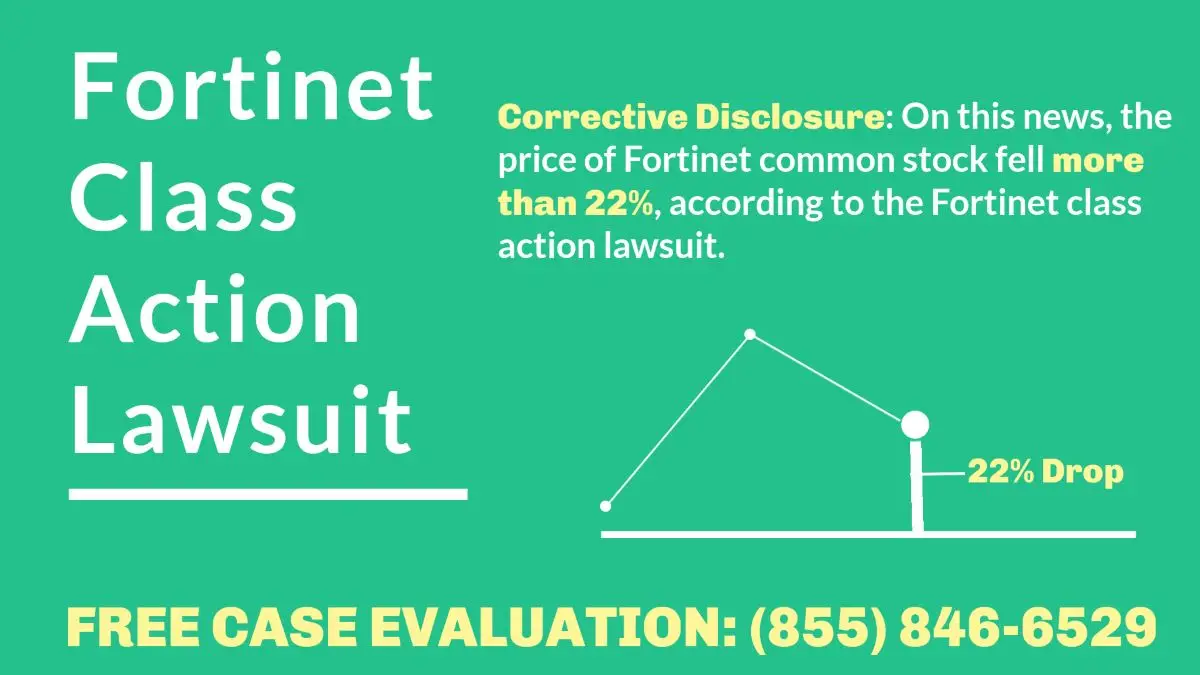
- Corrective Disclosure: On this news, the price of Fortinet common stock fell more than 22%, according to the Fortinet class action lawsuit. This significant decline highlights the material impact that alleged violations of securities laws and corporate governance failures can have on shareholder value. The sharp stock price drop potentially caused substantial losses for investors who had relied on the company’s previous disclosures.
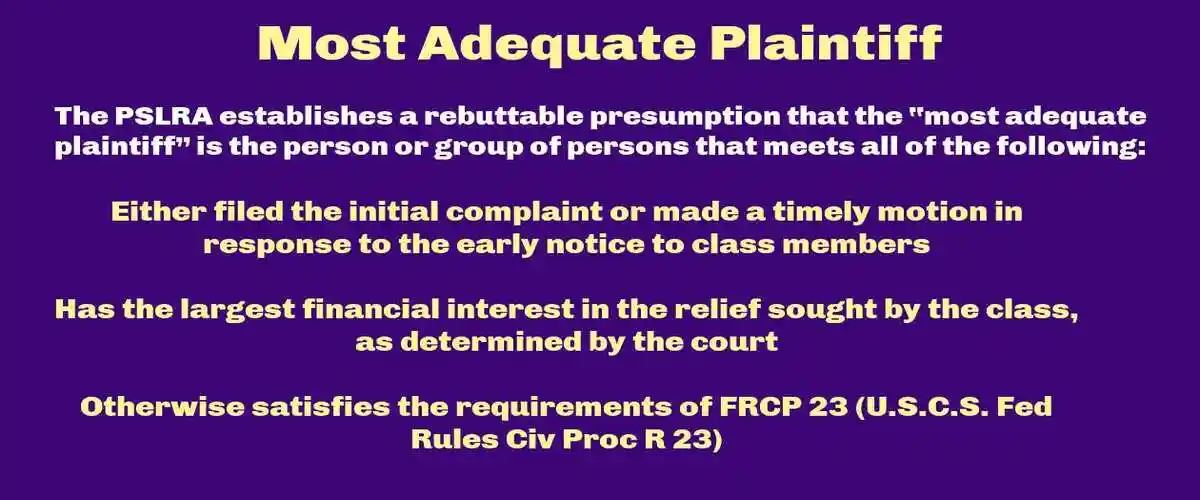
- Lead Plaintiff Motion: Lead plaintiff motions for the Fortinet class action lawsuit must be filed with the court no later than November 21, 2025. When a securities class action is filed, the Private Securities Litigation Reform Act (PSLRA) requires that within 20 days of the complaint filing, notice must be published informing shareholders of the pending litigation and their right to move the court to serve as lead plaintiff. This process ensures proper representation of shareholder interests in securities litigation cases.

Misrepresentation of Financial Information
Misrepresentation of Financial Information: As alleged in the Fortinet class action lawsuit, companies may deliberately provide false or misleading financial statements to artificially inflate stock prices, often through:
- Revenue recognition manipulation
- Expense underreporting
- Asset value inflation
- Liability concealment
- Cash flow misrepresentation
Omissions of Material Facts: Securities fraud frequently involves failing to disclose critical information that reasonable investors would consider important in making investment decisions. This includes:
- Known regulatory challenges
- Significant operational problems
- Material weaknesses in internal controls
- Pending litigation or investigations
- Adverse business developments
Insider Trading: Corporate executives may engage in unauthorized trading based on material non-public information, violating fundamental principles of market fairness and corporate governance. This can involve:
Consequences of Securities Fraud Like in the Fortinet Class Action Lawsuit
The repercussions of securities fraud extend far beyond immediate financial losses, impacting:
- Shareholder value through significant stock price declines
- Market confidence in corporate governance systems
- Company reputation and stakeholder trust
- Regulatory compliance costs and penalties
- Exposure to securities litigation
Companies found engaging in fraudulent practices often face:
- Substantial monetary penalties
- Costly regulatory investigations
- Expensive securities litigation
- Mandatory corporate governance reforms
- Enhanced oversight requirements
The Role of Regulatory Bodies in the Fortinet Class Action Lawsuit
Regulatory authorities, particularly the Securities and Exchange Commission (SEC), play a vital role in:
The SEC maintains broad investigative powers and can impose significant penalties, including:
- Monetary fines
- Trading suspensions
- Officer and director bars
- Mandatory corporate reforms
- Ongoing compliance monitoring
Importance of Compliance in the Fortinet Class Action Lawsuit
Maintaining robust compliance programs proves essential for:
Companies must prioritize:
Protecting Your Investments in the Fortinet Class Action Lawsuit
Investors must remain vigilant in safeguarding their investments through:
Effective protection strategies in the in the Fortinet Class Action Lawsuit include:
Strategies for Investor Protection in the Fortinet Class Action Lawsuit
Here are comprehensive strategies investors should consider to protect their interests and navigate potential securities fraud:
Conduct Thorough Due Diligence
Before making any investment decisions, shareholders must conduct extensive research focusing on:
- Comprehensive analysis of the company’s financial statements, paying special attention to revenue recognition practices and internal controls
- Detailed evaluation of management’s track record in maintaining strong corporate governance
- Assessment of the company’s regulatory compliance history and any past securities litigation
- Review of analyst reports and independent research highlighting potential red flags
- Examination of the company’s corporate governance structure, including board independence and audit committee effectiveness
Warning signs that warrant further investigation include:
Frequent changes in executive leadership or board composition
History of regulatory violations or securities litigation
Weak or ineffective internal controls
Inconsistent financial reporting patterns
Unusual related-party transactions
Monitor Company Communications and Disclosures in the Fortinet Class Action Lawsuit
Maintaining vigilant oversight of company communications proves essential:
- Carefully review all SEC filings, particularly Forms 10-K, 10-Q, and 8-K
- Analyze earnings calls transcripts and management presentations
- Track company press releases and public statements
- Monitor regulatory investigations or enforcement actions
- Follow securities litigation developments affecting the company
Pay particular attention to:
- Changes in accounting policies or practices
- Modifications to internal controls
- Corporate governance updates
- Management’s discussion of operational challenges
- Disclosure of material risks or uncertainties
Implement Portfolio Diversification Strategies in the Fortinet Class Action Lawsuit
Effective diversification remains crucial for risk management:
- Spread investments across multiple sectors and industries
- Balance holdings between growth and value stocks
- Consider geographic diversification
- Maintain appropriate position sizes
- Regular portfolio rebalancing
Key diversification principles include:
- Avoiding over-concentration in single companies
- Understanding sector-specific risks
- Monitoring correlation between holdings
- Maintaining liquidity reserves
- Regular risk assessment and rebalancing
The Lead Plaintiff Deadline in the Fortinet Class Action Lawsuit
The Responsibilities the Lead Plaintiff Will Have in the Fortinet Class Action Lawsuit
- Overseeing lead counsel: You will select, monitor, and oversee the law firm representing the class.
- Reviewing legal documents: You will review and provide feedback on important court filings before they are submitted.
- Discussing strategy: You will work directly with lead counsel to discuss litigation strategies and key decisions.
- Potential participation in legal events: This may include attending depositions and hearings, if necessary.
- Input on settlement decisions: Your input will be crucial for any decision concerning the settlement of the securities class action.

Who is Affected by the Fortinet Class Action Lawsuit?
Case Termination and Settlement Distribution
- The final phase of the Fortinet class action lawsuit involves the formal termination of the case and distribution of settlement funds. This critical stage represents the culmination of the securities litigation process and requires careful oversight to ensure proper disbursement to eligible class members while maintaining strong internal controls.
- The Securities Exchange Act of 1934 provides the fundamental regulatory framework governing securities litigation settlements and their distribution. This landmark legislation, which established the SEC, continues to play a vital role in protecting investor interests through robust corporate governance requirements and enforcement mechanisms.
- The Act’s provisions regarding settlement distributions emphasize transparency and fairness, requiring detailed documentation and strict internal controls throughout the process. These requirements help ensure that settlement funds are properly allocated to eligible shareholders who suffered losses due to alleged corporate misconduct.
- In securities class actions like the Fortinet class action lawsuit, the calculation of damages typically focuses on out-of-pocket losses incurred by investors. This methodology aligns with established legal precedents and corporate governance principles that seek to compensate shareholders for actual financial harm while maintaining market integrity.
- Investors affected by the Fortinet class action lawsuit possess specific rights throughout the settlement process. These rights are protected by both federal securities laws and court-supervised procedures that emphasize transparency and fairness in fund distribution. Understanding these rights becomes essential for shareholders seeking to recover their proportionate share of any settlement.
- The options available to affected investors in the Fortinet class action lawsuit carry different implications that warrant careful consideration. Each choice – whether to participate in the settlement, opt-out, or object – should be evaluated based on individual circumstances and potential outcomes. Strong corporate governance practices require that these options be clearly communicated to all eligible class members.
Understanding the Initiation of the Fortinet Class Action Lawsuit
- The Fortinet class action lawsuit was initiated following allegations that the company provided misleading information about its financial condition and operations.
- These allegations highlight the critical importance of maintaining robust internal controls and transparent corporate governance practices to prevent potential securities violations.
Joining the Fortinet class action lawsuit
Shareholders who purchased stock during the specified class period and experienced losses are automatically considered class members. This automatic inclusion reflects established securities litigation procedures designed to protect investor interests. However, those considering a lead plaintiff position must take additional steps within prescribed deadlines.
Benefits of the Fortinet class action lawsuit
- Class action lawsuits like the Fortinet class action lawsuit serve as crucial mechanisms for enforcing corporate governance standards and protecting shareholder interests.
- By allowing investors to collectively pursue claims, these actions promote accountability and help maintain market integrity.
- The potential benefits extend beyond individual compensation to include systemic improvements in corporate behavior and internal controls.
Timeline for Resolution for the Fortinet class action lawsuit
- Securities class actions typically follow complex timelines influenced by various factors including case complexity, settlement negotiations, and court procedures. The duration can range from months to years, with each phase requiring careful attention to internal controls and corporate governance standards to ensure proper handling of claims and fund distribution.
- For shareholders seeking additional information about their rights or considering a lead plaintiff position in the Fortinet class action lawsuit, attorney Timothy L. Miles offers complimentary consultations. His office maintains strict internal controls to protect client confidentiality while providing comprehensive guidance on securities litigation matters.
Gathering and Organizing Relevant Evidence
- In a securities class action lawsuit like the one against Fortinet, evidence is the cornerstone of building a compelling case. For affected shareholders, gathering and organizing all relevant financial and investment documentation is a crucial first step.
- The evidence will help substantiate claims of corporate misconduct and demonstrate the financial harm you may have suffered.
- Company documents: Gather all press releases, financial statements (like 10-K and 10-Q reports), and analyst reports related to Fortinet that you have.
- Your investment history: Meticulously document your investment history with Fortinet, including:
-
- Dates of all stock purchases and sales
-
- The quantities of shares bought or sold
-
- The prices of each transaction
- Communications: Compile any emails or other communications that shed light on the alleged wrongdoing.
- Brokerage records: Collect all relevant brokerage statements and confirmation slips.
- Start a file: Create a comprehensive file of all relevant documents.
- Categorize and date: Organize your documents by type and date. This will help your legal counsel easily retrieve and review information.
- Digital copies: If possible, keep digital copies of all documents in a secure location.

Staying Informed: Monitoring Case Developments

Rights of Investors

Options for Investors
