
Introduction
- Accounting Fraud Schemes to Securities Litigation: Accounting fraud schemes directly trigger securities litigation when manipulated financial statements mislead investors, causing share price drops when uncovered. Common schemes—such as improper revenue recognition, asset valuation inflation, and off-balance-sheet debt—frequently result in corporate restatements that lead to SEC investigations and massive shareholder class-action lawsuit,
- Securities Litigation: An essential tool for rectifying these breaches. They not only provide a pathway for compensation for those who have been wronged but also act as a deterrent against future misconduct. The threat of such lawsuits encourages companies to maintain transparency and uphold robust governance practices, thereby fostering a healthier investment environment.
- Internal Controls: Public companies are expected to maintain robust internal control over financial reporting (ICFR), effective disclosure controls and procedures (DCP), and corporate governance mechanisms that identify and escalate risk before it becomes a public crisis. When those expectations are not met, securities litigation often follows, anchored in the argument that investors were misled because the company’s control environment did not support reliable reporting or timely disclosure.
- Investor Protection: The foundation of shareholder rights lies in the principle that investors should be able to rely on accurate and honest information when making investment decisions. When companies fail to meet these standards, either through deliberate deception or negligent behavior, they violate the trust placed in them by their investors.
- Investor Best Practices: Individual investors can protect themselves by doing their own research and learning to recognize common warning signs.
If you believer you my have any questions about securities class action lawsuita, further information about securities class actions, internal controls, corporate governance, or if you just have questions about your rights as as shareholder, contact Timothy L. Miles at the Law Office of Timothy L. Miles today for a no-charge free case evaluation or over the phone. I will be happy to answer any questions you may have, no charge. 855-846-6529 or [email protected] (24/7/365).
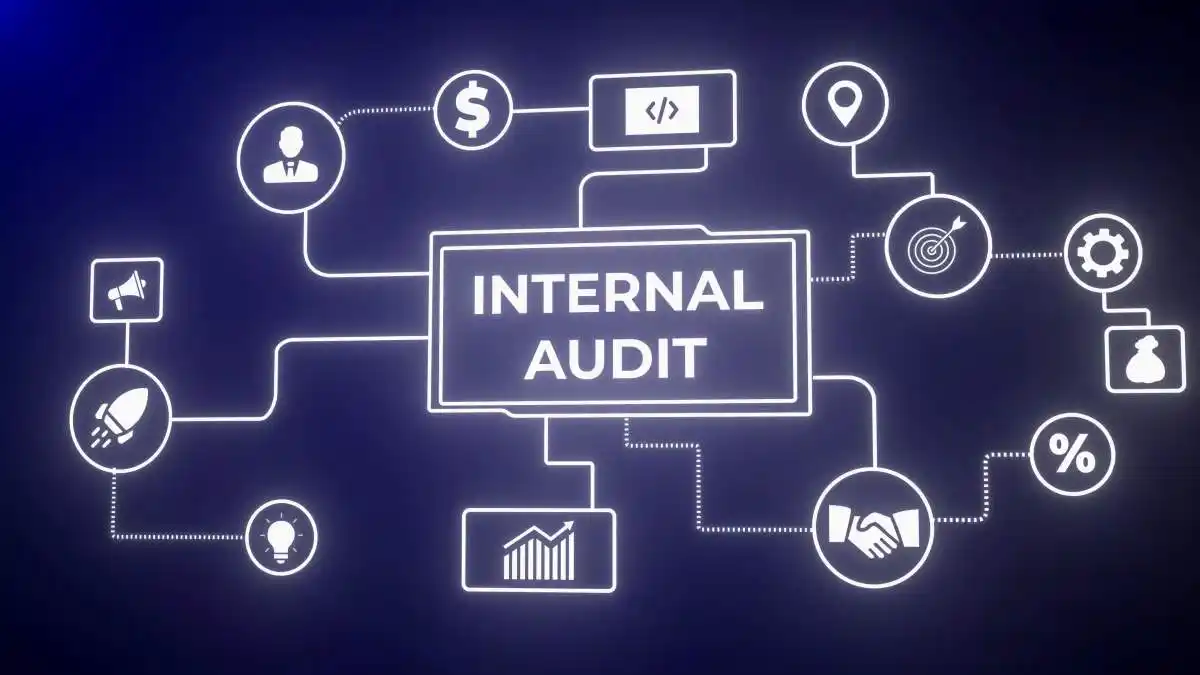
Top 5 Business Accounting Fraud Schemes
- Top 5 Business Accounting Fraud Schemes: Improper Revenue Recognition; Misrepresenting Assets; Using Complex Related-Party; Transactions, Improper Expense Capitalization; and Manipulating Reserves.
- Fraudulent Foundation: Improper revenue recognition represents one of the most pervasive and devastating forms of accounting fraud.
- Improper Revenue Recognition: Represents one of the most sophisticated and devastating forms of accounting fraud,
- Related-party transactions (RPTs): Are transactions that occur between two parties who are connected through a pre-existing relationship involving numerous transaction including loans, sales and often lead to conflicts of interests makeing it crucial to aproach them with caution and a commitment to transparence,
- Improper Reveunue Roceognitation: frequently intersects with related-party transactions and is among the most insidious forms of accounting fraud.
- Improper expense capitalization: Emerges when companies deliberately violate accounting principles to manipulate their financial results.
- The Bond: The common thread among the top five busness accounding schemes triggering securities fraud litgitation, are they are intentional and deliberate attents to create ficticous financial health at the expense of shareholders when experiencd portfolio decsimation when the tructh emerges and artifical inflation evaporates.
Improper Revenue Recognition: A Critical Pathway to Securities Fraud and Corporate Devastation
Introduction to Improper Revenue Rec0gnition
- Improper Revenue Recognition: Represents one of the most sophisticated and devastating forms of accounting fraud, creating a dangerous web of deception that fundamentally undermines investor confidence and triggers costly securities fraud class action lawsuits.
- Fraudulent Practice: This ffraudulent practice involves the deliberate manipulation of when and how companies record revenue, violating fundamental accounting principles and regulatory compliance standards established under Generally Accepted Accounting Principles (GAAP) and federal securities laws.
- Accelerated Revenue Recognition: Companies engaging in this scheme typically recognize revenue before it is actually earned, often through techniques such as channel stuffing, bill-and-hold arrangements, or fictitious sales transactions.
- Misleading Investors: These manipulative practices create artificial spikes in reported earnings that mislead investors about the company’s true financial performance and operational health, directly violating the matching principle that requires revenues to be recognized when earned and realizable.
- Complex Related-Party Transactions: Sophisticated revenue recognition fraud often involves intricate arrangements with related entities, subsidiaries, or business partners designed to obscure the true nature of transactions and circumvent traditional internal controls.
- Accounding Fraud Schemes: These schemes may include round-trip transactions, where companies essentially sell products to entities they control and later repurchase them, creating the illusion of legitimate revenue while maintaining actual control over the underlying assets.
Regulatory Enforcement after High Profile Scandals
- Regulatory Enforcement Consequences: The Securities and Exchange Commission aggressively pursues companies and eexecutives involved in improper revenue recognition schemes, often resulting in substantial civil penalties, disgorgement of ill-gotten gains, and permanent bars from serving as officers or directors of public companies.
- Criminal Liability: These regulatory enforcement actions frequently trigger parallel criminal investigations by the Department of Justice, leading to felony charges and significant prison sentences for corporate executives who orchestrate or participate in these fraudulent schemes.
- Enhanced Internal Controls: The collapse of Enron Corporation serves as perhaps the most notorious example of how improper revenue recognition can destroy even the largest corporations, wiping out approximately $74 billion in shareholder value and triggering one of the most significant securities fraud class action settlements in history.
- Sophisticased Accounting Themes: Enron’s executives employed sophisticated mark-to-market accounting for long-term energy contracts, recognizing projected profits immediately rather than over the contract’s duration, while simultaneously hiding massive losses through off-balance-sheet special purpose entities that violated fundamental corporate governance principles.
- WorldCom Fraud Magnitude: WorldCom’s $11 billion accounting fraud, primarily involving the improper capitalization of operating expenses as capital expenditures and the manipulation of reserve accounts to inflate revenue, demonstrates how revenue recognition fraud can persist for years when internal controls fail and corporate governance structures break down.
- Intentional Manipulation: The company’s CFO Scott Sullivan and other executives systematically manipulated quarterly earnings reports to meet Wall Street expectations, ultimately leading to the largest bankruptcy in U.S. history at that time and devastating losses for investors, employees, and creditors.
Detection and Prevention Strategies
- Enhanced Internal Controls: Organizations must implement robust internal controls specifically designed to prevent asset misrepresentation, including segregation of duties in asset valuation processes, independent verification procedures, and regular risk assessments targeting vulnerable areas.
- Independent Auditing: External auditors play a crucial role in detecting asset misrepresentation through detailed substantive testing, analytical procedures, and confirmation processes that verify the existence and valuation of reported assets.
- Whistleblower Programs: Effective corporate governance frameworks include confidential reporting mechanisms that encourage employees to report suspected asset manipulation without fear of retaliation, often serving as the first line of defense against fraud.
- Regular Monitoring: Companies should establish continuous monitoring systems that track key asset ratios, unusual fluctuations in asset values, and discrepancies between reported figures and industry benchmarks or historical trends.
Regulatory Framework and Enforcement
- Securities Laws Violations: Asset misrepresentation typically violates multiple federal securities laws, including Section 10(b) of the Securities Exchange Act and Rule 10b-5, which prohibit material misstatements in connection with securities transactions.
- Sarbanes-Oxley Compliance: The Sarbanes-Oxley Act requires CEO and CFO certifications of financial statement accuracy, making executives personally liable for asset misrepresentations and mandating robust internal controls over financial reporting.
- Regulatory Enforcement: The SEC actively pursues asset misrepresentation cases through civil enforcement actions, seeking monetary penalties, disgorgement of ill-gotten gains, and permanent bars from serving as corporate officers or directors.
- Class Action Litigation: When asset misrepresentation schemes unravel, they typically trigger securities fraud class action lawsuits where investors seek to recover losses caused by reliance on fraudulent financial statements, often resulting in substantial settlements.
Building Resilient Defense Systems
- Tone at the Top: Effective prevention begins with strong leadership commitment to ethical financial reporting, where executives demonstrate through actions and communications that accurate asset reporting takes precedence over short-term financial targets.
- Comprehensive Training: Organizations must provide regular training to finance personnel, asset managers, and executives on proper valuation methodologies, regulatory compliance requirements, and the severe consequences of asset misrepresentation.
- Technology Solutions: Modern enterprise resource planning systems and automated controls can help prevent asset misrepresentation by enforcing approval workflows, maintaining detailed audit trails, and flagging unusual transactions for management review
Instilling a Culture of Ethics and Transparency

- Culture of Integrity: The most effective defense against asset misrepresentation involves fostering an organizational culture where ethical behavior is valued, rewarded, and protected, creating an environment where employees feel empowered to challenge questionable practices.
- Asset misrepresentation: represents a fundamental breach of the trust that underpins efficient capital markets. When companies engage in these deceptive practices, they not only violate legal and ethical standards but also contribute to market inefficiencies that harm the broader economic system.
- Understanding these schemes: their motivations, and their consequences is essential for investors, regulators, and corporate leaders working to maintain market integrity and protect stakeholder interests in an increasingly complex financial landscape.
Hidding Liabilities, Making up Assets and Complex Valuations
- Hidden Liabilities: Organizations systematically underreport debts, contingent liabilities, or pending legal obligations, creating misleading impressions of financial stability that can trigger securities fraud litigation when the truth emerges.
- Fictitious Assets: The most egregious schemes involve creating entirely fabricated assets on financial statements, including non-existent inventory, phantom receivables, or imaginary investments that exist only on paper.
- Complex Valuations: Companies exploit subjective valuation methodologies for intangible assets, goodwill, or derivative instruments to manipulate reported values beyond reasonable market assessments, often circumventing traditional internal controls.
Using Complex Related-Party Transactions: A Sophisticated Fraud Scheme
- Complex Related-Party Transactions: Represent one of the most insidious pathways to accounting fraud, creating a dangerous web of deception that can devastate investor confidence and trigger costly securities class action lawsuits.
- Complex Related-Party Transactions: This sophisticated fraud scheme exploits the inherent complexity of corporate relationships to obscure financial reality and manipulate reported performance.
Methods of Complex RPT Manipulation
- Circular Transactions: Companies create elaborate circular transaction schemes where funds or assets move between related entities in complex patterns; these arrangements artificially inflate revenue while obscuring the true economic substance of business activities.
- Off-Balance Sheet Entities: Accounting fraud perpetrators establish special purpose vehicles and subsidiary companies to hide debt and inflate assets; these complex structures remove liabilities from consolidated financial statements while maintaining economic control over the entities.
- Transfer Pricing Manipulation: Organizations manipulate transfer pricing between related entities to shift profits to favorable jurisdictions or reporting periods; this accounting fraud technique allows companies to artificially enhance earnings in specific reporting segments while avoiding regulatory scrutiny.
- Asset Shuffling: Complex Related-Party Transactions involve moving Preventing and Detecting Accounting Fraud: An Authoritative and Painstaking Investor Guide [2025]; companies use these schemes to meet earnings targets and avoid covenant violations that could trigger securities litigation.
- Legal and Financial Consequences
- Securities Litigation: When complex RPT schemes unravel, they typically trigger extensive securities class action lawsuits as investors seek toMisleading Financial Statements: An Instructive Investor Guide to a Securities Litigation Trigger [2025]; plaintiffs argue that these transactions constituted material misrepresentations under federal securities laws.
- Regulatory Enforcement: Regulatory compliance failures related to complex RPTs attract intense scrutiny from the SEC and other regulatory bodies; enforcement actions often result in substantial civil penalties, disgorgement of ill-gotten gains, and permanent bars from serving as corporate officers.
- Reputational Damage: The long-term consequences extend far beyond immediate financial penalties, creating lasting skepticism among investors, customers, and business partners; companies involved in complex RPT fraud often struggle to access capital markets and attract quality management talent.
- Criminal Prosecution: Corporate governance failures that enable complex RPT fraud can lead to criminal charges against executives; these prosecutions often result in significant prison sentences and personal financial ruin for those ffound guilty of orchestrating sophisticated fraud schemes.
Detection and Prevention Strategies
- Enhanced Internal Controls: Organizations must implement robust internal controls specifically designed to identify and evaluate complex related-party relationships; these controls should include comprehensive disclosure requirements and independent review processes for all significant RPTs.
- Risk Assessments: Regular risk assessments must specifically address the potential for complex RPT abuse by examining the business rationale for related-party dealings; companies should establish clear policies requiring arm’s length pricing and independent valuation for significant transactions.
- Corporate Governance: abuse by examining the business rationale for related-party dealings of all material related-party transactions; audit committees must have the expertise and authority to challenge management’s explanations for complex RPT structures.
- Risk Assessments: Maintaining strict regulatory compliance requires ongoing monitoring of disclosure requirements and prompt reporting of material related-party relationships; companies must ensure that their financial reporting accurately reflects the economic substance of all RPT arrangements.
Warning Signs for Investors

- Red Flags: Investors should exercise heightened scrutiny when companies report significant revenues or profits from related-party transactions; unusual fluctuations in RPT volumes or terms may indicate potential accounting fraud that could lead to securities class action participation opportunities.
- Documentation Gaps: Inadequate documentation or explanation of complex related-party arrangements often signals potential fraud; investors should carefully evaluate whether companies provide sufficient transparency about the business rationale and economic terms of significant RPTs.
Weak Governance and Internal Controls
- Governance Weaknesses: Companies with weak corporate governance structures or inadequate internal controls face elevated risks of complex RPT abuse; these deficiencies create opportunities for management to exploit related-party relationships for fraudulent purposes.
- To effectively navigate the risks associated with complex related-party transactions, businesses must maintain unwavering commitment to transparency and ethical conduct. By implementing comprehensive internal controls, conducting thorough risk assessments, and ensuring robust corporate governance oversight, organizations can protect themselves from the devastating consequences of securities litigation while preserving stakeholder trust and market confidence.
Improper Expense Capitalization: A Sophisticated Fraud Scheme
- Improper expense capitalization: Emerges when companies deliberately violate accounting principles to manipulate their financial results.
- Capitalized Expenses: This accounting fraud involves capitalizing expenses that should be immediately recognized, creating artificial asset inflation while understating current period expenses.
- Calculated Deception: The practice represents a calculated deception that fundamentally distorts a company’s true operational performance and financial health.
Companies Employ Numerous Manipulative Tactics
- Companies engaging in improper expense capitalization typically employ several manipulative tactics. Aggressive capitalization policies allow management to classify routine operational expenses as capital investments, artificially boosting reported earnings.
- Extending useful life estimates beyond reasonable parameters spreads costs over longer periods, reducing annual expense recognition. Capitalizing questionable costs involves recording expenses that provide no future economic benefit as assets, creating phantom value on balance sheets.
- The motivations behind these schemes often stem from intense pressure to meet Wall Street expectations, analyst forecasts, and debt covenant requirements. Management teams facing declining performance may resort to improper expense capitalization to maintain the appearance of financial stability while buying time to address underlying operational challenges.
Red Flags and Detection Strategies
- Warning signs: Improper expense capitalization red flags include unusual increases in capitalized expenses relative to total expenditures, significant changes in capitalization policies without adequate justification, and growing disparities between cash flow from operations and reported earnings.
- Sophisticated analysis: Reveals patterns where companies consistently capitalize expenses that industry peers expense immediately, suggesting potential manipulation.
- Risk assessments: Must examine the reasonableness of useful life estimates, the nature of capitalized costs, and thecontrols should include robust approval processes for capitalization decisions, regular reviews of capitalized balances, and independent verification of asset valuations.
Improper Expense Capitalization: A Sophisticated Fraud Scheme
- Improper expense capitalization: Emerges when companies deliberately violate accounting principles to manipulate their financial results.
- Capitalized Expenses: This accounting fraud involves capitalizing expenses that should be immediately recognized, creating artificial asset inflation while understating current period expenses.
- Calculated Deception: The practice represents a calculated deception that fundamentally distorts a company’s true operational performance and financial health.
Companies Employ Numerous Manipulative Tactics

- Companies engaging in improper expense capitalization typically employ several manipulative tactics. Aggressive capitalization policies allow management to classify routine operational expenses as capital investments, artificially boosting reported earnings.
- Extending useful life estimates beyond reasonable parameters spreads costs over longer periods, reducing annual expense recognition. Capitalizing questionable costs involves recording expenses that provide no future economic benefit as assets, creating phantom value on balance sheets.
- The motivations behind these schemes often stem from intense pressure to meet Wall Street expectations, analyst forecasts, and debt covenant requirements. Management teams facing declining performance may resort to improper expense capitalization to maintain the appearance of financial stability while buying time to address underlying operational challenges.
Red Flags and Detection Strategies
- Warning signs: Improper expense capitalization red flags include unusual increases in capitalized expenses relative to total expenditures, significant changes in capitalization policies without adequate justification, and growing disparities between cash flow from operations and reported earnings.
- Sophisticated analysis: Reveals patterns where companies consistently capitalize expenses that industry peers expense immediately, suggesting potential manipulation.
- Risk assessments: Must examine the reasonableness of useful life estimates, the nature of capitalized costs, and thecontrols should include robust approval processes for capitalization decisions, regular reviews of capitalized balances, and independent verification of asset valuations.
Cookie Jar Reserves: The Classic Manipulation Scheme
- Excessuve Reserves: One of the most common forms of reserve manipulation involves the creation of excessive reserves during profitable periods, only to reverse these reserves in subsequent quarters when earnings fall short of expectations.
- Cookie Jar: This practice, known as “cookie jar” accounting, allows companies to smooth earnings artificially and create the illusion of consistent financial performance.
- Artifically Boosting Earnings: Companies build these excessive reserves by overestimating future liabilities, warranty costs, or restructuring expenses, then systematically release portions of these reserves to boost earnings in weaker quarters.
- Consequences: The legal ramifications of cookie jar reserve manipulation are severe and far-reaching. When these schemes inevitably unravel, the corrective disclosures typically trigger significant stock price declines, leading to substantial investor losses and creating the foundation for securities class action lawsuits.
- Securities litigation: Plaintiffs typically allege that reserve manipulation constitutes corrective disclosures typically trigger significant stock price declines, arguing that investors relied on false financial statements when making investment decisions.
Inadequate Reserve Recognition: Understating Future Obligations
- Intentionally Understating Reserves: Another prevalent form of manipulating reserves involves the systematic understatement of required reserves to inflate current period earnings.
- Companies engaging in this practice deliberately underestimate future warranty claims, bad debt expenses, environmental liabilities, or litigation costs to present a rosier financial picture to investors and analysts.
- This deceptive practice creates a ticking time bomb, as the inadequate reserves eventually prove insufficient to cover actual losses, forcing companies to record massive charges that devastate reported earnings.
- The regulatory enforcement consequences of inadequate reserve recognition are particularly severe, as this practice directly violates the matching principle and conservative accounting standards. Companies found guilty of systematically understating reserves face substantial civil penalties, regulatory enforcement actions, and extensive securities class action litigation from damaged investors.
Timing Manipulation: Strategic Reserve Reversals
- Sophisticated reserve manipulation schemes often involve the strategic timing of reserve reversals to maximize their impact on reported earnings. Companies may accelerate the reversal of legitimate reserves or delay the recognition of new reserve requirements to meet quarterly earnings targets. This timing manipulation creates artificial volatility in reported results and misleads investors about the company’s underlying operational performance and financial trajectory.
The Devastating Consequences: Legal Penalties and Investor Impact
- The consequences of manipulating reserves extend far beyond simple accounting errors, often resulting in catastrophic financial restatements, regulatory investigations, and extensive securities class action litigation. When reserve manipulation schemes unravel, they typically trigger a cascade of devastating consequences that can threaten the organization’s survival and destroy shareholder value.
Reputational Damage: The Long-Term Cost of Deception
- Companies involved in reserve manipulation face severe reputational damage that extends beyond immediate financial penalties. The revelation of fraudulent reserve practices creates lasting skepticism among investors, customers, and business partners, making it difficult for companies to access capital markets, attract top-tier talent, or maintain customer relationships. This subsequent securities class action settlement exceeded $180 million
Legal Penalties: Criminal and Civil Consequences
- The legal penalties associated with manipulating reserves are severe and multifaceted, encompassing both civil and criminal enforcement actions. Regulatory enforcement agencies actively pursue companies and their executives involved in reserve manipulation, leading to substantial civil penalties, disgorgement of ill-gotten gains, and permanent bans from serving as officers or directors of public companies. These enforcement actions often trigger parallel criminal investigations, resulting in felony charges and significant prison sentences for those found guilty.
- In a notable case involving a major technology company, three C-suite executives faced criminal charges related to systematic reserve manipulation spanning multiple fiscal years. The CFO ultimately received a four-year federal prison sentence, while the company itself entered into a deferred prosecution agreement, paying $275 million in fines and agreeing to enhanced oversight for five years. The subsequent securities class action settlement exceeded $180 million, reflecting the substantial investor losses caused by the fraudulent reserve practices.
Investor Impact: The Ripple Effect of Deception
- When reserve manipulation schemes unravel, the corrective disclosures can trigger dramatic stock price declines, causing substantial financial harm to individual and institutional investors alike.
- The company’s stock price plummeted from $52 per share to $23 per share, representing a devastating 56% decline that wiped out retirement savings and institutional investments.
- The subsequent investigation revealed a pattern of deliberate reserve misstatements spanning three fiscal years, resulting in a substantial legal battle and a multi-million dollar settlement.
- Securities class action plaintiffs typically allege that companies made material misrepresentations about their financial condition, arguing that investors relied on fraudulent reserve figures when making investment decisions. The resulting litigation can drag on for years, creating ongoing uncertainty and additional legal costs that further damage shareholder value and corporate reputation.
Detection and Prevention: Safeguarding Against Reserve Manipulation
- Manipulating reserves requires robust internal controls and comprehensive risk assessments that specifically address reserve-related fraud risks.
- Companies must implement sophisticated control mechanisms that provide independent verification of reserve calculations and prevent unauthorized adjustments to reserve balances.
Implementing Effective Internal Controls

- Approval Policies: Strong authorization and approval policies serve as the backbone of effective reserve control systems, establishing clear hierarchies and approval thresholds for reserve adjustments.
- Sepregation of duties: These policies must specify who has authority to propose, review, and approve reserve changes, ensuring that no single individual can manipulate reserve balances without appropriate oversight and documentation.
- Segregation of duties: Represents perhaps the most fundamental principle in preventing reserve manipulation.
- Critical Contral Mechanism: This critical control mechanism ensures that the individuals responsible for calculating reserves are separate from those who approve reserve adjustments, and both are independent from those who record the final journal entries.
- No Checkpoints: This separation creates natural checkpoints that make fraudulent reserve manipulation significantly more difficult to execute and conceal.
Enhanced Documentation and Audit Trails
- Prevention: Effective prevention of reserve manipulation requires comprehensive documentation of all reserve calculations, assumptions, and adjustments. Companies must maintain detailed audit trails that allow independent verification of reserve methodologies and provide clear evidence of the business rationale supporting each reserve adjustment.
- Documentation: These documentation requirements prove invaluable during regular audits and regulatory enforcement investigations, enabling auditors and regulators to reconstruct decision-making processes and identify potential control weaknesses.
- Regular audits and monitoring activities must specifically focus on reserve balances and related calculations, employing both statistical analysis and detailed transaction testing to identify unusual patterns or unexplained fluctuations. These audit procedures should examine not only the mathematical accuracy of reserve calculations but also the reasonableness of underlying assumptions and the consistency of methodologies across reporting periods.
Building a Culture of Integrity: The Ultimate Defense
- Building a culture of integrity and accountability: Is the cornerstone of effective fraud prevention and serves as the ultimate defense against reserve manipulation.
- Fostering an ethical environment: Where accurate financial reporting is valued over short-term earnings management creates a powerful deterrent against fraudulent activities and protects organizations from the devastating consequences of securities litigation.
- Code of Conduct: Companies must establish clear codes of conduct that explicitly prohibit reserve manipulation and provide specific guidance on appropriate reserve management practices. These policies should be regularly communicated to all employees involved in the financial reporting process, with particular emphasis on the legal and ethical obligations surrounding reserve calculations and adjustments.
- Whistleblower policies: Play a crucial role in detecting and preventing reserve manipulation by providing employees with safe channels to report suspected fraudulent activities. These policies must protect employees from retaliation and provide clear procedures for investigating and addressing reported concerns about reserve practices.
The Regulatory Landscape: Evolving Standards and Enforcement
- Regulatory landscape: Surrounding reserve manipulation continues to evolve, with increasing emphasis on proactive risk management and transparent reporting.
- Regulatory enforcement agencies: Have become increasingly sophisticated in their detection methods, employing advanced data analytics and industry-specific expertise to identify potential reserve manipulation schemes.
- Recent Developments: Recent regulatory developments have strengthened disclosure requirements for reserve methodologies and increased penalties for companies found guilty of reserve manipulation. T
- These enhanced standards: reflect the recognition that reserve manipulation poses significant risks to market integrity and investor confidence, requiring robust preventive measures and swift enforcement action when violations occur.
- Protecting Market Integrity Through Vigilant Oversight
- Manipulating reserves represents one of the most sophisticated yet devastating forms of accounting fraud, with consequences that extend far beyond immediate financial penalties to encompass reputational damage, legal penalties, and substantial investor impact. The lessons learned from past cases of reserve manipulation have underscored the critical importance of transparency and accountability in financial reporting, highlighting the need for robust internal controls, comprehensive risk assessments, and strong corporate governance practices
Protecting Market Integrity Through Vigilant Oversight
- By implementing comprehensive prevention strategies that combine effective internal controls, regular audits, thorough risk assessments, and strong corporate governance practices, companies can protect themselves from the devastating consequences of securities litigation while building stakeholder confidence in their financial reporting integrity. The ultimate goal must be fostering a culture where ethical behavior becomes the norm rather than the exception, creating sustainable value for all stakeholders while maintaining the highest standards of financial reporting accuracy and transparency.
- For investors who have suffered losses due to reserve manipulation schemes, understanding your rights under federal securities laws is crucial. If you have experienced substantial losses and wish to explore your legal options regarding securities class action participation, consulting with experienced securities litigation attorneys can help you understand your rights and potential remedies under applicable securities laws.

Conclusion
- As the financial landscape continues to evolve, the importance of each of the top five business accountng fraus schemes that trigger securities litigations addees in this comprehensive guide remains paramount in maintaining stability, trust, and growth.
- The lessons learned from past instances on the deliberate methods of accounting fraud addresses, demonstrate the need for transparency, accountability, and robust regulatory frameworks to prevent unethical practices.
- Companies, regulators, and stakeholders must work together to promote a culture of integrity and ethical governance, ensuring that reserves are managed responsibly and strategical