Introduction to How Sarbanes-Oxley Deters Fraud
How Sarbanes-Oxley Deters Fraud is a qeustion well will addreess in detain in this comprensive investor guide, but to summarize:
- The Sarbanes-Oxley Act of 2002 emerged from the ashes of corporate scandals that devastated investor confidence in the early 2000s.
- Enron’s collapse, which wiped out $74 billion in shareholder value, and WorldCom’s $11 billion accounting fraud exposed critical weaknesses in corporate governance structures and auditing practices.
- The Effects of Sarbanes-Oxley legislation fundamentally transformed how public companies approach financial reporting and corporate governance.
- Key Provisions Include:
- The PCAOB: The establishment of the Public Company Accounting Oversight Board (PCAOB), which oversees the audits of public companies to ensure accuracy and compliance with regulations.
- Section 302: Mandates that senior corporate officers personally certify the accuracy of financial statements.
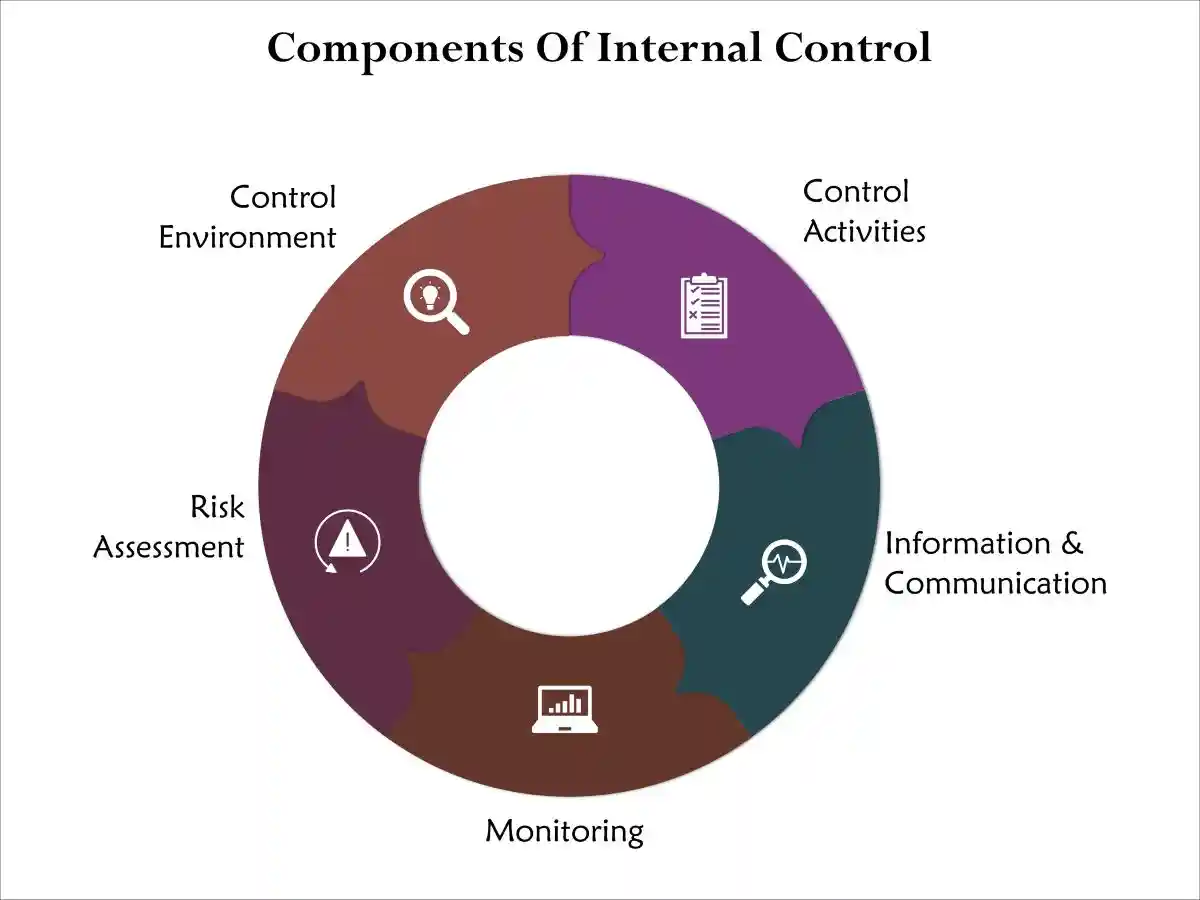
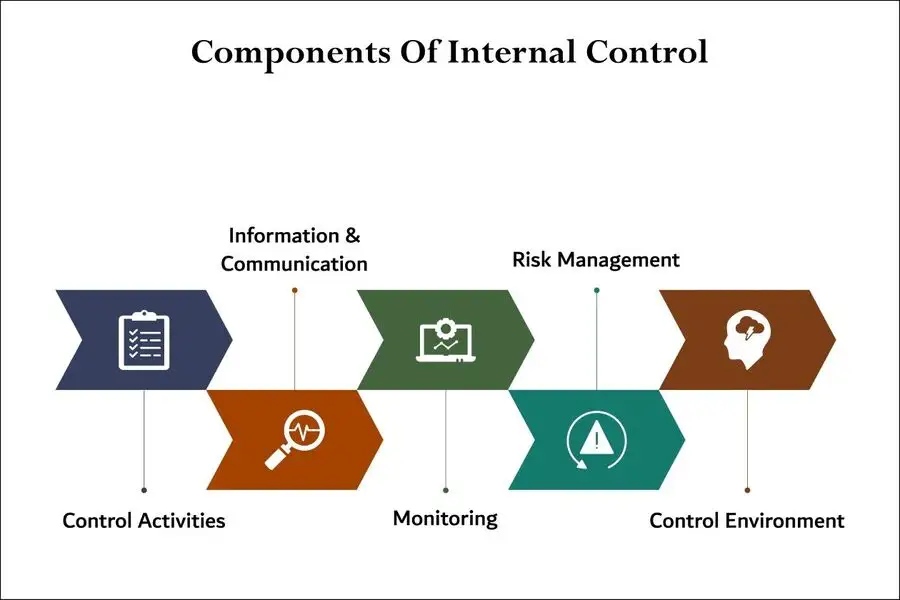
- Section 404: Requires publicly traded companies to implement and maintain effective internal controls over financial reporting to prevent and detect fraud.
- Whistleblower Protections: The Act created protections and anonymous reporting mechanisms that encourage employees to expose corporate misconduct without fear of retaliation.
Section 302’s Executive Certification Requirements
- Another critical component of SOX is Section 302, which mandates that senior corporate officers personally certify the accuracy of financial statements.
- Executive certification: CEOs and CFOs must personally certify that their company’s financial reports are accurate and truthful.
- They must also attest to the effectiveness of the company’s internal controls. Knowingly signing off on false reports can lead to substantial fines and up to 20 years in prison.
- The certification requirements under Section 302 have created a culture of accountability that extends throughout corporate hierarchies.
- In summary, CEOs and CFOs must now personally attest that they have reviewed financial reports, that the reports fairly present the company’s financial condition, and that they have disclosed any material weaknesses in internal controls and any fraud that involves staff who have a significant role in the issuer’s internal controls.
Mandated internal controls
- Section 404: This section requires management to assess and report on the effectiveness of its internal control structure annually. External auditors must then independently verify this assessment, adding another layer of oversight.
- Segregation of duties: Companies must establish controls to ensure no single person has too much power over financial processes.
- By separating responsibilities, the risk of an individual completing and concealing fraudulent activities is reduced.
- IT controls: SOX requires robust IT security measures, such as access controls and comprehensive logging, to protect financial data from unauthorized access or manipulation.
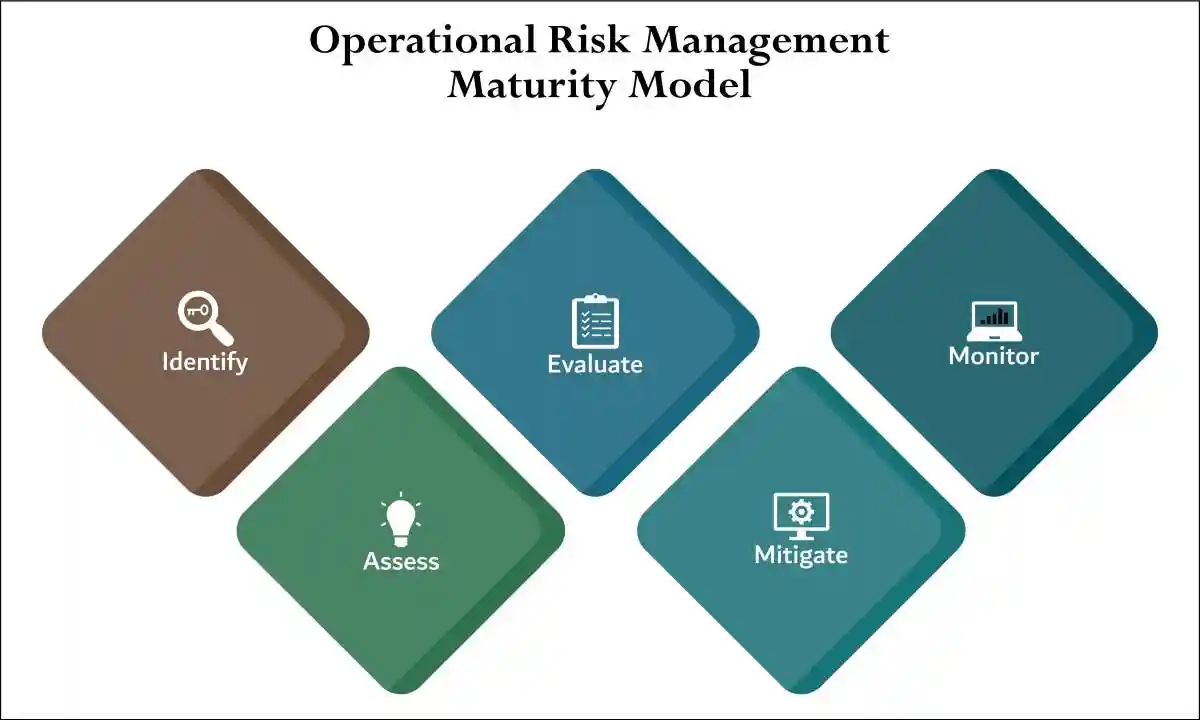
- Auditing and testing: Companies must regularly test their internal controls to ensure they are functioning as intended. This continuous monitoring helps to proactively identify and address weaknesses.
Strengthened Auditor Independence and Oversight
- Public Company Accounting Oversight Board (PCAOB): This board was created to oversee the audits of public companies, ending more than a century of self-regulation by the accounting profession.
- Auditor independence: Accounting firms are prohibited from performing certain non-audit services, such as consulting, for the same company they audit.
- The lead audit partner must also be rotated regularly.
- Audit committee independence: Public companies are required to have independent audit committees composed of outside members of the board of directors. The audit committee is responsible for overseeing the auditing process and hiring the external auditor.

Increased accountability and harsher penalties
SOX holds executives directly responsible for financial statements and imposes severe consequences for misconduct, creating a strong disincentive for fraudulent activity.
-
- Executive certification: CEOs and CFOs must personally certify that their company’s financial reports are accurate and truthful.
- They must also attest to the effectiveness of the company’s internal controls. Knowingly signing off on false reports can lead to substantial fines and up to 20 years in prison.
- Enhanced penalties: The act significantly increases the criminal penalties for corporate and white-collar fraud.
- For instance, the maximum prison sentence for mail and wire fraud was extended to 20 years.
- Individuals who knowingly alter, destroy, or falsify documents to obstruct an investigation also face fines and long prison terms.
- “Clawback” provisions: Executives who receive bonuses or other incentive-based compensation from fraudulent financial results must forfeit those payments if the company is later required to restate its financials.
- Officer and director bars: The Securities and Exchange Commission (SEC) can temporarily freeze “extraordinary payments” to executives during an investigation and has the authority to permanently bar individuals who have committed securities violations from serving as an officer or director of a public company.
- Executive certification: CEOs and CFOs must personally certify that their company’s financial reports are accurate and truthful.
Protected Whistleblower Channels
The act created protections and anonymous reporting mechanisms that encourage employees to expose corporate misconduct without fear of retaliation.
- Secure reporting: SOX mandates that companies establish internal procedures for the anonymous and confidential submission of complaints regarding questionable accounting or auditing matters.
- Anti-retaliation protections: The act prohibits public companies from discharging, demoting, suspending, or otherwise discriminating against an employee who reports alleged misconduct.
- Legal recourse: If an employee is retaliated against for whistleblowing, they can seek relief through the Department of Labor and may be entitled to remedies such as reinstatement and back pay.
Legal Consequences of Misleading Financial Statements
Companies that issue misleading financial statements face severe legal ramifications that can devastate their operations and reputation. Understanding these consequences is crucial for both corporate leadership and investors.
Civil Liabilities and Securities Litigation
- Civil liabilities represent one of the most immediate threats to companies involved in financial statement fraud.
- Key points:
- Shareholders who suffer losses due to misleading information can pursue securities class action lawsuits, seeking substantial monetary damages.
- These securities class actions often result in settlements reaching hundreds of millions of dollars, creating significant financial strain on defendant companies.
- The legal framework surrounding securities litigation has evolved to provide multiple avenues for investor protection.
- Private securities litigation enables shareholders to recover losses directly from companies and their executives, while regulatory enforcement actions by government agencies can result in additional penalties and sanctions.
THE SECURITIES LITIGATION PROCESS
| Filing the Complaint | A lead plaintiff files a lawsuit on behalf of similarly affected shareholders, detailing the allegations against the company. |
| Motion to Dismiss | Defendants typically file a motion to dismiss, arguing that the complaint lacks sufficient claims. |
| Discovery | If the motion to dismiss is denied, both parties gather evidence, documents, emails, and witness testimonies. This phase can be extensive. |
|
Motion for Class Certification |
Plaintiffs request that the court to certify the lawsuit as a class action. The court assesses factors like the number of plaintiffs, commonality of claims, typicality of claims, and the adequacy of the proposed class representation. |
|
Summary Judgment and Trial |
Once the class is certified, the parties may file motions for summary judgment. If the case is not settled, it proceeds to trial, which is rare for securities class actions. |
|
Settlement Negotiations and Approval |
Most cases are resolved through settlements, negotiated between the parties, often with the help of a mediator. The court must review and grant preliminary approval to ensure the settlement is fair, adequate, and reasonable. |
| Class Notice | If the court grants preliminary approval, notice of the settlement is sent to all class members, often by mail, informing them about the terms and how to file a claim. |
| Final Approval Hearing | The court conducts a final hearing to review any objections and grant final approval of the settlement. |
| Claims Administration and Distribution | A court-appointed claims administrator manages the process of sending notices, processing claims from eligible class members, and distributing the settlement funds. The distribution is typically on a pro-rata basis based on recognized losses. |
Criminal Charges and Individual Accountability
- Beyond civil penalties, under Section 906 of the Act establishes criminal liability for failure of corporate officers to certify financial reports.
- This includes maximum imprisonment of: (1) ten years for certifying while knowing that the periodic report does not comport with the Act; and (2) twenty years for willfully certifying a statement knowing it does not comport with the provisions of the Act.
- Additionally, Section 304 of the Act, requires the CEO and CFO to forfeit any bonuses and compensation received following an accounting restatement that was triggered by a violation of securities laws.
- Section 306 of the Act prohibits insider trades by board members and executives during pension fund blackout periods if the equity security was acquired in connection with their services as a board member or executive.
Preventive Measures for Corporate Compliance
Companies can implement several strategic measures to prevent the issuance of misleading financial statements and ensure regulatory compliance.
Establishing Robust Internal Controls
- Robust internal controls form the foundation of reliable financial reporting.
- These systems should encompass:
- Comprehensive policies, procedures, and monitoring mechanisms that detect and prevent errors or fraudulent activities before they impact financial statements.
- Effective internal controls include segregation of duties, authorization protocols, and regular reconciliation procedures.
- Companies must also invest in technology solutions that automate control processes and provide real-time monitoring capabilities.
- Advanced analytics and artificial intelligence tools can identify unusual patterns or transactions that may indicate potential fraud or errors.
Independent Audits and External Oversight
- Independent audits provide crucial external validation of financial reporting accuracy.
- Companies should work closely with their auditors to ensure comprehensive examination of financial records and internal control systems.
- The auditor-client relationship should emphasize transparency and open communication about potential risks or concerns.
- Regular rotation of audit partners and periodic consideration of audit firm rotation can help maintain independence and bring fresh perspectives to the audit process.
Implementing Whistleblower Programs
- Whistleblower programs create safe channels for employees to report suspected financial irregularities without fear of retaliation.
- These programs should include anonymous reporting mechanisms, clear investigation procedures, and strong anti-retaliation protections.
- Effective whistleblower programs often provide the earliest warning signs of potential financial statement problems, enabling companies to address issues before they escalate into major compliance failures.
Enhanced Board Oversight and Governance
- Board oversight plays a critical role in preventing financial statement fraud. Independent directors, particularly those serving on audit committees, must possess the financial expertise necessary to effectively oversee management’s financial reporting responsibilities.
- Regular executive sessions without management present, direct communication channels with external auditors, and comprehensive review of internal control reports help ensure boards fulfill their oversight obligations effectively.
The Ongoing Evolution of Financial Regulation
The landscape of financial regulation continues evolving in response to emerging risks and compliance failures.
Companies must stay current with regulatory developments and adapt their compliance programs accordingly.
This includes monitoring guidance from regulatory bodies, participating in industry best practice initiatives, and investing in ongoing compliance training for employees at all levels.
The cost of compliance failures extends far beyond immediate financial penalties, encompassing reputational damage, increased regulatory scrutiny, and potential exclusion from capital markets.
Organizations that prioritize proactive compliance management position themselves for sustainable long-term success while protecting stakeholder interests.
By implementing comprehensive fraud prevention measures and maintaining vigilant oversight of financial reporting processes, companies can protect themselves from the devastating consequences of misleading financial statements while contributing to overall market integrity and investor confidence.
SARBANEX-OXLEY AUDITOR CHECKLIST
|
Breaches |
Systems should be able to detect unusual activity, respond quickly, and defend against threats like ransomware and phishing attacks. Software and systems should be updated with security patches. DLP systems should be in place to prevent sensitive financial data from being leaked, shared, or stolen. |
|
Checklist |
Systems should be able to detect unusual activity, respond quickly, and defend against threats like ransomware and phishing attacks. Software and systems should be updated with security patches. DLP systems should be in place to prevent sensitive financial data from being leaked, shared, or stolen. |
|
Storage |
Sensitive data must be stored securely. It should be encrypted and organized so it can be indexed, searchable, and easily retrieved. This applies to on-premise as well as cloud environments. SOX compliance also requires companies to retain data for specific periods, so data retention should not be taken easy. |
| Access | Each user should have unique credentials, with session tracking and role-based permissions to prevent unauthorized activity. Companies should regularly review the list of users who have access to critical systems, and readily remove access for employees who leave or change roles. |
|
Logs |
Split up responsibilities so that no one person manages a process from start to finish. Strengthen it with system checks and employee training. |
| Segregation of Duties |
Split up responsibilities so that no one person manages a process from start to finish. Strengthen it with system checks and employee training. |
| Audit Trail | Keep records of every transaction or system change with timestamps. |
| Backup Systems | Backup procedures should be documented, and data restore procedures should be tested as per compliance standards. |
| Third-Party Vendors | Verify that service providers, such as cloud platforms, follow proper security and compliance practices, since their inadequacies can negatively impact your controls. |
The Role of Internal Controls in Fraud Prevention
- Internal controls represent a cornerstone of the Sarbanes-Oxley Act, designed to safeguard assets, ensure financial statement reliability, and promote operational efficiency.
- By mandating the implementation of robust internal controls, SOX aims to prevent fraudulent activities from taking root within an organization.
- Key Controls:
- These controls are systematic measures, such as checks and balances, that ensure the integrity of financial and accounting information, promote accountability, and prevent errors and fraud.
- Under SOX, Section 404 proves particularly significant, requiring management and external auditors to report on the adequacy of a company’s internal control over financial reporting.
- This section compels companies to document and test their internal controls comprehensively, thereby uncovering potential weaknesses that could be exploited.
- By doing so, SOX enhances the reliability of financial statements and ensures that executives cannot easily manipulate financial data without detection.

The Devastating Impact of False Financial Statements
- The consequences of issuing false financial statements extend far beyond immediate financial losses and include:
- Companies face severe regulatory enforcement actions, including hefty fines and criminal charges against executives.
- The aftermath often triggers securities class action lawsuits, where shareholders seek compensation for investment losses caused by misleading information.
- These securities litigation cases can drag on for years, draining company resources and permanently damaging corporate reputation.
- Accounting fraud creates a domino effect throughout the financial ecosystem.
- When investors discover they have been misled, they lose confidence not only in the specific company but in market integrity overall.
- This erosion of trust can lead to broader market volatility and reduced capital availability for legitimate business operations.
Corporate Governance and Regulatory Compliance
- Effective corporate governance extends beyond mere regulatory compliance—it creates a culture where ethical behavior becomes the norm rather than the exception.
- This cultural transformation requires leadership commitment at every organizational level, from the C-suite to front-line employees.
- Key Implementations:
- Compliance failures often result from inadequate training or unclear expectations.
- Organizations must invest in comprehensive compliance education, ensuring every employee understands their role in maintaining financial integrity.
- Regular training updates keep staff informed about evolving regulations and emerging fraud schemes.
- The presence of strong internal controls acts as a powerful deterrent to fraud by creating a culture of accountability and transparency within organizations.
- Employees become less likely to engage in fraudulent activities when they know rigorous controls exist and any discrepancies will be promptly identified.
- This preventive measure not only protects companies from financial losses but also helps maintain investor confidence in financial integrity.

Legal Implications and Financial Consequences
- Companies issuing misleading financial statements face substantial civil liabilities beyond criminal penalties.
- Shareholders can pursue damages through class action lawsuits, seeking compensation for investment losses attributed to fraudulent financial reporting.
- These civil remedies often result in settlements reaching hundreds of millions of dollars, creating powerful economic incentives for compliance.
- Regulatory fines imposed by the SEC have increased dramatically in both frequency and magnitude since SOX implementation.
- The commission now routinely imposes penalties exceeding $100 million for significant financial reporting violations, with repeat offenders facing even more severe sanctions.
- Directors and officers also face personal liability exposure, with D&O insurance policies increasingly excluding coverage for intentional misconduct and regulatory violations.
- This shift has made board service more challenging while simultaneously improving the quality of corporate oversight.
Quantitative Findings on SOX’s Effectiveness
- Decline in financial restatements: The number of financial restatements—when a company corrects a previously issued financial statement due to material errors—is a key indicator.
- Restatements iinitially spiked after SOX was passed in 2002 as companies and auditors became more vigilant, peaking in 2006.
- This was widely interpreted as the act successfully uncovering issues. In the years that followed, the number of restatements steadily declined.
- Reduced fraud probability: A 2010 academic study found a statistically and economically significant reduction of 100 basis points (1%) in the probability of fraud commission after SOX was implemented. The study attributed this reduction to the internal control provisions of the act.
- Higher investor confidence: Surveys conducted over the years show a significant increase in investor confidence in the accuracy of financial reporting and the capital markets. The Center for Audit Quality’s “Main Street Investor Survey” found that from 2011 to 2019:
- Confidence in independent auditors rose from 67% to 83%.
- Confidence in independent audit committees rose from 63% to 81%.
- Confidence in government regulators and oversight increased from 39% to 63%.
- Stronger internal controls: In a 2005 survey of 222 financial executives, 79% reported that their company had stronger internal controls after complying with Section 404 of SOX. Of the 74% of executives who felt their company benefited from SOX, 33% cited a lessened risk of financial fraud.
The Cost of Compliance and the Financial Impact of the Sarbanes-Oxley Act
Higher Absolute Costs for Larger Companies
-
Larger scale:Larger public companies have more complex operations and larger markets, necessitating more extensive internal control systems.
-
Sophistication:Larger companies can develop more sophisticated systems, which, despite the higher absolute cost, can make compliance more efficient.
Greater Relative Burden for Smaller Companies
-
Less robust systems:Smaller companies often have less developed internal control processes, requiring more intensive testing and review by audit firms.
-
Higher audit fees:Due to increased testing, auditors charge smaller companies more in fees, and these fees represent a larger portion of their smaller companies’ overall expenses.
-
Limited resources:Smaller firms llack the financial resources and economies of scale to absorb these costs as easily as larger corporations.
-
Administrative impact:The complex administrative tasks and requirements of SOX are a significant drain on resources for smaller companies, diverting attention from other strategic goals.
Evidence and Studies
- A 2025 GAO report found that while nonexempt (typically larger) companies had higher overall costs, these costs were disproportionately more burdensome for smaller, exempt companies.
- Radical Compliance noted the trend 20 years ago that SOX compliance costs were always more expensive for smaller companies when measured as a percentage of revenue or assets.
- A UC Berkeley Economics Department study showed that SG&A costs (including audit fees) were nearly 4.5 times larger for the smallest 10% of companies compared to the largest 10% of companies.
- After more than 20 years, many firms now view SOX compliance not merely as a cost, but as a financial investment. The legislation has pushed companies to identify process inefficiencies and strengthen their overall financial controls.
- Most assessments conclude that SOX has successfully achieved its primary goal of restoring investor confidence in the accuracy of financial reporting, despite the significant costs and mixed results for some firms.
SEC Exemptions and Relief Efforts Regulatory Compliance
- Exemption from auditor attestation: Since the Dodd-Frank Act, certain smaller companies have been exempted from the Section 404(b) requirement for an external auditor to attest to the effectiveness of internal controls. This applies to “non-accelerated filers,” including Emerging Growth Companies (EGCs) that meet specific revenue and public float thresholds.
- Scaled requirements: Some exemptions allow certain smaller reporting companies (SRCs) to comply only with the management-led assessment portion of Section 404, not the more costly external auditor attestation.
Strategies to Overcome Resource Constraints
- Automate repetitive tasks: Using affordable software and tools to automate processes like accounting, marketing, and customer relationship management (CRM) can free up valuable time for strategic work and increase productivity.
- Strategic marketing: Small businesses can focus on cost-effective digital marketing, such as social media and email, and leverage referral and loyalty programs. Unlike larger corporations with massive advertising budgets, they can build strong customer relationships through personalized service and community ties.
- Optimize operations: Streamlining existing workflows can improve efficiency without major investments. Small firms can reallocate workloads, break down organizational silos, and centralize customer data to reduce inefficiencies.
- Focus on core strengths: By concentrating on their unique value proposition—such exceptional customer service, specialized products, or local authenticity—small businesses can avoid competing directly on price with larger retailers.
- Manage cash flow carefully: Strong working capital management is critical for navigating cash flow issues and meeting expenses. Exploring different financing options like grants, low-interest loans, or invoice financing can also help.
- Leverage external resources: Collaborating with educational institutions for talent development, working with financial advisors, and investing in employee training can help close the resource gap.
Effective Marketing Tactics
- Leverage social media: Platforms like Instagram and Facebook are effective for building brand awareness and engaging with potential and existing customers. Showing behind-the-scenes content or user-generated posts can help humanize the brand and highlight its authenticity.
- Cultivate online reviews: Asking satisfied customers for reviews and testimonials is a powerful way to build credibility and provide social proof. Always respond to feedback, both positive and negative, to show that customer input is valued.
- Establish a referral program: This incentivizes existing customers to spread positive word-of-mouth, which is a powerful and cost-effective marketing tool
Conclusion: The Lasting Impact of Sarbanes-Oxley on Investor Confidence
- The Sarbanes-Oxley Act has undeniably reshaped the landscape of corporate governance and financial reporting, creating a fortified environment against fraud.
- By imposing stringent regulations and promoting transparency, SOX has restored investor confidence and reinforced the integrity of financial markets.
- The act’s provisions have not only deterred fraudulent activities but have also inspired a cultural shift towards ethical business practices and accountability.
- As we look towards the future, the continued evolution of SOX will be essential in addressing new challenges posed by technological advancements and changing fraud tactics.
- By staying ahead of these developments and embracing innovation, the act can maintain its efficacy as a safeguard for investors.
- The collaboration between regulators, companies, and investors will be crucial in ensuring that SOX remains a dynamic and effective tool in protecting financial interests.
- Ultimately, the Sarbanes-Oxley Act serves as a testament to the power of regulatory frameworks in fostering trust and stability in financial markets.
- As investors, understanding the impact of SOX provides valuable insights into the mechanisms that protect investments and promote ethical governance.
- By equipping themselves with this knowledge, investors can confidently navigate the financial landscape, secure in the knowledge that their investments are protected by robust and evolving regulatory measures.
