
Introduction
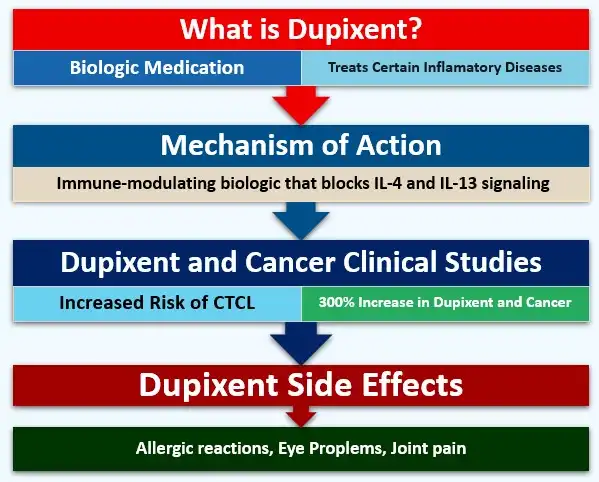
Dupixent Cancer Lawsuit Update: Dupixent (dupilumab) is a widely used injectable biologic prescribed for inflammatory diseases such as atopic dermatitis (eczema), asthma, chronic rhinosinusitis with nasal polyps, and eosinophilic esophagitis. For millions of patients, it has been a life-changing therapy. At the same time, cancer-related safety concerns, particularly around certain T cell lymphomas such as cutaneous T cell lymphoma (CTCL), have become a growing focus of patient reports, research, and litigation.
This guide is designed to help patients and families understand what is known, what is alleged, what regulators have said, and what practical steps you can take if you used Dupixent and later received a lymphoma diagnosis.
In light of the concerns surrounding Dupixent, it is worth noting that other medications like Zepbound have also been associated with serious side effects. For instance, Zepbound has been linked to eye floaters, which are a documented side effect of the drug. While Zepbound is very effective at lowering blood sugar levels, it can sometimes lead to unwanted side effects such as eye floaters.
If you believe you qualify for a Dupixent Cancer Lawsuit, contact Dupixent Cancer Lawyer Timothy L. Miles today for a free case evaluation to see if you are eligible for a Dupixent Cancer Lawsuit and possible entitled to substantial compensation. 855/846-6529 or via e-mail at [email protected]. (24/7/365).
What Dupixent Is, and Why It Matters in This Lawsuit
Dupixent is a monoclonal antibody biologic that targets inflammatory signaling pathways by blocking interleukin 4 (IL 4) and interleukin 13 (IL 13) signaling. Clinically, this mechanism can reduce type 2 inflammation, which contributes to eczema and certain forms of asthma and sinus disease.
However, recent scientific investigations have raised concerns about a potential link between Dupixent and cancer development, particularly in the context of T cell lymphomas. This has led to numerous lawsuits against Sanofi and Regeneron, the makers of Dupixent, alleging the company failed to adequately warn patients about these potential risks.
Why mechanism matters legally and medically: Many biologics reshape immune signaling. When safety signals appear, investigators ask whether immune pathway modulation could plausibly influence cancer development, cancer progression, or cancer detection. In the Dupixent context, the core question is not whether Dupixent “causes cancer” in a general sense, but whether it may be associated with an increased risk of certain T cell lymphomas, or whether it could unmask, accelerate, or worsen a lymphoma that was already present but not yet diagnosed.
The ongoing Dupixent lawsuit highlights the legal implications of these medical concerns.
The Central Safety Concern: T Cell Lymphoma and CTCL
What is CTCL?
Cutaneous T cell lymphoma (CTCL) is a rare, generally slow-growing non-Hodgkin lymphoma in which malignant T cells primarily involve the skin. Early CTCL can resemble eczema or psoriasis, which complicates diagnosis.
Commonly described symptoms include:
- Persistent itchy rash
- Red, scaly, or thickened patches
- Plaques or raised lesions
- Tumors on the skin in advanced disease
- Peeling skin
- Hair loss in affected areas
- Enlarged lymph nodes
- Fatigue and unexplained weight loss in some cases
It’s important to note that certain medications can exacerbate skin conditions or lead to serious side effects. For instance, Trulicity has been reported to cause debilitating vision side effects. Similarly, Zepbound has also been associated with severe vision problems. If you or a loved one has experienced such issues after taking these medications, it may be beneficial to consult with a lawyer specializing in these cases. For example, a Mounjaro Vision Loss Lawyer could provide assistance if there are concerns regarding vision loss linked to Mounjaro use.
CTCL subtypes referenced in patient and clinical discussions
CTCL is an umbrella category that can include multiple entities, including:
- Mycosis fungoides (MF)
- Sézary syndrome (SS)
- Lymphomatoid papulosis
- Granulomatous slack skin
- Primary cutaneous anaplastic large cell lymphoma
- Extranodal NK/T cell lymphoma
- Subcutaneous panniculitis like T cell lymphoma (SPTCL)
- Primary cutaneous peripheral T cell lymphoma (unspecified)
Why CTCL is at the center of Dupixent litigation: Patients allege that Dupixent was prescribed for presumed eczema, symptoms persisted or worsened, and later CTCL was diagnosed. Lawsuits generally focus on whether the manufacturers adequately warned clinicians and patients about the potential risk, and whether earlier warnings would have changed prescribing decisions or led to faster diagnostic workups.
What Patients Are Alleging in Dupixent Cancer Lawsuits
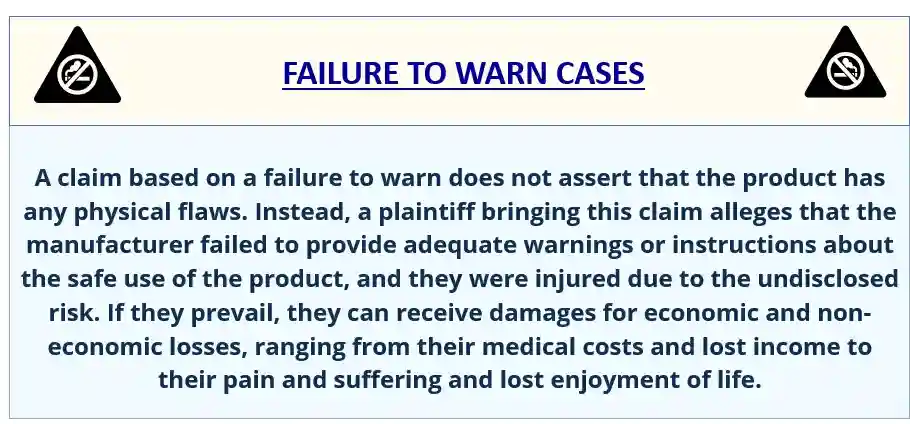
While individual complaints vary, Dupixent cancer lawsuits commonly allege that the manufacturers (commonly identified as Sanofi and Regeneron) failed to provide adequate warnings about potential lymphoma risk, particularly CTCL and other T cell lymphomas.
Typical allegations include:
- Failure to warn: The product labeling did not include a clear cancer specific warning tied to lymphoma risk.
- Insufficient post marketing action: Patients claim adverse event signals and emerging literature warranted stronger and earlier label action.
- Delayed diagnosis or worsened disease: Because early CTCL can mimic eczema, plaintiffs often argue that continued treatment delayed biopsy or referral to oncology or dermatology specialists familiar with CTCL.
- Inadequate risk communication to prescribers: Claims may include that prescribers would have monitored differently or chosen alternatives if risks were clearer.
Similar patterns of alleged negligence and inadequate warning can be observed in other class action lawsuits. For example, the Firefly Aerospace Class Action Lawsuit highlights how companies sometimes fail to adequately inform consumers about potential risks associated with their products. Similarly, the Baxter Class Action Lawsuit serves as a reminder of the importance of transparency and proper communication in the healthcare sector. Such cases underscore the critical need for thorough risk communication from pharmaceutical companies to both patients and healthcare providers.
A key clarification for patients
Legal action does not inherently require discontinuing Dupixent. Medical decisions should be individualized. Some patients may stop; others may continue, switch therapies, or pursue additional diagnostic evaluation. Litigation strategy is separate from medical care.
For instance, if a patient is involved in a Firefly Aerospace class action lawsuit, this does not necessitate a halt in their medication. Similarly, those engaged in a Primo Brands class action lawsuit can also make independent medical decisions without the need to discontinue their treatment.
The Evidence Landscape: What We Know vs. What Is Being Investigated
The most important distinction is between:
- Signal: An observed pattern that warrants further study.
- Association: A statistical relationship that may or may not be causal.
- Causality: Evidence strong enough to conclude the drug causes the event.
As of the latest information reflected in your background points, regulators have not established definitive causality, and the current Dupixent label reportedly does not include a cancer specific warning. At the same time, patient reports, retrospective analyses, and heightened regulatory attention have pushed the issue forward.
Post Marketing Safety Monitoring and FAERS
The FDA Adverse Event Reporting System (FAERS) is a passive surveillance database that collects reports of adverse events submitted by manufacturers, clinicians, and patients.
Patients should understand what FAERS can and cannot prove:
FAERS can do
- Detect signals that occur more often than expected.
- Identify rare events that might not appear in pre-approval trials.
- Trigger further regulatory review.
FAERS cannot do
- Prove causation.
- Accurately calculate incidence (how common the event truly is).
- Eliminate reporting bias (media attention can increase reporting).
Reported FAERS Signal Described in the Background
Your provided context indicates:
- Nearly 300 FAERS reports of T cell lymphoma in Dupixent patients.
- A signal suggesting Dupixent users report CTCL far more frequently than users of other medications in the database.
- The FDA reportedly added this issue to a list of “Potential Signals of Serious Risks/New Safety Information” in October 2024, reflecting active regulatory attention.
That type of safety signal listing typically indicates the FDA has identified an issue warranting further evaluation. It is not, by itself, proof that Dupixent causes lymphoma.
Related Safety Concerns with Other Medications
While the focus here is on Dupixent, it’s important to note that other medications have also been linked to serious side effects. For instance, Wegovy has been associated with vision-related complications, prompting legal representation for affected patients. Similarly, Trulicity users have reported vision loss as a significant adverse effect. These cases highlight the critical need for ongoing monitoring and reporting of adverse events associated with various medications.
Clinical Research: Why the Findings Can Appear Conflicting
Early trials and “no increased risk” findings
Your timeline notes that earlier clinical trials and subsequent real world studies did not show a clear increase in cancer risk compared to general populations or other biologics. This is a common pattern in biologics:
- Pre approval trials are often not powered to detect rare cancers.
- Follow up durations may be too short to detect certain malignancies.
- Trial populations can differ from real world populations (comorbidities, concurrent therapies, prior immune history).
Retrospective studies and CTCL signal
Your background also notes a 2024 retrospective cohort study reporting an increased risk of CTCL among dupilumab treated atopic dermatitis patients, with effect estimates described as approximately:
- OR 4.10 (about a 300 percent higher odds)
- RR 4.59 (about a 350 percent higher risk)
You also referenced corroboration via a TriNetX database analysis. Real world database studies can be informative, but they also have limitations such as coding accuracy, confounding factors, and diagnostic delay bias.
A clinically important alternative explanation: misdiagnosis and unmasking
One major hypothesis discussed in clinical circles is that some patients prescribed Dupixent for “eczema” may have had early CTCL all along, given the visual similarity in early disease. In that scenario, Dupixent might not initiate cancer, but could:
- Delay correct diagnosis if symptoms are attributed to refractory dermatitis
- Alter immune signaling in ways that change how the disease manifests
- Accelerate clinical recognition of CTCL through worsening symptoms, leading to eventual diagnosis
From a patient perspective, the distinction matters medically but may not end the legal inquiry. Lawsuits can focus on whether labeling should have addressed the risk of CTCL misdiagnosis, progression, or acceleration and whether clinicians should have been warned to consider CTCL in non responding cases.

Regulatory Status and Labeling: What Patients Should Know
Current warnings
Based on your background points:
- The latest label reportedly does not contain a specific warning stating Dupixent increases cancer risk.
- No major country or region has required a cancer specific warning for Dupixent.
- The FDA and EMA have not established a definitive causal link, although post marketing surveillance continues.
Professional society guidance
You also noted:
- No special cancer warnings have been issued by major dermatology and allergy organizations such as AAD (American Academy of Dermatology) and AAAAI (American Academy of Allergy, Asthma & Immunology).
This generally suggests that, at the time of their guidance, these organizations have not concluded there is sufficient evidence to recommend cancer specific precautions beyond standard clinical vigilance.
Dupixent Timeline: Approvals, Research, and Safety Signal Developments
Below is a patient oriented timeline based on the context you provided, with emphasis on how safety questions and litigation typically evolve.
2017: FDA approval for atopic dermatitis
Dupixent is approved for adults with moderate to severe atopic dermatitis, marking a major shift in systemic therapy for eczema.
2018: Clinical trials and early safety conclusions
Clinical trial data in this period is described as showing no increased cancer risk, with the important caveat that trials may not detect rare malignancies.
2019: FDA approval for asthma
Indications expand, increasing the number of exposed patients and broadening the real world data pool.
2020: EU and EMA expanded approvals
Approvals expand internationally, again increasing exposure and pharmacovigilance data volume.
2021: FDA expands approval for children aged 6 to 11 with asthma
Pediatric expansion increases attention to long term safety monitoring.
Early case reports: CTCL concerns emerge
Case reports and clinician observations begin to describe CTCL diagnoses in some Dupixent treated patients.
2024: Retrospective cohort study and database corroboration
A retrospective cohort study reports increased CTCL risk in dupilumab treated atopic dermatitis patients, and TriNetX database analyses are described as corroborative.
October 2024: FDA safety signal listing
The FDA reportedly adds a related issue to a public list of potential signals, reflecting heightened review activity.
2025 and beyond: Ongoing trials and surveillance
Ongoing clinical trials and post marketing surveillance continue, while lawsuits continue to be filed nationwide. One notable area of concern is the [Mounjaro and blurry vision](https://classactionlawyertn.com/mounjaro-and-blurry-vision-20456) issue, which has led to increased scrutiny and legal action.
What This Means if You Are Currently Taking Dupixent
Do not self discontinue without medical guidance
Stopping abruptly can lead to flare ups of eczema or asthma and may complicate care. If you are concerned, the appropriate next step is a structured clinical discussion.
Practical monitoring steps to discuss with your clinician
If you are on Dupixent, consider asking your clinician about:
- A baseline skin exam and documentation of lesions
- Clear criteria for when to order a skin biopsy
- A plan for non responding dermatitis (for example, escalation after a set number of weeks)
- Evaluation of persistent lymph node enlargement or systemic symptoms
- Whether you should see a dermatologist with CTCL expertise if your rash is atypical
Symptoms that merit prompt medical attention
Report concerning changes such as:
- New lumps or persistent enlarged lymph nodes
- Unexplained weight loss
- Persistent fatigue not explained by sleep or stress
- Persistent fevers or night sweats
- Rapidly changing skin lesions, tumors, or ulceration
- Dermatitis that worsens despite adherence to treatment
If You Were Diagnosed With CTCL (or Another T Cell Lymphoma) After Dupixent
If you received a diagnosis after using Dupixent, the most useful immediate steps are clinical and administrative. as you may be eligible for a Dupixent Cancer Lawsuit:
Medical steps if you suspect Dupixent and Cancer
- Request and keep copies of pathology reports, biopsy results, and staging studies.
- Ask your oncology team to explain subtype (MF, SS, others), stage, and treatment plan.
- If your initial diagnosis was “eczema” for a long period, ask whether earlier biopsy could have changed timing.
If you believe you qualify for a Dupixent Cancer Lawsuit, contact Dupixent Cancer Lawyer Timothy L. Miles today for a free case evaluation to see if you are eligible for a Dupixent Cancer Lawsuit and possible entitled to substantial compensation. 855/846-6529 or via e-mail at [email protected]. (24/7/365).
Documentation steps
- Compile a medication history: start date, stop date, dosing intervals, and indication.
- Collect dermatology notes describing symptom course before and after Dupixent.
- Gather photos of rashes and lesions over time if available.
- Keep insurance Explanation of Benefits (EOBs), receipts, and travel records related to care.
This information can support medical continuity and, if you pursue legal evaluation, provide essential chronology.
Eligibility Considerations for a Dupixent Cancer Lawsuit (General Criteria)
Eligibility depends on facts, jurisdiction, and statute of limitations, but the commonly referenced factors to qualify for a Dupixent Cancer Lawsuit include:
- You were prescribed Dupixent.
- You were diagnosed with T cell lymphoma, particularly CTCL, after exposure.
- You experienced serious adverse outcomes, progression, or worsening symptoms.
- Your claim is within your state’s statute of limitations (which varies and can be complex).
Compensation categories often sought in pharmaceutical injury claims
While outcomes vary, cases may seek damages related to:
- Past and future medical expenses
- Lost income and diminished earning capacity
- Pain and suffering
- Out of pocket costs (travel, caregiving)
- In some cases, wrongful death claims by eligible family members
How Dupixent Litigation Typically Proceeds (What Patients Can Expect)
Most patients have not been involved in mass tort litigation before. The process generally has predictable phases:
- Case screening and records review Attorneys review diagnosis, exposure timeline, and medical documentation.
- Filing a complaint A lawsuit is filed in the appropriate court.
- Coordination with broader litigation When many cases are filed nationwide, courts may coordinate pretrial proceedings to improve efficiency. This can include consolidated discovery and expert review, similar to the fundamentals of securities litigation.
- Discovery Both sides exchange information, including medical records and corporate documents.
- Expert testimony and motion practice Scientific and regulatory issues are often central.
- Settlement discussions or trial Some cases settle; some proceed to bellwether trials that can influence resolution.
In the context of Dupixent litigation, it’s important to note that there have been reports regarding Zepbound eye issues associated with certain medications. These findings could play a significant role during the expert testimony phase of the litigation process.
Working With an Attorney: Contingency Fees and Case Evaluations
Many drug injury law firms, like the Law Offices of Timothy L. Miles, work on a contingency fee basis. In practical terms:
- You typically pay no upfront attorney fee.
- Attorney fees are paid from a recovery if the case succeeds.
- Most firms offer a free case evaluation, which is something that Timothy L. Miles, Esq. practives in.
If you are exploring options, you can request a free case evaluation, ask questions about experience with pharmaceutical mass torts, and confirm fee terms in writing. If you believe you qualify for a Dupixent Cancer Lawsuit, contact Dupixent Cancer Lawyer Timothy L. Miles today for a free case evaluation to see if you are eligible for a Dupixent Cancer Lawsuit and possible entitled to substantial compensation. 855/846-6529 or via e-mail at [email protected]. (24/7/365).
Questions to ask during a consultation
- What diagnosis and records do you need from me to evaluate the case?
- What is the statute of limitations in my state, and what date triggers it?
- What costs are advanced, and how are they reimbursed?
- How do you communicate updates, and how often?
This approach not only applies to drug injury cases but also extends to other areas such as Alexandria Real Estate class action lawsuits or situations requiring a whistleblower lawyer in Nashville, where similar contingency fee structures and free case evaluations are standard practice. 855/846-6529 or via e-mail at [email protected]. (24/7/365).
Putting the Dupixent and Cancer Risk in Context: Dupixent vs. Other Biologics
Patients often ask whether Dupixent is uniquely risky. Your context indicates:
- Dupixent does not have stronger cancer warnings than other biologics.
- Some biologic classes, such as TNF alpha inhibitors, have long standing labeling language and malignancy discussions in certain contexts.
That said, each biologic acts on different immune pathways. The most practical patient takeaway is not to compare headlines, but to pursue individualized monitoring based on:
- Your underlying condition severity
- Prior therapies and immune history
- Response to Dupixent
- Any atypical skin findings or systemic symptoms
If you believe you qualify for a Dupixent Cancer Lawsuit, contact Dupixent Cancer Lawyer Timothy L. Miles today for a free case evaluation to see if you are eligible for a Dupixent Cancer Lawsuit and possible entitled to substantial compensation. 855/846-6529 or via e-mail at [email protected]. (24/7/365).
Key Takeaways for Patients and Families
- Dupixent remains widely used for eczema, asthma, and other inflammatory conditions.
- CTCL is rare and can mimic eczema, complicating diagnosis.
- FAERS and some retrospective studies have raised a safety signal that warrants investigation, but signal does not equal proven causation or a .link between Dupixent and cancer.
- As of the provided context, regulators have not required a cancer specific warning on labeling, and major professional societies have not issued special cancer warnings.
- If you have persistent or atypical symptoms, the most important action is prompt medical evaluation and, when appropriate, biopsy and specialist referral.
- If you were diagnosed with CTCL or another T cell lymphoma after Dupixent exposure, you may be eligible for a Dupixent Cancer Lawsuit. 855/846-6529 or via e-mail at [email protected]. (24/7/365).
Frequently Asked Questions (FAQ)
Freeport-McMoRan Class Action Lawsuit
If you’re seeking information about the Freeport-McMoRan class action lawsuit, which aims to represent purchasers or acquirers of Freeport-McMoRan Inc. publicly traded securities, you may find the answers to your questions in our FAQ section.
Skye Bioscience Class Action Lawsuit
Similarly, if your inquiries are related to the Skye Bioscience class action lawsuit that seeks to represent purchasers or acquirers of Skye Bioscience, Inc., our FAQ section will provide you with the necessary information.
1) Does Dupixent cause cancer?
There is no definitive regulatory conclusion that Dupixent causes cancer. However, post marketing reports and some observational research have raised concerns about possible link between Dupixent and cancer associations with certain T cell lymphomas, especially CTCL, which are under investigation.
2) What is FAERS, and why is it being mentioned in Dupixent lawsuit discussions?
FAERS is the FDA’s adverse event reporting database. It helps detect safety signals, including rare events. FAERS reports can indicate patterns that require study, but they cannot prove that a drug caused a specific cancer.
3) What cancers are most often discussed in Dupixent lawsuits?
The most frequently discussed are T cell lymphomas, particularly cutaneous T cell lymphoma (CTCL), including subtypes such as mycosis fungoides and Sézary syndrome.
4) What are common CTCL symptoms that can be confused with eczema?
CTCL can present with itchy, scaly rashes, red patches, plaques, thickened skin, and persistent dermatitis that does not respond as expected to treatment. Enlarged lymph nodes and systemic symptoms can occur in more advanced disease.
5) Should I stop Dupixent if I am worried about lymphoma?
Do not stop without medical guidance. Speak with your prescribing clinician. If symptoms are atypical or worsening, ask about referral and whether biopsy or further evaluation is appropriate to rule out Dupixent and cancer.
6) Does the Dupixent label include a cancer warning?
Based on the provided context, the latest labeling does not include a specific warning stating Dupixent and cancer increase risk. Regulatory review and surveillance may evolve.
7) Have major medical societies issued warnings for Dupixent and Cancer?
Based on the provided context, organizations such as the AAD and AAAAI have not issued special cancer warnings for Dupixent.
8) If I file a Dupixent cancer lawsuit, do I have to stop taking the medication?
Not necessarily. Legal claims and medical treatment decisions are separate. Treatment decisions should be made with your clinician. However, if you’re considering filing a lawsuit, such as a Perrigo class action lawsuit, it’s crucial to consult with legal professionals to understand how it might impact your treatment plan.
9) Who may qualify to file a Dupixent cancer lawsuit?
Common criteria include documented Dupixent use and a subsequent diagnosis of T cell lymphoma, especially CTCL, within the statute of limitations in your state. A lawyer can evaluate your records and timeline. Additionally, if you have been affected by other medications such as those produced by Baxter International, you may want to explore the Baxter class action lawsuit, which seeks to represent individuals who have purchased or acquired Baxter’s products.
10) What does “no cost to hire a lawyer” usually mean a Dupixent Cancer Lawsuit?
Many firms use contingency fee agreements, meaning you typically pay no upfront attorney fee and the fee is paid from any recovery. Confirm terms in a written agreement after consultation.
11) What records should I gather if I want a legal evaluation about whether I am eligible for a Dupixent Cancer Lawsui ?
Typically helpful records include prescribing records (start and stop dates), dermatology notes, biopsy and pathology reports, oncology records, imaging, and a timeline of symptoms and treatments.
12) What is the most practical next step if I suspect my “eczema” might be something else?
If you think you may be eligible for a Dupixent Cancer Lawsuit, ask your dermatologist about a differential diagnosis and when a skin biopsy is appropriate, especially if the rash is persistent, atypical, rapidly changing, or not responding to standard therapy.