
Introduction to Zepbound and Eye Floaters
- Zepbound and Eye Floaters: Eye Floaters are a documented side effect of Zepbound. Zepbound is very effective at lowering blood sugar, but sometimes too effective, and too fast. If your blood sugar drops quickly, it can cause fluid shifts inside your eye. This affects the lens and vitreous gel, possibly making existing floaters more noticeable or causing new ones. If you experience Zepbound and Eye Floaters, contact your doctor right away.
- Zepbound Eye Side Effects: Research published in JAMA Ophthalmology has established a concerning association between GLP-1 receptor agonists, including tirzepatide (Zepbound), and increased risk of vision-threatening complications. A landmark study examined electronic health records from multiple healthcare systems and identified a statistically significant elevation in the incidence of nonarteritic anterior ischemic optic neuropathy among patients prescribed these medications compared to those receiving alternative diabetes or weight management therapies.
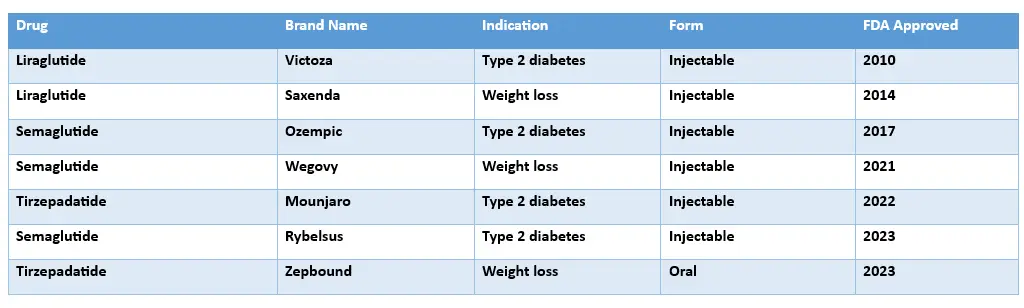
- Tirzepatide: Zepbound, a weight-loss medication containing the active ingredient tirzepatide, received FDA approval in November 2023 as a treatment option for individuals struggling with obesity and weight-related health conditions. Manufactured by Eli Lilly and Company, this glucagon-like peptide-1 receptor agonist (GLP-1 RA) has gained significant attention within the medical community and among consumers seeking effective weight management solutions.
- GLP-1 Receptor Agonists: This medication belongs to a class of drugs known as GLP-1 receptor agonists, which also includes widely prescribed medications like semaglutide. What sets tirzepatide apart from other similar medications is its ability to target two receptors in the body: the glucose-dependent insulinotropic polypeptide (GIP) receptor and the glucagon-like peptide-1 (GLP-1) receptor. This dual action mechanism makes it different from single-action alternatives and has shown promising results in achieving significant weight loss.
- Extensive Patient Guide: This comprehensive guide aims to provide evidence-based information on the potential effects of Zepbound on eye health. It is designed for patients who are considering or currently using this medication. The document explores the scientific evidence connecting tirzepatide to vision problems, identifies risk factors involved, outlines strategies for recognizing symptoms, and offers practical recommendations for monitoring and safeguarding eyesight during treatment with Zepbound.
ZEPBOUND COMMON SIDE EFFECTS PROFILE

Zepbound and Eye Floaters
- Zepbound and Eye Floaters: Floaters are tiny, shadowy shapes that drift across your field of vision, like twisted lines, dots, or webs. They are typically caused by changes in the gel-like substance (the vitreous) inside the eye. Myodesopsias is the medical term for eye floaters.
- Dehydration: GLP-1s are well-known for curbing appetite and slowing digestion. That also means people tend to eat and drink less, often unintentionally. Dehydration can affect the consistency of the vitreous and increase dry eye symptoms, which may make floaters seem more prominent.
- Circulation Changes: GLP-1s can alter blood flow to delicate areas like the retina or optic nerve. This can shift pressure or fluid balance in the eye and may play a role in how floaters form or are perceived
- Rare but Serious Complications: In rare cases, floaters could be a sign of something more serious, like a vitreous hemorrhage or retinal changes. These are less common but have been reported, especially in people with diabetes or pre-existing eye conditions.
- Sudden Drop in Blood Sugar: If your blood sugar drops quickly, it can cause fluid shifts inside your eye. This affects the lens and vitreous gel, possibly making existing floaters more noticeable or causing new ones. If you experience Zepbound and Eye Floaters, or other Zepbound vision side effects, contact your doctor right away.
The Link Between Trulicity and NAION: Evidence and Research Findings
- Recent Clinical Investigations: Have identified a concerning association between GLP-1 receptor agonists, including Trulicity (dulaglutide), and elevated rates of nonarteritic anterior ischemic optic neuropathy.
- Trulicity Vision Problems: A landmark study published in 2024 examined medical records from a large ophthalmology practice, revealing statistically significant increases in NAION incidence among patients prescribed these medications for type 2 diabetes and obesity management. Another study established a concerning connection between GLP-1 receptor agonists such as Trulicity—and increased incidence rates of NAION. Clinical observations have documented elevated occurrences of this condition among patients prescribed these medications compared to individuals using alternative diabetes treatments.
Epidemiological Evidence of Increased NAION Risk
- NAION Occurrence Rates: Clinical Results: The research documented NAION occurrence rates across distinct patient populations:
-
- Type 2 diabetes patients: Those prescribed semaglutide or tirzepatide (both in the same class of drugs as Trulicity ) demonstrated a 4.28-fold increased risk of developing NAION compared to patients using alternative diabetes medications
-
- Linking Trulicity to Optic Nerve Problems: These findings represent the first substantial epidemiological evidence linking Trulicity vision problems to this severe optic nerve disorder. The magnitude of risk elevation has prompted calls for enhanced surveillance protocols and patient counseling regarding potential ocular complications.
Drug Safety Findings
- The Link Between Trulicity and Vision Loss: Reviews of post-marketing surveillance data have found scientific evidence linking Trulicity to vision loss through multiple reporting channels. Regulatory agencies have received notifications of eye-related side effects at rates higher than expected for the general population. These analyses have documented:
-
- Disproportionate reporting ratios for NAION among users of GLP-1 receptor agonists
- Increased progression of diabetic retinopathy during treatment intensification
- Reports of sudden visual disturbances requiring immediate eye care intervention
COMPARISON OF GLP-1 DRUGS
The Zepbound Dual Mechanism of Action
- Divergent Mechanism of Action: Zepbound (tirzepatide) is a new type of weight loss and type 2 diabetes medication that works differently from other drugs in this category.
- Dual Methods of Operation: It does this by targeting two specific receptors in the body: the glucose-dependent insulinotropic polypeptide (GIP) receptor and the glucagon-like peptide-1 (GLP-1) receptor. This sets it apart from traditional GLP-1 receptor agonists, which only affect one pathway.
How Zepbound Works
- Mechanism of Action: The unique way Zepbound works makes it more effective than other medications. Here’s how it functions:
-
- Increased Insulin Secretion: When blood sugar levels are high, Zepbound stimulates the release of insulin, which helps lower those levels.
- Reduced Glucagon Release: Glucagon is a hormone that raises blood sugar levels. Zepbound inhibits its release, preventing blood sugar from rising too much.
- Slowed Gastric Emptying: Zepbound slows down the rate at which food leaves the stomach, leading to a feeling of fullness for longer periods.
- Decreased Appetite: Through its effects on the central nervous system, Zepbound reduces appetite and cravings.
Differences Between Zepbound and Other GLP-1 Receptor Agonists
- GLP-1 Receptor: Other commonly prescribed GLP-1 receptor agonists like Ozempic (semaglutide) and Trulicity (dulaglutide) only target the GLP-1 receptor. While these medications can help with blood sugar control and modest weight loss, they may not be as effective as Zepbound.
- Clinical trials: Have shown that patients taking tirzepatide experience greater weight loss and better control of blood sugar levels compared to those on single-receptor medications.
Dosage and Administration Guidelines
- Administration: Zepbound is administered through injections under the skin (subcutaneous) once a week. The dosage may vary depending on individual needs and how well the patient responds to treatment.
- Guidelines: Here are the specific guidelines for dosage and administration:
-
- Initial Dose: Start with 2.5 mg once weekly for four weeks.
- Maintenance Escalation: If tolerated, increase the dose by 2.5 mg every four weeks until reaching the maximum dose of 15 mg.
- Injection Sites: Rotate between different injection sites such as the abdomen, thigh, or upper arm to prevent any potential side effects like lipodystrophy (abnormal distribution of fat).
- Storage: It is important to note that Zepbound should be stored in a refrigerator before first use but can be kept at room temperature for up to 21 days after opening. To maintain consistent levels of the medication in your body, make sure to administer your injections on the same day each week.

The Potential Link Between Zepbound Use and Zepbound Eye Side Effects
- Recent Data on Zepbound Eye Problems: Recent data on drug safety has revealed concerning patterns of Zepbound vision side effects that require careful examination. Multiple case reports have documented instances where patients receiving tirzepatide therapy experienced sudden onset of visual disturbances, with NAION representing the most severe manifestation.
- Zepbound Eye Problems: These reports extend beyond isolated incidents, encompassing a range of retinal complications including papillitis—inflammation of the optic disc—and paracentral acute middle maculopathy (PAMM), a condition affecting the deep capillary plexus of the retina.
- Zepbound Eye Problems Related to Timing of Starting the Medication: The timing between starting Zepbound and developing Zepbound eye problems has led investigators to explore potential causes. Analysis of adverse event databases has found clusters of eye complications occurring within specific timeframes after treatment begins, suggesting a possible link rather than just coincidence. Patients have reported experiencing Zepbound Eye Side Effects, decreased visual acuity, and changes in color perception—symptoms consistent with optic nerve issues.
Metabolic Changes and Optic Nerve Vulnerability
- The Cause of Zepbound Vision Side Effects: The way Zepbound may contribute to Zepbound vision problems and other Zepbound vision problems is through its strong effects on blood sugar levels. Rapid drops in blood glucose levels, while beneficial for managing diabetes, may create conditions that put stress on the optic nerve head. The optic nerve needs a steady supply of blood and stable metabolism; sudden changes in glucose levels can disrupt blood flow in the small vessels that supply the optic disc.
- Zepbound Vision Problems and Existing Blood Vessel Damage: This issue becomes particularly important for patients with existing damage to their small blood vessels. The optic nerve head functions within narrow limits, and disruptions to its delicate blood supply can lead to lack of oxygen events. When Zepbound causes quick changes in metabolism, the resulting shifts in blood flow may be too much for already vulnerable optic nerve blood vessels to handle.
Drug Safety Findings
- The Link Between Zepbound and Vision Loss: Reviews of post-marketing surveillance data have found scientific evidence linking Zepbound to vision loss through multiple reporting channels. Regulatory agencies have received notifications of eye-related side effects at rates higher than expected for the general population. These analyses have documented:
-
- Disproportionate reporting ratios for NAION among users of GLP-1 receptor agonists
- Increased progression of diabetic retinopathy during treatment intensification
- Reports of sudden visual disturbances requiring immediate eye care intervention
- Reevaluating the Risks of Zepbound Eye Problems: The combined evidence from these drug safety systems has led healthcare professionals to reevaluate the risks and benefits of Zepbound therapy, especially for patients with known vascular risk factors or existing issues with their optic nerves.
Diabetic Retinopathy
- Diabetic retinopathy is a major concern for patients using GLP-1 receptor agonists like Zepbound. It involves gradual harm to the blood vessels in the retina, which can be seen through signs such as microaneurysms, bleeding, and new blood vessel growth. Interestingly, while Zepbound treatment aims to control blood sugar levels quickly, it may unintentionally worsen retinopathy in susceptible individuals, especially those with existing microvascular issues. This is because a sudden drop in blood glucose levels can disturb the retinal blood vessels, causing them to become more permeable and leading to insufficient blood supply.
Macular Edema
- Another complication associated with Zepbound is macular edema, characterized by fluid buildup in the macula—the central part of the retina responsible for sharp vision. As a result, patients may experience blurred central vision, difficulty reading, and altered color perception. This condition occurs when the barrier between the blood vessels and retinal tissue is disrupted, allowing fluid leakage into the macula and compromising visual clarity.
Dry Eye Syndrome
- Zepbound Vision Side Effects and Dry Eyes: Multiple case reports have documented instances of dry eye syndrome among users of GLP-1 receptor agonists. Patients may feel discomfort on the surface of their eyes, experience burning sensations, and have intermittent blurry vision due to insufficient tear production or excessive evaporation of tears. The underlying mechanism could involve effects on the autonomic nervous system or inflammatory responses triggered by the medication.
Myodesopsias (Floaters)
- Another phenomenon reported by some patients is myodesopsias, commonly known as floaters. These individuals perceive dark spots or cobweb-like shapes moving across their field of vision—an occurrence stemming from changes in the vitreous humor or disturbances within the retina.
Blurred Vision from Hypoglycemia
- An acute complication that can arise when Zepbound’s glucose-lowering effects become too strong is blurred vision due to hypoglycemia. The visual cortex and retinal neurons rely on a steady supply of glucose for proper functioning; when this supply is compromised, it leads to impaired visual processing—resulting in temporary but potentially hazardous vision impairment.

Correlation Between Zepbound and Vision Loss Incidents
- Investigating the Link to GLP-1 Receptors: The medical community has initiated rigorous investigations into the potential association between GLP-1 receptor agonists and adverse ocular outcomes. Research published in JAMA Ophthalmology has provided critical insights into the relationship between these medications and vision-threatening conditions, particularly nonarteritic anterior ischemic optic neuropathy.
Insights on Mechanisms Behind Adverse Effects
- Zepbound Eye Problems Due to Reduced Blood Flow to the Optic Nerve: Research emphasizes the role of rapid glycemic fluctuations in compromising optic nerve perfusion. The sudden normalization of blood glucose levels, while therapeutically beneficial for metabolic control, may paradoxically create conditions that reduce blood flow to the optic nerve head.
- Normalization of Ichemia (Oxygen Supply to Blood): This phenomenon, termed “normalization ischemia,” represents a critical pathway through which GLP-1 medications may precipitate vision loss.
Clinical Monitoring Protocols
- Establishing a Bassline Assessment: Physicians recommend establishing baseline ophthalmologic assessments before initiating Zepbound therapy. This initial evaluation creates a reference point for detecting subsequent changes in ocular health. Patients should receive clear instructions to report any visual disturbances immediately, including:
-
- Sudden onset of blurred vision or visual field defects
- Unexplained eye pain or pressure
- Changes in color perception
- Appearance of floaters or flashing lights
- Difficulty with night vision or contrast sensitivity
FDA Warnings: The FDA warnings on GLP-1 drugs underscore the necessity for heightened vigilance during the first several months of treatment, when metabolic changes occur most rapidly. Healthcare teams must educate patients about the distinction between temporary visual fluctuations related to blood sugar stabilization and potentially serious complications requiring urgent evaluation.
- Bo Cognizant of Suppen Changes to Eyesight Including Blurry Vision: Watch for any sudden changes, such as blurriness, altered color perception, or loss of peripheral vision. Zepbound may cause your vision to worsen when you start using the medicine or start a higher dose. Tell your healthcare provider if you develop new vision problems, including blurry vision. Previous studies have shown that Zebound or other GLP-1 Drugs causes blurry vision.
- The rise in cases of Zepbound and vision loss has caught the attention of the medical community. Doctors have noticed that these negative effects might happen at different points during treatment, starting from the first dose and continuing through maintenance therapy. Some patients experience temporary symptoms that go away with ongoing use, while others face worsening problems that require stopping the medication.

Conclusion
- Trulicity Vision Side Effects: The emerging evidence surrounding Trulicity Vision Problems necessitates heightened awareness among patients and healthcare professionals. A comprehensive summary of Trulicity vision problems reveals potential associations with nonarteritic anterior ischemic optic neuropathy, diabetic retinopathy exacerbation, and other serious ocular complications that demand immediate attention.
- Patient Vigilance Remains Paramount: In mitigating these risks. Individuals prescribed Trulicity must maintain proactive communication with healthcare providers, reporting any visual disturbances—no matter how subtle—without delay. Regular ophthalmologic examinations should constitute a non-negotiable component of treatment protocols, particularly for patients presenting with diabetes or pre-existing vascular conditions.
Contact Trulicity Vision Loss Lawyer Timothy L. Miles Today for a Free Case Evaluation
If you were prescribed Trulicity and took it as directed and suffered Trulicity vision loss or other Trulicity eye problems, contact Trulicity Vision Loss Lawyer Timothy L. Miles today. You could be eligible for a Trulicity Vision Loss lawsuit and potentially entitled to substantial compensation.
The call is free and so is the fee unless we win or settle your case, so give a Trulicity Vision Loss Lawyer a call toda. (855) 846–6529 or [email protected].
Timothy L. Miles, Esq.
Law Offices of Timothy L. Miles
Tapestry at Brentwood Town Center
300 Centerview Dr. #247
Mailbox #1091
Brentwood,TN 37027
Phone: (855) Tim-MLaw (855-846-6529)
Email: [email protected]
Website: www.classactionlawyertn.com
Facebook Linkedin Pinterest youtube
