
Introduction to Why Hiring a Saxenda Vision Loss Lawyer is Key
Experienced Saxenda Vision Loss Lawyer: When faced with a potential lawsuit related to Saxenda Vision Loss Lawsuit, it is crucial to have a skilled and experienced Saxenda Vision Loss Lawsuit on your side. These legal professionals possess the necessary knowledge and experience to navigate the complex legal landscape and ensure your rights are protected.
For instance, if you or a loved one has experienced such adverse effects from Saxenda, it may be beneficial to consult with a law firm practicing in these types of cases. The Law Offices of Timothy L. Miles, known for his experience in class action lawsuits and mass torts, could provide the professional legal guidance required to navigate these complex situations. Call today for a free case evaluation. (855) 846–6529 or tmiles@timmileslaw.com.
Moreover, if your vision loss is linked to another medication like Mounjaro, which is also based on tirzepatide, you might want to explore options related to a Mounjaro vision loss lawsuit. Such cases highlight the need for competent legal representation in securing justice for those affected by harmful pharmaceuticals.
The complexity of pharmaceutical liability cases demands professional legal guidance to protect the rights and interests of affected individuals. For more insights into related legal matters such as class actions and mass torts involving dangerous drugs or defective products, you can refer to this authoritative legal blog which provides valuable information on these topics.
Saxenda: Is a prescription medication approved by the U.S. Food and Drug Administration (FDA) for long-term weight management in adults with obesity or overweight conditions, especially those with weight-related health issues. It contains liraglutide, an active ingredient that works as a glucagon-like peptide-1 (GLP-1) receptor agonist to regulate appetite and metabolic processes.
Saxenda Vison Issues: Recent developments have brought significant attention to potential ocular complications associated with Saxenda use. Reports of serious Saxenda vision side effects, including vision loss and blindness, have prompted a tidal wave of lawsuits against the manufacturer, Novo Nordisk These concerns have materialized into the Saxenda Vision Loss Lawsuit with patients seeking representation from legal professionals, including Saxenda Vision Loss lawyers, to address alleged inadequate warnings regarding vision-related risks.
The Saxenda Vision Loss Lawsuit and other GLP-1 drug lawsuits allege the manufactures were well-aware of these Saxenda vision side effects as well as those caused by other GLP-1 drugs but did not advise patients or healthcare providers: They allege if not for the defendant’s failure to warn, and they were able to make a fully informed decision, they would have chosen not to take a drug that can cause permanent blindness and death.
SAXENDA COMMON SIDE EFFECTS PROFILE

What is Saxenda and How Does It Work?
- Saxenda: Is a prescription medication specifically designed for long-term weight management in adults. It contains an active ingredient called liraglutide, which works as a GLP-1 receptor agonist.
- Regulates Metabolism: This means that Saxenda mimics the action of certain hormones in the body to help control appetite and regulate metabolism.
How Saxenda Works
- Liraglutide:, The active component of Saxenda, interacts with GLP-1 receptors found in various organs such as the brain, pancreas, and gastrointestinal tract.
- Binds to Receptors: By binding to these receptors, it triggers a series of physiological responses that affect how the body processes food and regulates energy balance.
Mechanism of Appetite Control
Saxenda primarily helps with weight management through three main mechanisms:
- Brain Regulation: The medication activates specific areas in the brain responsible for signaling fullness, which reduces hunger cravings and increases satisfaction after meals.
- Stomach Emptying Delay: Liraglutide slows down the emptying process of the stomach, leading to prolonged feelings of fullness and fewer instances of hunger.
- Insulin Secretion Enhancement: The drug stimulates insulin release in response to glucose while inhibiting inappropriate glucagon secretion, resulting in better blood sugar control.
Who Can Benefit from Saxenda?
Healthcare professionals prescribe Saxenda for individuals who meet certain criteria:
- Adults with a body mass index (BMI) of 30 kg/m² or higher
- Adults with a BMI of 27 kg/m² or higher who also have at least one weight-related health condition such as high blood pressure, type 2 diabetes, or abnormal lipid levels
It’s important to note that Saxenda is not intended to be used alone. To achieve the best results, it should be combined with a calorie-reduced diet and increased physical activity.
How is Saxenda Administered?
Saxenda comes in a pre-filled injection pen. It is injected under the skin (subcutaneously) once a day. The dosage may gradually increase until reaching the maintenance dose of 3.0 mg.
When Can You Expect Results
Patients typically start seeing noticeable weight loss within the first 12 to 16 weeks of using Saxenda. However, continued progress depends on sticking to the recommended lifestyle changes and staying committed to the treatment plan.
Common Side Effects of Saxenda
Saxenda side effects mainly affect the digestive system and a large number of patients starting treatment with this medication. Clinical trials and post-marketing studies show that these reactions are the most commonly reported negative effects associated with liraglutide therapy for weight management.
Gastrointestinal Disturbances
The most common side effects include:
- Nausea – experienced by about 39% of patients, especially during the first few weeks of treatment
- Diarrhea – affecting around 21% of individuals using Saxenda
- Constipation – reported in about 19% of cases
- Vomiting – occurring in approximately 16% of patients
- Abdominal pain or discomfort – experienced by 14% of medication users
These digestive issues usually occur during the dose increase phase when the body gets used to higher levels of liraglutide. The severity of these reactions often lessens as treatment goes on, with many patients seeing significant improvement after the first four to eight weeks of therapy.
Additional Frequently Reported Reactions
In addition to digestive problems, patients often report:
- Headaches affecting about 14% of users
- Decreased appetite, which is the desired therapeutic effect but may become too much in some individuals
- Fatigue or general weakness during the adjustment period
- Injection site reactions such as redness, itching, or mild discomfort
The occurrence and severity of Saxenda side effects can vary greatly among individuals. This is influenced by factors such as how well they stick to the dosing schedule, any other medications they are taking, existing health conditions, and their individual body’s response to GLP-1 receptor agonist therapy. Healthcare providers usually recommend slowly increasing the dose to reduce these negative reactions while still getting the best therapeutic results.
Dry Eyes: The Most Common Vision Side Effect of Saxenda
Dry eyes have become an eye problem reported by patients using Saxenda, a medication that helps with weight loss. Both doctors and patients have noticed that this treatment can cause irritation on the surface of the eyes, which needs to be addressed by healthcare professionals and those undergoing therapy.
Symptoms of Dry Eyes Caused by Saxenda
Patients experiencing this condition typically report a range of symptoms that interfere with daily visual comfort:
- Persistent feeling of grittiness or something foreign in the eyes
- Burning or stinging sensations, especially during long periods of looking at screens
- Excessive tearing as a response to insufficient tear film stability
- Redness and swelling of the conjunctival tissues
- Increased sensitivity to environmental factors such as wind, air conditioning, or screen exposure
- Difficulty wearing contact lenses due to reduced eye moisture
How Saxenda May Cause Dry Eyes
The exact reasons why Saxenda may lead to dry eyes are not fully understood, but there are several possible explanations:
- Effects on Tear Production: Research suggests that liraglutide, the active ingredient in Saxenda, may affect how tears are produced and what they consist of. GLP-1 receptors, which are activated by liraglutide, can be found in various parts of the eye including the glands responsible for making tears.
- Impact on Autonomic Nervous System: The autonomic nervous system controls many involuntary bodily functions, including tear production. It’s possible that Saxenda’s effects on metabolism and inflammation could also influence this system and lead to changes in tear production.
- Existing Conditions: Patients who already have conditions like diabetes or autoimmune disorders may be more prone to developing dry eyes while taking Saxenda because their baseline tear film stability is already compromised.
Importance of Monitoring Dry Eyes in Saxenda Users
Since dry eyes are such a common side effect of Saxenda, it is important for both healthcare providers and patients to keep an eye out for any signs or symptoms related to this issue. By being proactive about monitoring and addressing dry eye concerns early on, we can help prevent them from becoming more severe problems down the line.
Other Saxenda Vision Changes Linked to its Use
Beyond dry eyes, patients using the medicine have documented a spectrum Saxenda vision changes that warrant clinical attention. These Saxenda vision problems extend to various ocular manifestations, each presenting distinct challenges for individuals undergoing weight management therapy with this GLP-1 receptor agonist.
Blurry Vision and Visual Disturbances
Saxenda blurry vision represents a significant concern among patients, with reports indicating episodes of reduced visual acuity that can occur at various points during treatment. These Saxenda vision side effects manifest as:
- Intermittent loss of visual clarity affecting near or distance vision
- Difficulty focusing on objects, particularly during reading or computer work
- Fluctuating vision quality throughout the day, often correlating with medication timing
- Temporary inability to distinguish fine details or read small print
The impact of Saxenda and blurry vision on daily life extends beyond mere inconvenience. Patients have reported challenges with essential activities such as driving, particularly during nighttime conditions, and performing work-related tasks requiring visual precision. The unpredictable nature of these episodes creates additional concern, as individuals cannot anticipate when visual clarity may diminish. Some patients describe the sensation as viewing objects through a fog or experiencing a film-like obstruction across their visual field.
The mechanism underlying these Saxenda vision side effects may relate to alterations in blood glucose levels, fluid retention patterns, or direct effects on ocular tissues. Clinical observations suggest that some patients experience these symptoms during dose escalation phases, while others report persistent issues throughout their treatment duration.
Saxenda and Eye Floaters
Saxenda and eye floaters represent another dimension of Saxenda vision side effects associated with this medication. Eye floaters appear as small, dark shapes that drift across the visual field, manifesting as:
- Spots or specks that move when attempting to focus on them
- Thread-like strands or cobweb patterns
- Shadow-like formations in peripheral vision
- Increased visibility against bright backgrounds
The significance of these Saxenda eye problems extends beyond typical age-related floaters. Emerging evidence suggests a potential connection between Saxenda use and retinal fluid accumulation, a condition that may precipitate or exacerbate floater development. Retinal swelling, medically termed macular edema, can alter the vitreous humor composition, leading to increased floater formation. This retinal fluid accumulation requires immediate medical evaluation, as it may indicate more serious underlying pathology affecting the posterior segment of the eye.
Serious Vision Problems Including Vision Loss Associated with Saxenda Use
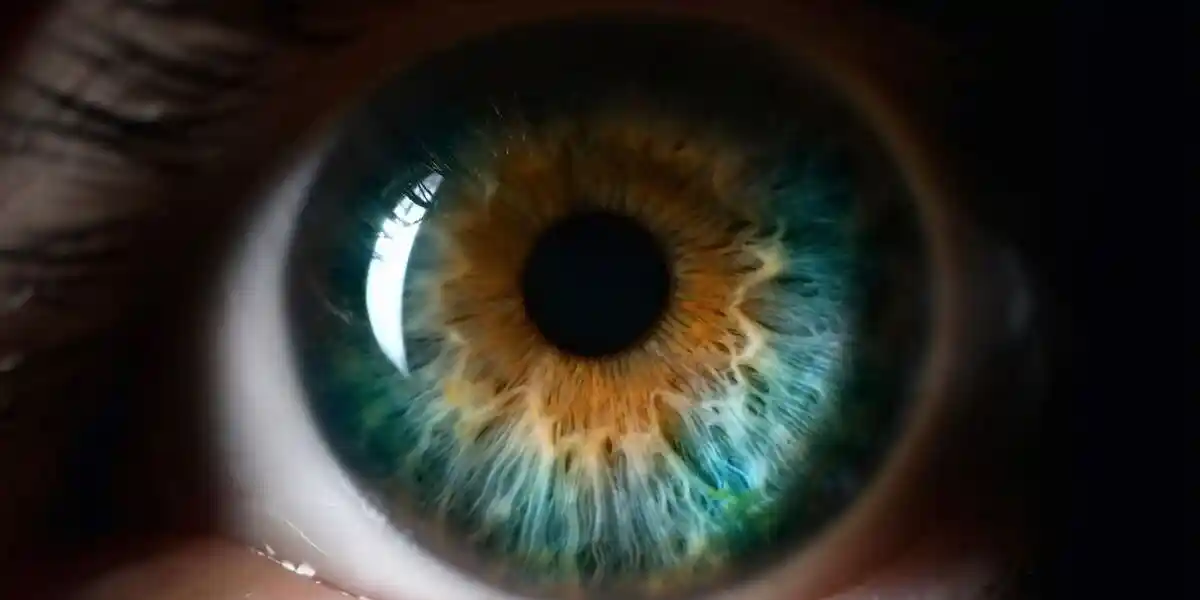
While most vision-related complications associated with Saxenda remain manageable, rare instances of severe eye conditions have emerged in clinical observations and patient reports. Non-arteritic anterior ischemic optic neuropathy (NAION) represents one of the most concerning complications documented among individuals using this GLP-1 receptor agonist medication. This condition results from inadequate blood flow to the optic nerve, potentially causing sudden and permanent vision loss in affected patients.
Understanding NAION and Its Clinical Presentation
NAION manifests through distinct symptoms that require immediate medical attention:
- Sudden, painless vision loss in one eye, typically noticed upon waking
- Presence of visual field defects, particularly affecting the lower or upper portions of vision
- Altered color perception and reduced visual acuity
- Swelling of the optic disc observable during ophthalmologic examination
The condition develops when blood supply to the optic nerve head becomes compromised, leading to ischemic damage that cannot be reversed through conventional treatment approaches. Patients experiencing these symptoms require urgent evaluation by ophthalmology specialists to confirm diagnosis and implement appropriate management strategies.
Evidence Linking Saxenda to Increased NAION Risk
Recent pharmacovigilance data and clinical studies have identified a potential association between Saxenda and vision loss, specifically regarding NAION incidence. Research examining the risk of NAION with Saxenda use suggests that individuals prescribed GLP-1 receptor agonists may face elevated susceptibility compared to the general population. The mechanisms underlying this association remain under investigation, with hypotheses focusing on vascular effects, metabolic alterations, and inflammatory processes potentially contributing to optic nerve vulnerability.
The emergence of these findings has prompted increased scrutiny from regulatory bodies and healthcare providers. Multiple Saxenda vision loss lawsuits have been filed by patients who developed NAION during treatment, with legal proceedings consolidated through multidistrict litigation frameworks. Patients experiencing sudden vision changes should consult both medical professionals and, when appropriate, a Saxenda vision loss lawyer to understand their rights and available recourse options.

Safety Precautions and Monitoring Recommendations for Patients on Saxenda
Saxenda safety warnings encompass multiple critical areas that patients must understand before starting treatment. The FDA has issued comprehensive guidance regarding the medication’s risk profile, requiring healthcare providers to inform patients of potential adverse events that extend beyond vision-related complications.
FDA Black Box Warnings and Primary Safety Concerns
The medication carries a black box warning regarding thyroid C-cell tumors, including medullary thyroid carcinoma (MTC). Clinical studies in rodents demonstrated dose-dependent and treatment-duration-dependent increases in thyroid C-cell tumors at clinically relevant exposures. Patients with a personal or family history of MTC or Multiple Endocrine Neoplasia syndrome type 2 (MEN 2) should not use Saxenda under any circumstances.
Acute pancreatitis represents another significant safety concern explicitly addressed in Saxenda safety warnings. Patients must recognize symptoms including:
- Persistent severe abdominal pain, often radiating to the back
- Nausea and vomiting accompanying abdominal discomfort
- Elevated pancreatic enzyme levels upon laboratory evaluation
Discontinuation of Saxenda becomes necessary if pancreatitis is suspected, with no resumption of treatment if pancreatitis is confirmed.
What to Do If You Experience Vision Problems While Taking Saxenda
If you experience any Saxenda vision problems, it’s important to take immediate action to protect your eye health. Here are the steps you should follow:
1. Document your symptoms accurately
Keep a record of the specific Saxenda vision problems you’re experiencing, including when they started, how long they last, and any particular characteristics such as blurred vision, blind spots, or eye pain.
2. Contact your healthcare provider right away
Reach out to the healthcare professional who prescribed Saxenda or an ophthalmologist within 24 hours of noticing your Saxenda vision problems. It’s crucial to inform them about your vision issues so they can provide appropriate guidance.
3. Temporarily stop taking Saxenda
Until you have a chance to see a doctor and get their advice, it’s best to discontinue using Saxenda. Continuing the medication without medical evaluation could potentially worsen any underlying eye conditions.
4. Seek emergency care for severe symptoms
If you experience sudden Saxenda and vision loss, intense Saxenda eye pain, or complete loss of peripheral vision, don’t wait for an appointment with your regular doctor. Instead, go directly to the nearest emergency department for immediate medical attention.
By following these steps and promptly reporting any Saxenda vision problems you encounter while on Saxenda, you enable healthcare professionals to conduct thorough eye examinations and assessments. This may involve evaluating the optic nerve and measuring blood flow to ensure there are no serious complications such as non-arteritic anterior ischemic optic neuropathy (NAION) or other conditions that require intervention.
It’s also important for healthcare providers to have access to your complete medication history, including information about dosages, how long you’ve been on treatment, and any pre-existing eye conditions you may have had. This background knowledge will help them make accurate diagnoses and develop appropriate treatment plans tailored specifically for you.
Remember: Your eyesight is valuable! Don’t hesitate to seek medical help if something doesn’t feel right during your course of Saxenda therapy.
Seeking Legal Action: The Case of Saxenda and Vision Loss Lawsuits Against Novo Nordisk
Legal proceedings have emerged targeting Novo Nordisk, the pharmaceutical manufacturer of Saxenda, with plaintiffs asserting that the company inadequately disclosed the potential for severe Saxenda vision problems. These Saxenda vision loss lawsuits center on allegations that patients were not sufficiently informed about the risk of developing conditions such as NAION and other serious ocular adverse events when using the medication for weight management purposes.
The Saxenda Vision Loss Lawsuit claims reflect a pattern observed across GLP-1 drug litigation, where pharmaceutical companies face scrutiny regarding their disclosure practices and warning labels. Plaintiffs contend that had they been properly informed about the magnitude of vision-related risks, they would have made different treatment decisions or pursued alternative weight loss interventions.
Court filings in these cases typically allege multiple legal grounds:
- Failure to warn – Insufficient communication regarding known or reasonably knowable risks
- Negligence – Inadequate testing or monitoring of adverse effects during clinical trials
- Design defect – Claims that the drug’s formulation presents unreasonable dangers
- Breach of warranty – Assertions that the medication failed to perform as safely as represented
The Saxenda Vision Loss Lawsuit landscape continues to evolve as additional plaintiffs come forward with documented cases of vision impairment following Saxenda use. Lawyers practicing in pharmaceutical injury cases note that establishing causation between medication use and vision loss requires comprehensive medical documentation, including detailed ophthalmological records demonstrating the temporal relationship between drug administration and the onset of visual symptoms.
These legal actions seek compensation for medical expenses, lost wages, diminished quality of life, and other damages resulting from alleged inadequate safety disclosures.
