
“We as well as other concerned physicians are also asking FDA to mandate a post-marketing survey of these drugs to find the true incidence of eye complications associated with them. We are in discussions with other groups around the U.S. who want to do a more comprehensive review of these medications and potential ocular side effects[.]”
Bradley Katz, MD, PhD, Ophthalmologist at the John A. Moran Eye Center and professor in the Department of Ophthalmology & Visual Sciences at the University of Utah
Introduction to Saxenda Vision Problems
- Saxenda Vision Problems: Refers to significant developments with respect to potential ocular convolutions connected to Saxenda use. Reports of serious Saxenda vision side effects, including vision loss and blindness, have resulted in a wave of lawsuits against the manufacturer. These concerns have coalesced into the Saxenda Blindness Lawsuit, with patients seeking representation from legal professionals, including Saxenda Blindness Lawyers, to address alleged inadequate warnings regarding severe and permanent oscular-related risks.
- Saxenda: Is an important breakthrough in the field of medication for long-term weight management. It has been approved by the U.S. Food and Drug Administration (FDA) as a prescription drug for adults who are obese or overweight and have weight-related health issues. The active ingredient in Saxenda is liraglutide, a man-made version of a hormone that acts on the body’s receptors to regulate metabolism and promote weight loss.
- FDA Approved for Weight Loss: Liraglutide works by imitating natural hormones that control hunger and food consumption, making Saxenda an effective option for individuals who have difficulty managing their weight through traditional methods such as dieting and exercising. The FDA granted approval for Saxenda after thorough clinical trials showed its effectiveness in achieving long-term weight loss when used in conjunction with calorie-restricted diets and increased physical activity.
- Saxenda Vision Side Effects: Recent studies and feedback from patients have highlighted the urgent need to understand the potential Saxenda Vision Side Effects. Saxenda eye problems have become a major concern among healthcare professionals, with reported cases of severe visual complications requiring immediate medical attention.
- Be Cognizant of Saxenda Eye Problems: It is crucial for patients taking this weight loss medication to be aware of possible Saxenda vision side effects, as early detection and intervention are vital in preventing irreversible vision damage. The connection between liraglutide use and specific eye disorders calls for vigilant self-monitoring by patients and regular check-ups by healthcare providers throughout the course of treatment.
- Extensive Guide: This comprehensive guide aims to provide evidence-based information on the potential effects of Saxenda on eye health. It is designed for patients who are considering or currently using this medication. The document explores the scientific evidence connecting liraglutide to vision problems, identifies risk factors involved, outlines strategies for recognizing symptoms, and offers practical recommendations for monitoring and safeguarding eyesight during treatment with Saxenda.
SAXENDA COMPARISON TO OTHER DRUGS IN SAME CLASS
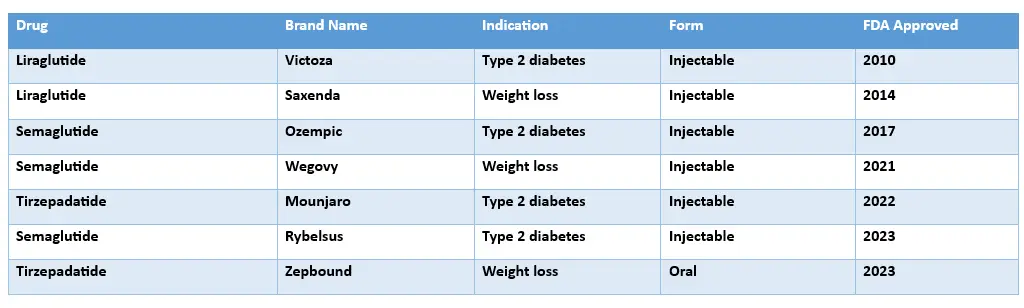
Understanding Saxenda and How It Works
- Mechanism of Action: Saxenda works by targeting the body’s natural system for regulating hunger through a complex biological process. The active ingredient in Saxenda, liraglutide, is a type of medication known as a GLP-1 receptor agonist.
- Mimics GLP-1: It mimics the action of glucagon-like peptide-1 (GLP-1), a hormone that is naturally produced in the intestines after we eat. This imitation effect activates specific receptors throughout the body, especially in the pancreas, brain, and digestive system.
How Liraglutide Works to Control Appetite
- Receptor Agonist: Liraglutide works by attaching itself to GLP-1 receptors in the hypothalamus, which is the part of the brain responsible for controlling appetite and signaling when we are full. When liraglutide binds to these receptors, it triggers a series of responses in the nervous system that:
-
- Decrease feelings of hunger by altering signals related to appetite
-
- Increase sensations of fullness after consuming smaller meals
-
- Reduce cravings for food between meals
-
- Influence reward pathways associated with eating behavior
- Modified Molecular Structure: The medication achieves these effects by continuously activating the receptors, ensuring that therapeutic levels remain in the bloodstream for long periods. This is made possible by its modified molecular structure that prevents it from being broken down quickly by enzymes.
TYPE 2 DIABETICS PROSCRIBED LIRAGLUTISDE HAVE A SIGNFICANTLY HIGHER LIKLIHOOD OF DEVELOPMENTING NAION

Evidence for a link
- Increased risk of NAION: Emerging research, including studies published in journals like JAMA Ophthalmology, indicates that patients using GLP-1 drugs like liraglutide may have an increased risk of NAION.
Symptoms of NAION
- NAION Clinical Presentation: The way NAION presents itself is quite unique, allowing healthcare providers to recognize it during a thorough eye examination. Patients usually experience:
-
- Sudden Vision Loss: Sudden, painless vision loss in one eye that occurs upon waking up or is noticed within the first few hours of the day
-
- One Side Involvement: With one eye being affected initially, although there’s an increased risk for the other eye
- Visual Filed Defects: Specific visual field defects, most commonly affecting the lower part of the visual field
- Optic Disc Swelling: Swelling of the optic disc and visible bleeding during an eye examination
-
- Pupil Defect: A relative defect in pupil response in the affected eye
-
- Dark or Gray Spot: The vision loss from NAION often consists of a gray or dark spot that does not move or change or a severe blur. For many patients, the vision loss affects the bottom or top half of the vision in one eye, although other patterns of vision loss may occur.
-
- Color Vision and Ability to See Contrasts: IIn addition to central vision loss, there may be difficulties with color vision and reduced ability to see contrasts, which can affect daily activities.
THE SAXENDA SIDE EFFECTS PROFILE

The Risk Factors for NAION
- Optic Nerve Anatomy: Having a naturally small or “crowded” optic disc (“disc-at-risk”). This is an unchangeable physical trait.
- Age: Most common in adults over 50
- High Blood Pressure (Hypertension): Especially if blood pressure drops too low overnight, sometimes because of medication taken at bedtime.
- Diabetes: Poorly controlled blood sugar and the associated blood vessel damage.
- Sleep Apnea: A condition where breathing stops temporarily during sleep. This is a significant risk factor, possibly due to changes in blood pressure and oxygen levels at night.
- Smoking: Damages blood vessels and is a strong risk factor.
- High Cholesterol (Hyperlipidemia): Contributes to hardening of the arteries (atherosclerosis).
- Certain Medications: The heart medicine amiodarone and some erectile dysfunction drugs (like Viagra, Cialis, Levitra) may be associated with NAION in at-risk individuals.
- Genetic Predisposition: Minor changes in genes related to blood flow control and clotting that can increase susceptibility in some cases.
- Chronic Vascular Effects: Other risk factors may include the chronic vascular other risk factors may include the chronic vascular effects of anemia and kidney disease.
- Nocturnal hypotension: Significant drops in blood pressure during sleep can decrease blood flow to the optic nerve head.
- Individuals with obesity: Excess weight contributes to systemic inflammation and vascular dysfunction
- Patients with pre-existing cardiovascular conditions: Compromised circulation increases the likelihood of optic nerve ischemia
It is vital that you work with your primary care physician to identify and manage the well-established health risks to help prevent NAION in the other eye or a future vascular event like a heart attack or stroke.
Factors complicating the findings
- Confounding factors: It is difficult to isolate the effect of liraglutide because many patients who take it also have risk factors for vision problems, such as diabetes, obesity, and high blood pressure.
- Rapid blood glucose changes: The rapid reduction in blood sugar levels that these drugs can cause may also play a role in temporary or permanent vision changes.
- Surveillance bias: Patients starting a new medication may be monitored more closely by their doctors, leading to a higher detection rate of eye problems that might have gone unnoticed otherwise.
- Study limitations: Some studies have limitations, such as the potential for reporting bias and the exclusion of certain patient groups, which means the results may not be applicable to all patients.
SAXENDA COMPARISON CHART TO OTHER GLP-1 DRUGS
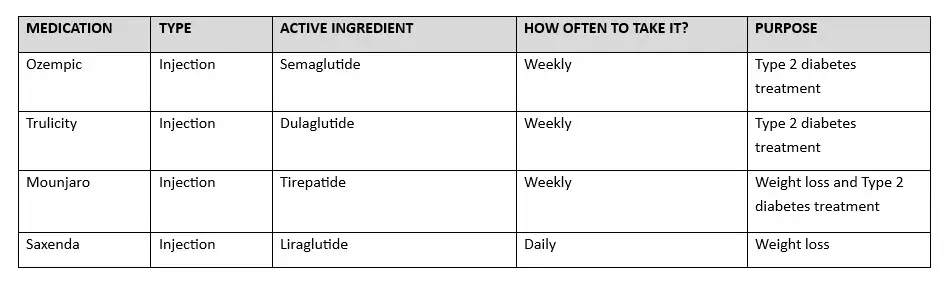
Recommendations for patients and doctors
- Consult an ophthalmologist: If you experience any changes in your vision while taking liraglutide or other GLP-1 drugs, see an ophthalmologist immediately.
- Slow down dose increases: To reduce the risk of rapid blood sugar fluctuations, it is recommended to increase the dose slowly.
- Discuss risks and benefits: Patients and doctors should have an open discussion about the potential risks and benefits of these medications, considering the patient’s individual health profile.
- Continue current medication: Doctors are not recommending that patients stop taking their medication based on these initial findings. The goal is to further research the potential link and ensure patients are well-informed.
Other Serious Saxenda Vision Side Effects
Diabetic Retinopathy
-
- Diabetic retinopathy is a major concern for patients using GLP-1 receptor agonists like Saxenda. It involves gradual harm to the blood vessels in the retina, which can be seen through signs such as microaneurysms, bleeding, and new blood vessel growth. Interestingly, while Saxenda treatment aims to control blood sugar levels quickly, it may unintentionally worsen retinopathy in susceptible individuals, especially those with existing microvascular issues. This is because a sudden drop in blood glucose levels can disturb the retinal blood vessels, causing them to become more permeable and leading to insufficient blood supply.
2. Macular Edema
-
- Another complication associated with Saxenda is macular edema, characterized by fluid buildup in the macula—the central part of the retina responsible for sharp vision. As a result, patients may experience blurred central vision, difficulty reading, and altered color perception. This condition occurs when the barrier between the blood vessels and retinal tissue is disrupted, allowing fluid leakage into the macula and compromising visual clarity.
3. Dry Eye Syndrome
-
- Saxenda Vision Side Effects and Dry Eyes: Multiple case reports have documented instances of dry eye syndrome among users of GLP-1 receptor agonists. Patients may feel discomfort on the surface of their eyes, experience burning sensations, and have intermittent blurry vision due to insufficient tear production or excessive evaporation of tears. The underlying mechanism could involve effects on the autonomic nervous system or inflammatory responses triggered by the medication.
4. Myodesopsias (Floaters)
-
- Another phenomenon reported by some patients is myodesopsias, commonly known as floaters. These individuals perceive dark spots or cobweb-like shapes moving across their field of vision—an occurrence stemming from changes in the vitreous humor or disturbances within the retina.
5. Blurred Vision from Hypoglycemia
-
- An acute complication that can arise when Saxenda’s glucose-lowering effects become too strong is blurred vision due to hypoglycemia. The visual cortex and retinal neurons rely on a steady supply of glucose for proper functioning; when this supply is compromised, it leads to impaired visual processing—resulting in temporary but potentially hazardous vision impairment.

Documented Saxenda Vision Side Effects
Saxenda Vision Problems: The vision problems with Saxenda include multiple forms of visual impairment affecting different aspects of eye function. Clinical reports and patient testimonials have identified several distinct patterns of vision problems associated with liraglutide therapy:
- Blurred vision is the most common complaint, characterized by reduced visual clarity and difficulty focusing on objects at varying distances
- Tunnel vision presents as a narrowing of the peripheral visual field, limiting the patient’s ability to see objects outside their direct line of sight
- Eye pain or swelling manifests as discomfort, pressure sensations, or visible inflammation around the eye structures
- Halos around lights appear as bright circles or rings surrounding light sources, particularly noticeable during nighttime or low-light conditions
- Sudden vision changes include rapid onset of visual distortion, partial vision loss, or complete blindness in one or both eyes
How Saxenda Affects Digestion and Stomach Emptying
- Delayed Gastric Emptying: One of the keyways Saxenda helps with weight management is by slowing down the emptying of the stomach. When food stays in the stomach for a longer time before moving into the small intestine, it prolongs the feeling of fullness after meals and leads to reduced calorie intake.
- This change in how quickly food moves through the digestive system is directly linked to some gastrointestinal issues reported by patients using Saxenda. The most common side effects include:
-
- Nausea, especially during the early stages of treatment
-
- Constipation due to slower movement of waste through the intestines
-
- Discomfort or bloating in the abdomen
-
- Diarrhea as the digestive system adapts to new patterns of movement
Effects Beyond Digestion: How Saxenda Impacts Other Body Systems
- Saxenda Effects on Bodily Functions: GLP-1 receptors are found throughout various parts of our body, not just in areas related to appetite control and digestion. This means that liraglutide can also have effects on other systems such as cardiovascular healtheffects on other systems such as cardiovascular health, kidney function, and eye structures.
- Impacts Blood Flow: The same activation of these receptors that leads to weight loss can also impact blood flow, inflammation responses, and metabolism in different organs. Therefore, it is important for healthcare providers to closely monitor patients receiving Saxenda treatment since side effects may occur in areas unrelated to weight management or digestion.

Frequently Asked Questions About Saxenda Vision Side Effects
How common are Saxenda Vision Problems?
Eye problems are considered rare with Saxenda use, but recent studies have linked it to an increased risk of a serious condition called NAION which can cause sudden and permanent vision loss. Other potential eye issues include short-term vision changes, and for those with diabetes, a possible increased risk of developing or worsening diabetic eye conditions like macular degeneration or retinopathy.
What should I do if I experience any Saxenda Vision Side Effects?
If you notice any changes in your vision—such as blurriness, double vision, seeing spots or flashes, eye pain, or sudden loss of sight—stop using Saxenda immediately and contact your healthcare provider without delay. Vision problems can signal underlying conditions like increased intraocular pressure, retinal issues, or even stroke-like events that require urgent assessment.
Your doctor will likely perform a complete eye examination and may refer you to an ophthalmologist for further evaluation. They will also review your medication history and may conduct blood tests to rule out other causes such as uncontrolled blood sugar levels or hypertension.
Do not resume Saxenda until your doctor has determined it is safe to do so. Early intervention greatly improves the chance of recovery if the problem is drug-related.
Can a lawyer help with a Saxenda blindness lawsuit?
Yes—a lawyer experienced in pharmaceutical litigation can assess your case and help determine if you are eligible for a Saxenda Blindness Lawsuit due to alleged harm from Saxenda. Contact Saxenda Blindness Lawyer Timothy L. Miles for a free case evaluation. (855) 846–6529 or [email protected].
How soon can vision problems appear after starting Saxenda?
Vision problems could theoretically occur at any time during treatment but are most likely within the first few weeks if they are related to the medication.
