
Introduction to the Saxenda Vision Loss Lawsuit
- Saxenda Vision Loss Lawsuit: Refers to an onslaught of patient litigation and a significant legal issue, drawing attention from patients, healthcare professionals, and legal experts alike in response to Saxenda and vision loss suffered by numerous patients taking the medication.
- Comprehesive Saxenda Vision Side Effects Guide: This comprehensive guide provides an authoritative and thorough understanding of the allegations surrounding Saxenda, a medication primarily used for weight management and its potential link to serious vision problems, including blindness.
- Saxenda: An U.S. Food and Drug Administration (FDA)-approved injectable prescription medication that contains liraglutide, a GLP-1 receptor agonist. It is designed to help adults and adolescents with obesity or weight-related medical conditions lose weight. The medication works by imitating natural hormones that control appetite, providing patients with a pharmaceutical option for managing their weight when combined with changes in diet and exercise.
- Severe Saxenda Vision Side Effects: In recent years, there has been a troubling increase in reports linking Saxenda to severe eye problems, particularly non-arteritic anterior ischemic optic neuropathy (NAION)—a serious eye condition that can cause sudden vision loss or permanent blindness. Medical studies have found significant connections between medications containing liraglutide and a higher risk of vision-threatening conditions, leading to increased concern from healthcare professionals and regulatory agencies. These Saxenda eye problems go beyond NAION and include various visual disturbances that have greatly affected patients’ quality of life.
- Surging Saxenda Eye Problems: The emerging trend of liraglutide side effects impacting eye health has sparked legal action against Novo Nordisk, the pharmaceutical company behind Saxenda. It is important for individuals affected by this issue to understand their options for seeking justice and compensation through Saxenda vision loss lawsuits.
- Falure to Warn: These legal cases involve claims that the manufacturer did not properly inform patients about the potential risks of vision problems associated with GLP-1 medications while promoting the weight loss benefits of Saxenda. Patients who have experienced vision complications after using Saxenda have specific rights and avenues to pursue legal action.

Understanding Saxenda and Its Ocular Side Effects
The Mechanism Behind Saxenda’s Weight Loss Effects
- A GLP-1 Receptor Agonist: Saxenda contains liraglutide, a synthetic version of the naturally occurring GLP-1 (glucagon-like peptide-1) hormone. As a GLP-1 receptor agonist, liraglutide binds to specific receptors throughout the body, triggering a cascade of metabolic responses that facilitate weight reduction. The medication operates through multiple pathways:
-
- Appetite suppression by acting on brain regions that control hunger signals
-
- Enhanced satiety through prolonged feelings of fullness after meals
-
- Delayed gastric emptying that extends the digestive process and reduces food intake
-
- Improved insulin secretion in response to elevated blood glucose levels
- Chronic Weight Management: The FDA approved Saxenda for chronic weight management in adults with a body mass index (BMI) of 30 kg/m² or greater, or 27 kg/m² or greater with at least one weight-related comorbidity such as hypertension, chronic weight management, or dyslipidemia. The approval extends to adolescents aged 12 years and older with obesity and an initial body weight exceeding 60 kilograms.
Non-Arteritic Anterior Ischemic Optic Neuropathy: A Sight-Threatening Condition
- Non-arteritic anterior ischemic optic neuropathy (NAION): Represents the most severe ocular complication associated with Saxenda use. This condition occurs when blood flow to the optic nerve becomes compromised, resulting in sudden damage to nerve tissue responsible for transmitting visual information from the eye to the brain. The pathophysiology involves:
-
- Reduced blood perfusion to the optic nerve head
-
- Ischemic injury to nerve fibers
-
- Permanent structural damage to the optic disc
-
- Irreversible vision loss in the affected eye
- NAION: Patients experiencing NAION typically report sudden, painless vision loss upon waking, often described as a dark curtain descending over part of their visual field. The condition manifests unilaterally in most cases, though bilateral involvement can occur sequentially.

Understanding the Legal Situation: Saxenda Vision Loss Lawsuit
- Saxenda Vision Loss Lawsuit: The situation has changed quickly as people in different areas take legal action against Novo Nordisk, the pharmaceutical company that makes liraglutide-based weight loss drugs.
- Failure to Warn: The Saxenda Vision Loss Lawsuit focuses on claims that the company did not provide enough warnings about the risk of NAION and other serious Saxenda vision problems.
Core Allegations Against Novo Nordisk in Saxenda Vision Loss Lawsuit
- Saxenda Vision Loss Lawsuit: Plaintiffs in the multidistrict litigation MDL 3094 assert that Novo Nordisk failed to fulfill its duty to adequately warn consumers and healthcare providers about the serious Saxenda vision side effects. The allegations center on several critical failures:
-
- Inadequate Risk Disclosure: Claims that Novo Nordisk knew or should have known about the connection between liraglutide and NAION but failed to communicate this risk through appropriate labeling or warnings
-
- Insufficient Testing: Allegations that the manufacturer did not conduct comprehensive clinical trials to identify the full scope of Saxenda eye problems before bringing Saxenda to market
-
- Delayed Safety Updates: Assertions that Novo Nordisk delayed updating safety information even after emerging evidence suggested increased NAION risk
-
- Negligent Marketing Practices: Claims that promotional materials emphasized weight loss benefits while minimizing or omitting serious safety concerns
Claims of Insufficient Risk Disclosure
- Disregard of Patient Safety: Plaintiffs argue that Novo Nordisk liability goes beyond simple mistakes, saying that the manufacturer intentionally hid important safety information. The lawsuits claim that Novo Nordisk knew about the potential Saxenda Eye Problems but chose to downplay or leave out these risks from product labeling and marketing materials.
- No Warning: This alleged failure to warn risks is a serious violation of the responsibility that pharmaceutical companies have towards consumers who depend on clear safety information when making treatment choices.
- Cause of Action: The legal arguments highlight that Novo Nordisk put commercial success ahead of patient safety by:
-
- Downplaying the seriousness of potential Saxenda vision side effects in prescribing information
-
- Failing to conduct proper studies after the drug was on the market to identify emerging safety signals
-
- Overstating the weight loss benefits while understating the associated health risks
-
- Not promptly updating warning labels after evidence of NAION cases came to light
The Impact of Limited Safety Data behind the Saxanda Mechanism of Action
- Legal Strategy: A key part of the legal strategy involves emphasizing the limited long-term safety data available when Saxenda was approved and marketed. Plaintiffs argue that Novo Nordisk hurriedly brought the medication to market without conducting thorough studies on extended-use outcomes, especially regarding rare but severe complications like NAION.
- Insufficient Patient Research: The lack of strong long-term research created a gap in information that prevented healthcare providers and patients from fully understanding treatment risks versus benefits.
Seeking Medical Advice: What Patients Should Know About Experiencing Saxenda Vision Side Effects
- Patients currently using Saxenda who develop Saxenda vision problems require prompt medical evaluation to prevent irreversible damage.
- Saxenda Vision Side Effects: Can manifest suddenly and without warning, making early recognition critical for preserving ocular health.
Navigating Multidistrict Litigation and Class Action Lawsuits Involving Saxenda
- MDL Coordination: The federal judicial system has recognized the growing number of lawsuits involving GLP-1 receptor agonists by establishing multidistrict litigation (MDL) proceedings. These consolidated cases make the legal process more efficient by combining many individual lawsuits filed in different federal districts into one coordinated proceeding.
- Coordinating Pretrial Claims: The MDL structure addresses claims involving Saxenda along with related medications such as Ozempic, Wegovy, and other liraglutide-based drugs produced by Novo Nordisk.

Strategic Purposes of MDL in Saxenda Vision Loss Lawsuit
- Efficient Resolution: Consolidation through MDL serves multiple strategic purposes within the Saxenda Vision Loss Lawsuit framework:
-
- Eliminates repetitive discovery processes across hundreds of individual cases
-
- Facilitates efficient resolution of shared factual issues regarding NAION causation
-
- Enables coordinated expert testimony regarding liraglutide’s ocular risks
-
- Creates opportunities for bellwether trials that test case theories before representative juries
Roles of Class Action and Mass Tort Trial Lawyers in MDL
- Class action and mass tort trial lawyers: Have different responsibilities within this consolidated litigation structure. These experienced attorneys coordinate discovery efforts, share research on Novo Nordisk’s internal documents, and develop comprehensive litigation strategies that benefit all affected plaintiffs.
- MDL Proceedings: The collaborative nature of MDL proceedings allows individual attorneys to leverage collective resources while still representing their specific clients’ unique circumstances.
Key Differences Between Mass Tort Litigation and Class Actions
- Mass Tort Litigation: Is different from traditional class actions because each plaintiff has individual control over settlement decisions and case outcomes.
- Severity of Injuries: This difference is especially important in Saxenda Vision Loss Lawsuit claims where the severity of injuries varies greatly among affected individuals.
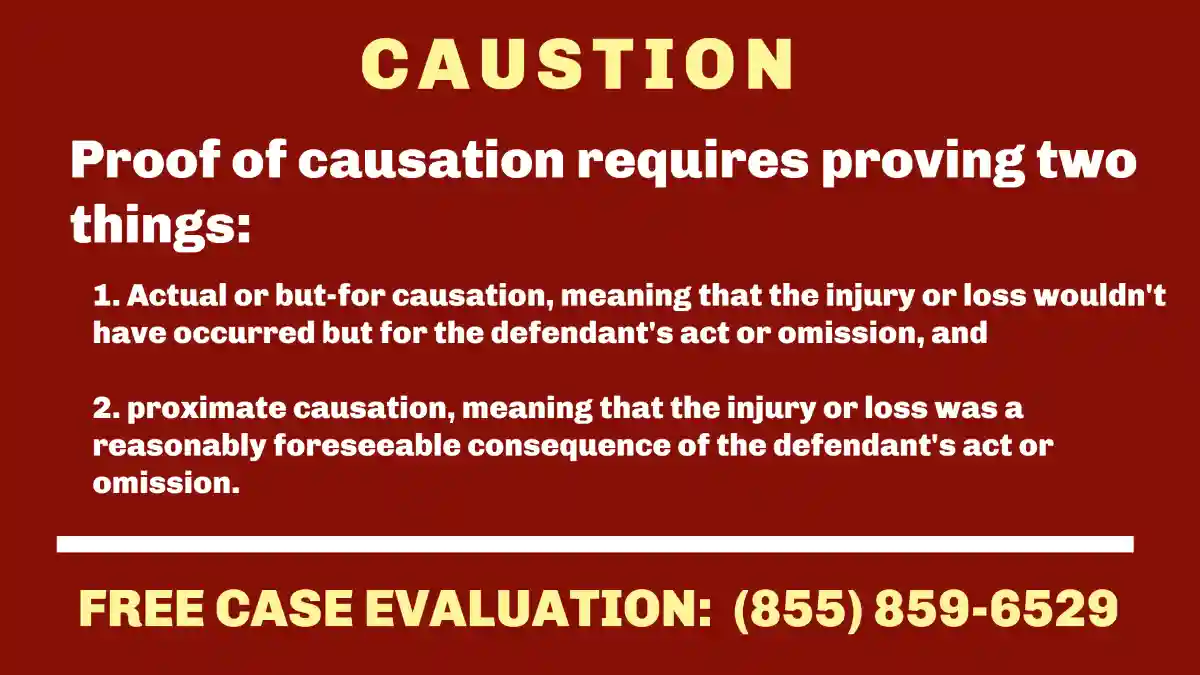
- Complex Pharmaceutical Litigation: Attorneys who in pharmaceutical mass torts have the technical knowledge needed to prove causation between liraglutide exposure and NAION development, requiring a deep understanding of both eye medicine and complex pharmaceutical liability principles.
Benefits of MDL Structure in Resolving Vision Loss Claims
- The MDL structure speeds up the process toward resolution by creating efficiency without compromising the individualized attention each vision loss claim requires based on specific medical circumstances and damages.
Qualifying for a Saxenda Vision Loss Lawsuit: Requirements and Evidence Needed
- Qualifying Criteria: Individuals seeking to pursue legal action must satisfy specific lawsuit qualification criteria to establish a viable claim against Novo Nordisk.
- Primary Qualifier: The primary requirement centers on documented use of Saxenda for weight management purposes, whether prescribed for obesity or weight-related medical conditions.
- Causation: Plaintiffs must demonstrate they experienced Saxenda vision problems, particularly NAION, following their prescribed treatment regimen.
1. Medical Documentation for NAION
- Medical documentation for NAION: Serves as the cornerstone of any successful claim.
- Establishing Temporal Relationship: Comprehensive medical records must establish a clear temporal relationship between Saxenda administration and the onset of ocular symptoms. Essential documentation includes:
-
- Ophthalmological examination reports confirming NAION diagnosis
-
- Treatment records showing dates and dosages of Saxenda prescriptions
-
- Visual field test results demonstrating vision impairment or loss
-
- Optical coherence tomography (OCT) scans revealing optic nerve damage
-
- Medical imaging studies such as MRI or CT scans ruling out alternative causes
- Qualified Plaintiffs: Typically present cases where Saxenda vision problems occurred during active Saxenda treatment or within a reasonable timeframe following discontinuation. The strength of causation evidence directly influences case viability, requiring expert medical testimony linking liraglutide exposure to the diagnosed ocular condition.
- Failure to Warn: Plaintiffs must also demonstrate they received inadequate warnings about NAION risks before initiating treatment, supporting claims of manufacturer negligence in product labeling and patient safety communications.
Potential Compensation and Settlement Estimates for Vision Loss Cases
- Lawsuit settlements for Saxenda-related vision loss cases reflect the profound impact of permanent eye damage on plaintiffs’ lives. Cases involving complete or near-complete vision loss in one or both eyes typically command higher settlement values due to the catastrophic nature of NAION-induced blindness.
-
- Compensation for Saxenda vision problems includes various types of damages aimed at addressing both financial and emotional harm:
-
- Medical expenses: Past and future costs for eye treatment, diagnostic tests, surgeries, assistive devices, and ongoing vision rehabilitation services
-
- Lost wages and earning capacity: Income losses resulting from inability to work, reduced job opportunities, and diminished future earning potential due to vision impairment
-
- Pain and suffering: Physical discomfort, emotional distress, anxiety, depression, and reduced quality of life caused by sudden vision loss
-
- Long-term care needs: Costs associated with home modifications, personal assistance, mobility training, and adaptive technology required for daily living with visual impairment
-
- Settlement Negotiations: Settlement negotiations take into account the plaintiff’s age, occupation, pre-existing health conditions, and how much vision loss impacts independence and professional abilities. Providing evidence of these factors strengthens claims for maximum compensation in a Saxenda vision loss lawsuit.
Thyroid C-Cell Tumors and Black Box Warning
- Black Box Warning: The FDA mandated a black box warning Saxenda label specifically addressing the risk of thyroid C-cell tumors.
- Extremely Serious Saxenda Eye Problems: This most serious type of warning stems from animal studies demonstrating that liraglutide caused thyroid tumors in rodents at clinically relevant exposures.
Choosing the Right Saxenda Vision Loss Lawyerfor Your Saxenda Vision Loss Case
- Selecting qualified legal representation is crucial for the success of a Saxenda Vision Loss Lawsuit.
- Saxenda Vision Loss Lawyer: Pharmaceutical litigation is complex and requires attorneys with knowledge and experienced in mass tort proceedings and an understanding of the complex medical evidence needed to prove causation between liraglutide use and eye injuries.
- A Saxenda vision loss lawyer with significant experience in drug injury cases brings essential expertise in:
-
- Navigating federal court procedures
-
- Managing extensive discovery processes
-
- Negotiating with well-funded corporate defense teams
Saxenda Vision Loss Lawyer Qualification Verification Methods
- Call Timothy L. Miles: Prospective clients should conduct thorough due diligence when evaluating potential legal counsel. Several reputable resources provide objective assessments of attorney credentials:
-
- Martindale-Hubbell® peer review ratings offer insights into an attorney’s legal ability and ethical standards, with ratings compiled through confidential evaluations by fellow lawyers and judges
-
- Avvo Client’s Choice Award listings reflect actual client reviews and satisfaction ratings based on case outcomes and communication quality
-
- National Trial Lawyers Association memberships indicate recognition among peers for trial advocacy skills and dedication to plaintiff representation
-
- State Bar Association: Records confirm active licensure status, disciplinary history, and areas of practice concentration

Essential Qualifications for a Saxenda Vision Loss Lawyer
Attorneys handling Saxenda Vision Loss Lawsuit claims should demonstrate specific competencies:
- Track records in securing substantial settlements or verdicts in pharmaceutical cases provide tangible evidence of litigation effectiveness
- Experience with multidistrict litigation procedures ensures familiarity with coordinated pretrial proceedings and bellwether trial strategies
- Access to medical experts who can testify regarding NAION causation and the standard of care in pharmaceutical warnings strengthens case presentation
- Resources to fund extensive litigation costs, including expert witness fees and medical record analysis, distinguish firms capable of sustaining prolonged legal battles against pharmaceutical manufacturers
Other Serious Saxenda Vision Side Effects
- Locked Stomach: Saxenda’s association with gastroparesis side effect represents one of the most debilitating complications reported by patients using this weight loss medication. Gastroparesis, commonly referred to as stomach paralysis, occurs when the stomach’s ability to empty itself becomes severely impaired.
-
- Debilitating Saxenda Vision Side Effects: Patients experiencing this condition report persistent nausea, chronic vomiting, severe abdominal pain, and dangerous nutritional deficiencies that require extensive medical intervention. The condition can persist long after discontinuing Saxenda, leaving individuals dependent on feeding tubes or specialized dietary protocols to maintain basic nutrition.
-
- Ileus intestinal blockage constitutes another severe gastrointestinal complication linked to liraglutide-based medications. This condition involves a complete or partial obstruction of the intestines, preventing the normal movement of digestive contents through the gastrointestinal tract.
-
- Symptoms include:
-
-
- Severe abdominal cramping and distension
-
-
-
- Inability to pass gas or have bowel movements
-
-
-
- Persistent vomiting and dehydration
-
-
-
- Potential perforation requiring emergency surgical intervention
-
-
- Mechanism of Action: The mechanism behind these gastrointestinal complications relates to Saxenda’s intended function of slowing gastric emptying. While this effect contributes to feelings of fullness and reduced appetite, the excessive slowing of digestive processes can lead to dangerous complications requiring hospitalization and surgical procedures.
-
- Saxenda Vision Side Effects: Extend beyond NAION to include diabetic retinopathy complications, particularly in patients with pre-existing diabetes. Rapid changes in blood glucose levels associated with weight loss can accelerate retinal damage, leading to progressive vision deterioration.
-
- Mounting Medical Evidence: These adverse reactions create substantial grounds for legal claims against Novo Nordisk. Plaintiffs suffering from gastroparesis or ileus face mounting medical expenses, lost income from inability to work, and permanent lifestyle alterations.
-
- Medical Monitoring: The severity of these conditions often necessitates ongoing medical monitoring, multiple surgical interventions, and long-term disability accommodations. Documentation of these complications through medical rrecords, diagnostic imaging, and expert testimony strengthens legal claims for comprehensive compensation addressing both immediate and future healthcare needs.
Conclusion
- Saxenda Vision Loss Lawsuit: If you have experienced vision loss or other serious complications after using Saxenda, it is important to take action to protect your legal rights. There are strict time limits for filing a Saxenda Vision Loss Lawsuit that vary depending on where you live, so it is crucial to act quickly in order to preserve your claims.
- Seek Legal Advice Saxenda Injury from attorneys who in pharmaceutical litigation and mass tort cases. They can assess the strength of your case by reviewing:
-
- Medical records that show a connection between Saxenda use and eye damage
-
- The timeline of when you took the medication and when symptoms began
-
- The extent of any permanent impairment and financial losses you have suffered
-
- The relevant time limits for filing a lawsuit in your area
- Utter Failue to Warn: Pharmaceutical companies have a responsibility to provide complete safety information about their prescription medications. If they fail to disclose known risks or do not adequately warn healthcare providers and patients about potential side effects, they should be held accountable through the legal system.
- Patients who have been harmed by medications that were not properly tested or marketed deserve compensation for their medical expenses, lost income, decreased quality of life, and pain endured. Legal action can achieve two things: it can help injured individuals recover financially and it can push pharmaceutical companies to prioritize patient safety over making profits.
- Saxenda Vision Loss Lawsuit: Meeting with experienced trial lawyers who focus on drug injury cases is an essential first step towards getting justice and holding these companies accountable.

If You Suffered from Saxenda Vision Side Effects, Contact Saxenda Vision Loss Lawyer Timothy L. Miles Today
