Introduction to the Securities Class Action Lawsuits
Securities litigation is the unsung heroes of the financial world. These legal power plays allow investors to join forces and fight back when companies—or their high-flying executives—get caught playing fast and loose with the truth. Whether it’s cooking the books or dropping misleading tidbits that tank stock prices, securities litigation is often the last line of defense for investors who have been left holding the bag.
At their core, securities class actions are more than just a way to recoup losses. They are vital guardians of corporate governance, keeping companies honest and transparent. When a business crosses ethical lines or fudges disclosures, these lawsuits kick in as a wake-up call—a loud one. Investors can unite to not only seek compensation but also push for sweeping changes inside the company. Think of it as both a slap on the wrist and a nudge toward better behavior.
Launching a securities class action is not just about yelling “fraud!” and waiting for justice to roll in. It is a meticulous process: first comes sniffing out shady dealings and gathering ironclad evidence. Then, an investor with serious skin in the game (often an institutional investor) steps up as lead plaintiff to represent everyone else who got burned.
The legal journey unfolds in several acts: certifying the class, diving into discovery, hashing out settlements—or if things get intense, going all the way to trial. Throughout this drama, seasoned securities lawyers steer the ship through complex legal waters.
But here is where it gets interesting: these lawsuits do no5 just write checks to wronged investors—they can overhaul entire corporate cultures. The fallout often sparks major reforms: tighter internal controls, beefed-up transparency, tougher compliance with regulations—the works.
Zooming out even further, securities class actions send shockwaves through Wall Street and beyond. They remind every publicly traded company that ethical conduct is not optional—it is essential. In sum, securities class action lawsuits aren not just legal tools; they are essential safeguards that protect investors’ interests, demand responsible corporate behavior, and keep financial markets fair and transparent.

The Role of Class Action Lawsuits in Investor Protection
Class action lawsuits play a crucial role in protecting investors by allowing them to band together to seek justice. When securities fraud occurs, it often impacts a large group of investors who may have suffered losses due to similar deceptive practices. Instead of pursuing individual claims, a class action consolidates these claims into a single, more powerful legal proceeding.
Advantages of Class Action Lawsuits
- Efficiency: Class actions streamline the legal process, reducing the burden on the court system by consolidating numerous similar claims.
- Cost-Effectiveness: Individual investors can participate in legal actions without incurring significant legal expenses, as the costs are typically shared among class members.
- Increased Leverage: A collective approach enhances the bargaining power of investors, making it more likely to achieve favorable settlements.
By holding corporations accountable for fraudulent practices, class action lawsuits like the Vestis Class Action Lawsuit promote transparency and integrity within financial markets.

The Deterrent Effect of Class Actions
Securities class action lawsuits serve a dual purpose: they provide a mechanism for victim compensation and act as a deterrent against future fraud. The potential for significant financial penalties encourages companies to maintain transparency and adhere to ethical practices.
Financial Consequences for Corporations
When companies face securities class action lawsuits, the financial implications can be severe. Settlements often involve substantial payouts, which can impact a company’s stock price and overall market reputation. The fear of litigation can compel corporations to adopt more stringent compliance measures to avoid potential fraud.
- Settlement Costs: Companies may opt to settle to avoid the uncertainties and costs associated with prolonged litigation.
- Reputational Damage: The mere existence of a class action can tarnish a company’s reputation, leading to a loss of consumer trust and investor confidence.
Encouraging Ethical Behavior
The threat of class action lawsuits encourages companies to prioritize ethical behavior and transparency. By holding corporations accountable for their actions, these lawsuits foster a culture of compliance and integrity within the business environment.
- Corporate Governance: Companies are more likely to implement robust governance structures to mitigate the risk of fraud.
- Investor Confidence: A transparent corporate culture enhances investor confidence, which is essential for the overall health of the financial markets.
Challenges in Securities Class Actions
Despite their importance, securities class action lawsuits face several challenges that can hinder their effectiveness in deterring fraud.
High Barriers to Entry
The complexity of securities law and the high costs associated with litigation can deter individual investors from pursuing class actions. Many potential plaintiffs may lack the resources or knowledge to navigate the legal system effectively.
- Legal Costs: The expenses associated with filing a class action can be prohibitive, particularly for smaller investors.
- Knowledge Gap: Investors may not fully understand their rights or the legal processes involved in pursuing a class action.
Understanding Corporate Governance: Definition and Importance
- Corporate Governance: Refers to the system of rules, practices, and processes by which a company is directed and controlled. It involves balancing the interests of a company’s many stakeholders, such as shareholders, management, customers, suppliers, financiers, government, and the community. In essence, it provides the framework for attaining a company’s objectives and encompasses practically every sphere of management, from action plans and controls to performance measurement and corporate disclosure.
- Importance: The importance of Corporate Governance cannot be overstated, especially in today’s rapidly evolving business environment. Good governance ensures that companies operate in a transparent and accountable manner, which is crucial for gaining investor trust and enhancing corporate reputation. Furthermore, it helps in mitigating risks, avoiding scandals, and improving overall firm performance. By adhering to sound governance practices, companies can achieve sustainable growth and long-term value creation.
- Essential: Moreover, effective Corporate Governance is essential for maintaining the integrity of business operations and financial reporting. It serves as a safeguard against mismanagement and fraud, thereby protecting the interests of stakeholders. As we move into 2025, the focus on governance is likely to intensify, with stakeholders increasingly demanding more accountability and ethical conduct from corporations.
Key Regulatory Bodies Overseeing Corporate Governance
- Regulatory bodies play a crucial role in overseeing Corporate Governance and ensuring compliance with legal standards. They set the rules that companies must follow to protect stakeholders’ interests and maintain market integrity. Some of the key regulatory authorities include the Securities and Exchange Commission (SEC), the Financial Reporting Council (FRC), and the International Financial Reporting Standards (IFRS) Foundation.
- Each regulatory body has specific mandates and responsibilities. For instance, the SEC regulates the securities industry and enforces federal securities laws to protect investors and maintain fair, orderly, and efficient markets. The FRC oversees corporate reporting and governance standards, while the IFRS Foundation develops global accounting standards to ensure transparency and comparability in financial statements. Understanding the role of these bodies is essential for maintaining compliance and enhancing Corporate Governance.
- As you navigate the complexities of Corporate Governance in 2025, staying informed about regulatory updates and changes is crucial. Engaging with these bodies and aligning your governance practices with their guidelines can help you reduce risks and enhance your organization’s credibility. By doing so, you can build a solid governance framework that supports long-term success and growth.
The Relationship Between Corporate Governance and Securities Litigation
- Securities litigation is closely linked to Corporate Governance, as it often arises from failures in governance practices. It involves legal action taken by investors against a company for alleged violations of securities laws, such as misrepresentation of financial information or insider trading. Poor governance can lead to securities litigation, resulting in significant financial losses and reputational damage.
- Understanding the relationship between Corporate Governance and securities litigation is vital for mitigating legal risks. By implementing strong governance practices, you can reduce the likelihood of securities violations and protect your organization from costly litigation. This includes ensuring accurate and transparent financial reporting, maintaining effective controls, and fostering a culture of compliance and ethical behavior.
- As we look to 2025, the focus on Corporate Governance and securities litigation is likely to intensify, with greater scrutiny from regulators and stakeholders. By proactively addressing potential governance issues and taking corrective actions, you can minimize the risk of litigation and safeguard your organization’s interests.
Best Practices for Effective Corporate Governance
To excel in Corporate Governance in 2025, adopting best practices is essential. These practices can help you create a robust governance framework that supports sustainable growth and value creation. Here are some key best practices to consider:
- Strengthen Board Oversight: Ensure that your board of directors is diverse, independent, and equipped with the necessary skills to provide effective oversight and guidance.
- Enhance Transparency: Foster a culture of transparency by providing clear and accurate financial disclosures and communicating openly with stakeholders.
- Prioritize Ethics and Compliance: Establish a strong ethical framework and compliance program to promote integrity and accountability across the organization.
- Implement Robust Risk Management: Develop a comprehensive risk management strategy to identify, assess, and mitigate potential risks that could impact your organization.
- Engage Stakeholders: Foster strong relationships with stakeholders by actively engaging with them and considering their interests in decision-making processes.
By incorporating these best practices into your governance framework, you can enhance your organization’s resilience and adaptability in the face of evolving challenges and opportunities.
: Develop a comprehensive risk management strategy to identify, assess, and mitigate potential risks that could impact your organization.
- Engage Stakeholders: Foster strong relationships with stakeholders by actively engaging with them and considering their interests in decision-making processes.
By incorporating these best practices into your governance framework, you can enhance your organization’s resilience and adaptability in the face of evolving challenges and opportunities.

Instituting a Robust Culture of Compliance
A culture of compliance refers to an organizational environment where adherence to laws, regulations, and ethical standards is prioritized and integrated into the daily operations and decision-making processe and has a strong corporate governance framework in plance with strong investor protections. This culture fosters an atmosphere where employees at all levels understand the importance of regulatory compliance and are committed to upholding these standards and avoild securities litigation.
In the context of corporate governance, a culture of compliance ensures that a company’s practices align with both external legal requirements and internal policies, thereby promoting transparency and accountability. Effective corporate governance frameworks are crucial as they help mitigate risks associated with non-compliance, including financial penalties and reputational damage.
One critical aspect of fostering a culture of compliance is the establishment of robust internal controls with strong investor protection and continuous employee training programs. These measures ensure that all personnel are aware of relevant laws and regulations, and understand their roles in maintaining compliance and avoild securities litigation.
Moreover, leadership plays a pivotal role in setting the tone at the top by demonstrating a commitment to ethical behavior and regulatory adherence. This top-down approach reinforces the importance of compliance throughout the organization and encourages employees to report any potential violations without fear of retaliation.
In addition to internal benefits, a strong culture of compliance with robust corporate governance can also provide external advantages, particularly in relation to securities class actions. Companies with well-established corporate goverance compliance practices are better equipped to defend against allegations in securities class action lawuits or misconduct.
By maintaining transparent and ethical business practices through robust corporate governance, organizations can reduce the likelihood of legal disputes and build trust with investors and stakeholders. Overall, a culture of compliance not only safeguards an organization against legal risks but also enhances its reputation and long-term sustainability in the marketplace.
The Indispensability of Creating a Culture of Compliance
Building a robust culture of compliance, grounded in strong corporate governance and investor protection, is not just a regulatory checkbox—it is the cornerstone of sustainable success. This proactive approach transforms compliance from a mere obligation into an ingrained mindset that safeguards the organization from legal pitfalls, enhances its reputation, and supercharges overall performance.
Shields Against Legal and Financial Risks
Prevents Costly Penalties
A well-established compliance culture—anchored by rigorous corporate governance—dramatically lowers the risk of hefty fines, sanctions, lawsuits, or even criminal charges resulting from regulatory breaches.
Enables Early Detection of Misconduct
By nurturing an environment where employees feel empowered to speak up and report concerns safely, companies can identify unethical behavior like fraud at its inception. This early warning system prevents minor issues from ballooning into catastrophic crises.
Minimizes Legal Liability
Promoting ethical conduct and accountability across all levels insulates the company from securities litigation and other liabilities, such as employment-related claims for discrimination or harassment.
Bolsters Reputation and Fosters Trust
Enhances Brand Equity
Companies recognized for their unwavering commitment to ethics and regulatory compliance attract top-tier customers, investors, and partners. A sterling reputation becomes a powerful competitive differentiator.
Builds Stakeholder Confidence
Transparent compliance programs inspire trust among employees, investors, regulators, and other stakeholders. Solid relationships with regulators can even result in lighter oversight and fewer audits—a win-win scenario.
Elevates Customer Assurance
In today’s landscape of heightened data privacy and cybersecurity concerns, a visible commitment to compliance reassures customers that their interests are protected—driving loyalty and satisfaction.
Drives Operational Excellence
Boosts Efficiency
Clear compliance frameworks streamline workflows, eliminate ambiguity for staff, and empower teams to focus on delivering results rather than second-guessing procedures.
Strengthens Employee Engagement:
When people know they work for an ethical organization with transparent standards, morale soars. Employees feel valued and proud—fueling retention and attracting top talent.
Lays the Groundwork for Scalable Growth
For emerging companies especially, embedding compliance early paves the way for seamless expansion. It prepares the organization to handle increased regulatory scrutiny as it grows.
Informs Smart Decision-Making
When ethics are woven into day-to-day operations, employees make choices aligned with organizational values—leading to better business outcomes.
Acts as a Proactive Defense Mechanism
Rather than scrambling after issues arise, a strong culture of compliance acts as an ever-vigilant shield. By making integrity second nature—from the mailroom to the boardroom—the company is poised to adapt swiftly to regulatory changes and spot vulnerabilities before they become threats. Simply put: an ethical culture is your best defense against risks created by people—inside or outside your organization.
How to Build and Sustain a Culture of Compliance: The CEO Playbook
Creating and maintaining a culture of compliance isn’t just about having a rulebook on the shelf—it’s about weaving integrity into the very DNA of your organization. Here’s how the best in the business do it:
1. Leadership: Set the Gold Standard
- Lead from the Front: The tone is set at the top. Executives can’t just talk the talk—they need to walk it, living out compliance and ethics daily.
- Empower Management: Middle managers are your cultural ambassadors. Train them to recognize, discuss, and champion compliance in every team meeting.
- Show, Don’t Just Tell: If leadership is mot visibly engaged, neither will anyone else be. Model ethical choices—consistently.
2. Turn Values into Everyday Policies
- Crystal-Clear Code of Conduct: Craft policies that are understandable and actionable for everyone—not just legal eagles.
- Accessible Everywhere: Store all guidelines on easily navigable platforms so nobody has an excuse for ignorance.
- Keep It Real: Use plain language—ditch the jargon so rules become second nature.
3. Training That Sticks
- Engaging & Relevant: Forget boring PowerPoints. Use real-life scenarios and interactive training that actually resonates.
- Tailored by Role: Customize training to address risks unique to each department or function.
- Refresher Courses: Compliance isn’t one-and-done. Make learning continuous.
4. Speak Up Culture: Safe, Confidential Reporting
- Open Channels: Create multiple confidential ways for employees to report issues—hotlines, digital portals, you name it.
- Zero Retaliation: Guarantee protection for whistleblowers—trust in reporting is non-negotiable.
- Celebrate “Good Catches”: Encourage reporting of near-misses as much as actual incidents; prevention is better than cure.
5. Make Compliance Part of Daily Operations
- Embedded in Workflow: Integrate compliance checks into project kickoffs, procurement, hiring—you get the idea.
- Cross-Team Collaboration: Bring together voices from legal, HR, finance, and beyond to spot blind spots before they become risks.
- Monitor Pressure Points: Regularly assess where shortcuts might be tempting (e.g., unrealistic targets) and adjust accordingly.
6. Accountability
- Fair Enforcement: Apply consequences consistently—from intern to CEO. Double standards kill culture.
- Link to Reviews & Rewards: Make compliance a measurable part of performance evaluations and bonuses.
- Transparent Justice: Share anonymous outcomes from investigations so everyone sees that rules matter—and are enforced.
7. Continuous Monitoring & Evolution
- Regular Audits: Use both internal teams and external experts to stress-test your systems.
- Tech-Powered Oversight: Leverage AI-driven monitoring tools for real-time risk detection.
- Stay Ahead of Change: Keep tabs on industry trends and regulatory shifts—adapt before you are forced to.
8. Recognize & Reward Integrity
- Spotlight Ethical Champions: Publicly acknowledge employees who exemplify values-driven behavior.
- Incentivize Doing Right: Tie recognition—and sometimes cold hard cash—to ethical choices as well as business wins.
The Code of Conduct: Your Organization’s Moral Compass
A code of conduct is not just paperwork—it’s your culture in black-and-white (and maybe video). Here’s how you make it matter.
Make It Clear & Accessible
- Use everyday language—no legal jargon.
- Reflect your company’s unique vibe and voice.
- Share it everywhere: online hubs, apps, even printouts if needed.
- Add interactive elements
Metrics that Show Whether a Compliance Culture Is Improving or Decending
Leading indicators
- Training completion and engagement rates: Track the percentage of employees who complete mandatory compliance training. A decline in completion or engagement suggests a diminishing priority for compliance.
- Compliance communications: Measure the reach, frequency, and engagement rates of compliance-related communications. A strong, consistent communication strategy is key to maintaining a high level of awareness.
- Access to resources: Track how often employees access the Code of Conduct, policy libraries, or compliance FAQs. Increased access suggests greater employee engagement in seeking guidance.
- Risk assessment accuracy: Evaluate the accuracy of predicted vs. actual risks identified in assessments. An improving trend indicates a more robust understanding of the risk landscape.
- Employee survey results: Conduct regular, anonymous surveys to gauge employee perceptions across the “Eight Pillars of Ethical Culture”.
-
- Improving culture: High confidence in reporting channels, strong trust in management’s ethical commitment, and low perceived pressure to compromise standards.
-
- Worsening culture: Low familiarity with policies, fear of retaliation for reporting, and a belief that revenue interests compromise ethical decisions.
- Supervisor perception: Measure how employees perceive their direct managers’ ethical conduct. This reveals whether the “tone from the top” is effectively communicated to the rest of the organization.

Lagging indicators
- Internal reports and violations:
-
- Improving culture: An increase in the number of incident reports, especially for “less severe” issues, can indicate a stronger “speak-up” culture where employees feel safe reporting misconduct. A decrease in high-severity violations is also a positive sign.
- Worsening culture: A consistent lack of reporting, particularly following training, may point to a culture of fear or distrust in the reporting process.
- Enforcement actions: Track the number and nature of disciplinary actions related to compliance violations. Consistent and fair enforcement indicates that the company is serious about accountability.
- Investigation and resolution metrics:
-
- Mean Time to Resolution (MTTR): Measure the time it takes to resolve reported issues. A decreasing MTTR shows greater efficiency.
- Reporter satisfaction: Follow up with reporters to assess their satisfaction with the resolution process.
- Audit findings: Track the number and severity of audit findings, as well as the time taken to remediate them. A decline in critical findings shows a strengthening of controls.
- Employee turnover: A sudden increase in turnover, particularly in high-risk departments or among employees who recently completed training, could signal underlying ethical problems.
External metrics
- Customer and stakeholder feedback: Monitor customer and stakeholder feedback for mentions of ethical lapses, data privacy concerns, or irresponsible business practices.
- Regulatory actions and fines: Receive notifications of regulatory inquiries, fines, or enforcement actions. An increase in such actions is a significant indicator of compliance failure.
A comprehensive approach
The Eight Pillars of Ethical Culture
- Awareness of program and resources: Employees know what the company’s ethical expectations are, what resources are available, and where to find the Code of Conduct and other relevant policies.
- Perceptions of the function: Employees see the ethics and compliance program as valuable and effective, rather than as a bureaucratic or irrelevant exercise.
- Observing and reporting misconduct: Employees feel empowered to speak up and report observed misconduct. This indicates a strong “speak-up culture” and a sense of psychological safety.
- Pressure: Employees do not feel pressured by managers or other workplace factors to compromise the company’s ethical standards to achieve business goals.
- Organizational justice: The company enforces standards fairly and consistently, and employees trust that misconduct will be addressed appropriately and without retaliation.
- Supervisor perceptions: Managers and supervisors are seen as acting ethically, modeling the desired behavior, and promoting ethical conduct on their teams.
- Perceptions of leadership: Senior leadership is viewed as honest, competent, approachable, and demonstrating a genuine commitment to the company’s values. This creates the crucial “tone from the top”.
- Perceptions of peers and environment: Employees see their colleagues and the broader organizational environment as ethical. They are proud to work for the company and do not feel pressured by peers to engage in misconduc
Attributes of a Robust Compliance Culture
Tone at the Top: A culture of compliance starts with leadership that walks the talk. When executives and senior managers champion ethical behavior—not just in words but through visible action—it sets a powerful example for everyone. This looks like:
- Regularly highlighting compliance in company-wide messages.
- Dedicating real resources (not just lip service) to compliance initiatives.
- Attending training sessions alongside staff and holding themselves to the same standards.
Crystal-Clear, Accessible Policies: Policies aren’t worth much if they gather dust in a binder no one reads. Effective compliance policies are:
- Written in plain English—no legalese or corporate jargon.
- Easy to find, thanks to an organized intranet or central hub.
- Enforced fairly and consistently, so everyone knows the rules apply equally.
Open Doors for Communication and Reporting: Employees must feel comfortable speaking up—without fear of repercussions. This means:
- Offering multiple confidential ways to report concerns (think hotlines or anonymous web portals).
- Investigating reports swiftly and communicating outcomes transparently (while respecting privacy), building trust in the process.
Relevant, Relatable Training: Forget boring annual lectures. Real compliance training is:
- Ongoing and tailored to specific roles, focusing on what matters most for each job.
- Delivered through engaging formats—interactive workshops, real-world scenarios, even games.
- Focused on explaining not just the “how” but also the “why,” linking rules back to core company values.
Seamless Integration into Daily Work: In organizations with true compliance cultures, ethics aren’t an afterthought—they’re part of every decision. This shows up as:
- Embedding compliance checks into everyday workflows across all departments.
- Making adherence to standards part of performance reviews and even compensation decisions.
Adaptability & Vigilant Monitoring: A strong compliance program never stands still. It continuously adapts by:
- Conducting regular risk assessments to spot trouble before it starts.
- Using internal and external audits to test effectiveness and uncover areas for improvement.
Why Build a Strong Compliance Culture?
- Reduces Risk: Spot problems early before they spiral into legal headaches or PR disasters.
- Builds Trust: Customers, investors, and regulators are more likely to trust companies rooted in ethics.
- Boosts Morale: Employees feel safer and more valued when working for transparent, principled organizations—which helps with motivation and retention.
- Drives Sustainable Success: Compliance isn’t a roadblock; it’s a launching pad for long-term growth and competitive edge.
In short: A strong culture of compliance isn’t about checking boxes—it’s about creating an environment where doing the right thing is simply how business gets done.
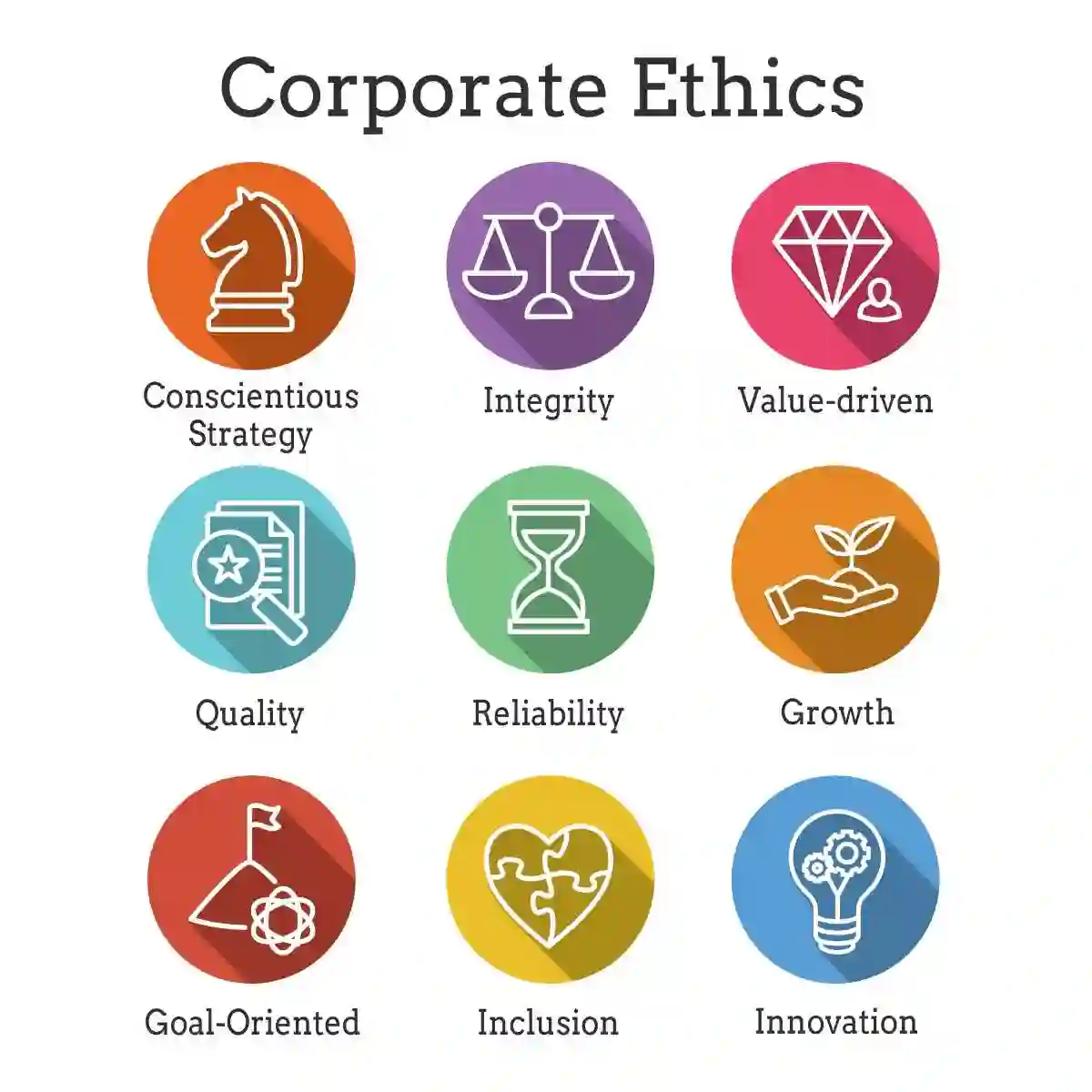
Next-Level Techniques to Supercharge Code of Conduct Training
A traditional Code of Conduct training can be as thrilling as watching paint dry. But it doesn’t have to be! Transforming these sessions from snooze-fests into engaging, interactive experiences is the secret sauce for real learning and lasting ethical behavior.
1. Scenario-Based Learning & Role-Playing: Your Workplace, Your Stage
Why just read about ethics when you can step into the drama? Drop employees into lifelike scenarios where they make the tough calls—think “choose your own adventure,” but with fewer dragons and more dilemmas. Whether it’s navigating conflicts of interest or tackling bribery head-on, role-playing brings corporate governance off the page and into vivid reality. Learning by doing beats memorizing rules every time.
2. Multimedia Magic: Lights, Camera, Compliance!
Ditch the dusty PowerPoints. Bring in dynamic videos, slick animations, and snappy quizzes that break down complex concepts (like securities class actions) into bite-sized brilliance. Imagine a short animated clip showing just how sideways things can go when policies are ignored—suddenly those guidelines feel a lot more relevant.
3. Gamification: Making Ethics Addictive
Who says compliance can’t be fun? Sprinkle in game mechanics—points for quick thinking, badges for ethical excellence, even leaderboards for some friendly rivalry. Suddenly, everyone’s racing to level up their knowledge instead of daydreaming about lunch. Repetition becomes reward-driven, and core principles stick like glue.
4. Interactive Workshops & Group Discussions: Wisdom in Numbers
Move beyond solo study! Gather teams for lively debates and workshops where real-world issues are tackled together. When people share stories and swap solutions, abstract rules become relatable—and complicated topics (like securities litigation) are demystified through collective wisdom.
5. VR & AR: Immersive Ethics Adventures
Ready to boldly go where no training has gone before? Strap on some VR goggles or fire up an AR app and drop employees right into virtual boardrooms or simulated ethical minefields. They will practice decision-making in high-stakes environments—no real-world risks required. This futuristic approach locks in lessons like nothing else.
The Bottom Line
Interactive code of conduct training isn’t just a box to check—it’s how you build an ethical culture that actually sticks. By mixing scenario-based challenges, multimedia content, gamification, group interaction, and cutting-edge tech like VR/AR, organizations turn passive listeners into active champions of integrity.
So ditch the monotony and let your Code of Conduct training come alive—because doing the right thing should never be boring!
Scenarios For Code of Conduct Training
Scenario 1: Managing a conflict of interest
You manage your team’s budget for software subscriptions. Your long-time friend from college, who works at a software company, offers you a “special deal” on a subscription for your team. You know the company is capable, and your friend mentions you’ll receive a generous referral bonus if you sign up.
- Accept the offer: The deal is a good one, and you are helping out a friend. It’s a win-win.
- Refer to company policy: You’re not sure if this is allowed, so you first consult the company’s policy on conflicts of interest.
- Decline and inform your manager: You recognize this is a conflict of interest, so you tell your friend you cannot accept the offer and notify your manager of the situation.
- Path 1 (Accept the offer): Your friend’s company performs poorly, and your team is stuck with an inefficient tool. Your manager later learns about the referral bonus and the personal relationship, leading to an ethics investigation and potential disciplinary action for a serious violation of company policy.
- Path 2 (Refer to company policy): The policy states that managers must disclose and get approval for any potential conflict of interest involving a vendor. You disclose the relationship to your manager, who, after reviewing the deal, approves it as a fair transaction. The software is a success, and you have built a reputation for acting with integrity.
- Path 3 (Decline and inform manager): Your manager commends you for handling the situation transparently and professionally. They are pleased with your judgment and recommend a different, more cost-effective vendor for the software, demonstrating that you prioritize the company’s best interest/
Scenario 2: Handling confidential information
You’re working on a new product launch. At a social event, a former colleague from a competing company asks about the upcoming product. He says, “I hear you guys have a game-changer coming. Any details you can share?”
- Share a little: You provide a few general, non-critical details, thinking it’s harmless and maintains a good relationship.
- Give a friendly deflection: You politely change the subject by saying, “I’m not able to talk about that yet, but it’s exciting!”
- State your policy: You explicitly state that you cannot discuss confidential company matters, ending the conversation.
- Path 1 (Share a little): The former colleague uses the “harmless” information to piece together the full story and shares it with their new company. A competitor launches a similar product before yours, leading to a significant loss in revenue and a company investigation into who leaked the information.
- Path 2 (Friendly deflection): Your former colleague understands your position, and the conversation moves on. You maintain your professional integrity and protect the company’s confidential information without being overly confrontational.
- Path 3 (State your policy): Your former colleague presses for more details, but your firm stance prevents further conversation. You report the incident to your manager and the legal team, positioning yourself as a trusted and reliable employee.
Current Trends in Securities Class Actions
As the legal landscape continues to evolve, several trends have emerged in the realm of securities class actions. Understanding these trends is essential for both investors and corporations navigating the complexities of securities litigation.
Increased Focus on Cybersecurity
In recent years, there has been a notable increase in securities class actions related to cybersecurity breaches. As companies face growing scrutiny over their data protection practices, investors are becoming more vigilant about potential risks associated with inadequate cybersecurity measures. Lawsuits stemming from data breaches often allege that companies failed to disclose material information regarding their cybersecurity protocols, leading to significant financial losses for investors.
Environmental, Social, and Governance (ESG) Factors
Another emerging trend is the rise of securities class actions related to environmental, social, and governance (ESG) issues. Investors are increasingly concerned about corporate practices that may impact sustainability and social responsibility. Companies that fail to adequately disclose risks associated with ESG factors may find themselves facing class action lawsuits from investors seeking accountability.

The Role of Institutional Investors
Institutional investors are playing an increasingly prominent role in securities class actions. With their substantial financial stakes, these investors often take the lead in litigation, advocating for stronger corporate governance and accountability. Their involvement has led to a shift in the dynamics of securities litigation, as they prioritize long-term value creation over short-term gains.
Future Predictions for Securities Class Action Lawsuits
- Securities class actions are not expected to slow down, with ongoing filings and new cases emerging, according to a report on securities litigation trends.
- While the number of filings may not be exceptionally high, the potential exposure and dollar value of claims are likely to remain elevated.
- Artificial Intelligence (AI): A significant increase in AI-related filings is projected, particularly in cases involving “AI washing”—misrepresenting or exaggerating AI capabilities to investors.
- Environmental, Social, and Governance (ESG) Factors: The growing emphasis on sustainability and ESG practices by investors is leading to more lawsuits related to alleged ESG violations and inadequate disclosures.
- Precision Medicine and Healthcare: Increased scrutiny of pharmaceutical and biotechnology companies is likely to result in more class actions related to drug pricing, safety, and regulatory compliance within the healthcare sector.
- Continued vigilance in sectors prone to past litigation: While SPAC, cybersecurity, and cryptocurrency related filings have seen recent declines, it’s crucial for companies in these areas to maintain strong compliance and disclosure practices to mitigate risk.
- Impact of judicial appointments: New judges taking the bench may influence the tone and outcome of future cases, especially regarding motions to dismiss.
- “No-injury” classes: The possibility exists that, through case law or statute, “no-injury” classes (where class members haven’t suffered direct injury) could be barred.
- Technological advancements: Technology is expected to play an increasing role in class action administration and resolution, including for notice to class members, facilitating participation, and distributing settlement funds.
- Increased focus on class counsel ethics: Courts may give greater weight to allegations of unethical behavior by class counsel and counsel representing objectors to settlements.
- Economic conditions: While the impact of specific economic conditions on class actions can be complex, factors like inflated valuations and overall inflation may influence settlement figures.
- Market volatility and investor scrutiny: Continued market volatility and increased investor scrutiny regarding AI utilization emphasize the need for robust disclosure frameworks to reduce litigation risks.
5. Potential for larger settlements
- The first half of 2025 saw a substantial increase in the size of potential investor losses (Disclosure Dollar Loss (DDL) and Maximum Dollar Loss (MDL) indices), driven in part by “mega-litigation” (large claims against major companies).
- While the median settlement amount declined in 2024, the total number of settlements increased, fueled by a smaller number of high-value settlements.
- An increase in the number of billion-dollar class action settlements.
Conclusion
In conclusion, navigating the complex landscape of securities class action lawsuits necessitates a robust and proactive approach to compliance. As we look ahead to 2026, it becomes increasingly clear that organizations must prioritize the establishment of a strong culture of compliance with robust corporte governance framworks providing for strong investor protectiion. This not only mitigates the risk of securities class actions but also fosters a trustworthy reputation in the financial markets.
Companies should invest in comprehensive training programs and rigorous internal controls to ensure adherence to regulatory standards. Furthermore, leveraging advanced technologies, such as AI and machine learning, can enhance monitoring processes and detect potential non-compliance issues before they escalate into securities class action lawsuits.
A well-structured compliance program with robust corporate governance is instrumental in protecting companies from the financial and reputational damages associated with securities class action lawsuits. By fostering an environment where ethical practices are upheld, businesses can effectively reduce the incidence of fraudulent activities and misconduct.
It is imperative for companies to remain vigilant and adaptable, continually updating their compliance strategies to align with evolving regulations and industry best practices. Regular audits, transparent communication channels, and a zero-tolerance policy towards violations are key components of a successful compliance culture.
Ultimately, the integration of a strong compliance culture within corporate governance frameworks will serve as a bulwark against securities class action lawsuits. As regulatory scrutiny intensifies, companies equipped with rigorous compliance mechanisms will be better positioned to navigate the challenges of the financial landscape.
The journey towards achieving this goal is ongoing and requires sustained effort and commitment from all levels of the organization. By prioritizing compliance, companies not only safeguard their interests but also contribute to the overall integrity and stability of the financial markets.