Introduction to the Mounjaro Vision Loss Lawsuit
The Mounjaro Vision Loss Lawsuit continues to gain momentum individuals keep coming forward after suffering Mounjaro vision problems. Mounjaro (tirzepatide) is widely prescribed for type 2 diabetes and is also used off-label in weight management settings. As use has expanded, some patients have reported serious Mounjaro eye problems and unexpected vision changes, including partial vision loss. This has led to rising public attention and litigation interest, often described online as a “Mounjaro vision loss lawsuit”.
This reference guide explains what patients mean when they search for a Mounjaro vision loss lawsuit, what is known and not known about potential connections, what steps to take if you experience symptoms, and how to evaluate legal advertising and medical claims responsibly. It is educational, not legal or medical advice.
- This guide is written for patients, caregivers, and risk managers who want clarity.
- This guide prioritizes governance: documentation, escalation, and informed decision-making.
- This guide repeats key ideas for emphasis: act early, document thoroughly, and confirm facts.
If you were prescribed Mounjaro and took it as directed and suffered Mounjaro eye problems, contact Mounjaro Vision Loss Lawyer Timothy L. Miles today. You could be eligible for a Mounjaro vision loss lawsuit and potentially entitled to substantial compensation. (855) 846–6529 or tmiles@timmileslaw.com.
Key Takeaways for Patients [Read This First]
When people search for “Mounjaro vision loss lawsuit,” they are usually trying to answer practical questions quickly. These are the points that matter most:
- Sudden vision changes are a medical urgency. Seek same-day care when symptoms are acute such as those listed in this resource on symptoms to never ignore.
- Do not stop a prescription abruptly without clinician guidance, unless instructed in an emergency setting.
- Preserve evidence early. Documentation is decisive in both clinical review and any Mounjaro vision loss lawsuit evaluation.
- A lawsuit claim is not the same as proof of causation. Allegations require verification and expert review.
- If you have diabetes, your baseline eye risk is already elevated. That context matters in any Mounjaro vision loss lawsuit screening.
Moreover, the potential side effects of weight loss drugs like Mounjaro have raised concerns about vision loss. If you’re considering other medications such as Saxenda or Trulicity for weight management or diabetes respectively, it’s important to be aware of their potential risks too. For instance, there are ongoing Saxenda vision loss lawsuits and Trulicity vision loss lawsuits which highlight these concerns.
If you or a loved one has experienced severe eye symptoms after taking Mounjaro or any similar medication, seeking legal counsel from a qualified Mounjaro vision loss lawyer may be a prudent step. If you were prescribed Mounjaro and took it as directed and suffered Mounjaro eye problems, contact Mounjaro Vision Loss Lawyer Timothy L. Miles today. You could be eligible for a Mounjaro vision loss lawsuit and potentially entitled to substantial compensation. (855) 846–6529 or tmiles@timmileslaw.com.
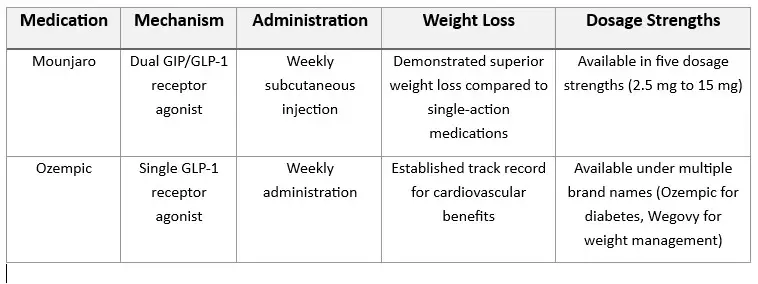
MOUNJARO VS. OZEMPIC
What Is Mounjaro, and Why Are Patients Concerned About Vision?
Mounjaro (tirzepatide) is a dual GIP and GLP-1 receptor agonist used to improve glycemic control in adults with type 2 diabetes. It can lead to significant changes in:
- Hemoglobin A1c (A1c)
- Appetite and caloric intake
- Body weight
- Metabolic parameters tied to vascular health
However, some patients have raised concerns about Mounjaro vision side effects associated with the drug. These vision concerns generally fall into two broad categories:
- Diabetes-related eye disease progression (such as diabetic retinopathy).
- Acute ocular events that patients perceive as temporally associated with starting or escalating medication.
In online discussions about a Mounjaro vision loss lawsuit, patients often describe a timeline that looks like this:
- Start Mounjaro or increase dose
- Notice blurred vision, floaters, dark spots, or partial vision loss
- Seek care and receive an eye diagnosis (or inconclusive findings)
- Search for “Mounjaro vision loss lawsuit” to understand options
That sequence is understandable, but it does not by itself establish causation. In medicine and in litigation, timing alone is not enough.
What “Mounjaro Vision Loss Lawsuit” Usually Means (In Plain Language)
The phrase Mounjaro vision loss lawsuit is not a single court case with one set of facts. It is a search term that may refer to:
- Individual personal injury lawsuits alleging vision loss after Mounjaro use
- Claims being investigated by law firms
- Advertising campaigns seeking potential claimants
- Consolidated litigation efforts, if they develop, depending on filings and judicial decisions
If you are evaluating a potential Mounjaro vision loss lawsuit, the practical question is whether your medical evidence supports a credible theory of injury, causation, and damages, and whether your timeline and documentation are consistent.
Moreover, it’s important to understand who might be eligible for such claims. For more information on eligibility criteria for a Mounjaro vision loss lawsuit, you may want to consult legal experts who practice in this area.
As the situation unfolds, it is also worth noting that claims related to other weight-loss drugs causing similar vision loss are being investigated as well. It is crucial to recognize that these issues may not solely be linked to Mounjaro but could also extend to other medications used for weight management such as those mentioned in recent studies exploring the relationship between weight-loss drugs and eye health.
Types of Mounjaro Vision Problems People Report
Patients describing a potential Mounjaro vision loss lawsuit often use non-clinical terms. Clinicians and ophthalmologists translate symptoms into differential diagnoses. Common symptom descriptions include:
- Sudden blurred vision
- New floaters
- Flashes of light
- Curtain-like shadow or dark area in vision
- Distorted central vision
- Zepbound and Eye Floaters: A Patent Guide [2025]
- Eye pain or headache with visual changes
Because these symptoms can reflect conditions that are time-sensitive, treat them as urgent.
- A retinal detachment is an emergency.
- A retinal vascular occlusion is an emergency.
- Acute glaucoma can be an emergency.
- Neurologic causes, including stroke-like processes, can be an emergency.
A responsible Mounjaro vision loss lawsuit discussion starts with the same rule: clinical triage first, legal triage second.
What Is Known, What Is Not Known, and Why That Distinction Matters
Patients deserve clarity, and clarity requires disciplined language.
What is known (general clinical context):
- Diabetes is strongly associated with eye disease, including diabetic retinopathy, macular edema, cataracts, and glaucoma risk.
- Rapid improvements in glucose control, in some contexts, have been associated with transient worsening of diabetic retinopathy in certain patients. This is not unique to one medication class and depends on baseline risk and glycemic trajectory.
- Many vision symptoms have multiple plausible causes, including dehydration, blood pressure shifts, migraines, medication interactions, and pre-existing retinal disease.
What is not known (in many individual cases):
- Whether Mounjaro directly causes a specific ocular injury in a particular patient.
- Whether a reported injury is attributable to the drug versus underlying diabetes, comorbidities, or unrelated ophthalmic disease.
- Whether a label, warning, or risk communication was inadequate under the relevant legal standard.
For any Mounjaro vision loss lawsuit, the distinction between correlation and causation is central. Central in medicine. Central in law. Central in governance

Risk Factors That Often Matter in Case Review
When discussing the potential implications of a Mounjaro vision loss lawsuit, it’s essential to consider several risk factors that often play a significant role. These factors are not definitive but can influence medical interpretation and the viability of litigation. Here are some key considerations:
- A history of [diabetic retinopathy](https://classactionlawyertn.com/mounjaro-and-diabetic-retinopathy-3344) or macular edema
- The duration of diabetes and historical A1c levels
- The speed and magnitude of A1c reduction after starting therapy
- Presence of hypertension, hyperlipidemia, or a smoking history
- Any prior ocular surgery or trauma
- Use of anticoagulants or antiplatelet agents
- Chronic kidney disease or vascular disease
- Severe vomiting, dehydration, or hypotension episodes after initiation
What To Do If You Experience Vision Changes While Taking Mounjaro
If you are experiencing concerning symptoms that may lead to a Mounjaro vision loss lawsuit, it is crucial to take immediate action to safeguard your health and maintain accurate medical records. Here are some practical steps to follow:
1) Treat urgent symptoms as urgent
Seek emergency evaluation if you experience any of the following:
- Sudden vision loss or rapid worsening
- Flashes, many new floaters, or a “curtain” over vision
- Eye pain with nausea or headache
- Neurologic symptoms such as weakness, slurred speech, or facial droop
In these situations, medical stabilization should be the priority. It’s important to remember that medical documentation begins at first contact.
2) Get an ophthalmology exam and ask for specifics
Request copies of your medical records from the ophthalmologist. It’s important to inquire about the specific assessments conducted during your examination such as:
- Visual acuity
- Intraocular pressure
- Dilated fundus exam
- Optical coherence tomography (OCT)
- Fundus photography
- Fluorescein angiography, when indicated
If your long-term plan includes evaluating a potential Mounjaro vision loss lawsuit, objective imaging and exam findings often hold more weight than symptom narratives alone.
3) Notify your prescribing clinician promptly
Tell them:
- When symptoms started
- When your last dose was
- Any dose changes
- Current glucose readings and recent A1c history
- Any severe gastrointestinal side effects, dehydration, or hypotension
This is not only good clinical care. It is also good governance. In any Mounjaro vision loss lawsuit, contemporaneous communication is often scrutinized.
4) Preserve evidence in an organized way
Create a simple file, digital or paper:
- Prescription history and pharmacy printouts
- Dose escalation schedule
- Visit summaries, imaging reports, lab results
- Symptom diary with dates and times
- Work impact documentation (missed work, restrictions)
- Out-of-pocket cost receipts
- Document early.
- Document clearly.
- Document consistently.
5) Report adverse events through appropriate channels
Patients and clinicians can report suspected adverse events to regulators (for example, through FDA MedWatch in the United States). Reporting is not a lawsuit. Reporting is safety surveillance. It can also become relevant background in a broader Mounjaro vision loss lawsuit environment.
How Attorneys Typically Evaluate a Mounjaro Vision Loss Lawsuit Inquiry
Law firms vary, but intake screening for a Mounjaro vision loss lawsuit often focuses on several repeating elements:
- A defined injury diagnosis (not only symptoms)
- A plausible temporal relationship
- Evidence of medication exposure (prescription records)
- Baseline eye status before the event
- Other risk factors that could explain the event
- Damages: treatment costs, work limitations, long-term impairment
- Statute of limitations timing (varies by jurisdiction)
A trustworthy intake process will ask detailed questions and will not guarantee an outcome.
It’s important to note that some patients have reported impairing vision side effects from Mounjaro, which could be a significant aspect of your case.
- No ethical reviewer promises a payout.
- No serious reviewer dismisses alternative causes without analysis.
If you were prescribed Mounjaro and took it as directed and suffered Mounjaro eye problems, contact Mounjaro Vision Loss Lawyer Timothy L. Miles today. You could be eligible for a Mounjaro vision loss lawsuit and potentially entitled to substantial compensation. (855) 846–6529 or tmiles@timmileslaw.com.
Medical Follow-Up: What to Ask at Your Next Appointment
If you are concerned about vision changes and also researching a Mounjaro vision loss lawsuit, focus on questions that improve clinical clarity:
- What is the specific diagnosis?
- Is this consistent with diabetic retinopathy progression?
- Was there evidence of macular edema?
- Was there evidence of vascular occlusion or hemorrhage?
- What is the prognosis and treatment plan?
- Should my glucose targets be adjusted to avoid overly rapid changes?
- Should I be referred to a retina specialist?
- What is the recommended follow-up interval?
Ask for written summaries. Written summaries reduce ambiguity. Reduced ambiguity supports better decisions, including whether a Mounjaro vision loss lawsuit conversation is warranted.
How Causation Is Usually Discussed (Without the Hype)
In a Mounjaro vision loss lawsuit, causation is the core contested issue. In practice, causation is evaluated through:
- Temporal association: Did the event occur after exposure, and is the timing biologically plausible?
- Dechallenge and rechallenge: Did symptoms improve after stopping, and recur if restarted? (This is not always safe or ethical to test.)
- Alternative causes: Diabetes severity, hypertension, age-related eye disease, trauma, infections, and other medications.
- Consistency with scientific literature: Whether peer-reviewed evidence supports a mechanism.
- Specificity of injury: Whether the injury pattern aligns with known disease pathways.
This is why credible reviewers insist on medical records. A Mounjaro vision loss lawsuit built primarily on anecdote is structurally weak.
Governance, Compliance, and Why Patients Benefit From a “Controls” Mindset
Corporate governance principles are not only for boardrooms. They are also useful for patients navigating high-stakes health decisions. The same three pillars apply:
- Controls: keep records, retain documents, track timelines.
- Transparency: ensure clinicians and reviewers have full, accurate information.
- Accountability: confirm who is responsible for decisions, follow-ups, and reporting.
If you later pursue a Mounjaro vision loss lawsuit, this approach strengthens your position. If you do not pursue litigation, the same approach still improves your medical outcomes.
- Strong process reduces risk.
- Strong process improves clarity.
- Strong process supports integrity.

Frequently Asked Questions (Patient-Focused)
Is there a single official “Mounjaro vision loss lawsuit” I can join?
The term Mounjaro vision loss lawsuit is often used to refer to various investigations and individual filings. The existence of an established consolidated proceeding can vary over time. It’s advisable to consult a qualified attorney in your jurisdiction for the most current court status. If you’re interested in similar cases, you might want to explore other vision loss lawsuits related to medications like Wegovy, Saxenda, Trulicity, or Zepbound.
Should I stop if I suffer Mounjaro and blurry vision?
If you experience sudden or severe changes in vision, treat it as an urgent matter and seek medical evaluation immediately. Any medication decisions should be made with a clinician who understands your glucose control, comorbidities, and eye findings. If an emergency clinician advises you to stop the medication, follow those instructions and then promptly arrange for follow-up care.
If you were prescribed Mounjaro and took it as directed and suffered Mounjaro eye problems, contact Mounjaro Vision Loss Lawyer Timothy L. Miles today. You could be eligible for a Mounjaro vision loss lawsuit and potentially entitled to substantial compensation. (855) 846–6529 or tmiles@timmileslaw.com.
What records should I collect?
To facilitate a thorough review of a Mounjaro vision loss lawsuit scenario, it’s important to preserve the following records:
- Pharmacy dispensing records
- Dose history
- A1c and glucose logs
- Ophthalmology exams and imaging reports
- Emergency department records if applicable
- Work and expense documentation
What if my eye doctor says it is “diabetic retinopathy”?
That diagnosis could serve as a complete explanation, a partial explanation, or a baseline condition that has changed. It’s vital to inquire about what has changed, why it changed, and whether the timing correlates with rapid glycemic shifts. A Mounjaro vision loss lawsuit inquiry often hinges on these clinical specifics.
Practical Checklist: If You Are Considering a Mounjaro Vision Loss Lawsuit
Use this checklist to stay organized and minimize confusion:
- Confirm the exact eye diagnosis in writing.
- Obtain OCT and other imaging reports if performed.
- Create a timeline: first dose, dose changes, symptom onset, care visits.
- Gather baseline eye records from before starting therapy.
- Collect A1c results from the 12 months before and after initiation.
- Document functional impact: driving, work tasks, reading, daily living.
- Identify other plausible causes: blood pressure events, dehydration, trauma, anticoagulants.
- Speak with a qualified attorney who reviews medical records comprehensively rather than just narratives.
- Organization supports accuracy.
- Accuracy supports credibility.
- Credibility supports better outcomes.
For those considering legal action due to vision loss from using medications like Mounjaro or its alternatives such as Wegovy, Saxenda, Trulicity or Zepbound, it’s essential to be aware of who is eligible for these vision loss lawsuits. If you were prescribed Mounjaro and took it as directed and suffered Mounjaro eye problems, contact Mounjaro Vision Loss Lawyer Timothy L. Miles today. You could be eligible for a Mounjaro vision loss lawsuit and potentially entitled to substantial compensation. (855) 846–6529 or tmiles@timmileslaw.com.
A Forward-Looking Note for Patients in 2026
In 2026, patients are navigating faster information cycles, more direct-to-consumer legal advertising, and more online health content that blurs the line between education and persuasion. The most protective strategy is proactive:
- Proactive medical care.
- Proactive documentation.
- Proactive verification of claims.
If you are researching a Mounjaro vision loss lawsuit, keep the sequence correct: stabilize health, confirm diagnosis, preserve records, then evaluate legal options. That sequence supports integrity, supports safety, and supports informed decision-making.
Final Reminder
This guide is a patient reference, not medical or legal advice. If you have acute vision symptoms, seek urgent medical care. If you are exploring a Mounjaro vision loss lawsuit, choose professionals who emphasize evidence, transparency, and thorough review.
- Act early.
- Document thoroughly.
- Confirm facts.
FAQs (Frequently Asked Questions)
What is Mounjaro and why are patients concerned about vision loss?
Mounjaro (tirzepatide) is a dual GIP and GLP-1 receptor agonist prescribed primarily for type 2 diabetes and off-label for weight management. Patients have reported serious eye symptoms and unexpected vision changes, including partial vision loss, raising concerns about potential side effects related to the medication.
What does the term ‘Mounjaro vision loss lawsuit’ refer to?
‘Mounjaro vision loss lawsuit’ is a search term that may refer to individual personal injury lawsuits, claims under investigation by law firms, advertising campaigns seeking claimants, or potential consolidated litigation efforts regarding alleged vision loss after using Mounjaro. It is not a single court case but a broad phrase encompassing various legal actions.
What steps should I take if I experience sudden Mounjaro vision loss?
Sudden vision changes loss are a medical urgency. You should seek same-day medical care if you experience acute symptoms such as blurred vision, floaters, dark spots, or partial vision loss. Do not stop your Mounjaro prescription abruptly without clinician guidance unless instructed in an emergency setting. Early documentation of symptoms is crucial for clinical review and any legal evaluation.
Is there proven causation between Mounjaro use and vision loss?
A lawsuit claim alleging vision loss after Mounjaro use is not the same as proof of causation. Allegations require verification through expert medical review. Timing alone—such as experiencing symptoms after starting or increasing the dose—is insufficient to establish causation medically or legally.
How does having diabetes affect the risk of eye problems when using Mounjaro?
If you have diabetes, your baseline risk for eye diseases like diabetic retinopathy is already elevated. This context matters in evaluating any potential connection between Mounjaro vision problems, as some reported issues may relate to progression of existing diabetes-related eye conditions rather than direct medication effects.
Are other weight-loss or diabetes medications linked to similar vision concerns?
Yes, other medications such as Saxenda (for weight management) and Trulicity (for diabetes) have also raised concerns about potential vision-related side effects, with ongoing lawsuits reported. If you experience severe eye symptoms after taking any such medication, consulting with both healthcare providers and qualified legal counsel practicing in these cases is advisable.
If you were prescribed Mounjaro and took it as directed and suffered Mounjaro eye problems, contact Mounjaro Vision Loss Lawyer Timothy L. Miles today. You could be eligible for a Mounjaro vision loss lawsuit and potentially entitled to substantial compensation. (855) 846–6529 or tmiles@timmileslaw.com.
The call is free and so is the fee unless we win or settle your case, so give a Mounjaro vision loss Lawyer a call today. (855) 846–6529 or tmiles@timmileslaw.com.
Timothy L. Miles, Esq.
Law Offices of Timothy L. Miles
Tapestry at Brentwood Town Center
300 Centerview Dr. #247
Mailbox #1091
Brentwood,TN 37027
Phone: (855) Tim-MLaw (855-846-6529)
Email: tmiles@timmileslaw.com
Website: www.classactionlawyertn.com
Facebook Linkedin Pinterest youtube
