
Introduction to Mounjaro Vision Problems
- Mounjaro Vision Problems: As the expansive amount of clinical research and confirmed patient reports on Mounjaro Vision Damage continues to escalate, so too does the litigation domain against the manufacturer, Eli Lilly and Company. Mounjaro (Tirzepatide) is a prescription medication used to support chronic weight management in adults with obesity or who are overweight with at least one weight-related comorbid condition.
- Mounjaro Vision Problems: While many people benefit from its use, concerns have arisen regarding potential Mounjaro ocular disablements—including serious vision problems. Reports of Mounjaro and vision loss, blurred vision, and even blindness have led to questions, legal actions, and increased scrutiny from both patients and healthcare providers.
- Answering the Most Common Questions: These frequently asked questions address the most common questions about Mounjaro’s potential impact on oscular soundness. It covers reported symptoms, legal considerations, what steps to take if you experience Mounjaro Vision Damage, and how to seek help if needed. If you are using Mounjaro or considering it as part of your weight management plan, being informed about possible Mounjaro vision side effects is essential for your safety and peace of mind.
- Mounjaro Vision Damage: If you suffered the debilitating Mounjaro vision side effects, contact Mounjaro vision loss lawyer Timothy L. Miles for a free case evaluation. (855) 846–6529 or tmiles@timmileslaw.com.
1. What is Mounjaro?
- Mounjaro (tirzepatide) is a prescription medication, injected under the skin once a week. approved for managing type 2 diabetes in adults, used alongside diet and exercise.
- Its active ingredient, tirzepatide, is also approved under the brand name Zepbound for chronic weight management.
2. How does Mounjaro work?
- Mounjaro works by increasing the insulin levels in your body, which decreases your blood sugar (glucose).
- Additionally, it reduces the amount of sugar released into your blood and slows down your digestion. Changes to diet and exercise are often combined with the medication.
3. What are the common side effects of Mounjaro?
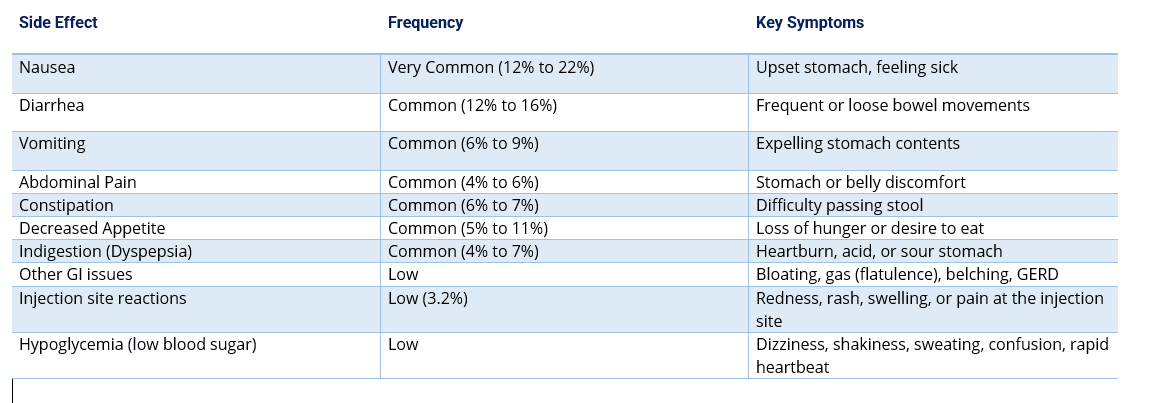
- Mounjaro Common Side Effects: The common side effects of Mounjaro include nausea, diarrhea, decreased appetite, vomiting, constipation, indigestion, abdominal pain, heartburn, fatigue, injection site reactions, headache, and low blood sugar (in people with type 2 diabetes).
COMMON SIDE EFFECTS OF MOUNJARO
4. What Are the Mounjaro vision side effects?
- A study published in 2024 revealed alarming statistics about NAION risk among patients using GLP-1 receptor agonists like Mounjaro. The research demonstrated that individuals with type 2 diabetes taking these medications faced up to seven times higher risk of developing NAION compared to those using alternative diabetes treatments.
- While not an exhaustive list, some other Mounjaro vision problems include:
-
- The relationship between diabetes complications and retinopathy risk when on Mounjaro requires careful examination, as the medication’s glycemic effects create a complex interaction with existing retinal pathology. Research published in Diabetes Care journal has documented that rapid improvements in glycemic control—while therapeutically beneficial—may paradoxically accelerate diabetic retinopathy progression in susceptible individuals.
-
- Eye floaters
-
- Eye twitching
-
- Inflammation of the eye
5. Is there a link between Mounjaro and blindness?
- Yes, Nonarteritic Anterior Ischemic Optic Neuropathy (NAION) represents one of the most severe vision-related risks documented in association with tirzepatide therapy.
- This condition manifests through sudden vision loss resulting from compromised blood flow to the optic nerve head, leading to optic nerve damage that may be permanent. NAION symptoms and risks include:
-
- Acute, painless vision loss typically affecting one eye
- Visual field defects, particularly altitudinal field loss
- Optic disc swelling observable during fundoscopic examination
- Irreversible vision impairment in the majority of cases
6. What should I do if I experience Mounjaro vision problems?
- Stop taking the medication and contact your healthcare provider immediately.
- Prompt assessment can help prevent further Mounjaro vision side effects.
7. Are there ongoing lawsuits regarding Mounjaro vision problems? What are they about?
- Yes, several lawsuits have been filed alleging Mounjaro vision problems—including partial or total blindness—in some users. These legal actions generally claim that Eli Lilly and Company (the manufacturer) failed to adequately warn patients and healthcare providers about potential risks to eye health.
- Plaintiffs often seek compensation for medical expenses, lost income due to disability, pain and suffering, and sometimes punitive damages. Central issues in these lawsuits include whether there was sufficient scientific evidence linking Mounjaro to these risks at the time of approval and whether warning labels should have included clearer information about potential Mounjaro vision side effects.
8. Who can I contact if I suffered Mounjaro vision side effects?
- Medical: If you suffered Mounjaro vision problems you should first consult with your healthcare provider for medical evaluation.
- Legal Advice: Contact Mounjaro vision loss lawyer Timothy L. Miles for a free case evaluation. (855) 846–6529 or tmiles@timmileslaw.com.
9. What should I do if I experience any Mounjaro Vision Side Effects?
- If you notice any changes in your vision—such as blurriness, double vision, seeing spots or flashes, eye pain, or sudden loss of sight—stop using Mounjaro immediately and contact your healthcare provider without delay. Vision problems can signal underlying conditions like increased intraocular pressure, retinal issues, or even stroke-like events that require urgent assessment.
- Your doctor will likely perform a complete eye examination and may refer you to an ophthalmologist for further evaluation. They will also review your medication history and may conduct blood tests to rule out other causes such as uncontrolled blood sugar levels or hypertension.
- Do not resume Mounjaro until your doctor has determined it is safe to do so. Early intervention greatly improves the chance of recovery if the problem is drug-related.
10. Am I eligible to file a Mounjaro vision loss lawsuit if I suffered Mounjaro vision problems?
- You may be eligible for a Mounjaro vision loss lawsuit if you experienced significant eye-related side effects after using Mounjaro and can establish a connection between your injury and the medication.
- To see if you are eligible, contact Mounjaro vision loss lawyer Timothy L. Miles for a free case evaluation. (855) 846–6529 or tmiles@timmileslaw.com.
11. How soon can Mounjaro vision side effects appear after starting the medication?
- Mounjaro Vision Problems: could theoretically occur at any time during treatment but are most likely within the first few weeks if they are related to the medication.
12. What are the signs of Mounjaro vision side effects?
- Recent Safety Reports (emerging in 2024): Research reports have linked GLP-1 drugs like Mounjaro to non-arteritic anterior ischemic optic neuropathy (NAION), a rare vision-threatening condition. Report any of the following symptoms to your healthcare provider immediately:
-
- Sudden vision changes or vision loss
- Vision loss in one or both eyes
- Blind spots in your visual field
- Difficulty seeing colors
- Eye pain or pressure.
13. Can Mounjaro cause pancreatitis (inflammation of the pancreas)?
- Pancreatitis: Mounjaro may increase the risk of acute pancreatitis, which is a potentially life-threatening condition requiring immediate emergency care. Symptoms of pancreatitis include:
-
- Severe abdominal pain that will not subside
- Pain radiating from your abdomen to your back
- Nausea and vomiting with severe pain
- Fever and rapid pulse
- Abdominal tenderness.
- Action required: Stop Mounjaro immediately and seek emergency medical care.
14. Does Mounjaro cause thyroid cancer?
- FDA Boxed Warning: It is unknown if Mounjaro causes thyroid cancer in humans, but the medication carries an FDA Boxed Warning because it caused thyroid C-cell tumors in animal studies.
- Contradictions: The official prescribing information explicitly states that Mounjaro is contraindicated in patients with a personal or family history of medullary thyroid carcinoma (MTC) or in patients with Multiple Endocrine Neoplasia syndrome type 2 (MEN 2).
15. Does Mounjaro cause Gastroparesis?
- Locked Stomach: Mounjaro can cause severe, persistent stomach problems, including gastroparesis (abnormally slow gastric emptying). Talk to your doctor if you experience any of the following:
- Feel full quickly when eating
- Develop persistent nausea and vomiting
- Have abdominal bloating and pain
- Lose your appetite.
