
Introduction of Trulicity Eye Problems
- Trulicity Eye Problems: The Trulicity eye problems category includes various Trulicity vision side effects that significantly reduce patients’ quality of life. These issues consist of worsening diabetic retinopathy, macular edema, and other visual disturbances that interfere with daily activities.
- Trulicity (dulaglutide): Is a medication made by Eli Lilly and Company that is commonly prescribed to help manage blood sugar levels in people with type 2 diabetes. It works by activating the GLP-1 receptor and is administered through weekly injections under the skin.
- Serious Trulicity Eye Problems: However, recent safety data and clinical studies have raised serious concerns about Trulicity eye problems and their potential severity. Reports of vision-related side effects, such as non-arteritic anterior ischemic optic neuropathy (NAION) and complications from diabetic retinopathy, have caught the attention of healthcare professionals, regulatory agencies, and legal experts. As a result, there has been an increase in Trulicity vision loss lawsuits against the manufacturer.

Regulatory Approval and Patient Population
- FDA Drugs: The U.S. Food and Drug Administration approved Trulicity after carefully reviewing data from clinical trials that demonstrated its safety and effectiveness. The medication is authorized for use in adults with type 2 diabetes as an addition to diet and exercise.
- Regulatory Expansion: Recently, regulatory expansions have also included approval for children aged 10 years and older, addressing the growing need for effective treatments for pediatric diabetes amidst rising rates of childhood obesity and earlier onset of metabolic disorders.
|
DATE |
EVENT |
|
September 18, 2014 |
The U.S. Food and Drug Administration (FDA) grants initial approval for Trulicity as a once-weekly therapy to improve blood sugar (glycemic) control in adults with Type 2 diabetes, as an adjunct to diet and exercise. This was the first approval for Trulicity anywhere in the world. |
|
November 2014 |
Trulicity becomes available in U.S. pharmacies. |
|
February 21, 2020 |
The FDA approves Trulicity’s expanded indication to reduce the risk of major adverse cardiovascular events (MACE), such as heart attack and stroke, in adults with Type 2 diabetes with and without established cardiovascular disease. This approval was based on the positive outcomes of the REWIND clinical trial. |
|
September 3, 2020 |
The FDA approves additional, higher doses of Trulicity (3 mg and 4.5 mg) for the treatment of Type 2 diabetes to provide additional glycemic control options. |
|
June 2022 |
Eli Lilly reports a shortage of Trulicity due to an unexpected increase in demand. |
|
Present (as of late 2024/early 2025): |
The supply shortage of Trulicity is anticipated to continue, in some regions, until at least June 30, 2026, due to continued high demand and some manufacturing issues. |
How Dulaglutide Controls Blood Sugar Levels
The Mechanism of Action’s Effects: Trulicity’s mechanism of action focuses on three main effects:
- Increased insulin secretion: Dulaglutide stimulates the release of insulin from pancreatic beta cells only when blood sugar levels rise, minimizing the risk of low blood sugar (hypoglycemia) compared to traditional diabetes medications.
- Reduced glucagon release: The medication inhibits the secretion of glucagon, a hormone that instructs the liver to release stored glucose into the bloodstream.
- Slowed gastric emptying: By delaying the movement of food from the stomach to the small intestine, dulaglutide helps prevent rapid increases in blood sugar levels after meals.
Triggering the Mechanism of Action: These mechanisms work together to provide comprehensive management of blood sugar levels for individuals with type 2 diabetes. The medication’s action is primarily triggered when blood sugar levels are elevated, allowing for more natural regulation of metabolism.

Common Trulicity Eye Problems
Users of Trulicity have experienced various eye symptoms that include:
- Blurry vision symptoms affecting visual clarity and focus.
- Dry eye syndrome characterized by insufficient tear production and ocular surface irritation.
- Visual disturbances including difficulty with night vision and light sensitivity.
- Eye pain and discomfort during medication use.
- Changes in visual acuity requiring prescription adjustments.
Potential Trulicity Vision Side Effects
- Trulicity Eye Problems: As with any medication, there may be potential side effects associated with Trulicity use. One area of concern is its Trulicity vision problems.
- Regular Eyesite Monitoring: While clinical studies have not explicitly linked Trulicity to vision problems or eye conditions such as diabetic retinopathy, it is essential for individuals taking this medication—especially those with pre-existing eye issues—to monitor their eyesight regularly.
- Trulicity Vision Problems: If you experience any sudden Trulicity vision problems or other visual disturbances while using Trulicity, it is crucial to contact your healthcare provider immediately for further evaluation and guidance.

Serious Side Effects Beyond Vision Loss: A Comprehensive Look at Trulicity’s Risks
- Severe Side Effects: The negative health effects of Trulicity go far beyond just vision problems. It is crucial for both patients and healthcare providers to understand the wide range of serious side effects that have been reported in clinical studies and by patients themselves.
- Significant Impact of Health: These side effects can have a significant impact on long-term health and overall quality of life.
Nonarteritic Anterior Ischemic Optic Neuropathy (NAION)
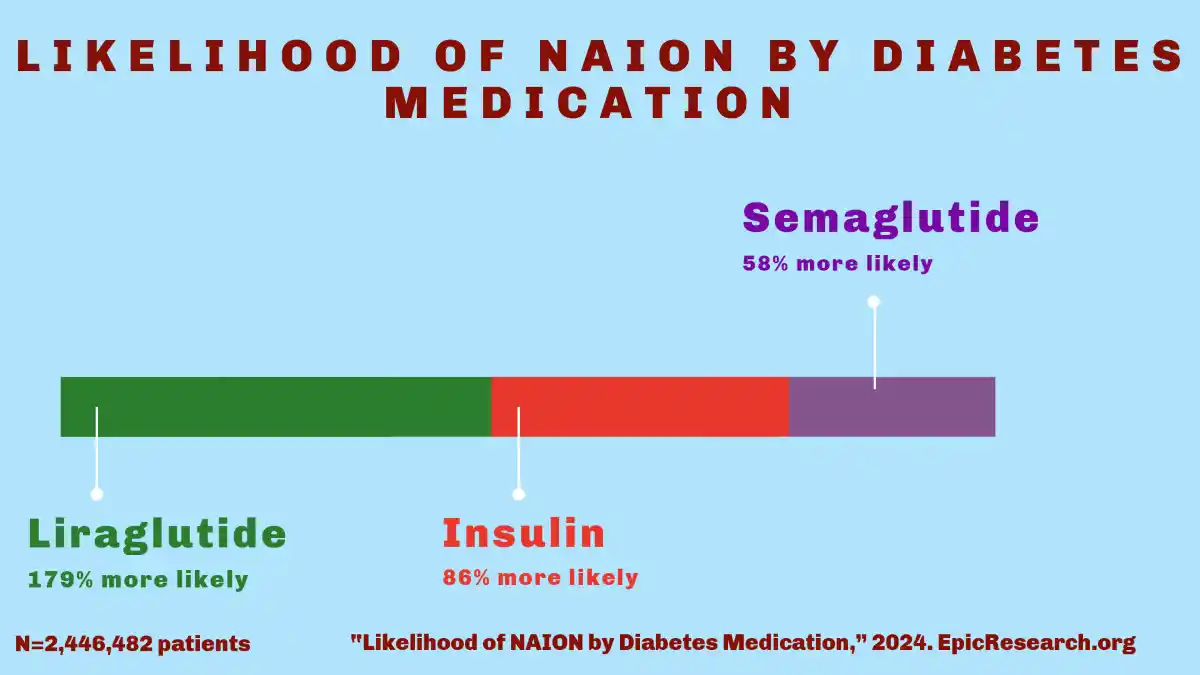
Nonarteritic Anterior Ischemic Optic Neuropathy (NAION): Represents the most serious vision-related complication associated with Trulicity use. This condition occurs when blood flow to the optic nerve becomes compromised, resulting in sudden, painless vision loss that typically affects one eye.
NAION presents through distinct clinical features:
- Sudden onset of vision loss, often noticed upon waking.
- Altitudinal visual field defects (loss of upper or lower visual field).
- Reduced color perception and contrast sensitivity.
- Optic disc swelling visible during eye examination.
- Permanent vision impairment in affected eyes.
Risk factors for NAION development include:
- Diabetes mellitus, creating baseline vascular compromise.
- Age exceeding 50 years, correlating with increased vascular disease.
- Hypertension and cardiovascular disease.
- Sleep apnea and nocturnal low blood pressure.
- Structural optic disc characteristics, particularly small cup-to-disc ratios.
Diabetic Retinopathy and Macular Complications
- Diabetic Retinopathy: The progression of diabetic retinopathy has become a concern among Trulicity users, especially those with pre-existing retinal disease. This microvascular complication damages blood vessels in the retina, potentially leading to:
-
- Proliferative changes with abnormal blood vessel growth.
-
- Vision-threatening complications requiring laser treatment or surgical intervention.
- Macular edema: Is characterized by fluid accumulation in the macula, has been observed in patients using GLP-1 receptor agonists. This condition causes:’
-
- Distortion and blurriness of central vision.
-
- Difficulty reading and recognizing faces.
-
- Reduced visual acuity affecting daily activities.
-
- Potential for permanent central vision loss without appropriate treatment.
- Diabetic Eye Disease: The connection between rapid blood sugar control achieved through Trulicity and accelerated retinopathy progression needs careful clinical consideration, particularly in patients with established diabetic eye disease.

Key Research Findings on NAION Cases and Trulicity Vision Problems
- Pharmacovigilance Analysis: Using the FDA Adverse Event Reporting System (FAERS) database has found patterns of eye complications linked to dulaglutide (Trulicity) and tirzepatide (Zepbound). These analyses reviewed thousands of reports of adverse events over several years:
-
- Analysis of FAERS data from 2014-2023 revealed 127 reported cases of NAION among Trulicity users.
-
- Comparative risk assessments showed higher reporting ratios for vision-related side effects in GLP-1 receptor agonist groups.
-
- Time-to-onset analyses suggested that vision problems could occur within weeks to several years after starting treatment.
- Medical Studies: A prospective observational study conducted across multiple academic medical centers tracked 4,144 patients prescribed GLP-1 receptor agonists for type 2 diabetes management. The research documented initial eye examinations and followed up every six months. Results indicated that 2.7% of participants experienced new-onset vision disturbances requiring specialist intervention, with NAION being the most severe manifestation.
Investigating Scientific Evidence on Trulicity and Vision Loss Risks
- Studies: Researchers have conducted thorough studies to understand the connection between GLP-1 receptor agonists and vision problems.
- JAMA Study: Significant study published in JAMA Ophthalmology looked at over 16,800 patients using semaglutide (the active ingredient in medications like Ozempic and Wegovy) compared to other diabetes drugs.
-
- NAION Increase: The findings showed a notable increase in NAION cases among GLP-1 receptor agonist users, indicating a potential risk that requires medical attention.
Downplaying of Vision-Related Risks
- Actively Downplayed Risks: The scope of these allegations goes beyond simply not providing information. Plaintiffs claim that Eli Lilly actively downplayed the seriousness of Trulicity vision side effects in its communications with regulatory authorities and the medical community.
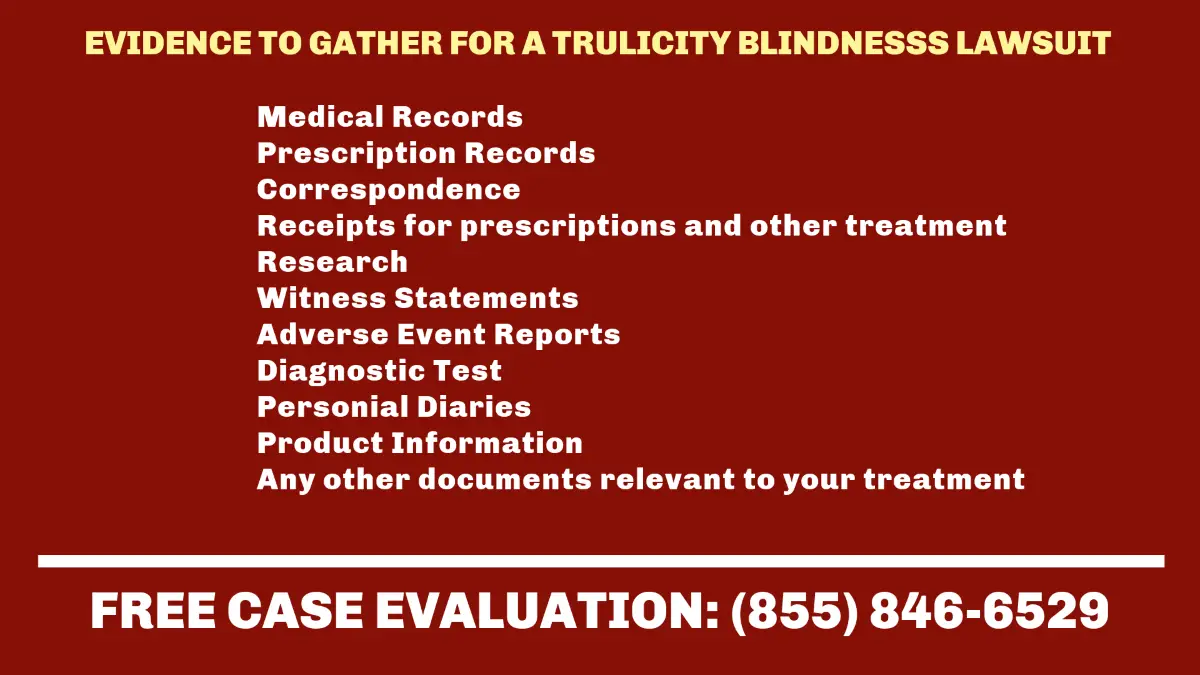
- Internal Company Documents: Evidence presented in court cases suggests that internal company records may have shown awareness of NAION cases among Trulicity users, raising concerns about when and how adequately safety communications were issued by the manufacturer.
The Trulicity Blindness Lawsuit Landscape
- Trulicity Vision Loss Lawsuit: The lawsuit against Eli Lilly is based on claims that the pharmaceutical company did not provide sufficient warnings about serious vision-related risks linked to Trulicity.
- Failure to Warn: According to the Trulicity lawsuit claims, the company either knew or should have known about the relationship between GLP-1 receptor agonists and NAION but failed to effectively communicate these risks to patients and healthcare providers.
- Legal Basis for Trulicity Vision Problems: This failure to warn patients is the basis for legal actions taken by individuals who experienced sudden Trulicity vision problems after using the medication.
OZEMPIC VS. TRULICITY VS. MOUNJARO V. SAXENDA
|
MEDICATION |
TYPE |
ACTIVE INGREDIENT |
HOW OFTEN TO TAKE IT? |
PURPOSE |
|
Ozempic |
Injection |
Semaglutide |
Weekly |
Type 2 diabetes treatment |
|
Trulicity |
Injection |
Dulaglutide |
Weekly |
Type 2 diabetes treatment |
|
Mounjaro |
Injection |
Tirepatide |
Weekly |
Weight loss and Type 2 diabetes treatment |
|
Saxenda |
Injection |
Liraglutide |
Daily |
Weight loss |
Patient Experiences: The Reality of Vision Loss and Eye Complications from Trulicity Use
- Reports: From patients show a troubling trend of vision problems after starting Trulicity. People who had stable vision before having suddenly experienced blurry vision, gradual loss of sight, and in severe cases, permanent blindness.
- Post Treatment: These reports consistently mention symptoms appearing weeks to months after starting treatment, with some patients facing rapid decline that needed immediate medical attention.
Vision Problems Reported by Patients on Trulicity
- Progressive visual field loss
- Permanent blindness (in severe cases)
- Trulicity Eye Problems: The impact of vision issues caused by Trulicity goes beyond medical descriptions. It significantly affects daily life activities such as driving, reading, and recognizing faces—things that were once taken for granted. Many patients have had to leave jobs that required good eyesight, adding financial stress to the physical pain caused by these conditions.
Financial Burden Faced by Patients
- Increased medical costs for specialized eye care
- Expenses for surgical procedures
- Need for assistive devices
- Trulicity Vision Side Effects: The psychological effects are just as devastating. Patients are experiencing depression, anxiety, and feeling isolated socially as they become less independent. The sudden shift from managing diabetes well to dealing with Trulicity and vision problems feels like a betrayal, especially when there were supposedly no clear warnings about these risks in the information given to doctors or patients.

Consolidation Through Multidistrict Litigation
- MDL Centralization: Due to a large number of cases with similar claims against manufacturers of GLP-1 receptor agonists, the federal court system has implemented procedures called multidistrict litigation (MDL) to make pretrial processes more efficient.
- Pretrial Coordination: This consolidation method moves cases from different district courts to one specific jurisdiction where a designated judge manages discovery, motion practice, and bellwether trial selection.
- The MDL process aims to achieve several goals:
-
- Eliminate repetitive discovery efforts
- Prevent inconsistent pretrial rulings
- Promote judicial efficiency in handling complex pharmaceutical litigation
- Coordinated Proceedings: By using this structure, plaintiffs can benefit from coordinated legal strategies while still maintaining their individual cases.
Qualifying Criteria for Legal Action
Qualifying Events: If you took Trulicity and suffered vision loss or other serious Trulicity vision problems, including, but not limited to:
- NAION
- Myodesopsias and Eye Floaters
- Dry Eye Syndrome
- Diabetic Retinopathy
- Blurry Vision
- Macular Edema
- Ocular Migraines

Call Timothy L. Miles Today: Then you may be eligible for a Trulicity vision loss lawsuit and potentially be entitled to significant compensation. Call Trulicity vision loss lawyer Timothy L. Miles today who can tell you if you are eligible for a Trulicity vision loss lawsuit and explain how a lawsuit works. (855) 846–6529 or [email protected].
Effective Communication with Healthcare Providers
Evidence: Clear documentation and communication strategies strengthen both medical outcomes and legal positions. Patients should prepare for medical appointments forZepbound vision side effects by:
- Creating written lists of all symptoms, including onset dates and severity levels
- Bringing complete medication histories including dosages and duration of Zepbound use
- Asking physicians to note any concerns about vision-related side effects in charts
- Following up verbal reports with patient portal messages creating electronic records
Preexisting Conditions: Healthcare providers must receive explicit information about pre-existing conditions like diabetes, hypertension, or sleep apnea that increase NAION risk factors.
Contingency Fee Arrangements: No Cost to Hire a Trulicity vision loss lawyer
- It does not cost anything to hire a Trulicity vision loss lawyer if you are eligible for a Trulicity vision loss lawsuit. We take all cases on a contingency basis which means we do not get paid unless we win or settle your case.
- A Trulicity vision loss lawyer can explain the process of a lawsuit and answer any questions you may have free of charge, so contact Timothy L. Miles today for a free case evaluation and see if you are eligible for a Trulicity vision loss lawsuit. (855) 846–6529 or [email protected].

Frequently Asked Questions about Trulicity Eye Problems
What Are the Trulicity Vision Side Effects?
What Causes Trulicity and Vision Loss?
What Are the Trulicity Vision Side Effects?
Contact Trulicity Vision Loss Lawyer Timothy L. Miles Today for a Free Case Evaluation
If you were prescribed Trulicity and took it as directed and suffered Trulicity vision loss or other Trulicity eye problems, contact Trulicity Vision Loss Lawyer Timothy L. Miles today. You could be eligible for a Trulicity Vision Loss lawsuit and potentially entitled to substantial compensation.
The call is free and so is the fee unless we win or settle your case, so give a Trulicity Vision Loss Lawyer a call today and see if you qualify for a Trulicity Lawsuit. (855) 846–6529 or [email protected].
Timothy L. Miles, Esq.
Law Offices of Timothy L. Miles
Tapestry at Brentwood Town Center
300 Centerview Dr. #247
Mailbox #1091
Brentwood,TN 37027
Phone: (855) Tim-MLaw (855-846-6529)
Email: [email protected]
Website: www.classactionlawyertn.com
Facebook Linkedin Pinterest youtube
