Introduction to Faulty GM Transmission Problems
Are you having Faulty GM Transmission Problems? If so, you are not alone. The GM 10-speed automatic transmission, commonly referred to as the 10L80 (and closely related variants used across GM and Ford applications), has been widely adopted because it supports both performance and fuel economy targets. It is installed across several high-volume platforms, including many Chevrolet Silverado and GMC Sierra configurations, as well as select SUVs and performance vehicles.
At the same time, the transmission has been the subject of persistent owner complaints and litigation allegations focused on shift quality, drivability, and long-term reliability. By 2026, the legal landscape remains active, and consumer attention has increasingly shifted from isolated dealership repairs to broader questions of warranty practice, defect disclosure, and corporate governance controls.
This update explains what the lawsuits generally allege regarding the faulty GM transmission problems, where matters commonly stand as of 2026, what this means for owners, and how to document issues in a way that supports both safety and potential legal rights.
What Owners Commonly Report With the GM 10-Speed
Consumer complaints vary by vehicle, model year, powertrain calibration, and driving conditions. However, the reported symptoms in public discussions and legal allegations often follow consistent patterns with GM transmission issues.
Frequently cited drivability symptoms with a Faulty GM Transmission
Owners commonly describe:
- Hard shifts (including firm 1–2, 2–3, 3–4, or downshift engagements)
- Hesitation or delayed engagement when accelerating, merging, or turning
- Shudder or vibration, particularly under light throttle or during gear transitions
- “Hunting” between gears, where the transmission repeatedly changes ratios
- Clunking or banging felt through the driveline during low-speed operation
- Harsh downshifts when coming to a stop, sometimes described as a “push” sensation
- Intermittent behavior, where the vehicle drives normally for periods and then degrades again
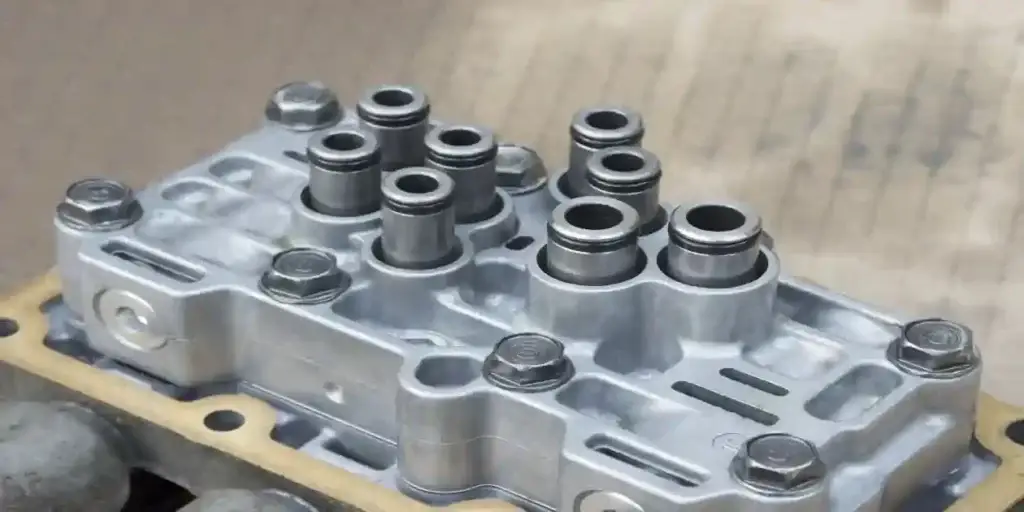
From a technical standpoint, these complaints are often framed around shift scheduling, torque converter operation, adaptive learning, valve body behavior, and control module calibrations. In litigation terms, they are frequently characterized as defects that impair use, value, and safety.
Why the 10-Speed Became a Litigation Focus in the GM Transmission Lawsuit
Transmission litigation typically centers on a structured set of claims. The exact wording differs by case, but the most common theories include:
- Defect allegation: The transmission allegedly contains a design or manufacturing defect that results in harsh shifting, shuddering, slipping, or premature wear. This is particularly relevant in the context of the defective GM transmission cases.
- Failure to disclose: Plaintiffs often allege the manufacturer knew, or should have known, of the issue and did not adequately disclose it at the time of sale or lease.
- Warranty disputes: Many cases focus on whether repairs were adequate, repeated repairs were required, or owners were denied coverage through “normal operation” explanations.
- Consumer protection claims: State consumer fraud, unfair competition, or deceptive practices statutes are frequently invoked. These laws fall under the broader category of consumer protection, which aims to safeguard buyers from unfair trade practices and ensure they receive accurate information about products.
- Damages theory: Claims often seek costs for repairs, diminished value, reimbursement, and in some cases repurchase or replacement.
In a corporate governance context, these allegations matter because they test whether complaint intake, engineering escalation, dealer guidance, and warranty policies function as a coherent risk management system. Litigation pressure frequently increases when consumers perceive a gap between reported symptoms and consistent corrective action.
GM 10-Speed Transmission Lawsuits: What “Update (2026)” Usually Means
When consumers search “lawsuit update,” they are often looking for one of three developments:
- A class action was filed and is moving through early motions
- A proposed settlement is pending approval or has been approved
- A case was dismissed, narrowed, or compelled to arbitration for some consumers
For those who believe they have a case against GM regarding their transmission issues, it’s important to understand how to navigate these legal waters. If you’re considering joining a lawsuit due to your experiences with a GM transmission, you might be eligible to file a GM transmission lawsuit, especially if you’ve encountered significant problems with your vehicle’s transmission.
The typical procedural stages to watch
Even without naming a specific case, most transmission class actions follow a predictable arc:
- Complaint filed (allegations and proposed class definition)
- Manufacturer response (motion to dismiss, answer, or procedural challenges)
- Discovery (documents, engineering data, warranty claims, depositions)
- Class certification briefing (whether the court allows a class to proceed)
- Settlement discussions (often parallel to certification or discovery)
- Settlement approval (preliminary approval, notice, fairness hearing, final approval)
- Claims administration (reimbursement submissions, repair coverage terms, deadlines)
By 2026, many consumers are not asking whether litigation exists. They are asking whether litigation has advanced to a point that produces practical relief such as reimbursement, extended coverage, or standardized repair protocols.
Vehicles and Model Years Commonly Discussed (General Guidance)
Consumers frequently associate the GM 10-speed with:
- Chevrolet Silverado 1500
- GMC Sierra 1500
- Chevrolet Tahoe / Suburban
- GMC Yukon / Yukon XL
- Certain performance platforms that use 10-speed variants
However, eligibility in any lawsuit, settlement, or warranty program is not determined by search results or forum lists. It is determined by the specific VIN, build configuration, in-service date, model year, jurisdiction, and the complaint’s class definition.
Because transmission calibrations and hardware updates can change across production runs, two vehicles with the “same transmission” label may not have the same service history, technical bulletins, or repair outcomes. That variability is one reason these cases often litigate whether the issue is systemic or individualized.
Repairs, Reflashes, and Dealer Visits: What Owners Often Experience
A recurring pattern described by owners involves multiple service visits with incremental steps. These steps are not inherently improper. They reflect the reality that modern transmissions are controlled by software, adapt to driver behavior, and may exhibit symptoms from several root causes.
Common dealership interventions
Owners frequently report one or more of the following:
- Transmission control module (TCM) or powertrain control module (PCM) software updates
- Adaptive learning resets (relearn procedures after updates or repairs)
- Fluid inspection or changes, including addressing fluid condition concerns
- Torque converter-related service in cases involving shudder complaints
- Valve body or internal component replacement depending on diagnostic results
The litigation controversy arises when consumers allege that these interventions do not permanently resolve symptoms, or when the symptoms are described as “normal,” leaving the owner without a consistent corrective path.
From a governance and compliance perspective, consistency matters. Repetition matters. Documentation matters. A manufacturer’s ability to demonstrate that it issued clear diagnostic guidance and performed durable repairs is often central in defending these cases.
Key Terms That Appear in Lawsuit and Settlement Discussions
Consumers benefit from understanding several terms that regularly appear in court filings and settlement notices.
Class action (proposed class vs certified class)
A “class action” at filing is often a proposed class action. It becomes a certified class only if the court approves class treatment. Many cases settle before full certification but still require court approval.
Arbitration clauses
Some purchase and lease agreements include arbitration provisions that can require individual arbitration rather than court litigation. This can significantly affect whether an owner can participate in a class action.
Lemon law vs class action claims
- Lemon laws are state-specific statutes that can provide repurchase or replacement for qualifying vehicles after a defined number of repair attempts within a certain period.
- Class actions typically seek standardized relief for a broad group, such as reimbursement, extended warranty coverage, or repair protocols.
Owners often pursue lemon law relief while class actions are pending, but timing, documentation, and statutory requirements are critical.
TSBs (Technical Service Bulletins)
A Technical Service Bulletin is manufacturer guidance to dealers for diagnosing or repairing known issues. A TSB is not a recall. However, in litigation, plaintiffs sometimes cite TSBs as evidence that the manufacturer had early knowledge of recurring problems.
Is There a Recall for the GM 10-Speed?
A recall is a specific regulatory mechanism, usually tied to a safety defect determination, and it is not automatically triggered by drivability complaints. Many transmission-related disputes remain in the domain of warranty, service guidance, and civil litigation rather than formal recalls.
If you are evaluating recall status, rely on:
- Your manufacturer account (service history and campaigns tied to your VIN)
- The NHTSA VIN lookup tool (for U.S. owners)
- Official dealer campaign documentation
Do not treat social media summaries as authoritative. For governance reasons, regulators and courts focus on what was documented and communicated formally.
What to Do If Your GM Vehicle Has 10-Speed Shifting Problems (Practical Steps)
If you are experiencing harsh shifting, shudder, or hesitation, the most important objective is to build a clean, timestamped record of the issue and the repair attempts. Documentation does not create a defect, but it does establish a verifiable history.
1) Describe the symptom precisely
When you schedule service, use specific language, for example:
- “Harsh 2–3 upshift after cold start, occurs within first 10 minutes, light throttle.”
- “Shudder at 35–45 mph under steady throttle, feels like driving over rumble strips.”
- “Delayed engagement when shifting from reverse to drive, followed by a clunk.”
Precision improves diagnostic quality and reduces the risk of a “could not duplicate” outcome.
2) Capture short videos when safe
If safe and legal, record a short clip showing:
- Speed, RPM, and the moment the symptom occurs
- The conditions (cold start, light throttle, towing, hill descent)
- Any dashboard messages, warnings, or unusual sounds
Do not record in a way that distracts from driving. A passenger can help.
3) Keep all repair orders and invoices
Your best evidence is the repair order that lists:
- Your complaint in your words
- The dealer’s diagnostic steps
- The outcome (software update, fluid check, parts replaced)
- Whether the issue was verified, duplicated, or deemed normal
If the written complaint is vague, ask the advisor to revise it before you sign.
4) Track days out of service
For lemon law analysis, many states consider:
- Number of repair attempts for the same issue
- Total days out of service
- The timeframe from purchase or first repair attempt
Keep a simple log.
5) Escalate through formal channels
If repeated visits do not resolve the problem, consider:
- Opening a case with the manufacturer’s customer assistance center
- Requesting a ride-along with a technician to reproduce the issue
- Asking whether there are updated calibrations or diagnostic guidance
Formal escalation creates an auditable record. It also tests whether the organization’s issue-resolution process functions as intended, which is relevant in broader defect narratives.
Settlement Coverage and Reimbursement: What Owners Typically Look For
When a transmission lawsuit settles, the relief often falls into defined categories. Not every settlement includes all items, but these are common structures:
- Reimbursement for prior out-of-pocket repair expenses (within criteria)
- Extended warranty for specific components or conditions
- Free or discounted repairs at authorized dealers
- Software updates or reprogramming included as a remedy
- Limitations such as mileage caps, time caps, or documentation requirements
- Claims deadlines and required proof (invoices, proof of payment, registration)
If you are evaluating a settlement notice, pay close attention to:
- The definition of the class vehicles
- The covered symptoms and required diagnostic findings
- Whether prior repairs qualify if performed outside the dealer network
- Whether the settlement affects your ability to sue individually (release language)
The “release” is often the most consequential clause, because it can restrict future claims for the same alleged defect.
How Corporate Governance Shows Up in Transmission Litigation
Transmission cases are not only about mechanical performance. They are also about decision-making systems. Courts, regulators, and consumers increasingly evaluate whether the manufacturer:
- Acted promptly on early warning signals
- Maintained consistent dealer guidance
- Ensured warranty decisions were consistent and explainable
- Disclosed material information appropriately
- Implemented corrective actions that were durable and measurable
This is where governance and integrity become operational, not theoretical. In a well-governed product organization, complaint monitoring, field data analysis, supplier management, and service policy updates form a closed loop. In a poorly governed system, the loop breaks, and consumers experience repetition without resolution.
Repetition is a signal. Repetition is evidence. Repetition is risk.
Frequently Asked Questions about Faulty GM Transmission Problems
Can I join the GM 10-speed transmission lawsuit?
It depends on the specific case or settlement. Participation in the GM 10-speed transmission lawsuit typically depends on the vehicle model, model year, in-service date, state, and whether you are bound by arbitration. The only reliable source is the official court docket, settlement website (if one exists), and counsel guidance.
Is harsh shifting “normal” for a 10-speed?
A 10-speed can shift more frequently than older transmissions, and some shift feel may be characteristic of calibration choices. However, repeated hard shifts, shudder, hesitation, or safety-relevant behavior should be documented and evaluated. “Normal operation” is not a diagnosis. It is a conclusion, and it should be supported by test results and documented findings.
Will a software update fix the problem permanently?
Sometimes it can improve shift scheduling and drivability. Other times it may provide temporary improvement, particularly if underlying wear, fluid breakdown, or component issues exist. Owners should request that the repair order clearly states what update was applied and what post-repair verification was performed.
Should I pursue lemon law or wait for a class action?
Lemon law rights are time-sensitive in many states, such as Maryland, and may require prompt action after repair attempts. Class actions can take years and may result in limited relief. Many owners consult an attorney early to preserve options while continuing to document repairs.
What are the common problems reported by owners of vehicles with the GM 10-speed automatic transmission?
Owners frequently report issues such as hard shifts (especially between gears 1–2, 2–3, and 3–4), hesitation or delayed engagement during acceleration or merging, shudder or vibration under light throttle, gear hunting where the transmission repeatedly changes ratios, clunking or banging at low speeds, harsh downshifts when stopping, and intermittent drivability problems. These symptoms relate to shift scheduling, torque converter operation, adaptive learning, valve body behavior, and control module calibrations.
Why has the GM 10-speed automatic transmission become the focus of litigation?
The GM 10-speed transmission is subject to lawsuits primarily due to alleged design or manufacturing defects causing harsh shifting, shuddering, slipping, or premature wear. Litigation also centers on claims that GM failed to disclose known issues at sale or lease time, disputes over warranty coverage for repeated repairs or denials citing normal operation, consumer protection violations including deceptive practices, and damages seeking repair costs, diminished vehicle value, reimbursements, or vehicle repurchase. These claims highlight concerns about corporate governance and risk management in addressing these defects.
What legal claims are typically made in a GM Transmission Lawsuit 10 Speed
Common legal claims include defect allegations asserting design or manufacturing flaws; failure to disclose material information about transmission problems; warranty disputes regarding repair adequacy and coverage denials; consumer protection claims invoking state laws against fraud and unfair trade practices; and damages claims seeking compensation for repair expenses, diminished vehicle value, reimbursement costs, and sometimes vehicle repurchase or replacement.
What does a ‘lawsuit update (2026)’ generally indicate regarding GM 10-speed transmission cases?
A lawsuit update in 2026 usually refers to developments such as new class action filings progressing through initial court motions; announcements of proposed settlements pending approval or finalized settlements; or case dismissals, narrowing of claims, or arbitration mandates for some consumers. These updates help affected owners understand current legal proceedings related to their transmission issues.
How can GM 10-speed transmission owners document their issues to support safety and potential legal rights?
Owners should meticulously record all symptoms experienced—such as hard shifts, shuddering, delayed engagements—and maintain detailed logs of service visits including dates, repairs performed, dealership communications, and any warranty correspondence in case you have to file a GM Transmission Lawsuit. Photographs or videos demonstrating drivability problems can be helpful. This documentation supports both safety awareness and strengthens any potential legal claims regarding defective transmissions.
Where can consumers seek guidance if they believe they have a case related to GM 10-speed transmission problems?
Consumers considering a GM Transmission Lawsuit should consult a qualified attorney licensed in their jurisdiction for case-specific advice. Since lawsuit eligibility and status can change rapidly due to ongoing litigation developments and settlement negotiations, professional legal counsel ensures informed decisions tailored to individual circumstances.
A Practical Owner Checklist (Save This)
If you want a structured approach that supports both repair success and potential legal rights, use the following checklist:
- Record the symptom with date, mileage, and driving conditions
- Schedule service and insist the complaint is written accurately on the repair order
- Request copies of all repair orders, including “no problem found” visits
- Ask what calibration updates were applied and request the version details in writing
- Track days out of service and repeat repair attempts
- Escalate to manufacturer customer care after repeated recurrence
- If the issue affects safety or control, reduce driving risk and request immediate inspection
- Consult a qualified attorney if repairs repeat, costs escalate, or warranty coverage is disputed
This approach emphasizes clarity, accuracy, and accountability. It also reinforces the core principle that protects consumers and manufacturers alike: the record must match the reality.
For instance, understanding your warranty information can be crucial when dealing with repeated issues or disputes over coverage.
What to Watch Next in 2026
For owners following the GM 10-speed transmission litigation environment, the most relevant developments typically include:
- Court decisions on dismissal and class certification, which determine whether claims proceed broadly.
- Settlement announcements and preliminary approvals, which define who is included and what relief is offered.
- Revised service guidance, such as updated diagnostic procedures, software calibrations, or component revisions.
- Consumer reporting trends, including patterns in complaints that may influence negotiations and risk posture.
Litigation does not replace repair. Repair does not replace accountability. Owners should pursue durable fixes through documented service channels while monitoring legal options through authoritative sources.
If you’re facing issues with your vehicle’s transmission, it’s essential to understand the defective GM transmission problems and seek help from a qualified GM transmission lawyer.
Closing Perspective
By 2026, the GM 10-speed transmission dispute has become a reference point for how modern vehicle issues are evaluated: not only by mechanical outcomes but also by governance outcomes. Consumers expect consistency. Regulators expect traceability. Courts expect evidence.
If you are experiencing shifting problems, treat the situation with professional discipline. Document precisely. Escalate formally. Preserve records. And if resolution stalls, seek qualified legal guidance from an experienced GM transmission lawyer so you can make informed decisions that protect both safety and long-term value.
In case you need to file a lawsuit for compensation due to these defective GM transmissions, it’s crucial to understand the process involved in seeking compensation in a GM transmission lawsuit. These lawsuits often involve complex legal proceedings similar to those seen in privacy class action settlements, where understanding the nuances of class certification and settlement terms can significantly impact the outcome of your case.
Timothy L. Miles, Esq.
Law Offices of Timothy L. Miles
Tapestry at Brentwood Town Center
300 Centerview Dr. #247
Mailbox #1091
Brentwood,TN 37027
Phone: (855) Tim-MLaw (855-846-6529)
Email: [email protected]
Website: www.classactionlawyertn.com
Facebook Linkedin Pinterest youtube
