Introduction to the Defective GM Transmission and the Rights and Remedies of Consumers
As a consumer, you have certain rights and remedies if you are having to deal with a Defective GM TransmissionTransmission. Transmission reliability is not a minor convenience issue. It is a safety issue, a resale value issue, and a total cost of ownership issue. When a General Motors (GM) vehicle develops harsh shifting, shuddering, delayed engagement, loss of propulsion, or repeated “service transmission” warnings, consumers often discover that the problem is not solved by a single repair attempt.
In 2026, the practical question is no longer whether Defective GM Transmission Problems exist in the market. The question is what rights consumers have, what remedies are realistically available, and how to pursue those remedies efficiently.
This article provides an authoritative, consumer-focused framework for understanding defective GM transmission claims, including warranty rights, lemon law remedies, and the role of federal and state consumer protection rules.
If you drive a Chevrolet, GMC, or Cadillac with a GM Transmission Problems and you have experienced defective transmission issues like shuddering, jerking, slipping, or had repair work done, call GM Transmission Lawyer Timothy L. Miles for a free case evaluation as you may qualify for a GM Transmission Lawsuit and could potentially be entitled to compensation. (855) 846–6529 or [email protected].
Common Indicators of a Potentially Defective Transmission
A “defect” in the legal sense typically means a nonconformity or condition that substantially impairs use, value, or safety. In the practical sense, transmission problems often present as repeatable symptoms that persist despite repair attempts. The most frequently reported transmission related symptoms include:
- Harsh shifting or “bang” shifts between gears
- Shuddering or vibration, especially during light acceleration or torque converter lock up
- Delayed engagement when shifting into Drive or Reverse
- Slipping or unexpected gear changes
- Loss of propulsion or inability to accelerate normally
- Warning lights and diagnostic trouble codes tied to transmission control
- Repeated fluid changes, software updates, or “relearn” procedures without durable improvement
Symptoms alone do not prove a defect, but they often establish the pattern that triggers warranty obligations and, in some states, lemon law presumptions.
For instance, if you experience GM transmission problems such as harsh shifting or shuddering despite multiple repairs, it may be time to explore your options regarding warranty rights or lemon law remedies for your defective GM transmission. Furthermore, transmission reliability plays a crucial role in the overall performance of a vehicle and should not be overlooked.
Why Defective Transmission Disputes Escalate Quickly
Transmission problems, such as those that often arise with faulty GM transmissions, tend to become high stakes disputes for three reasons: cost, complexity, and recurrence.
- Cost: Transmission repairs can range from thousands of dollars to a full replacement. Even if a repair is “covered,” consumers may still incur towing, rental, diagnostic, and time loss costs.
- Complexity: Modern transmissions integrate mechanical, hydraulic, and software control systems. Dealerships may attribute symptoms to “normal characteristics,” driving conditions, or software calibration.
- Recurrence: A consumer’s strongest case often arises when the same condition reappears after multiple documented repair attempts. Repetition is evidence. Repetition is leverage. Repetition is what converts a frustrating repair experience into a legally actionable pattern.
The Legal Building Blocks: What “Rights” Usually Mean
In defective vehicle cases, “rights” typically come from four overlapping sources:
- Manufacturer warranties (new vehicle limited warranty; powertrain warranty; special coverage adjustments, if any)
- State lemon laws (statutory repurchase or replacement remedies under defined conditions)
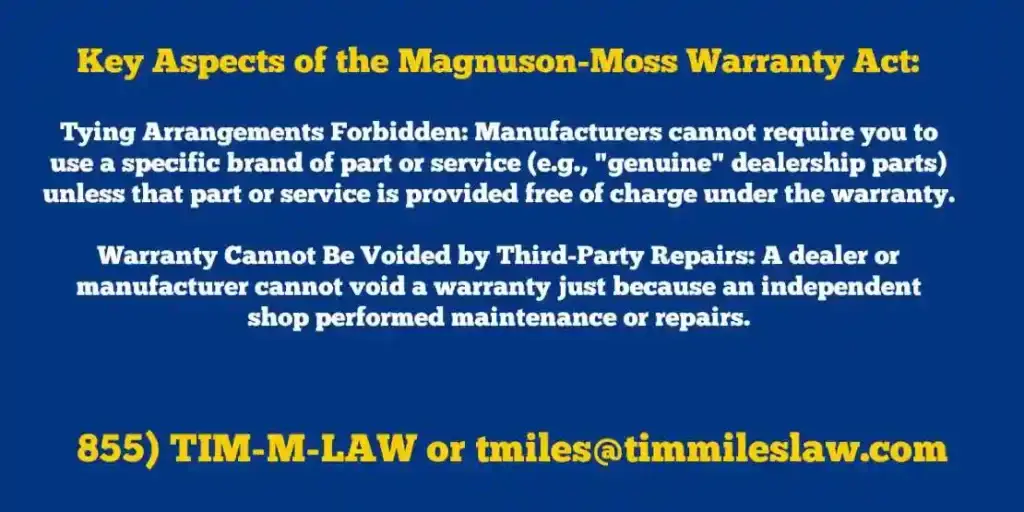
- Federal warranty law, especially the Magnuson Moss Warranty Act (MMWA)
- State consumer protection statutes (often called “UDAP” laws: unfair or deceptive acts and practices)
A single dispute may involve multiple theories. A consumer may pursue warranty performance first, then escalate to lemon law or MMWA if the defect persists.
If you drive a Chevrolet, GMC, or Cadillac with a GM Transmission Problems and you have experienced defective transmission issues like shuddering, jerking, slipping, or had repair work done, call GM Transmission Lawyer Timothy L. Miles for a free case evaluation as you may qualify for a GM Transmission Lawsuit and could potentially be entitled to compensation. (855) 846–6529 or [email protected].
GM Warranties in Practice: What They Usually Cover and What They Require
1) New Vehicle Limited Warranty vs. Powertrain Warranty
Most consumers encounter two warranty concepts:
- Bumper to bumper coverage (new vehicle limited warranty) for a shorter period, generally covering many components and issues.
- Powertrain coverage for a longer period, typically covering core drivetrain components such as the engine and transmission, subject to terms and exclusions.
Your warranty booklet and in service date matter. A transmission complaint is not “automatically covered” just because it involves the transmission. Coverage usually depends on whether the failure falls within the warranty period, whether the issue is excluded, and whether the vehicle has been modified or neglected.
2) The Obligation to Provide a Reasonable Opportunity to Repair
Warranties are performance promises. The manufacturer is generally entitled to a reasonable number of attempts to repair a covered defect. The dispute often centers on what is “reasonable,” and that is where documentation becomes decisive.
3) Warranty Denials and Common Rationales
Consumers often report denials or partial denials based on:
- “No problem found” determinations
- Claims that the condition is “normal” or “characteristic”
- Allegations of improper maintenance, contamination, or abuse
- Aftermarket modifications or tuning
- Inability to replicate the symptom during a short test drive
A denial is not the end of the analysis. It is the beginning of escalation, and it should be answered with evidence.
Lemon Law Remedies: Repurchase, Replacement, and the Practical Thresholds
1) What Lemon Laws Generally Do
State lemon laws typically require the manufacturer to repurchase (buy back) or replace a vehicle that has a substantial defect that cannot be repaired after a reasonable number of attempts within a specified period.
Although details vary by state, the remedy structure tends to be consistent:
- A defect substantially impairs use, value, or safety.
- The defect arises and repair is attempted during the lemon law eligibility period.
- The manufacturer or its authorized dealer is given a reasonable opportunity to fix it.
- The defect persists, or the vehicle is out of service for an extended number of days.
2) The “Reasonable Number of Attempts” Concept
Many states use a presumption, often some version of:
- 3 to 4 repair attempts for the same issue, or
- 1 to 2 repair attempts for a serious safety defect, or
- A cumulative number of days out of service, often around 30 days, during the eligibility period.
These are general reference points, not universal rules. Some states differ significantly. Still, consumers should treat these benchmarks as operational targets for record keeping and escalation timing.
3) Why Transmission Issues Often Qualify
Transmission defects frequently impact:
- Safety: sudden loss of propulsion, hesitation during turns, inability to merge, unexpected downshifts.
- Use: unreliable operation, inability to drive normally, repeated breakdown risk.
- Value: reduced resale value, stigma of a replaced transmission, accident risk concerns.
A consistent pattern of these impacts supports lemon law classification.
For more information on how lemon laws can assist in resolving disputes related to vehicle defects like transmission issues, you can refer to this resource.
Magnuson Moss Warranty Act (MMWA): Federal Leverage for Warranty Breaches
The MMWA is a federal statute that strengthens consumer warranty enforcement. It does not create a “lemon law” buyback system by itself, but it can provide:
- A pathway to sue for breach of warranty when the manufacturer fails to repair.
- Potential recovery of attorney’s fees for prevailing consumers, which can make representation financially feasible even when damages are modest.
MMWA claims often pair effectively with state law claims. If you are outside a state lemon law window, MMWA may still be relevant, depending on facts and warranty status.
Consumer Protection Statutes: When the Problem Is Not Just Mechanical
State UDAP laws may apply when the dispute includes misleading conduct, such as:
- Representing a known recurring defect as “normal” without a good faith basis
- Misstating warranty coverage
- Failing to disclose material information during sale (varies by state and fact pattern)
- Unfair claims handling practices, depending on jurisdiction
These claims can increase settlement pressure, but they require careful factual development. Consumers should not assume that frustration alone equals deception. The focus is evidence, patterns, and provable statements.
If you drive a Chevrolet, GMC, or Cadillac with a GM Transmission Problems and you have experienced defective transmission issues like shuddering, jerking, slipping, or had repair work done, call GM Transmission Lawyer Timothy L. Miles for a free case evaluation as you may qualify for a GM Transmission Lawsuit and could potentially be entitled to compensation. (855) 846–6529 or [email protected].
The Evidence Standard: What Consumers Should Document Immediately
Defective transmission cases are won with records. Records create timelines. Timelines create legal eligibility. Legal eligibility creates remedies.
1) Repair Orders and Invoices (Not Just Appointment Confirmations)
For every visit, obtain a repair order that includes:
- Your exact complaint in your words
- Mileage and date
- Diagnostic findings
- All work performed, including software updates and fluid services
- Whether the issue was verified or duplicated
- Whether parts were replaced
- The out of service dates
If the write up is vague, ask for it to be corrected before you leave. “Customer states transmission shudders at 35 to 45 mph during light throttle” is more valuable than “customer states check vehicle.”
2) Video and Audio Evidence
A short video capturing:
- RPM fluctuation
- Shudder sensation (even if subtle)
- Dash warnings
- The sound of harsh shifts
can be persuasive. It can also defeat “cannot duplicate” responses.
3) Written Log of Symptoms and Conditions
Maintain a simple log:
- Date, mileage
- Temperature and driving conditions
- Speed range
- Whether the issue occurs after warm up
- Whether it is intermittent or consistent
Repetition, repetition, repetition. A log makes repetition undeniable.
4) Tow Receipts, Rental Receipts, and Out of Pocket Costs
These costs matter for damages and settlement. Keep all receipts and notes on time lost.
The Repair Process: How to Engage Strategically Without Escalating Emotion
Transmission disputes often become adversarial because consumers feel dismissed. The goal is not to vent. The goal is to build a record.
Step 1: Report the Defect Clearly and Consistently
Use consistent wording. Do not dilute your complaint. Do not speculate on causes. Focus on symptoms and safety impact.
Step 2: Insist on Test Drives When Needed
If the problem is intermittent, ask for a road test with a technician. Offer your symptom log. Show your video.
Step 3: Ask What Was Done, Not Just Whether It Was “Fixed”
A dealership may say the vehicle is “operating as designed.” Ask:
- What codes were present?
- What technical service procedures were followed?
- Was any fluid sampled or inspected?
- Was software updated?
- Was a relearn procedure performed?
- What should I do if it happens again?
These questions produce paper trails. Paper trails produce remedies.
Step 4: Escalate to GM Customer Assistance in Writing
Open a case. Obtain the case number. Follow up by email or other written channels when possible. Written communication reduces ambiguity later.
Step 5: Request a Final Repair Opportunity Where Required
Some states require notice and a final opportunity to repair. Even when not required, it can be strategically helpful because it demonstrates reasonableness.
Arbitration, Informal Dispute Programs, and Settlement Dynamics
Some manufacturers participate in arbitration or informal dispute resolution programs. Whether arbitration is mandatory, optional, or strategic depends on:
- Your state lemon law
- Your warranty terms
- The specific dispute program’s rules
- Whether you intend to hire counsel
Arbitration can be faster, but it can also limit discovery and may not always provide the best forum for complex technical disputes. Consumers should read program rules carefully before committing. If you are considering a lemon law claim, consult a qualified attorney in your state before signing releases or settlement agreements.
Remedies Consumers Commonly Seek in Defective GM Transmission Cases
If you find yourself dealing with a defective GM transmission, it’s crucial to understand your options. You might want to consider seeking legal advice from a GM transmission lawyer, especially if you’re contemplating filing a lawsuit.
1) Repair at No Cost (Including Related Components)
A proper repair should address root cause, not symptoms. Consumers may seek coverage for:
- Transmission replacement or rebuild
- Torque converter replacement
- Valve body or control module repair
- Software calibration updates linked to the defect
- Related damage caused by the failure
2) Repurchase or Buyback (Lemon Law Style)
A repurchase typically includes:
- Return of down payment
- Return of monthly payments made (structure varies)
- Payoff of the loan balance
- Reimbursement of certain collateral charges (varies)
- A mileage offset in many states
The exact formula is state specific. The concept is consistent: the consumer is put back as close as possible to the position they were in before the defective vehicle, subject to statutory deductions.
If you’re unsure whether you are eligible to file a GM transmission lawsuit, consulting with an experienced attorney can provide clarity. They can guide you through the complexities of your situation and help you understand if pursuing a GM transmission lawsuit is the right step for you.
3) Replacement Vehicle
Some consumers prefer replacement. Replacement can be beneficial when:
- You need a vehicle immediately
- Financing terms are favorable
- The manufacturer offers a comparable vehicle quickly
Replacement also requires careful attention to taxes, fees, registration, and whether the replacement is truly comparable.
4) Cash Settlement (With or Without Keeping the Vehicle)
A cash settlement may be offered when:
- The defect is real but does not fit lemon law timing
- The manufacturer wants to avoid repurchase
- The consumer wants to keep the vehicle but be compensated for diminished value and repeated inconvenience
Settlement agreements often include confidentiality and release language. Read carefully.
5) Reimbursement for Out of Pocket Costs
Reimbursement may cover towing, rentals, and certain incidental costs, depending on warranty terms and negotiation posture.
Special Topics That Commonly Affect Outcomes
Modifications and Maintenance Records
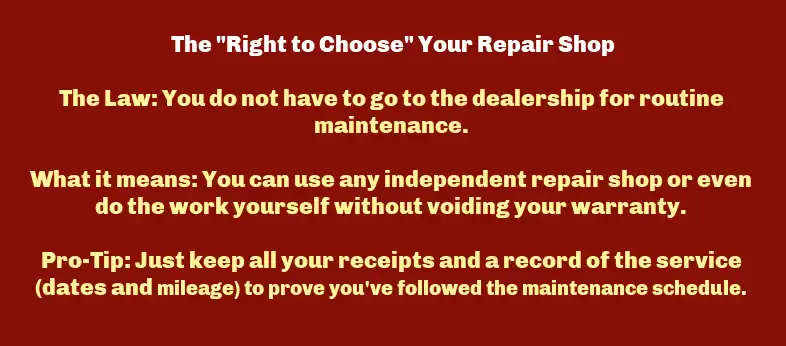
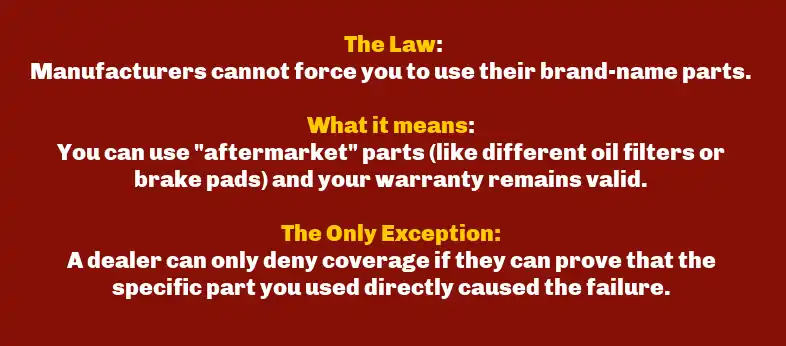
Aftermarket tuning, transmission programming changes, and certain performance modifications can complicate warranty claims. Likewise, missing maintenance documentation can invite arguments about neglect. Keep maintenance records. Follow the manufacturer’s maintenance schedule. Use the specified fluids and services.
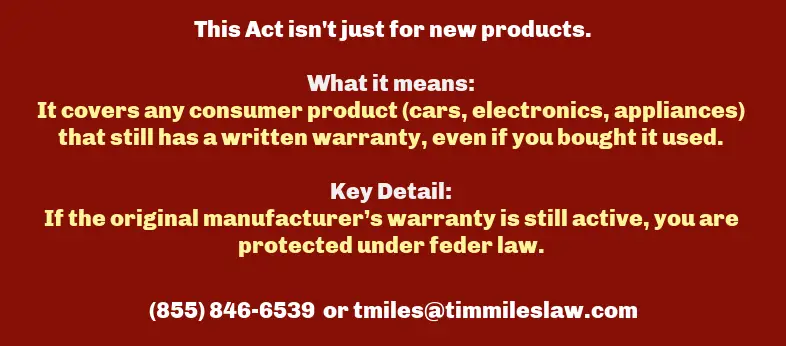
Used Vehicles and Certified Pre Owned (CPO)
Used vehicle remedies depend on:
- Remaining factory warranty
- Any CPO warranty coverage
- Dealer provided warranties
- State used car lemon laws (available in some states)
- Whether the sale was “as is” (rules vary; “as is” does not always defeat all claims)
A used vehicle can still support warranty and consumer protection claims, but the legal path is more fact specific.
Safety Considerations and NHTSA Complaints
If the transmission issue creates a safety hazard, consumers may consider filing a complaint with the National Highway Traffic Safety Administration (NHTSA). A regulatory complaint is not a direct remedy, but aggregated complaints can influence investigations and recalls. Your repair documentation and symptom description should be consistent with your NHTSA complaint.
A Practical Timeline for Consumers: What to Do in the First 30 to 60 Days of Symptoms
- Stop relying on verbal assurances and start collecting repair orders.
- Return promptly when the symptom recurs. Delays can undermine urgency and eligibility windows.
- Communicate in writing with GM customer assistance and keep case notes.
- Track days out of service. The total days matter as much as repair attempts.
- Do not accept “normal” without details. Ask what tests were performed and what technical basis supports that conclusion.
- Consult a lemon law attorney early if the pattern is repeating. Many states require manufacturers to pay attorney’s fees for successful claims, which often makes early consultation practical.
Proactive measures matter. Proactive documentation matters. Proactive escalation matters.
If you drive a Chevrolet, GMC, or Cadillac with a GM Transmission Problems and you have experienced defective transmission issues like shuddering, jerking, slipping, or had repair work done, call GM Transmission Lawyer Timothy L. Miles for a free case evaluation as you may qualify for a GM Transmission Lawsuit and could potentially be entitled to compensation. (855) 846–6529 or [email protected].
Frequently Asked Questions (2026) About Faulty GM Transmission
Is a shudder or harsh shifting enough to qualify for lemon law?
It can be, if it substantially impairs use, value, or safety, and if it persists after a reasonable number of repair attempts within your state’s eligibility period. The deciding factor is usually documentation of repeated repair visits and continued symptoms.
The dealer says they cannot duplicate the problem. What should I do?
Provide video evidence, a symptom log, and request a ride along with a technician. Ensure the repair order states the specific symptom and that you reported it. “Cannot duplicate” with a detailed complaint still counts as a documented attempt in many disputes, although state rules vary.
Do software updates count as repair attempts?
Often, yes. A software update, relearn, or calibration procedure is still a repair action if it is performed to address the complained of defect. What matters is how it is documented on the repair order.
Can I pursue remedies if the transmission was replaced but the vehicle still has issues?
Yes. A replacement transmission does not automatically end liability if the defect persists or if new related issues arise that substantially impair the vehicle during the relevant period. The post replacement timeline should be documented just as carefully.
Should I keep driving the vehicle if it loses power or hesitates dangerously?
Safety comes first. If the vehicle is unsafe, do not continue driving it. Tow it to an authorized dealer and document the safety concern in writing. Safety related facts can materially affect the remedy analysis.
If you drive a Chevrolet, GMC, or Cadillac with a GM Transmission Problems and you have experienced defective transmission issues like shuddering, jerking, slipping, or had repair work done, call GM Transmission Lawyer Timothy L. Miles for a free case evaluation as you may qualify for a GM Transmission Lawsuit and could potentially be entitled to compensation. (855) 846–6529 or [email protected].
Frequently Asked Question about Defective GM Transmission Problems and Your Rights
What are common signs of a defective GM transmission?
Common indicators of a potentially defective GM transmission include harsh shifting or “bang” shifts between gears, shuddering or vibration during light acceleration or torque converter lock up, delayed engagement when shifting into Drive or Reverse, slipping or unexpected gear changes, loss of propulsion or inability to accelerate normally, warning lights and diagnostic trouble codes related to transmission control, and repeated fluid changes, software updates, or “relearn” procedures without durable improvement.
Why do defective GM transmission disputes often escalate quickly?
Disputes over defective GM transmissions tend to escalate quickly due to three main factors: the high cost of repairs (which can range from thousands of dollars to full replacement), the complexity of modern transmissions that integrate mechanical, hydraulic, and software systems leading to ambiguous diagnoses, and the recurrence of issues despite multiple documented repair attempts. This repetition strengthens consumers’ cases and often turns repair frustrations into legally actionable claims.
What legal rights do consumers have regarding defective GM transmissions?
Consumers’ rights concerning defective GM transmissions typically stem from four overlapping sources: manufacturer warranties (including new vehicle limited warranty and powertrain warranty), state lemon laws which provide statutory repurchase or replacement remedies under defined conditions, federal warranty law such as the Magnuson Moss Warranty Act (MMWA), and state consumer protection statutes commonly referred to as UDAP laws (unfair or deceptive acts and practices). Consumers may pursue warranty performance first and escalate to lemon law or MMWA claims if defects persist.
How do GM warranties generally cover transmission problems?
GM warranties usually involve two key concepts: the new vehicle limited warranty (bumper-to-bumper coverage) which applies for a shorter period covering many components including some transmission parts, and the powertrain warranty which lasts longer and typically covers core drivetrain components like the engine and transmission. Coverage depends on whether the issue occurs within the warranty period, exclusions apply, and whether the vehicle has been modified or neglected. Transmission complaints are not automatically covered just because they involve the transmission.
What is meant by a ‘reasonable number of attempts’ to repair under warranty?
Under manufacturer warranties, there is an obligation to provide a reasonable opportunity to repair a covered defect. This means the manufacturer is generally entitled to make a reasonable number of repair attempts before further remedies apply. What constitutes ‘reasonable’ varies but is often determined by documentation showing repeated unsuccessful repairs. Multiple documented repair attempts for the same condition strengthen consumer claims under warranties and lemon laws.
What are common reasons for warranty denials in defective GM transmission cases?
Warranty denials in defective GM transmission cases are often based on rationales such as ‘no problem found’ determinations where technicians do not detect an issue during inspection, claims that symptoms are due to normal vehicle characteristics or driving conditions rather than defects, assertions that software calibrations are within specifications, or exclusions based on vehicle modifications or maintenance history. These denials highlight the importance of thorough documentation and understanding consumer rights.
Closing Perspective: Integrity Through Process, and Results Through Documentation
A defective GM transmission dispute is rarely resolved by a single phone call and rarely proven by frustration alone. It is resolved through process, such as when you document each symptom and obtain each repair order.
Consumers who succeed tend to do the same things: they track each day out of service, insist on clarity, repeat their complaint with precision, and repeat their requests with professionalism until either the manufacturer fixes the vehicle or provides a legally appropriate remedy.
If you suspect a recurring transmission defect, begin building your record now. The most effective remedy in 2026 is still the same: timely action, complete documentation, and disciplined follow through. Remember that a replacement does not automatically end liability for ongoing issues related to your faulty GM transmission. In cases where you’re considering seeking compensation in a GM transmission lawsuit, ensure all relevant details are meticulously recorded to support your claim.
Contact GM Transmission Lawyer Timothy L. Miles for a Free Case Evaluation
Timothy L. Miles, Esq.
Law Offices of Timothy L. Miles
Tapestry at Brentwood Town Center
300 Centerview Dr. #247
Mailbox #1091
Brentwood,TN 37027
Phone: (855) Tim-MLaw (855-846-6529)
Email: [email protected]
Website: www.classactionlawyertn.com
Facebook Linkedin Pinterest youtube
