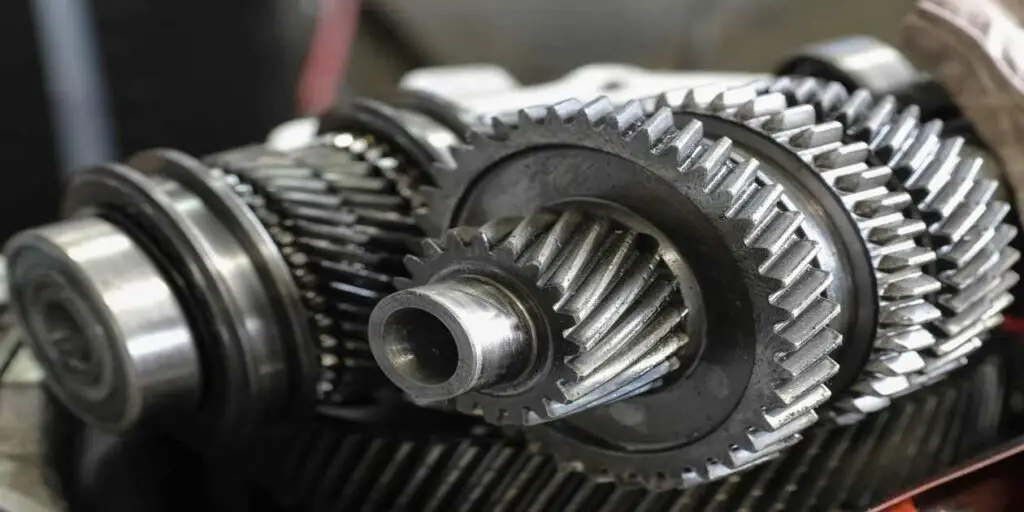
Introduction to the Broken GM Transmission Issues
Broken GM Transmission Issues are one of the most disruptive failures a General Motors vehicle can experience. It affects drivability, safety, and long-term operating cost. It also tends to escalate. Minor shift irregularities can become clutch failure, hard part damage, and complete loss of propulsion if the underlying cause is not identified early.
This guide explains the most broken GM Transmission issues, the symptoms that separate minor faults from major defects, the systems band components that typically fail, and the practical steps owners and fleet managers can take to reduce the likelihood of repeat breakdowns. The focus is proactive diagnosis and disciplined maintenance because modern GM transmissions are software-driven, hydraulically complex, and sensitive to fluid condition.
If you drive a Chevrolet, GMC, or Cadillac with a GM Transmission Problems and you have experienced defective transmission issues like shuddering, jerking, slipping, or had repair work done, call GM Transmission Lawyer Timothy L. Miles for a free case evaluation as you may qualify for a GM Transmission Lawsuit and could potentially be entitled to compensation. (855) 846–6529 or [email protected].

What “Broken Transmission” Means in a GM Vehicle
In automotive service, “broken transmission” is an umbrella term. It can describe anything from a calibration issue to a mechanically destroyed gearset. For GM platforms, it generally falls into four categories:
- Hydraulic failure: Loss of line pressure, valve body faults, solenoid malfunction, or internal leaks that prevent proper clutch application.
- Friction element failure: Burned clutches, worn bands (where applicable), degraded apply pistons, or failed seals that cause slip and heat.
- Hard part failure: Damaged planetary sets, stripped splines, broken input drums, cracked reaction shells, or failed bearings.
- Control system failure: Faults in the TCM (Transmission Control Module), wiring, sensors, internal harnesses, or software strategies that command incorrect operation.
A correct repair strategy depends on identifying which category applies. Replacing a transmission based only on “slipping” or “shudder” often leads to unnecessary expense or repeated failure if the root cause is external such as cooling system restriction or calibration problems.
However, if you’re facing persistent issues with your GM vehicle’s transmission despite following all recommended maintenance procedures, it may be time to consider legal action. Many owners have successfully filed lawsuits due to faulty GM transmissions, resulting in significant settlements. If you believe your vehicle’s transmission problems are due to manufacturing defects or poor design, you might qualify for a GM transmission lawsuit.
It’s essential to consult with a GM transmission lawyer who specializes in these cases to understand your rights and options better. They can guide you through the process of filing a lawsuit while ensuring you receive the compensation you deserve for your defective vehicle.
For more detailed information about common issues related to GM transmissions and potential legal recourse available for affected owners, visit our comprehensive guide on GM transmission problems which outlines everything from recognizing symptoms of a defective transmission to understanding your legal rights in such situations.
GM Transmissions Commonly Associated With Reported Issues
GM has produced many reliable transmissions, but several families appear frequently in consumer complaints, technical forums, and service bulletins due to their volume and specific failure modes. The following are commonly discussed in the field:
- 6L80 / 6L90 (6 speed longitudinal): Found in many trucks, SUVs, and performance applications. Known for converter related shudder, pump wear, valve body wear, and thermal management sensitivity when fluid degrades.
- 8L45 / 8L90 (8 speed longitudinal): Associated with torque converter clutch (TCC) shudder and shift quality complaints, often linked to fluid condition and calibration updates.
- 10L80 / 10L90 (10 speed longitudinal): Used in later trucks and performance models. Generally strong, but can exhibit shift timing complaints, adaptive learning issues, and occasional valve body or solenoid problems when contaminated.
- 6T30 / 6T40 / 6T45 (6 speed transverse): Used in many front wheel drive cars and crossovers. Often associated with 3-5-R wave plate failures in certain builds, shift flare, and solenoid or pressure control issues.
- 4L60E / 4L65E (4 speed longitudinal): Older and extremely common. Typical failures include 3-4 clutch burn, sun shell failure, pump wear, and servo bore wear. Many units fail due to heat and towing overload without adequate cooling.
Model specific diagnosis matters, but owner level symptom recognition is the first line of defense.
Early Warning Signs of a GM Transmission Problem
A transmission rarely fails without warning. The most important skill is distinguishing between normal shift behavior and symptoms that indicate heat, slip, or pressure loss. For instance, if you notice any of these faulty GM transmission problems, it’s crucial to seek professional help immediately.
1) Shudder or vibration at steady throttle
A light shudder, often felt between 30 to 70 mph under gentle acceleration, commonly points to torque converter clutch shudder. In many GM applications, this can be influenced by fluid condition, converter friction material, and TCC control strategy.
Key differentiator: shudder that changes or disappears when you lightly apply more throttle or force a downshift is often converter related rather than engine misfire.
2) Flare on upshift (RPM rises between gears)
A flare indicates the transmission is releasing one clutch before the next clutch applies. Common causes include:
- Worn clutch pack or seals
- Low line pressure
- Valve body wear
- Solenoid performance problems
- Incorrect adaptive values after battery disconnect or module replacement
A flare is not benign. It generates heat and accelerates friction damage.
3) Harsh engagement into Drive or Reverse
A hard “bang” into gear can be caused by excessive line pressure, delayed clutch fill, worn valve body bores, broken mounts, or control issues. When it is intermittent, electrical or adaptive learning problems become more likely.
4) Delayed engagement
A delay of more than one second when selecting Drive or Reverse, especially after sitting overnight, can suggest internal leakage, drain back, pump wear, or seal hardening. This is a classic precursor to broader hydraulic failure.
5) Slipping under load or while towing
If RPM climbs without corresponding vehicle acceleration, friction elements are slipping. Continued operation can destroy clutch material, contaminate the valve body, and damage the pump and converter.
6) Overheating or “Transmission Hot” message
Heat is the transmission’s primary enemy. Overtemperature events accelerate fluid oxidation, reduce lubricity, and harden seals. If a GM vehicle reports high transmission temperature, the priority is to verify cooler flow and fluid level, not to “drive it and see.” Ignoring this warning can lead to faulty GM transmission issues, which may require legal action.
7) Check Engine Light with transmission related DTCs
Many GM vehicles store diagnostic trouble codes in multiple modules. Examples include shift solenoid performance, pressure control, gear ratio errors, and converter slip. A scan with a tool capable of reading transmission data is essential.
If you drive a Chevrolet, GMC, or Cadillac with a GM Transmission Problems and you have experienced defective transmission issues like shuddering, jerking, slipping, or had repair work done, call GM Transmission Lawyer Timothy L. Miles for a free case evaluation as you may qualify for a GM Transmission Lawsuit and could potentially be entitled to compensation. (855) 846–6529 or [email protected].
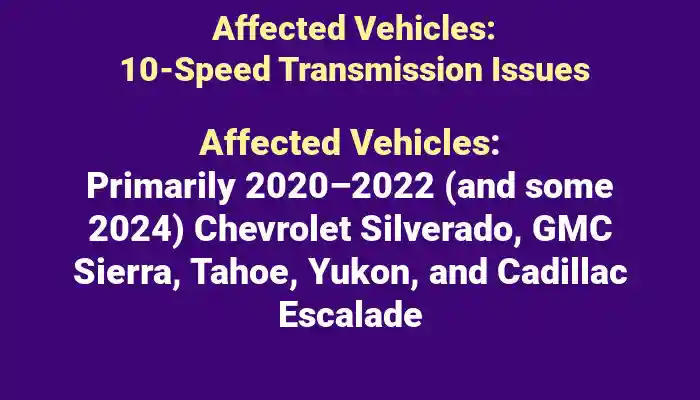
The Most Common Root Causes Behind “Broken” GM Transmissions
Transmission issues are often blamed on the unit itself, but repeat failures frequently trace back to supporting systems. The root causes below explain why some vehicles go 200,000 miles while others fail early.
Fluid degradation and wrong fluid specification
GM transmissions are calibrated around specific friction characteristics. Using incorrect fluid, mixing fluids, or extending service intervals can trigger shudder and abnormal clutch wear.
Important points:
- Dark fluid and burnt odor indicate overheating or friction material distress.
- Fine metallic glitter suggests bearing or hard part wear.
- A “full” fluid level does not guarantee correct condition or correct type.
Torque converter clutch wear and contamination
TCC slip and shudder can contaminate the entire unit with clutch material. This debris loads the valve body and solenoids, leading to pressure control issues.
In practice, a converter problem can evolve into a “whole transmission” problem if not addressed early. If you find yourself facing such issues with your GM vehicle, it’s crucial to seek guidance from a GM transmission lawyer, who can help navigate the complexities of these defective GM transmission cases. Furthermore, if you have suffered damages due to these transmission problems, you may be entitled to compensation in a GM transmission lawsuit.
Valve body wear and pressure loss
The valve body is the hydraulic control center. Wear in valve bores, sticking valves, and degraded solenoids can cause:
- Shift timing errors
- Harsh shifts
- Delayed engagement
- Converter clutch control problems
Valve body wear can also mimic internal clutch failure, which is why pressure testing and scan data matter.
Cooling system restrictions
Blocked coolers, restricted lines, or debris from a previous failure can starve the transmission of cooling flow. Many repeat failures occur because the cooler was not properly flushed or replaced after a catastrophic event.
This is a governance issue in repair quality. A rebuild without cooler remediation is not a complete repair.
Software, adaptives, and calibration strategy
Modern GM transmissions rely on adaptive shift learning. After certain repairs, battery disconnects, or module updates, the transmission may require relearn procedures. Without them, some units exhibit harsh shifts or flares that look like mechanical failure.
A disciplined approach includes:
- Verifying TCM calibration level
- Performing manufacturer specified relearn routines
- Reviewing adaptive values and slip speeds
Mechanical design weaknesses in specific units
Some transmissions have known mechanical weak points. For example, certain transverse six speeds have documented wave plate concerns in particular production ranges, and older four speeds have well understood sun shell and 3-4 clutch limitations under heavy load.
The correct response is not fatalism. It is risk management through GM Transmission Lawsuit, and conservative operating practices.
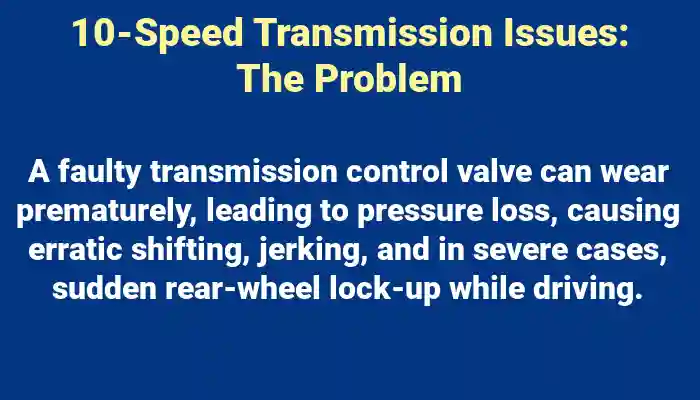
How to Diagnose a GM Transmission Issue Correctly
Random parts replacement is expensive and often ineffective. A structured diagnostic process reduces error and supports a repair decision that aligns with long term reliability.
Step 1: Confirm the complaint with a controlled road test
A proper road test should record:
- Vehicle speed, engine RPM, gear commanded vs gear actual
- Transmission temperature
- TCC slip speed
- Shift time and flare events
A repeatable symptom is easier to diagnose than an intermittent one, so documenting conditions matters.
Step 2: Scan for codes and review freeze frame data
Codes such as gear ratio errors, pressure control solenoid performance, or converter slip provide direction. Freeze frame data shows operating state at the time of fault.
Step 3: Check fluid level and fluid condition the right way
Many GM units require a specific temperature range and procedure to set the level. A simple dipstick check is not always possible or reliable.
If you suspect overfill or underfill, correct the level first. Both conditions can cause aeration, pressure instability, and erratic shifts.
Step 4: Evaluate line pressure and actuator performance
Professional diagnosis may include:
- Line pressure testing
- Solenoid current monitoring
- Clutch volume index review (where supported)
- Valve body vacuum testing in rebuild scenarios
These steps separate a control issue from a hard part failure.
Step 5: Inspect mounts, driveline, and engine performance
Misfires, torque management issues, bad mounts, and driveline angles can be misdiagnosed as transmission shudder. A governance minded diagnostic process verifies adjacent systems rather than isolating the transmission prematurely.
However, if these steps do not resolve the issue and you suspect your GM vehicle has a defective transmission, it may be time to consider legal action. You might be eligible to file a GM transmission lawsuit for compensation due to the defective nature of your transmission. If you’re contemplating this route, it’s essential to understand the process involved in a GM transmission lawsuit.
If you drive a Chevrolet, GMC, or Cadillac with a GM Transmission Problems and you have experienced defective transmission issues like shuddering, jerking, slipping, or had repair work done, call GM Transmission Lawyer Timothy L. Miles for a free case evaluation as you may qualify for a GM Transmission Lawsuit and could potentially be entitled to compensation. (855) 846–6529 or [email protected].
Repair Options: What Actually Fixes a “Broken” GM Transmission
The correct remedy depends on the failure mode and contamination level.
Fluid service (when appropriate)
A fluid exchange or service can help when:
- Symptoms are early and mild
- No significant debris is present
- Shudder is linked to fluid deterioration rather than burned clutches
However, fluid service is not a cure for mechanical damage. If the transmission is already slipping, changing fluid may temporarily alter friction behavior but will not restore worn clutches.
Valve body repair or replacement
If diagnostics indicate pressure control issues without heavy debris, a valve body repair can be a cost effective path. Quality matters. Remanufactured valve bodies should address wear points and include updated valves where applicable.
Torque converter replacement
Converter replacement is common when TCC shudder and slip are confirmed. The critical requirement is to prevent recurrence by addressing:
- Fluid quality
- Cooler contamination
- Calibration updates
- Line pressure stability
Replacing the converter alone, while leaving debris in the system, is a repeat failure scenario.
Full rebuild
A rebuild is justified when:
- Clutches are burned
- Hard parts are damaged
- The unit contains heavy debris
- Multiple gear ratio codes indicate internal slip
A high integrity rebuild includes new friction elements, seals, bushings, and often upgraded hard parts in known weak areas. It also includes converter replacement and cooler remediation.
Remanufactured or new unit replacement
Replacement can reduce downtime and provide warranty coverage, particularly for fleets. The quality of the supplier, warranty terms, and installation practices determine the real value.
A replacement unit installed into a contaminated cooler circuit is still a high risk asset.
Why Some GM Transmission Repairs Fail Again
Repeat failure is rarely random. It is usually a process failure. The most common causes are:
- Cooler not flushed or replaced after a failure, leaving debris to damage the new unit.
- Incorrect fluid or incomplete fill procedure.
- Unresolved underlying overheating, including restricted cooler, towing overload, or thermal bypass issues.
- No relearn or calibration mismatch, leading to abnormal clutch apply rates and accelerated wear.
- Low quality reman components, including converters that are not properly rebuilt.
- Improper break in and driving pattern immediately after repair, preventing adaptives from stabilizing.
The consistent theme is governance: standard procedures, verified steps, documented data, and accountability at each stage.
Preventive Measures That Reduce the Risk of Transmission Failure
Transmission longevity is not only a matter of luck. It is the product of operational discipline.
Maintain fluid condition and service intervals based on duty cycle
If you tow, idle extensively, drive in high heat, or operate in stop and go traffic, you are in severe service. Severe service requires shorter intervals, regardless of optimistic “lifetime fluid” language.
A practical approach includes periodic fluid analysis or at least routine inspection for discoloration and odor.
Control heat proactively
Heat management is the most effective longevity strategy.
Actions that matter:
- Ensure the cooler is not restricted.
- Consider supplemental cooling for towing applications where appropriate.
- Do not ignore overtemperature warnings.
- Verify thermostat and thermal bypass operation in designs that use them.
Address shudder early
Converter shudder is often the first symptom. Early intervention can prevent debris accumulation and valve body damage.
Avoid aggressive load in high gears at low RPM
Lugging the engine in a high gear increases converter slip and heat. Downshifting earlier, especially while towing, reduces thermal stress.
Use a qualified shop with documented processes
You are not only buying parts and labor. You are buying a repair system.
A reliable transmission repair process should include:
- Scan data capture before and after repair
- Cooler flush or replacement documentation
- Correct fluid specification confirmation
- Adaptive relearn procedure confirmation
- Warranty terms that specify coverage and exclusions clearly
When to Stop Driving and Tow the Vehicle
Continuing to drive can convert a repairable issue into a total loss. Tow the vehicle if you observe:
- Persistent slipping in any gear
- Loss of Drive or Reverse
- Loud grinding, banging, or repeated clunking with gear changes
- Transmission temperature warnings that do not resolve quickly
- Fluid leaking heavily, especially if it is red, brown, or smells burnt
If the transmission is already failing mechanically, every mile adds heat and debris.
A Practical Checklist for Owners
Use this as a structured, repeatable way to respond to symptoms:
- Record symptoms, speed, temperature, and when it occurs.
- Scan for codes with a tool that reads transmission data.
- Verify fluid level using the correct GM procedure for the unit.
- Inspect for leaks, cooler line damage, and signs of overheating.
- Schedule diagnosis before continued towing or heavy driving.
- If repair is required, confirm cooler remediation, converter strategy, and relearn steps in writing.
This checklist creates clarity. Clarity reduces cost.
Closing Perspective: Treat Transmission Risk as a Managed System
Broken GM transmission issues are rarely solved by a single part and rarely prevented by a single habit. They require a systems view: fluid integrity, thermal management, hydraulic control, and software strategy working together.
For instance, when dealing with complex transmission systems like the 68RFE, understanding these elements becomes even more critical. The forward looking approach is simple in principle and disciplined in practice. Identify symptoms early, measure rather than guess, repair with process control, and verify outcomes with post repair data. That is how owners and organizations protect uptime, protect budgets, and protect long term vehicle value.
If you drive a Chevrolet, GMC, or Cadillac with a GM Transmission Problems and you have experienced defective transmission issues like shuddering, jerking, slipping, or had repair work done, call GM Transmission Lawyer Timothy L. Miles for a free case evaluation as you may qualify for a GM Transmission Lawsuit and could potentially be entitled to compensation. (855) 846–6529 or [email protected].
Frequently Asked Questions about Defective GM Transmission Problems
What does a ‘broken transmission’ mean in a General Motors (GM) vehicle?
In GM vehicles, ‘broken transmission’ or a”defective GM transmission”, is a broad term encompassing issues ranging from calibration problems to severe mechanical damage. It generally falls into four categories: hydraulic failure (like loss of line pressure or valve body faults), friction element failure (such as burned clutches or worn bands), hard part failure (including damaged planetary sets or failed bearings), and control system failure (faults in the Transmission Control Module, wiring, sensors, or software). Identifying the specific category is essential for an accurate repair strategy of the defective GM transmission,
What are the common Faulty GM Transmission Problems owners should watch for?
Common GM transmission issues include torque converter clutch (TCC) shudder, shift quality complaints, clutch burn, pump wear, valve body wear, adaptive learning issues, solenoid malfunctions, and overheating due to inadequate cooling. Different GM transmission models like 6L80/6L90, 8L45/8L90, 10L80/10L90, 6T30/6T40/6T45, and 4L60E/4L65E have specific known GM transmission issues modes that owners should be aware of.
What are early warning signs of a defective GM transmission?
Early signs include shudder or vibration at steady throttle between 30 to 70 mph often linked to torque converter clutch shudder; irregular shifting patterns; slipping gears; unusual noises; delayed engagement; and fluid condition changes. Recognizing these symptoms promptly can prevent escalation from minor faults to major defects.
How important is maintenance and diagnosis for modern GM transmissions?
Proactive diagnosis and disciplined maintenance are crucial because modern GM transmissions are software-driven and hydraulically complex. They are sensitive to fluid condition and require regular monitoring of fluid quality, timely software updates, and addressing minor irregularities early to avoid costly repairs or complete transmission failure.
Can I take legal action if my defective GM transmission has persistent transmission problems despite maintenance?
Yes. If your GM vehicle’s transmission issues persist despite following recommended maintenance and you suspect manufacturing defects or poor design caused the problem, you may qualify for a GM transmission lawsuit. Consulting with a specialized GM transmission lawyer can help you understand your rights and guide you through filing a claim to seek compensation.
Which GM transmissions are most commonly associated with Faulty GM Transmission Issues,?
Several GM transmissions have higher reported failure rates including the 6L80/6L90 (known for converter shudder and valve body wear), 8L45/8L90 (associated with TCC shudder and shift quality issues), 10L80/10L90 (shift timing complaints and solenoid problems), 6T30/6T40/6T45 (wave plate failures and solenoid issues), and older models like the 4L60E/4L65E (prone to clutch burn and pump wear). Awareness of these models helps in early diagnosis and preventive care.

Contact GM Transmission Lawyer Timothy L. Miles for a Free Case Evaluation
Timothy L. Miles, Esq.
Law Offices of Timothy L. Miles
Tapestry at Brentwood Town Center
300 Centerview Dr. #247
Mailbox #1091
Brentwood,TN 37027
Phone: (855) Tim-MLaw (855-846-6529)
Email: [email protected]
Website: www.classactionlawyertn.com
Facebook Linkedin Pinterest youtube
