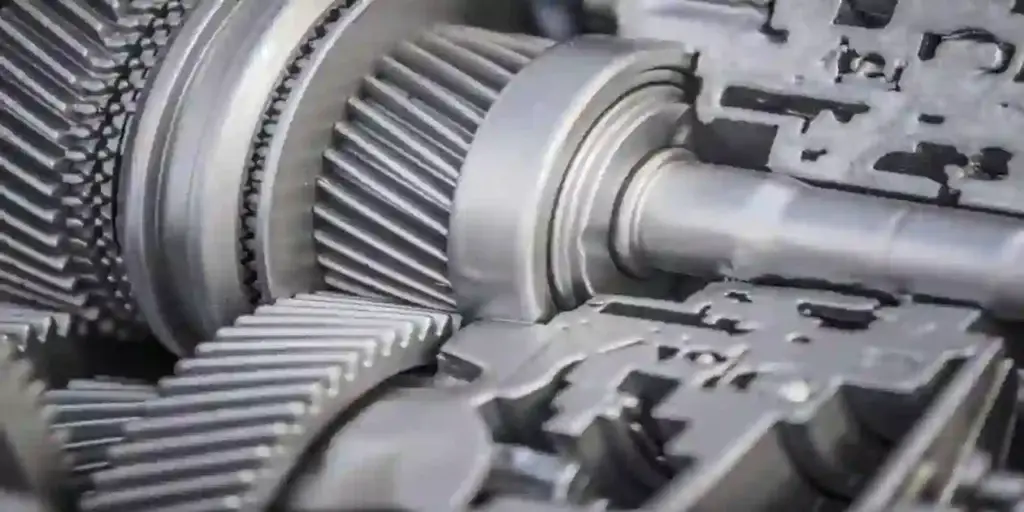
Introduction to Faulty GM Transmission Issues
Faulty GM Transmission Issues are not merely an inconvenience. They are a safety concern, a financial risk, and a reliability issue that can diminish a vehicle’s value and a consumer’s trust. For General Motors (GM) owners, transmission complaints have spanned multiple brands, platforms, and model years, often presenting as harsh shifting, delayed engagement, shuddering, slipping, loss of power, warning lights, and, in some cases, sudden failure.
This guide is designed as a practical, consumer focused resource for 2026. It explains how to recognize symptoms, document evidence, pursue repair and reimbursement options, evaluate warranty coverage, work with dealerships effectively, report to regulators, and make informed next steps. It is not a substitute for legal advice or a factory service manual. It is a structured path to clarity, leverage, and resolution.
If you drive a Chevrolet, GMC, or Cadillac with a defective GM Transmission and you have experienced defective transmission issues like shuddering, jerking, slipping, or had repair work done, call GM Transmission Lawyer Timothy L. Miles today for a free case evaluation as you may qualify for a GM Transmission Lawsuit and could potentially be entitled to compensation. (855) 846–6529 or [email protected].
Understanding the Problem: What “Faulty Transmission” Usually Means
A transmission complaint can originate from more than the transmission itself. Modern GM drivetrains integrate the transmission, torque converter, valve body, transmission control module (TCM), engine control module (ECM), sensors, wiring, and calibration logic. As a result, similar symptoms can stem from different root causes.
In consumer terms, “faulty transmission” typically refers to one or more of the following categories:
- Hydraulic control issues (valve body, solenoids, pressure regulation)
- Torque converter defects (clutch shudder, lockup instability, overheating)
- Internal wear or mechanical damage (clutches, bands, gears, bearings)
- Software calibration problems (shift logic, adaptive learning errors, TCC control)
- Fluid condition or specification concerns (wrong fluid, degraded fluid, contamination)
- Cooling system limitations (overheating leading to accelerated wear)
- Electrical faults (connectors, harnesses, sensors, module communication)
The key consumer takeaway is repetition: symptoms repeat, patterns repeat, and documentation must repeat. Your goal is to turn a “sometimes” problem into a recorded, verifiable issue that a dealer, GM, an arbitrator, or a regulator must take seriously.
Common Symptoms GM Owners Report (And How They Present)
Faulty GM Transmission Issues can be subtle at first. Many drivers describe them as “it feels off” before a warning light ever appears. The most frequent symptom categories include:
1) Hard Shifts and Harsh Engagement
- Noticeable bang or jolt when shifting gears
- Abrupt downshifts when slowing
- Clunk when shifting from Park to Drive or Reverse
- “Shift flare” followed by a hard catch
Why it matters: harsh shifts can indicate pressure control problems, solenoid issues, adaptive learning instability, or internal clutch wear.
2) Shuddering or Vibration at Steady Speeds
- Shudder between roughly 30 to 70 mph under light throttle
- Feels like driving over rumble strips
- Often more noticeable when the torque converter is locking up
Why it matters: torque converter clutch (TCC) shudder is a recurring complaint across multiple modern automatic designs. It can worsen over time and may be misdiagnosed as tires or engine misfire.
If you drive a Chevrolet, GMC, or Cadillac with a defective GM Transmission and you have experienced defective transmission issues like shuddering, jerking, slipping, or had repair work done, call GM Transmission Lawyer Timothy L. Miles today for a free case evaluation as you may qualify for a GM Transmission Lawsuit and could potentially be entitled to compensation. (855) 846–6529 or [email protected].
3) Delayed Engagement
- A pause before Drive or Reverse engages after shifting out of Park
- Higher RPM before the vehicle begins moving
- Intermittent “neutral like” feeling
Why it matters: delayed engagement can signal fluid pressure loss, valve body wear, internal leakage, or torque converter issues.
4) Slipping, Surging, or Loss of Power Transfer
- Engine revs rise without corresponding acceleration
- Gear changes feel inconsistent or unstable
- Unpredictable performance when merging or climbing grades
Why it matters: slipping may indicate internal clutch wear, line pressure control faults, or overheating.
5) Warning Lights, Limp Mode, and Diagnostic Codes
- Check Engine Light or “Service Transmission” message
- Limp mode with limited gears
- Diagnostic Trouble Codes (DTCs) such as shift solenoid or gear ratio errors
Why it matters: codes are evidence. Even if the issue is intermittent, stored history codes can support your GM Transmission Lawsuit if documented properly.

Which GM Vehicles Are Commonly Mentioned in Transmission Complaints?
GM sells across multiple divisions, including Chevrolet, GMC, Cadillac, and Buick. Faulty GM Transmission concerns are often discussed in relation to certain high volume platforms, especially trucks, SUVs, and crossovers. Because this guide is intended to be accurate and useful without overgeneralizing, it is best to think in terms of symptoms and system design, not only model names.
That said, consumer complaints often cluster around vehicles equipped with:
- 8 speed automatic transmissions (frequently associated with shudder or harsh shifting complaints)
- 10 speed automatic transmissions (sometimes associated with shift quality complaints, though outcomes vary)
- CVT units in certain compact models (complaints may include whine, hesitation, or failure, depending on application)
- Older 6 speed automatics in certain years and applications (sometimes associated with converter or valve body issues)
If you are researching your specific model and year, focus on:
- the exact transmission family listed on your build sheet or service invoice,
- your symptom pattern and conditions, and
- any technical service bulletins (TSBs) that match your complaint.
First Principles: What You Should Do Before Authorizing Major Repairs
If your vehicle is still drivable and you are not in an emergency scenario, slow the process down. A methodical approach protects you from misdiagnosis, unnecessary parts replacement, and lost reimbursement opportunities.
Step 1: Stop Describing the Problem Vaguely
Replace “it shifts weird” with a structured statement:
- Speed range: 35 to 55 mph
- Throttle: light throttle, steady cruise
- Temperature: after 15 minutes of driving
- Behavior: shudder for 2 to 3 seconds, then stops
- Frequency: happens daily, more pronounced uphill
- Result: no warning light, but repeatable
This is not just helpful. It is strategic. A repeatable complaint is harder to dismiss.
Step 2: Record Evidence (Safely and Legally)
Evidence can include:
- A short passenger recorded video capturing sound, tachometer behavior, and speed
- A written log with dates, mileage, and conditions
- Photos of dashboard messages
- Repair orders showing your complaint in your words
- Scan reports if you use an OBD II scanner (even basic code readers help)
If a dealer cannot reproduce the issue, documentation often becomes the deciding factor in escalation.
Step 3: Do Not Lose the Repair Order Trail
Every visit should generate a repair order (RO) that includes:
- Your complaint description
- Mileage and date
- What the dealer checked
- What was found, including “no problem found”
- Any software updates performed
- Parts replaced and fluid type used
If the service advisor paraphrases your complaint incorrectly, insist on correction before you sign.
Warranty Coverage: What Typically Applies and What Often Does Not
Defective GM Transmission disputes often hinge on warranty boundaries, time limits, mileage limits, and whether the concern is considered a defect or a wear item. In general consumer terms, you may be dealing with:
1) New Vehicle Limited Warranty
This is the baseline coverage for defects in materials or workmanship within the warranty period. The exact term varies by model year and vehicle line.
2) Powertrain Warranty
Powertrain coverage is commonly the most relevant category for transmission defects. It often extends beyond bumper to bumper coverage, but the term varies and may differ for commercial use, fleet use, or certain vehicle categories.
3) Certified Pre Owned (CPO) Coverage
CPO programs can provide additional powertrain coverage, subject to terms and dealer requirements.
4) Extended Service Contracts (Third Party or GM Backed)
Extended coverage can help, but it also introduces claim approval steps, teardown authorization requirements, and coverage exclusions.
Critical consumer practice: ask for the warranty booklet or service contract terms in writing, then confirm whether diagnostics, fluid, seals, torque converter, valve body, and internal components are covered.
If you drive a Chevrolet, GMC, or Cadillac with a defective GM Transmission and you have experienced defective transmission issues like shuddering, jerking, slipping, or had repair work done, call GM Transmission Lawyer Timothy L. Miles today for a free case evaluation as you may qualify for a GM Transmission Lawsuit and could potentially be entitled to compensation. (855) 846–6529 or [email protected].
The Role of TSBs, Recalls, and “Special Coverage” Programs
Consumers often confuse three distinct concepts:
Technical Service Bulletin (TSB)
A TSB is guidance for technicians. It is not a recall. It can describe known symptoms, diagnostic steps, and approved fixes such as reprogramming, fluid exchange, torque converter replacement, or valve body replacement.
Why it matters: A TSB can support your case that the condition is recognized and has a prescribed remedy. Ask the dealer if a TSB applies. Then ask for the bulletin number and the repair steps performed.
Recall
A recall is a safety or compliance action. It is mandatory and typically free to the consumer. Not every transmission issue becomes a recall because not every issue meets the regulatory threshold.
Special Coverage Adjustment or Warranty Extension
Manufacturers sometimes extend coverage for specific components under defined conditions. These programs can be time limited and VIN specific.
What you should do: provide your VIN to a GM dealer service department and ask them to check open recalls and any special coverage programs. Also check GM’s owner portals and the NHTSA recall database.
How to Work With the Dealership Service Department (Without Losing Control)
Dealers are the gateway to warranty repair, but they also operate under time constraints and diagnostic standardization. To improve your outcome, use a governance mindset: define the issue, document it, request confirmation, and escalate systematically.

Practical Dealership Script (Use This Structure)
When dropping off your vehicle:
- “My concern is repeatable. Here are the conditions.”
- “Please document my complaint exactly as stated.”
- “Please check for applicable TSBs and software updates.”
- “If you cannot reproduce it, please note what tests were performed.”
- “If repairs are recommended, I want the estimate and warranty coverage determination in writing.”
Request a Ride Along When Appropriate
If the symptom is difficult to reproduce, a technician ride along can be decisive. If the dealer refuses, request that they document that refusal on the repair order.
Additionally, for any necessary auto repairs that may arise during this process, it’s crucial to understand your rights. Familiarize yourself with auto repair regulations in your state to ensure you’re treated fairly and receive the service you’re entitled to.
Ask the Most Important Question
“Is this considered normal operation?”
If they say yes, ask:
- “Can you provide GM documentation stating that this symptom is normal?”
- “Can you note in the repair order that the symptom exists but is being considered normal?”
This creates a record that can matter later if the issue worsens.
Independent Diagnostics: When a Second Opinion Is Worth It
Independent transmission specialists can be helpful when:
- The dealer cannot reproduce the issue
- You are out of warranty and facing a high cost repair
- You suspect misdiagnosis
- You need documentation for a dispute
If you pursue independent evaluation, request:
- A written diagnostic summary
- Any codes found
- Fluid condition notes, including odor and visible contamination
- A road test description matching your symptom conditions
- A clear repair recommendation with parts and labor breakdown
Be careful with teardown. Once a Defective GM Transmission is disassembled, disputes about causation can become more complex. If warranty, special coverage, or goodwill is possible, confirm approval requirements before authorizing disassembly.
Costs and Repair Paths: What Consumers Commonly Face
Transmission repair costs can vary widely by region, vehicle type, and parts availability. The typical consumer pathways include:
- Software update or relearn procedure: lowest cost, sometimes warranty covered
- Fluid exchange (including specific fluid requirements): moderate cost
- Valve body or solenoid replacement: moderate to high cost
- Torque converter replacement: high cost due to labor
- Full rebuild: high cost with variability in quality
- Replacement transmission (new, remanufactured, used): high to very high cost, often the most predictable path if failure is severe
A forward thinking approach is to treat every recommendation as a decision point:
- Is the proposed fix consistent with your symptoms?
- Is it supported by a TSB or documented diagnostic results?
- Does it address the root cause or only the symptom?
- What warranty applies to the repair itself?
If you drive a Chevrolet, GMC, or Cadillac with a defective GM Transmission and you have experienced defective transmission issues like shuddering, jerking, slipping, or had repair work done, call GM Transmission Lawyer Timothy L. Miles today for a free case evaluation as you may qualify for a GM Transmission Lawsuit and could potentially be entitled to compensation. (855) 846–6529 or [email protected].
Goodwill Assistance and Reimbursement: How to Ask the Right Way
If you are slightly out of warranty, or if the repair is partially covered, you may be eligible for “goodwill” assistance. Goodwill is discretionary. It is influenced by factors such as service history, mileage, loyalty, and whether the issue appears systemic.
How to Strengthen a Goodwill Request
- Provide complete service records, especially GM dealer service history
- Show repeat repair visits for the same complaint
- Present clear documentation of symptoms and prior “could not duplicate” outcomes
- Ask for a case number with GM customer assistance
- Remain consistent, factual, and firm
Reimbursement Opportunities
If you paid out of pocket for a repair and later learn of a special coverage program or related remedy, ask about reimbursement. Keep:
- Final invoice with parts and labor
- Proof of payment
- Mileage and date
- VIN and dealer information
Lemon Law and Arbitration: When the Pattern Meets the Threshold
Lemon laws vary by state. In general, they address sempts, or that keep the vehicle out of service for a specified number of days.ubstantial defects within a defined period that are not repaired after a reasonable number of att
Transmission problems can qualify when they:
- materially impair use, value, or safety, and
- persist after documented repair attempts, and
- occur within the statutory window.
Many manufacturers also offer dispute resolution or arbitration programs. If you are considering this route, your documentation becomes your case file. Your repair order trail, your symptom logs, and your consistency are the foundation.
If you are approaching the edge of warranty time or mileage, schedule an inspection immediately and ensure the complaint is logged before the warranty expires. That record can be important even if repairs happen later.
Reporting to Regulators: Why It Matters and How to Do It
Reporting is not merely symbolic. Complaint volume can influence investigations, recalls, and manufacturer responses.
NHTSA (United States)
If you experience safety related transmission behavior such as sudden loss of propulsion, inability to accelerate, unexpected neutral condition, or dangerous shifting behavior, file a complaint with the National Highway Traffic Safety Administration (NHTSA).
When reporting:
- Provide VIN, mileage, and dates
- Describe the conditions precisely
- Note whether the dealer could reproduce the issue
- Include any near misses or safety outcomes
- Reference repair orders and DTCs if applicable
State Consumer Protection Offices
Some states have consumer protection divisions that track automotive patterns and mediate disputes.
A proactive consumer approach is repetition again: report early, report accurately, and keep copies of what you submit.
Buying or Selling a GM Vehicle With a Known Transmission Issue
If you are considering purchasing a used GM vehicle, or if you are selling one with prior transmission repairs, treat this as a due diligence exercise.
For Buyers
- Request full service history, not just a verbal assurance
- Ask whether the torque converter, valve body, or transmission has been replaced
- Test drive long enough to reach operating temperature
- Drive under light throttle at steady speeds where shudder typically appears
- Scan for codes, including pending codes
- Confirm open recalls and special coverage programs by VIN
For Sellers
- Disclose accurately based on local requirements
- Provide invoices for any transmission related repairs
- Provide any warranty coverage remaining on replacement parts
- Avoid “resetting” symptoms by disconnecting the battery or clearing codes, since this can create a dispute later
A Consumer Checklist You Can Use Today
Use this checklist to create a complete, organized record:
- VIN, year, make, model, trim, engine, transmission type if known
- Current mileage and first symptom mileage
- Symptom description with speed, temperature, throttle, and frequency
- Video or audio evidence when safe to capture
- OBD II scan results and any DTCs
- All repair orders and invoices in chronological order
- Notes on dealer statements, including “normal operation” claims
- TSB numbers discussed or applied
- Warranty status, including powertrain and extended coverage
- GM customer assistance case number, if opened
- NHTSA complaint confirmation, if submitted
- Current status: unresolved, pending parts, repaired, or recurring
This creates continuity. Continuity creates leverage.
If you drive a Chevrolet, GMC, or Cadillac with a defective GM Transmission and you have experienced defective transmission issues like shuddering, jerking, slipping, or had repair work done, call GM Transmission Lawyer Timothy L. Miles today for a free case evaluation as you may qualify for a GM Transmission Lawsuit and could potentially be entitled to compensation. (855) 846–6529 or [email protected].

Frequently Asked Consumer Questions (2026)
“The dealer says they cannot reproduce it. What now?”
Ask them to document exactly what they attempted. Provide a written symptom sheet. Request a ride along. Return when the symptom is most likely to occur, often after a warm up period. Repeat visits create a documented pattern.
“Should I do a fluid exchange to fix shudder?”
It depends on root cause. Some faulty GM transmission problems include shudder complaints respond to correct fluid and procedures, while others return if the torque converter is deteriorating or if control logic is unstable. Do not treat fluid service as a guaranteed cure. Treat it as one possible step in a documented diagnostic plan.
“Is a software update a real fix or a temporary patch?”
Software can materially change shift scheduling, torque converter lockup strategy, and adaptive learning behavior. In some cases, it resolves symptoms. In other cases, it reduces severity without addressing underlying wear. The practical approach is to record before and after behavior and confirm what calibration was installed.
What are the common faulty GM transmission problems in General Motors (GM) vehicles?
Common faulty GM transmission problems reported by GM owners include hard shifts and harsh engagement, shuddering or vibration at steady speeds, delayed engagement when shifting from Park to Drive or Reverse, slipping or surging with loss of power transfer, and warning lights such as the Check Engine Light or ‘Service Transmission’ messages. These symptoms can indicate issues ranging from hydraulic control problems to torque converter defects and software calibration errors.
What does a ‘Defective GM Transmission’ usually mean in GM vehicles?
In GM vehicles, a ‘Defective GM Transmission’ complaint can stem from various components including hydraulic control issues (valve body, solenoids), torque converter defects (clutch shudder, lockup instability), internal mechanical wear (clutches, gears), software calibration problems (shift logic errors), fluid condition concerns, cooling system limitations leading to overheating, and electrical faults involving sensors or wiring. The term encompasses a range of potential root causes beyond just the transmission itself.
How should GM owners document and address intermittent transmission issues?
GM owners should carefully document symptoms each time they occur by noting the conditions under which problems arise, recording any warning lights or diagnostic trouble codes (DTCs), and seeking professional diagnostic evaluations. Repetition and detailed records help turn intermittent issues into verifiable evidence that dealerships, GM representatives, regulators, or arbitrators must take seriously when pursuing repairs or reimbursement options.
Which GM vehicle types are most commonly associated with transmission complaints?
Faulty GM Transmission concerns are frequently reported across multiple GM divisions—including Chevrolet, GMC, Cadillac, and Buick—with higher incidence on popular platforms such as trucks, SUVs, and crossovers. These high-volume models often experience recurring issues like harsh shifting and torque converter shuddering that affect reliability and owner satisfaction.
Can medications like Saxenda, Trulicity, or Zepbound be related to vision problems alongside GM transmission issues?
Some GM owners experiencing transmission problems have also reported unusual vision issues potentially linked to medications such as Saxenda, Trulicity, and Zepbound. These medications have been associated with eye-related side effects in some users. If you notice both transmission symptoms and vision changes while taking these drugs, it is advisable to consult your healthcare provider for evaluation.
What steps can consumers take to pursue repair or reimbursement for faulty transmissions in GM vehicles?
Consumers should first recognize and document all symptoms thoroughly. Next, they should evaluate their warranty coverage and work effectively with dealerships by providing clear evidence of the issue. Reporting persistent problems to regulatory agencies may also be necessary. This guide serves as a structured resource for clarity and leverage but does not replace legal advice or factory service manuals for repair procedures.
Closing Perspective: Proactive Documentation Protects Your Outcome
Faulty GM Transmission Problems become expensive when they become ambiguous. They become manageable when they become documented. In 2026, with increasingly software defined drivetrains and complex control systems, consumers who act early and record consistently are more likely to obtain warranty repairs, goodwill assistance, or a fair resolution.
If you take only three actions from this guide, make them these:
- Document the symptom precisely and repeatedly.
- Preserve every repair order and insist on accurate wording.
- Escalate methodically through dealer management, GM customer assistance, and regulators when safety or persistence justifies it.
Robust consumer governance is not adversarial. It is disciplined. It is proactive. It is how you protect your safety, your finances, and your vehicle’s long term reliability.
Contact GM Transmission Lawyer Timothy L. Miles for a Free Case Evaluation
