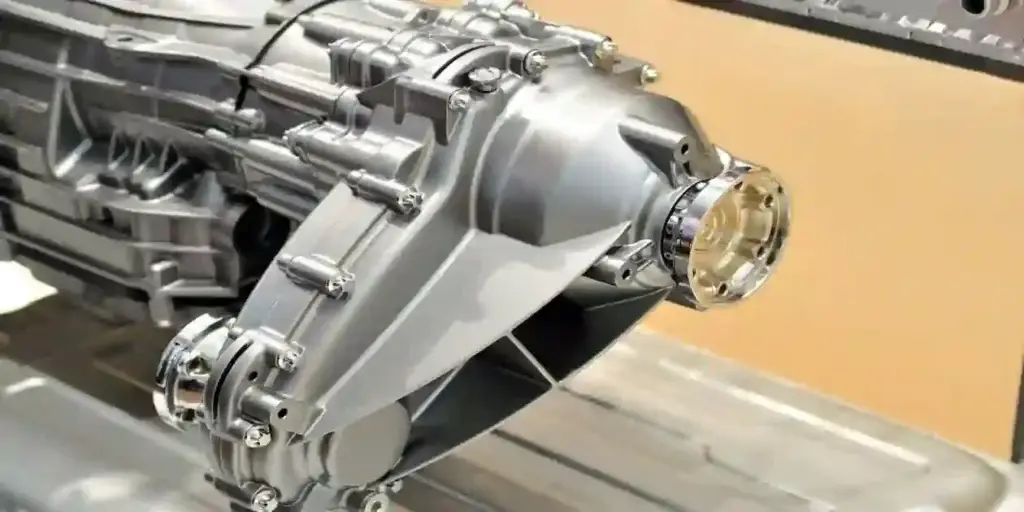
Introduction to the Defective GM Transmission
You most likely have a Defective GM Transmission, if you are experiencing persistent transmission problems in a GM vehicle,. and your dealership is delaying, dismissing, or repeatedly “repairing” the same concern without resolution, you are not alone. In 2026, the core issue is rarely just mechanical. It is procedural. It is documentation. It is warranty administration. It is corporate escalation.
This guide explains how defective GM Transmission disputes typically unfold, why dealership interactions often stall, and what to do next in a way that is organized, measurable, and difficult to ignore.
If you drive a Chevrolet, GMC, or Cadillac with a GM Transmission Problems and you have experienced defective transmission issues like shuddering, jerking, slipping, or had repair work done, call GM Transmission Lawyer Timothy L. Miles for a free case evaluation as you may qualify for a GM Transmission Lawsuit and could potentially be entitled to compensation. (855) 846–6529 or [email protected].

Why Defective Transmission Cases Become Dealer Conflicts
A dealership is not the manufacturer, even if it carries the manufacturer’s brand. It is an independently owned business operating under a franchise agreement. That structure matters because it shapes incentives, staffing, and decision making.
Most dealer disputes follow a predictable pattern:
- The customer describes a drivability symptom (slipping, harsh shifting, shudder, delayed engagement, neutral drop, warning lights).
- The dealer cannot duplicate the condition during a short test drive, or the symptom is intermittent.
- The service department documents the visit with minimal detail and closes the ticket as “no problem found” (NPF) or “unable to duplicate” (UTD).
- The customer returns multiple times with the same symptom, creating a history of repair attempts that may not clearly reflect the severity of the defect.
- The customer asks for replacement of the transmission or buyback of the vehicle, and the dealer states that it is “up to GM.”
This is why your approach must be more structured than a normal repair visit. You are building a record. You are creating a timeline. You are preparing, if necessary, for arbitration, lemon law relief, or other consumer remedies.
For those facing such challenges with their Defective GM Transmission, seeking professional assistance from a GM transmission lawyer could be beneficial. This expert can help navigate through the complexities of defective transmission cases which often escalate into dealer conflicts.
If you believe your situation qualifies for legal action due to ongoing issues with your vehicle’s transmission system that have not been resolved after multiple attempts at repair, you may qualify for a GM transmission lawsuit. Such lawsuits typically arise from faulty GM transmissions, which can lead to significant inconveniences for vehicle owners.
In these trying times when dealing with unresponsive dealerships and unresolved transmission issues, remember that there are legal avenues available to you. If you’re considering filing a Defective GM Transmission due to your vehicle’s persistent transmission problems, it is worth exploring whether you’re eligible to file a GM transmission lawsuit.
Common Signs of a Potentially Defective GM Transmission
Transmission failures are not always a dramatic breakdown. Many defects present as repeatable drivability problems that worsen over time, especially when heat, load, or stop and go traffic is involved.
Common indicators of a potentially defective GM transmission include:
- Delayed engagement when shifting into Drive or Reverse
- Shudder or vibration during light acceleration or torque converter lockup
- Hard shifts, especially 1 to 2, 2 to 3, 3 to 4, or downshifts
- “Hunting” between gears or frequent, unnecessary shifting
- Slipping under load, including RPM flare
- Clunk, bang, or lurch during gear changes
- Loss of power transfer (engine revs but vehicle does not move normally)
- Transmission fluid overheating warnings
- Check engine light, transmission temperature warnings, or reduced power mode
- Burnt odor, dark fluid, or metal contamination findings in service notes
A critical point: symptoms that appear “normal” to a technician on a short drive can still be defect indicators when they are consistent, documented, and confirmed by data.
For more details on the signs you should watch out for, refer to this comprehensive list of signs of transmission problems.
What Dealers Typically Mean When They Say They “Cannot Duplicate”
When a dealer states it cannot duplicate the problem with your faulty GM transmission, it often means one of the following:
- The symptom is intermittent. Many transmission issues worsen after extended driving, after the vehicle warms up, or under specific speed and throttle conditions.
- The test drive was too short or not performed under the right conditions. A five minute drive on surface streets may not reproduce a highway shudder, a towing slip, or a heat related delay.
- The dealership is prioritizing certainty. Replacing a transmission assembly is expensive and requires authorization, and service departments often avoid conclusions that trigger major warranty action unless evidence is strong.
- Data was not reviewed in depth. Modern vehicles generate diagnostic trouble codes, freeze frame data, shift adapts, and other information that can support the customer’s complaint even when the symptom is not obvious.
Your goal is to reduce ambiguity. Ambiguity is what allows a claim to stall. If you suspect your vehicle is experiencing any of these GM transmission problems, it’s essential to document your experiences thoroughly and seek professional advice.
If you find yourself in a situation where a mechanic cannot reproduce possible transmission problems despite your insistence that there are issues, it’s crucial to understand what this might mean. This discussion on what to do when a mechanic can’t reproduce possible transmission problems provides valuable insights into handling such situations effectively.
Step 1: Start Treating Each Repair Visit Like a Formal Record
A dealer issue becomes a consumer rights issue when the paper trail is weak. Your first priority is to ensure every interaction is accurately documented.
What to say at the service counter
Use specific, repeatable language. Avoid general statements like “the transmission is bad.” Instead, report symptoms in an observable way:
- “At 30 to 45 mph under light throttle, the vehicle shudders as if driving over rumble strips.”
- “After sitting overnight, shifting into Drive takes 2 to 3 seconds before the vehicle moves.”
- “When slowing to a stop and re-accelerating, the transmission harshly downshifts and the vehicle lurches.”
Ask for your wording to be included in the repair order’s “customer states” section.
What to ask the dealer to include on the repair order
Request that the repair order notes:
- Mileage in and mileage out
- Ambient temperature or conditions if relevant
- Whether the symptom occurred after the vehicle warmed up
- Whether the vehicle was test driven, by whom, and for how long
- The result: duplicated, not duplicated, or duplicated under specific conditions
- Any codes found, including history codes
- Any technical service bulletins (TSBs) consulted
- Any parts replaced, software updates performed, relearns completed, or fluid services performed
Do not accept a vague line item such as “checked, ok.” You are not being difficult. You are being precise.
Step 2: Build Your Own Evidence Package
Dealers rely on what they can document. You should do the same. Your documentation should be consistent, chronological, and specific.
Create a simple log
Track:
- Date and time
- Mileage
- Symptom description
- Road type (city, highway, hills)
- Speed range and throttle input
- Temperature and whether the vehicle was cold or warmed up
- Any dasDefective GM Transmissionhboard messages or warning lights
- Whether passengers noticed it, and whether it affected safety
Capture supporting materials
If safe and lawful in your area:
- Record short videos showing RPM flare, shudder feel through sound or vibration, or warning messages
- Photograph dashboard warnings and odometer readings
- Keep copies of all repair orders, invoices, and dealer notes
- Save towing invoices, rental receipts, and out of pocket expenses
The purpose is not to “prove the dealer wrong.” The purpose is to make the condition difficult to minimize.

Step 3: Escalate Inside the Dealership Before You Escalate Outside
Many cases resolve when the right person sees the right documentation.
Ask for a ride-along
Request that a technician or shop foreman ride with you so you can reproduce the symptom under the conditions where it occurs. Phrase it clearly:
- “The condition is repeatable at these speeds, on this road, after 20 minutes of driving. I can demonstrate it.”
Request involvement of the shop foreman or service manager
If you have multiple NPF or UTD visits, ask for the next diagnostic appointment to be supervised by the shop foreman or service manager. This increases accountability and often improves the quality of the write-up.
Ask whether GM Technical Assistance has been contacted
Dealers can contact GM’s technical support resources to obtain diagnostic direction and authorization pathways. You do not need to argue about internal systems. You can ask a simple question:
- “Has this concern been escalated to GM technical support, and can the repair order reflect that communication?”
If the dealer refuses, note it in your personal log.
Step 4: Understand the Warranty Process and Why It Can Stall
If your vehicle is under the manufacturer warranty or a certified warranty, the dealer is working within rules that can affect what they will attempt first.
Common reasons for delay include:
- The dealer is required to complete certain diagnostics, software updates, or relearn procedures before replacing components.
- The symptom is intermittent, so the dealer is reluctant to recommend a major repair.
- The service department is waiting on parts availability, especially for assemblies and valve body components.
- Authorization for replacement may require documentation, scan tool results, or “duplication” thresholds.
None of this excuses a lack of progress. It explains why you must focus on repeatability, documentation, and escalation.
Step 5: Open a Case with GM (and Do It Correctly)
If the dealership has had multiple opportunities and the vehicle remains defective, open a formal case with GM customer assistance. This step matters because it moves the issue from a dealer conversation to a manufacturer level record.
When you open the case:
- Provide your VIN, current mileage, and dealership name
- Provide dates of repair attempts and describe outcomes
- Provide the specific symptom language used in the repair orders
- Ask for the case number and keep it in your log
- Ask what the next escalation step is if the dealer cannot correct the defect
When communicating, maintain a neutral, factual tone. Repetition matters. Consistency matters. Precision matters.
Step 6: Do Not Let “Normal Operation” Become the Default Conclusion
One of the most frustrating phrases in transmission disputes is “characteristic of the vehicle” or “normal operation.” Sometimes that statement is legitimate. Sometimes it is a placeholder.
If the dealer claims the condition is normal, ask for:
- The specific standard being referenced
- Any GM document, bulletin, or test result supporting the conclusion
- A comparison drive in an identical model if available
- Clear documentation in the repair order stating the condition is considered normal
This matters because if the condition later worsens, you have a record showing the dealer was informed early and had an opportunity to correct it.
Step 7: If Repairs Are Repeated, Track Attempts by Symptom, Not by Part
Consumers often focus on parts replaced. Manufacturers and arbitrators often focus on whether the same defect was subject to repeated repair attempts.
Keep your timeline organized by symptom:
- Shudder condition attempt 1, attempt 2, attempt 3
- Delayed engagement attempt 1, attempt 2
- Harsh 2 to 3 shift attempt 1, attempt 2
A dealer can replace different components while still failing to correct the same defect. Your records should make that clear.

Step 8: Consider an Independent Diagnostic Opinion (Strategically)
An independent transmission specialist or ASE certified shop can sometimes provide clarity, especially when the dealership refuses to duplicate the condition.
However, do this carefully:
- Confirm that any inspection will not void your warranty.
- Do not authorize invasive disassembly without understanding the implications.
- Ask for written findings that describe symptoms, test conditions, and any scan data.
- Keep the report factual. Avoid conclusory statements that are unsupported.
Independent documentation is most useful when it aligns with your repair order history and reinforces repeatability.
Step 9: Know the Remedies That May Apply in 2026
Your available remedies depend on your location, the warranty status, the nature of the defect, and how long the vehicle has been in service. Common pathways include:
Warranty enforcement
If the vehicle is under warranty, GM and the dealer have an obligation to repair defects covered by the warranty terms. The practical question is whether they can repair it within a reasonable number of attempts and within a reasonable time.
Lemon law relief (where applicable)
Many jurisdictions provide remedies when a manufacturer cannot repair a substantial defect after a reasonable number of attempts, or when the vehicle is out of service for a threshold number of days. Key elements often include:
- Repeat repair attempts for the same defect
- Safety related defects receiving fewer required attempts
- Cumulative days out of service
- Coverage windows tied to time and mileage
Because lemon law rules are jurisdiction specific, the disciplined recordkeeping described above is the foundation regardless of where you live.
Manufacturer arbitration or dispute resolution programs
Some manufacturers participate in arbitration or informal dispute resolution. These processes are heavily document driven. Your repair orders, case notes, and symptom log often matter more than verbal statements.
Buyback or replacement negotiations
Buyback discussions typically require persistence and documentation. They often begin only after formal escalation and a clear showing that the vehicle remains defective despite repeated opportunities to repair.
Step 10: Avoid the Most Common Mistakes That Weaken Your Case
The following mistakes are preventable and often decisive:
- Waiting too long to return. Delays create gaps in the timeline and can make a defect appear less serious.
- Accepting vague repair orders. “Checked ok” does not help you later.
- Using inconsistent descriptions. Changing your story allows the issue to be reframed as unrelated concerns.
- Relying only on phone calls. Whenever possible, use email or written summaries to create a record.
- Letting the dealership choose the narrative. If the symptom exists, insist it is documented clearly, even if they cannot duplicate it.
Repetition for emphasis is appropriate here: document, document, document.
A Practical Script You Can Use at Your Next Appointment
You can adapt the following language to your situation:
- “I am here for the same transmission symptom documented on my prior visits. It is repeatable under these conditions.”
- “Please include my symptom description in the customer states section verbatim.”
- “Please note whether the symptom was duplicated, the length of the test drive, and any codes found.”
- “If the condition cannot be duplicated, I am requesting a ride-along with a technician or shop foreman.”
- “I have opened, or I will open, a GM customer assistance case so there is a manufacturer level record of these repair attempts.”
This approach is firm, professional, and focused on process.
When to Move from “Repair Problem” to “Resolution Problem”
A defective transmission, such as a faulty GM transmission, is a repair problem. However, when repeated failed repairs occur, it transitions into a resolution problem.
You should begin thinking in terms of resolution when:
- You have multiple repair orders for the same symptom with no lasting correction
- The vehicle has substantial downtime, especially if it affects commuting or safety
- The dealership continues to close tickets as NPF or UTD without escalating diagnostics
- You are being asked to “wait and see” while the symptom persists or worsens
At that stage, the objective shifts. You are no longer only seeking the next repair. You are seeking a durable outcome, supported by a complete record.
What Success Looks Like in a Dealer Dispute
A productive resolution is typically one of the following:
- The dealer duplicates the condition, performs a manufacturer supported repair, and the symptom is eliminated.
- GM escalates technical support, authorizes component replacement, and the vehicle is restored to normal operation.
- The matter progresses through formal dispute channels and results in repurchase, replacement, or compensation consistent with applicable law and program rules. For instance, compensation in a GM transmission lawsuit could be a potential outcome.
In every scenario, the same foundations apply: clarity, consistency, and documentation.
Closing Perspective: Take a Proactive, Governance-Driven Approach
A transmission defect dispute is not won through frustration. It is won through structure. It is won through evidence. It is won through disciplined escalation.
If you are having dealer issues with a defective GM transmission in 2026, treat the process as you would any high stakes compliance problem. Define the issue. Document the issue. Escalate the issue. Repeat until the issue is resolved.
Because the future success of your claim depends on what you can prove today, and because effective corporate governance is ultimately about accountability, not assurances. If you’re considering legal action due to these ongoing issues, you might want to explore options related to GM transmission lawsuits.
If you drive a Chevrolet, GMC, or Cadillac with a GM Transmission Problems and you have experienced defective transmission issues like shuddering, jerking, slipping, or had repair work done, call GM Transmission Lawyer Timothy L. Miles for a free case evaluation as you may qualify for a GM Transmission Lawsuit and could potentially be entitled to compensation. (855) 846–6529 or [email protected].
Frequently Asked Questions Abount the Defective GM Transmission
Why do defective GM transmission cases often become conflicts with dealerships?
Defective GM transmission cases frequently become conflicts because dealerships operate as independently owned businesses under franchise agreements, which influences their incentives and decision-making. Symptoms are often intermittent or not duplicable during short test drives, leading dealers to document visits minimally and close tickets as ‘no problem found’ or ‘unable to duplicate.’ This creates a repair history that may not reflect the severity of the Faulty GM Transmission, resulting in stalled resolutions when customers request transmission replacements or vehicle buybacks.
What are common signs indicating a potentially defective GM transmission?
Common indicators of a potentially defective GM transmission include delayed engagement when shifting into Drive or Reverse, shudder or vibration during light acceleration, hard shifts especially between gears like 1 to 2 or 3 to 4, frequent unnecessary shifting (‘hunting’), slipping under load with RPM flare, clunks or bangs during gear changes, loss of power transfer where the engine revs but the vehicle doesn’t move normally, transmission fluid overheating warnings, check engine or reduced power mode lights, and burnt odor or dark fluid with metal contamination noted in service records.
What does it mean when a dealer says they ‘cannot duplicate’ the Faulty GM Transmission problem?
When a dealer states they ‘cannot duplicate’ the problem of the Faulty GM Transmission, it usually means the symptom is intermittent and doesn’t appear during their test drive, which may be too short or not conducted under conditions that reproduce the issue. It can also indicate that the dealership prioritizes certainty before authorizing expensive repairs like transmission replacements and may not have thoroughly reviewed diagnostic data such as trouble codes and freeze frame information that could confirm the defect.
How should I approach documenting my faulty GM transmission issues, to build a strong case?
To build a strong case for your faulty GM transmission issues,, you should maintain organized and detailed records of each service visit including dates, symptoms described, technician responses, and any diagnostic codes or findings. Creating a timeline of repeated attempts to repair the same symptom helps demonstrate the persistence and severity of the faulty GM transmission issues. This structured documentation is crucial if you pursue arbitration, lemon law relief, or legal action.
Can I seek legal assistance if my GM vehicle has persistent transmission problems unresolved by dealerships?
Yes. If your GM vehicle continues to experience persistent faulty GM transmission issues despite multiple repair attempts by dealerships who delay or dismiss your concerns, consulting a specialized GM transmission lawyer can be beneficial. Such experts understand the complexities of these cases and can guide you through warranty administration issues and potential escalation pathways including eligibility for filing a GM transmission lawsuit.
What legal remedies are available for owners of GM vehicles with defective transmissions?
Owners facing unresolved defective GM transmission issues may pursue several legal remedies such as arbitration through manufacturer programs, lemon law claims which provide buyback or replacement options under state laws, and class action lawsuits if eligible. These avenues aim to hold manufacturers accountable for faulty transmissions causing significant inconvenience and safety risks. Consulting with an experienced attorney can help determine eligibility and navigate these processes effectively.

Timothy L. Miles, Esq.
Law Offices of Timothy L. Miles
Tapestry at Brentwood Town Center
300 Centerview Dr. #247
Mailbox #1091
Brentwood,TN 37027
Phone: (855) Tim-MLaw (855-846-6529)
Email: [email protected]
Website: www.classactionlawyertn.com
Facebook Linkedin Pinterest youtube
