
Introduction to Securities Class Actions and Board Oversight: A Comprehensive Guide
Securities class actions and board oversight are central to maintaining investor trust and corporate accountability in today’s financial landscape.
- Securities class actions offer a mechanism for investors to collectively seek redress when they suffer losses due to corporate misconduct or fraudulent activities.
- Securities class action lawsuits serve as a powerful tool for investor protection, helping uphold market integrity and shareholder rights.
The board of directors plays a pivotal role in these legal challenges by ensuring robust corporate governance and safeguarding shareholder interests.
- Strong board oversight is essential for implementing effective risk management strategies and enforcing ethical standards to prevent securities class action lawsuits.
- Thoughtful board composition ensures diverse expertise, which strengthens oversight capabilities and supports sound decision-making during litigation.
- A proactive approach to compliance and transparency by the board helps protect investors while enhancing the company’s reputation and stability.
When faced with securities class action lawsuits, boards must conduct thorough internal investigations, cooperate with regulators, and act in the best interests of shareholders—often through negotiated settlements or remedial measures.
- The board must prioritize investor protection by addressing potential wrongdoing promptly and ensuring fair compensation for affected shareholders.
- Protecting shareholder rights, including upholding the power of proxy voting, is fundamental during both prevention and resolution of securities litigation.
Effective corporate governance practices help prevent legal disputes from arising, reinforcing trust among stakeholders and supporting long-term company resilience.

The Role of a Board of Directors
Shareholder influence through proxy voting
- Voting on director elections: For director elections, new universal proxy rules mandate that all nominees be listed on a single card, which simplifies the process for shareholders to choose their preferred candidates from both management and dissident slates.
- Supporting or opposing proposals: During the proxy season, shareholders vote on various proposals, including those related to board composition, diversity, and equity initiatives.
- Encouraging dialogue: Shareholder proposals on diversity, equity, and inclusion (DEI) serve as a tool to initiate dialogue with management and signal investor priorities.
Institutional investors and proxy advisors
- ISS: In February 2025, Institutional Shareholder Services (ISS) announced it would no longer factor racial, ethnic, or gender diversity into its recommendations for director elections at U.S. companies.
- Vanguard: As of February 2025, Vanguard’s proxy voting policy shifted to focus on “cognitive diversity” through various characteristics, removing prior language that mandated specific racial and gender targets.
- Glass Lewis: Unlike ISS, Glass Lewis decided in early 2025 to stand by its existing guidelines that recommend voting against certain directors of boards that lack diversity.
- BlackRock: In 2025, BlackRock updated its guidelines to focus more broadly on board composition, moving away from explicit aspirational goals for diversity targets.
Governance and independence
- Board independence: A majority of the board should be independent directors, free from conflicts that could compromise their oversight of management.
- “Overboarding“: Directors serving on too many boards at once are considered “overboarded.” Many institutional investors will vote against a nominee who they feel cannot dedicate sufficient time to a company.
- Director tenure: Long-tenured directors may be viewed as compromising the board’s independence. Conversely, a board consisting only of short-tenured directors may lack experience.
- Committee composition: Investors scrutinize the composition of critical board committees—especially the audit, compensation, and nominating and governance committees—to ensure they are independent and effective.
- CEO duality: Investors often oppose the combination of the CEO and board chair roles, believing that separating these positions improves oversight and accountability.
Other Governance Issues Institutional Investors Prioritize
Institutional investors are concerned with a broad range of governance matters that can influence a company’s long-term performance. Guided by their fiduciary responsibility to maximize returns, they weigh the potential impact and costs of engaging with company management.
Primary governance topics include:
- Executive Compensation:
Investors closely examine whether executive pay truly reflects company performance and is justified by results. They may vote against pay packages or compensation committee members if rewards are deemed excessive. Increasingly, they want transparency on the performance metrics used—especially as more companies link executive pay to ESG (Environmental, Social, and Governance) goals, provided these are measurable and clearly disclosed. - Shareholder Rights & Corporate Actions:
Institutional investors actively participate in votes on shareholder proposals, which often address both social/environmental concerns and core governance reforms like declassifying boards or instituting majority voting for directors. They typically oppose anti-takeover measures such as poison pills or staggered boards that restrict shareholder influence. How a company allocates capital—through investments, acquisitions, stock buybacks, or dividends—is also closely monitored to ensure alignment with shareholders’ long-term interests. - Risk Oversight & Corporate Conduct:
Effective oversight of risks—including financial threats, cybersecurity issues, climate change impacts, workforce management, and litigation exposure—is a top priority. Investors also expect strong business ethics and transparency regarding conflicts of interest and anti-corruption efforts. - Audit Matters:
The independence and effectiveness of the board’s audit committee is scrutinized, particularly in relation to financial reporting accuracy, internal controls, auditor independence, and handling of restatements.
In summary, institutional investors look well beyond director elections when assessing corporate governance—they demand accountability across compensation practices, shareholder rights, risk management, ethical standards, and audit oversight to protect and grow shareholder value over time.
Stakeholder engagement and long-term value
- Stakeholder capitalism: While controversial for some, the concept of a company serving all stakeholders—not just shareholders—is a growing consideration for many institutional investors. They view constructive relationships with employees, customers, and communities as important for long-term value creation.
- Proactive engagement: Beyond the proxy ballot, many large investors engage directly with company management and boards. They seek to identify and address concerns before they escalate to a public vote.
Board-Oversight related issues
- Board structure and succession: Investors review the overall structure of the board, including the potential for combining the CEO and Chair roles. They also monitor director and CEO succession plans to ensure a smooth and effective transition of leadership.
- Accountability: They hold directors accountable for their decisions and may increase oversight if a company is unresponsive to prior shareholder concerns or underperforms.
How Institutional Investors Evaluate a Board’s Risk Oversight
Institutional investors carefully scrutinize how a board oversees risk, focusing on its structure, processes, transparency, and responsiveness to both financial and non-financial threats. Their primary concern is that the board has effective systems in place to identify, monitor, and address risks that could impact long-term shareholder value.
Key Areas of Assessment:
- Board and Committee Structure:
Investors review which committee handles risk oversight—often the audit committee or sometimes a dedicated risk committee. They judge whether the committee structure matches the complexity and significance of the company’s risks. - Risk Appetite Framework:
Investors look for evidence that the board has set a clear “risk appetite”—the types and levels of risk the company is willing to accept. The board’s effectiveness is measured by how well company strategy and decision-making align with this framework. - Reporting Protocols:
Clear communication channels are critical. Investors check that material risks are promptly escalated from management to the board, with regular, high-quality updates.
Scrutiny of Specific Risk Categories:
- Financial Risk:
Boards are evaluated on their oversight of financial controls, accounting practices, and auditor independence. Red flags include frequent financial restatements or irregularities. - Cybersecurity & Data Privacy:
With growing digital threats, investors expect boards to actively oversee cybersecurity measures. They look for disclosures about the board’s expertise and attention to these issues. - Climate-Related Risks:
For companies exposed to climate challenges, investors assess how boards monitor both physical and transition risks related to climate change—and whether disclosures meet emerging standards. - Human Capital Management (HCM):
Oversight of labor practices, talent retention, workplace diversity, and related controversies is increasingly important. Weaknesses here may signal insufficient attention from the board.
In summary, institutional investors want assurance that boards are proactive and transparent in handling all major categories of risk—financial or otherwise—to safeguard long-term shareholder interests

Evaluation of board expertise and responsiveness
- Director qualifications: Investors evaluate whether directors have relevant experience or expertise in critical areas of risk. A board overseeing a technology company, for example, should have directors with cybersecurity knowledge.
- Promptness of response: In a crisis, an investor’s assessment of a board is significantly influenced by how quickly and effectively it responds. A board’s ability to communicate transparently and make timely decisions demonstrates its effectiveness.
- Shareholder engagement: Institutional investors sometimes engage directly with independent directors to discuss risk oversight. Their assessment is influenced by the quality and candor of these conversations. A board’s responsiveness to shareholder proposals on risk can also be a key signal.
- Corporate disclosures: Investors scrutinize a company’s proxy statements and other public filings for information on its risk oversight process. They look for details on committee responsibilities, director qualifications, and how the board stays informed of risks.
- Third-party analysis: Institutional investors often supplement their own research with analysis from proxy advisory firms like ISS and Glass Lewis. They also use third-party data providers that offer ESG and risk ratings to evaluate a company’s performance.
Financial performance and compensation
- Executive compensation: Directors, especially those on the compensation committee, are held accountable for executive pay that is not adequately aligned with company performance and shareholder value.
- Poor performance: A company’s poor or prolonged underperformance can trigger a vote against directors, especially those on the board for a long time.
- Accounting concerns: Issues such as financial restatements or perceived irregularities can lead investors to vote against directors, particularly members of the audit committee.
Environmental & Social (E&S) Considerations
While some investors have become less aggressive about broad ESG (Environmental, Social, and Governance) issues, many still focus on E&S factors that are financially relevant when assessing board oversight.
- Climate-Related Risks: Boards at companies with significant climate exposure are expected to provide strong oversight of climate strategy and risk management.
- Human Capital Management: Investors increasingly look for effective board supervision over workforce-related matters such as employee safety, labor relations, diversity, and talent retention.
Responsiveness to Shareholders
A board’s willingness to listen to shareholders and address their concerns is a key factor in voting decisions:
- Responsiveness to Proposals: Directors who ignore shareholder-backed proposals (including advisory votes like “say-on-pay”) may face opposition or “against” votes in future elections.
- Engagement Efforts: Proactive engagement with institutional investors on governance issues builds trust and can positively influence voting outcomes.
Role of Proxy Advisors
Proxy advisory firms, such as Institutional Shareholder Services (ISS) and Glass Lewis, play an important role in shaping how institutional investors vote:
- Significant Influence: While their recommendations are not binding, they carry considerable weight—especially for passive investment funds.
- Custom Voting Policies: Many large investors tailor proxy advisor guidance to reflect their own priorities, ensuring recommendations align with their specific governance philosophies.
Best Practices for Boards to Strengthen Risk Oversight
To effectively oversee risk in today’s complex environment, boards should clarify their role, set clear boundaries for risk-taking, ensure proper expertise and structures, prioritize key risks, and foster a culture of risk awareness.
1. Define and Structure the Board’s Role
- Oversight vs. Management: The board should focus on overseeing risk—not managing it directly—and hold management accountable for daily risk controls.
- Establish a Risk Oversight Framework: Decide how oversight duties will be divided between the full board and committees. While audit committees often take the lead, some organizations may need a dedicated risk committee, especially in complex or highly regulated industries.
- Allocate Risks Clearly: Use a risk allocation matrix to assign responsibility for each material risk to the appropriate committee or the full board.
- Clarify Committee Charters: Clearly outline each committee’s risk oversight responsibilities in their charters to prevent gaps or overlaps.
2. Understand and Communicate Risk Appetite
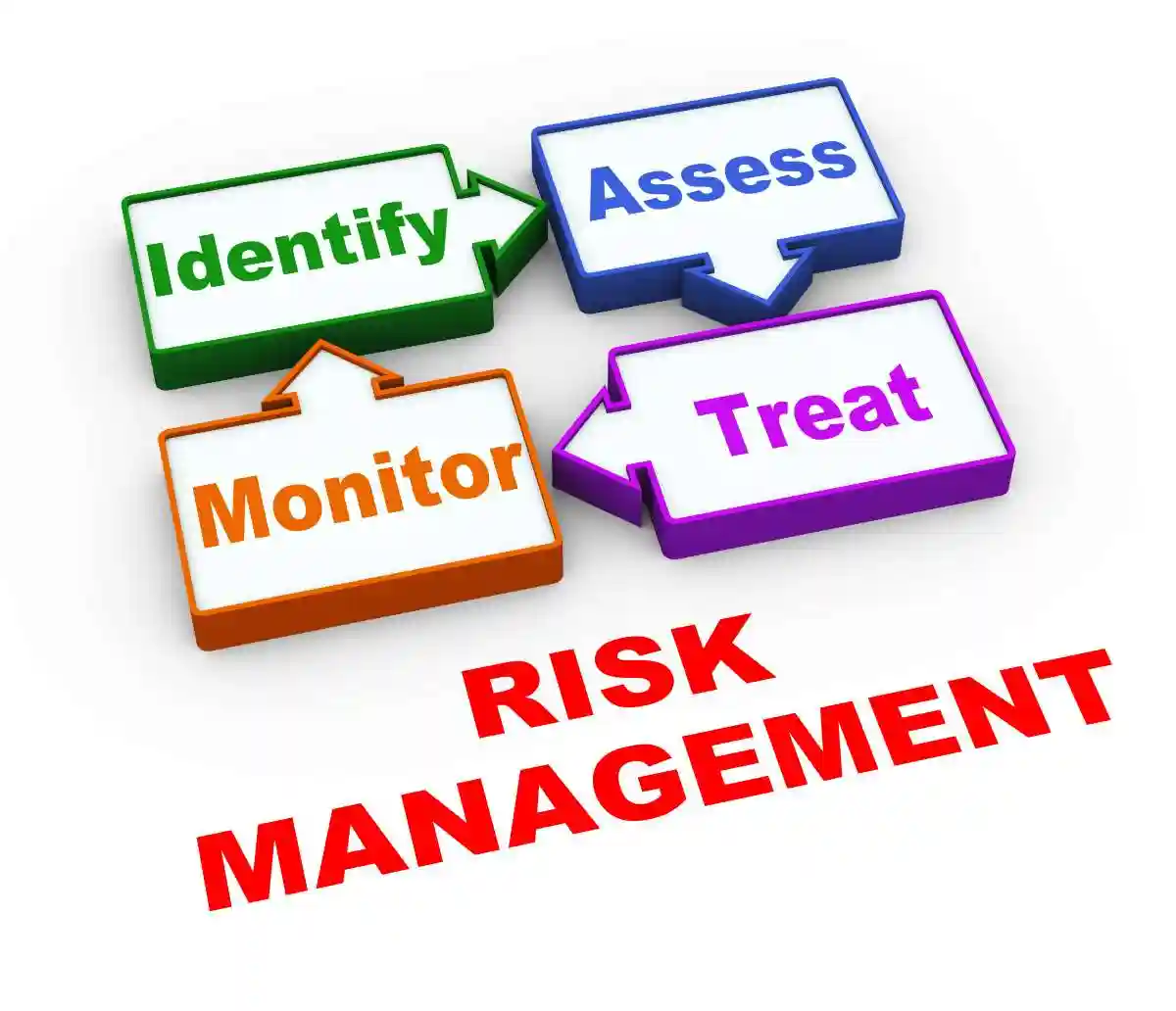
- Define Risk Appetite: Boards must work with management to articulate the amount and types of risk the company is willing to accept—using both quantitative (measurable) and qualitative (subjective) approaches.
- Align with Strategy: Ensure business strategies and risk-taking activities are consistent with the approved risk appetite to protect investors while pursuing growth.
- Regular Review: Formally review and update the company’s risk appetite at least annually or as significant changes occur in the business or market environment.
Cultivate board expertise and composition
- Assess skills gaps: Use a board skills matrix to identify gaps in the directors’ expertise relative to the company’s key risks, such as cybersecurity, AI, and climate change.
- Recruit for risk expertise: Intentionally recruit directors with specific risk management experience, who can add valuable insight and perspective.
- Leverage external advisors: Engage outside consultants to provide specialized expertise in areas where the board lacks depth. This can include analyzing business-specific risks or conducting risk workshops.
Foster a risk-aware culture
- Promote transparency and accountability: Create an environment where employees feel comfortable escalating potential issues without fear of retribution.
- Align incentives: Ensure that the company’s incentive and compensation programs support the desired risk-taking behavior and do not inadvertently encourage excessive risk.
- Encourage active dialogue: Foster a culture of open communication between the board, management, and other key risk function leaders, such as the Chief Risk Officer (CRO).
Improve risk reporting and information flow
- Request clear reporting: Insist on receiving high-level, digestible risk reports that focus on the most critical threats and their impact on strategy. Avoid overly detailed or siloed reports.
- Deep dive on key risks: Dedicate time on the board and committee agendas for deep discussions on critical current and emerging risks.
- Use technology: Leverage governance, risk, and compliance (GRC) technology to centralize risk data and streamline reporting, providing directors with a consolidated, real-time view of risk.
Common Board Reporting Failures in Risk Management
Boards rely on accurate, clear risk reports to make informed decisions. When reporting breaks down, it often traces back to poor information flow, low-quality reporting, or weak internal risk culture and governance. Here are some frequent pitfalls:
1. Information Flow Failures
- Siloed Reporting: Risk information is often isolated by department (like IT or finance), preventing an enterprise-wide perspective. This can hide how individual risks interact to create larger threats.
- Data Overload or Irrelevance: Boards may receive large volumes of raw data without context or prioritization, making it hard to distinguish critical issues from minor ones.
- Outdated or Lagging Indicators: Reports may emphasize past incidents or use stale metrics, leaving the board reactive instead of proactive about emerging risks.
2. Reporting Content & Context Failures
- Lack of Strategic Alignment: If risk reports aren’t connected to business goals or strategy, boards can’t judge if the company is taking proper risks—or making trade-offs that could hurt long-term value.
- Poor Data Visualization: Dense spreadsheets or lengthy text reports can obscure important details. Without clear visuals like heat maps, it’s harder for boards to quickly assess risk severity and likelihood.
- Inconsistent Risk Language: Different departments may use varying terms for similar risks, causing confusion and making it tough to compare risks across the organization.
3. Cultural and Process Failures
- “Check-the-box” Mentality: Treating risk management as a compliance formality rather than a strategic function leads to shallow, uninformative reports that do not drive meaningful board discussions.
- No Feedback Loop: When reporting is one-way—with management simply delivering information without engaging the board for questions or feedback—directors miss the chance to provide valuable insights and challenge assumptions.
- Fear of Blame: In cultures where employees worry about negative consequences for disclosing bad news or near-misses, important risks may go unreported, resulting in an incomplete or overly optimistic risk profile.
- Complacency: Boards may become less vigilant if the company has not faced recent crises, leading to a lax approach to risk oversight and a tendency to overlook emerging threats.
4. Failures in Linking Risk to Performance
- Ignoring Incentive Structures: Board reports often neglect how executive compensation or incentives tied to short-term goals can encourage excessive risk-taking. Without this linkage, boards might miss underlying causes of risky behavior.
- Lack of Near-Miss Analysis: By focusing only on major failures, management may ignore near-misses that signal systemic vulnerabilities. These early warnings are often excluded from board-level reporting but can be critical for proactive risk management.
Examples of Companies That Improved Risk Management Reporting
- Intuit
- Common Risk Framework: Intuit implemented a unified framework so all departments communicate about risk consistently, eliminating silos and providing the board with a holistic view.
- Focused Reporting: Reports prioritize the most significant risks, avoiding information overload for directors.
- Clear Accountability: Specific individuals are assigned risk management responsibilities, ensuring accountability and effective mitigation.
- Schlumberger
- Simplified Processes: Schlumberger streamlined its risk assessment system, reducing manual complexity and saving valuable time.
- Global Standards: The company standardized risk calculations across countries and regions, providing the board with consistent, comparable data.
- Quicker Response: Enhanced reporting processes enabled faster reaction to emerging risks.
- Boeing
- Dedicated Board Committee: In response to high-profile safety incidents, Boeing established an Aerospace Safety Committee on its board to oversee product and operational safety.
- Targeted Safety Reporting: The new committee ensures systematic review of critical safety issues at the board level.
- New Safety Organization: Boeing created a dedicated Product and Services Safety group whose reports now directly inform board decisions.
- Utilities Industry (AchieveIt Case Study)
- Centralized Tracking: Utilities adopted centralized platforms for tracking risk and compliance across multiple facilities, moving away from fragmented spreadsheets.
- Enhanced Visibility: Boards now have rreal-time access to compliance data and risk initiatives across plants, supporting better strategic oversight.
Themes in Improved Board Risk Reporting
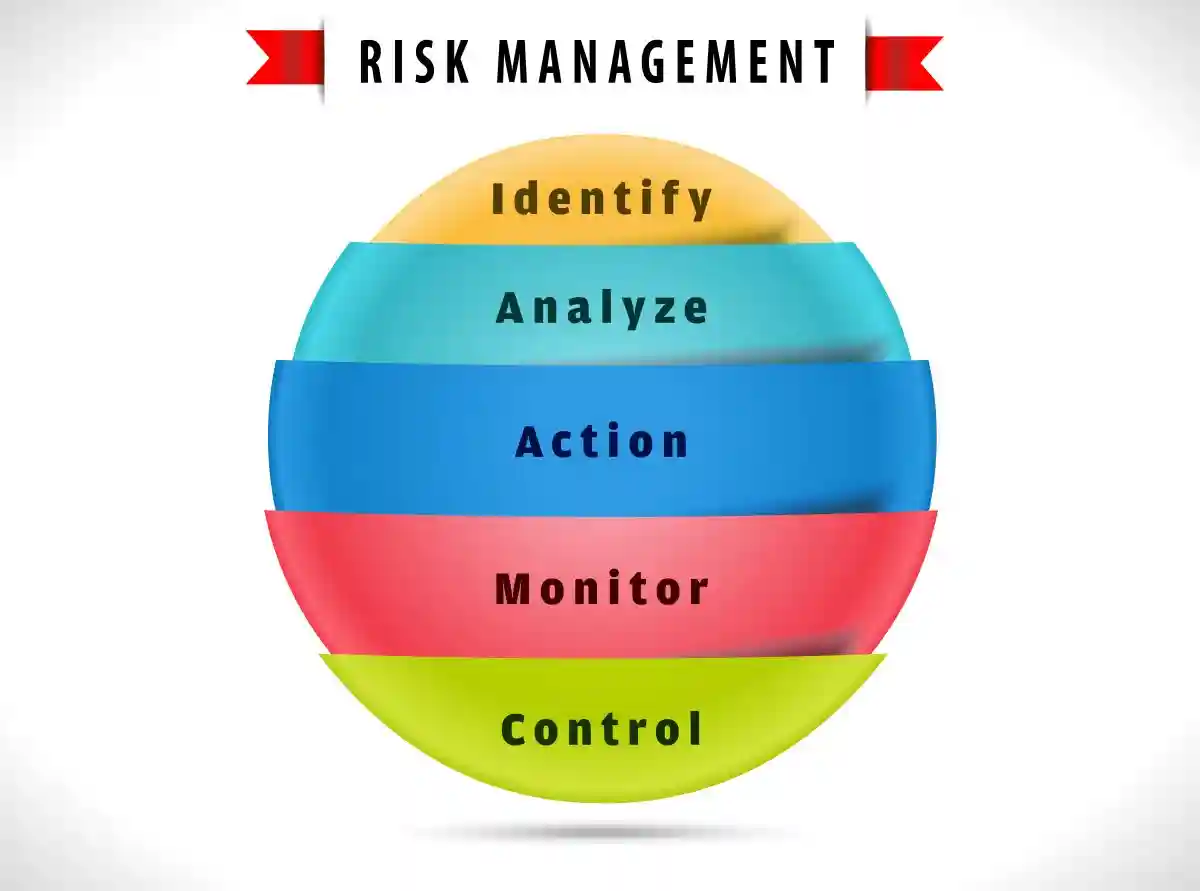
- Streamlined Communication:
Effective reports focus on clear, concise summaries that help directors quickly grasp key risks—avoiding information overload and enabling better decision-making. - Technological Adoption:
The use of GRC (Governance, Risk, and Compliance) technology centralizes risk data and provides real-time insights, supporting stronger corporate governance and heightened investor protection. - Link to Strategy:
The most valuable board reports directly connect risk insights to strategic objectives, helping directors understand how risks could impact the company’s long-term success. - Cultural Commitment:
Lasting improvements require a corporate culture that prizes transparency and accountability—ensuring management reports candidly and the board remains fully informed.
Metrics That Show Risk Management Reporting Improvements
Improvements in board risk reporting are best captured through a mix of quantitative and qualitative indicators, focusing on both the process and the effectiveness of reporting.
Process-Related Metrics
- Risk Assessment Completion Rate
- Tracks the percentage of scheduled risk assessments completed within a specific timeframe.
- Higher rates signal a more proactive and disciplined approach to risk management.
- Time to Mitigate Critical Risks
- Measures how quickly high-priority risks are addressed after identification.
- Shorter times indicate stronger responsiveness and operational efficiency.
- Completeness of Risk Register Updates
- Evaluates how consistently and thoroughly the official risk register is updated.
- Can be tracked by monitoring the number of substantive changes or updates per cycle.
- Stakeholder Engagement
- Assessed via board satisfaction surveys or by tracking how often meaningful discussions occur between directors and risk management teams.
- Increased engagement reflects that reports are relevant, actionable, and valued by the board.
Content-Related Metrics
These metrics assess the quality, clarity, and relevance of information provided to the board:
-
Alignment with Strategic Objectives
- Evaluates how well risk reports connect key risks to the company’s strategic goals and initiatives.
- Strong alignment helps the board see risk management as value-adding, not just compliance-driven.
-
Forward-Looking vs. Backward-Looking Indicators
- Measures the balance between predictive “leading indicators” (Key Risk Indicators/KRIs) and reactive “lagging indicators” (Key Performance Indicators/KPIs).
- Example:
- Leading KRI: Rising employee turnover in a critical team (potential future risk).
- Lagging KPI: Number of cyber incidents last quarter (past risk events).
-
Risk Appetite Adherence
- Tracks how closely the company’s actual risk-taking matches the board-approved risk appetite.
- Clear reporting on this metric supports informed decision-making.
-
Visualization Quality
- Assesses how effectively tools like heat maps communicate priority risks.
- High-quality visuals help directors focus attention on what matters most.
Outcome-Related Metrics
These metrics gauge the real-world impact of improved risk reporting:
-
Reduction in Unexpected Incidents
- Monitors decreases in unanticipated or severe risk events, indicating better foresight and early warning.
-
Improved Audit Findings and Closure Rates
- Tracks reductions in audit issues and improvements in timely remediation, reflecting stronger risk processes.
-
Enhanced Resilience
- Measures outcomes like recovery time after a disruptive event—a shorter recovery period signals better preparedness.
-
Cost of Risk Reduction
- Compares investment in risk management to losses avoided by preventing or mitigating risks, providing an ROI perspective.
How AI Can Enhance Risk Reporting
AI is revolutionizing risk reporting by making it more dynamic, integrated, and forward-looking. Here are four ways AI transforms the process:
1. From Backward-Looking to Predictive and Proactive
- Predictive Risk Forecasting:
AI models analyze both historical and real-time data to forecast emerging risks (e.g., market volatility, supply chain disruptions). This empowers boards to anticipate issues and act early. - Early Warning Signals:
AI detects subtle data anomalies—such as shifts in operational or financial metrics—that may indicate brewing problems, often before they become visible to human analysts.
2. From Fragmented to Aggregated, Holistic Views
- Cross-Functional Data Integration:
AI aggregates structured (financials, security logs) and unstructured (emails, news feeds) data across departments, linking related risks for a comprehensive enterprise-wide picture. - Unified Risk Language:
AI tools standardize risk terminology organization-wide, ensuring consistency in communication from front-line teams up to the boardroom.
3. From Manual and Slow to Automated and Efficient
- Automated Data Gathering:
Robotic Process Automation (RPA) powered by AI collects risk information from diverse sources with minimal human intervention—reducing errors and saving time. - Automated Report Generation:
Generative AI summarizes complex risk data into executive-ready reports and visual dashboards, highlighting key trends and urgent threats.
4. From Opaque to Transparent and Auditable
- Explainable AI (XAI):
Modern AI models provide clear explanations for their outputs, helping boards understand the rationale behind forecasts or recommendations—a must for regulatory scrutiny. - Automated Compliance Tracking:
AI continuously monitors regulatory changes and checks internal policies for compliance gaps, alerting management proactively.
In summary:
AI makes risk reporting smarter, faster, more integrated—and ultimately more valuable for board decision-making.

Considerations and Challenges in AI-Enhanced Risk Reporting
- Data Quality and Bias
- AI models rely on the quality and completeness of their training data.
- Inaccurate, biased, or incomplete data can result in skewed or unreliable risk assessments, potentially reinforcing existing weaknesses.
- “Shadow AI” and Oversight
- Employees using unauthorized or browser-based AI tools (“shadow AI”) may inadvertently expose sensitive company data or violate compliance requirements.
- Effective AI governance frameworks, clear usage policies, and strong human oversight are essential to mitigate these risks.
- Black Box Problem
- Some advanced AI models operate opaquely, making it difficult to understand how decisions or predictions are made.
- For critical risk management functions, boards should require the use of explainable AI (XAI) to ensure transparency, accountability, and regulatory compliance.
Well-Publicized Examples of Poor Board Oversight
1. Enron (2001): Conflicts of Interest, Complexity, and Failure to Question Management
Background:
Enron’s collapse exposed deep failures in board oversight, despite a board comprised of highly qualified individuals. Executives manipulated financial statements and used off-balance-sheet entities to hide debt and inflate profits.
Key Oversight Failures:
- Conflict of Interest: The board approved waivers allowing CFO Andrew Fastow to manage special purpose entities (SPEs) from which he personally profited, enabling concealment of liabilities.
- Willful Ignorance: Directors ignored red flags—including whistleblower warnings—and conducted only superficial reviews.
- Rubber-Stamping: Meetings were brief and lacked probing questions; directors failed to challenge management’s aggressive strategies.
- Inadequate Information Flow: The board did not insist on comprehensive information from management, undermining effective oversight.
2. WorldCom (2002): Dominant CEO and Passive Board
Background:
WorldCom’s $11 billion accounting fraud was enabled by a passive board that allowed CEO Bernard Ebbers unchecked authority.
Key Oversight Failures:
- Lack of Independence: Many directors had personal or professional ties to the CEO, compromising objectivity.
- Absence of Checks and Balances: The board was detached and failed to provide independent leadership or oversight.
- Weak Committee Oversight: The audit committee spent minimal time on its duties; only blatant fraud would have been detected.
- Failed Compensation Oversight: The compensation committee approved over $400 million in personal loans to Ebbers without due diligence or questioning his outside commitments.
3. Tyco (Early 2000s): Executive Fraud and Excess
Background:
CEO Dennis Kozlowski and CFO Mark Swartz misappropriated hundreds of millions through unauthorized loans, bonuses, and extravagant personal spending—enabled by an inattentive board.
Key Oversight Failures:
- Weak Controls on Executive Actions: The board failed to monitor or approve large executive expenditures and loans.
- Lack of Accountability: Directors did not enforce internal controls or demand transparency regarding executive compensation and company funds.
- Culture of Excess: A permissive culture at the top discouraged scrutiny and accountability.
Lessons Learned: These scandals demonstrate that even boards composed of accomplished individuals can fail if they:
- Lack independence,
- Do not demand sufficient information,
- Do not challenge management,
- Or fail to establish strong oversight structures.
Effective risk reporting, independent inquiry, active engagement, and robust governance processes are essential for preventing similar failures.
Key Oversight Failures at Tyco
- Commingling of Assets
- Executives exploited loopholes (e.g., the Key Employee Loan Program) to use company funds for personal gain.
- The board failed to implement policies preventing senior management from misusing corporate assets.
- Inadequate Internal Controls
- Management manipulated financial results through aggressive accounting, improper capitalization, and off-balance-sheet transactions.
- The board did not ensure robust internal controls or oversight, exposing the company to litigation and reputational risk.
- Failure to Set Ethical Standards
- Former leadership neglected to establish clear standards for ethics, integrity, accounting, and governance.
- This absence of tone at the top allowed misconduct to go unchecked.
- Lack of Knowledge and Guidance
- The board was described as “confused and lacking guidance,” unaware of significant misuse of company funds (e.g., purchasing a multi-million-dollar apartment for the CEO).

Common Lessons Learned
- Need for Independent Oversight
- All three cases underscore the necessity of an engaged, independent board that can challenge management and avoid conflicts of interest.
- Importance of Internal Controls
- Weak internal controls can lead to catastrophic consequences; boards must ensure such controls are in place and enforced.
- Stronger Audit Committees
- Ineffective audit committees were a critical failure point; more time, diligence, expertise, and independence are required in this area.
- Accountability for Executive Compensation
- Lax oversight enabled excessive or inappropriate executive pay; linking compensation to performance with transparent review processes is essential.
- Catalyst for Reform: The Sarbanes-Oxley Act (2002)
- These scandals directly prompted major legislative reforms (Sarbanes-Oxley Act), introducing:
- Stricter requirements for financial reporting
- Enhanced responsibilities for audit committees
- Greater accountability for CEOs/CFOs
- Improved internal controls over financial reporting
- These scandals directly prompted major legislative reforms (Sarbanes-Oxley Act), introducing:
Enron/WorldCom/Tyco Scandals Compairison
| Scandal | Key Failures | Lessons Learned |
|---|---|---|
| Enron | Conflicts of interest; lack of information flow | Need for independence; enforce internal controls |
| WorldCom | Passive board; inadequate committee oversight | Stronger audit committees; accountability |
| Tyco | Asset commingling; weak internal controls | Ethics & guidance; reform led by SOX |
Key Provisions of the Sarbanes-Oxley Act (SOX) Designed to Prevent Corporate Fraud
1. Enhanced Corporate Responsibility
- CEO and CFO Certification (Sections 302 & 906): Top executives must personally certify the accuracy and completeness of financial reports, making them criminally liable for misrepresentations.
- Prohibition on Improper Influence (Section 303): Officers and directors cannot fraudulently influence or mislead auditors.
- Executive Loan Prohibitions (Section 402): Companies are banned from making personal loans to directors/executives.
- Mandatory Clawbacks (Section 304): CEOs and CFOs must return bonuses/compensation if misconduct leads to a restatement, even without proven personal wrongdoing.
2. Improved Internal Controls and Disclosures
- Internal Controls Report (Section 404): Requires management’s assessment of internal controls over financial reporting (ICFR), included in annual filings.
- Auditor Attestation (Section 404): External auditors must attest to management’s ICFR assessment.
- Real-Time Disclosures (Section 409): Material changes must be reported rapidly to ensure timely investor information.
- Off-Balance Sheet Disclosures (Section 401): All significant off-balance sheet transactions must be disclosed, addressing previous abuses.
3. Increased Auditor Independence
- Public Company Accounting Oversight Board (PCAOB – Title I): Established an independent body to regulate and oversee public company audits.
- Restriction of Non-Audit Services: Auditors are prohibited from providing certain services to audit clients, reducing conflicts of interest.
- Mandatory Audit Partner Rotation: Lead/reviewing partners must rotate every five years for objectivity.
4. Whistleblower Protections and Criminal Penalties
- Whistleblower Protection (Section 806): Protects employees who report fraud from retaliation.
- Criminal Penalties for Document Alteration (Section 802): Up to 20 years in prison for destroying or falsifying records to obstruct investigations.
- Enhanced Penalties for Fraud (Sections 906 & 1107): Increased penalties for white-collar crimes and retaliation against informants.
What Boards Should Focus On for Robust Corporate Governance
1. Strategic Oversight
- Define Strategic Purpose: Collaborate with management to set a clear corporate purpose aligned with long-term goals.
- Embrace Agility: Prioritize scenario planning and adaptability in response to changing external conditions.
- Integrate Strategy with Risk: Make risk management an integral part of strategic decision-making, ensuring proactive consideration of risk-reward trade-offs.
2. Board Composition and Effectiveness
- Recruit Diverse Directors: Seek out directors with varied skills (e.g., technology, cybersecurity, ESG), backgrounds, and perspectives to address emerging risks.
- Foster a Strong Board Culture: Promote psychological safety so directors can challenge constructively; strong chair leadership is essential.
- Conduct Regular Evaluations: Use both self-assessment and third-party reviews to improve board and committee performance.
3. Risk and Compliance Framework
- Set Clear Risk Appetite: Define the level and types of risk acceptable in pursuit of strategic objectives.
- Oversee ERM Programs: Ensure enterprise risk management breaks down silos for a holistic view of risk.
- Leverage Technology & AI: Use real-time, data-driven tools for timely insights into emerging risks and compliance status.
4. Accountability and Transparency
- Demand High-Quality Reporting: Insist on clear, concise reports that link risks to strategy; use dashboards or heat maps for clarity.
- Manage Conflicts Transparently: Enforce robust conflict-of-interest policies with proper documentation and recusal processes.
- Utilize Digital Governance Platforms: Streamline document sharing, compliance tracking, and reporting for efficient board operations.
5. Stakeholder Engagement
- Active Stakeholder Dialogue: Engage with employees, customers, communities, and investors to understand their concerns and priorities.
- Align Strategy With Stakeholders’ Interests: Clearly articulate how the company creates value for all stakeholders—not just shareholders.
- Integrate ESG Oversight: Embed ESG considerations into board discussions; develop ESG strategies; link executive pay to sustainability metrics.
In Summary: Boards that excel in these five areas—strategic oversight, effective composition, strong risk/compliance frameworks, transparency/accountability, and stakeholder engagement—are best positioned to drive sustainable value creation while maintaining regulatory compliance and public trust.
Emerging Trends in Board Reporting
1. Real-Time, Continuous Reporting via Governance Platforms
- Dynamic Dashboards: Boards now access real-time data and performance metrics through governance technology platforms, moving beyond static quarterly reports.
- Proactive Oversight: Continuous reporting enables directors to monitor key issues between meetings, fostering earlier intervention and more agile responses.
2. AI-Enhanced Preparation and Analysis
- Intelligent Document Synthesis: AI tools summarize large volumes of board materials into concise, actionable insights—saving time and reducing information overload.
- Risk Scanning & Predictive Analytics: AI scans internal and external data to flag compliance, legal, or ethical risks, while predictive analytics identify emerging threats.
- Benchmarking & Peer Comparisons: AI-powered platforms automate comparisons with industry peers, providing immediate context for strategic discussions.
3. Enhanced Visualization and Storytelling
- Custom Dashboards: Interactive dashboards display complex data using charts, graphs, and heat maps tailored to board needs.
- Improved Accountability: Visual tools clarify financial results and ESG performance for directors and stakeholders.
- Narrative Context: Modern reports emphasize telling a strategic story with data—highlighting trends and insights rather than just presenting raw numbers.
4. Integrated Human Capital Management (HCM) Reporting
- Strategic Focus on Workforce: Boards increasingly treat HCM as a strategic asset, reporting on culture, talent development, succession planning, and DEI.
- Expanded Committee Oversight: HCM oversight is broadening beyond compensation committees to include nominating/governance committees.
- Data-Driven Metrics: Outcome-based metrics like engagement scores, turnover rates, and skill gaps are incorporated to link people strategy with business performance.
5. Stakeholder-Informed & ESG Reporting
- Double Materiality Frameworks: New standards (e.g., CSRD, ISSB) require boards to report both how sustainability issues affect the company and how the company impacts society/environment.
- Transparent Stakeholder Engagement: Boards increasingly disclose how stakeholder feedback informs decision-making processes.
- Strategic ESG Focus: Emphasis is shifting toward financially material ESG topics—like climate risk or resource efficiency—that drive long-term value.
In summary: Board reporting is rapidly evolving—driven by digital transformation (AI, real-time dashboards), increased focus on human capital and ESG factors, and demands for greater transparency and accountability. Forward-thinking boards use these tools not just for compliance but as enablers of better strategic oversight.
Conclusion
The Board of Directors stands at the heart of effective corporate governance, shaping the strategic direction and ethical foundation of an organization. Through vigilant oversight and informed decision-making, the board not only steers the company toward its long-term objectives but also acts as a steadfast guardian of shareholder and stakeholder interests.
A cornerstone of the board’s mandate is to champion investor protection by embedding transparency, accountability, and integrity into every facet of corporate operations. From scrutinizing financial performance to approving key budgets and managing risk, the board ensures that the organization operates within legal and regulatory frameworks while upholding the highest ethical standards.
Robust corporate governance frameworks—anchored by an engaged and diverse board—are crucial for fostering investor trust and market credibility. By upholding fiduciary duties, guiding policy decisions, overseeing succession planning, and holding management accountable, boards create a culture where responsible leadership thrives.
Ultimately, the board’s leadership is instrumental in driving sustainable growth and safeguarding organizational reputation. Their commitment to strong governance not only protects shareholders’ assets but also elevates the business’s standing among customers, employees, regulators, and communities alike.
In today’s dynamic business landscape, a proactive and forward-thinking Board of Directors is indispensable. Their vision, diligence, and unwavering focus on robust governance ensure resilient performance—laying the foundation for enduring success and long-term value creation.