
Introduction to Securities Class Actions 101
Securities class actions stand at the forefront of investor protection, providing a powerful mechanism for holding corporate wrongdoers accountable and securing compensation for large groups of harmed investors. At their core, these cases are governed by rigorous pleading standards and structured processes that ensure only well-founded claims proceed.
The significance of securities class actions lies in their ability to level the playing field. While individual lawsuits can be prohibitively expensive, class proceedings empower groups—often numbering forty or more—to seek redress for violations of securities laws. This collective approach is not only efficient but essential to ensuring meaningful accountability in today’s complex financial markets.
In situations where individual investors may lack the financial incentive or resources to pursue litigation alone, securities class actions open the door to collective justice—enabling victims to pool their claims and overcome the formidable costs of suing major corporations.
In the United States, The significance of securities class actions lies in their ability to level the playing field. While individual lawsuits can be prohibitively expensive, class proceedings empower groups—often numbering forty or more—to seek redress for violations of securities laws. This collective approach is not only efficient but essential to ensuring meaningful accountability in today’s complex financial markets.e sets out the requirements for bringing a class action.
The landscape was further shaped by the Private Securities Litigation Reform Act (PSLRA), which introduced heightened pleading requirements and fundamentally changed how lead plaintiffs are chosen. Under the PSLRA, courts must appoint as lead plaintiff the investor or institution with the largest financial stake—ensuring that those most affected by alleged misconduct guide the litigation.
To navigate this landscape successfully, investors must understand these foundational principles. This guide will walk you through every stage of a securities fraud class action—from identifying viable claims and meeting stringent pleading standards to achieving favorable resolutions. Whether you sre considering joining a case or simply want to know your rights as an investor, this overview is designed to equip you with essential knowledge for safeguarding your financial interests.
Before taking a deep dive into the compext worlds of securities fraud litigation, we will begin with a table summarizing the key economic, operational, and legal frameworks that underpin securities class actions:
Detailed Summary Table Outlining the Economic, Operational, and Legal Frameworks for Securities Class Actions |
| Category | Key Elements | Practical Implications | Recent Developments |
| Corporate Financial Impact | • Legal fees and defense costs • Settlement payments • Penalties and fines • Remediation expenses |
• Direct reduction in profitability • Potential stock price decline • Impact on shareholder value • Financial statement disclosures |
• Average settlement amounts increased 15% in 2023 • Defense costs typically range from $2-8M per case |
| Operational Disruption | • Management distraction • Document production burden • Internal investigation requirements • Testimony preparation |
• Reduced focus on core business • Resource reallocation • Strategic initiative delays • Compliance program overhauls |
• Companies now spend average of 1,200+ hours on litigation response • 68% of executives report significant operational impact |
| Investor Recovery Mechanism | • Class action procedures • Out-of-pocket damages • Lead plaintiff selection • Claims administration |
• Financial loss compensation • Transaction-based calculations • Pro-rata distribution • Claims filing requirements |
• Recovery rates average 2-3% of investor losses • Institutional investors recover higher percentages |
| Market Confidence Effects | • Transparency enhancement • Accountability mechanisms • Governance improvements • Disclosure quality |
• Investor trust restoration • Market participation incentives • Capital formation support • Information reliability |
• Post-litigation governance reforms implemented in 72% of settled cases • Measurable improvements in disclosure quality |
| Current Trends | |||
| Individual Accountability Focus | • Officer and director liability • Personal financial consequences • Clawback provisions • D&O insurance implications |
• Executive behavior modification • Personal risk assessment • Compliance prioritization • Leadership accountability |
• 64% increase in named individual defendants • Personal contributions to settlements up 28% |
| Technology-Enhanced Detection | • AI-powered surveillance • Advanced analytics • Pattern recognition • Anomaly detection |
• Increased violation detection • Stronger evidence collection • More sophisticated cases • Higher success rates |
• SEC using machine learning to identify disclosure anomalies • 42% of new cases involve technology-detected violations |
| Litigation Process Modernization | • E-discovery platforms • Digital evidence management • Virtual proceedings • Automated document review |
• Faster case processing • Cost efficiency improvements • Enhanced evidence organization • Remote participation |
• 87% reduction in document review time • 35% decrease in litigation costs through technology |
| Cross-Border Complexity | • Jurisdictional challenges • Regulatory differences • Enforcement coordination • International evidence gathering |
• Multi-jurisdiction compliance • Global risk assessment • Harmonized defense strategies • International settlement considerations |
• 38% of securities cases now involve cross-border elements • International regulatory cooperation agreements expanded |
| Legal Frameworks | |||
| Pleading Standards | • PSLRA requirements • Scienter (intent) showing • Particularity in allegations • Strong inference threshold |
• Higher dismissal rates • Front-loaded case investment • Detailed complaint preparation • Expert involvement earlier |
• Macquarie Infrastructure Corp. v. Moab Partners (2024) reshaped omission standards • Motion to dismiss success rate at 47% |
| Loss Causation Elements | • Corrective disclosure • Price impact evidence • Economic analysis • Event studies |
• Causal chain demonstration • Market efficiency proof • Expert testimony requirements • Damages limitation |
• Dura Pharmaceuticals v. Broudo remains controlling precedent • Increasing sophistication in economic analyses |
| Damages Calculation | • Out-of-pocket methodology • Inflation per share • 90-day lookback period • Transaction-based approach |
• Expert-driven calculations • Trading pattern importance • Holding period considerations • Proportional recovery |
• Forensic accounting techniques increasingly sophisticated • Competing damages models in 92% of cases |
| Class Certification | • Commonality requirements • Typicality standards • Adequacy of representation • Predominance of common issues |
• Class definition strategies • Lead plaintiff selection • Institutional investor preference • Certification challenges |
• Institutional investors serve as lead plaintiffs in 58% of cases • Class certification contested in 94% of cases |
| Investor Considerations | |||
| Participation Decision Factors | • Loss threshold assessment • Lead plaintiff potential • Litigation timeline • Cost-benefit analysis |
• Active vs. passive participation • Resource commitment evaluation • Recovery expectations • Reputational considerations |
• Minimum loss threshold for lead plaintiff typically $100K+ • Average case duration now 3.2 years |
| Recovery Optimization | • Claims filing procedures • Documentation requirements • Deadline adherence • Distribution mechanics |
• Proof of transaction needs • Claims administrator interaction • Recovery maximization strategies • Tax implications |
• Only 35% of eligible investors file claims • Electronic claim filing now standard |
| Governance Implications | • Board oversight duties • Disclosure controls • Risk management systems • Compliance programs |
• Director liability concerns • Committee responsibilities • Reporting procedures • Documentation practices |
• Board-level disclosure committees now present in 78% of public companies • Director education programs expanded |
| Future Participation Rights | • Opt-out considerations • Individual action potential • Settlement objection rights • Appeal possibilities |
• Strategic participation choices • Large loss alternative approaches • Settlement evaluation • Ongoing case monitoring |
• Opt-out actions by large investors increased 47% • Settlement objections successful in only 3% of cases |

Understanding Securities Fraud Class Actions
Securities fraud class actions are vital legal tools that help investors recover losses when companies deceive them. These specialized lawsuits let groups of investors team up to file claims against corporations that break securities laws.
What Constitutes Securities Fraud?
Securities fraud occurs when companies or individuals intentionally mislead investors or manipulate the market for personal gain. At its core, this misconduct involves concealing or distorting material information that investors rely on to make informed decisions—resulting in significant financial losses when the truth emerges.
The most prevalent forms of securities fraud include:
- Falsified Financial Statements: Companies may exaggerate their financial health by providing inaccurate or deceptive financial reports, creating a misleading picture for investors.
- Insider Trading: Executives or insiders exploit confidential, non-public information to trade company securities, gaining an unfair advantage at the expense of other shareholders.
- Misleading Earnings Forecasts: Organizations sometimes issue overly optimistic projections to artificially boost stock prices and attract investment.
- Material Omissions: By withholding critical facts that could influence investment decisions, companies prevent investors from fully assessing risk.
- Market Manipulation: Deliberate actions are taken to distort the price or trading volume of a security, misleading the market as a whole.
To prevail in a securities fraud lawsuit, plaintiffs must establish several key elements:
- A false statement or omission of material fact;
- Intent to deceive (known as “scienter”);
- Reliance on the misrepresentation by investors; and
- A direct link between the misconduct and the investor’s financial loss.
It’s important to note that mere mistakes or negligence are not enough—there must be evidence of intent to deceive, manipulate, or defraud.
Typically, these cases are triggered when negative information about a company becomes public and its stock price plummets. The “class period” refers to the timeframe during which the false statements were made and before the truth was revealed. Investors who purchased securities at inflated prices during this window often suffer losses once the actual facts come to light.
In summary, securities fraud undermines market integrity and investor trust—and robust legal standards exist to hold wrongdoers accountable when deception leads to real harm.
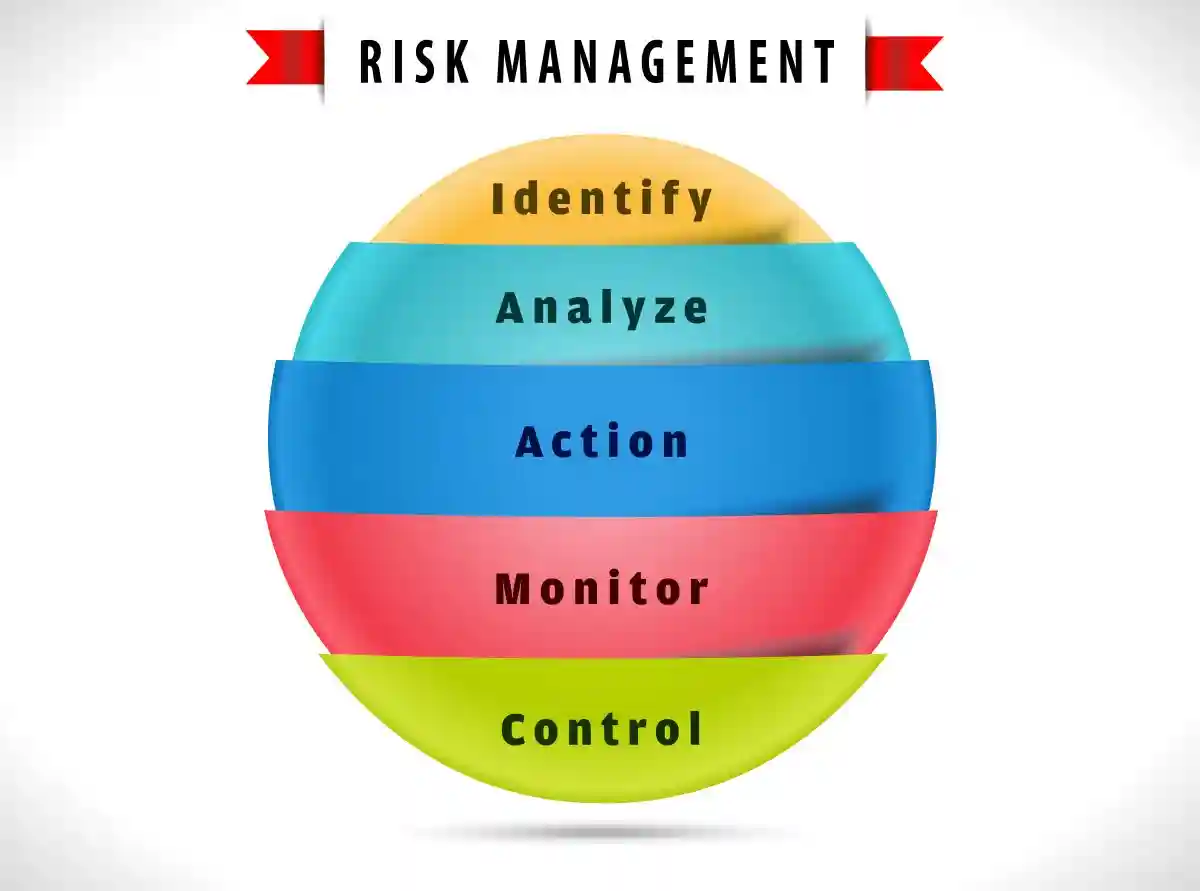
The steps in a securities class action lawsuit
STEPS IN A SECURITIES CLASS ACTION LAWSUIT
| Filing the Complaint | A lead plaintiff files a lawsuit on behalf of similarly affected shareholders, detailing the allegations against the company. |
| Motion to Dismiss | Defendants typically file a motion to dismiss, arguing that the complaint lacks sufficient claims. |
| Discovery | If the motion to dismiss is denied, both parties gather evidence, documents, emails, and witness testimonies. This phase can be extensive. |
| Motion for Class Certification | Plaintiffs request that the court to certify the lawsuit as a class action. The court assesses factors like the number of plaintiffs, commonality of claims, typicality of claims, and the adequacy of the proposed class representation. |
| Summary Judgment and Trial | Once the class is certified, the parties may file motions for summary judgment. If the case is not settled, it proceeds to trial, which is rare for securities class actions. |
| Settlement Negotiations and Approval | Most cases are resolved through settlements, negotiated between the parties, often with the help of a mediator. The court must review and grant preliminary approval to ensure the settlement is fair, adequate, and reasonable. |
| Class Notice | If the court grants preliminary approval, notice of the settlement is sent to all class members, often by mail, informing them about the terms and how to file a claim. |
| Final Approval Hearing | The court conducts a final hearing to review any objections and grant final approval of the settlement. |
| Claims Administration and Distribution | A court-appointed claims administrator manages the process of sending notices, processing claims from eligible class members, and distributing the settlement funds. The distribution is typically on a pro-rata basis based on recognized losses. |
Why Class Actions Are Essential in Securities Litigation
Class actions are the preferred tool for addressing securities fraud because they level the playing field between individual investors and powerful corporations. In many cases, companies have thousands—or even hundreds of thousands—of shareholders, each suffering varying degrees of financial harm. Through class actions, these investors can band together to pursue compensation as a unified group.
For most small investors, the costs and complexities of hiring skilld securities counsel and pursuing an individual lawsuit are simply prohibitive. Class actions overcome this barrier by allowing one or more representative plaintiffs to advocate on behalf of all affected shareholders. This approach streamlines the legal process, making it more efficient and accessible for everyone involved.
The impact of securities class actions is undeniable. Landmark settlements such as Enron ($7.20 billion), WorldCom ($6.10 billion), and Tyco International ($3.20 billion) demonstrate the significant recoveries that can be achieved through collective action. But these lawsuits do more than just secure financial compensation—they play a vital role in promoting corporate accountability and deterring future misconduct by holding companies responsible for fraudulent practices.
In short, securities class actions are a cornerstone of investor protection, ensuring that even the smallest shareholders have a voice—and a remedy—when corporate fraud occurs.
The Role of the Lead Plaintiff
Lead plaintiffs are the life-blood of securities fraud class actions. They act as fiduciaries who represent all class members’ interests throughout litigation. The PSLRA changed the lead plaintiff selection process to enable those who have substantial financial stakes in the outcome.
Who is elegible to become lead plaintifff
Anyone who bought securities during the class period and suffered losses can apply to become a lead plaintiff. The court uses specific criteria to make this vital appointment:
- The PSLRA creates a rebuttable presumption that favors the person or group with the largest financial interest in the litigation
- Candidates must file a motion within 60 days after the class action notice goes public
- Each candidate must provide a sworn certification that:
-
- States they reviewed and authorized the complaint filing
-
- Confirms they didn’t buy securities because counsel directed them or to join class actions
-
- Lists all relevant security transactions during the class period
-
- Includes any other securities class actions filed in the last three years
Institutional investors rarely joined shareholder lawsuits before the PSLRA. These entities now lead about half of all newly filed federal securities class actions. The court picks the candidate best suited to represent class interests.
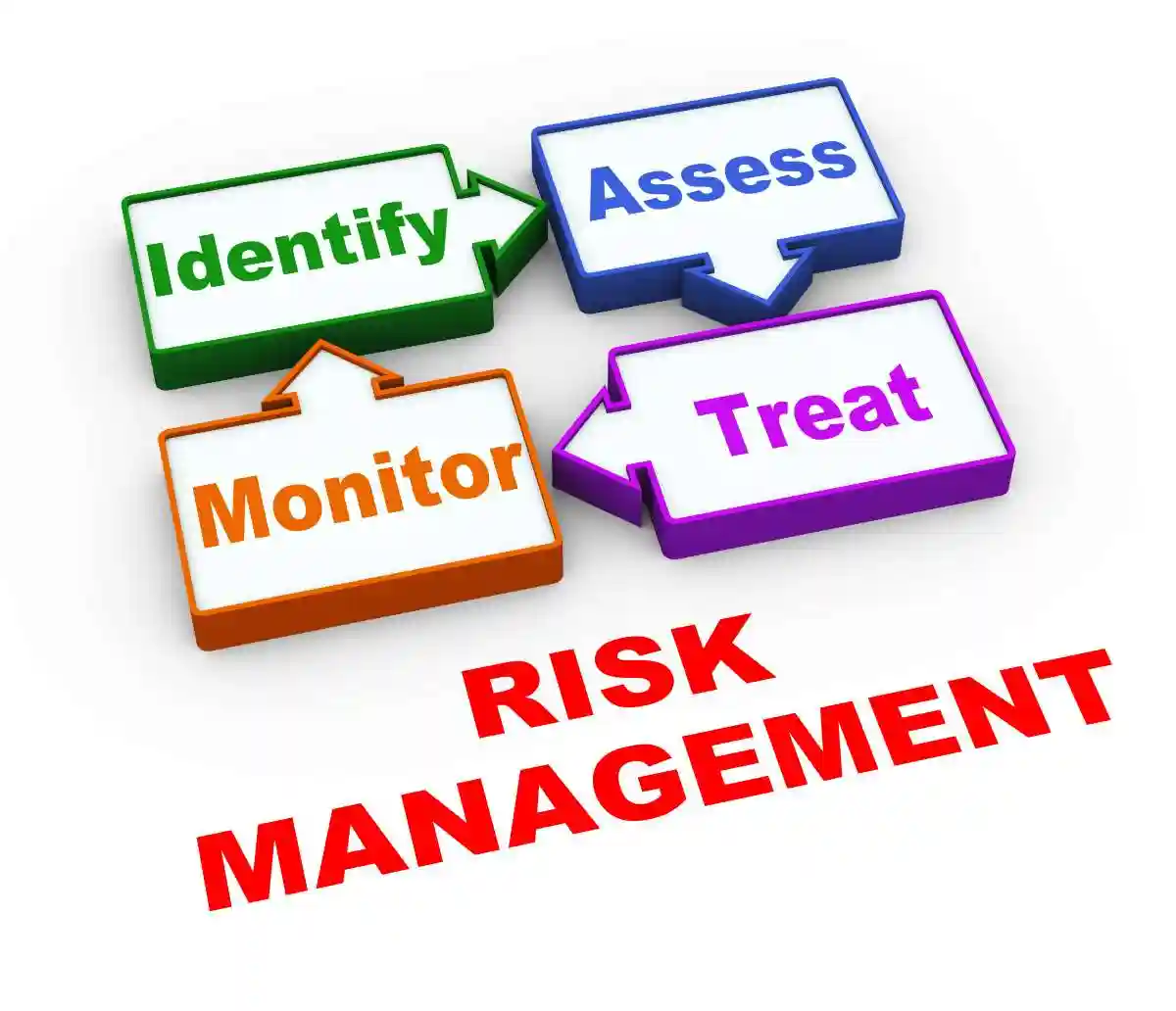
Responsibilities and influence in litigation
Lead plaintiffs have substantial authority and carry important responsibilities throughout the litigation:
- They select and retain lead counsel with court approval
- They oversee strategy and tactics
- They review and comment on important filings and documents
- They set up effective communication systems with counsel
- They must understand the case fundamentals, including key allegations and status
- They take part in settlement talks and mediations
- They approve settlements before court presentation
- They negotiate attorneys’ fees
- They attend trial if settlement fails
- They decide whether to appeal after losing at trial
Benefits of serving as lead plaintiff
In stark comparison to this common belief, becoming a lead plaintiff brings several advantages with manageable commitments:
- Direct influence on case direction: Lead plaintiffs shape litigation strategy and settlement decisions
- Active role in settlement negotiations: They guide negotiation strategy and control settlement offers
- Control over settlement structure: They can decide whether settlements include all cash or part cash and part stock
- Say in attorneys’ fees: Courts make final decisions, but lead plaintiffs can negotiate reasonable fees
- No financial risk: Lead counsel covers all costs and expenses, seeking payment only from successful outcomes
- No liability for defendants’ legal costs: U.S. class action lead plaintiffs don’t pay defendants’ expenses if the case fails
- Minimal time commitment: The lead plaintiff’s involvement is usually modest and well-managed by counsel
- Limited travel requirements: Most hearings don’t need attendance, and depositions happen at convenient times and places
- Recovery limitations: Lead plaintiffs receive their share of the final judgment or settlement, plus reasonable expenses from representing the class
Research shows that shareholder class actions with institutional investors succeed more often than those led by individuals. These cases get higher settlements and pay lower attorneys’ fees with institutions as lead plaintiffs.
Being a lead plaintiff is a chance to substantially influence securities litigation outcomes without the heavy burdens many candidates fear.

Navigating the PSLRA Requirements
The Private Securities Litigation Reform Act (PSLRA) created tough barriers for plaintiffs in securities fraud litigation as demonstrated in the chart below. This 1995 legislation changed pleading requirements and made successful securities class actions much harder to achieve.
PRE- AND POST-PSLRA STANDARDS FOR SECURITIES FRAUD LITIGATION
|
Feature |
Pre-PSLRA Standard |
Post-PSLRA Standard |
| Motion to dismiss | Based on “notice pleading” (Federal Rule of Civil Procedure 8(a)), making it easier for plaintiffs to survive motions to dismiss. This often led to settlements to avoid costly litigation. | Requires satisfying PSLRA’s heightened pleading standards and the “plausibility” standard from Twombly and Iqbal. Failure to plead with particularity on any element can result in dismissal. |
| Pleading | “Notice pleading” was generally sufficient, though fraud claims under Federal Rule of Civil Procedure 9(b) required particularity for the circumstances of fraud, but intent could be alleged generally. | Each misleading statement must be stated with particularity, explaining why it was misleading. Facts supporting beliefs in claims based on “information and belief” must also be stated with particularity. |
| Scienter | Pleaded broadly; the “motive and opportunity” test was often sufficient to infer intent. | Requires alleging facts creating a “strong inference” of fraudulent intent, which must be at least as compelling as any opposing inference of non-fraudulent intent, as clarified in Tellabs, Inc. v. Makor Issues & Rights, Ltd.. |
| Loss causation | Not a significant pleading hurdle, often assumed if a plaintiff bought at an inflated price. | Requires pleading facts showing the fraud caused the economic loss, often by linking a corrective disclosure to a stock price drop. Dura Pharmaceuticals, Inc. v. Broudo affirmed this. |
| Discovery | Could proceed while a motion to dismiss was pending. | Automatically stayed during a motion to dismiss. |
| Safe harbor for forward-looking statements | No statutory protection. | Protects certain forward-looking statements if accompanied by “meaningful cautionary statements”. |
| Lead plaintiff selection | Often the first investor to file. | Court selects based on a “rebuttable presumption” that the investor with the largest financial interest is the most adequate. |
| Liability standard | For non-knowing violations, liability was joint and several. | For non-knowing violations, liability is proportionate; joint and several liability applies only if a jury finds knowing violation. |
| Mandatory sanctions | Available under Federal Rule of Civil Procedure 11, but judges were often reluctant to impose them. | Requires judges to review for abusive conduct |
Heightened pleading standards in securities litigation
The PSLRA set heightened pleading standards in securities class actions that are a big deal as it means that those already imposed by Federal Rule of Civil Procedure 9(b). Plaintiffs must now:
- Specify each statement alleged to be misleading
- Identify the precise reasons why each statement is misleading
- State all facts that form the basis of allegations made on “information and belief” with particularity
Congress designed these exact requirements to stop plaintiffs from filing complaints based on unspecified sources that could only be verified after discovery. Securities class actions used to follow only Rule 9(b)’s pleading standard, but Congress raised the bar because they saw too many frivolous filings.
Courts have applied these higher standards to scienter too, which means facts need specific pleading. Securities fraud plaintiffs cannot just file complaints hoping discovery might lead to a plausible cause of action – unlike standard civil cases.
Strong inference of scienter
The PSLRA requires plaintiffs to “state with particularity facts giving rise to a strong inference that the defendant acted with the required state of mind” for claims about defendants’ state of mind. The Supreme Court clarified this in Tellabs, Inc. v. Makor Issues & Rights, Ltd., ruling that a “strong inference” must be “cogent and at least as compelling as any opposing inference of nonfraudulent intent”.
Courts must look at all facts together and as a whole to evaluate these claims. They need to weigh competing theories of fraudulent versus nonfraudulent intent. The plaintiff wins when evidence for and against scienter is equally strong.
Circuit courts don’t agree on applying these requirements:
- The Second, Third, Fifth, Seventh, and Tenth Circuits want plaintiffs to detail actual contents of internal company documents when alleging scienter
- The First and Ninth Circuits let cases move forward based on claims that internal reports existed, plus speculation about their contents
Loss causation and its importance
Loss causation sits at the heart of securities class actions. It looks at two connected issues:
The Supreme Court’s Dura Pharmaceuticals v. Broudo decision means plaintiffs must show loss causation in their complaints. They need to prove “share price fell significantly after the truth became known”. Just saying investors paid inflated prices isn’t enough.
Courts don’t usually dismiss cases based on loss causation at the pleading stage. Plaintiffs typically succeed by showing how the defendant revealed the truth through corrective disclosures that tanked the company’s stock and cost investors money.
Some courts have started taking new approaches to loss causation. The court in Ramos v. Comerica Inc. dismissed a case because a 7.4% stock drop after corrective disclosure wasn’t “significant” enough. This focus on comparing declines to historical stock prices doesn’t match typical economic analysis and only a few cases have followed this path.
The question of what makes a decline “significant” comes down to specific facts. Experts usually tackle this after discovery rather than during initial pleading.

Filing the Complaint and Initial Motions
The legal team starts drafting and filing the complaint after appointing the lead plaintiff. Securities class action complaints are the foundations of the entire case. They establish facts, legal theories, and class allegations that shape the path of litigation.
Drafting the complaint
A securities class action lawsuit complaint needs to meet strict standards set by the PSLRA and Federal Rules of Civil Procedure. The complaint has these essential parts:
- A detailed breakdown of each misleading statement
- Specific reasons that made each statement misleading
- Facts that prove scienter (intent to deceive)
- Clear proof of loss causation
- Evidence that supports class certification
The legal counsel files an amended complaint after lead plaintiff appointment. This detailed document combines allegations from all the original complaints. It comes from a deep dive into the company’s SEC filings, press releases, and public statements to spot false or misleading information.
The complaint must name the right defendants, such as:
- The issuing company
- Officers who made misleading statements
- Directors who signed relevant documents
- Underwriters involved in securities offerings
- Accountants who issued unqualified audit opinions
The complaint also defines the class period – when the alleged fraud took place. This timeframe can last several months or stretch over many years.
The implications of a motion to dismiss in securities litigation
The motion to dismiss stands as a turning point in securities class actions. Between 1997 and 2018, courts dismissed 43 percent of core federal class action filings at this early stage. The numbers have grown higher recently – securities class actions from 2013 saw a 57 percent dismissal rate.
Defendants almost always move to dismiss based on various grounds:
- Not meeting heightened pleading requirements
- Alleged misstatements lacking materiality
- No proof of scienter
- Poor demonstration of loss causation
- No jurisdiction or standing
A motion to dismiss filing triggers an automatic stay of discovery under the PSLRA. Plaintiffs can not request documents, issue subpoenas, or conduct depositions until the court decides on the motion. Defendants must keep all relevant documents and information safe during this time.
The motion to dismiss moves through these steps:
- Defendants file their motion
- Plaintiffs file opposition briefing
- Defendants submit a reply brief
- The court may hold oral arguments
- The court issues its ruling
This process can take months or even over a year since courts don’t have strict deadlines to rule on these motions.
Class members get no recovery if the court grants the motion to dismiss. Cases that survive this motion move to discovery and often end in settlement. Courts sometimes dismiss complaints but let plaintiffs amend and refile.
The motion to dismiss acts as a crucial filter. It decides which cases go through the expensive discovery phase. The outcome at this stage often shows whether a case will lead to recovery, making it the most critical point in securities fraud litigation.
This chart relects the high and low qualitative importance of materiality:
HIGH AND LOW QUALITATIVE IMPORTANCE ON MATERIALITY
| High Qualitative Importance | High Qualitative Importance | Low Qualitative Importance |
|
High Quantitative Importance |
Red Zone: Material.
Even a non-financial issue that is numerically large is critical. |
Blue Zone: Consider material. Significant misstatements usually require attention. Qualitative factors can make them even more critical. |
|
Low Quantitative Importance |
Orange Zone: Consider material.
A quantitatively small issue is material if it stems from a qualitative factor, such as management fraud or a legal violation. |
Green Zone: Not material. Misstatements that are both quantitatively and qualitatively insignificant are generally not material. |
Discovery and Evidence Gathering
Securities fraud class actions move into a demanding phase of discovery and evidence gathering after surviving a motion to dismiss. Both parties start building their cases through detailed document collection and expert analysis when the stay lifts.
What happens after the motion to dismiss
The court’s denial of a motion to dismiss lifts the PSLRA’s automatic stay of discovery. This opens the door to formal evidence gathering. Defendants must then file a formal answer to the complaint. They admit or deny each allegation and assert their defenses.
The discovery process has several key components:
- Requests for document production
- Interrogatories (written questions requiring sworn responses)
- Requests for admissions
- Depositions (sworn testimony)
Non-parties might receive subpoenas to produce documents and testimony. This phase takes more than a year to complete and costs a lot of money. Cases with non-U.S. defendants need even more time because information needs translation.
Defendants spend early discovery getting evidence from lead plaintiffs to challenge class certification. Both sides gather evidence to support their positions on summary judgment motions. These motions rarely succeed because securities fraud cases usually involve complex factual issues.
Types of evidence collected
Securities fraud cases need various types of evidence to prove or disprove allegations. Here are the main ones:
Documentary Evidence
- Financial statements and SEC filings
- Internal company records and communications
- Trading records and transaction data
- Contracts, invoices, and purchase orders
Digital Evidence
- Emails and chat logs
- Access logs and metadata
- Social media posts
Witness testimony brings securities fraud cases to life. Business partners, employees, customers, and industry experts provide firsthand knowledge. They help establish intent and motive behind suspected fraud.
Expert analysis and forensic evidence are the foundations of securities litigation. Specialists examine financial records, market trends, and trading patterns to spot irregularities that might point to fraud.
Role of expert witnesses
Expert witnesses play a vital role in securities fraud litigation. They help make sense of technical financial data, changing regulations, and complex market behavior. These professionals connect financial complexity with legal strategy by interpreting data and offering evidence-based opinions.
Expert testimony helps with:
- Causation disputes that show how fraudulent conduct affected investment value
- Materiality assessments that evaluate misstatements’ influence on investor decisions
- Loss measurement, including share inflation models
- Interpretation of accounting standards like GAAP or IFRS
Financial experts work for both sides. Plaintiff experts establish material misrepresentations, measure losses from fraud, and prove reliance on misleading disclosures. Defense experts challenge causation arguments, offer different views of financial data, and show compliance with industry standards.
Securities experts use econometric tools and event studies to track trading activities and uncover fraud signs. They write expert reports about their methods and findings. These reports must stand up to scrutiny from opposing experts, regulators, and judges.
The success of securities class actions often depends on experts who can explain complex financial concepts clearly. This makes choosing and preparing experts a key strategic decision.

Class Certification Explained
Class certification is a game-changing moment in securities fraud litigation. It turns individual claims into a collective action. Yes, it is often the make-or-break point that determines if a case moves forward, because defendants face much higher settlement pressure after class certification.
Rule 23 requirements
Federal Rule of Civil Procedure 23 lists four simple prerequisites you need to get class certification:
- Numerosity – The class must be so numerous that joinder of all members is impracticable
- Commonality – There must be questions of law or fact common to the class
- Adequacy – The representative parties must fairly and adequately protect class interests
Securities fraud class actions usually fall under Rule 23(b)(3). This rule says you need two things:
- A class action must be the best way to handle the dispute
Commonality, typicality, and adequacy
Securities cases rarely struggle with commonality. You just need class members to share one question of law or fact. Courts take a lenient approach here because investors usually suffer similar harm from the same misrepresentations.
Typicality looks at how well the lead plaintiff’s claims match those of other class members. Courts check if any unique defenses might hurt the class-wide case.
Adequacy checks if the lead plaintiff will fight hard for the class’s interests. Courts look for conflicts between the representative and class members. They also make sure the lawyers know how to handle the case effectively.
Challenges in certification in securities litigation
Proving predominance gives securities plaintiffs their biggest headache. Individual reliance issues could kill class certification by overwhelming the common questions.
So plaintiffs usually turn to the “fraud on the market” theory from Basic v. Levinson. This theory assumes investors rely on market prices that reflect all public information. It creates a rebuttable presumption that the whole class relied on the information.
Defendants often fight certification by:
- Questioning market efficiency assumptions
- Claiming sophisticated investors knew statements were false
- Showing corrective disclosures didn’t move the stock price
The Supreme Court’s 2021 decision in Goldman Sachs Group Inc. v. Arkansas Teacher Retirement System made things clearer. Courts must now look at all relevant evidence during certification, even if it overlaps with the case’s merits.
Class certification binds all members who do not opt out. This makes it a crucial stage for everyone involved.
Settlement Process and Recovery
Securities fraud class action cases that survive dismissal motions usually end in settlements. Courts and parties understand these cases bring inherent complexity and uncertainty. Most parties choose to negotiate after substantial discovery rather than going to trial.
How settlements are negotiated
Securities class action settlements usually start after key litigation milestones. Strategic timing plays a role – discussions often begin once a motion to dismiss receives a decision. Several parties take part in this process:
- Defendants and their insurers
- Lead plaintiff and class counsel
- Mediators who help with complex, multi-party negotiations
Settlement agreements focus on payment amounts and define released claims. These agreements contain confidentiality provisions and practical payment arrangements.
Role of the court in approving settlements
The settlement approval process follows multiple stages:
- Preliminary approval hearing — Courts review if the proposed settlement seems fair, reasonable, and adequate
- Notice to shareholders — Shareholders receive detailed settlement terms and claim deadlines after preliminary approval
- Fairness hearing — Courts determine if the settlement serves class members’ best interests
- Final approval — Courts enter judgment and retain jurisdiction to enforce settlement terms
How class members claim their share
Class members must complete these steps to receive settlement recovery:
- Submit claim forms and supporting documentation to claims administrators
- Respond when administrators ask about missing information
- Wait through the evaluation period, which takes time
Payments usually start nine to twelve months after final settlement approval because of the extensive analysis needed. Members can receive funds through checks, direct deposits, gift cards, or Venmo.
Keep in mind that class members can choose whether to participate. Those who have proper documentation should submit claims to get available compensation. Recovery amounts typically represent a portion of actual losses, with historical settlements averaging between five to fifteen cents per dollar lost.
VERVIEW OF THE SETTLEMENT PROCESS IN A SECURITIES CLASS ACTION LAWSUITS
|
Phase |
Description |
| Mediation/Negotiation | Before a settlement is finalized, the plaintiff’s attorneys and the defendants’ legal teams typically engage in extensive negotiations, often with a neutral, third-party mediator, to agree on the terms of a potential settlement. |
| Preliminary court approval | After a settlement is reached, the parties must submit the agreement to the court for preliminary approval. The court will review the fairness of the terms before moving forward. |
| Notice to class members | If the court grants preliminary approval, a court-approved notice is sent to all potential class members. This notice outlines the settlement details, including eligibility and the allocation plan for damages. |
| Claims administration | A court-appointed claims administrator manages the settlement fund. Eligible investors must submit a claim form with documentation to receive their portion of the settlement. |
| Final court approval | After claims are processed and notice requirements are met, the court holds a final hearing to approve the settlement. The court ensures it is fair and reasonable for the entire class. |
| Distribution of funds | Once final approval is granted, the claims administrator distributes the settlement funds to eligible claimants on a pro-rata basis, based on their recognized losses. The process can sometimes involve multiple rounds of payouts. |
| Case termination | The lawsuit is officially terminated after the settlement funds have been fully distributed |
Trial and Final Resolution
Securities fraud class actions rarely make it to trial as most parties prefer to settle. These final courtroom battles represent the highest stakes for everyone involved.

What happens if the case goes to trial
The trial phase of securities fraud cases starts after extensive preparation:
- Cases take three or more years after the original filing before they can realistically begin
- Courts need months to resolve summary judgment motions with no set timeline for decisions
- Both parties must finish detailed discovery work and complete document production and depositions
Most cases that survive dismissal ended up settling before trial. This happens because defendants face massive potential liability. To cite an instance:
- Picture a class of 50,000 shareholders who each own 1,000 shares with claimed losses of $10 per share. This creates potential damages of $500 million
- Such financial exposure makes settlement a practical choice for defendants
Trial preparation and possible outcomes
Securities fraud trials need careful coordination:
- Expert testimony must line up to maintain consistency and credibility
- The Second Circuit Court expects attorneys to “strike hard blows, but not unfair blows”
- Lawyers must balance their role as supporters while staying professional
Trial verdicts show dramatic variations:
- JDS Uniphase’s defense won despite $50 billion in alleged damages
- Apollo Group’s case yielded the largest securities verdict for plaintiffs in recent history
- Companies rarely recover their lost market value after dismissal—research shows no major upward price movements afterward
Conclusion
Securities fraud class actions stand as one of the most effective mechanisms for investors seeking justice and accountability in the face of corporate misconduct. By enabling shareholders to unite their claims, these actions empower individuals who might otherwise lack the resources to challenge powerful corporations alone. From navigating the demanding standards of the PSLRA, through rigorous class certification and discovery, to negotiating meaningful settlements, securities litigation is a complex journey—but one that consistently delivers real value to investors.
While average recoveries may represent only a fraction of total losses, they often far exceed what any single investor could achieve independently. More importantly, these outcomes reinforce the integrity of financial markets by deterring future wrongdoing and promoting transparency in corporate governance.
If you suspect your investments have been impacted by fraud, consulting experienced securities counsel is essential. Understanding your rights and options—whether joining an existing class action or exploring new claims—can make all the difference in protecting your interests.
As securities litigation continues to evolve alongside changing laws and market conditions, class actions remain an indispensable tool for both restoring losses and upholding trust in the public markets. By participating actively in these proceedings, investors not only seek redress for past harm but also help safeguard the fairness and reliability of our capital markets for everyone.
Frequnetly Asked Questioins
What is a securities class action lawsuit?
A securities class action lawsuit is a legal action where investors who suffered similar financial losses due to securities fraud—such as accounting fraud or misleading statements—join together to seek compensation from the responsible company.
How does the Private Securities Litigation Reform Act (PSLRA) impact securities litigation?
The PSLRA sets heightened pleading standards and specific requirements for lead plaintiff selection in securities fraud litigation, making it harder for baseless claims to proceed and ensuring that institutional investors with significant stakes often lead the case.
What role do corrective disclosures play in securities fraud class actions?
Corrective disclosures occur when a company reveals the truth about previously concealed or misstated information, typically triggering a drop in stock price and establishing “loss causation”—a critical element for investor recovery in securities litigation.
Why are institutional investors important in securities fraud class actions?
Institutional investors, such as pension funds or mutual funds, often have the largest financial interest and resources to supervise counsel, negotiate settlements, and push for improvements in corporate governance as part of the settlement process.
How does the settlement process benefit investor protection in securities litigation?
Most securities class actions end with a negotiated settlement rather than trial, providing affected investors with partial recovery of their losses while holding companies accountable and promoting stronger investor protection standards in the market.