
Introduction to Aerotoxic Syndrome
Aerotoxic Syndrome has become major topic of focus. Have you ever wondered what’s really in the air you breathe while flying high above the clouds? While most people trust that airplane cabins are safe and comfortable, there’s a lesser-known phenomenon that has sparked growing concern among aviation professionals and frequent flyers alike: Aerotoxic Syndrome. This term refers to a collection of symptoms believed to be caused by exposure to contaminated air inside aircraft cabins—a problem linked to the way modern planes circulate and pressurize air.
As stories from pilots, crew members, and passengers accumulate, the debate about Aerotoxic Syndrome is gaining altitude, prompting questions about safety, regulation, and health in the skies. But what exactly is Aerotoxic Syndrome, how does it occur, and why is it so controversial? Let’s take a closer look at this mysterious condition that’s making waves in the world of aviation that will ultimatley end up in multidistrict litigation.
If you believe you have been affected by toxic airplane fumes, bleed air, or fume events, contact Nashville Aerotoxic Syndrome lawyer Timothy L. Miles as you may be eligible for an Aerotoxic Syndrome Lawsuit and potentially entitled to substantial compensation in an Aerotoxic Syndrome Lawsuit.The call is free and so is the fee so do not wait call today and see what a Nashville Aerotoxic Syndrome lawyer can do for you. (855) 846–6529 or [email protected].

The term “aerotoxic syndrome” was first introduced in 2000 by scientists Chris Winder and Jean-Christophe Balouet. They described this syndrome as a health condition linked to exposure to cabin air contaminated with aircraft fluids, particularly engine oils. This exposure can lead to neurotoxic effects and, in some cases, result in chronic health issues which has led individuals who symptoms of Aerotoxic Syndrome after being exposed to toxic fumes.
A primary culprit behind aerotoxic syndrome is exposure to organophosphates—chemicals belonging to the same family as the notorious nerve agent sarin gas.
Organophosphates are commonly found not only in nerve agents but also in pesticides, herbicides, and insecticides. When these substances enter the cabin air, often due to leaks or malfunctions in aircraft systems, they can pose a significant risk to both passengers and crew members from toxic cabin exposure, potentially causing symptoms ranging from headaches and dizziness to long-term neurological problems.
According to the Cleveland Clinic Encephalopathy Overview, exposure to severe environmental toxins (like heavy metals or organic solvents) can indeed trigger acute toxic encephalopathy, a sudden and potentially life-threatening change in brain function. It requires immediate medical attention.
While airlines argue these symptoms are merely temporary flight fatigue, peer-reviewed toxicology research archived by the National Library of Medicine says otherwise. Groundbreaking laboratory data has successfully identified specific, measurable biomarkers of jet aircraft oil fume exposure in human tissue.
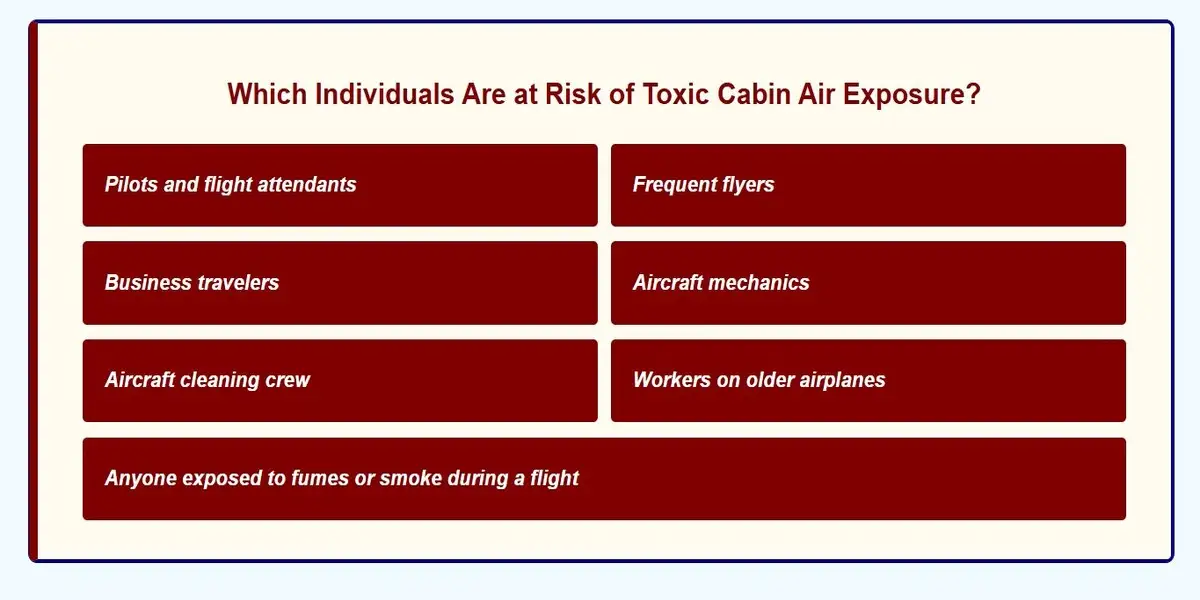
There are numerous adverse health effects that can be caused by Aerotoxic syndrome, whick include:
- Neurological symptoms: Memory impairment, headaches, disorientation, dizziness, tremors, balance problems, confusion, seizures, difficulty concentrating
- Respiratory symptoms: Sore eyes/nose/throat, wheezing, tightness in the chest, coughing, irritation, shortness of breath, respiratory failure
- Gastrointestinal symptoms: Vomiting, diarrhea, nausea
- Sensory symptoms: Tinnitus (ringing in the ears)
- Psychological symptoms: Panic attacks, anxiety, depression
- Long-term symptoms: Respiratory and neurological problems
- Other symptoms: Blood pressure spikes, aching muscles, nosebleeds, blurred vision, skin rashes, fatigue
The Two Main Causes of Aerotoxic Syndrome: Bleed Air & Fume Events
Aerotoxic syndrome is primarily linked to two sources in modern aircraft: bleed air and fume events. Both mechanisms can introduce harmful chemicals into the cabin, putting passengers and crew at risk.
Bleed Air
“Bleed air” is the term for air that enters an airplane’s cabin via its bleed air system—a network of regulators, valves, and ducts that channels air directly from the engines. This system pulls hot, pressurized air from the engine, cools it through the aircraft’s air conditioning unit, and then mixes it with recirculated (and filtered) cabin air before distributing it throughout the plane resulting in toxic cabin air exposure.
While recirculated air is filtered, bleed air itself typically undergoes little or no filtration during this cooling process. Because jet engines operate at extremely high temperatures, any filtration that does occur is often inadequate to remove all toxic fumes in an airplane.
This poses a serious problem: toxic engine oil, which may contain neurotoxic chemicals like tricresyl phosphates (TCPs), can leak into the bleed air. TCPs are known nerve agents that specifically target the central nervous system.
Additionally, bleed air is used to pre-pressurize an airplane’s hydraulic systems. These systems operate under high pressure and are prone to ruptures or leaks—referred to as “sweats”—which can further contaminate cabin air with hydraulic fluid fumes.
Concerns over these risks have led to individuals filing an Aerotoxic Syndrome Lawsuit alleging that airlines and manufacturers have long been aware of toxic oil fume dangers but failed to adequately monitor or prevent toxic fumes in an airplane.
Fume Events: When Toxic Vapors Invade
A “fume event” occurs when noxious vapors, smoke, or gases enter the airplane cabin—sometimes accompanied by strong odors described as oily, chemical-like, or reminiscent of “dirty socks.”During these events, a mix of airborne toxins contaminates cabin air resulting in toxic cabin air exposure. These include:‘
- Carbon monoxide (CO)from engine exhaust
- Carbon dioxide (CO₂) due to incomplete combustion
- Volatile organic compounds (VOCs)
- Semi-volatile organic compounds (SVOCs), such as TCPs and N-Phenyl-1-naphthylamine
The health risks are significant. CO poisoning can be fatal; chronic exposure may cause flu-like symptoms, numbness, sleep disturbances, vision issues, and cognitive impairment. Repeated exposure to chemicals like N-Phenyl-1-naphthylamine has been shown to damage organs over time.
Passengers and crew exposed during fume events may inhale these toxic airplane fumes—leading not only to acute symptoms but also potentially contributing to chronic illness.
Similar to issues around bleed air contamination, lawsuits have emerged claiming airlines have failed both to warn customers about fume event risks and to take appropriate preventative measures.
In Summary:
Both bleed air contamination and fume events represent serious threats to in-flight health due to their ability to introduce neurotoxic chemicals into aircraft cabins. Despite growing awareness—and mounting legal action—adequate monitoring and filtration remain pressing concerns for aviation safety advocates.
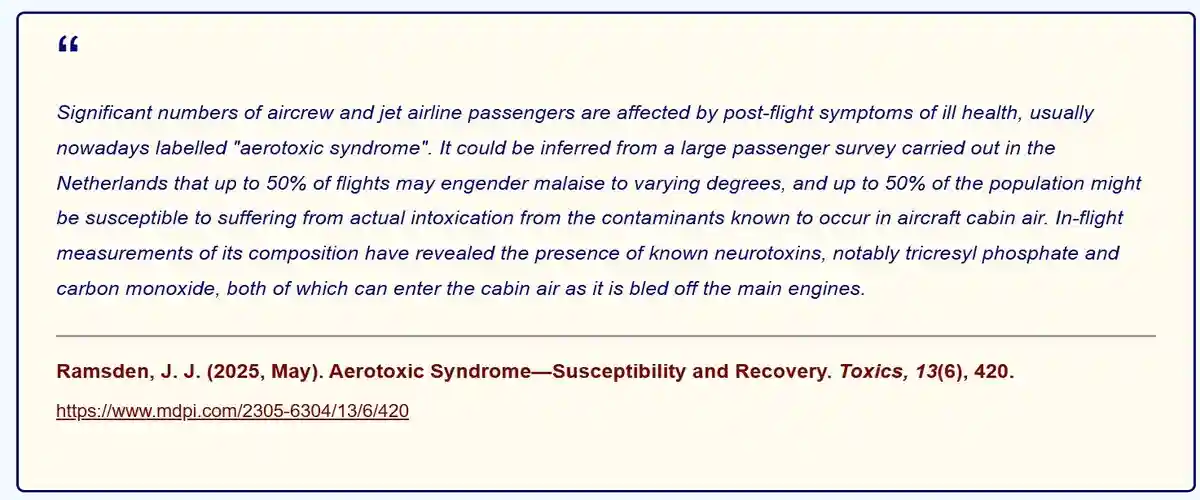
- A 2025 study reported that pilots’ cognitive performance differs from the performance of the general population, resembling that of groups who are exposed to organophosphates such as pesticides. The study also describes case studies involving neurological impairment after inhalation of toxic cabin air.
- A 2023 study stated that inhalation of hydraulic fluid and engine oil fumes on airplanes is “increasingly recognized” to lead to long-term and acute respiratory, neurological and cardiological symptoms.
- A 2024 study concluded that chronic exposure to nanoparticle aerosols, carrying derivatives of engine oil, may cause aerotoxic syndrome. The researchers advocate for nanoparticle measuring equipment being made available in cockpits for monitoring of bleed air.
When it comes to legal action for aerotoxic syndrome, there are several potential defendants who may be held responsible for toxic cabin air exposure:
- Aircraft manufacturers whose defective components or systems led to contamination
- Airlines that failed in their duty to protect passengers and crew from known risks
- Maintenance contractors or parts suppliers whose negligence contributed to the exposure
Who Can File an Aerotoxic Syndrome Lawsuit?
Individuals eligible to bring a lawsuit include:
- Flight crew members affected during their employment
- Maintenance workers exposed while servicing aircraft
- Passengers, including frequent flyers or those harmed in documented fume events—especially if airline negligence played a role
Legal Grounds for Filing a Claim
Lawsuits involving aerotoxic syndrome can be pursued under several legal theories:
- Product liability, particularly when ved (see CACI No. 1200)
- Negligence, for failure to maintain safe cabin air quality
- Workplace injury law, protecting employees exposed on the job
Airlines and aviation companies have a clear responsibility to ensure the safety of everyone onboard—not only by preventing toxic fume exposure, but also by addressing other hazards such as in-flight assaults.
The Current Litigation Landscape Involving Aerotoxic Syndrome
- Legal Precedent: A 2026 case saw a Redmond airline pilot prevail in a disability claim, setting a major precedent in US courts regarding toxic cabin fumes.
- International Recognition: A French court in late 2023 officially recognized aerotoxic syndrome, acknowledging that contaminated air poses a risk to both crew and passengers.
- Active Litigation: The number of pilots and crew members filing lawsuits for contaminated cabin air has increased significantly, with lawyers and unions pushing to hold manufacturers and airlines accountable for defective bleed air systems.
- Lawsuit Focus: Lawsuits often target “fume events” where oil or hydraulic fluid leaks into the cabin air supply, causing immediate illness and long-term health issues.

Common Allegations in Aerotoxic Syndrome Lawsuits
To build a strong case, you willl need to show that toxic cabin air exposure led to your symptoms. Key types of evidence include:
- Medical Records: Detailed documentation of your symptoms, diagnoses, and treatments is essential.
- Flight Logs: Records indicating when and where you were exposed help establish the timeline.
- Witness Testimony: Statements from coworkers or fellow passengers can support your account.
- Expert Analysis: Specialized assessments of cabin air quality can link your condition to toxic exposure.
If you or a loved one has been affected by aerotoxic syndrome, you may be eligible for various forms of compensation, including:
- Medical Expenses: Recover the cost of current and future medical bills related to your diagnosis and treatment.
- Lost Wages: Get compensation for income lost due to missed work from illness or medical appointments.
- Loss of Earning Capacity: If aerotoxic syndrome has impacted your ability to work—such as losing a job as a pilot or crew member—you may be entitled to damages for reduced earning potential.
- Pain and Suffering: Seek financial recovery for the physical pain, emotional distress, and mental anguish caused by your condition.
- Diminished Quality of Life: If your daily life and activities have suffered, you can pursue compensation for this loss.
- Wrongful Death: If a loved one has passed away due to aerotoxic syndrome, we can help your family obtain compensation to ease financial hardships during this difficult time.
Frequently Asked Questions
What is Aerotoxic Syndrome and how is it related to toxic cabin fumes?
Aerotoxic Syndrome is a term used to describe a range of acute and chronic symptoms that can occur after exposure to toxic cabin fumes on commercial aircraft. These fumes often result from a phenomenon known as “bleed air,” where air from the engines, which can sometimes be contaminated with engine oils or hydraulic fluids, is used for cabin pressurization and ventilation. When these chemicals leak into the bleed air system, they contaminate the cabin air, potentially exposing everyone onboard to harmful substances. Fume events—occasional incidents when these contaminants become noticeable—have been increasingly reported by both passengers and crew members. Over time, repeated exposure may lead to lasting health concerns, highlighting the importance of understanding Aerotoxic Syndrome and advocating for safer air travel.
What are the most common symptoms reported by crew members after a fume event?
After experiencing a fume event involving toxic cabin air, airline crew members often report a cluster of troubling symptoms. These include headaches, persistent brain fog, sudden memory loss, dizziness, nausea, respiratory issues while in-flight (such as coughing or shortness of breath), and extreme fatigue. Some individuals also experience eye irritation or unusual taste sensations. Notably, these symptoms can manifest immediately after exposure or develop gradually with repeated fume events over time. Crew members are particularly at risk due to their frequent flights and potential for multiple exposures. If you recognize any of these common symptoms following a flight, it’s important to seek medical attention promptly.
Can toxic cabin air cause memory loss or brain fog during or after a flight?
Yes, there’s growing evidence that exposure to contaminated cabin air during fume events can lead to cognitive issues like sudden memory loss and persistent brain fog. Many affected individuals—including both passengers and crew—describe feeling mentally “cloudy,” struggling to concentrate, or forgetting recent events after flying on planes where toxic fumes were present. These neurological symptoms are believed to result from inhaling chemicals such as organophosphates that may enter the bleed air system. Long-term effects are still being studied, but recurrent fume events have raised significant concerns about lasting cognitive impacts associated with Aerotoxic Syndrome.
How do I know if I’ve experienced a fume event on an airplane?
A fume event typically involves the presence of unusual odors in the aircraft cabin—often described as oily, musty, chemical-like, or even similar to dirty socks—which can indicate contaminated cabin air from the bleed air system. If you notice such smells during your flight and begin experiencing sudden symptoms like headaches, dizziness, respiratory issues while in-flight (such as coughing or chest tightness), or cognitive problems like memory loss or brain fog either during or soon after flying, it’s possible you’ve encountered a fume event. Documenting your symptoms and reporting them to airline staff can help with later medical evaluation and any necessary follow-up.
What should I do if I suspect I’ve suffered from Aerotoxic Syndrome after a flight?
If you believe you’ve been exposed to toxic cabin fumes—especially if you’re experiencing symptoms such as memory loss after a fume event—it’s crucial to act promptly. Seek medical attention for proper diagnosis and treatment; some doctors specialize in environmental medicine and may be familiar with Aerotoxic Syndrome. Keep detailed records of your flight (date, airline, flight number), describe any odors noticed onboard, list your symptoms (including respiratory issues while in-flight), and note when they began. Sharing this information with an Aerotoxic Syndrome lawyer can also be helpful if you choose to pursue legal action against the airline for health damages resulting from contaminated cabin air.