
Introduction to Demystifying Hair Dye and Cancer Risk
Tennessee Hair Dye Lawsuit: Hair dye is not a niche product. It is a mainstream consumer good used in homes and salons across Tennessee, often for decades, on a predictable schedule, and with limited attention to the fine print on the box. That routine use is precisely why product liability and hair dye lawsuits attract attention. When a product is used frequently and absorbed through the scalp, consumers reasonably ask a direct question: does long-term exposure increase cancer risk?
This article explains what is known, what is alleged, and what remains uncertain in 2026. It also clarifies how a “Tennessee hair dye lawsuit” typically fits into wider U.S. litigation patterns, what evidence usually matters, and what practical steps consumers can take now. The goal is clarity, not alarm, and context, not conjecture.
If you had frequent exposure to hair dye products, and were diagnosed with cancer, contact Tennessee Hair Dye Lawsuit Lawyer Timothy L. Miles yoday for a free case evaluation to see if you are eligible for a Tennessee hair dye lawsuit and potentionally entitled to substantial compensation in a Tennessee hair dye lawsuit. (855) 846-6529 or [email protected]

What People Mean by a “Tennessee Hair Dye Lawsuit”
A “Tennessee hair dye lawsuit” may refer to several legal scenarios:
- An individual product liability claim filed in a Tennessee state court (or removed to federal court) alleging that a hair dye caused or contributed to cancer or other injury.
- A Tennessee resident participating in broader, multi-state litigation, including coordinated proceedings where claims are centralized for efficiency.
- A consumer protection or labeling claim alleging misleading marketing, inadequate warnings, or undisclosed ingredients, even without a diagnosed cancer.
In most personal injury cases involving alleged cancer, plaintiffs commonly assert one or more of the following legal theories:
- Failure to warn: the manufacturer allegedly did not provide adequate warnings about carcinogenic risk, ingredient hazards, or safer use.
- Design defect: the formula allegedly could have been made safer through alternative ingredients or concentrations.
- Negligence: the manufacturer allegedly failed to test, monitor, or update safety information appropriately.
- Misrepresentation: marketing allegedly suggested “safe,” “gentle,” or “non-toxic” impressions inconsistent with known or knowable risks.
While the focus here is on hair dye products, it’s worth noting that other products like Dupixent, which have been linked to potential cancer risks as well. If you or someone you know has experienced health issues after using such products, it might be beneficial to explore legal avenues available for those affected.
Tennessee law has its own procedural and substantive rules, but the underlying scientific question typically remains consistent: general causation (can hair dye cause the type of cancer alleged?) and specific causation (did it likely cause the plaintiff’s cancer in their particular circumstances?).
Why Hair Dye and Cancer Risk Remains a Persistent Concern
Hair dye is not a single chemical. It is a category of formulations that can differ meaningfully by:
- Type: permanent, semi-permanent, demi-permanent, temporary.
- Color family and process: lightening, darkening, high-lift blondes, reds, fashion colors.
- Developer strength: peroxide concentrations vary.
- Use pattern: at-home vs. professional, frequency, duration, scalp condition, use of heat.
- Era of use: formulations have changed over decades as certain ingredients were restricted or replaced.
Cancer risk questions often intensify because the exposure profile is long-term. Many consumers begin coloring in their teens or twenties and continue for decades. Even a small incremental risk, if it exists, becomes more consequential when exposure is common and repeated.
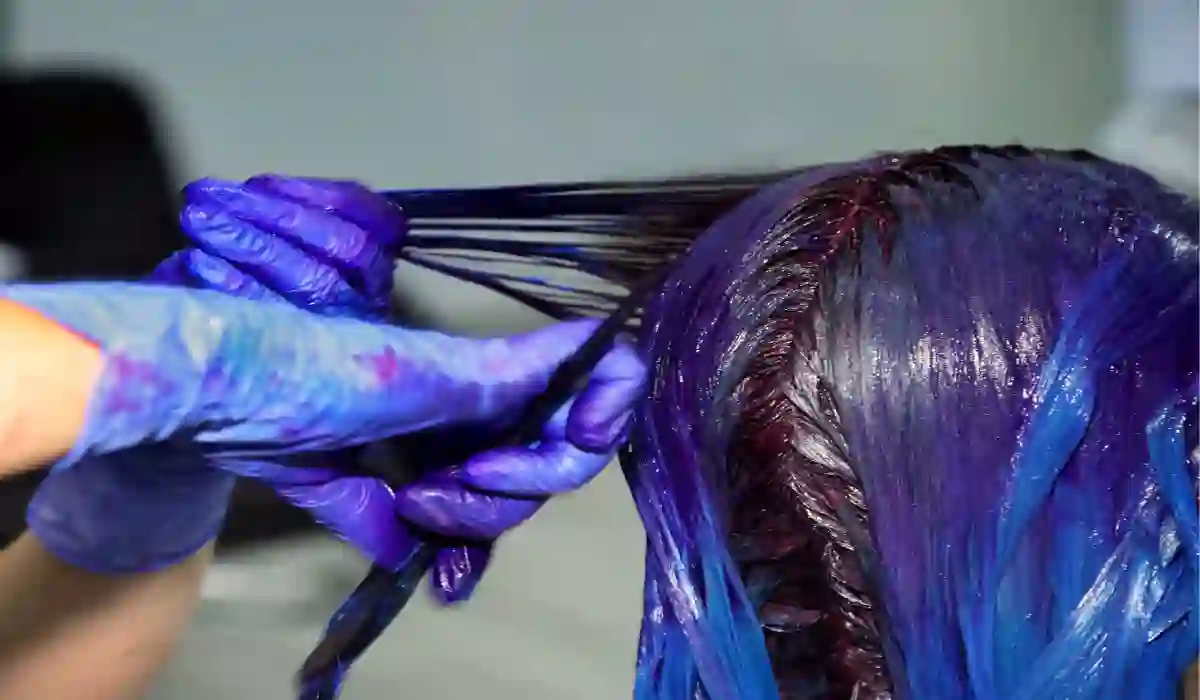
What Is in Hair Dye That Raises Red Flags
Hair dyes are complex mixtures. The ingredients of greatest legal and scientific interest are typically those that can be associated with carcinogenicity, mutagenicity, endocrine activity, or sensitization under certain conditions.
Common categories include:
- Aromatic amines and dye intermediates: used in oxidative (permanent) hair dyes to form color molecules inside the hair shaft. Some aromatic amines have raised toxicological concerns in other contexts.
- Hydrogen peroxide: used as an oxidizer in permanent dyes and lighteners; it can be irritating and can contribute to oxidative stress.
- Resorcinol: a coupler used in many permanent dye systems; often discussed for irritation and potential endocrine-related concerns.
- p-Phenylenediamine (PPD) and related compounds: commonly implicated in allergic reactions; also a focus in safety debates.
- Formaldehyde-releasing preservatives: present in some cosmetic products; whether present in a specific dye depends on the product and formulation.
- Fragrances and solvents: may contribute to irritation and sensitization, and they complicate exposure assessment.
A crucial governance point is definitional: hazard is not the same as risk. A substance may have hazardous properties under certain conditions or doses, but actual consumer risk depends on exposure route, concentration, frequency, metabolism, and duration.
This principle is not only applicable to hair dye but also relevant in other areas such as medication usage. For instance, the long-term use of certain medications like Depo-Provera has been linked to various health risks. The ongoing Depo-Provera lawsuit highlights some of these concerns.
The Science in Plain Terms: “Can It Cause Cancer?” vs. “Did It Cause My Cancer?”
Litigation requires translating public concern into evidence standards.
General Causation
General causation asks whether the product or exposure is capable of causing the disease in humans. For hair dye, this often depends on:
- epidemiological studies (population-level associations),
- mechanistic plausibility (how a chemical could contribute to carcinogenesis),
- animal toxicology (dose and species limitations apply),
- consistency and strength of observed associations.
Specific Causation
Specific causation asks whether hair dye exposure more likely than not caused an individual’s cancer, given their personal risk profile. This typically requires:
- a defensible exposure history (type of dye, frequency, years of use),
- latency considerations (time between exposure and diagnosis),
- evaluation of confounders (smoking, family history, occupational exposures),
- differential etiology (ruling in and ruling out plausible causes).
In practice, many cases struggle not because concern is irrational, but because the scientific signal can be mixed, and because individual cancer causation is difficult to isolate when multiple risk factors exist.
What Cancers Are Most Commonly Discussed in Hair Dye Claims
In public discourse and lawsuits, the cancers most often mentioned include:
- Bladder cancer
- Non-Hodgkin lymphoma
- Leukemias
- Breast cancer (less common in litigation framing, but often discussed by consumers)
- Other hematologic malignancies
The focus tends to be on cancers where certain chemical classes, including some aromatic amines, have historical associations in occupational settings. However, it is essential to distinguish occupational exposure from cosmetic consumer exposure. Occupational exposures can involve different doses, different airborne routes, and different protective practices.
Interestingly, similar concerns have arisen in relation to medications such as Dupixent. There are ongoing discussions about potential Dupixent cancer claims that reflect the same complexities seen with hair dye exposure. If you or a loved one has been affected by these issues related to Dupixent, seeking legal advice from a specialized Dupixent cancer lawyer may be beneficial.
What the Research Generally Suggests (Without Overstating It)
By 2026, the overall body of evidence remains nuanced. Across decades of study, researchers have explored whether personal hair dye use correlates with increased incidence of certain cancers. Some studies report associations in subgroups (for example, long-term use, darker dyes, specific eras, or particular genetic susceptibilities). Other studies find weak or no association.
Three points help interpret this landscape responsibly:
- Formulations change over time. Studies capturing “hair dye use” in the 1970s or 1980s may not reflect products sold today. This matters for both risk assessment and legal argument.
- Exposure measurement is imperfect. Many studies rely on self-reported use, broad categories like “ever vs. never,” and limited data on brand, chemistry, or scalp exposure.
- Cancer is multifactorial. Even if an association exists, it may be modest and may interact with other variables, including genetics and other chemical exposures.
A forward-looking takeaway is governance-oriented: when evidence is mixed but exposure is common, risk management should emphasize transparency, reformulation when feasible, and clear warnings that enable informed choice.
Regulatory Oversight: Why “Allowed on the Market” Does Not End the Debate
Consumers often assume that if a product is sold nationally, it has been “approved” as safe. In reality, cosmetic regulation in the United States operates differently from pharmaceuticals. Hair dyes can be subject to restrictions, labeling rules, and post-market enforcement, but the system is not structured like pre-market drug approval.
This regulatory posture produces predictable consequences:
- Manufacturers carry primary responsibility for ensuring safety and substantiating claims.
- Labeling becomes a central governance tool, particularly for foreseeable misuse and known sensitizers.
- Litigation often functions as a secondary accountability mechanism when consumers allege that risk information was insufficient or delayed.
In other words, a product’s legal sale is not the same as a definitive scientific conclusion about long-term carcinogenic risk under all patterns of use.
If you had frequent exposure to hair dye products, and were diagnosed with cancer, contact Tennessee Hair Dye Lawsuit Lawyer Timothy L. Miles yoday for a free case evaluation to see if you are eligible for a Tennessee hair dye lawsuit and potentionally entitled to substantial compensation in a Tennessee hair dye lawsuit. (855) 846-6529 or [email protected]
What Typically Drives Hair Dye Litigation
Most hair dye cancer cases rise or fall on a few recurring issues.
1) The Exposure Narrative Must Be Specific
General statements like “I dyed my hair for years” rarely carry legal weight without detail. Claims are stronger when the exposure history is documented and consistent:
- approximate start and end dates,
- frequency (monthly, every six weeks, weekly),
- permanent vs. semi-permanent,
- shade intensity,
- salon vs. home application,
- known brand names when available.
2) The Diagnosis and Timeline Must Make Sense
Cancer latency matters. A case typically requires a plausible interval between exposure and diagnosis. Plaintiffs may also need pathology details, staging, and treatment history to support medical causation analysis.
3) Competing Risk Factors Must Be Addressed
Defense counsel often highlights alternative explanations, such as:
- tobacco use (particularly relevant in bladder cancer),
- occupational chemical exposure,
- family history and genetic predisposition,
- prior radiation or chemotherapy exposure,
- environmental exposures.
Strong cases do not ignore these factors. They confront them with medical reasoning and structured causation analysis.

4) Internal Documents and Corporate Conduct Can Become Central
In product cases, litigation is not only about outcomes. It is also about process:
- what the company knew or should have known,
- whether safety testing was robust and updated,
- whether marketing implied heightened safety,
- whether warnings were clear, prominent, and actionable.
This is where corporate governance becomes more than a slogan. Proactive compliance, transparent risk evaluation, and disciplined documentation reduce both consumer harm and litigation exposure.
Tennessee-Specific Legal Considerations That Often Matter
Tennessee cases are governed by Tennessee procedural rules and substantive law, and they often intersect with the Tennessee Products Liability Act framework for product-related claims. While outcomes are fact-specific, several practical considerations commonly arise:
- Statutes of limitation: personal injury claims typically must be filed within a defined period after injury or discovery, and timing disputes are common in latent disease cases.
- Statutes of repose: Tennessee has time limits that can bar claims after a certain period tied to sale or product life cycle, even if an injury is discovered later, with exceptions that may or may not apply.
- Causation standards and expert testimony: plaintiffs generally need qualified expert opinions that meet admissibility standards. Methodology and scientific reliability are frequent battlegrounds.
Because these rules can be case-dispositive, anyone considering legal action should evaluate timelines early and preserve records immediately.
If you had frequent exposure to hair dye products, and were diagnosed with cancer, contact Tennessee Hair Dye Lawsuit Lawyer Timothy L. Miles yoday for a free case evaluation to see if you are eligible for a Tennessee hair dye lawsuit and potentionally entitled to substantial compensation in a Tennessee hair dye lawsuit. (855) 846-6529 or [email protected]
If You Are Concerned: A Practical Risk-Reduction Framework
This section is not medical advice. It is a governance-style checklist for consumers who want to reduce potential risk while maintaining personal autonomy.
1) Choose Lower-Exposure Practices
- Prefer application methods that minimize scalp contact when feasible.
- Reduce frequency or extend intervals between permanent dye sessions.
- Avoid leaving products on longer than directed.
2) Read Ingredient Disclosures and Product Instructions
Not all dyes are comparable. Look for:
- clear ingredient lists,
- clear warnings for sensitizers,
- patch test instructions,
- ventilation guidance.
3) Patch Test and Track Reactions
Allergic contact dermatitis is a well-established risk for some dye users. Maintain records of:
- reactions (itching, swelling, rash),
- product names and shades,
- dates of application.
This is useful for personal health decisions and, if needed, for documentation.
4) Use Protective Measures in the Home
- Wear gloves and use adequate ventilation.
- Avoid applying to broken or irritated skin.
- Keep products away from children.
5) Talk to a Clinician About Personalized Risk
If you have a cancer history, immunologic conditions, occupational chemical exposure, or strong family history, a clinician can help contextualize risk. Personalized medicine is, increasingly, a governance tool for personal decision-making.
If You Are Considering a Tennessee Hair Dye Lawsuit: What to Document Now
People often wait until they “feel ready” to gather records. That delay can weaken a case. If you are considering whether hair dye could be related to a cancer diagnosis, documentation should be treated as an immediate, practical priority.
Collect and preserve:
- Product evidence: boxes, bottles, shade numbers, receipts, loyalty account purchase histories.
- Photos: pictures of products in your home, screenshots of online orders.
- Salon records: appointment history, service notes, product lines used (if the salon will provide them).
- Medical records: diagnostic imaging, pathology reports, oncology notes, treatment timelines.
- Work and exposure history: jobs involving chemicals like those leading to aerotoxic syndrome, smoking history, known carcinogen exposure.
- Personal timeline: a simple chronology of dye use and health events.
These records support consistency. Consistency supports credibility. Credibility supports outcomes.
In light of potential legal action related to health issues stemming from hair dye use or other chemical exposures such as those associated with Trulicity, Saxenda, Zepbound, Mounjaro, or even silicosis due to occupational exposure,[documenting your experiences meticulously](https://classactionlawyertn.com/silicosis-lawsuit-334987445/) can significantly strengthen your case.
Common Misconceptions That Distort Decision-Making
“Natural” Means Safe
“Natural” is not a toxicological category. Botanical ingredients can irritate, sensitize, or contain contaminants. Safety is determined by composition, concentration, and exposure, not marketing language.
“No Warning Means No Risk”
Warnings are legal and regulatory artifacts. They can lag behind emerging evidence, and they vary across brands. Absence of a warning is not proof of absence of risk.
“One Study Proves It”
Causation is rarely proven by a single study. Courts and clinicians look for weight of evidence, consistency, dose-response patterns, and plausible mechanisms.
“If Risk Exists, It Must Be Large”
Some risks are small but real, and some are perceived but not supported. The appropriate posture is disciplined uncertainty: measure, monitor, update.
If you had frequent exposure to hair dye products, and were diagnosed with cancer, contact Tennessee Hair Dye Lawsuit Lawyer Timothy L. Miles yoday for a free case evaluation to see if you are eligible for a Tennessee hair dye lawsuit and potentionally entitled to substantial compensation in a Tennessee hair dye lawsuit. (855) 846-6529 or [email protected]
What Responsible Manufacturers Should Be Doing in 2026
From a corporate governance perspective, hair dye safety is a continuous obligation, not a one-time formulation decision. Companies that aim to reduce consumer harm and litigation exposure typically institutionalize the following:
- Ingredient-level hazard screening using current toxicological databases and updated scientific literature.
- Post-market surveillance that captures complaints, adverse reactions, and emerging signals.
- Reformulation roadmaps that replace higher-concern intermediates when feasible without sacrificing performance.
- Supply chain controls that prevent contamination and ensure batch consistency.
- Clear labeling and warnings written for consumer comprehension, not merely legal minimalism.
- Third-party testing and documentation discipline that stands up to regulatory and litigation scrutiny.
Repetition matters because governance is built on repetition. Test and retest. Monitor and monitor again. Communicate and communicate clearly.
However, the reality of product safety can sometimes be grim as seen in recent lawsuits related to Zepbound, which highlight significant risks associated with certain products leading to severe consequences such as blindness or vision loss. These cases serve as a stark reminder of the potential dangers lurking behind misleading marketing claims about product safety.

Where This Leaves Tennessee Consumers in 2026
The hair dye and cancer question is not answered by fear and not resolved by slogans. The evidence base is complex, exposure profiles vary, and formulations evolve. At the same time, long-term, repeated chemical exposure is a legitimate subject for scrutiny. Litigation often accelerates this scrutiny by forcing disclosure, expert debate, and public accountability.
For Tennessee consumers, the practical path forward is structured:
- Seek clarity on your personal exposure pattern.
- Seek clarity on the type of product used.
- Seek clarity from medical professionals when health concerns arise, such as potential vision loss from medications like Trulicity or Saxenda.
- Seek clarity on legal timelines if considering a claim related to harmful product exposure such as in a toxic fumes exposure lawsuit.
- Be aware that certain workplace exposures, like silica dust, can also lead to serious health issues.
Clarity supports better health decisions. Clarity supports better legal decisions. Clarity supports better corporate decisions. And in 2026, proactive clarity remains the most credible form of consumer protection.
Key Takeaways
- A “Tennessee hair dye lawsuit” can be an individual claim or participation in broader litigation; most hinge on failure-to-warn, defect, negligence, or misrepresentation theories.
- The core scientific issues are general causation and specific causation, and both require disciplined evidence.
- Hair dye formulations vary widely, and historical studies may not reflect modern products.
- Documentation matters: product proof, medical records, and a consistent exposure timeline are often decisive.
- Risk management is practical: reduce scalp exposure when feasible, follow instructions, track reactions, and discuss personalized concerns with a clinician.
- Strong corporate governance reduces risk through testing, surveillance, transparent labeling, and reformulation discipline.
In addition to hair dye lawsuits, there are various other legal avenues available for those suffering from adverse effects due to medical products. For instance, individuals experiencing aerotoxic syndrome due to toxic fume exposure can explore legal options. Similarly, those affected by side effects from the Depo-Provera contraceptive or its variants can seek justice through a Depo-Provera lawsuit.
Frequently Asked Questions about a Tennessee Hair Dye Lawsuit
What is a ‘Tennessee hair dye lawsuit’ and what legal scenarios does it include?
A ‘Tennessee hair dye lawsuit’ can refer to individual product liability claims filed in Tennessee courts alleging that hair dye caused cancer or injury, participation by Tennessee residents in broader multi-state litigation, or consumer protection and labeling claims about misleading marketing or inadequate warnings. These lawsuits often involve theories like failure to warn, design defect, negligence, or misrepresentation.
Does long-term use of hair dye increase the risk of cancer?
Long-term exposure to hair dye raises reasonable concerns because many consumers use these products frequently over decades. While some ingredients in hair dyes have hazardous properties under certain conditions, actual cancer risk depends on factors like exposure route, concentration, frequency, metabolism, and duration. Scientific consensus on causation remains complex and is central to ongoing litigation.
What ingredients in hair dye are associated with potential health risks?
Hair dyes contain complex mixtures including aromatic amines and dye intermediates, hydrogen peroxide, resorcinol, p-phenylenediamine (PPD), formaldehyde-releasing preservatives, fragrances, and solvents. Some of these compounds have been linked to carcinogenicity, mutagenicity, endocrine activity, or allergic reactions under certain conditions.
How do Tennessee hair dye lawsuits fit into wider U.S. litigation patterns?
Tennessee hair dye lawsuits may be part of individual state court cases or coordinated multi-state proceedings centralized for efficiency. They share common scientific questions about general causation (whether hair dye can cause the alleged cancer) and specific causation (whether it caused a particular plaintiff’s cancer), reflecting broader national litigation trends.
What practical steps can consumers take regarding hair dye safety?
Consumers should be informed about the ingredients in their hair dyes and follow usage instructions carefully. Awareness of potential risks does not mean alarm but encourages cautious use—such as limiting frequency of application and avoiding scalp irritation—to minimize exposure. Consulting healthcare professionals for concerns is advisable.
How do hazard and risk differ in the context of hair dye use?
Hazard refers to a substance’s inherent potential to cause harm under certain conditions or doses; risk considers actual likelihood based on how much exposure occurs through use. For example, a chemical might be hazardous if ingested in large amounts but pose minimal risk when used as directed in a cosmetic product like hair dye.