Introduction to Premises Liability in Tennessee

As a Nashville premises liability lawyer, I am well-aware of the fact that under Tennessee law, property owners have a significant duty that many fail to notice – they must keep their premises safe for visitors. My experience as a Nashville Premises Liability Lawyer shows how neglecting this responsibility leads to severe injuries and death of unsuspecting people.
Property owners who ignore their obligations leave victims with lasting pain and suffering. Tennessee law protects these victims through premises liability claims. The law allows injured parties to seek compensation if they’re 49% or less at fault for their injuries. Property owners need to maintain safety measures of all types. These include proper lighting, level flooring, security systems and working elevators.
This piece reveals what property owners must do to protect visitors. You will learn your rights as a visitor and everything about premises liability claims in Nashville. The information is significant to protect your interests if you own property or have suffered injuries from unsafe conditions.
Basic Property Owner Duties in Nashville
Nashville property owners have the most important responsibilities under Tennessee law. The Property Standards Division enforces strict maintenance codes. These codes ensure all structures meet health and safety requirements.
Legal safety requirements
Property owners must keep their premises fit and habitable while following Metro Building/Safety Codes. Their properties need safe exterior and interior structures, proper sanitation, and adequate utilities. On top of that, they must manage stormwater systems well and make repairs when needed.
The Davidson County Register of Deeds office handles all property-related documentation. This includes warranty deeds, deeds of trust, and property plats. Property owners must quickly fix potential hazards and maintain simple utilities throughout their properties.
Regular inspection schedules
Tennessee law does not require specific notice periods for property inspections. Professional property managers suggest getting a full picture every three to six months. These regular checks help spot maintenance issues early and meet insurance coverage requirements.
Property owners should schedule these types of inspections:
- Move-in and move-out inspections to document property condition
- Safety inspections for fire extinguishers, smoke alarms, and other critical features
- Seasonal maintenance checks to prevent deterioration
- Quarterly reviews of common areas and structural elements

Documentation needs
Nashville property owners must keep complete records. The Property Standards Division requires detailed documentation of:
- Property maintenance records and repair history
- Certificates of occupancy and compliance with building codes
- Survey documentation and zoning compliance certificates
- Professional service contracts and warranties
These documents have sensitive financial and personal information. They need secure storage in locked cabinets or encrypted digital systems. Metro Water Services stresses the importance of yearly inspection reports for stormwater control measures, especially for structures built after 2008.
Property owners risk legal consequences through premises liability claims if they don’t keep proper documentation or neglect maintenance duties. Tennessee law requires owners to maintain reasonably safe conditions for all visitors. They must take steps to prevent foreseeable harm.
The Property Standards Division keeps implementing new processes. These ensure neighborhoods stay healthy, safe, and livable for everyone. Property owners can protect themselves and provide secure environments for their occupants through regular inspections, proper documentation, and following safety requirements.
Hidden Safety Obligations Most Owners Miss
Property owners often overlook several safety obligations beyond regular maintenance. My experience as a premises liability lawyer shows these oversights can lead to serious legal risks.
Digital security requirements
Today’s property management needs strong digital security measures. Owners must set up complete surveillance systems, proper lighting, and working locks to keep tenants safe from criminal activities. Many skip these simple security measures and face preventable incidents.
Building owners should think over these vital digital safeguards:
- Installing surveillance cameras in parking lots and common areas
- Securing unmonitored access points
- Implementing background checks for employees
- Maintaining functional security systems
Emergency response plans
A well-laid-out emergency response plan protects property safety. Owners must assign specific roles, set up clear communication channels, and create detailed evacuation procedures. A response framework that works should include:
- Property-specific emergency scenarios
- Staff member responsibilities
- Detailed evacuation routes and meeting points
- Life-saving protocols for various scenarios
Seasonal maintenance duties
Seasonal maintenance requires attention throughout the year. Winter demands winterizing outdoor water hookups and annual chimney cleaning. Spring brings its own checklist:
- Testing smoke alarms and carbon monoxide detectors
- Inspecting furnaces and boilers
- Cleaning air vents and checking exterior connections
HVAC systems face their toughest test during summer months. Regular AC maintenance becomes vital before peak usage. Fall focuses on cold weather preparation, including pavement repairs and HVAC winterization.
Neglecting these duties can have severe consequences. Tennessee courts stress that liability comes from the owner’s “superior knowledge of the premises”. Therefore, owners become legally responsible when they ignore dangerous conditions or fail to take preventive steps.
Owners should keep detailed records of security measures, maintenance work, and incident reports to protect against claims. These documents become vital evidence in premises liability cases and show whether owners maintained safe conditions properly.

Common Property Hazards and Solutions
Property visitors face real dangers from falls and structural hazards. The Centers for Disease Control reports that all but one of five falls lead to serious injuries like broken bones or traumatic brain injuries. My experience as a Nashville premises liability lawyer shows how these incidents can shatter lives.
Structural risks
Property owners need to watch out for several key structural issues:
- Foundation and Support Issues: Building integrity checks help prevent major failures. Look for crumbling concrete, loose boards, and unstable railings.
- Stairway Safety: Stairs often cause injuries, so proper maintenance is vital. Key safety measures include:
- Firmly secured handrails
- Well-maintained carpet on steps
- Good lighting
- Clear stairways without obstacles
- Surface Hazards: Dangerous conditions arise from uneven floors, loose carpets, and damaged walkways. Owners should fix sidewalk cracks and keep walking surfaces stable throughout the property.
Environmental dangers
Environmental hazards create complex challenges that need active management. First Street, a leading climate risk data provider, points out that neighboring properties can face very different environmental risks.
Water-Related Risks: FEMA data shows floods are America’s most common and expensive natural disasters. Property owners should focus on:
- Good drainage systems
- Regular plumbing checks
- Preventing water buildup
Air Quality Concerns: Indoor air quality affects occupant health by a lot. Key areas include:
- Regular HVAC maintenance
- Good ventilation
- Moisture control to prevent mold
Chemical Safety: Household chemicals pose serious risks, especially to children. Safety measures must include:
- Original container storage
- Locked cabinets for toxic items
- Well-ventilated storage areas
Natural Hazard Protection: Properties need specific protection from environmental threats:
- Carbon monoxide detector installation
- Fire safety equipment upkeep
- Proper ventilation systems
Seasonal Challenges: Weather creates specific hazards each season:
- Ice and snow removal from walkways
- Good outdoor lighting
- Proper rain drainage
Property owners should get a full picture of these risks. This means checking weak points and adding safety measures based on their property’s specific needs.
The best protection comes from keeping detailed safety records and updating risk management plans regularly. Good assessment and maintenance can reduce liability risks substantially, though eliminating every risk remains impossible.
When Property Owners Face Legal Action
Legal battles about premises liability catch many property owners by surprise. My experience as a Nashville premises liability lawyer shows that knowing claim types and defense strategies makes a huge difference in case outcomes.
Types of premises liability claims
Property liability cases cover many incidents that happen on someone’s property. Here are the most common claims we see:
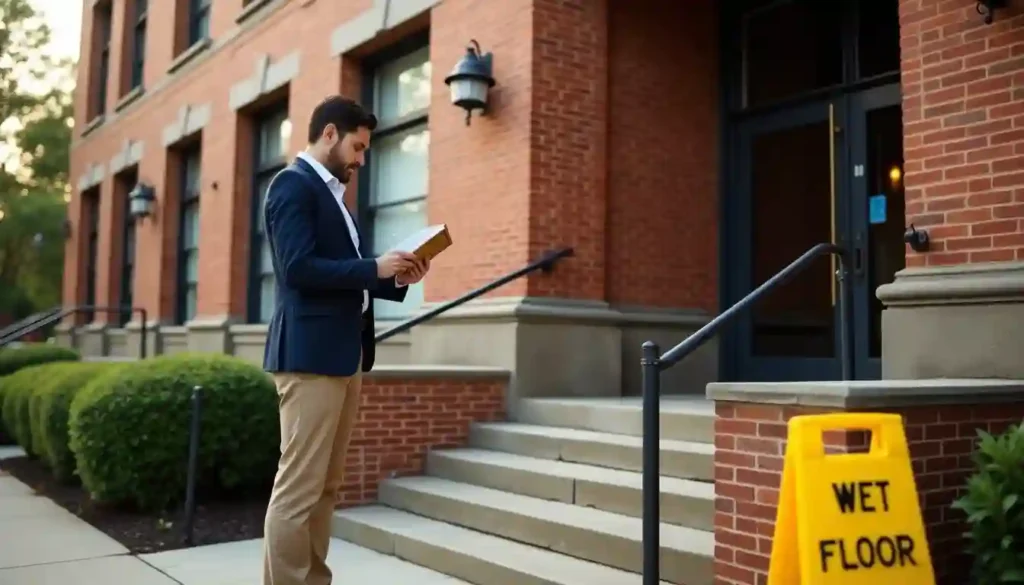
- Slip and fall accidents: These cases are the foundations of premises liability cases in Nashville
- Defective construction: Cases where bad construction creates unsafe conditions
- Inadequate security: Cases where poor security leads to assault or criminal conduct
- Swimming pool accidents: Cases with children or toddlers hurt in pools without proper fencing
- Dog bite incidents: Nashville sees many dog attacks, making this a growing issue

Legal defense options
Property owners have several ways to defend against these claims. The “open and obvious” doctrine says owners don’t owe a duty of care if visitors could clearly see the hazard. This defense works well when visitors don’t use reasonable caution.
These defense strategies also work:
Contributory negligence: The owner’s liability drops or disappears if the injured person’s careless behavior contributed to their injuries.
Lack of notice: Owners might avoid liability if they prove they didn’t know about dangerous conditions despite regular inspections.
Plaintiffs must prove four things to win a premises liability claim:
- The property owner had a duty of care
- They failed this duty through negligence
- This failure directly caused injury
- The victim suffered damages
Insurance coverage limits
Commercial General Liability (CGL) policies usually protect against premises liability claims. These policies cover accidental injuries or property damage. Property owners should know about:
Standard Coverage Components:
- Premises liability coverage
- Products liability protection
- Completed operations insurance
Major Exclusions:
- Intentional injury
- Liquor liability
- Workers compensation
- Pollution damage
Property owners need good records of safety measures and incident reports. These documents become key evidence in court. Insurance companies often challenge their policyholder’s liability or try to pay less compensation.
Smart property owners review their insurance policies regularly and look at extra coverage options. Cases depend heavily on negligence and whether harm could have been predicted. Good insurance coverage and strong safety measures help protect against potential claims.
Steps to Protect Your Property and Visitors
Property protection works best when safety audits and visitor protocols go hand in hand. My work as a Nashville premises liability lawyer has taught me that systematic safety measures cut down accident risks.
Safety audit checklist
A complete safety audit spots potential hazards early. Property owners need regular inspections that focus on these vital areas:
Structural Elements:
- Foundation integrity and support systems
- Stairways, handrails, and walkways
- Exterior walls and roofing components
- Electrical and plumbing systems
Documentation Requirements:
- Maintenance records and repair history
- Professional service contracts
- Inspection reports with dates and photographs
- Emergency response protocols
Your property’s protection depends on solid asset planning. Skip the secret accounts and focus on organizing assets through favorable entities and agreements. Swift identification of lease violations or maintenance issues helps protect your property’s value.
Visitor communication protocols
Good visitor management keeps everyone safe and protects against liability issues. Property owners should put these vital protocols in place:
Registration Process: Each visitor needs to complete a standard check-in process with valid ID and purpose of visit. This system helps with:
- Uniform recording of guest information
- Easy retrieval of visitor data
- Generation of activity reports
- Better security investigations
Identification Systems: A strong visitor identification system should include:
- Temporary badges with photos
- Time-expiring credentials that change color overnight
- Clear markers for different visitor types
Emergency Procedures: Your emergency protocols should spell out:
- Evacuation routes and assembly points
- Communication channels during incidents
- Staff responsibilities and response procedures
Property owners’ records of safety measures and incident reports often become vital evidence in premises liability cases. Safety inspections should happen yearly at minimum, with extra reviews between lease terms.
The best protection comes from these preventive steps:
- Install good lighting in dim areas
- Keep secure locks on all access points
- Update security systems regularly
- Put up clear signs for restricted areas
Note that property owners bear legal responsibility when they ignore dangerous conditions or skip needed preventive measures. Good records of security protocols, maintenance work, and incident reports show your due diligence in premises liability cases.
These guidelines and proper documentation will reduce your liability risk and create a safer space for visitors. Regular updates to security systems and protocols help prevent accidents and protect both property and visitors.
Conclusion
Property ownership brings substantial responsibilities that go way beyond simple maintenance. My experience as a Nashville premises liability lawyer shows how proper safety measures prevent devastating accidents and legal battles that can get pricey.
Good property management needs three key elements: regular safety audits, proper documentation, and clear visitor protocols. Smart property owners keep detailed records of safety measures. They also conduct thorough inspections to protect themselves and their visitors.
Tennessee law makes property owners accountable for keeping their premises safe. Eliminating every risk might seem daunting, but taking proactive steps substantially reduces your exposure to liability. Quick action on potential hazards helps prevent serious injuries that could change someone’s life forever.
Safe properties create a winning situation for visitors and owners alike. These safety measures need your attention today because your visitors’ wellbeing and legal protection depend on it.
FAQs
Q1. What are common types of premises liability claims? Common premises liability claims include slip and fall accidents, injuries from defective construction, incidents due to inadequate security, swimming pool accidents, and dog bite cases. These claims arise when property owners fail to maintain safe conditions for visitors.
Q2. How can property owners protect themselves from premises liability lawsuits? Property owners can protect themselves by conducting regular safety audits, maintaining detailed documentation of all safety measures and repairs, implementing clear visitor communication protocols, and ensuring adequate insurance coverage. Regular inspections and prompt addressing of potential hazards are crucial.
Q3. What are some hidden safety obligations that property owners often overlook? Often overlooked safety obligations include digital security requirements (like surveillance systems and access control), comprehensive emergency response plans, and seasonal maintenance duties. Property owners should also pay attention to environmental hazards and structural risks that may not be immediately apparent.
Q4. How long does it typically take to resolve a premises liability case? The duration of a premises liability case can vary significantly, ranging from a few months to several years. The timeline depends on factors such as the complexity of the case, the severity of injuries, and whether the case settles or goes to trial.
Q5. What defenses can property owners use in premises liability cases? Property owners can use several defenses in premises liability cases, including the “open and obvious” doctrine (where the hazard was clearly visible), contributory negligence (if the injured party contributed to their own injuries), and lack of notice (proving they were unaware of the dangerous condition despite reasonable inspection efforts).
Contact Nashville Premises Liability Lawyer Timothy L. Miles Today
If you have been injured due to a property owner’s negligence in Nashville, don not hesitate to protect your rights. Contact Timothy L. Miles, a skilled Nashville premises liability lawyer, today for a free consultation. (855) 846-6529 or [email protected].
Timothy L. Miles, Esq.
Law Offices of Timothy L. Miles
Tapestry at Brentwood Town Center
300 Centerview Dr. #247
Mailbox #1091
Brentwood,TN 37027
Phone: (855) Tim-MLaw (855-846-6529)
Email: [email protected]
Website: www.classactionlawyertn.com