
Introduction to the Profundity of Hiring a Saxenda Vision Loss Lawyer
- Experienced Saxenda Vision Loss Lawyer: When faced with a potential lawsuit related to Saxenda Vision Loss Lawsuit, it is crucial to have a skilled and experienced Saxenda Vision Loss Lawsuit on your side. These legal professionals possess the necessary knowledge and experience to navigate the complex legal landscape and ensure your rights are protected.
- Saxenda: Represents a significant advancement in pharmaceutical interventions for weight management, having secured U.S. Federal and Drug Administration (FDA) approval as a prescription medication containing liraglutide, a GLP-1 receptor agonist. This FDA-approved weight loss medication has provided patients struggling with obesity a clinically validated treatment option when combined with diet and exercise modifications. The medication functions by mimicking natural hormones that regulate appetite and food intake, thereby facilitating sustained weight reduction in eligible candidates.
- Complex Litigation: The complexity of pharmaceutical liability cases demands professional legal guidance to protect the rights and interests of affected individuals. For more insights into related legal matters such as class actions and mass torts involving dangerous drugs or defective products, you can refer to this authoritative legal blog which provides valuable information on these topics.
- Saxenda Vison Issues: Recent developments have brought significant attention to potential ocular complications associated with Saxenda use. Reports of serious Saxenda vision side effects, including vision loss and blindness, have prompted a tidal wave of lawsuits against the manufacturer, Novo Nordisk These concerns have materialized into the Saxenda Vision Loss Lawsuit with patients seeking representation from legal professionals, including Saxenda Vision Loss lawyers, to address alleged inadequate warnings regarding vision-related risks.
- Saxenda Vision Loss Lawyer: If you or a loved one has experienced such adverse effects from Saxenda, it may be beneficial to consult with a law firm practicing in these types of cases. The Law Offices of Timothy L. Miles, known for his experience in class action lawsuits and mass torts, could provide the professional legal guidance required to navigate these complex situations. Call today for a free case evaluation. (855) 846–6529 or [email protected].
- Other GLP-1 Drugs: Moreover, if your vision loss is linked to another medication like Mounjaro, which is also based on tirzepatide, or Trulicity you might want to explore options related to a Mounjaro vision loss lawsuit or a Trulicity vision loss lawsuit. Such cases highlight the need for competent legal representation in securing justice for those affected by harmful pharmaceuticals. (855) 846–6529 or [email protected].
(855) 846–6529: IT IS THE ONLY CALL YOU WILL HAVE TO MAKE
What is Saxenda?
- Saxenda: Is a prescription medication specifically designed for long-term weight management in adults. It contains an active ingredient called liraglutide, which works as a GLP-1 receptor agonist.
- Regulates Metabolism: This means that Saxenda mimics the action of certain hormones in the body to help control appetite and regulate metabolism.
How Saxenda Works
- Liraglutide:, The active component of Saxenda, interacts with GLP-1 receptors found in various organs such as the brain, pancreas, and gastrointestinal tract.
- Binds to Receptors: By binding to these receptors, it triggers a series of physiological responses that affect how the body processes food and regulates energy balance.
Mechanism of Appetite Control
Saxenda primarily helps with weight management through three main mechanisms:
- Brain Regulation: The medication activates specific areas in the brain responsible for signaling fullness, which reduces hunger cravings and increases satisfaction after meals.
- Stomach Emptying Delay: Liraglutide slows down the emptying process of the stomach, leading to prolonged feelings of fullness and fewer instances of hunger.
- Insulin Secretion Enhancement: The drug stimulates insulin release in response to glucose while inhibiting inappropriate glucagon secretion, resulting in better blood sugar control.
Who Can Benefit from Saxenda?
Healthcare professionals prescribe Saxenda for individuals who meet certain criteria:
- Adults with a body mass index (BMI) of 30 kg/m² or higher
- Adults with a BMI of 27 kg/m² or higher who also have at least one weight-related health condition such as high blood pressure, type 2 diabetes, or abnormal lipid levels
It’s important to note that Saxenda is not intended to be used alone. To achieve the best results, it should be combined with a calorie-reduced diet and increased physical activity.
How is Saxenda Administered?
Saxenda comes in a pre-filled injection pen. It is injected under the skin (subcutaneously) once a day. The dosage may gradually increase until reaching the maintenance dose of 3.0 mg.
COMMON SIDE EFFECTS PROFILE OF SAXENDA

Potential Vision Risks Associated with Saxenda
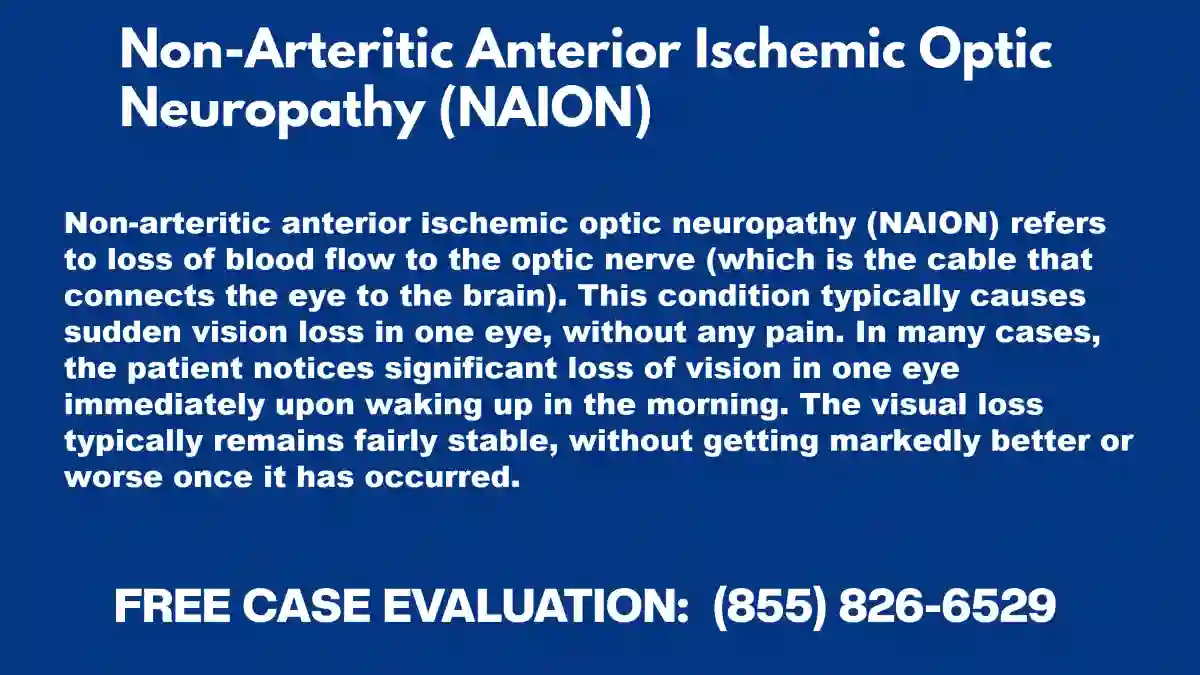
One potential concern associated with Saxenda use is its possible link to vision problems, specifically Non-Arteritic Anterior Ischemic Optic Neuropathy (NAION). NAION is a condition characterized by sudden loss of vision due to insufficient blood flow to the optic nerve.
The exact relationship between Saxenda and NAION is not fully understood, but there are theories suggesting that the cardiovascular effects of GLP-1 receptor agonists like liraglutide could impact blood supply to the optic nerve in susceptible individuals. This may result in ischemic events within the small blood vessels supplying the optic nerve.
Reports of Vision Issues with Saxenda
- Saxenda Vision Problems: Some patients using Saxenda have reported experiencing blurry vision or other visual disturbances. In certain cases, these complaints have progressed to more severe complications such as macular edema—a condition involving swelling in an area of the retina responsible for central vision.
- Saxenda Vision Loss Lawsuit: These serious side effects raise concerns about potential legal actions against Novo Nordisk related to these adverse reactions. If users have experienced significant eyesight problems while taking Saxenda similar to those reported by Saxenda users who developed vision issues after using that drug, it may be advisable to consult with a lawyer practicing in Saxenda vision loss cases.
Other Saxenda Vision Changes Linked to its Use
Beyond dry eyes, patients using the medicine have documented a spectrum Saxenda vision changes that warrant clinical attention. These Saxenda vision problems extend to various ocular manifestations, each presenting distinct challenges for individuals undergoing weight management therapy with this GLP-1 receptor agonist.

Blurry Vision and Visual Disturbances
Saxenda blurry vision represents a significant concern among patients, with reports indicating episodes of reduced visual acuity that can occur at various points during treatment. These Saxenda vision side effects manifest as:
- Intermittent loss of visual clarity affecting near or distance vision
- Difficulty focusing on objects, particularly during reading or computer work
- Fluctuating vision quality throughout the day, often correlating with medication timing
- Temporary inability to distinguish fine details or read small print
The impact of Saxenda and blurry vision on daily life extends beyond mere inconvenience. Patients have reported challenges with essential activities such as driving, particularly during nighttime conditions, and performing work-related tasks requiring visual precision. The unpredictable nature of these episodes creates additional concern, as individuals cannot anticipate when visual clarity may diminish. Some patients describe the sensation as viewing objects through a fog or experiencing a film-like obstruction across their visual field.
The mechanism underlying these Saxenda vision side effects may relate to alterations in blood glucose levels, fluid retention patterns, or direct effects on ocular tissues. Clinical observations suggest that some patients experience these symptoms during dose escalation phases, while others report persistent issues throughout their treatment duration.
Saxenda and Eye Floaters
Saxenda and eye floaters represent another dimension of Saxenda vision side effects associated with this medication. Eye floaters appear as small, dark shapes that drift across the visual field, manifesting as:
- Spots or specks that move when attempting to focus on them
- Thread-like strands or cobweb patterns
- Shadow-like formations in peripheral vision
- Increased visibility against bright backgrounds
The significance of these Saxenda eye problems extends beyond typical age-related floaters. Emerging evidence suggests a potential connection between Saxenda use and retinal fluid accumulation, a condition that may precipitate or exacerbate floater development. Retinal swelling, medically termed macular edema, can alter the vitreous humor composition, leading to increased floater formation. This retinal fluid accumulation requires immediate medical evaluation, as it may indicate more serious underlying pathology affecting the posterior segment of the eye.
Importance of Legal Representation
- Saxenda Vision Loss Lawyer: Furthermore, these instances underscore the significance of having legal representation for whistleblowers who may come forward with critical information regarding side effects associated with these medications or any corporate wrongdoing tied to their marketing and distribution practices. A whistleblower lawyer can offer valuable guidance in such situations.
- Saxenda Eye Side Effects: While Saxenda provides an effective option for managing weight, it is crucial for potential users to be aware of its associated risks and remain vigilant for any adverse effects—particularly Saxenda vision problems—that may occur during its usage.
Who May Qualify for a Saxenda Vision Loss Lawsuit? Understanding Eligibility Criteria
Determining who is eligible for a Saxenda Vision Loss Lawsuit requires careful evaluation of specific medical and circumstantial factors. Individuals who developed serious ocular complications following Saxenda use may qualify for lawsuit Saxenda vision loss if their circumstances align with established legal criteria.
Primary Eligibility Requirements:
- Confirmed NAION Diagnosis: Medical documentation from a qualified ophthalmologist establishing non-arteritic anterior ischemic optic neuropathy as the diagnosis represents a fundamental requirement for those seeking to qualify for a Saxenda Vision Loss Lawsuit
- Temporal Relationship: Evidence demonstrating the vision impairment occurred during active Saxenda treatment or within a reasonable timeframe following medication use
- Documented Vision Loss: Medical records substantiating the severity and permanence of Saxenda and vision loss, including visual field tests, optical coherence tomography results, and clinical examination findings
- Prescription History: Verifiable records confirming Saxenda was prescribed and used as directed for weight management purposes
Additional Qualifying Factors:
- Eligible for a Saxenda Vision Loss Lawsuit: Individuals who experienced other serious Saxenda vision problems beyond NAION may also be eligible for a Saxenda Vision Loss Lawsuit. These conditions include sudden vision deterioration, optic nerve damage, or permanent visual field deficits requiring ongoing medical intervention.
- Pre-existing Conditions: The absence of pre-existing conditions that could independently explain the vision loss strengthens eligibility. Medical histories demonstrating no prior optic nerve disorders, uncontrolled diabetes, or vascular diseases affecting ocular blood flow support causation arguments linking Saxenda use to subsequent vision impairment.
- Documentation Requirements: Extend beyond medical records to include pharmacy records, insurance claims, and correspondence with healthcare providers regarding the medication. Comprehensive record-keeping significantly impacts the viability of pursuing legal remedies through a Saxenda Vision Loss Lawsuit.
- Other GLP-1 Drugs: In addition to Saxenda, other weight management medications like Zepbound and Mounjaro have also been linked to serious vision complications. For instance, individuals who took Zepbound and developed vision problems may want to consult with a Zepbound vision loss lawyer about a potential Zepbound vision loss lawsuit. Similarly, those affected by Mounjaro could explore legal options related to their specific circumstances.
Frequently Asked Questions About Saxenda Vision Side Effects
How common are Saxenda Vision Problems?
Saxenda Vision Problems are considered rare with Saxenda use, but recent studies have linked it to an increased risk of a serious condition called NAION which can cause sudden and permanent vision loss. Other potential Saxenda eye issues include short-term vision changes, and for those with diabetes, a possible increased risk of developing or worsening diabetic eye conditions like macular degeneration or retinopathy.
What should I do if I experience any Saxenda Vision Side Effects?
If you notice any changes in your vision—such as Saxenda and blurry vision, double vision, seeing spots or flashes, eye pain, or sudden loss of sight—stop using Saxenda immediately and contact your healthcare provider without delay. Vision problems can signal underlying conditions like increased intraocular pressure, retinal issues, or even stroke-like events that require urgent assessment.
Your doctor will likely perform a complete eye examination and may refer you to an ophthalmologist for further evaluation. They will also review your medication history and may conduct blood tests to rule out other causes such as uncontrolled blood sugar levels or hypertension.
Do not resume Saxenda until your doctor has determined it is safe to do so. Early intervention greatly improves the chance of recovery if the problem is drug-related.
Can a lawyer help with a Saxenda Vision Loss Lawsuit?
Yes—a lawyer experienced in pharmaceutical litigation can assess your case and help determine if you are eligible for a Saxenda Vision Loss Lawsuit due to alleged harm from Saxenda. Contact Saxenda Vision Loss Lawyer Timothy L. Miles for a free case evaluation. (855) 846–6529 or [email protected].
How soon can vision problems appear after starting Saxenda?
Saxenda Vision problems could theoretically occur at any time during treatment but are most likely within the first few weeks if they are related to the medication.
Is there evidence linking Saxenda vison problems?
While research is ongoing, there have been reports and clinical studies suggesting a possible association between GLP-1 drugs like Saxenda and certain Saxenda vision problems.
Who qualifies for a Saxenda Vision Loss Lawsuit?
Generally, individuals who developed significant eye problems or suffered vision loss after using Saxenda—and who believe the drug contributed to their condition—may qualify for a Saxenda Vision Loss Lawsuit.
Are there serious risks associated with Saxenda?
Yes. In addition to common side effects, some users have reported more serious complications such as pancreatitis, kidney problems, severe allergic reactions, and possible thyroid tumors and Saxenda eye problems.
