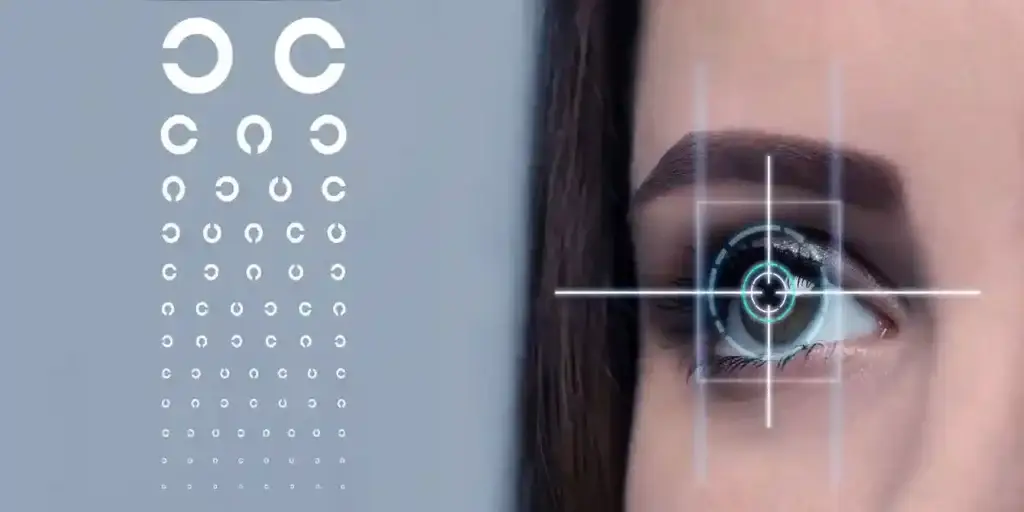
Introduction to Hiring a Trulicity Vision Loss Lawyer
Welcome to this authorative guide on the necessity of hiring a Trulicity Vision Loss Lawyer. The decision to retain counsel after a serious medical injury is rarely impulsive. It is typically the result of careful observation, methodical fact gathering, and a sober assessment of what is at stake.
When the injury involves vision loss, the stakes become immediate and lifelong, touching independence, employment, mobility, and personal dignity. In that context, hiring a Trulicity vision loss lawyer does not merely signal a desire to file a claim. It reflects discernment. It reflects prudence. It reflects a perspicacious judge of character who understands that accountability, integrity, and competent advocacy matter.

Trulicity, known by its generic name dulaglutide, is a prescription medication in the GLP-1 receptor agonist class. It is commonly used to help manage Type 2 diabetes and, in certain clinical circumstances, to reduce cardiovascular risk. As GLP-1 medications have become increasingly prevalent, public and clinical attention has also expanded, including scrutiny of potential adverse events such as blurry vision, macular edema, NAION, and other severe ocular injuries linked to their use.
This article explains why hiring a Trulicity vision loss lawyer is a rational and forward-looking step for individuals who suspect a connection between medication use and severe ocular injury. It also clarifies what a lawyer in this niche typically evaluates, how the legal process is structured, and what responsible claimants can do to preserve evidence and protect their future.
If you were prescribed Trulicity and took it as directed and suffered Trulicity and vision loss, Trulicity and NAION, or other severe Trulicity eye problems, contact Timothy L. Miles, a Trulicity Vision Loss Lawyer today as you could be eligible for a Trulicity vision loss lawsuit and potentially be entitled to substantial compensation. (855) 846–6529 or [email protected].
The Meaning Behind the Choice to Seek Counsel
Some decisions convey values. Hiring a lawyer after suspected medication-related vision loss often communicates three qualities.
First, it communicates seriousness. Vision loss is not a transient side effect. It is frequently permanent, expensive, and functionally limiting. A person who recognizes this reality and acts early is demonstrating sound judgment.
Second, it communicates respect for process. Pharmaceutical injury claims are evidence-driven. They are not about speculation or generalized fear; they require rigorous examination of medical records and timelines regarding Trulicity’s eye issues, warnings provided by the pharmaceutical company, causation analysis, and corporate conduct.
Third, it communicates an insistence on accountability. Product safety depends on transparent labeling, appropriate warnings, responsive monitoring, and ethical decision-making. When harm occurs due to medications like Trulicity or other similar drugs such as Zepbound or Mounjaro which have also been associated with vision loss, seeking legal recourse becomes essential in holding these corporations accountable for their actions.
Engaging that system thoughtfully is not opportunism; it is governance in action.
Understanding Trulicity in Clinical and Risk Context
Trulicity (dulaglutide) is administered by injection, typically once weekly. It works by mimicking incretin hormones that stimulate insulin secretion, suppress glucagon release, and slow gastric emptying. For many patients, it is an important tool for glycemic control.
However, any medication with systemic metabolic effects can create complex clinical dynamics. Glycemic fluctuations, changes in blood pressure, vascular stress, and rapid shifts in metabolic control can interact with underlying risk factors. Patients with diabetes may already be vulnerable to ocular complications, including diabetic retinopathy and macular edema. That baseline vulnerability does not automatically assign blame to the patient. It underscores why risk communication and individualized monitoring are essential.
A careful legal inquiry does not start from the assumption that Trulicity “caused” vision loss. It starts with questions that can be answered.
- What was the patient’s ocular health before Trulicity initiation?
- What was the dosing history and duration of use?
- What were the blood glucose trends and A1C changes during use?
- When did symptoms begin, and what did the first ophthalmic evaluation document?
- What diagnoses were made, and were alternative causes reasonably excluded?
- What did the labeling, risk materials, and prescribing information convey at the time?
If you or a loved one has experienced vision loss potentially related to Trulicity usage, it’s crucial to consult with a Trulicity vision loss lawyer who can help navigate these complex questions through an organized, professional investigation.
Vision Loss Is Not a Single Event, but a Spectrum of Injuries
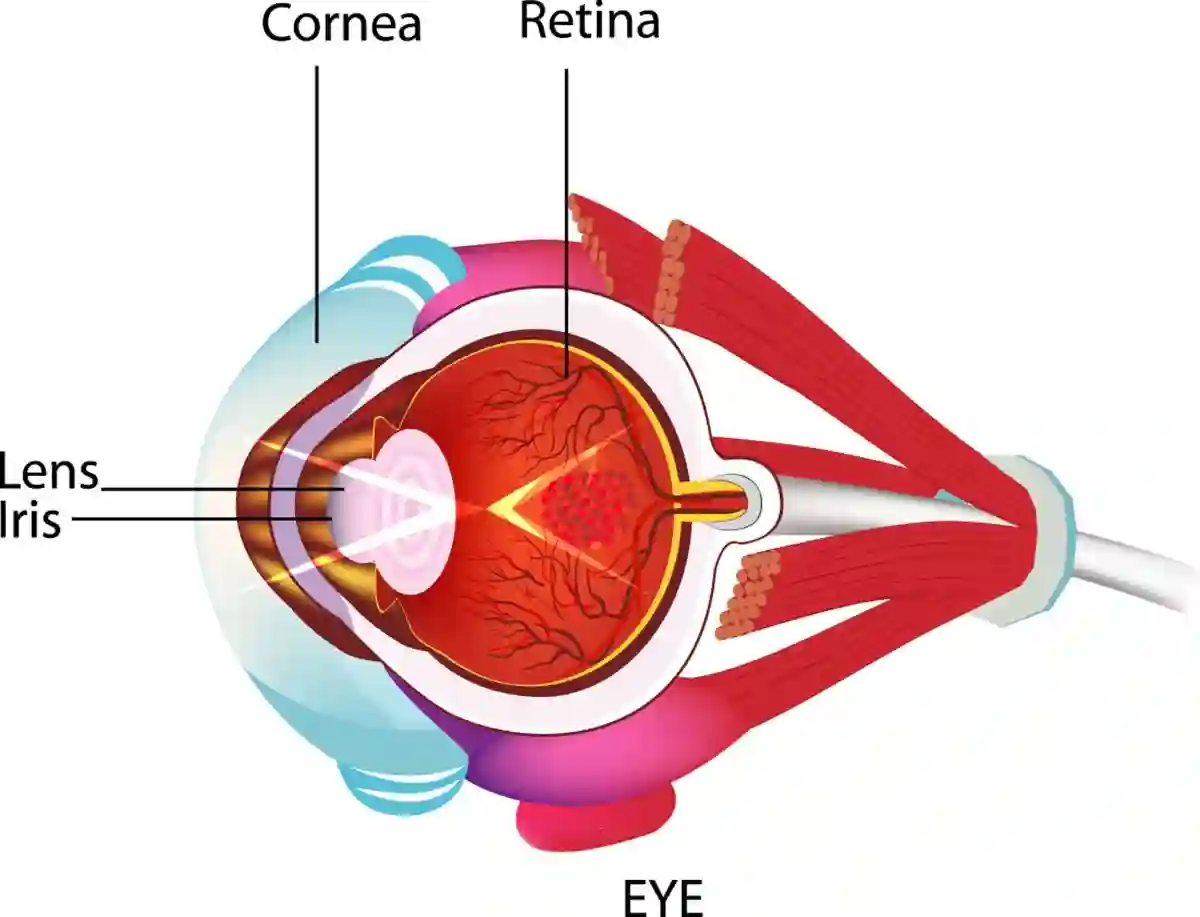
“Vision loss” is a broad term that can describe a range of clinically distinct injuries, from partial impairment to profound blindness. It can be sudden or progressive. It can involve one eye or both. It can stem from retinal disease, optic nerve injury, vascular occlusion, or other mechanisms.
In legal practice, specificity matters because diagnosis informs causation analysis and damages valuation. Examples of vision-related harm that may trigger further investigation include:
- sudden blurred vision or loss of acuity
- scotomas (blind spots) and field loss
- retinal bleeding or swelling observed on imaging
- optic nerve changes or ischemic findings
- documented retinal vascular events
- severe progression of pre-existing retinopathy temporally associated with medication initiation or escalation
If you find yourself facing such circumstances following Trulicity use, it may be time to consider a Trulicity vision loss lawsuit to seek justice for your suffering.
A lawyer does not replace a physician. Rather, counsel ensures the medical narrative is accurately captured, preserved, and evaluated through appropriate expert channels.
Why Experienced Counsel Matters in Pharmaceutical Injury Claims
Product liability and pharmaceutical litigation are technical domains. They require more than general litigation competence. They require fluency in regulatory standards, labeling practices, causation science, and corporate documentation.
A Trulicity vision loss lawyer typically assesses a case through several core lenses.
1) Medical causation and differential diagnosis
Causation is often the most contested issue. To prove a claim, it is usually necessary to show both general causation (whether a drug can cause a type of injury) and specific causation (whether it likely caused the injury in the claimant’s case). This may involve ophthalmology experts, endocrinology experts, pharmacology experts, and review of peer-reviewed literature.
2) Warning adequacy and risk disclosure
A central question in many pharmaceutical cases is whether warnings were clear, timely, and sufficiently prominent for the relevant risk. Even where a drug provides meaningful benefit, the manufacturer must communicate known or reasonably knowable risks so prescribers and patients can make informed decisions.
3) Corporate knowledge and post-market monitoring
Drug manufacturers have ongoing duties after approval. These can include monitoring adverse event reports, updating labeling when warranted, and conducting follow-up studies. Litigation often examines what the manufacturer knew, when it knew it, and how it responded.
4) Damages and life impact
Vision loss damages extend well beyond medical bills. They may include future treatment, assistive technology, home modifications, lost earnings, diminished earning capacity, loss of independence, and profound non-economic harms. A skilled lawyer knows how to document these impacts in a way that is credible, comprehensive, and admissible.
Selecting counsel who is comfortable with these disciplines is not merely strategic. It is protective. It reduces the risk of a poorly framed claim, missed deadlines, or insufficient evidence collection.
If you were prescribed Trulicity and took it as directed and suffered Trulicity and vision loss, Trulicity and NAION, or other severe Trulicity eye problems, contact Timothy L. Miles, a Trulicity Vision Loss Lawyer today as you could be eligible for a Trulicity vision loss lawsuit and potentially be entitled to substantial compensation. (855) 846–6529 or [email protected].
Corporate Governance, Integrity, and the Role of Civil Accountability
A forward-thinking society does not wait for crises to evaluate safety practices. It builds systems that incentivize risk mitigation, transparent disclosure, and ethical decision-making. Corporate governance is one such system. Regulatory oversight is another. Civil litigation, properly pursued, complements both.
When an individual hires a Trulicity vision loss lawyer, that individual is often doing more than seeking compensation. They are engaging a structured mechanism that can surface documents, require sworn testimony, and test whether internal processes matched public-facing commitments.
This matters because pharmaceutical safety is not solely a scientific issue. It is also a governance issue. It is a documentation issue. It is a communication issue. Strong corporate governance reduces risk. Strong corporate governance promotes integrity. Strong corporate governance protects patients.
The repetition is intentional because the principle is foundational.
What a Trulicity Vision Loss Lawyer Will Usually Ask You to Gather
Early evidence preservation is one of the most practical reasons to consult counsel promptly. A lawyer can request records through formal channels, but claimants can also take immediate steps to avoid preventable gaps—steps that align with the premium on preservation concept in legal proceedings.
Commonly useful items include:
- a complete medication history, including start date, dose changes, and discontinuation date
- pharmacy records and refill logs
- prescribing physician notes and diabetes management records
- A1C history, glucose logs, and relevant lab results
- ophthalmology and optometry records, including imaging (OCT, fundus photos, fluorescein angiography if performed)
- emergency department records if the vision event was acute
- a symptom diary with dates, functional impacts, and work limitations
- documentation of assistive device purchases, transportation costs, and time missed from work
A careful claimant does not attempt to “build” a case through speculation. A careful claimant preserves facts. That is precisely the mindset a perspicacious judge of character brings to a serious claim.
It’s crucial to understand that issues like Trulicity eye problems or Trulicity vision loss are not mere coincidences but possible side effects of the medication that warrant legal scrutiny. Similarly, Zepbound-related blurry vision or other visual disturbances are serious matters that should be addressed with appropriate legal counsel.
Key Legal Theories That May Be Evaluated
Not every case fits every theory, and legal standards vary by jurisdiction. Still, pharmaceutical vision loss claims often involve evaluation of several established frameworks.
Failure to warn
Did the labeling adequately disclose the risk? Was the warning specific enough to guide clinicians? Was it updated when new safety signals emerged?
Design defect or formulation-related claims
Some cases examine whether a product’s design posed unreasonable risks relative to feasible alternatives. These claims are complex and often depend on jurisdiction-specific rules.
Negligence
Negligence claims can involve allegations of inadequate testing, inadequate monitoring, inadequate risk response, or unreasonable delay in warning updates.
Misrepresentation or consumer protection theories
Where marketing messages are alleged to have minimized risk or overstated safety, additional theories may be explored, subject to state law.
A reputable lawyer will not promise a theory will succeed. Instead, counsel will test theories against evidence, medical realities, and applicable law.
The Practical Process: What Usually Happens After You Call
The legal process tends to follow a predictable sequence, even when each case is factually unique.
- Intake and preliminary screening: A lawyer gathers baseline facts, including diagnosis, timelines, and medical history.
- Record collection and review: Counsel obtains and organizes medical and pharmacy records to verify the chronology.
- Causation evaluation: Appropriate experts may be consulted to assess plausibility and alternative causes.
- Case filing or pre-suit negotiations: Depending on the evidence and strategy, counsel may file suit or engage in structured demand and negotiation.
- Discovery: Parties exchange documents, take depositions, and test claims under oath.
- Resolution: Many cases resolve through settlement, while others proceed to trial.
Throughout this process, a claimant’s credibility is an asset. Consistent records, consistent timelines, and consistent statements matter. A person who hires counsel early is often better positioned to maintain that consistency.
If you were prescribed Trulicity and took it as directed and suffered Trulicity and vision loss, Trulicity and NAION, or other severe Trulicity eye problems, contact Timothy L. Miles, a Trulicity Vision Loss Lawyer today as you could be eligible for a Trulicity vision loss lawsuit and potentially be entitled to substantial compensation. (855) 846–6529 or [email protected].
Statutes of Limitation and the Cost of Delay
A recurring risk in vision loss matters is delay. People often wait because they are overwhelmed, because they hope the symptoms will resolve, or because they do not want conflict. Those reactions are human, but they are not protective.
Every state imposes a statute of limitation, which is a deadline to file certain claims. In drug injury cases, the deadline can be influenced by discovery rules, meaning the clock may start when the injury is discovered or reasonably should have been discovered. However, these rules are technical, and assumptions are dangerous.
Waiting can also lead to:
- incomplete records or lost imaging
- fading witness recollections
- missed opportunities to document functional impact early
- difficulties linking timelines if medication changes occur
Consulting a lawyer does not obligate you to sue. It simply ensures you understand your options before options expire.
Choosing the Right Lawyer: Indicators of Competence and Character
The title of this article is deliberate. Hiring a Trulicity vision loss lawyer is not simply about legal horsepower. It is also about character assessment. Legal representation is a relationship built on trust, confidentiality, and shared seriousness.
When evaluating counsel, consider whether the firm demonstrates:
- Domain experience: product liability, pharmaceutical litigation, and complex injury claims
- Medical literacy: comfort reading ophthalmic records and understanding diabetic complications
- Process discipline: clear steps, written agreements, and transparent communication
- Candor: willingness to identify weaknesses and uncertainties, not only strengths
- Resource readiness: access to qualified experts and the capacity to litigate against well-funded defendants
Equally important is whether you feel pressured. High-integrity firms do not rush clients into decisions. They provide a structured evaluation, disclose risks, and let facts dictate the next step.
For more insights on how to navigate the process of hiring an attorney effectively, consider exploring this comprehensive guide on Hiring An Attorney.
What You Should Avoid Doing
In high-stakes injury claims, a few missteps are common and preventable.
- Do not discontinue or change prescribed medication without medical supervision. Medical safety comes first.
- Do not rely on informal online communities for medical or legal conclusions. They are not evidence.
- Do not assume a pre-existing condition defeats a claim. Pre-existing vulnerability and legal responsibility can coexist.
- Do not post detailed allegations on social media. Statements can be taken out of context and used against you.
- Do not wait to request ophthalmology records. Imaging and chart notes are often central evidence.
A disciplined approach is not only strategic. It is consistent with the values that underpin robust governance and credible claims.
The Forward-Looking Purpose of Legal Action
The most productive way to frame a Trulicity vision loss claim is not as a backward-looking grievance. It is a forward-looking protection plan.
A successful claim, where supported by evidence, can fund:
- specialized ophthalmic care and monitoring
- low-vision rehabilitation and assistive technology
- occupational retraining and vocational support
- accessibility modifications to home and transportation
- long-term financial stability for the claimant and family
It can also reinforce the market incentives that drive safer products and clearer risk communication. When accountability is real, governance improves. When governance improves, risk mitigation improves. When risk mitigation improves, patient outcomes improve.
That is the chain of integrity that a perspicacious judge of character understands.
Closing Perspective
Vision loss changes how a person works, travels, reads, and lives. It also changes how a person evaluates trust. If you suspect that Trulicity use coincided with severe visual impairment, consulting a Trulicity vision loss lawyer is not an overreaction. It is a structured, evidence-based step toward clarity.
More importantly, it is a statement about standards. Standards for communication. Standards for monitoring. Standards for corporate responsibility. Standards for personal resolve.
Hiring the right lawyer, at the right time, with the right expectations, is not simply a legal decision. It is a decision that bespeaks judgment, prudence, and character.
If you were prescribed Trulicity and took it as directed and suffered Trulicity and vision loss, Trulicity and NAION, or other severe Trulicity eye problems, contact Timothy L. Miles, a Trulicity Vision Loss Lawyer today as you could be eligible for a Trulicity vision loss lawsuit and potentially be entitled to substantial compensation. (855) 846–6529 or [email protected].
Frequently Asked Questions about Trulicity Eye Problems
Why is hiring a Trulicity vision loss lawyer a prudent decision after experiencing serious ocular injury?
Hiring a Trulicity vision loss lawyer reflects careful judgment, respect for legal process, and insistence on accountability. Vision loss due to medication like Trulicity is often permanent and impacts independence, employment, and dignity. Legal counsel helps navigate evidence-driven claims involving medical records, causation analysis, and corporate conduct to hold pharmaceutical companies accountable.
What is Trulicity and how is it related to vision loss?
Trulicity, generically known as dulaglutide, is a GLP-1 receptor agonist prescribed for managing Type 2 diabetes and reducing cardiovascular risk. While effective for glycemic control, its systemic metabolic effects can contribute to complex clinical dynamics that may lead to ocular complications such as blurry vision, macular edema, NAION, and other severe eye injuries potentially linked to its use.
What clinical factors are considered when evaluating a potential Trulicity-related vision loss claim?
Evaluating such claims involves examining the patient’s ocular health prior to starting Trulicity, dosing history and duration of use, blood glucose trends including A1C changes during treatment, onset and documentation of symptoms by ophthalmic evaluation, diagnoses made while excluding alternative causes, and the adequacy of labeling and risk warnings provided by the pharmaceutical company at the time.
How does vision loss from Trulicity manifest and why does specificity matter legally?
Vision loss can range from partial impairment to complete blindness; it may be sudden or progressive; involve one or both eyes; and arise from retinal disease, optic nerve injury, vascular occlusion or other mechanisms. Legal specificity in diagnosis is crucial because it informs causation analysis and damages valuation in medication injury claims.
What qualities does seeking legal counsel after suspected medication-related vision loss communicate?
Seeking legal counsel demonstrates seriousness about the permanence and impact of vision loss, respect for the evidence-based legal process required in pharmaceutical injury claims, and an insistence on holding corporations accountable for transparent labeling, appropriate warnings, responsive monitoring, and ethical conduct.
If You Suffered from Trulicity Eye Problems, Contact Trulicity Vision Loss Lawyer Timothy L. Miles Today
If you were prescribed Trulicity and took it as directed and suffered Trulicity and vision loss, Trulicity and NAION, or other severe Trulicity eye problems, contact Timothy L. Miles, a Trulicity Vision Loss Lawyer today as you could be eligible for a Trulicity vision loss lawsuit and potentially be entitled to substantial compensation. (855) 846–6529 or [email protected].
The call is free and so is the fee unless we win or settle your case, so give a Trulicity vision loss Lawyer a call today. (855) 846–6529 or [email protected].
Timothy L. Miles, Esq.
Law Offices of Timothy L. Miles
Tapestry at Brentwood Town Center
300 Centerview Dr. #247
Mailbox #1091
Brentwood,TN 37027
Phone: (855) Tim-MLaw (855-846-6529)
Email: [email protected]
Website: www.classactionlawyertn.com