
Introduction
- Sarbanes-Oxley Act of 2002: Is a sweeping U.S. federal law enacted on July 30, 2002. Created in response to massive corporate and accounting scandals like Enron and WorldCom, SOX aims to protect investors, prevent corporate fraud, and improve the reliability of corporate financial disclosures.
- Securities Litigation: Often arises when there are allegations of misrepresentation or omission of critical information by a corporation, leading to financial losses for investors. As such, implementing strong governance frameworks is paramount in preempting these legal challenges and safeguarding the interests of shareholders.
- Investor Protection: Securities litigation’s primary purpose is protect investor, restore market integrity, and hold violators accountable for their actions. With rapid advances in data analytics and regulatory oversight, it’s becoming more challenging for perpetrators to evade scrutiny—but new classactionlawyertn.com/strong-corporate-governance-avoids-securities-litigation3threats are always emerging.

- Internal Controls: Public companies are expected to maintain robust internal control over financial reporting (ICFR), effective disclosure controls and procedures (DCP), and corporate governance mechanisms that identify and escalate risk before it becomes a public crisis. When those expectations are not met, securities litigation often follows, anchored in the argument that investors were misled because the company’s control environment did not support reliable reporting or timely disclosure.
- Securities and Exchange Commission (SEC): Plays a pivotal role in enforcing these laws, investigating potential violations, and taking action against offending parties. Additionally, private litigants can also bring securities lawsuits, often in the form of class actions, to seek redress for financial losses caused by fraudulent or deceptive practices.‘
- Investor Best Practices: Individual investors can protect themselves by doing their own research and learning to recognize common warning signs.

THE SECURITIES CLASS ACTIONS PROCESS
|
Filing the Complaint |
A lead plaintiff files a lawsuit on behalf of similarly affected shareholders, detailing the allegations against the company. |
| Motion to Dismiss | Defendants typically file a motion to dismiss, arguing that the complaint lacks sufficient claims. |
| Discovery | If the motion to dismiss is denied, both parties gather evidence, documents, emails, and witness testimonies. This phase can be extensive. |
| Motion for Class Certification | Plaintiffs request that the court to certify the lawsuit as a class action. The court assesses factors like the number of plaintiffs, commonality of claims, typicality of claims, and the adequacy of the proposed class representation. |
| Summary Judgment and Trial | Once the class is certified, the parties may file motions for summary judgment. If the case is not settled, it proceeds to trial, which is rare for securities class actions. |
| Settlement Negotiations and Approval | Most cases are resolved through settlements, negotiated between the parties, often with the help of a mediator. The court must review and grant preliminary approval to ensure the settlement is fair, adequate, and reasonable. |
| Class Notice | If the court grants preliminary approval, notice of the settlement is sent to all class members, often by mail, informing them about the terms and how to file a claim. |
| Final Approval Hearing | The court conducts a final hearing to review any objections and grant final approval of the settlement. |
| Claims Administration and Distribution |
A court-appointed claims administrator manages the process of sending notices, processing claims from eligible class members, and distributing the settlement funds. The distribution is typically on a pro-rata basis based on recognized losses. |
Sarbanes-Oxley Act: Key Points
- Primary Objective:
- The Sarbanes-Oxley Act of 2002 (officially the Public Company Accounting Reform and Investor Protection Act of 2002) was enacted to address deficiencies in the auditing of U.S. public companies.
- Major Reform:
- The Act established the Public Company Accounting Oversight Board (PCAOB), a distinctive quasi-public institution tasked with overseeing and regulating auditing practices.
- Section 404:
- Introduced new disclosure-based requirements, incentivizing firms to strengthen internal controls—above and beyond what might have occurred following early 2000s corporate scandals.
- Although these requirements initially led to higher compliance costs, such costs have since declined substantially.
- Anticipated Benefits:
- Reduced risk of investor losses due to fraud or theft
- Improved reliability of financial reporting
- Increased transparency and accountability for public companies
- Lower cost of capital for compliant firms
- Enhanced economic efficiency and growth through better resource allocation
- Ongoing Development: While Section 404’s initial implementation may have been overly stringent, ongoing efforts should focus on improving execution—particularly by the PCAOB—rather than repealing the legislation.
Primary Components of Sarbanes-Oxley
he primary components of the Sarbanes-Oxley Act are the following 11 titles:
- Title I: Public Company Accounting Oversight Board (PCAOB).
-
- Title I established the PCAOB, a nonprofit organization whose goal is to provide oversight of public accounting firms providing audit services to public companies. The PCAOB enhanced the quality of audits being performed by public accounting firms through inspections of audit workpapers and overseeing compliance with specific components of SOX.
- Title II: Auditor Independence.
-
- Title II established the standard of external auditor independence and helped reduce potential conflicts of interest with audit clients. Highlights include required rotation of audit partners and limitation of certain non-audit services provided to audit clients.
- Title III: Corporate Responsibility.
-
- Title III is a civil provision that requires senior executives to take responsibility for the accuracy and completeness of their company’s financial reporting.
- Title IV: Enhanced Financial Disclosures.
-
- Title IV provides enhanced reporting requirements for financial transactions, including off-balance sheet transactions, pro forma figures, and corporate officer stock transactions. It also requires the implementation of an internal control framework to further improve a company’s financial reporting process.
- Title V: Analysis of Conflicts of Interest.
-
- Title V provides a code of conduct for security analysts and requires the disclosure of any known conflict of interest. The goal of Title V is to restore investor confidence in the reporting function of the securities industry.
- Title VI: Commission Resources and Authority.
-
- Title VI provides the U.S. Securities and Exchange Commission (SEC) authority over professionals and allows it to censure or bar professionals from practicing as a broker, advisor, or dealer. The goal of Title VI is to restore investor confidence in the securities industry.
- Title VII: Studies and Reports.
-
- Title VII charged the Comptroller General and SEC to generate studies on the impact of (1) the consolidation of public accounting firms, (2) the role of credit reporting agencies, (3) securities violations, and (4) enforcement actions. The goal of these studies was to decide if investment banks had any involvement with the early 2000s accounting scandals.
- Title VIII: Corporation and Criminal Fraud Accountability.
-
- Title VIII provides employees with whistleblower protections and specific criminal penalties for individuals who manipulate, alter, or destroy accounting reports in an attempt to interfere with an investigation into a company’s financial records.
- Title IX: White Collar Crime Penalty Enhancement.
-
- Title IX is a criminal provision that enhances criminal penalties for white-collar financial crimes to include higher monetary fines and increased prison terms.
- Title X: Corporate Tax Returns.
-
- Title X recommends the Chief Executive Officer (CEO) sign the company’s corporate tax return.
- Title XI: Corporate Fraud Accountability.
-
- Title XI upgrades the penalties for corporate fraud, tampering with corporate accounting records, and obstructing official proceedings to criminal offenses. It also allows the SEC to freeze corporate transactions or payments identified as large or unusual.\
Section 302: Corporate responsibility for financial reports
- Executive Certification Requirement:
- CEOs and CFOs must personally certify the accuracy of the company’s financial reports and the effectiveness of internal controls.
- Scope of Certification:
- Certification confirms that these officers have thoroughly reviewed the report.
- Truthfulness Assurance:
- Officers affirm that the report contains no false or misleading statements of material fact.
- Fair Representation:
- Based on their knowledge, the financial statements fairly present the company’s financial condition for the reported periods.
- Section 302 also charges the officers with the responsibility for establishing and maintaining an effective internal controls environment.
- Responsibility for Internal Controls:
- Section 302 assigns company officers the duty to establish and maintain an effective internal control environment.
- Evaluation Requirement:
- Officers must evaluate the effectiveness of the company’s internal controls within 90 days before filing the report.
- Disclosure of Deficiencies:
- Officers are required to disclose any significant deficiencies in the design or operation of internal controls that could negatively impact the company’s ability to record, process, summarize, or report financial data to external auditors and the audit committee.
- Reporting Material Weaknesses:
- Officers must inform auditors of any material weaknesses identified within the internal control framework.
- Fraud Disclosure:
- Officers are obligated to disclose any instances of fraud—regardless of materiality—involving management or employees who play a significant role in internal controls.
Section 401: Disclosures in periodic reports
- Enhanced Financial Disclosures:
- This section strengthens the disclosure requirements originally established by Section 13 of the Securities Exchange Act of 1934.
- Disclosure of Adjustments:
- All material correcting adjustments identified by the public accounting firm must be disclosed.
- Off-Balance Sheet Arrangements:
- Companies must disclose all material off-balance sheet transactions, arrangements, obligations, contingent obligations, and other relationships with unconsolidated entities that could materially impact the company’s current or future financial condition, operating results, liquidity, capital expenditures, capital resources, or any significant revenue or expense components.
- Accuracy of Pro Forma Figures:
- Pro forma financial information must not include any untrue statements or omit material facts necessary to ensure that such information is not misleading to investors.
Section 404: Management assessment of internal controls
- Section 404 Overview:
- Section 404 of SOX is comprised of three parts: Section (a), Section (b), and Section (c).
- Management Assessment Requirement:
- The primary objective of Section 404 is to require management to evaluate and report on the effectiveness of the company’s Internal Control over Financial Reporting (ICFR) to enhance the accuracy of financial statements.
- Emphasis on IT Controls:
- Given that most financial data is processed and stored electronically, Section 404 mandates the testing of IT general controls (ITGCs).
- Key Areas of ITGC Testing:
- Controls that must be assessed include access management, change management, computer operations, and program development—specifically for systems that support material aspects of financial reporting.
Section 404(a) applies to all public issuers without exception.
- Management Evaluation Requirement:
- Management is required to evaluate the operational effectiveness of the company’s internal controls over financial reporting.
- Annual Documentation and Assessment:
- The company’s internal control framework must be documented and evaluated on an annual basis.
- Reporting in Form 10-K:The results of management’s annual assessment of internal controls are disclosed in the company’s Form 10-K filing.
Under Section 404(b) public issuers are required to obtain an external auditor to attest to, and report on, management’s assessment of its internal controls.
- Management Assessment vs. Independent Audit:
- Section 404(a) requires management to conduct an internal assessment of the company’s internal controls, while Section 404(b) mandates that an independent auditor evaluate the accuracy of management’s assessment.
- Auditor’s Opinion Disclosure:
- The independent auditor’s opinion on the effectiveness of internal controls is included in the audit report section of Form 10-K.
- Audit Standards:
- The PCAOB sets the standards that independent auditors must follow when reporting on a company’s internal controls.
- Current Governing Standard:
- PCAOB Auditing Standard (AS) 2201 is the current standard for conducting integrated audits of financial statements and internal controls.
Section 404(c) exempts certain organizations from Section 404(b).
- Exemptions from Section 404(b):
- Organizations that are not classified as accelerated filers or large accelerated filers are exempt from Section 404(b) requirements. These companies are known as non-accelerated filers.
- Emerging Growth Companies (EGC):
- Emerging growth companies are also exempt from Section 404(b). EGC status is granted by the SEC for up to five years following a company’s IPO, provided certain criteria are met.
- Criteria for Non-Accelerated Filer Status:
- To be considered a non-accelerated filer, a company must have a public float of less than $75 million. Public float refers to the total value of shares held by public investors.
- Duration of EGC Status:
- Companies may retain EGC status for the first five years post-IPO, unless they surpass specific thresholds established by the SEC.
Section 409: Real-time issuer disclosures
- Real-Time Disclosure Requirement:
-
- This section mandates that issuers promptly disclose any material changes in their financial condition or operations.
Purpose of Disclosure:
-
- The timely disclosure is intended to provide information necessary or useful to protect investors.
Section 802: Criminal penalties for altering documents
- Enhanced Penalties for Obstruction:
-
- This section increases penalties for both companies and auditors. Any individual who alters, destroys, mutilates, conceals, or falsifies documents or tangible objects with the intent to obstruct, impede, or influence a legal investigation involving the issuer may face fines and up to 20 years of imprisonment.
- Audit Workpaper Retention Requirements:
-
- Auditors are now required to retain audit or review workpapers for a minimum of seven years from the end of the fiscal period in which the audit or review was completed. The initial rule required five years, but this was extended to seven years under the final rule.
- Penalties for Noncompliance:
-
- Failure to comply with audit workpaper retention requirements can result in fines and imprisonment for up to 10 years.
- Definition of Workpapers:
-
- Workpapers include any documents used as a basis for the audit or review of an issuer’s financial statements. These materials may consist of:
-
-
- Documents created, sent, or received in connection with the audit or review.
- Any records containing conclusions, opinions, analyses, or financial data related to the audit or review.
-
Section 806: Sarbanes-Oxley whistleblower protections
- Whistleblower Protections:
-
- Section 806 offers expanded protections to employees of publicly traded companies who provide evidence of fraud or assist in investigations related to fraud against shareholders. These investigations may be conducted by federal regulatory agencies, law enforcement, members or committees of Congress, or individuals with supervisory authority over the employee.
- Anti-Retaliation Provisions:
-
- The section broadens prohibitions against retaliation, making it unlawful for employers to retaliate against employees who report suspected fraud.
- Filing Retaliation Complaints:
-
- Employees must file a retaliation complaint with OSHA within 180 days of the alleged retaliatory action. This requirement is codified at 18 U.S.C. §1514A.
- Available Remedies:
-
- Remedies for whistleblowers include reinstatement, back pay with interest, and compensatory damages such as attorney fees.
- SEC Enforcement Authority:
-
- The SEC is authorized to take legal action against employers who retaliate against whistleblowers.
- Prohibition on Impeding Whistleblowing:
-
- Commission Rule 21F-17(a) prohibits any person or entity from taking steps to prevent individuals from contacting the SEC directly about possible securities violations.
- Implications for NDAs and Severance Agreements:
-
- Non-disclosure agreements or severance agreements that specifically restrict employees from reporting concerns directly to the SEC may violate federal law.
Section 906: Corporate responsibility for financial reports
Certification Requirement:
-
- Section 906 of the Sarbanes-Oxley Act mandates that public companies include specific certifications from the Chief Executive Officer (CEO) and Chief Financial Officer (CFO) in every periodic report containing financial statements.
Content of Certification:
-
- The certification affirms that the information in the financial report fairly represents, in all material respects, the company’s financial condition and results of operations.
Penalties for False Certification:
-
- Officers who provide false certifications may face fines up to $1 million and imprisonment for up to 10 years. If an officer willfully certifies a knowingly false report, penalties increase to $5 million and up to 20 years in prison.
Due Diligence Expectations:
-
- CEOs and CFOs are expected to conduct reasonable due diligence to ensure the accuracy of financial statements. This includes thoroughly reviewing the financial report and interviewing key personnel involved in its preparation.
Consultation with Key Personnel:
-
- Officers should consult with individuals such as the Chief Accounting Officer (CAO), general counsel, risk management officer (RMO), Chief Investor Relations Officer, and members of the external audit team or primary audit partner regarding how the financials were prepared.
Discussion Topics:
-
- The review process should include discussions about significant financial reporting issues, Management Discussion and Analysis (MD&A), critical accounting policies, known trends impacting finances, internal control status, and key internal audit procedures.
Sub-certifications and Documentation:
-
- As a best practice, officers should obtain sub-certifications from individuals involved in preparing the company’s financial reports. All review procedures performed by the CEO and CFO should also be documented.
Distinction Between Section 302 and Section 906:
-
- While Sections 302 and 906 both require executive certification of financial reports, Section 302 is a civil provision whereas Section 906 is a criminal provision.
Filing Practice:
-
- In practice, most issuers file both certifications as separate exhibits—Exhibit 31 for Section 302 and Exhibit 32 for Section 906—with each Form 10-K and Form 10-Q.
PRE-AND POST-PSLRA STANDARDS FOR SECURITIES FRAUD LITIGATION
|
Feature |
Pre-PSLRA Standard |
Post-PSLRA Standard |
| Motion to dismiss | Based on “notice pleading” (Federal Rule of Civil Procedure 8(a)), making it easier for plaintiffs to survive motions to dismiss. This often led to settlements to avoid costly litigation. | Requires satisfying PSLRA’s heightened pleading standards and the “plausibility” standard from Twombly and Iqbal. Failure to plead with particularity on any element can result in dismissal. |
| Pleading | “Notice pleading” was generally sufficient, though fraud claims under Federal Rule of Civil Procedure 9(b) required particularity for the circumstances of fraud, but intent could be alleged generally. | Each misleading statement must be stated with particularity, explaining why it was misleading. Facts supporting beliefs in claims based on “information and belief” must also be stated with particularity. |
| Scienter | Pleaded broadly; the “motive and opportunity” test was often sufficient to infer intent. | Requires alleging facts creating a “strong inference” of fraudulent intent, which must be at least as compelling as any opposing inference of non-fraudulent intent, as clarified in Tellabs, Inc. v. Makor Issues & Rights, Ltd.. |
| Loss causation | Not a significant pleading hurdle, often assumed if a plaintiff bought at an inflated price. | Requires pleading facts showing the fraud caused the economic loss, often by linking a corrective disclosure to a stock price drop. Dura Pharmaceuticals, Inc. v. Broudo affirmed this. |
| Discovery | Could proceed while a motion to dismiss was pending. | Automatically stayed during a motion to dismiss. |
| Safe harbor for forward-looking statements | No statutory protection. | Protects certain forward-looking statements if accompanied by “meaningful cautionary statements”. |
| Lead plaintiff selection | Often the first investor to file. | Court selects based on a “rebuttable presumption” that the investor with the largest financial interest is the most adequate. |
| Liability standard | For non-knowing violations, liability was joint and several. | For non-knowing violations, liability is proportionate; joint and several liability applies only if a jury finds knowing violation. |
| Mandatory sanctions | Available under Federal Rule of Civil Procedure 11, but judges were often reluctant to impose them. | Requires judges to review for abusive conduct |
The Importance of Internal Controls
- Upholding Integrity and Accurate Reporting: Internal controls are essential frameworks of policies, procedures, and mechanisms designed to uphold the integrity and accuracy of a company’s financial and accounting information.
- Accountability and Transparancy: They play a pivotal role in promoting accountability throughout the organization and serve as a critical safeguard against fraud, misappropriation of assets, and financial misstatements.
- Compliance with Regulations and Laws: Effective internal controls not only ensure compliance with applicable laws and regulations but also enhance operational efficiency by supporting accurate and timely financial reporting.
- Sarbanes-Oxley Act of 2002: In response to high-profile corporate frauds, the Sarbanes-Oxley Act of 2002 was enacted to strengthen internal control requirements, thereby increasing the reliability of corporate disclosures and protecting investor interests.
The Significance of Internal Controls for Businesses
- Internal controls are fundamental to effective corporate governance, providing a structured approach to evaluating and improving a company’s accounting processes and compliance with laws and regulations.
- Through internal audits, organizations can proactively identify and address weaknesses, ensuring the accuracy and timeliness of financial reporting while mitigating risks before external audits occur.
- Robust internal control systems not only prevent fraud and misappropriation of assets but also enhance operational efficiency by streamlining processes and promoting accountability at all levels.
- The Sarbanes-Oxley Act underscores the importance of internal controls by holding management legally responsible for the integrity of financial disclosures.
- While implementing comprehensive internal controls may require significant investment, their long-term benefits—such as improved efficiency, reduced risk, and strengthened financial integrity—make them an indispensable part of sound business management.
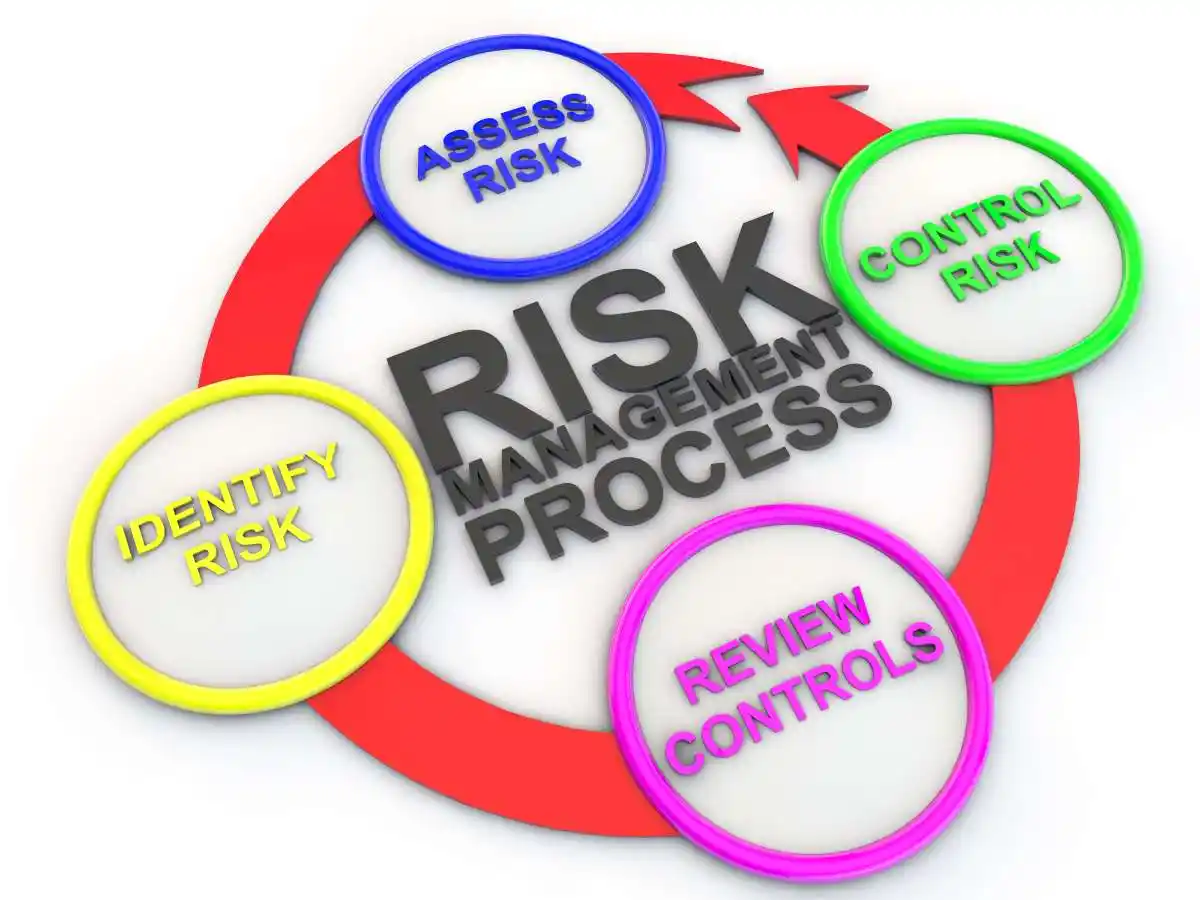
Consequences of Accounting Fraud
- Consequences: The consequences of accounting fraud are far-reaching, affecting not only the investors but also the broader financial market.
- Erodes Investor Trust: When fraudulent activities are uncovered, they can lead to drastic declines in stock prices, erode investor confidence, and trigger regulatory investigations.
- Severe Penalties: Companies implicated in accounting fraud may face severe penalties, including fines, sanctions, and reputational damage, which can have long-term impacts on their operations and market standing.
- Securities Litigation: Therefore, addressing accounting fraud is a critical component of securities litigation, with legal proceedings often focusing on uncovering and rectifying these deceptive practices.
- Securities Litigation and Accounting Fraud: To combat accounting fraud, regulatory bodies have implemented stringent reporting standards and compliance requirements.
Conclusion
- In conclusion, building a fraud-resistant organization requires a holistic approach that combines strong internal controls, effective corporate governance, and the latest tools and technologies
- By understanding the nuances of securities fraud and implementing best practices for prevention, you can protect your organization from the financial and reputational damage associated with fraudulent activities.
- As you work towards strengthening your internal controls, remember the importance of fostering a culture of transparency and accountability within your organization.