
Introduction to Demystifying Corrective Disclosures
Demystifying Corrective Disclosures: Are a critical concept in the realm of securities class actions, serving as a pivotal mechanism for investors seeking redress for corporate misstatements or omissions that have materially affected the value of their investments. Securities class actions are legal proceedings initiated by investors who collectively seek to recover losses resulting from fraudulent activities or breaches of fiduciary duties by publicly traded companies.
Securities Litigation: Securities litigation arises when there is non-compliance with the provisions of the Securities Act of 1933 or when there is alleged misconduct in connection with securities transactions. in violation of the Securitieis Echange Act of 1934. This litigation process serves as a mechanism for investors to seek redress and holds entities accountable for fraudulent practices.
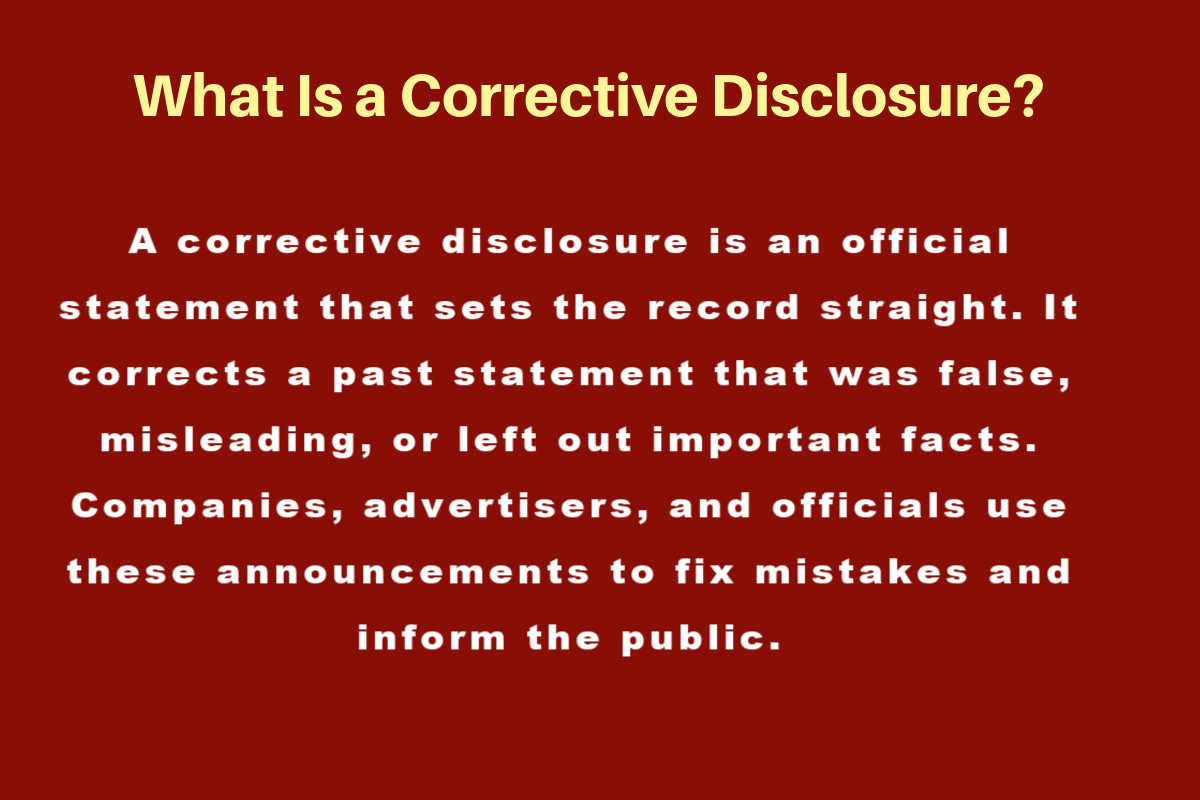
Correcting a Previous False Statement: In securities class actions, a corrective disclosure is an announcement or release of information that rectifies previously misleading statements or omissions made by a corporation. This disclosure typically reveals the true financial condition or operational status of the company, thereby impacting the stock price and providing a basis for legal claims.
The Role of Corrective Disclosure: In securities litigation,the role of a corrrectve disclosure is multifaceted and paramount for both plaintiffs and defendants. For plaintiffs, it serves as a cornerstone to establish the link between the company’s misrepresentation and the investors’ economic loss. It is imperative to demonstrate that the corrective disclosure directly caused the decline in stock value, which is referred to as “loss causation.”
Loss Causation: a corrective disclosure is crucial for convincing the court that the investors’ losses were a result of the company’s earlier deceptive practices rather than other market factors. Conversely, for defendants, challenging the adequacy and impact of the corrective disclosure becomes a key strategy in their defense to mitigate liability.
Investor Protections: Investors who believe they have been wronged can file securities class actions under this Exhchange Act to claim compensation for their losses. The judicial system, through securities litigation, enforces compliance with disclosure requirements and penalizes those who attempt to defraud investors. This not only provides direct remedies for affected investors but also acts as a deterrent against future violations.
Legal Landscape: As we approach 2026, the legal landscape surrounding corrective disclosures and securities class actions continues to evolve, influenced by judicial interpretations and legislative amendments. Courts are increasingly scrutinizing the timing and substance of corrective disclosures to ensure they genuinely correct prior inaccuracies rather than serve as mere public relations efforts.
Technilogical Advancments: Furthermore, advancements in technology and data analytics are enhancing the ability of legal professionals to analyze market reactions to these disclosures, thus refining the process of proving loss causation.
Indispensible for Investor Protection: Understanding corrective disclosure within the context of securities class actions is indispensable for legal practitioners, corporate executives, and investors alike. It not only facilitates accountability and transparency in financial markets but also fortifies investor protections by enabling recourse for those harmed by corporate misconduct.
Essential Invesotor Tool: As we move forward, continued vigilance and adaptation to emerging legal precedents and technological tools will be essential in upholding the integrity of corrective disclosures in securities litigation.
If you need reprentation in securities fraud class action lawsuits, have additional questions about a corrective disclosure, call Timothy L. Miles today for a free case evaluation. 855-846-6529 or [email protected] (24/7/365).

Corrective Disclosure: The Definition
The Way Corrective Disclosures Work
- Purpose: The main goal of a corrective disclosure is to inform the market of a previously undisclosed negative fact or to correct a misleading statement. For example, a pharmaceutical company might have to issue a corrective disclosure if a new drug fails to secure regulatory approval, revealing a risk it had previously understated.
- Loss causation: In securities class action lawsuits, a corrective disclosure is often the event that proves “loss causation.” Plaintiffs typically point to a significant drop in a company’s stock price immediately following the disclosure as evidence that the company’s fraud caused their financial loss.
- Forms of disclosure: A corrective disclosure can take many forms:
-
- A formal company announcement, such as a press release or regulatory filing.
-
- A news report or a critical report from a short seller that brings to light the alleged fraud.
-
- A series of announcements over time that gradually reveal the full scope of the fraudulent activity.
- “Leakage” theory: In some cases, the truth is not revealed in a single event. Instead, information “leaks” gradually into the market, causing a gradual decline in the stock price.
Not every company statement is a corrective disclosure
- Must reveal new information: To be considered “corrective,” a disclosure must reveal new information that was not previously known or available to the public. Simply repackaging already-public information is not enough.
- Must be tied to the alleged fraud: A corrective disclosure must correct or reveal the truth related to the specific misrepresentation or omission at the heart of the securities litigation. A drop in stock price caused by general economic conditions or unrelated industry news is not enough.
- Must not rely solely on speculation: Information from sources with a profit-making motive, such as a short seller report, may be viewed with greater scrutiny, especially if it relies on disclaimers or confidential sources rather than new, provable facts.

Differentiating a Full and Partial Corrective Disclosure
A full corrective disclosure reveals the entire scope of a prior misrepresentation or omission all at once, whereas a partial corrective disclosure reveals the truth in a gradual or piecemeal manner. This distinction is significant in securities fraud litigation because it impacts how and when loss causation—the link between the fraud and investor losses—is proven.
DIFFERENTIATING COMPARISON OF FULL VS. PARTIAL CORRECTIVE DISCLOSURE
| Feature | Full Corrective Disclosure | Partial Corrective Disclosure |
|---|---|---|
| The Timing of Disclosure | A single announcement that fully reveals the previously concealed negative information. | The truth is revealed over time through a series of multiple disclosures. |
| Impact disclosure has on stock price | Typically causes a sharp, immediate, and significant drop in the company’s stock price following the disclosure. | Can cause a gradual, “leaking” decline in the stock price as damaging information trickles out. |
| How it happens | Often occurs through a formal company announcement, such as an 8-K filing, press release, or an earnings call. | Can occur through a variety of events, such as a negative news report, a short seller’s report, or an announcement of an internal investigation. |
| Proving loss causation | Loss causation is often more straightforward to prove. The plaintiff can point to a single, specific date where the new information was released and the stock price fell. | Proving loss causation is more complex. Plaintiffs must show that the partial disclosures, when taken collectively, revealed the fraud and caused the cumulative loss. |
Real Case Examples Illustrating the Difference Between Partial and Full Disclosures
Amedisys Inc. litigation (partial disclosure)
- The case: In a 2014 case involving home healthcare provider Amedisys, plaintiffs alleged the company made misrepresentations about its billing practices.
- The disclosure: There was no single event that revealed the fraud. Instead, the truth emerged through a series of partial disclosures, including regulatory warnings, SEC filings, and negative news reports.
- The ruling: The Fifth Circuit Court of Appeals ruled that even if none of the disclosures were sufficient on their own, the “whole is greater than the sum of its parts.” The collective impact of the partial disclosures was enough to establish loss causation.
Example of a full corrective disclosure
- The case: A pharmaceutical company falsely announces that a new drug has passed clinical trials. The company’s stock price rises dramatically based on this news.
- The disclosure: Later, the company issues a definitive press release admitting that the drug failed to meet its primary endpoint in the trials. The company’s stock price immediately plummets.
- The result: The sharp, singular drop in stock price directly following the corrective disclosure provides clear evidence of loss causation in a potential securities fraud lawsuit.
Full Corrective Disclosures: Real Case Examples
The Wells Fargo Fake Accounts Scandal
- Prior misrepresentation: Wells Fargo cultivated an image of success built on strong cross-selling figures, leading investors to believe its growth was legitimate.
- The corrective disclosure: The fraud was not revealed by the company itself but through a coordinated action in September 2016 by the Consumer Financial Protection Bureau (CFPB), the Office of the Comptroller of the Currency (OCC), and the City of Los Angeles.
- Full disclosure details: The disclosure confirmed that the company had to pay $185 million in fines and, for the first time, publicly admitted to firing 5,300 employees for the misconduct. This single, unified revelation confirmed the widespread nature of the fraud.
- Impact: The announcement caused a significant stock price drop sparked multiple additional disclosures over the following years as the full scope of the scandal emerged.
The Enron Scandal
- Prior misrepresentation: Enron’s leaders used deceptive accounting methods, including special purpose entities (SPEs), to hide losses and make the company appear profitable. They repeatedly assured investors and the public of the company’s strong financial health.
- The corrective disclosure: The fraud was fully exposed in October and November 2001, following investigations and a restatement of earnings that revealed massive hidden debts. This culminated in the company’s bankruptcy filing in December 2001.
- Full disclosure details: In a series of final announcements, the company revealed the complete picture of its accounting manipulation, disclosing the billions in losses it had concealed.
- Impact: The stock, which traded at over $90 per share in 2000, fell to less than a dollar, with investors losing billions. The disclosure led directly to the company’s collapse, criminal charges for executives, and the dissolution of its accounting firm, Arthur Andersen.
Theranos fraud
- Prior misrepresentation: CEO Elizabeth Holmes and Theranos leadership misrepresented the capabilities of their technology, deceiving investors, board members, and the public. The company marketed its “Edison” device as a functional product when it knew it could not deliver on its promises.
- The corrective disclosure: In October 2015, a Wall Street Journal investigation by reporter John Carreyrou was published, revealing that Theranos was not using its own technology but rather traditional blood-testing machines from other manufacturers.
- Full disclosure details: The exposé detailed how Theranos was faking results and using third-party machines to perform its tests, directly contradicting the company’s claims. This effectively ended the company’s fraudulent scheme.
- Impact: The report triggered investigations, the nullification of thousands of test results, and a sharp decline in the company’s valuation, eventually leading to its shutdown and criminal fraud charges for Holmes and her business partner Sunny Balwani.
Securities Class Actions: Provinga Corrective Disclosure and Loss Causations
How corrective disclosures prove loss causation
What qualifies as a corrective disclosure?
- A company press release, financial filing (e.g., an 8-K), or earnings call.
- A government investigation is announced, revealing previously hidden information.
- A negative news report or a short seller’s report exposes the fraud.
- The concealed risk materializes, and the stock price falls as a result.
How loss causation is proven
Evidence at trial
- Event studies: Economic experts conduct statistical analyses known as “event studies”. These studies isolate the effect of the corrective disclosure on the stock’s price by controlling for market-wide or industry-specific movements. They distinguish the decline caused by the fraud’s revelation from normal market fluctuations.
- Market reaction analysis: This method examines the stock’s price behavior over a short period immediately following the disclosure to isolate the impact of the new information.
- Defense arguments: Defendants can challenge the plaintiffs’ evidence by arguing that the stock drop was caused by other factors, known as “confounding factors.” These could include a general market downturn, unrelated company news, or industry trends.
The importance of partial disclosures
- The “leakage” theory: When the truth leaks into the market gradually, a stock’s price may decline in stages rather than in one dramatic drop.
- Proving collective impact: Plaintiffs using a “leakage” theory must demonstrate that the cumulative effect of a series of partial disclosures caused the stock to fall, not just one event.
- Third-party disclosures: Disclosures from sources like short sellers are often scrutinized more carefully. Some courts have held that a short seller’s anonymous, financially motivated, and unsubstantiated allegations may not qualify as a corrective disclosure. However, if the short seller’s report contains previously unreleased information, it may be sufficient.
Key legal precedent
- Dura Pharmaceuticals, Inc. v. Broudo (2005): The U.S. Supreme Court established that to prove loss causation, plaintiffs must show that the stock price dropped after the truth became known, not just that they purchased it at an artificially inflated price. This decision emphasized that the fraud, not general market risk, must be the proximate cause of the loss.
- In re BofI Holding, Inc. Securities Litigation (2020): The Ninth Circuit ruled that information from a whistleblower complaint and publicly available data could qualify as corrective disclosures, but only if they reveal new, previously concealed facts.
The process in practice
- Pleading: The plaintiff files a complaint detailing the alleged misrepresentations, the corrective disclosure(s), and the resulting stock price decline.
- Discovery: Both sides gather evidence, including internal company communications, financial records, and expert reports.
- Expert reports: Plaintiffs hire economic experts to conduct an event study, isolating the price drop attributable to the fraud. Defendants hire experts to critique this analysis and propose alternative explanations.
- Motions: Defendants may challenge the loss causation evidence at the motion-to-dismiss or summary judgment stage. Courts generally defer a final determination until discovery is complete, but some circuits are more demanding at the pleading stage.
- Trial: If the case proceeds to trial, the experts present their findings to a jury, which ultimately determines whether the fraud caused the investors’ losses. Segregation of duties:Segregation of duties:
Loss Causation and Corporate Governance in Securities Class Actions
- A corporate governance failure can be the very risk that materializes and causes the loss.
- The lawsuit itself forces governance reforms that are both a consequence of the fraud and a remedy for the underlying issues.

How governance failures lead to loss causation
1. Ineffective board and oversight
- Example: In the Enron scandal, a board that lacked independence allowed executives to engage in fraudulent accounting practices. The eventual corrective disclosures about the company’s financial state caused a massive stock price drop, establishing loss causation for investors.
2. Inadequate controls and governance
- Example: After the fraud at Wells Fargo was revealed, the company admitted to inadequate controls and oversight failures that allowed employees to open unauthorized accounts. This admission and the associated regulatory penalties functioned as corrective disclosures, demonstrating to the market that the company’s prior growth was based on fraud.
3. Misaligned incentives
- Example: A company might offer significant bonuses for meeting ambitious quarterly sales goals. If management uses fraudulent sales practices to hit those targets, the resulting stock price fall after the fraud is exposed can be tied back to the misaligned incentive structure.
Loss causation as a mechanism for governance reform
- Institutional lead plaintiffs: Institutional investors often serve as lead plaintiffs in securities class actions. Due to their significant resources and long-term investment horizons, they are in a strong position to demand non-monetary, governance-based reforms as part of a settlement.
- Negotiated reforms: These reforms can include:
-
- Separating the tied back to the misaligned incentive structure.
Addressing the root cause: By focusing on governance, settlements move beyond simply compensating investors and instead address the underlying systemic issues that led to the misconduct. This not only protects the company from future fraud but also provides a lasting benefit to all shareholders.
A Corrective Disclosure Can Destroy Investor Protections and Shareholder Rights
1. Creates immediate, massive losses and loss of investor protections and shareholder rights
- The market reacts instantly: This can wipe out billions of dollars in market capitalization and destroy the value of the shares for investors who purchased them during the fraudulent period.
- Affects all shareholders: The damage is not confined to investors who relied on the misrepresentation. All shareholders, including passive investors and retirement funds, suffer from the sudden destruction of value.
2. Compensates only a fraction of those affected
- Limited recovery: Settlement amounts rarely, if ever, cover the full extent of the market-wide losses. After legal fees and other costs, the net recovery for individual investors can be modest.
- Excluded investors: Investors who sold their shares before the corrective disclosure was made may not be included in the class action or receive compensation.
3. Undermines market trust and confidence and causes loss of investor protection and shareholder rights
- Pre Disclosure Sales: Investors who sold their shares before the corrective disclosure was made may not be included in the class action or receive compensation.
- Disclosure is not a fix: The goal of regulatory bodies like the SEC is to ensure transparent and adequate disclosure, but the underlying mechanisms of fraud can persist despite disclosure requirements.
- “Disclosure of a possibility”: In some cases, revealing a potential risk can become a self-fulfilling prophecy, making a corporate disaster more likely.
4. Can lead to “nuisance litigation”
- Social costs of litigation: The high cost of these class action lawsuits can sometimes exceed the societal benefits of deterring fraud.
- Stifles honest communication: Excessive litigation can discourage companies from being as communicative with investors as they might otherwise be, out of fear of later misinterpretation.
A critical view of the corrective disclosure standard
- “Event-driven” suits: Some “event-driven” lawsuits, which link a disaster announcement to a prior misstatement, have been criticized because the price drop may be caused more by the disaster itself than by the belated disclosure of a risk.
- Focus on price drop: By focusing on the stock price drop at the time of disclosure, courts can lose sight of whether the misstatement inflated the share price in the first place.
- Mismatch in specificity: Some courts require a stronger link between the corrective disclosure and the initial misstatement, particularly when the disclosure is not a direct confession of fraud.
Preventing a Corrective Disclosure: Robust Internal Controls Can
How strong controls work
Robust controls can deter and detect fraud
- Segregation of duties: The principle that no single person should have control over all parts of a financial transaction is a cornerstone of fraud prevention. By separating responsibilities like authorizing, recording, and reconciling financial activities, companies make it much harder for a single employee to commit and hide fraud.
- Approval workflows: Requiring designated personnel to authorize significant purchases, payroll, and disbursements prevents unauthorized transactions. This establishes clear accountability and ensures all expenditures have proper business justification.
Ensure reliable financial reporting
- Accuracy and completeness: Robust controls ensure that all transactions are properly recorded and that financial data is accurate. Examples include mandatory bank account reconciliation by an independent person and detailed documentation requirements for transactions.
- Systematic processes: Written financial policies and systematic accounting setups standardize how financial functions are performed. This reduces the risk of human error and ensures consistency in reporting.
Create an ethical culture
- Ethical environment: Strong icontrols signal that unethical behavior will not be tolerated. The control environment sets a high standard of conduct and fosters a culture where employees are more likely to act ethically and report irregularities.
- Whistleblower mechanisms: Whistleblower hotlines, a component of a strong control environment, provide a safe channel for employees to report suspicious activities without fear of retaliation. This can expose potential fraud before it necessitates a public corrective disclosure.
Case study: Lessons from Wells Fargo
- Failure of controls: Driven by misaligned incentives from aggressive sales targets, employees opened millions of unauthorized accounts. The company’s internal controls failed to prevent and detect this widespread fraud for years.
- The consequence: Weak internal controls allowed for a public relations disaster, massive regulatory fines, and a corrective disclosure that demonstrated the company’s prior success was built on fraudulent behavior.
- Aftermath: In the wake of the scandal, Wells Fargo was forced to implement significant internal control changes, demonstrating that robust controls are an essential prerequisite to avoiding such damaging events.

Limitations
- Management override: Senior executives can sometimes intentionally override controls to perpetrate large-scale fraud, an issue that even the Committee of Sponsoring Organizations of the Treadway Commission (COSO) acknowledges.
- Collusion: When employees collude to bypass controls, it can be much harder to detect dishonest activities, as multiple individuals work together to hide the fraud.
High-Profile Securities Fraud Class Action Lawsuits: Corrective Disclosures Were the Result of Weak Corporate Governance or Controls
1. Wells Fargo: Fake accounts scandal
- Weakness: The bank’s governance and controls failed to prevent and detect a toxic sales culture driven by unrealistic quotas. Employees were pressured to meet targets, leading them to create millions of unauthorized bank and credit card accounts for customers.
- Corrective disclosure: In September 2016, regulatory agencies like the CFPB evealed the fraud and announced massive fines. This public disclosure led to a stock price drop, billions of dollars in penalties and settlements, and the resignation of the CEO.
- Loss causation: The regulatory revelations acted as a full corrective disclosure, tying the stock decline to the previously concealed fraudulent practices that had artificially inflated Wells Fargo’s perceived success.
2. Enron: Accounting fraud
- Weakness: Enron’s board of directors failed in its fiduciary duties by allowing executives to use complex accounting schemes, like Special Purpose Entities (SPEs), to hide debt and inflate earnings. The board also approved waivers that let executives engage in self-serving transactions.
- Corrective disclosure: In October and November 2001, revelations of billions of dollars in hidden debt and losses prompted a dramatic decline in Enron’s stock. The subsequent bankruptcy in December 2001 served as the ultimate corrective disclosure, confirming the company’s prior misstatements.
- Loss causation: The disclosures revealed the full scope of the accounting fraud and resulted in the company’s collapse. The resulting investor losses were directly caused by the unmasking of the company’s poor financial condition.
3. Theranos: Failed blood-testing technology
- Weakness: The board of directors lacked independence and failed to implement an effective oversight system. Driven by founder Elizabeth Holmes’s secrecy and intimidation, the company mispresented its technology to investors and regulators. It also engaged in whistleblower retaliation, discouraging internal reporting.
- Corrective disclosure: A series of partial disclosures, most notably an investigation by The Wall Street Journal in 2015, exposed the fraudulent claims. It revealed that Theranos’s technology did not work as promised and that the company had been using third-party machines for testing.
- Loss causation: The disclosure of the fraud led to investor securities class actions, government investigations, and the eventual implosion of the company. The public revelation of the lies and the company’s true condition directly caused a loss of confidence and investment value.
4. General Electric (GE): Disclosure failures
- Weakness: Between 2015 and 2017, the SEC found that GE’s controls and financial reporting were deficient. The company failed to provide investors with material information about its power and insurance businesses, misleading them about the true sources of its profit and cash flow.
- Corrective disclosure: In 2020, GE agreed to pay a $200 million fine to settle SEC charges. The settlement and the required disclosures confirmed the prior misstatements and omissions.
- Loss causation: Following the disclosures, shareholders filed securities fraud class action lawsuits alleging that the company’s stock price dropped as the truth became public. The settlements in these cases explicitly address the misleading statements related to cash flows and accounting practices.
Corporate Governance Reforms Companies Make After Securities Class Action Lawsuits
Board restructuring and oversight
- Separating CEO and Chairman roles: A key reform is to split these roles, which concentrates power in a single individual. A designated independent Chairman leads the board’s oversight function, while the CEO focuses on day-to-day operations.
- Appointing independent directors: Settlements often mandate the appointment of additional independent directors to the board, especially on key committees like audit, compensation, and nominating committees. An independent director lacks material ties to the company or management, providing unbiased oversight.
- Enhancing audit committee expertise: Following major accounting scandals like Enron’s, audit committee reform focused on increasing the number of independent directors and ensuring they have financial expertise.
Strengthening controls, corporate governance, investor protections and compliance programs
- Companies frequently overhaul their internal processes to prevent future misconduct after lawsuits reveal weaknesses in these systems.
- This can involve implementing more robust financial controls, appointing independent monitors to ensure settlement compliance, creating new compliance roles such as a Chief Compliance Officer, and updating internal policies and training.
Expanding transparency and accountability
- Settlements often require companies to increase transparency in financial reporting and hold executives accountable.
- This may include implementing compensation clawback policies, enhancing shareholder rights through greater disclosure and influence on executive pay, and improving whistleblower protections.
Real-world examples
- Alphabet (Google): As a result of a lawsuit, Google established a dedicated board committee for risk and compliance oversight and a senior vice president-level committee reporting to the CEO on regulatory compliance.
- Wells Fargo: Following the fake accounts scandal and subsequent lawsuits, Wells Fargo changed its compensation structure and abandoned its aggressive cross-selling model.
- Enron: The Enron settlement included significant governance changes like increasing board independence and overhauling the audit committee.
Corporate Governance Reforms that Could Prevent a Corrective Disclosure
Board-level reforms
- Split CEO and Chair roles: Combining these positions can lead to an unhealthy concentration of power in a single individual. By appointing an independent director as Chairman, the board’s oversight of management is strengthened, providing a crucial check and balance.
- Enhance audit committee expertise: The audit committee has a critical role in overseeing financial reporting and controls. Ensuring its members are financially literate and have relevant industry experience allows them to effectively challenge management and external auditors.
- Annual director elections: Moving away from staggered board terms to a system where all directors face election each year increases their accountability to shareholders.

Corporate controls, cororate governance, investor protections, and compliance
- Segregation of duties: This control prevents any one person from having complete control over a financial transaction. By separating the responsibilities for authorizing, recording, and reconciling financial activities, a company minimizes the risk of fraud.
- Strong internal audit function: An independent and well-resourced internal audit team can proactively test controls, identify vulnerabilities, and investigate potential misconduct before it escalates.
- Whistleblower protections: Establishing a safe, confidential, and well-publicized channel for employees to report concerns without fear of retaliation is critical for detecting fraud early. Rewards can further incentivize reporting.
- Tone at the top: Senior leaders must set and model a culture of integrity and ethical behavior. A strong “tone at the top” is crucial for making employees feel safe reporting issues and ensuring that compliance is a priority throughout the organization.
Executive incentives and accountability
- Compensation clawbacks: Policies that allow a company to reclaim incentive-based compensation from executives found to have engaged in misconduct can discourage fraudulent activity.
- Performance metrics: Focusing executive compensation on long-term, sustainable performance rather than aggressive, short-term metrics reduces the incentive to manipulate financial results.
Transparency and communication
- Open communication channels: Leaders should encourage a culture where employees feel comfortable discussing compliance concerns.
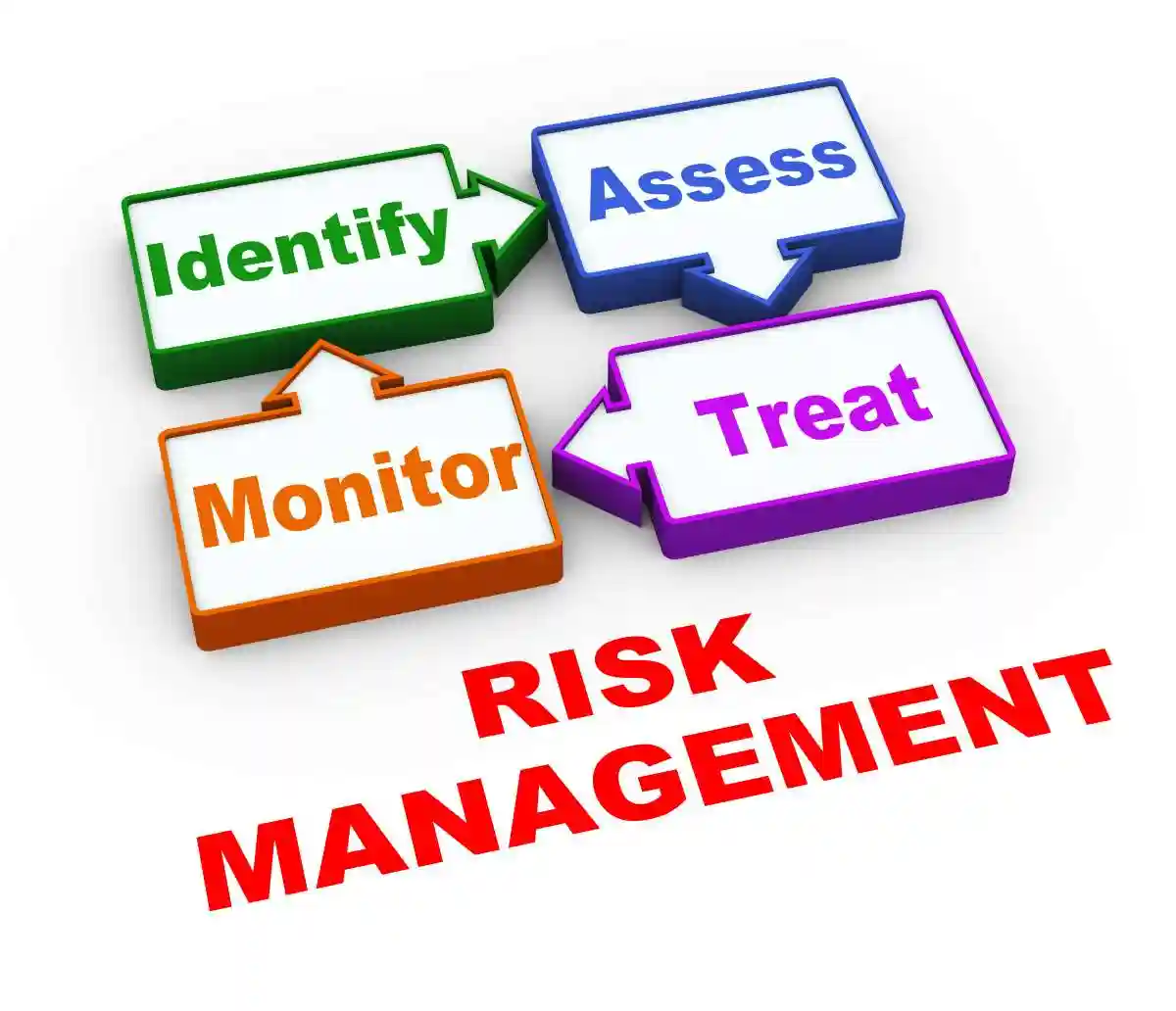
- Risk assessment: Regular and dynamic risk assessments that identify potential stumbling blocks to achieving company objectives can preemptively address threats.
Conclusion
- In conclusion, the concept of corrective disclosure in securities fraud litigation plays a critical role in maintaining the integrity and transparency of financial markets.
- As we look forward to 2025, it becomes increasingly evident that investor protections hinges on the robust implementation and regulation of corrective disclosure mechanisms.
- These mechanisms ensure that any misinformation or material omissions are adequately and promptly addressed, thus safeguarding investors from potential financial harm.
- Corrective disclosure serves as a remedial measure to rectify misleading statements or omissions by publicly traded companies, thereby restoring investor confidence and market stability.
- The importance of corrective disclosure cannot be overstated, especially in an era where information dissemination is rapid and widespread.
- Effective corrective disclosure practices contribute significantly to investor protection by ensuring that all market participants have access to accurate and complete information needed for informed decision-making.
- This is particularly crucial in preventing securities fraud and fostering a fair trading environment. By mandating timely and transparent corrective disclosures, regulatory bodies can deter corporate malfeasance and enhance overall market efficiency.
- As we approach 2027, it is imperative for policymakers, regulators, and market participants to continue refining and enforcing corrective disclosure regulations. Such efforts will not only bolster investor protections but also reinforce the foundational principles of trust and accountability within the financial markets.
In essence, a well-structured corrective disclosure framework is indispensable for the sustained health and growth of the securities market, ultimately benefiting both individual investors and the broader economy.