
Introduction to a Failure to Warn
Welcome to this authoritative guide in the TikTok Mental Health Lawsuit on a failure to warn. Nashville has become a focal point in the national debate over youth mental health, platform accountability, and the design choices that shape online behavior. People are searching for a clear explanation of what is being alleged, why it matters, and what it could change for families, schools, regulators, and technology companies

Types of Failure to Warn
Failure to warn cases can manifest in various forms, depending on the nature of the product and the specific circumstances surrounding its use. Understanding these different types can help both consumers and manufacturers identify potential issues and take appropriate action.-
- Inadequate Instructions:
-
- Insufficient details on proper product use
-
- Lack of clear step-by-step guidance
-
- Omission of crucial safety precautions
-
- Inadequate Instructions:
-
- Missing Warnings:
-
- Absence of warnings for known risks
-
- Failure to highlight potential dangers
-
- Neglecting to address foreseeable misuse
-
- Missing Warnings:
-
- Inconspicuous Warnings:
-
- Warnings placed in obscure locations
-
- Use of small or illegible text
-
- Lack of emphasis on critical information
-
- Inconspicuous Warnings:
-
- Incomplete Warnings:
-
- Partial disclosure of potential hazards
-
- Failure to address all known risks
-
- Omission of important safety information
-
- Incomplete Warnings:
-
- Outdated Warnings:
-
- Failure to update warnings based on new information
-
- Neglecting to inform existing users of newly discovered risks
-
- Continued use of obsolete safety guidelines
-
- Outdated Warnings:

Legal Requirements for Adequate Warnings
To avoid liability for failure to warn, manufacturers must adhere to specific legal requirements when providing warnings and instructions for their products. These requirements aim to ensure that consumers receive clear, comprehensive, and easily understandable information about potential risks and proper product use.-
- Clarity and Visibility:
-
- Text should be easily readable and in a contrasting color
-
- Use of symbols or pictograms to enhance understanding
-
- Clarity and Visibility:
-
- Comprehensiveness:
-
- Address all known and foreseeable risks
-
- Include information on potential consequences of misuse
-
- Comprehensiveness:
-
- Accessibility:
-
- Consider multiple locations for critical warnings
-
- Ensure warnings remain visible throughout the product’s lifespan
-
- Accessibility:
-
- Language and Terminology:
-
- Define any necessary technical terms
-
- Consider providing warnings in multiple languages if appropriate
-
- Language and Terminology:
-
- Specificity:
-
- Tailor warnings to the specific product and its intended use
-
- Address unique risks associated with the product
-
- Specificity:
-
- Timeliness:
-
- Inform existing users of any changes or newly identified hazards
-
- Maintain ongoing monitoring of product safety and performance
-
- Timeliness:
Establishing Liability in Failure to Warn Cases
To successfully pursue a failure to warn claim, plaintiffs, exposed to toxic plane fumes, must establish several key elements that demonstrate the manufacturer’s liability for the injuries or damages incurred. Understanding these elements is crucial for both consumers seeking compensation and manufacturers defending against such claims.
-
- Duty to Warn:
-
- Prove the manufacturer had an obligation to provide warnings
-
- Show the manufacturer knew or should have known about the dangers
-
- Duty to Warn:
-
- Inadequacy of Warnings:
-
- Establish that the provided warnings were insufficient
-
- Show that more comprehensive warnings could have prevented harm
-
- Inadequacy of Warnings:
-
- Causation:
-
- Demonstrate how proper warnings would have altered behavior
-
- Establish a clear link between the lack of warning and the harm suffered
-
- Causation:
-
- Damages:
-
- Document the extent of injuries or losses incurred
-
- Provide evidence of medical expenses, lost wages, or other costs
-
- Demonstrate the impact on quality of life, if applicable
-
- Damages:
-
- Foreseeability:
-
- Show that the manufacturer could have reasonably anticipated the risk
-
- Demonstrate that the injury was a foreseeable consequence of inadequate warnings
-
- Establish that the manufacturer had a duty to warn about the specific risk
-
- Foreseeability:
-
- Proximate Cause:
-
- Prove that the inadequate warning was the primary cause of injury
-
- Establish a clear chain of events leading from the lack of warning to the injury
-
- Proximate Cause:
By successfully establishing these elements, plaintiffs can build a strong case for failure to warn liability in a TikTok Mental Health Lawsuit. However, it is important to note that manufacturers may have various defenses available to counter such claims. If you or a loved one suffered or are suffering social media addiction as a result of TikTok’s addictive design, contact Timothy L. Miles, a TikTok Mental Health Lawsuit Lawyer, today for a free case evaluation to see if you are eligible for a TikTok Mental Health Lawsuit and potentially entitled to substantial compensation in a TikTok Mental Health Lawsuit. The call is free and so is the fee unless we win or settle your case, so call today and see if you qualify. (855) 846-6529 or tmiles@timmileslaw.com.
TikTok Mental Health Lawsuits: Defenses Against Failure to Warn Claims
Manufacturers facing failure to warn claims have several potential defenses at their disposal. These defenses aim to challenge the plaintiff’s assertions and demonstrate that the manufacturer fulfilled its legal obligations regarding product warnings.
-
- Obviousness of Risk:
-
- Argue that the danger was apparent to a reasonable person
-
- Show that additional warnings would not have altered behavior
-
- Obviousness of Risk:
-
- Unforeseeable Misuse:
-
- Prove that the product was used in an unintended manner
-
- Demonstrate that the misuse was not reasonably foreseeable
-
- Unforeseeable Misuse:
-
- Adequate Warnings Provided:
-
- Present evidence of comprehensive warnings and instructions
-
- Show that warnings were clear, visible, and easily understood
-
- Adequate Warnings Provided:
-
- Learned Intermediary Doctrine:
-
- Argue that warnings were provided to a qualified intermediary
-
- Show that reliance on the intermediary was reasonable
-
- Learned Intermediary Doctrine:
-
- Assumption of Risk:
-
- Demonstrate that the user had sufficient knowledge of the risks
-
- Show that the user voluntarily accepted the known risks
-
- Assumption of Risk:
-
- Statute of Limitations:
-
- Argue that the claim was filed after the legal time limit
-
- Demonstrate when the injury occurred or should have been discovered
-
- Show that the plaintiff failed to act within the prescribed timeframe
-
- Statute of Limitations:
-
- Comparative Negligence:
-
- Argue that the user’s own negligence contributed to the injury
-
- Demonstrate how the user’s actions increased the risk of harm
-
- Show that the user failed to exercise reasonable care
-
- Comparative Negligence:
By effectively utilizing these defenses, manufacturers can challenge failure to warn claims and potentially limit their liability. However, the success of these defenses depends on the specific circumstances of each case and the strength of the evidence presented. 
Damages in Failure to Warn Cases Involving Ocaliva
When a plaintiff successfully proves a failure to warn claim, they may be entitled to various types of damages to compensate for their injuries and losses. Understanding the potential damages available can help both plaintiffs and defendants assess the stakes involved in these cases.
-
- Compensatory Damages:
-
- Medical expenses (past and future)
-
- Lost wages and earning capacity
-
- Emotional distress
-
- Property damage
-
- Compensatory Damages:
-
- Punitive Damages:
-
- Awarded in cases of egregious misconduct
-
- Intended to punish the defendant and deter similar behavior
-
- Often subject to statutory caps or limitations
-
- Punitive Damages:
-
- Economic Damages:
-
- Easily calculated based on bills, receipts, and projections
-
- May include costs of ongoing care or rehabilitation
-
- Economic Damages:
-
- Non-Economic Damages:
-
- Intangible losses that are harder to quantify
-
- May be subject to limitations in some jurisdictions
-
- Non-Economic Damages:
-
- Loss of Consortium:
-
- Compensation for impact on spousal relationships
-
- May include loss of companionship, affection, or support
-
- Available in some jurisdictions as a separate claim
-
- Loss of Consortium:
-
- Wrongful Death Damages:
-
- Compensation for surviving family members
-
- May include loss of financial support, guidance, and companionship
-
- Often governed by specific wrongful death statutes
-
- Wrongful Death Damages:
-
- Factors Affecting Damage Awards:
-
- Impact on daily life and future prospects
-
- Degree of manufacturer negligence
-
- Factors Affecting Damage Awards:
-
- Damage Caps and Limitations:
-
- Some jurisdictions impose limits on certain types of damages
-
- Statutory limitations can vary significantly by state
-
- Damage Caps and Limitations:
-
- Collateral Source Rule:
-
- May allow plaintiffs to recover full damages regardless of insurance coverage
-
- Varies by jurisdiction and type of case
-
- Collateral Source Rule:
-
- Present Value Calculations:
-
- Accounts for inflation and potential investment returns
-
- Present Value Calculations:
Understanding the various types of damages available in a TikTok Mental Health Lawsuit, and the factors that influence award amounts is crucial for both plaintiffs seeking compensation and manufacturers assessing potential liability. The specific damages awarded in a failure to warn case will depend on the unique circumstances of each situation and the applicable laws in the jurisdiction where the case is heard. If you or a loved one suffered or are suffering social media addiction as a result of TikTok’s addictive design, contact Timothy L. Miles, a TikTok Mental Health Lawsuit Lawyer, today for a free case evaluation to see if you are eligible for a TikTok Mental Health Lawsuit and potentially entitled to substantial compensation in a TikTok Mental Health Lawsuit. The call is free and so is the fee unless we win or settle your case, so call today and see if you qualify. (855) 846-6529 or tmiles@timmileslaw.com.
TikTok Mental Health Lawsuit Update
Key Legal Updates
- Recent Settlement Actions: Shortly before a landmark, consolidated trial was set to begin in Los Angeles, TikTok reached a confidential out-of-court settlement with a young adult who claimed she developed severe mental health issues from platform addiction. TikTok also settled a lawsuit out of court with the Breathitt County School District in Kentucky for $8 million.
- Multidistrict Litigation (MDL): While TikTok has removed itself from the first wave of personal injury trials, there are thousands of active, coordinated actions (over 2,600) pending in the social media MDL in the U.S. District Court for the Northern District of California.
- State Attorneys General Actions: TikTok is currently being sued by more than 25 states (including Florida, North Carolina, and Minnesota). These states accuse the company of intentionally designing addictive features (such as the “For You Page,” infinite scrolling, and autoplay) that harm developing adolescent brains and violate consumer protection laws.
- Florida Child Safety Lawsuit: In mid-June 2026, the Florida Attorney General filed a lawsuit against TikTok for violating the state’s child safety legislation (H.B. 3). The state alleges that the platform illegally allows children under 14 to create accounts and actively misleads parents about the mature, explicit content present on the app.
What the TikTok Mental Health Lawsuits Allege
- Purposefully utilizes algorithms that exploit the dopamine system to encourage compulsive, addictive usage.
- Lacks adequate age-verification tools, permitting underage children to browse the platform unchecked.
- Causes psychological harms, including depression, anxiety, body dysmorphia, and exposure to dangerous viral challenges.
The Core Allegations Typically Raised Against TikTok
While each complaint is different, mental health lawsuits against social media platforms tend to repeat a set of factual and technical allegations. In the context of TikTok, the most common include the following.1) Addictive Design and Compulsive Use
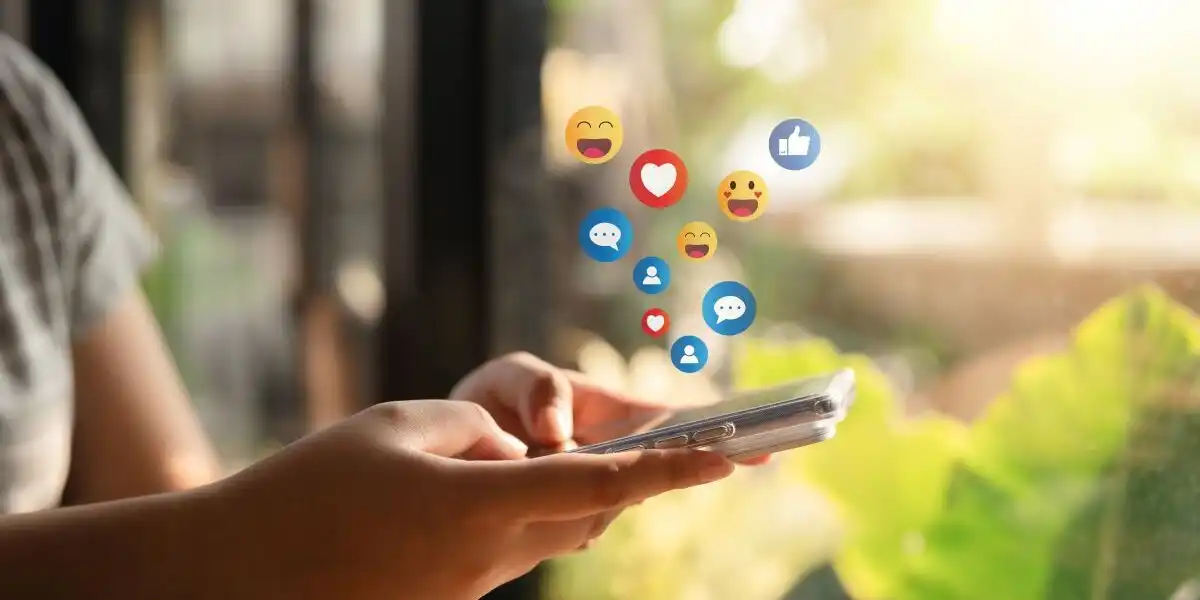
Plaintiffs often allege that TikTok is not merely entertaining, but intentionally engineered to maximize time-on-platform. The claim is not simply that children like videos. It is that the product incorporates behavioral design patterns that increase frequency, duration, and dependency-like use. Commonly cited features include:- Infinite scroll and frictionless autoplay.
- Rapid reward loops driven by short-form video.
- Variable reinforcement, meaning users do not know when the next highly rewarding clip will appear.
- Notifications and prompts calibrated to bring users back at predictable vulnerability moments.
2) Algorithmic Amplification of Harmful Content
A second core allegation is that TikTok’s recommendation engine can amplify content linked to self-harm, eating disorders, substance misuse, sexual content, bullying, and other high-risk themes, especially once a user has engaged with related material. This matters because a platform can argue it merely “hosts” user-generated content. Plaintiffs respond by arguing that active recommendation is not passive hosting. It is a distribution and targeting function, driven by machine-learning systems that optimize engagement. From an evidentiary standpoint, plaintiffs frequently seek:- Internal research on teen well-being and engagement.
- Metrics on watch time, rewatch patterns, and content clustering.
- Model documentation showing how the system identifies and predicts vulnerability signals.
3) Inadequate Age Assurance and Youth Protections
Many mental health suits allege that age gates are easy to bypass and that youth settings, even when offered, are insufficient or poorly enforced. The legal significance is straightforward: if a company knows minors are likely to use the product, the standard of care arguments become more direct, and consumer protection claims may strengthen. Moreover, it’s critical to consider the broader implications of these issues on children’s well-being. A recent report highlights the challenges faced by children in the digital age, including the need for enhancing child well-being in the digital age.4) Misrepresentation and Failure to Warn
Another recurring allegation is that public messaging about safety features, screen time tools, and content moderation created a misleading sense of protection. These claims typically focus on what the platform said, what it knew internally, and what it did or did not change. In litigation, this becomes a documentation problem. Plaintiffs seek marketing materials, policy updates, internal risk assessments, and communications among product teams.The Mental Health Harms Commonly Cited in These Cases
Courts do not decide cases based on general anxiety about technology. They decide cases based on claims that connect conduct to injury through evidence. As a result, mental health allegations in these lawsuits often focus on conditions that can be documented clinically and temporally. Frequently cited harms include:- Anxiety disorders and panic symptoms.
- Major depressive disorder or depressive symptom escalation.
- Self-harm ideation or self-injury behaviors.
- Eating disorder onset or relapse, including anorexia and bulimia.
- Sleep disruption and circadian rhythm impairment tied to late-night use.
- Body image distortion and compulsive social comparison.
- School avoidance, attention impairment, and academic decline.
Practical Guidance for Parents and Guardians in Nashville
Litigation can be slow. Mental health support cannot be slow. If you are a parent or guardian concerned about TikTok-related harms, focus on actionable steps that reduce risk and improve visibility.- Use device-level screen time controls, not only app-level controls.
- Review account privacy settings and restrict direct messages for minors.
- Establish a predictable nighttime device routine to protect sleep.
- Watch for abrupt changes in mood, appetite, school engagement, and peer withdrawal.
- If self-harm is a concern, seek professional help immediately through a licensed provider or local emergency services.
Law Offices of Timothy L. Miles
Tapestry at Brentwood Town Center
300 Centerview Dr. #247
Mailbox #1091
Brentwood,TN 37027
Phone: (855) Tim-MLaw (855-846-6529)
Email: tmiles@timmileslaw.com
Website: www.classactionlawyertn.com