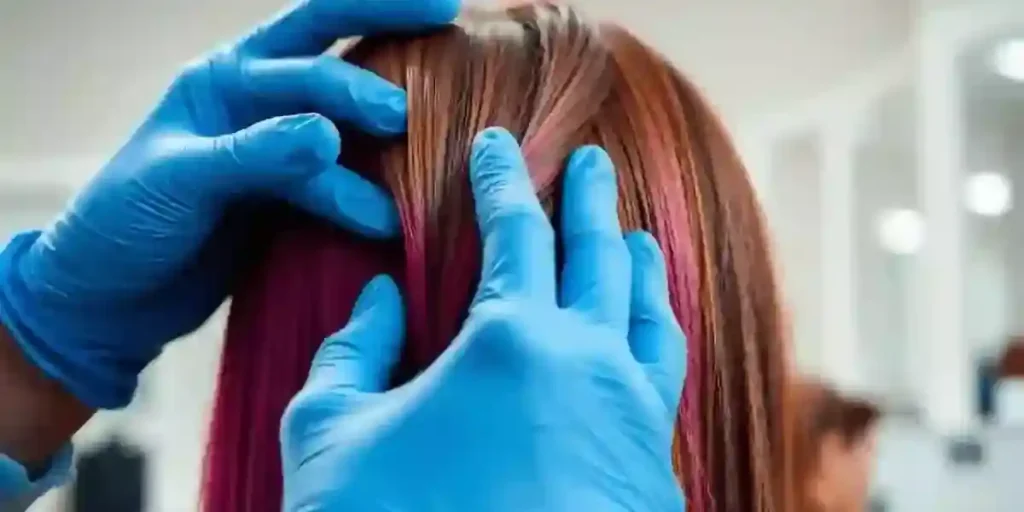
Introduction to Nashville Hair Dye Lawsuit Lawyer: What You Need to Know the Risks of Hair Dye and Cancer
Welcome to this authoritative guide from a Nashville hair dye lawsuit lawyer on what you need to know about the risk of hair dye and cancer. Hair dye is an everyday product that many people view as routine and low risk. Yet in recent years, consumers, stylists, and medical researchers have raised a serious question: whether long term exposure to certain hair dye chemicals may be associated with elevated cancer risk in some populations. As that question has gained attention, so has the number of people exploring legal options after a cancer diagnosis.
If you are searching for a Nashville hair dye lawsuit lawyer, you are likely trying to understand three things: what the science actually says, what the lawsuits claim, and what practical steps you should take if you suspect hair dye exposure played a role in your illness.
This guide explains the core issues in plain terms while keeping the legal and scientific details precise.
If you had frequent exposure to hair dye products, and were diagnosed with cancer, contact Hair Dye Lawsuit Lawyer Timothy L. Miles yoday for a free case evaluation to see if you are eligible for a hair dye lawsuit and potentionally entitled to substantial compensation. The call is free and so is the fee unless we win or settle your case, so do not wait and call a Hair Dye Lawsuit Lawyer today. (855) 846-6529 or tmiles@timmileslaw.com

Important Note About This Article
This article is general information, not legal advice or medical advice. A qualified Nashville attorney can evaluate your specific facts, and a licensed clinician can advise you on diagnosis and treatment decisions.
Why People Are Linking Hair Dye to Cancer
Most permanent and demi permanent hair dyes rely on oxidative dye chemistry, a process that uses reactive ingredients to create durable color inside the hair shaft. That chemistry can involve substances that raise concern for two main reasons:
- Hazard-based concerns: some ingredients or impurities have shown mutagenic or carcinogenic potential in lab settings.
- Exposure-based concerns: regular use over many years, and especially occupational exposure for hair professionals, increases cumulative contact through skin, inhalation of aerosols, and repeated handling.
These factors have led to an increase in lawsuits related to hair dye exposure and its potential health impacts. If you find yourself in such a situation, it may be beneficial to explore legal avenues. For instance, individuals affected by Dupixent have begun filing lawsuits due to its alleged links to cancer. Similarly, there are ongoing Dupixent cancer lawsuit updates that could provide more insight into these cases.
Moreover, if you’re wondering about eligibility for filing such lawsuits, resources are available that outline who is eligible for a Dupixent cancer lawsuit.
Additionally, if you’re considering pursuing a toxic fumes exposure lawsuit related to hair dye usage or other similar circumstances, understanding the legal landscape can be crucial.
In light of these potential health risks associated with certain hair products, it’s worth noting that other medications like Mounjaro have also been linked to adverse health effects leading to lawsuits such as the Mounjaro Naion lawsuit.
Furthermore, there have been reports linking medications like Trulicity and Saxenda to vision loss which have resulted in lawsuits respectively known as the [Trulicity vision loss lawsuit
If you had frequent exposure to hair dye products, and were diagnosed with cancer, contact Hair Dye Lawsuit Lawyer Timothy L. Miles yoday for a free case evaluation to see if you are eligible for a hair dye lawsuit and potentionally entitled to substantial compensation. The call is free and so is the fee unless we win or settle your case, so do not wait and call a Hair Dye Lawsuit Lawyer today. (855) 846-6529 or tmiles@timmileslaw.com
Common chemical categories discussed in the research
While formulas vary by brand, shade, and product type, the categories below commonly appear in safety discussions:
- Aromatic amines (a broad class; some are historically associated with carcinogenicity in occupational settings).
- p-Phenylenediamine (PPD) and related dye intermediates (frequent in permanent dark shades; also associated with allergic contact dermatitis).
- Resorcinol (a coupler used in oxidative dyes).
- Formaldehyde or formaldehyde-releasing compounds (more often discussed in hair straightening products, but sometimes raised in salon chemical exposure conversations).
- Contaminants/impurities (which can be central to certain legal theories depending on the product and time period).
A critical distinction is the difference between a chemical being a hazard and a product presenting a real-world risk at typical consumer exposure levels. Lawsuits frequently focus on whether companies adequately warned consumers and professionals about plausible risks and safer alternatives. In this context, understanding the Regional Screening Levels can provide valuable insights into assessing potential risks associated with certain chemicals.
What the Scientific Evidence Says (In Practical Terms)
The research on hair dye and cancer risk is complex. Studies differ in the type of dye evaluated, the population studied, how exposure is measured, and which cancer outcome is analyzed. As a result, findings are not uniform across all cancers or all groups of users.
Cancers most often discussed in connection with hair dye
These are the conditions that appear most often in public reporting, scientific reviews, and litigation narratives:
- Non-Hodgkin lymphoma (NHL)
- Bladder cancer
- Leukemia
- Breast cancer
- Multiple myeloma
Important context: many studies examine associations, not direct causation. That said, association evidence may still matter legally when paired with product chemistry, internal corporate documents (where available), warnings, and expert testimony. For instance, if you or a loved one has been affected by such issues due to hair dye usage, you might want to explore potential legal avenues for compensation as outlined in this Dupixent cancer lawsuit guide.
Consumer use versus occupational exposure
A common pattern in the literature is that professional hairdressers and barbers can experience higher cumulative exposure due to:
- daily handling of dyes and developers
- repeated skin contact despite glove use variability
- inhalation of vapors and aerosols in poorly ventilated areas
- long careers with thousands of applications
Consumer exposure, by contrast, is typically less frequent, but long-term home use can still be substantial, particularly for gray coverage and dark shades.

If you had frequent exposure to hair dye products, and were diagnosed with cancer, contact Hair Dye Lawsuit Lawyer Timothy L. Miles yoday for a free case evaluation to see if you are eligible for a hair dye lawsuit and potentionally entitled to substantial compensation. The call is free and so is the fee unless we win or settle your case, so do not wait and call a Hair Dye Lawsuit Lawyer today. (855) 846-6529 or tmiles@timmileslaw.com
What Hair Dye Lawsuits Typically Allege
A hair dye cancer lawsuit is usually a type of product liability case. While allegations vary, most claims center on one or more of the following legal theories.
1) Failure to warn (inadequate warnings and labeling)
The core idea is that a manufacturer knew or should have known about potential cancer risks and failed to provide clear warnings, such as:
- long-term use risk language
- occupational risk guidance for stylists
- safer handling instructions beyond basic allergy patch testing
2) Design defect (safer alternative formulation)
A plaintiff may argue that the product was unreasonably dangerous as designed, and that safer alternatives were feasible, such as different dye intermediates, reduced impurity levels, or reformulated processes.
3) Manufacturing defect (contamination or deviation)
Less common, but relevant when testing indicates the product deviated from specifications or contained elevated contaminants.
4) Negligence and misrepresentation
Some cases also claim that marketing implied safety that was not supported, or that the company minimized risk while promoting frequent use. A notable example involves the Depo Provera contraceptive, which has been linked to severe health risks like meningioma, leading to increased demand for specialized legal representation such as a Nashville Depo Provera Meningioma Lawyer.
5) Consumer protection claims
Depending on the jurisdiction and facts, claims may include deceptive trade practices. Tennessee has consumer protection laws that can sometimes be implicated, although the specifics depend on case posture and proof. Cases involving products like Trulicity or Saxenda have highlighted the need for consumer protection in marketing.
Why “Nashville Hair Dye Lawsuit Lawyer” Searches Are Increasing
Nashville is a major regional hub for:
- salon and beauty professionals
- cosmetology schools
- a growing healthcare and research footprint
- a large population of consumers who routinely use permanent dyes
As awareness rises, more people want a local attorney who can handle:
- medical record analysis
- exposure timeline development
- coordination with oncologists and causation experts
- filing in the proper court and meeting Tennessee deadlines
A Nashville-based lawyer can also provide practical support, such as identifying local record custodians, salons, employers, and witness contacts when occupational exposure is involved. For instance, if someone suffers from aerotoxic syndrome, a local attorney could help navigate the complexities of such cases.
Tennessee Deadlines: The Statute of Limitations (Why Timing Matters)
A lawsuit is only viable if it is filed within the applicable statute of limitations. Tennessee product liability cases commonly intersect with:
- statutes of limitations (time to file after the claim accrues, often tied to when you knew or reasonably should have known of a connection)
- statutes of repose (outer time limits that can bar claims regardless of discovery, with product liability nuances)
The precise deadline depends on the facts, the legal theory, and how Tennessee law applies to your situation. For that reason, a prompt case review is not just helpful, it can be determinative. This is especially true in cases involving long-term health effects from products like Depo Provera or other medications where timing can significantly impact the outcome. Therefore seeking immediate legal advice from experienced professionals such as a Nashville Whistleblower Attorney might be crucial for those seeking justice.
Who May Qualify to File a Hair Dye Cancer Lawsuit
Every case is fact-specific, but attorneys usually look for a combination of the following:
Exposure indicators
- long-term use of permanent or dark shade dyes like those found in hair dyes
- frequent applications over many years
- occupational exposure as a hairdresser, barber, salon assistant, or cosmetology student, roles that often involve regular handling of these products as detailed in this document
- documented use patterns (receipts, salon logs, client schedules, purchase history)
Medical indicators
- a diagnosis consistent with conditions studied in the literature and alleged in litigation
- pathology reports confirming the specific cancer subtype
- timelines consistent with latency (cancer development typically involves long time horizons)
Causation support
Causation is often the hardest part. A viable case typically requires:
- a credible exposure history
- medical and scientific expert support
- ruling in and ruling out alternative causes where appropriate (for example, smoking history in bladder cancer analysis)
If you believe your cancer diagnosis may be related to hair dye exposure, it could be beneficial to consult with a Nashville Hair Dye Lawsuit Lawyer who specializes in these types of cases.
What Compensation May Cover
If a claim succeeds or settles, damages may include:
- past and future medical expenses
- lost wages and reduced earning capacity
- pain and suffering
- loss of enjoyment of life
- in some cases, punitive damages (fact-dependent, and not available in every scenario)
Wrongful death claims may be available when a family member dies from cancer and the evidence supports product-related causation. This is particularly relevant for cases involving serious medications like Dupixent which have been linked to certain cancers. For more information on such cases, you might want to explore resources related to Dupixent cancer lawsuits.
If you had frequent exposure to hair dye products, and were diagnosed with cancer, contact Hair Dye Lawsuit Lawyer Timothy L. Miles yoday for a free case evaluation to see if you are eligible for a hair dye lawsuit and potentionally entitled to substantial compensation. The call is free and so is the fee unless we win or settle your case, so do not wait and call a Hair Dye Lawsuit Lawyer today. (855) 846-6529 or tmiles@timmileslaw.com
How a Nashville Hair Dye Lawsuit Lawyer Typically Builds a Case
Most firms follow a structured process designed to document exposure, prove defect or failure to warn, and support medical causation. This may involve gathering substantial evidence from various sources including medical records and expert testimonies.
Step 1: Intake and conflict check
You will typically be asked about:
- diagnosis date and treating providers
- brands and product types
- how often you used dyes and for how long
- occupational history, salon names, years worked, and safety practices
Step 2: Medical record collection and review
Key documents include:
- pathology reports
- oncology notes
- imaging summaries
- treatment history (chemo, radiation, surgeries)
- prognosis and impairment assessments
Step 3: Exposure timeline and product identification
This may involve:
- purchase history, loyalty card records, or online orders
- salon appointment history
- coworker statements and workplace practices
- photos and social media posts (sometimes surprisingly useful for timing)
Step 4: Expert review
Cases commonly require:
- toxicology or industrial hygiene experts (exposure pathways)
- epidemiology experts (population risk evidence)
- oncology/hematology experts (specific causation)
Step 5: Filing, litigation, and settlement discussions
If there is a broader litigation landscape, your claim may proceed in coordinated proceedings depending on the jurisdiction and defendants. Your lawyer should explain whether your case is likely to be handled individually, grouped, or coordinated with other claims.
Questions to Ask Before Hiring a Hair Dye Lawsuit Lawyer in Nashville
Use these questions to evaluate competence and fit:
- Have you handled product liability cancer cases before?
- Who will manage my case day-to-day?
- How do you prove product identification and exposure over time?
- Which experts do you work with for causation?
- What costs are advanced, and how are they reimbursed?
- What is your fee structure (contingency percentage and expenses)?
- How do you handle cases involving occupational exposure in salons?
A credible attorney will answer clearly, explain limitations, and avoid guaranteeing outcomes.
Practical Steps to Take If You Suspect Hair Dye Exposure Is Relevant
If you are considering a claim, you can strengthen your position by preserving information early.
1) Gather product and purchase evidence
- photos of boxes, bottles, shade names, and lot numbers if available
- receipts, online order confirmations, and store loyalty records
- salon records and appointment histories
2) Document your exposure pattern
Write down:
- start and stop dates
- frequency (every 3–6 weeks is common for gray coverage)
- whether you used permanent, semi permanent, bleach, or toner
- whether you experienced scalp burns or chronic dermatitis
3) Collect medical documentation
Request:
- pathology report
- diagnosis date
- staging information
- treatment plan summaries
4) Avoid posting speculative claims publicly
Public posts can be misinterpreted or used out of context. It is safer to keep discussions private until you have legal guidance.
If you had frequent exposure to hair dye products, and were diagnosed with cancer, contact Hair Dye Lawsuit Lawyer Timothy L. Miles yoday for a free case evaluation to see if you are eligible for a hair dye lawsuit and potentionally entitled to substantial compensation. The call is free and so is the fee unless we win or settle your case, so do not wait and call a Hair Dye Lawsuit Lawyer today. (855) 846-6529 or tmiles@timmileslaw.com
Risk Reduction: What Consumers and Stylists Can Do Now (Forward-Looking)
Even if you are not pursuing a lawsuit, proactive risk management matters. Risk reduction is not alarmism. It is governance at the personal and workplace level, with clear controls and consistent practices.
For consumers
- Prefer ventilated spaces during application.
- Use nitrile gloves and replace them if torn.
- Follow timing instructions and avoid over-processing.
- Consider reducing frequency when feasible.
- If you have persistent scalp irritation, seek medical advice and reassess product choice.
For salon professionals and owners
- Implement written chemical handling protocols.
- Require consistent glove use and proper disposal.
- Improve ventilation and consider localized exhaust where possible.
- Maintain Safety Data Sheets (SDS) and train staff on them.
- Track exposures and incidents, including scalp burns and respiratory complaints.
These measures align with a broader principle: proactive controls reduce downstream harm, reduce operational risk, and support long-term professional sustainability.

What to Expect During a Free Consultation
Many product liability firms offer a free consultation. Typically, you can expect:
- a structured interview about exposure and diagnosis
- a discussion of potential defendants (manufacturers, distributors)
- an explanation of the proof required for causation
- a candid assessment of strengths, weaknesses, and timing issues
If the firm accepts the case, it will usually be on a contingency fee basis, meaning the attorney is paid only if there is a recovery, with case expenses handled according to the representation agreement.
The Bottom Line
A search for a Nashville hair dye lawsuit lawyer usually reflects a serious concern: whether long-term exposure to certain hair dye chemicals may have contributed to a cancer diagnosis, and whether manufacturers provided adequate warnings and safeguards. The path forward is not guesswork. It is documentation, deadlines, and expert-driven causation analysis.
If you are considering legal action, the most practical next step is a confidential consultation with a qualified product liability attorney such as Timothy L. Miles who can evaluate your exposure history, confirm Tennessee timing issues, and explain what evidence will be needed to move from suspicion to a legally supportable claim.
If you had frequent exposure to hair dye products, and were diagnosed with cancer, contact Hair Dye Lawsuit Lawyer Timothy L. Miles yoday for a free case evaluation to see if you are eligible for a hair dye lawsuit and potentionally entitled to substantial compensation. The call is free and so is the fee unless we win or settle your case, so do not wait and call a Hair Dye Lawsuit Lawyer today. (855) 846-6529 or tmiles@timmileslaw.com
Frequently Asked Questions about the Hair Dye Lawsuits
What are the potential cancer risks associated with long-term hair dye use?
Long-term exposure to certain chemicals in hair dyes, especially permanent and demi-permanent types that use oxidative dye chemistry, has been linked in some studies to an increased risk of cancers such as Non-Hodgkin lymphoma, bladder cancer, leukemia, breast cancer, and multiple myeloma. However, scientific evidence varies and often shows associations rather than direct causation.
Which chemicals in hair dyes raise health concerns?
Key chemicals that have raised safety concerns include aromatic amines (some historically linked to carcinogenicity), p-Phenylenediamine (PPD) common in permanent dark shades, resorcinol used as a coupler in oxidative dyes, formaldehyde or formaldehyde-releasing compounds often found in hair straightening products, and potential contaminants or impurities. These substances may pose hazards depending on exposure levels.
Why are there increasing lawsuits related to hair dye exposure?
As awareness grows about the possible links between certain hair dye chemicals and cancer risk, more individuals—including consumers and professionals with occupational exposure—are exploring legal options. Lawsuits often focus on whether manufacturers adequately warned about potential risks and provided safer alternatives.
What should I do if I suspect hair dye exposure contributed to my cancer diagnosis?
If you believe your illness may be linked to hair dye use, it’s important to consult a qualified Nashville hair dye lawsuit lawyer who can evaluate your specific facts. Additionally, seek medical advice from licensed clinicians for diagnosis and treatment decisions. Exploring legal avenues might help you pursue compensation if warranted.
How does occupational exposure affect cancer risk from hair dyes?
Hair professionals who regularly handle hair dyes face increased cumulative exposure through skin contact and inhalation of aerosols over many years. This heightened exposure may elevate their risk compared to typical consumer use, which is a factor considered in both scientific studies and litigation.