Introduction to Eye Injury Claims in Nashville
Eye Injury Attorney in Nashville: Eye injuries can drastically change lives in an instant, often with lasting effects. A single incident may not only alter vision but also limit employability, restrict independence, and impose long-term medical requirements. In Nashville, the legal complexities surrounding these cases are amplified due to the specialized medical knowledge required, technical causation questions that often arise, and the substantial future damages that may be involved.
This consumer guide aims to demystify the process of eye injury claims in Tennessee. It provides insights on how to evaluate a Nashville eye injury attorney, what evidence holds the most weight in these cases, potential compensation available, and tips on safeguarding your claim from avoidable mistakes. The goal is to empower you to make informed decisions early on, as these initial choices significantly influence the outcome of your case.
If you were the victim of an eye Injury in Nashville, contact Timothy L. Miles, an eye injury attorney in Nashville, today for a free case evaluation. You could be eligible for an eye injury lawsuit and possible entitled to substantial compensation in an eye injury lawsuit. The call is free and so is the fee unless we win or settle your case, so call today and see what a Nashville eye injury attorney can do for you. (855) 846-6529 or tmiles@timmileslaw.com. (24/7/365).

Why Eye Injury Cases Require a More Specialized Legal Approach
Unlike many personal injury claims, which may not require extensive medical knowledge, eye injury claims usually do. The repercussions of vision-related harm are assessed differently than those of many orthopedic injuries. This is primarily because the functional impact of eye injuries is often disproportionate to the apparent size of the trauma, and because impairments can progress over time.
A competent eye injury attorney in Nashville should be adept at handling:
- Complex medical proof involving various specialties such as ophthalmology, optometry, ocular plastics, retinal specialists, and neuro-ophthalmology.
- Causation disputes, particularly when insurers argue that a condition was preexisting or degenerative and unrelated to the incident.
- Future damages modeling, which includes considerations for lifetime treatment costs, assistive technology needs, reduced earning capacity, and necessary modifications to home or workplace.
- High-stakes valuation, as vision loss can lead to significant non-economic damages along with long-term economic damages.
Moreover, it’s crucial to note that certain medications may have unintended side effects that could lead to eye injuries. For instance, Zepbound, a medication known for its weight-loss benefits, has been associated with various eye problems including dry eye syndrome, which can complicate an existing eye injury situation. Similarly, there have been reports linking Trulicity usage with eye pain, another factor that could potentially influence a personal injury claim.
Eye injury representation extends beyond merely filing a claim. It’s about constructing a credible and well-documented narrative that effectively connects the mechanism of injury, diagnosis received, functional limitations faced, and long-term consequences anticipated.
Common Causes of Serious Eye Injuries in Nashville
Eye injuries arise across many settings. The legal theory and responsible parties depend on where and how the harm occurred.
Motor Vehicle Collisions
Car, truck, motorcycle, and pedestrian incidents can cause:
- Orbital fractures
- Retinal detachment
- Hyphema (bleeding in the anterior chamber)
- Globe rupture or penetrating trauma
- Optic nerve injury and vision loss
These cases often require careful reconstruction of forces, airbag deployment dynamics, shattered glass mechanisms, and timing of symptoms.
Workplace Incidents
Construction, manufacturing, warehouse, and healthcare environments can produce high-velocity impacts, chemical burns, and blunt trauma. These cases may involve:
- Workers’ compensation claims
- Third-party liability (subcontractors, equipment manufacturers, property owners)
- OSHA-related evidence and safety policy failures
A strong attorney will evaluate whether you have only a workers’ compensation remedy or whether a third-party case can substantially expand compensation.
Defective Products and Equipment
Examples include:
- Tools that fragment
- Industrial press malfunctions
- Exploding batteries
- Defective protective eyewear
- Fireworks or consumer products that misfire
Product liability cases require early preservation of the product, packaging, serial numbers, and chain of custody. If the product is lost or altered, the case can be damaged.
Premises Liability and Negligent Security
Falls, flying debris, and assaults can all lead to eye trauma. If poor lighting, unsafe conditions, or inadequate security contributed, a premises liability claim may apply.
Medical Negligence and Delayed Diagnosis
Some eye injury claims involve:
- Surgical errors
- Improper medication administration
- Failure to diagnose retinal detachment, glaucoma, or infection
- Inadequate follow-up instructions
Tennessee medical malpractice cases include additional procedural requirements. This area is highly technical and time-sensitive. It’s crucial to understand how medical negligence can lead to severe consequences such as blindness or vision loss.
Understanding Eye Injury Types and Why Documentation Matters
Insurance companies typically attempt to reduce eye injury cases to a short diagnosis code and a quick settlement. A credible claim requires more than that. It requires proof of functional impact.
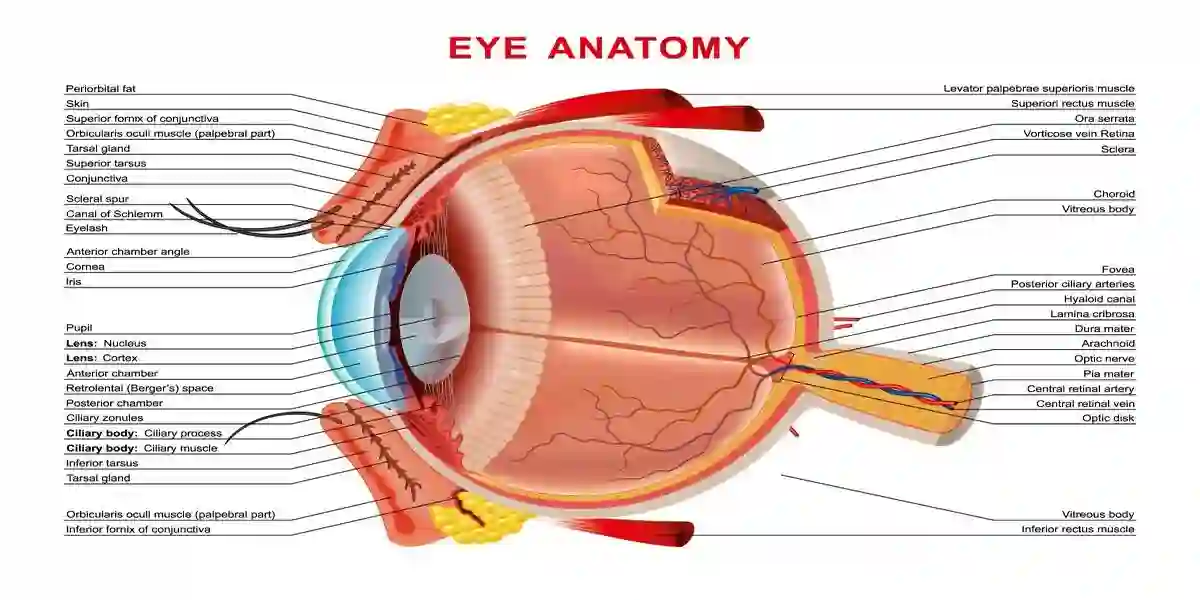
Common serious eye injuries include:
- Corneal abrasions and scarring that cause chronic pain, photophobia, and reduced acuity.
- Chemical burns with ongoing inflammation and risk of complications.
- Traumatic cataracts that may require surgery earlier than expected.
- Retinal tears or detachment that may recur and can cause permanent impairment.
- Optic nerve damage with irreversible vision loss.
- Orbital fractures and ocular muscle entrapment causing double vision.
- Globe rupture and penetrating injuries, often catastrophic.
Your medical record should describe:
- Baseline visual acuity and changes over time
- Visual field testing results
- Imaging and specialist findings
- Functional limitations (reading, driving, screen work, depth perception)
- Treatment plan and prognosis
- Work restrictions and safety limitations
A Nashville eye injury attorney should know how to convert clinical detail into legal proof that is understandable and persuasive.
Medication-Induced Eye Problems
Certain medications have been known to cause serious eye problems. For instance, Zepbound has been associated with some adverse eye side effects. Similarly, Trulicity users have reported experiencing various eye problems.
Weight management drugs like Wegovy have also been linked to severe eye damage in some cases. In fact, there are ongoing lawsuits related to Wegovy’s eye side effects.
Furthermore, the use of Mounjaro has raised concerns regarding potential eye side effects as well. This medication has also been tied to several reported Mounjaro eye problems.
Lastly, those using Saxenda for weight management should be aware of possible adverse reactions affecting their eyes.
It’s essential to remember that the repercussions of these medical negligence incidents can be profound. They can lead to long-term issues requiring extensive treatment or even result in permanent vision loss.
If you were the victim of an eye Injury in Nashville, contact Timothy L. Miles, an eye injury attorney in Nashville, today for a free case evaluation. You could be eligible for an eye injury lawsuit and possible entitled to substantial compensation in an eye injury lawsuit. The call is free and so is the fee unless we win or settle your case, so call today and see what a Nashville eye injury attorney can do for you. (855) 846-6529 or tmiles@timmileslaw.com. (24/7/365).
Tennessee Law Basics That Affect Nashville Eye Injury Claims
Legal rules shape your leverage. They also shape your risk.
Statute of Limitations
In Tennessee, many personal injury claims have a one-year statute of limitations. That is a short window. Some claims may have different or additional rules, but you should treat eye injury cases as time-critical unless counsel confirms otherwise.
Waiting can mean:
- Losing the right to file
- Losing evidence
- Allowing the insurer to argue that delayed care caused the outcome
Comparative Fault
Tennessee applies a modified comparative fault rule. If you are found 50% or more at fault, you typically cannot recover damages. If you are less than 50% at fault, your recovery is reduced by your percentage of fault.
Eye injury cases often trigger fault arguments, such as:
- Not wearing protective eyewear
- “Failure to keep a proper lookout” in car crashes
- Assumption of risk claims in recreational contexts
A proactive attorney will address these arguments directly with evidence, not rhetoric.
Damage Caps and Exceptions
Tennessee has statutory limits on certain damages in some circumstances. The applicability depends on the claim type, the facts, and potential exceptions. A trustworthy Eye Injury Attorney in Nashville should explain caps clearly, identify any relevant exceptions, and avoid unrealistic promises.
If you were the victim of an eye Injury in Nashville, contact Timothy L. Miles, an eye injury attorney in Nashville, today for a free case evaluation. You could be eligible for an eye injury lawsuit and possible entitled to substantial compensation in an eye injury lawsuit. The call is free and so is the fee unless we win or settle your case, so call today and see what a Nashville eye injury attorney can do for you. (855) 846-6529 or tmiles@timmileslaw.com. (24/7/365).
What an Eye Injury Attorney in Nashville Should Do That Others Often Miss
A general personal injury approach may not be enough. Strong eye injury representation is defined by process discipline and medical specificity.
Here are concrete markers of quality:
- Experienced in Eye Injury Cases: Attorneys who focus specifically on eye injury cases will have a deeper understanding of the medical aspects involved. This experience is crucial since eye injuries can arise from various situations like workplace accidents or vehicular mishaps.
- Understanding of Related Medical Conditions: Some medications can lead to serious side effects including vision problems. For instance, Trulicity and Saxenda have been linked to eye problems in some patients. An experienced attorney should be able to navigate through these complex medical narratives and help victims seek justice if they have suffered due to such side effects.
- Experience with Whistleblower Cases: In some instances, individuals might face retaliation for reporting unsafe practices that led to their eye injuries. A Nashville whistleblower attorney could provide essential legal support in such scenarios.
- Proven Track Record with Eye Injury Settlements: Look for attorneys who have successfully handled eye injury settlements before. Their experience can significantly influence the outcome of your case.
- Comprehensive Knowledge about Damage Caps and Exceptions: As previously mentioned, Tennessee has statutory limits on certain damages. An adept attorney should be well-versed with these laws and able to strategize accordingly.
- Robust Evidence Gathering Skills: The ability to collect and present strong evidence is paramount in eye injury cases where fault is often disputed.
- Negotiation Skills: Finally, strong negotiation skills are vital for reaching a fair settlement with insurance companies who often try to minimize payouts.
1) Immediate Evidence Preservation
Serious eye injury cases, such as those resulting from defective products, or even incidents like a slip and fall, benefit from early action:
- Preserving surveillance video before it is overwritten
- Securing incident reports, photos, and witness statements
- Preserving the product or equipment involved
- Gathering vehicle data, crash reports, and scene evidence
A delay of even a few weeks can erase key proof.
2) Specialist-Led Medical Narrative
Your attorney should encourage appropriate specialist follow-up and then:
- Collect complete ophthalmology records
- Track progression and prognosis
- Identify objective testing supporting the impairment
- Clarify whether the injury is likely permanent, progressive, or treatable
This is not medical coaching. It is claim integrity. The record must reflect the reality.
3) Future Damages Planning
Eye injury cases frequently involve future needs:
- Repeat surgeries and long-term medications
- Vision therapy and rehabilitation
- Low-vision devices and adaptive technology
- Transportation limitations
- Increased fall risk and secondary injuries
- Occupational changes
A thorough attorney will quantify these costs using documentation, treating provider input, and, where appropriate, life care planning.
4) Credible Settlement Positioning
Insurance companies respond to organized proof, consistent treatment, and a coherent damages model. A reliable Nashville eye injury lawyer should present a demand package that connects:
- Mechanism of injury
- Diagnosis and objective findings
- Treatment timeline
- Functional limitations
- Economic losses
- Non-economic harms
- Future costs and limitations
The goal is repeatable credibility. Credibility increases value.
If your eye injury resulted from a product like Depo-Provera, or if you need legal assistance in pursuing a whistleblower case, it’s crucial to consult with an experienced attorney who understands these complexities. For those dealing with severe side effects such as meningioma, specialized legal guidance is essential.
If you were the victim of an eye Injury in Nashville, contact Timothy L. Miles, an eye injury attorney in Nashville, today for a free case evaluation. You could be eligible for an eye injury lawsuit and possible entitled to substantial compensation in an eye injury lawsuit. The call is free and so is the fee unless we win or settle your case, so call today and see what a Nashville eye injury attorney can do for you. (855) 846-6529 or tmiles@timmileslaw.com. (24/7/365).
Compensation in Eye Injury Cases: What May Be Recoverable
Every case depends on its facts. However, eye injury claims commonly involve the following categories.
Economic Damages
- Emergency care, surgery, follow-ups, medication
- Vision therapy and rehabilitation
- Assistive devices (special lenses, magnifiers, screen readers)
- Lost wages
- Reduced earning capacity
- Transportation and out-of-pocket expenses
- Future medical and support needs
Non-Economic Damages
- Pain and suffering
- Loss of enjoyment of life
- Emotional distress, anxiety, depression
- Disfigurement or scarring
- Permanent impairment and lifestyle restriction
Vision loss is not merely a medical condition. It is a functional impairment that affects daily life. Your damages narrative should reflect that with specific examples, not general statements.
If you were the victim of an eye Injury in Nashville, contact Timothy L. Miles, an eye injury attorney in Nashville, today for a free case evaluation. You could be eligible for an eye injury lawsuit and possible entitled to substantial compensation in an eye injury lawsuit. The call is free and so is the fee unless we win or settle your case, so call today and see what a Nashville eye injury attorney can do for you. (855) 846-6529 or tmiles@timmileslaw.com. (24/7/365).
Punitive Damages (In Limited Circumstances)
Punitive damages are not routine. They may apply where conduct was especially reckless or intentional. A candid attorney will treat punitive damages as a legal possibility, not a marketing slogan.
Red Flags When Choosing an Eye Injury Attorney in Nashville
Trustworthy legal representation is not about slogans. It is about transparency, preparation, and professional judgment.
Be cautious if you observe:
- Guarantees of outcomes or promises of a specific settlement amount.
- Pressure to settle quickly, especially before specialists weigh in on prognosis.
- Little interest in your medical records, imaging, or functional limitations.
- A one-size-fits-all process that looks identical to soft-tissue auto cases.
- Unclear fee explanations or vague answers about costs and medical liens.
- Minimal discussion of timeline, including the one-year limitation period.
You should feel informed after a consultation. If you feel rushed, that is a signal.
Questions to Ask During Your Consultation (Use These Verbatim)
A competent Nashville eye injury attorney should answer directly.
- What is the likely legal theory in my case, and who are the defendants?
- What deadlines apply, and what do we need to file or send before filing?
- What evidence should I preserve today, and will your office send preservation letters?
- What specialists should be involved, and how do you use ophthalmology records in negotiation?
- How do you value future vision-related expenses and reduced earning capacity?
- Who will handle my case day-to-day, and how often will I receive updates?
- What are the biggest weaknesses you see right now, and how would you address them?
- How are fees calculated, and what costs might I be responsible for if we lose?
- How do you handle medical bills, liens, and subrogation?
- What is your approach if the insurer disputes causation or claims a preexisting condition?
The goal is not to interrogate the lawyer. The goal is to confirm competence, clarity, and seriousness.
What You Should Do Immediately After an Eye Injury (To Protect Health and the Claim)
Medical outcomes and legal outcomes often align. Consistent care supports both.
- Seek urgent medical evaluation if there is pain, blurred vision, flashing lights, floaters like those caused by Zepbound, blood in the eye, chemical exposure from products like Trulicity, or facial trauma. Retinal and optic nerve issues can be time-sensitive.
- Follow up with an ophthalmologist, not only urgent care. Specialist documentation matters.
- Document symptoms daily, including light sensitivity, headaches, reading difficulty, and driving limitations.
- Photograph visible injuries and preserve damaged glasses, contact lens materials, or safety equipment.
- Avoid recorded statements to insurers until you understand the purpose and implications.
- Do not post about the incident on social media. Insurers use posts to argue you are not impaired.
- Preserve evidence such as product packaging from items like Zepbound that may have caused eye issues, the tool involved in the injury, or chemical labels from hazardous substances.
These steps are practical and preventive. Preventive steps reduce disputes. Preventive steps preserve value.
How Liability Is Proven in Common Nashville Eye Injury Scenarios
Auto and Truck Claims
Proving negligence typically involves:
- Police reports and witness statements
- Vehicle damage analysis
- Camera footage and telematics, when available
- Medical proof linking trauma to ocular injury
- Distracted driving or impairment evidence, if applicable
Truck collisions may add layers involving federal regulations, driver logs, maintenance records, and corporate safety practices.
Workplace and Third-Party Claims
Workers’ compensation can cover medical care and partial wage loss, but it typically does not provide the full range of non-economic damages. Third-party cases may involve:
- Negligent subcontractors
- Unsafe premises controlled by another entity
- Defective tools or missing guards
- Failure to provide adequate safety equipment
A reliable attorney will examine the jobsite structure carefully, including contractual relationships and control of safety practices.
Product Liability Claims
A plaintiff generally needs proof of:
- A defect in design, manufacturing, or warnings
- Causation linking the defect to the eye injury
- Proper preservation and documentation of the product
These cases are technical and evidence-driven. Early preservation is decisive.
If you were the victim of an eye Injury in Nashville, contact Timothy L. Miles, an eye injury attorney in Nashville, today for a free case evaluation. You could be eligible for an eye injury lawsuit and possible entitled to substantial compensation in an eye injury lawsuit. The call is free and so is the fee unless we win or settle your case, so call today and see what a Nashville eye injury attorney can do for you. (855) 846-6529 or tmiles@timmileslaw.com. (24/7/365).
Settlement Versus Trial: How Good Firms Decide
Most claims resolve without trial, but serious eye injury cases must be prepared as if trial is possible. Preparation influences settlement value because it signals credibility and readiness.
A sound decision framework includes:
- Clarity on diagnosis and prognosis
- Stability of symptoms or a documented future trajectory
- Full accounting of economic losses and future needs
- An informed assessment of comparative fault risk
- A realistic view of jury appeal and evidentiary strength
Settling too early is a common mistake in eye injury cases, particularly when future complications remain unresolved. Conversely, delaying settlement without reason can increase costs and stress. The correct approach is structured, evidence-based timing.
Fee Structures and Case Costs: What “No Fee Unless You Win” Really Means
Many Nashville injury attorneys work on a contingency fee, meaning the fee is a percentage of the recovery. However, you should still clarify:
- The percentage at settlement versus after filing suit or going to trial
- Whether case expenses are deducted before or after the fee is calculated
- Who advances costs for experts, records, depositions, and filing fees
- What happens if there is no recovery
Closing Guidance for 2026: Act Early, Build Carefully, Choose Deliberately
Eye injury claims are time-sensitive, evidence-dependent, and medically technical. In Nashville, the most successful cases tend to share the same foundations: immediate medical care, disciplined documentation, early evidence preservation, and counsel who understands how ophthalmology translates into proof.
If you suspect your injury may be permanent or may involve future complications, treat the claim as a long-term financial and legal project. Be proactive. Be organized. Be deliberate. The quality of your early steps often determines the quality of your outcome.
Frequently Asked Questions about Eye Injuries in Nashville
Why do eye injury cases in Nashville require a skilled legal approach?
Eye injury cases demand experienced legal expertise due to the complex medical evidence involved, including various ophthalmology specialties, and the technical challenges in proving causation. These cases often involve future damages modeling for lifetime treatment costs, assistive technology needs, and reduced earning capacity. A competent Nashville eye injury attorney must adeptly handle these complexities to secure high-stakes compensation reflecting both economic and non-economic damages.
What are the common causes of serious eye injuries in Nashville?
Serious eye injuries in Nashville commonly arise from motor vehicle collisions, workplace incidents, defective products and equipment, premises liability such as falls or assaults, and medical negligence including surgical errors or delayed diagnosis. Each cause involves distinct legal theories and responsible parties, making it crucial to consult an experienced attorney to evaluate potential claims effectively.
How can medications like Zepbound and Trulicity affect eye injury claims?
Medications such as Zepbound have been linked to eye problems like dry eye syndrome, while Trulicity has been associated with eye pain. These side effects can complicate existing eye injuries and influence personal injury claims by adding layers of medical complexity that must be addressed when establishing causation and damages in your case.
What types of evidence are most important in supporting an eye injury claim?
Strong evidence includes detailed medical documentation connecting the mechanism of injury to diagnosis and functional limitations, expert opinions from ophthalmology specialists, preservation of defective products if applicable, accident reconstruction data for vehicle collisions, OSHA safety records for workplace injuries, and clear records of any delayed medical treatment or misdiagnosis. Comprehensive documentation is essential to counter insurance companies’ attempts to minimize claims.
What potential compensation can victims of eye injuries expect in Tennessee?
Victims may be entitled to compensation covering past and future medical expenses, assistive devices, lost wages due to reduced earning capacity, home or workplace modifications, pain and suffering (non-economic damages), and other long-term impacts on quality of life. The valuation often involves high stakes given the profound effects vision loss can have on independence and employability.
What mistakes should be avoided when filing an eye injury claim in Nashville?
Avoidable mistakes include failing to seek immediate medical care leading to incomplete documentation, not preserving evidence such as defective products or accident scenes, ignoring skilled legal advice early on, settling too quickly without assessing full future damages, and neglecting to address medication side effects that may impact your injury. Early informed decisions significantly influence the success of your claim.
